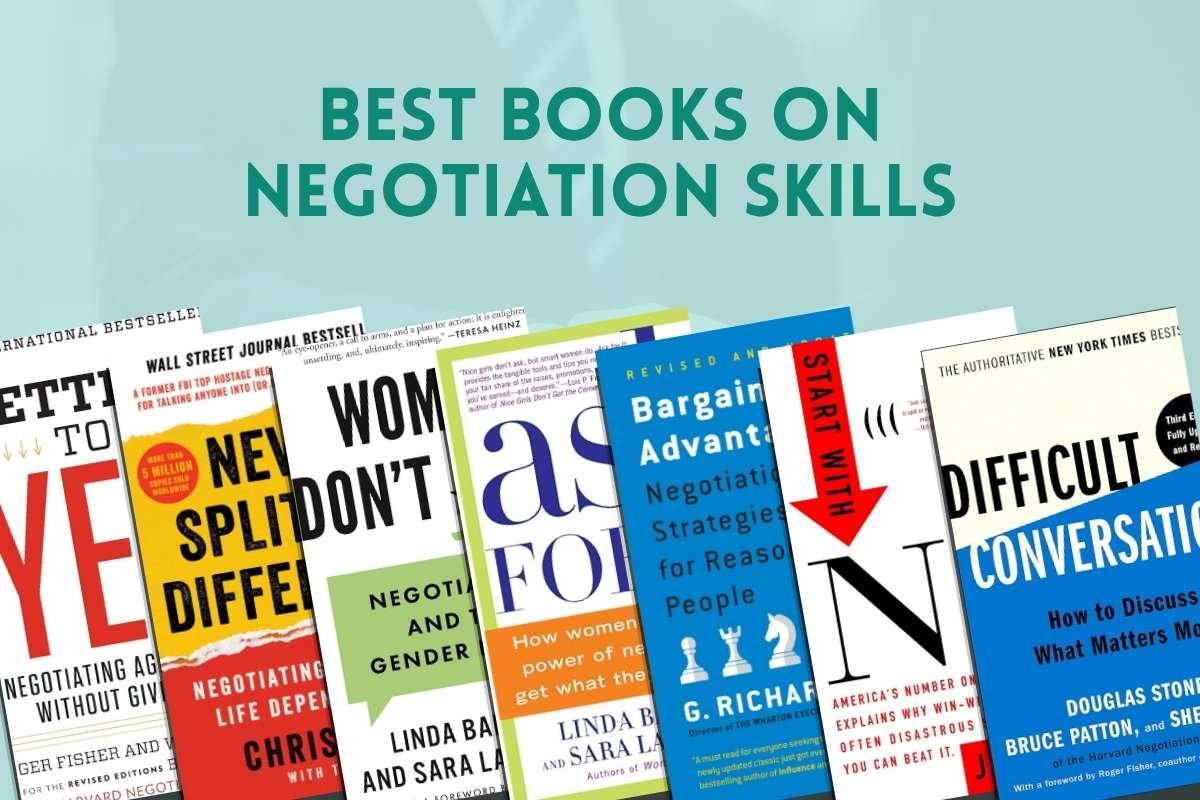

A common objective among professionals is to break into elite organizations such as Fortune 500 companies, global MNCs, and fast-scaling unicorns. However, this path frequently presents particular difficulties for women, such as unconscious prejudice and restricted access to powerful networks. It takes strategy, self-assurance, and long-term planning to understand how women can enter top companies, not just general career advice. This book provides women who want to pursue successful careers in prestigious companies with a practical, doable road map.
Understanding What Top Companies Really Look For
Top companies don’t just hire for degrees; they hire potential, adaptability, and a leadership mindset. While technical skills and academic credentials matter, these organizations increasingly prioritize problem-solving ability, communication skills, and cultural fit.
Women aspiring to enter top companies should:
- Study job descriptions deeply to understand skill expectations
- Track emerging industry skills (AI, data literacy, sustainability, product thinking)
- Align personal career narratives with company missions and values
Recruiters are drawn to candidates who demonstrate impact, not just experience. Quantifying achievements, such as revenue growth, efficiency improvements, or leadership outcomes, can significantly improve hiring chances.
How women can enter top companies through Skill Strategy and Continuous Learning?
One of the most effective answers to how women can enter top companies lies in skill positioning. Continuous upskilling is no longer optional; it’s essential.
Key focus areas include:
- Technical skills: Depending on the industry, coding, analytics, finance tools, or design systems
- Power skills: Leadership, negotiation, stakeholder management, and executive communication
- Digital fluency: Comfort with collaboration tools, AI-driven platforms, and remote work systems
Online certifications from credible platforms, executive education programs, and real-world projects help bridge experience gaps and signal seriousness to employers.
Building a Personal Brand That Recruiters Trust

Top companies often hire people before resumes, through LinkedIn, referrals, conferences, and industry visibility. Women who actively build a professional personal brand significantly improve their chances.
Actionable branding steps:
- Optimize LinkedIn with a clear headline, quantified achievements, and thought leadership posts
- Share insights, case studies, or lessons from your work
- Speak at webinars, panels, or internal company events
A strong personal brand positions you as a subject-matter expert rather than “just another applicant,” which is crucial in competitive hiring environments.
Networking With Intention, Not Intimidation
Networking is often misunderstood as transactional. In reality, it’s about relationship-building, and women excel at this when given the right approach.
Effective networking strategies:
- Join women-focused professional communities and industry groups
- Seek mentors and sponsors (mentors advise, sponsors advocate)
- Conduct informational interviews with professionals in target companies
Referrals account for a significant percentage of hires in top organizations. Strategic networking directly influences access to hidden job opportunities.
Cracking the Hiring Process With Confidence

Interviews at top companies are designed to test clarity of thought, decision-making, and leadership potential. Women sometimes undersell themselves. This is where preparation changes outcomes.
Interview best practices:
- Prepare STAR-based answers (Situation, Task, Action, Result)
- Practice salary and role negotiations without apology
- Ask intelligent questions about growth, culture, and impact
Understanding how women can enter top companies also means mastering confidence, not perfection. Employers value authenticity paired with competence.
Leveraging Diversity, Equity, and Inclusion (DEI) Initiatives
Many top companies actively invest in DEI hiring programs, leadership pipelines, and return-to-work initiatives for women. These are not shortcuts; they are structured opportunities designed to create balanced leadership.
Women should:
- Track companies with strong DEI track records
- Apply to leadership development programs and diversity hiring drives
- Use company reports and ESG disclosures to evaluate inclusion commitment
Smart candidates align themselves with organizations where women are visibly represented at senior levels.

7 Strategies that promote DEI Principles in your Business
In this article, we will explore seven strategies that promote DEI principles in your business, helping you create a more diverse, equitable, and inclusive work environment.
Overcoming Barriers: Mindset, Bias, and Career Breaks

Career breaks, late starts, or industry switches are not career killers, but they require strategic storytelling. Women must own their narratives.
Tips to overcome barriers:
- Reframe career gaps as periods of skill development or leadership growth
- Address bias calmly with data, performance, and professionalism
- Focus on transferable skills when switching roles or industries
Resilience and clarity play a major role in long-term success within elite organizations.
Long-Term Growth After Entry
Entering a top company is only the first milestone. Thriving there requires continuous performance, visibility, and leadership readiness.
Sustainable growth strategies:
- Seek high-impact projects early
- Ask for feedback and promotions proactively
- Build cross-functional relationships
Understanding how women can enter top companies also means knowing how to stay, grow, and lead once inside.
Conclusion: Turning Aspiration Into Action
Fitting a mold is not the key to success in prestigious companies. It is about gradually increasing competence, self-assurance, and credibility. Women can not only join prestigious organizations but also influence their own futures from within if they have the appropriate networks, abilities, and mindset. In the long run, preparation, perseverance, and deliberate career choices are the answers to the question of how women can enter top companies.