
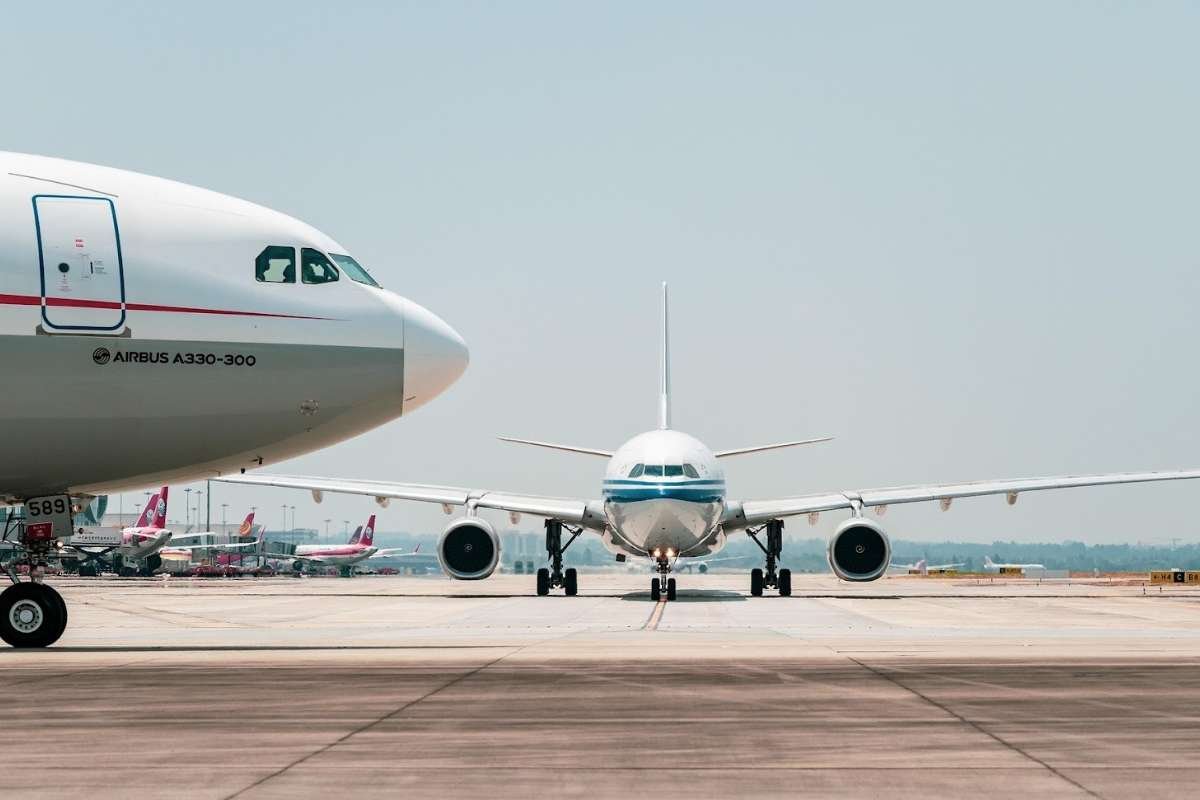
When you think about air travel, it’s more than likely that you think about destinations, vacations, or even business trips.
What you likely are not thinking about is technology, but it is working very quietly to make the entire experience go very smoothly. Air travel technology is much smarter than it was just a decade ago, and most of the improvements quietly happen behind the scenes.
Flights Are Guided by Data
Modern aircraft generate a large amount of data while they are in flight. This information is what helps to monitor performance, system health, as well as fuel efficiency. Instead of waiting for something to break, airlines will often spot patterns very early on and fix issues before they cause any form of delay.
When you land safely and on time, it’s often because someone has already reviewed and has been careful to improve a system that you never laid eyes on. Data allows aviation to move from having a reactive approach to a proactive one.
Airports Are Becoming More Efficient
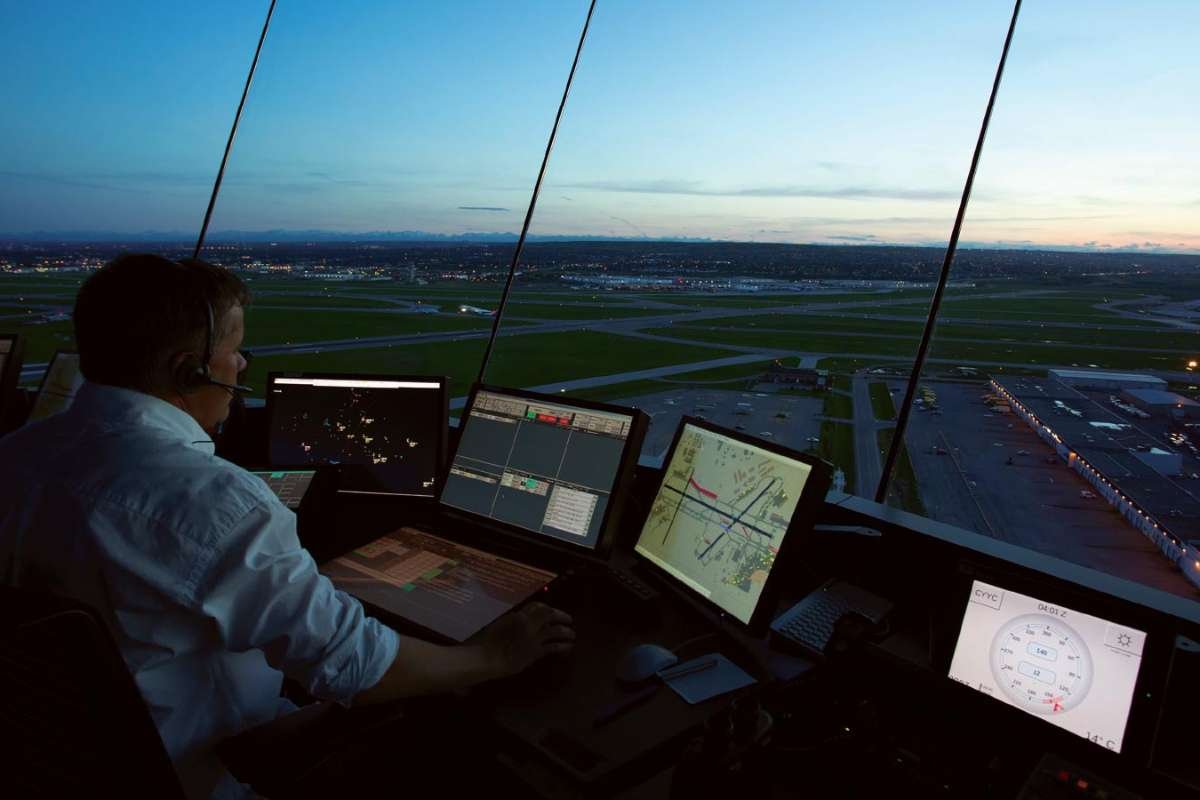
More than ever, airports are becoming very efficient. Think about the checking kiosk, mobile boarding pass, and automated check-in. You also have access to real-time updates in many cases. These aren’t just random conveniences.
They’re all part of a larger shift towards smarter coordination in the aviation space. Technology helps airports manage high pressure passenger volumes while still reducing their bottlenecks.
Aircraft traffic control systems have been evolving so that they can improve routing and reduce congestion in the skies.
Companies such as Spatial contribute to this evolution by ensuring that home aerodynamic systems are organized and maintained. Their work supports the kind of coordination that will make large-scale travel very possible for many.
Safety Is Always Improving
When it comes to air travel technology, safety is one of the main reasons why it remains such a popular form of transportation. This safety is brought about by constant improvement. Systems are always being reviewed and tested regularly.
Engineers are always looking for ways to reduce risk more and more, even when standards are already high. You may not see all these updates, but they do affect everything from communication systems to the monitoring tools that are used during your flight.
Continuous refinement ensures that safety keeps pace with global travel demands. The goal is simple: reduce all uncertainty whenever possible.
Why It Feels Effortless to You?

When technology is working well, it simply disappears. You check in, you arrive without thinking about the infrastructure that is supporting you. Smart aviation systems will reduce delay, improve scheduling accuracy, and they will also strengthen coordination between teams.
This kind of invisible reliability is what creates the smooth experience that you have come to expect. Air travel technology is becoming much smarter, not because it looks different, but simply because it works much better.
The next time your flight runs smoothly and on time, remember that it’s not luck. It’s all about technology, constant system improvement, and planning, all of which are working quietly in the background. And that’s exactly how it should be because this is what makes it effective.