
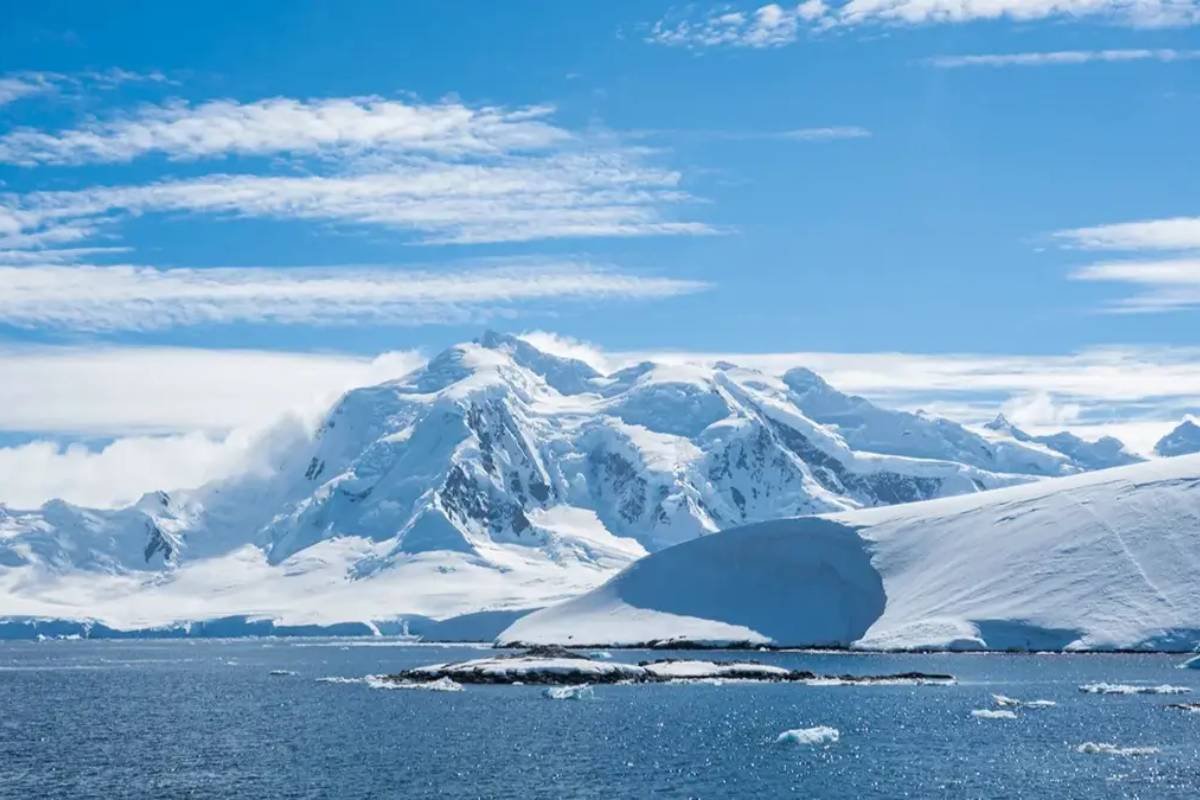
Scorching deserts are frequently linked with extreme weather. However, the opposite end of the spectrum is much harsher. The areas known as the “Coldest Places on Earth” have temperatures so low that even breathing becomes difficult, machinery malfunctions, and exposed skin can freeze in a matter of minutes. These frozen landscapes are living laboratories that show how people, animals, and the planet itself adapt to unbearable cold. They are more than just thermometer readings.
Understanding Extreme Cold Zones
Extreme cold is shaped by a mix of geography, altitude, sunlight, and atmospheric patterns. Polar Regions receive minimal solar energy, while high-altitude plateaus trap cold air for long periods. In many of these areas, winter temperatures routinely drop below -50°C (-58°F), creating conditions that few organisms can tolerate. Despite this, scientific stations, indigenous communities, and resilient wildlife continue to survive in the Coldest Places on Earth, proving that life can endure even the harshest environments.
These are the Top Coldest Places on Earth:
1. Antarctica: The Coldest Continent
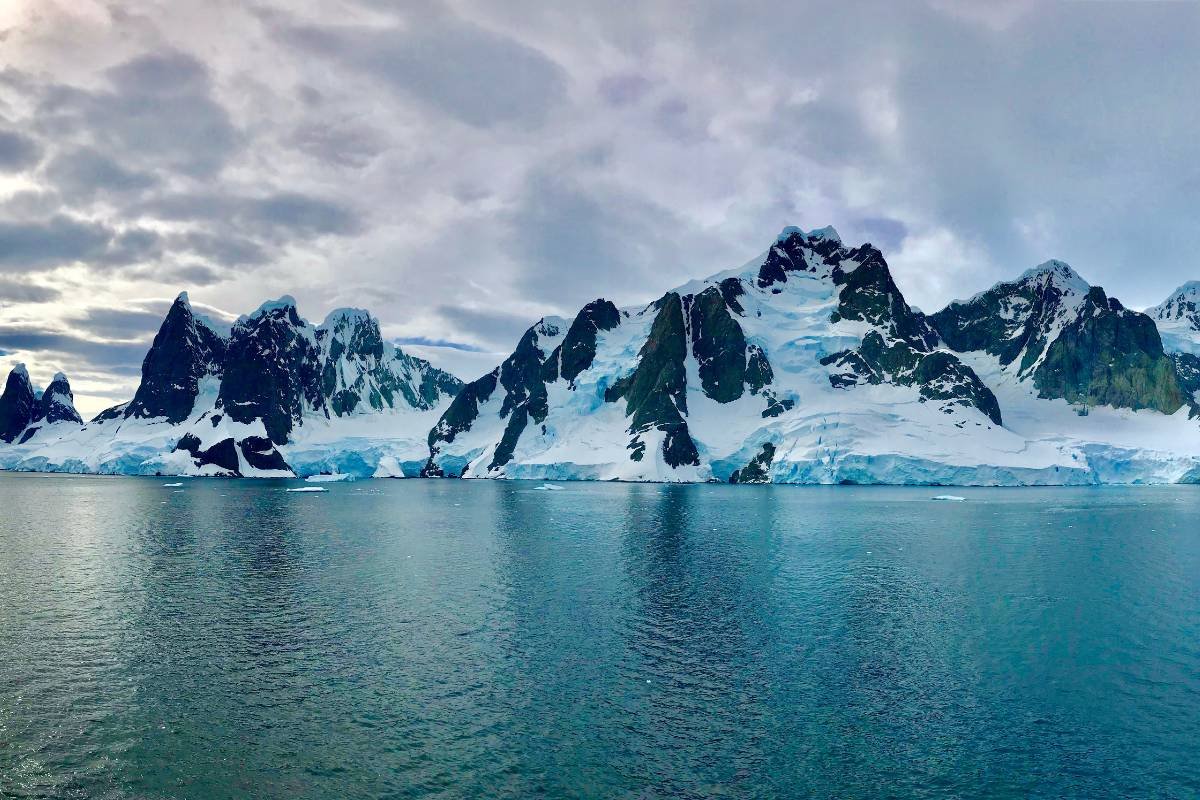
Antarctica stands uncontested as the coldest continent on the planet. The lowest temperature ever recorded on Earth, approximately -89.2°C (–128.6°F). It was measured at Vostok Station in East Antarctica. Satellite data later suggested that some Antarctic plateau areas may experience temperatures even lower.
What makes Antarctica so cold is its elevation and isolation. Much of the continent sits more than 2,000 meters above sea level, and its thick ice sheet reflects sunlight instead of absorbing heat. Combined with months of complete darkness during polar winter, Antarctica earns its place among the Coldest Places on Earth.
Despite the conditions, Antarctica is vital for global climate research. Ice cores drilled here provide climate records stretching back hundreds of thousands of years, helping scientists understand Earth’s climate cycles.
2. Oymyakon, Russia: The Coldest Inhabited Place
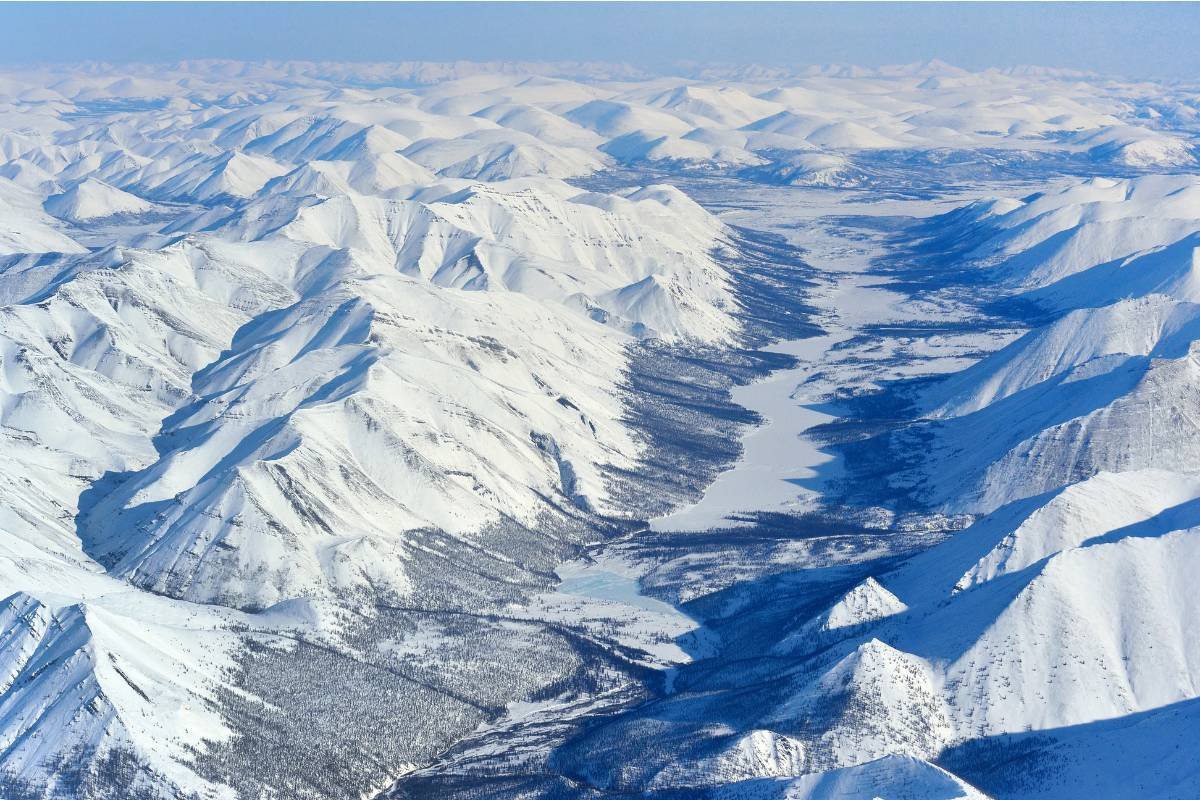
While Antarctica is the coldest overall, Oymyakon in Siberia is often called the coldest permanently inhabited place on Earth. Located in Russia’s Sakha Republic, Oymyakon has recorded temperatures as low as -67.7°C (-89.9°F).
Daily life here is shaped entirely by the cold. Cars are rarely turned off in winter because engines may not restart. Schools remain open until temperatures fall below -52°C, and traditional diets rely heavily on meat and fish, as crops cannot grow in frozen soil. Oymyakon’s survival story shows how humans adapt culturally and technologically to life in the Coldest Places on Earth.
3. Greenland and the Arctic Circle
Greenland and the broader Arctic Circle experience extreme cold, especially in winter when temperatures can drop below -60°C in inland regions. Greenland’s ice sheet, the second largest in the world, plays a crucial role in regulating global sea levels and climate patterns.
Arctic cold is intensified by polar night, when the sun does not rise for weeks or months. However, unlike Antarctica, parts of the Arctic are home to indigenous communities such as the Inuit, who have thrived for centuries through specialized clothing, architecture, and survival techniques. These regions further highlight how the Coldest Places on Earth are not lifeless wastelands but complex ecosystems.
4. Denali, Alaska: Extreme Cold at High Altitude

Denali, North America’s highest mountain, experiences some of the coldest temperatures outside the Polar Regions. Due to its high latitude and extreme elevation, Denali’s summit can feel colder than Mount Everest despite being shorter.
Wind chill plays a major role here. High winds combined with low temperatures can create conditions deadly to climbers. Denali demonstrates that altitude can rival polar locations when it comes to extreme cold, earning it a reputation among mountaineers as one of the most dangerous cold environments on the planet.
5. Vostok Station, Antarctica
Vostok Station holds the official record for the lowest temperature ever measured on Earth. Located deep within East Antarctica, it sits atop thick ice with almost no moisture in the air. The station experiences months of complete darkness and extreme isolation. Oxygen levels are low due to high elevation. Human activity here is limited to scientific research only.
6. Dome A, Antarctica
Dome A is the highest ice plateau in Antarctica and one of the most frigid locations known. Satellite readings suggest temperatures here can drop below –90°C. The region experiences almost zero wind, allowing cold air to settle and intensify. No permanent human settlement exists due to its hostile conditions. It is considered one of the most extreme climate zones on the planet.
7. Alert, Nunavut, Canada
Alert is the northernmost permanently inhabited settlement in the world. Winters are long and dark, with temperatures frequently falling below –40°C. The sun does not rise for months during the polar night. Despite the cold, Alert serves as a military and research station. Life here revolves around survival planning and strict weather monitoring.
Deepest Places on Earth: Exploring the Most Extreme Depths of Our Planet
The deepest places on Earth, both natural and man-made, are examined in this article. This shows what’s underneath and why science, climate research, and exploration in the future depend on these depths.
8. Verkhoyansk, Russia
Verkhoyansk rivals Oymyakon as one of the coldest inhabited places on Earth. Winter temperatures regularly plunge below –60°C. The town is also known for having one of the widest temperature ranges globally, with hot summers and brutal winters. Frozen rivers and permafrost dominate the landscape. Life here demands extreme resilience.
9. Yakutsk, Russia
Yakutsk is the coldest major city in the world, home to hundreds of thousands of residents. Winter temperatures average around –40°C, with frequent drops even lower. Buildings are constructed on stilts due to permafrost. Vehicles, water systems, and daily routines are designed around the cold. Despite this, the city remains economically and culturally active.
10. Norilsk, Russia
Norilsk is one of the coldest and most isolated industrial cities globally. Winter lasts up to nine months, with temperatures often below –30°C. Severe blizzards and limited daylight are common. The city is also known for heavy pollution, compounding the harsh climate. Residents face both environmental and weather-related challenges.
11. Mount Everest (Upper Slopes), Nepal–China
While not the coldest by record, Everest’s upper slopes experience deadly cold combined with extreme wind. Temperatures can drop below –60°C, with wind chills making it feel even colder. Oxygen levels are dangerously low, increasing the risk of frostbite and hypothermia. Climbers face some of the most hostile conditions on Earth. Survival here is time-limited and risky.
12. Plateau Station, Antarctica
Plateau Station was a former U.S. research base located high on the Antarctic Plateau. It recorded consistently extreme low temperatures during its operation. The combination of altitude, isolation, and lack of sunlight made it one of the coldest research environments ever inhabited. The station was eventually abandoned due to logistical difficulties. Its data remains valuable for climate studies.
13. Snag, Yukon, Canada
Snag recorded one of the lowest temperatures ever in North America at –63°C. The small settlement is surrounded by mountains that trap cold air. Winter conditions are severe, with deep snow and minimal daylight. The area is sparsely populated today. It remains a reference point for extreme cold records.
14. Prospect Creek, Alaska, USA
Prospect Creek holds Alaska’s coldest recorded temperature at –62°C. Located near the Arctic Circle, it experiences intense cold snaps during winter. The area was once used as a construction camp for the Trans-Alaska Pipeline. Extreme weather made long-term settlement impractical. Today, it stands as a symbol of Arctic cold extremes.
15. Amundsen-Scott South Pole Station, Antarctica
Located at the geographic South Pole, this station experiences extreme cold year-round. Average winter temperatures hover around -60°C. The sun sets for six months, plunging the region into continuous darkness. Despite the harsh environment, it supports year-round scientific research. It remains one of the most iconic cold locations on Earth.
How Life Survives Extreme Cold?
Survival in extreme cold requires extraordinary adaptations. Animals like polar bears, Arctic foxes, and penguins rely on thick insulation, fat layers, and specialized circulation systems. Microorganisms survive by producing antifreeze-like proteins that prevent ice crystals from forming inside their cells.
Humans, too, adapt through technology, thermal clothing, insulated shelters, and energy-dense diets. Research conducted in these regions has contributed to advances in medicine, materials science, and climate understanding, much of it rooted in studies from the Coldest Places on Earth.
Why These Frozen Regions Matter?
Extreme cold regions are early indicators of climate change. Rising temperatures, melting ice sheets, and thawing permafrost have global consequences, including sea-level rise and altered weather patterns. Monitoring these areas helps scientists predict future environmental shifts.
Moreover, these places inspire a sense of humility. They remind us that Earth’s extremes are powerful forces that shape life and demand respect.
Conclusion
The Coldest Places on Earth show the planet at its most extreme, from the massive Antarctic ice sheets to the resilient town of Oymyakon. These icy environments become a threat to human survival, drive scientific advancement, and are essential to the Earth’s climate system. Even though very few people will ever visit them, they are among the most significant places on Earth because of their global influence.