

Hotels operate at the intersection of hospitality, safety, employment, and public trust. For women leading or managing hotel businesses, liability exposure is not always tied to dramatic incidents. More often, it forms quietly in the gaps between policy and practice, expectation and execution. These gaps create risk that can affect guests, employees, brand reputation, and long-term financial health.
Understanding the Modern Liability Gap
The liability gap in hotel operations refers to areas where responsibility exists, but oversight falls short. In hotel operations, this often happens when departments work in silos or when procedures are documented but inconsistently followed. Daily operations move fast, and minor shortcuts can slowly build into significant exposure.
Unlike visible risks such as slip and fall incidents, liability gaps are harder to detect. They may involve communication breakdowns, outdated training, or assumptions about who owns a specific responsibility. Over time, these blind spots increase the chance of legal disputes and public scrutiny.
7 Key Pillars of Liability Gap in Hotel Operations
1. Staffing Pressures and Training Shortfalls
Labor shortages have reshaped hotel staffing models. Cross-training and flexible roles help maintain service levels, but they also blur accountability. Employees may handle tasks outside their original scope without receiving full guidance or support.
Training gaps are especially risky when staff members interact directly with guests. Inconsistent onboarding, rushed safety briefings, or skipped refreshers leave employees unprepared to respond appropriately during sensitive situations. This can escalate minor issues into reportable incidents that draw legal attention.
Leadership teams benefit from viewing training as an ongoing process rather than a one-time event. Regular reinforcement helps align daily behavior with documented standards.
2. Guest Safety Beyond Physical Hazards

Most hotels focus heavily on physical safety, such as fire prevention, pool rules, and maintenance checks. While these are essential, guest safety also includes emotional and situational well-being.
Issues such as harassment, unauthorized room access, or ignored warning signs can expose hotels to liability even when no physical injury occurs. Front desk staff, housekeeping, and security teams must share information clearly to identify patterns that suggest elevated risk.
Programs such as anti-human trafficking training play a role here by helping staff recognize concerning behaviors and respond through proper channels. When awareness is uneven, the liability gap widens.
3. Vendor Relationships and Shared Responsibility
Hotels rely on third-party vendors for cleaning, maintenance, food service, and technology. While contracts often outline responsibility, day-to-day oversight still matters. If a vendor employee causes harm on site, the hotel may share liability depending on supervision and reporting practices.
Clear communication with vendors about safety expectations, reporting protocols, and guest interaction standards reduces risk. Documentation alone is not enough. Active coordination helps ensure that external partners uphold the same standards as internal staff.
4. Data Privacy and Operational Systems
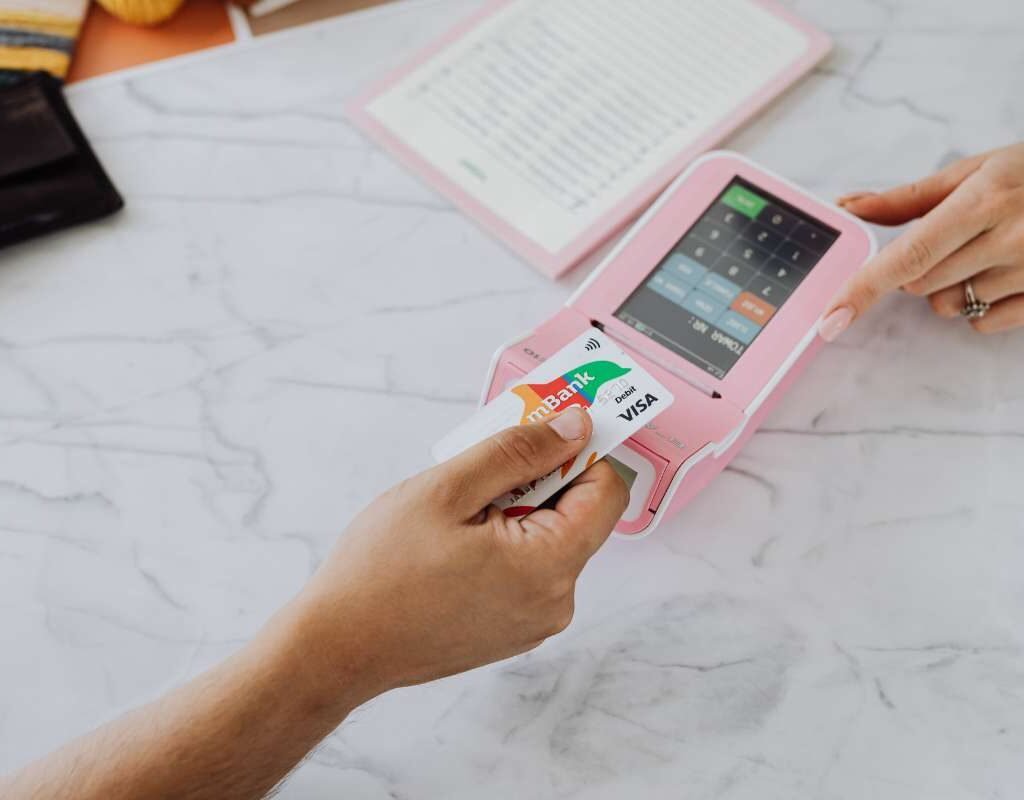
Digital systems support reservations, payments, loyalty programs, and staffing. These tools improve efficiency but introduce privacy concerns. A Liability Gap in Hotel Operations can form when access permissions are loosely managed or when employees share login credentials for convenience.
Data breaches involving guest information can result in legal claims and loss of trust. Regular audits of system access and clear data handling policies help close this gap. Training staff to recognize phishing attempts and improper data requests is equally important.
5. Leadership Visibility and Accountability
Women in hotel leadership often juggle operational demands with people management and brand stewardship. Liability Gap in Hotel Operations grows when leadership presence fades from daily operations. When employees feel disconnected from decision makers, small issues may go unreported.
Visible leadership reinforces accountability. Regular walk-throughs, open communication channels, and clear escalation paths encourage staff to speak up before problems grow. This culture reduces risk while improving morale.
6. Documentation Versus Daily Practice

Hotels typically have well-written policies covering safety, conduct, and guest relations. The challenge lies in consistent application. If policies exist only in manuals or digital folders, they fail to protect the business.
Liability gap in hotel operations appears when staff rely on habit rather than guidance. Reviewing policies during team meetings and using real scenarios helps bridge the gap between written rules and real-world decisions.
7. Insurance Does Not Replace Prevention
Insurance coverage is essential, but it does not eliminate liability. Claims consume time, energy, and reputation capital. They can also increase premiums or limit coverage options in the future.
Prevention focuses on reducing the likelihood of incidents rather than reacting afterward. Closing liability gaps through training, communication, and oversight protects both financial stability and brand integrity.
Hotel operations thrive on trust. Guests trust that their stay will be safe and respectful. Employees trust that leadership will support them with clear guidance and fair expectations. Liability gaps erode this trust quietly.
By identifying where responsibility diffuses and strengthening those areas, women leaders can protect their teams, guests, and businesses. Proactive attention to these gaps turns risk management into a competitive advantage rather than a reactive burden. To learn more about the liability gap in hotel operations, feel free to look over the accompanying resource below.