
Key Points:
- Japan boosts crisis readiness to protect citizens amid Iran conflict.
- Energy disruptions and yen decline raise economic risks.
- Tokyo pursues diplomacy while opposing Iran’s nuclear ambitions.
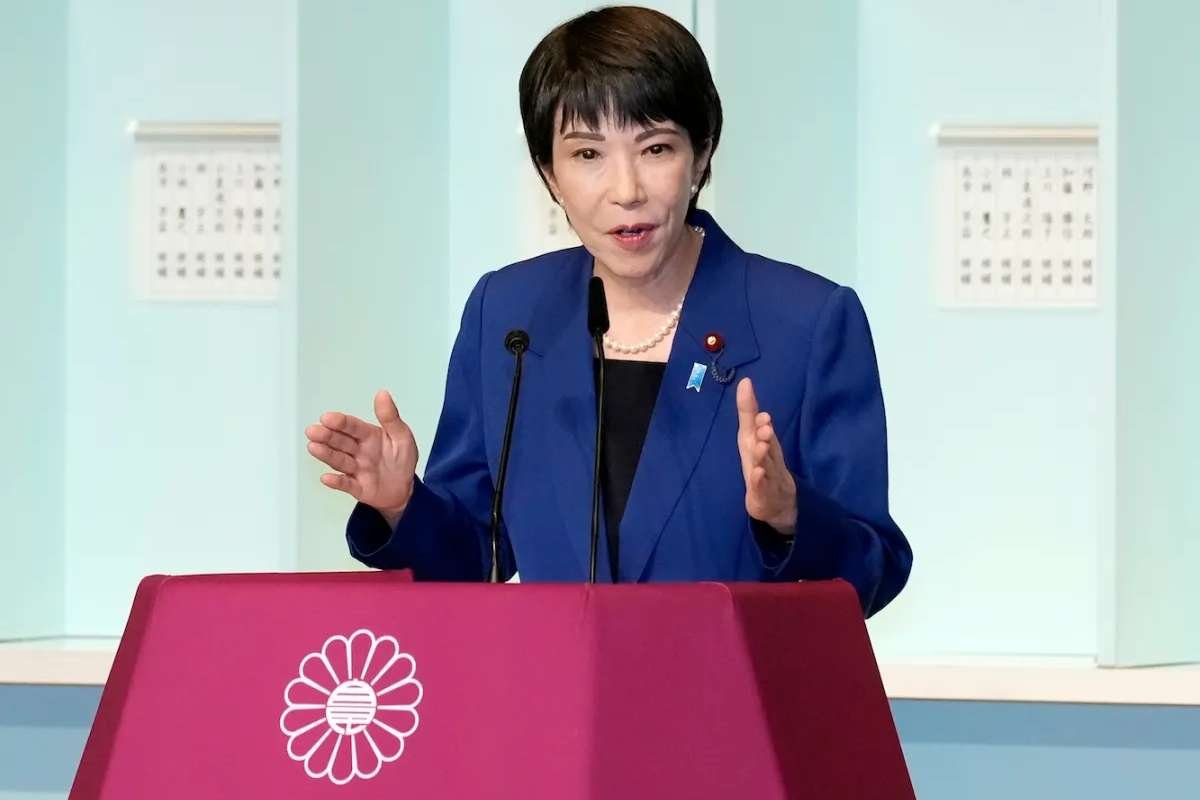
Japan’s government, under Prime Minister Sanae Takaichi, has announced heightened preparedness measures in response to escalating conflict in the Middle East after recent military actions against Iran. Sanae Takaichi’s administration said it will take “all possible measures” to address emerging risks, protect Japanese nationals in the region, and mitigate potential impacts on national security and the economy. Japan’s National Security Council, including key ministers, met to coordinate contingency planning and review evolving threats.
Tokyo is currently tracking the situation of Japanese citizens in the Middle East and exploring evacuation options for those who wish to leave Iran amid growing violence. Government officials highlighted the importance of ensuring the safety of Japanese nationals through close monitoring and communication with relevant foreign partners.
Despite the volatility, Japanese authorities stressed their commitment to diplomatic efforts and international cooperation. Tokyo has reiterated its stance that Iran’s pursuit of nuclear weapons is unacceptable and emphasized the need for a peaceful resolution through dialogue. At the same time, Japan continues to coordinate with international partners, including the Group of Seven nations, to share information and support efforts that contribute to regional stability.
Regional Conflict Sparks Security and Economic Concerns
The Middle East situation has intensified after combined strikes by the United States and Israel targeting Iranian military positions. In response, Iran has conducted counterattacks, further heightening regional tensions. The spiral of military engagements has prompted governments worldwide to adjust travel advisories and elevate security alerts for citizens in affected areas.
Japan’s Foreign Ministry has updated its travel guidance, urging Japanese citizens to leave Iran and avoid travel due to deteriorating conditions. The conflict is also straining global maritime routes; disruptions around the Strait of Hormuz, a vital channel for oil shipments, have raised concerns about energy supply and international shipping security.
Japanese shipping companies have reportedly suspended operations near key shipping lanes as a precautionary measure. Government officials are monitoring developments closely, recognizing the strategic importance of these routes for Japan’s energy imports and broader economic stability.
The volatile situation has begun to influence financial markets as well. The Japanese yen has faced depreciation against the dollar, reflecting investor concerns over uncertainty in global energy markets and potential impacts on Japan’s economy. Analysts warn that prolonged disruption in Middle Eastern energy flows could affect global prices and domestic economic activity.
Economic Risks Under Scrutiny
With Japan relying heavily on Middle Eastern oil imports, Tokyo is assessing how an extended conflict might affect energy costs and economic performance. Economists caution that sustained instability could slow growth and complicate monetary policy decisions, especially for the Bank of Japan. Balanced planning is underway to support markets and address potential inflationary pressures resulting from higher energy prices.
Meanwhile, government leaders remain focused on crisis management, emphasizing Japan’s preparedness to respond flexibly to changing conditions. Sanae Takaichi has instructed her cabinet to continuously review risk assessments and take appropriate actions to protect citizens and the economy.
As tensions persist, Japan’s leadership is committed to strengthening diplomatic engagement with allies and ensuring comprehensive strategies are in place to navigate the challenge. Analysts suggest that the response from Tokyo reflects a broader intent to safeguard national interests while contributing to international efforts aimed at de-escalating the volatile situation.
Check out CIO Women Magazine for the most recent updates and insights.