

There is a certain hour of the night when ambition and exhaustion sit at the same kitchen table. The house is finally still. Toys are pushed under sofas. And somewhere between a child’s last cough and the buzz of a refrigerator, decisions are made that will change lives.
This is where many Success Stories of Mom Entrepreneurs truly begin.
Not in conference halls, nor at pitch events. But in moments when motherhood sharpens urgency instead of dulling it. When survival becomes strategy and when love becomes leverage.
Across continents and cultures, mothers have built companies not despite motherhood, but because of it. What follows is not a list but a record. Twenty-five complete journeys where women turned daily responsibility into lasting power. These Success Stories of Mom Entrepreneurs do not glorify hustle. They honor resolve.
Here are the 25 Best Success Stories of Mom Entrepreneurs
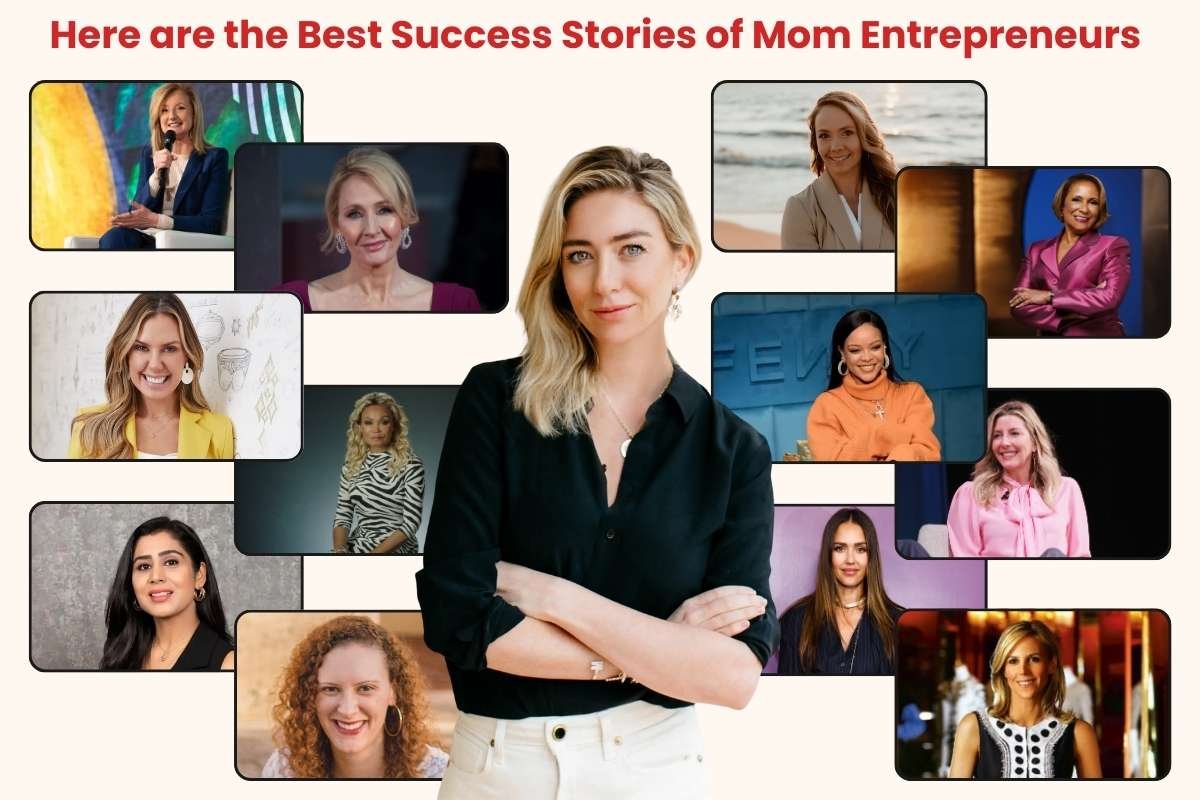
At The CIO Women magazine, we set out to understand not just success, but the conditions that shaped it. We pored over public records and traced the origins of every idea, every pivot, and every milestone.
The twenty-five stories featured here are curated for depth, impact, and resilience. They are ranked not by fame or fortune, but by the combination of innovation and the unique way motherhood intensified strategy, creating business legacies. Each profile reflects information verified, ensuring these journeys are documented with both rigor and respect.
1. Whitney Wolfe Herd: Rewriting Power after Public Humiliation

Whitney Wolfe Herd learned early that ambition, when it belongs to a young woman, is often punished before it is praised. In her early twenties, after helping shape Tinder’s explosive rise, she found herself sidelined, harassed, and publicly diminished in a workplace she helped build. The lawsuit that followed was not just legal; it was reputational. Silicon Valley moved on quickly. She didn’t.
Instead of fighting for a seat she was never meant to keep, she built a new table.
Bumble was not launched as a protest. That would have made it easy to dismiss. It was launched as a subtle correction. One rule, quietly radical: women make the first move. Safety was the headline. Dignity was the subtext. Power dynamics shifted without a press conference.
As Bumble expanded into friendships and professional networking, Wolfe Herd proved that cultural sensitivity could scale. The 2021 IPO was the culmination of something deeper than growth metrics. At 31, she became the youngest self-made female billionaire while navigating new motherhood in full public view.
When she later stepped back from daily operations, critics called it a retreat. It wasn’t. It was authorship. She chose the next chapter instead of being written out of one.
Key notes:
- Founded Bumble in 2014 after leaving Tinder
- 100M+ users across 150 countries
- IPO valuation: $13B
- Motherhood reshaped leadership pace and priorities
2. Arianna Huffington: Collapse as a Business Model Reset
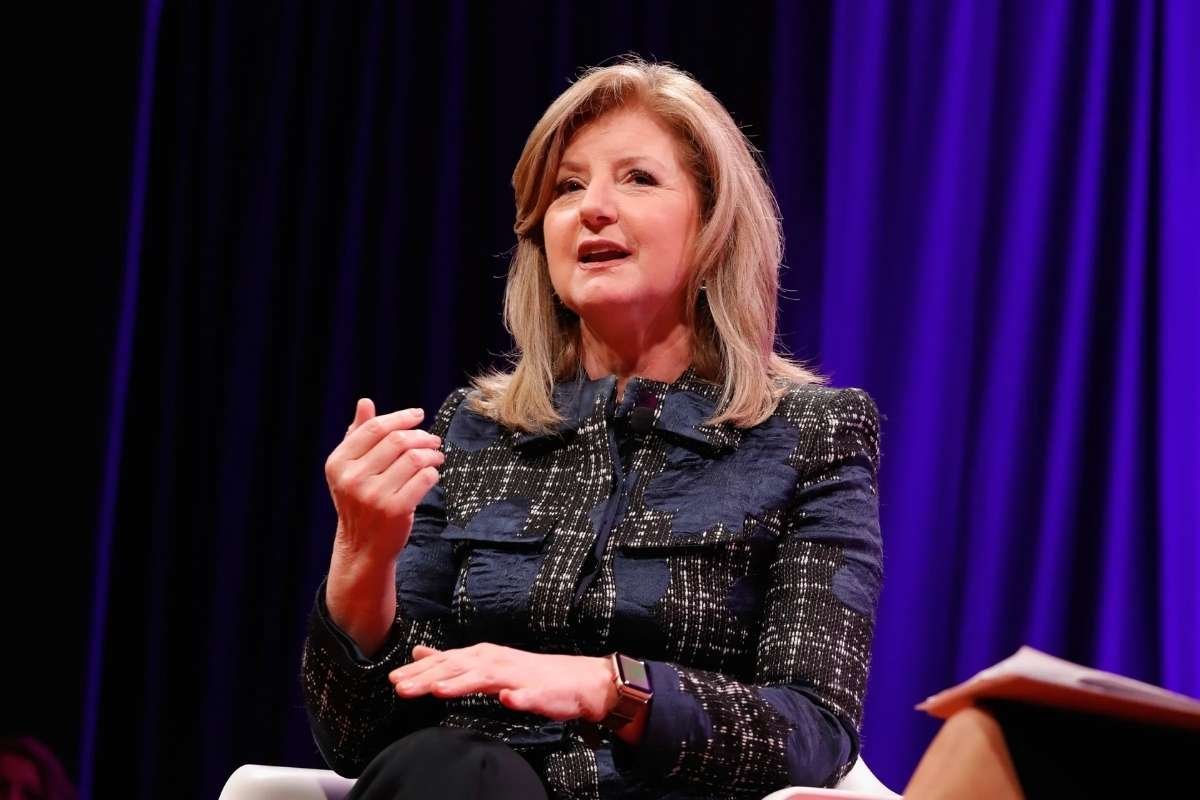
Arianna Huffington did not build The Huffington Post with balance. She built it with obsession. From a kitchen table, as a single mother raising two daughters, she assembled writers, thinkers, and momentum. Venture capital came later. In the beginning, there was only stamina and conviction.
When AOL acquired the company for $315 million, the moment was framed as a triumph. Headlines crowned her. Applause followed. Her body, however, had been keeping a separate ledger. This chapter of her life is one of the defining Success Stories of Mom Entrepreneurs, showing how personal limits can recalibrate professional vision.
Shortly after the sale, she collapsed from exhaustion. No metaphor. A physical fall that forced a reckoning. Success, as she had defined it, was incomplete.
Thrive Global was born not from failure, but from recalibration. Huffington redirected her influence away from clicks and toward culture. She began arguing that burnout was not a badge of honor, but a leadership flaw. That rest was not indulgence, but infrastructure.
Her later work didn’t dominate headlines the way HuffPost once did. It did something quieter and more enduring. It changed how executives think.
Key notes:
- Founded The Huffington Post in 2005
- Sold to AOL for $315M
- Founded Thrive Global after burnout
- Reframed rest as a leadership competency
3. J.K. Rowling: Writing Through Poverty, Not Past It

Joanne Rowling did not write Harry Potter in a moment of inspiration. She wrote it in fragments. On borrowed time. On welfare. As a single mother counting coins and calories.
Cafés became offices because they were warm. Train delays became creative incubators because they were unavoidable. Rejection letters arrived with consistency that bordered on cruelty. Hope was not abundant. Discipline was.
When Bloomsbury finally accepted the manuscript, the advance barely covered rent. There was no certainty. No guarantee that magic would translate beyond the page.
What followed is well-documented. A publishing phenomenon. A global franchise. Cultural permanence.
What is less discussed is the refusal embedded in her process. Rowling did not escape struggle before creating meaning. She created meaning inside it. That distinction is why her story endures.
Key notes:
- Wrote while on welfare as a single mother
- 500M+ books sold worldwide
- $25B+ franchise value
- Extensive philanthropic contributions
4. Kendra Scott: Jewelry, Glue Guns, and Minivan Sales
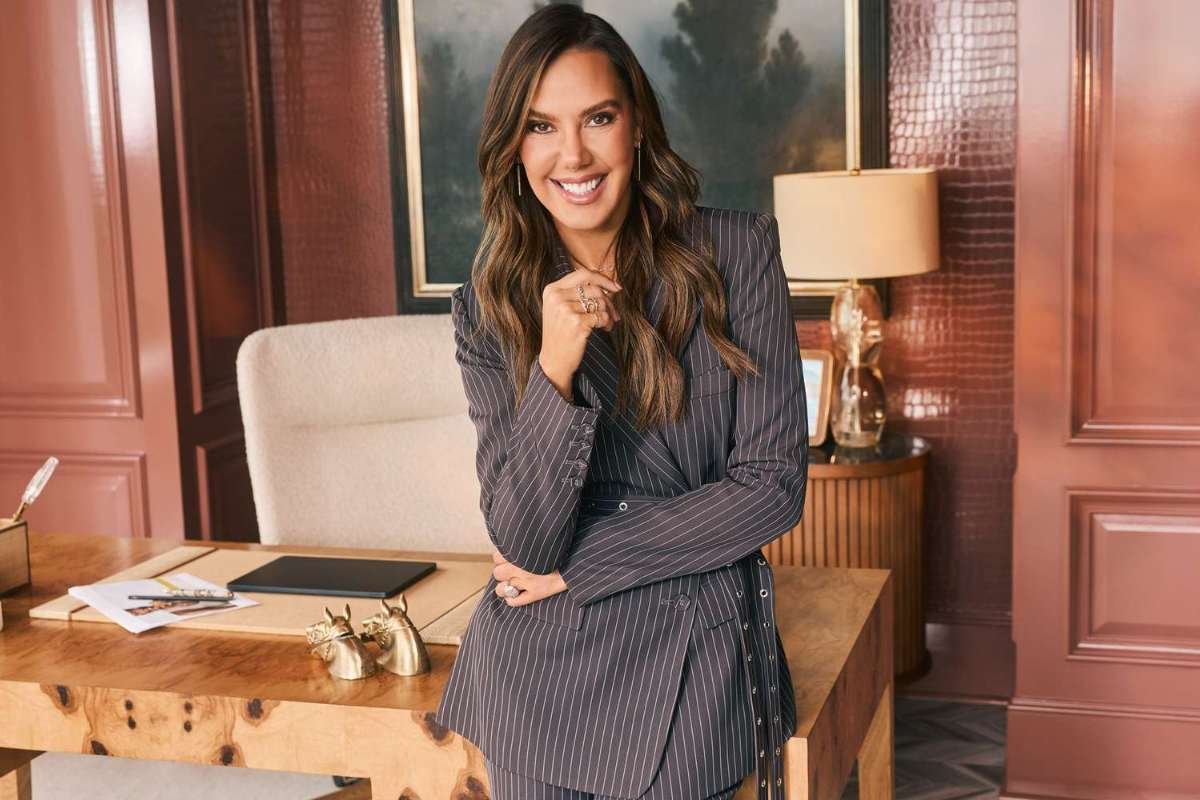
Kendra Scott’s business did not begin with branding. It began with necessity. Newly divorced, raising three children, she maxed out a credit card for $500 and started making jewelry in her parents’ garage.
She sold pieces from her minivan. College campuses. Small boutiques. Anywhere people gathered. Her advantage was not scale. It was proximity.
The breakthrough came when she stopped hiding the process. Inside stores, she redesigned jewelry in real time. Customers didn’t just buy pieces. They witnessed creation. Trust followed.
Oprah’s endorsement in 2010 accelerated visibility, but the foundation was already solid. Today, the brand spans over 100 stores and funds scholarships that quietly replicate the support Scott once lacked.
Key notes:
- Started with $500
- Sold jewelry from her car
- 100+ stores with major philanthropic reach
Read More:
- Mompreneur Growth Hacks: How to Thrive as a Business-Minded Mom?
- 60 Inspiring Mompreneur Quotes for Mothers Building Businesses with Purpose
5. Janice Bryant Howroyd: A Fax Machine and a Baby
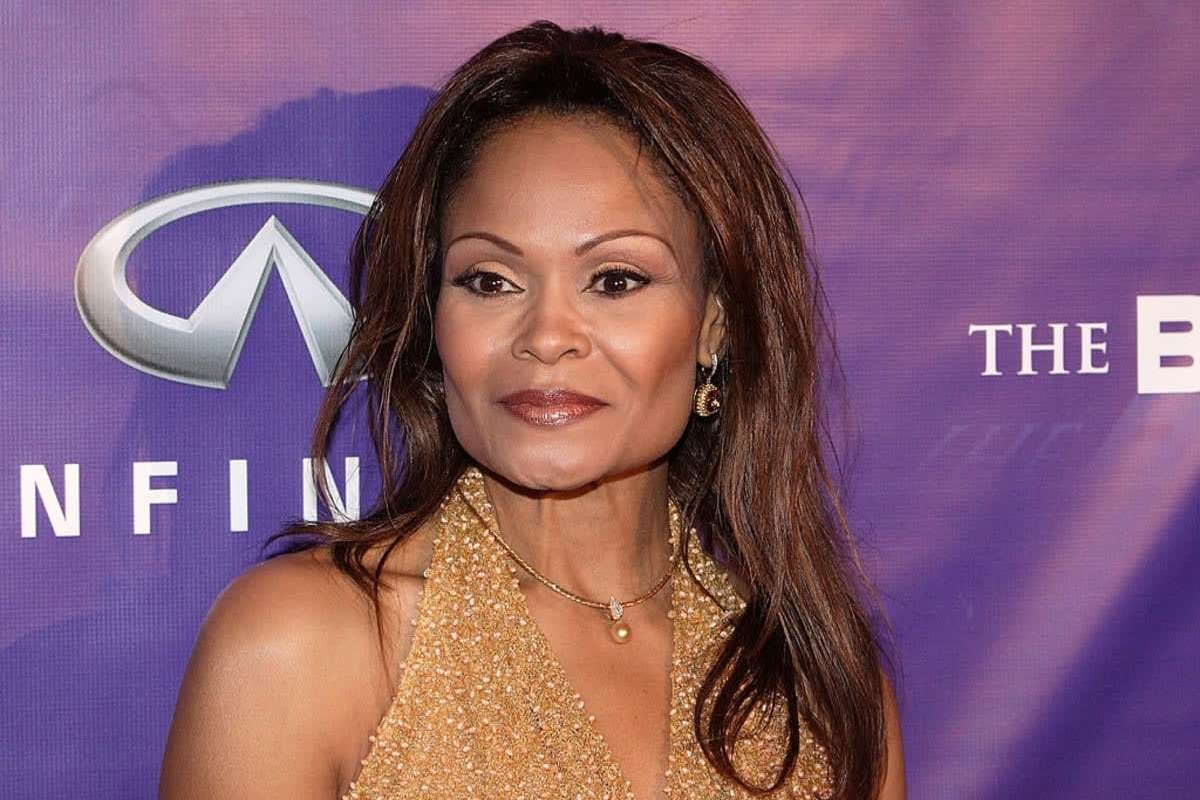
Janice Bryant Howroyd started ActOne with a newborn in one arm and a $900 loan from her mother. The office was a copy room. The tools were basic. The expectations were modest. Her story has become one of the most remarkable Success Stories of Mom Entrepreneurs, proving that patience and integrity can build empires.
She scaled slowly on purpose. No shortcuts. No external investors dictating pace. One office at a time. One relationship at a time.
Her son grew up inside the business, absorbing not just operations but values. Patience became policy. Integrity became infrastructure.
Decades later, ActOne stands as a $2.5 billion enterprise. Not because it moved fast, but because it moved correctly.
Key notes:
- Founded ActOne in 1978
- $2.5B annual revenue
- First Black woman to own a billion-dollar company
- Family-first corporate culture
6. Ghazal Alagh: When a Rash Becomes a Market Signal
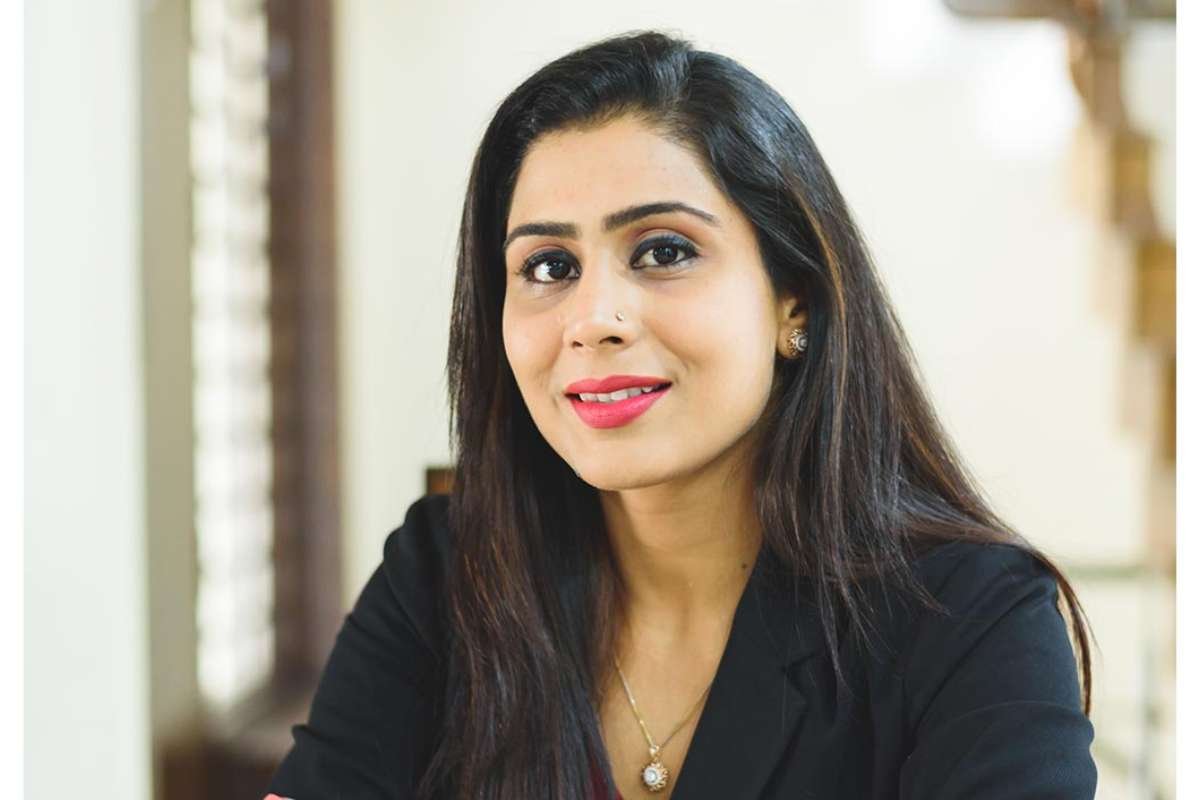
Ghazal Alagh didn’t spot a trend. She had a problem. When her infant son developed persistent skin issues, existing products failed. Labels promised safety. Reality didn’t deliver.
Mamaearth was born from that gap. Built on toxin-free formulations and radical transparency, the brand grew not through spectacle but through trust. Digital communities replaced traditional advertising. Mothers became validators.
As the company scaled, credibility compounded. Mamaearth reached unicorn status and went public in 2023, without losing its founding premise.
This was not disruption for disruption’s sake. It was listening, scaled.
Key notes:
- Founded Mamaearth in 2016
- India’s leading toxin-free personal care brand
- Achieved unicorn status
- IPO in 2023
7. Jen Smith: Wealth Built in Nap-Time Windows

Jen Smith never chased a breakthrough. She built a buffer.
Her early adulthood was shaped by constraint. Low-wage work. Tight grocery budgets. Childcare schedules that dictated every decision. There was no surplus income to gamble with, no safety net to lean on. What she did have was consistency, a trait shared across the most powerful Success Stories of Mom Entrepreneurs.
Smith invested in the margins. Spare dollars are routed into index funds. Evenings spent learning, not escaping. Side hustles that looked small in isolation but compounded over the years. Progress wasn’t dramatic. It was deliberate.
Wealth arrived quietly. Not as a windfall, but as autonomy.
Today, through Frugal Friends, she teaches mothers that financial independence is not about deprivation. It’s about systems. About making money boring, predictable, and resilient. Her story reframes wealth as something built between school pickups and bedtime routines.
Key notes:
- Built $2M+ net worth through disciplined investing
- Founder of Frugal Friends
- Bestselling author
- Community of 50K+ mothers
8. Victoria Knight-McDowell: Immunity from the Kitchen Counter
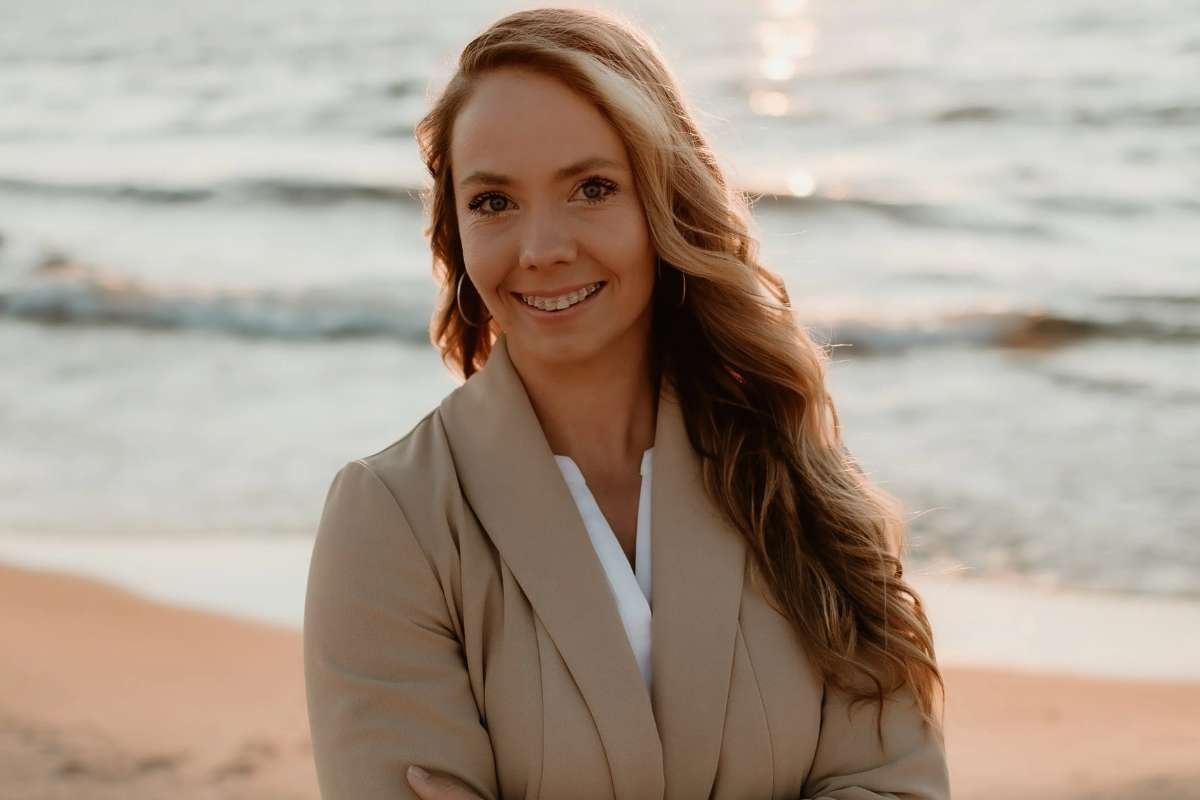
Victoria Knight-McDowell didn’t set out to start a wellness company. She was trying to stop getting sick.
As a schoolteacher, constant exposure to illness left her exhausted and frustrated. Conventional remedies failed. So she turned inward, experimenting with herbs and vitamins on her kitchen counter. What emerged was a fizzy tablet that worked, at least for her.
The shift happened when others noticed. Colleagues stopped calling in sick. Buyers asked questions. Retailers paid attention to outcomes, not branding.
Airborne launched without celebrity endorsements or lifestyle positioning. It sold itself through absence: fewer sick days, fewer colds. At its peak, the brand reached over $100 million in annual sales and helped ignite the modern supplement boom.
What began as personal survival became a category-defining product.
Key notes:
- Created Airborne in 1999
- $100M peak annual sales
- Sold to private equity
- Catalyzed mainstream wellness supplements
9. Cathy Hughes: Teen Mother, Media Mogul
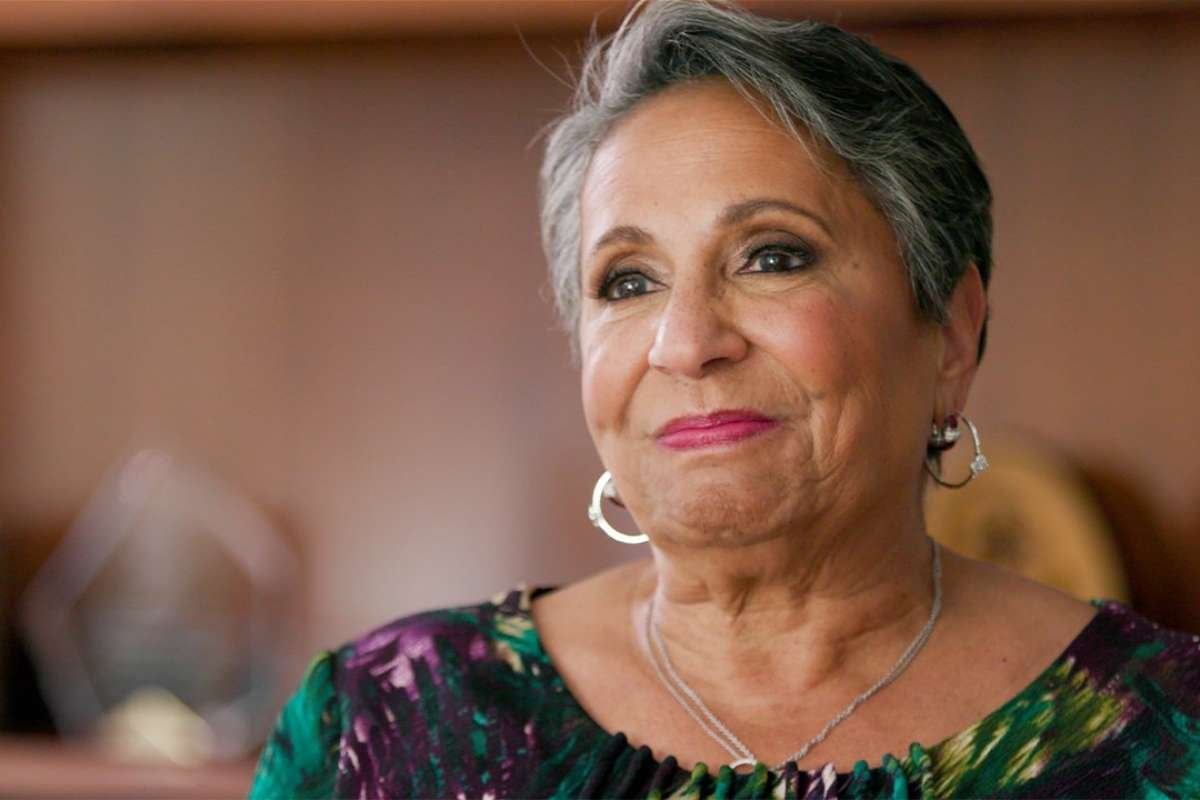
Cathy Hughes became a mother at sixteen, a moment most narratives frame as an ending. For her, it became a beginning.
With limited resources and no inherited access, she entered radio through persistence, not permission. Early setbacks included losing a station she helped build. Instead of retreating, she regrouped.
Radio One, later Urban One, wasn’t designed to simply broadcast music. It was built to reflect an audience rarely centered in media ownership. Hughes understood that representation wasn’t just about voices on air. It was about control behind the microphone.
By 1999, the company went public. Over time, it grew into a multi-platform media empire spanning radio, television, and digital. Her son stepped into leadership, extending the vision across generations.
Her legacy is not just scale. It’s stewardship.
Key notes:
- Founded Radio One (Urban One)
- Public company by 1999
- 70+ radio stations nationwide
- Multigenerational leadership model
10. Rihanna: Inclusion as Strategy

Rihanna didn’t enter beauty to compete. She entered to correct.
After years of sitting in makeup chairs where shades didn’t match her skin, she recognized a systemic gap masquerading as oversight. When Fenty Beauty launched, the decision to debut with 40 foundation shades wasn’t a statement. It was logic.
Consumers responded immediately. Shelves emptied. Conversations shifted. Competitors scrambled.
Fenty’s first year generated $550 million, not because it followed trends, but because it addressed reality. Inclusion wasn’t marketing language. It was product design.
Rihanna’s broader empire now spans fashion, skincare, and music, with a valuation nearing $2.8 billion. Her influence is not just financial but structural. Among the Success Stories of Mom Entrepreneurs, hers stands out for forcing an industry to recalibrate its baseline, proving that real change often comes from perspective, not just capital.
Key notes:
- Fenty Beauty launched with 40 foundation shades
- $550M in first-year revenue
- Total empire valued at ~$2.8B
- Permanently shifted beauty industry standards
Related Article:
- Self Care for Busy Moms: Simple Rituals That Restore Energy, Confidence, and Calm
- Top 20 Practical Business Ideas for Moms that can Turn into Consistent Revenue in 2026
11. Sara Blakely: Fax Sales to a Billion-Dollar Reframe
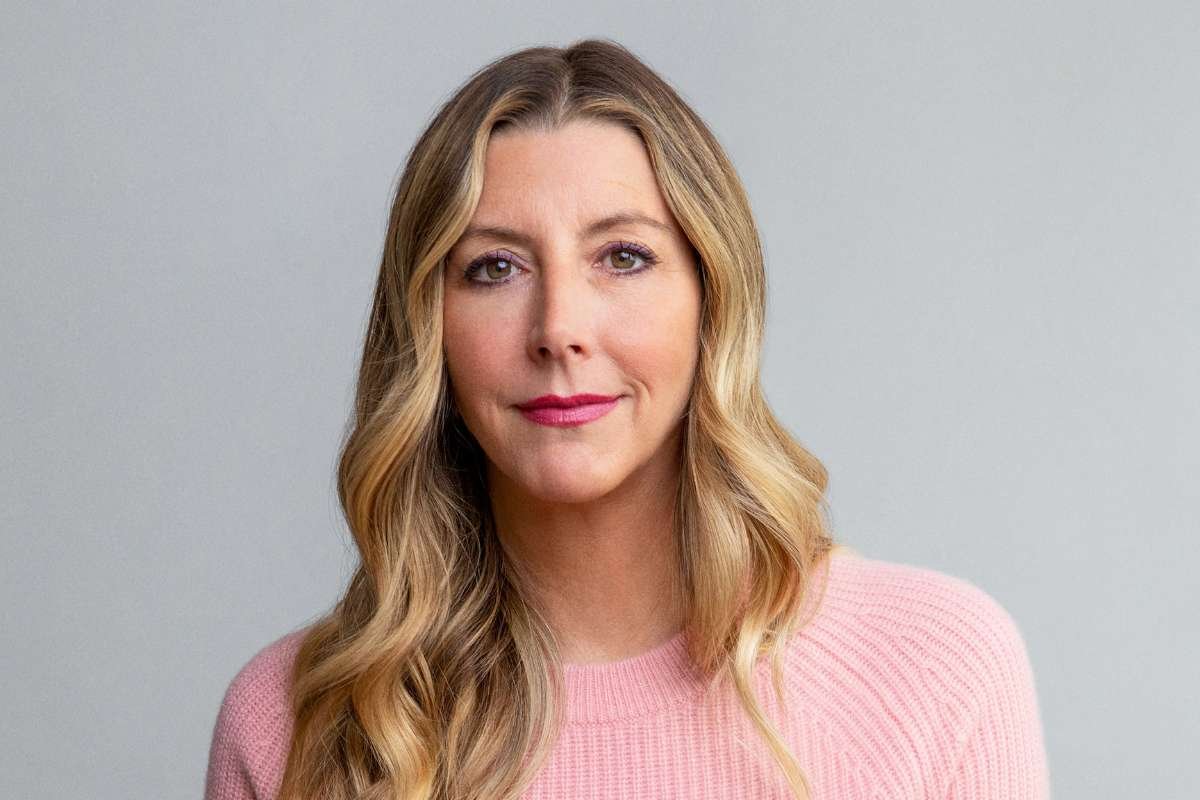
Before Spanx, Sara Blakely spent her days selling fax machines door to door across Florida. Nights were quieter, filled with frustration over pantyhose lines and ill-fitting undergarments that dictated how women dressed. Instead of accepting it, she cut the feet off her hosiery and tested the idea on herself.
With $5,000 in savings and no formal business training, she cold-called manufacturers, taught herself patent law to avoid legal fees, and personally pitched buyers. Neiman Marcus said yes after a live fitting in her own size. Oprah’s endorsement followed, but the foundation was already solid.
Blakely scaled without debt, turned down fast money, and kept control. Spanx didn’t just reshape bodies. It rewired how women-owned brands could grow.
Key notes:
- Founded Spanx in 2000 with $5,000 savings
- $4M first-year sales without advertising
- Became the youngest self-made female billionaire by 2012
- Spanx generates ~$1B annually
12. Jessica Alba: When Motherhood Exposed a Market Failure

Jessica Alba’s turning point wasn’t Hollywood. It was the ER.
Repeated allergic reactions and unexplained rashes in her children forced her to read ingredient labels she didn’t understand and trust products that didn’t earn it. When safer alternatives were hard to find, she decided to build them.
The Honest Company launched with clean diapers, wipes, and lotions, backed by transparency rather than celebrity gloss. Growth came fast, then scrutiny came faster. Alba leaned into it, correcting course publicly when formulas were questioned.
Honesty didn’t survive by perfection. It survived by accountability. The brand’s IPO cemented its place as a category leader, not a trend.
Key notes:
- Co-founded The Honest Company in 2011
- IPO valuation: $1.4B (2021)
- $318M+ annual revenue
- Leader in clean family products
13. Tory Burch: Designing Between School Runs
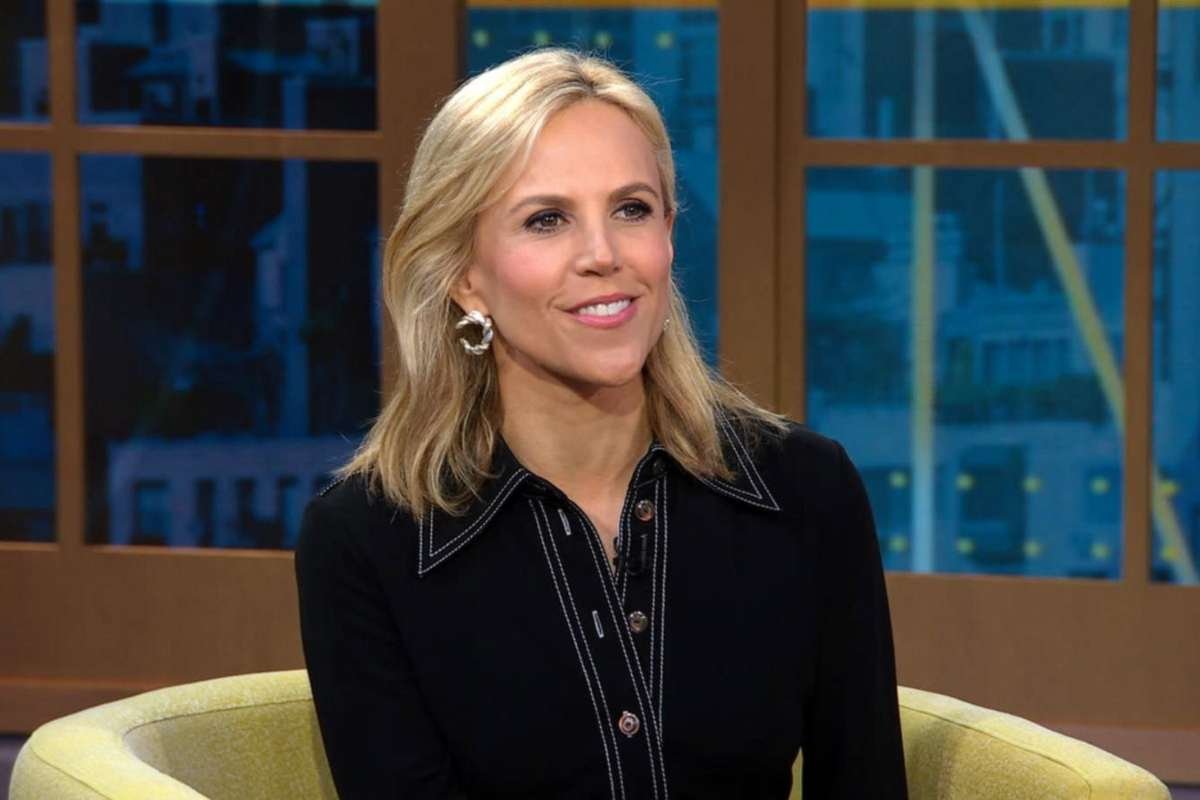
Tory Burch sketched designs wherever space allowed. Napkins. Apartment corners. Moments between raising three young boys in New York City. There was no showroom, only conviction.
Her first breakthrough came when she invited buyers into her living room and turned friends into models. The Reva ballet flat followed, named after her mother, becoming a global staple almost overnight.
As the brand scaled into an international fashion house, Burch expanded her vision beyond retail. The Tory Burch Foundation emerged as a parallel mission, funding women entrepreneurs worldwide.
Her empire blends accessibility with purpose, proving that elegance and impact don’t cancel each other out.
Key notes:
- Founded Tory Burch in 2004
- $1.5B+ annual revenue
- 300+ stores across 50 countries
- $125M+ invested in women entrepreneurs
14. Joana Fraser: Reading the Label That Changed Everything

Joana Fraser didn’t plan to enter food manufacturing. She was just reading labels.
Standing in a supermarket aisle, she realized toddler snacks marketed as healthy were loaded with sugar. So she returned to her kitchen and made something simpler. Vegetables. Honest portions. Clear labeling.
LittleMore Organics grew through trust, not branding theatrics. Parents responded to transparency. Retailers followed. What began as a small experiment scaled into millions of units annually, reshaping expectations in children’s nutrition.
Fraser built a brand that treated parents as intelligent decision-makers, not marketing targets.
Key notes:
- Founded LittleMore Organics in 2015
- £20M+ annual revenue
- Stocked in 5,000+ UK stores
- Leader in transparent kid nutrition
15. Tina: Turning Thrift into Infrastructure
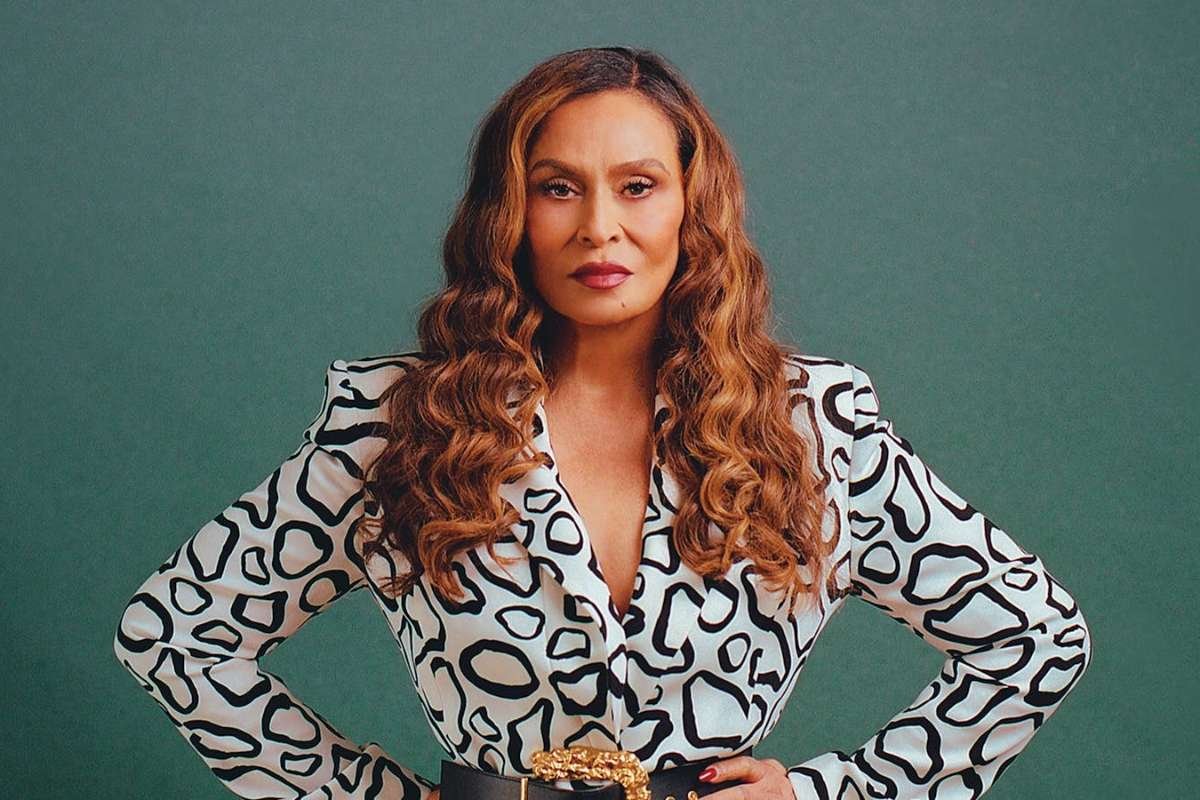
Tina didn’t launch ShopaholicMommy to build a business. She launched it to survive a recession, and in doing so, created one of the quietest yet most instructive Success Stories of Mom Entrepreneurs, showing how practical insight and resilience can turn necessity into lasting impact.
Posting grocery deals and coupon breakdowns from her kitchen table, she built trust through practicality. No lifestyle gloss. Just real savings, documented daily. Readers multiplied. Email lists grew. Affiliate links followed.
What started as budgeting advice became an ecosystem. Courses. Communities. Partnerships. A platform that turned everyday financial literacy into long-term security for families.
Her success wasn’t about spending less. It was about teaching control.
Key notes:
- Founded ShopaholicMommy in 2009
- 2M+ monthly visitors at peak
- $500K+ annual revenue
- 250K-member savings community
16. Abbey Ashley: Turning Maternity Leave into a Business Model

Abbey Ashley didn’t plan a company during maternity leave. She planned survival with presence.
Staring at a return-to-office date that felt heavier than her newborn, she leaned on skills she already had. Scheduling. Systems. Operations. During 3 a.m. feedings, she built templates, workflows, and repeatable processes that made her indispensable as a virtual assistant.
Clients came first. Then questions. Then other mothers asking how to do the same.
Gold City Ventures was born not as inspiration, but as infrastructure. Courses turned into ecosystems. Freelancers turned into agency owners. Ashley scaled education, not hustle, teaching women how to price expertise instead of time.
Her work reframed remote service as a serious business, not a side gig.
Key notes:
- Founded Gold City Ventures in 2017
- 7,000+ students trained globally
- $2M+ annual revenue
- Built a scalable VA agency education
17. Julie Aigner-Clark: Filming Curiosity in a Basement
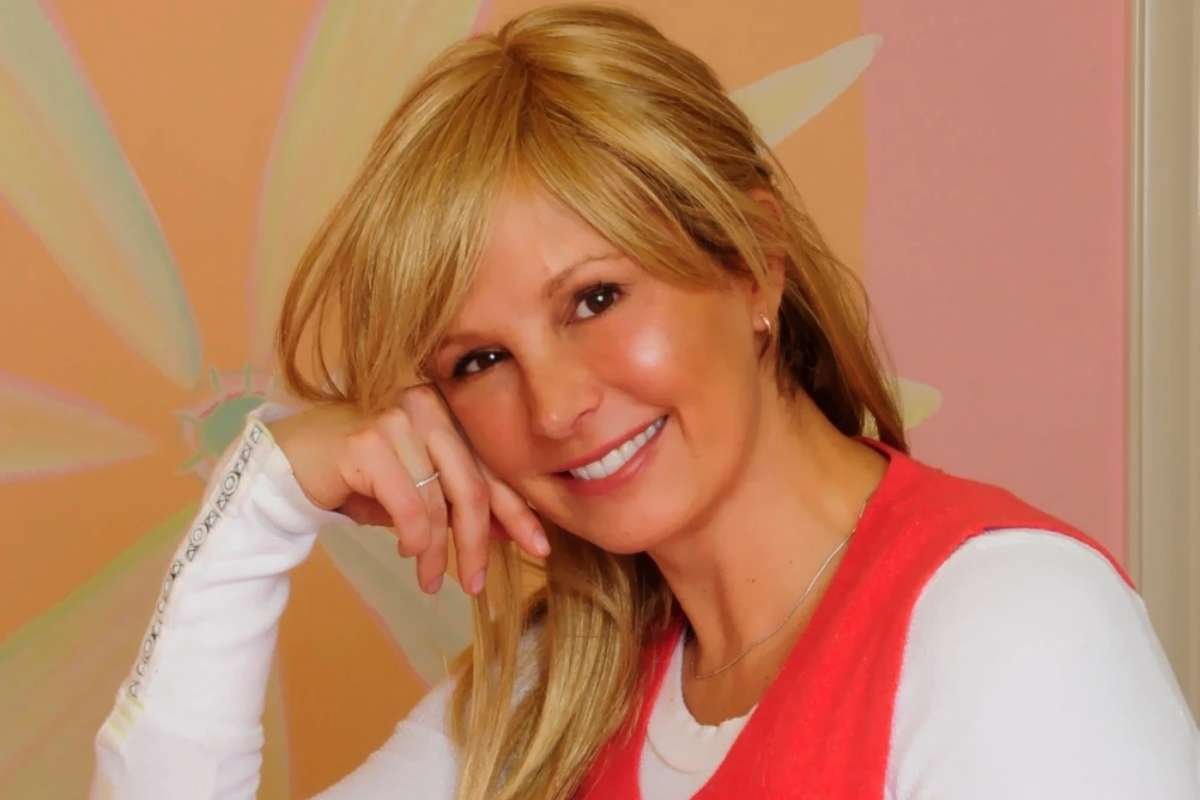
Julie Aigner-Clark didn’t set out to disrupt children’s media. She just followed her baby’s attention.
When traditional videos failed to hold her son’s focus, she filmed simple visuals. Black-and-white images. Classical music. Everyday objects. Nothing loud. Nothing frantic.
She duplicated VHS tapes herself and sold them through mom groups. Demand spread quietly, powered by trust between parents rather than advertising.
Retail followed. Then acquisition. Disney bought Baby Einstein, but the core idea remained intact: respect a child’s intelligence.
Julie Aigner-Clark’s journey stands among the most compelling Success Stories of Mom Entrepreneurs, proving that simplicity scales when grounded in observation, not trend-chasing.
Key notes:
- Created Baby Einstein in 1997
- Sold to Disney for $25M
- 7M+ children reached annually
- Pioneer of early-learning media
18. Sheila Lirio Marcelo: Solving Care by Building Trust

Sheila Lirio Marcelo didn’t wake up wanting to build a marketplace. She woke up without childcare.
After her nanny quit unexpectedly, she realized the problem wasn’t availability. It was trust. Information was scattered. Risk was high. Parents were guessing.
Care.com merged job boards with social verification, reviews, and accountability. It didn’t just list caregivers. It legitimized them.
Growth spread through parent networks, not pitch decks. Marcelo scaled patiently, focusing on safety, structure, and dignity for both families and workers.
Care.com didn’t eliminate the care crisis. It made navigating it possible.
Key notes:
- Founded Care.com in 2006
- 20M+ members globally
- IPO valuation: $500M
- Transformed care employment infrastructure
19. Leasa Navarro: Replacing Isolation with Infrastructure

After childbirth, Leasa Navarro felt something no one warned her about. Loneliness.
She started small. Park meetups. Group messages. Conversations that didn’t revolve around schedules or sleep charts. What parents needed wasn’t advice. It was proximity.
KickSprout became a digital map for real-world connection, and today it is celebrated among the Success Stories of Mom Entrepreneurs. Events, playgroups, shared childcare, expert talks; community came first. Platform second.
As the network grew, so did its role in mental health, support, and belonging. Navarro didn’t build a parenting brand. She built a social safety net.
Key notes:
- Founded KickSprout in 2012
- 100K+ community members
- 500+ monthly events hosted
- Focused on maternal connection
20. Emma Grede: Turning Inclusion into an Operating System
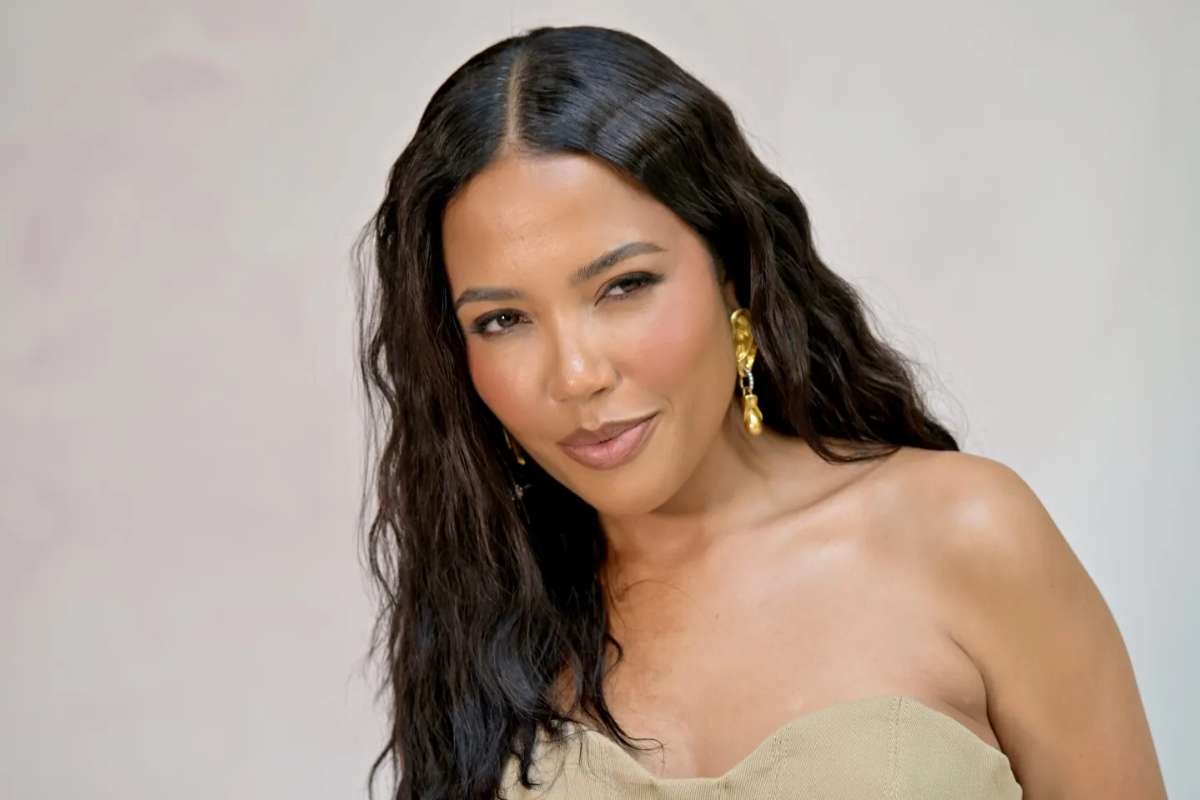
Emma Grede didn’t market inclusivity. She operationalized it.
Noticing how fashion excluded real body proportions, she designed denim around curves, not samples. Sizes weren’t extended later. They were foundational.
Good American launched digitally and scaled immediately, proving demand had always existed. The difference was respect.
Grede balanced rapid growth with motherhood, expanding product lines while holding firm on representation and fit. Inclusion wasn’t a campaign. It was the business model.
Her work reshaped denim economics and forced an industry-wide recalibration.
Key notes:
- Co-founded Good American in 2016
- $100M first-year revenue
- Sizes 0–24 from launch
- Industry leader in size inclusion
21. Holly Tucker: Makers over Marketplaces
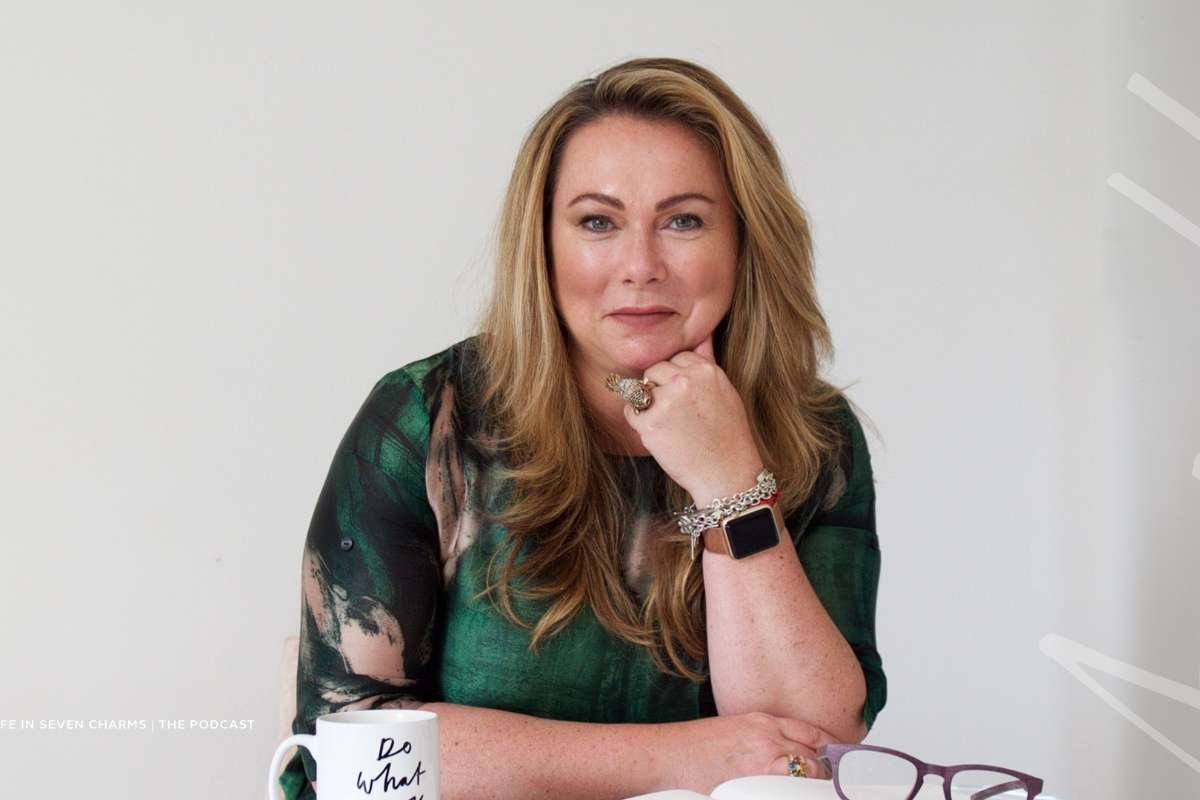
Holly Tucker didn’t set out to disrupt e-commerce. She set out to protect creativity.
In 2006, freshly navigating early motherhood, Tucker watched talented friends struggle to sell handmade goods online. Platforms favored scale, not craft. Independent makers were buried beneath mass-produced listings, their stories flattened into SKUs. Tucker believed the internet could do better.
From her kitchen table, she and her husband invested £20,000 to launch Notonthehighstreet.com, a curated marketplace where every seller was chosen and every product carried a human story. No auctions. No race to the bottom. Just thoughtful discovery.
Early success came through trust. Buyers felt like insiders. Makers felt respected. The platform scaled carefully, becoming a backbone of the UK’s creative economy while preserving its soul.
Motherhood shaped Tucker’s leadership. Growth mattered, but not at the cost of community.
Key notes:
- Co-founded Notonthehighstreet in 2006
- 5,000+ independent makers
- £200M+ GMV by 2025
- Acquired for £50M in 2022
22. Reshma Saujani: Failure That Rewired the Future
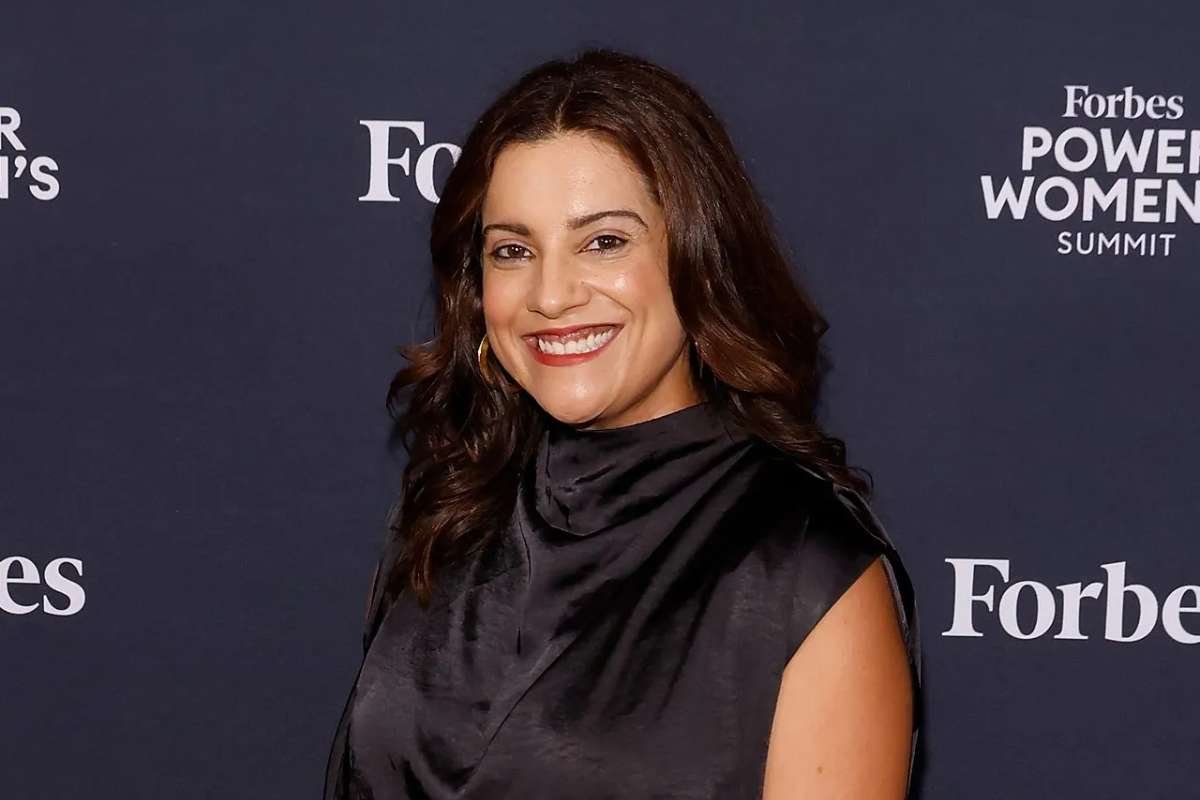
Reshma Saujani didn’t lose an election and pivot politely. She interrogated the loss.
After running for Congress in 2010 and falling short, Saujani noticed something unsettling while retraining in coding classes: girls were almost entirely absent. The issue wasn’t confidence. It was access, messaging, and fear of failure taught early.
Girls Who Code began small. A few students. A borrowed classroom. A radical belief that brilliance is evenly distributed, opportunity is not.
The organization scaled nationally, then globally, reshaping how young women entered tech. Saujani reframed failure as fuel, teaching girls to be brave rather than perfect.
Motherhood sharpened her urgency. Systems had to change, not just narratives. Education wasn’t enough without policy.
Her work now spans classrooms, boardrooms, and legislation.
Key notes:
- Founded Girls Who Code in 2012
- 500,000+ girls reached
- 88% persist in STEM fields
- Founder of Moms First
23. Payal Jangid: From Survival to Self-Sufficiency
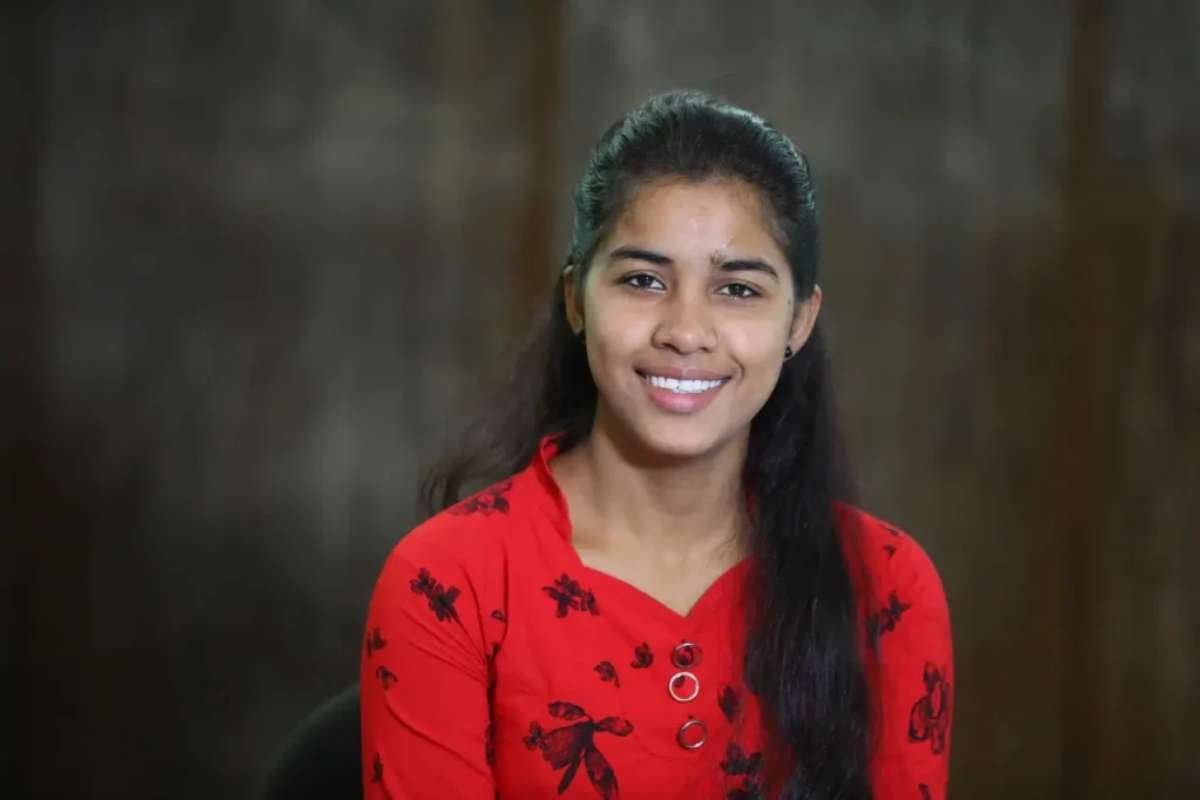
Payal Jangid’s entrepreneurship was born from refusal, not opportunity.
After surviving brutal violence as a teenager, she was expected to disappear quietly. Instead, she learned to sew. Not as therapy, but as leverage. Skill became currency. Community became protection.
PinkBindi Collective began with a handful of women stitching products from their homes. What grew was not charity but an economy. Survivors trained survivors. Earnings replaced dependency. Confidence followed income.
Orders expanded globally through social media, but growth remained intentional. Creches, education, and legal aid were built into the business model.
Now a mother herself, Payal leads with lived understanding. PinkBindi doesn’t just sell products. It manufactures dignity, one woman at a time, standing as one of the most compelling Success Stories of Mom Entrepreneurs.
Key notes:
- Founded PinkBindi Collective in 2017
- 5,000+ women employed
- ₹2 crore annual revenue
- UN Women Changemaker Award
24. Falguni Nayar: Experience as a Competitive Advantage
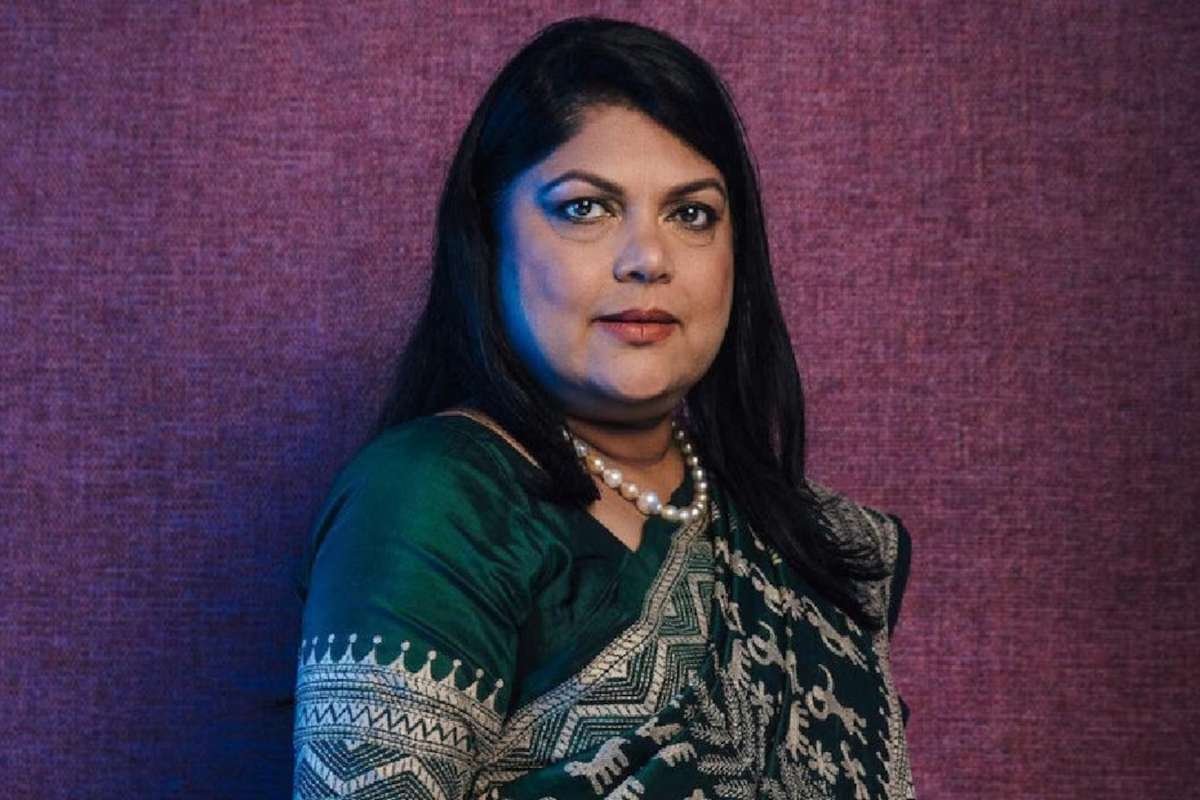
Falguni Nayar didn’t enter beauty to experiment. She entered to professionalize it.
After two decades in investment banking, she saw Indian consumers underserved by fragmented beauty retail and low trust. At 50, she bootstrapped Nykaa using personal savings, applying financial rigor to an emotional category.
Nykaa prioritized education, authenticity, and inventory control. It scaled patiently, blending online dominance with physical stores only after trust was established. Growth followed credibility.
Motherhood shaped her timing. There was no rush. Only precision.
When Nykaa went public, it validated experience as an advantage, not a liability. Nayar proved that late starts can be sharper, steadier, and more sustainable.
Key notes:
- Founded Nykaa in 2012
- 20M+ users, 100+ stores
- IPO raised ₹5,300 crore
- India’s richest self-made woman
25. Lisa Cash: Turning Motherhood into Infrastructure
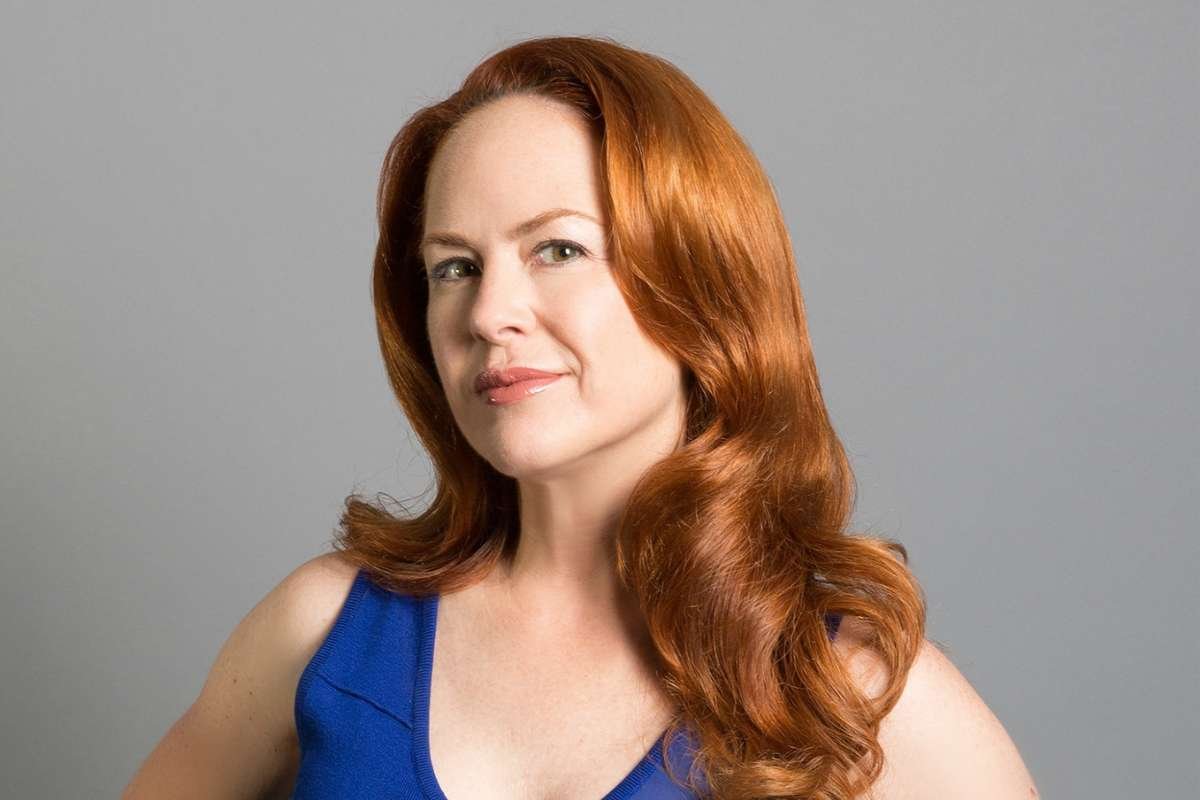
Lisa Cash didn’t build a brand around aspiration. She built one around reality.
Surrounded by toddlers, laundry, and exhaustion, she began interviewing women quietly, building businesses between naps. Patterns emerged. Systems mattered more than motivation. Structure outperformed hustle.
MomBossLife grew from conversations into a curriculum. Templates replaced guesswork. Community replaced isolation. Courses scaled not because they promised escape, but because they respected constraints.
Lisa designed entrepreneurship for real life. Interruptions included. Mess allowed.
As the platform grew, so did its impact. Thousands of women launched sustainable businesses without waiting for perfect conditions. Lisa proved that motherhood isn’t a detour. It’s a design constraint that creates better systems.
Key notes:
- Founded MomBossLife in 2015
- 50,000+ member community
- $1M+ annual revenue
- Author of Boss Mom Revolution
Conclusion:
If there is a common thread across these Success Stories of Mom Entrepreneurs, it is not hustle.
It is a restraint. The kind learned when time cannot be wasted, and energy must be invested, not spent. These women didn’t build in ideal conditions. They built in real ones. Interruptions included. Stakes higher. Margins thinner.
Motherhood did not make their paths easier. It made them intentional.
That quiet hour still exists. The house still hums. The decisions still happen without witnesses. And somewhere, another woman is choosing to build something that will outlast the night.
Thank You For Reading!
See More
Self-care Activities for Women: A Complete Guide to Mind, Body, and Soul Wellness