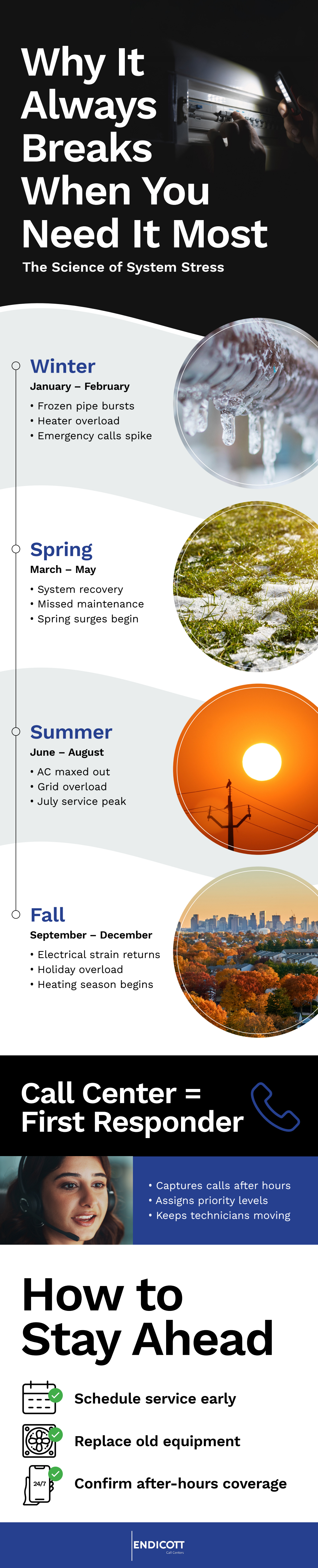

Every leader has experienced the same uncomfortable pattern. A system performs reliably for months, sometimes years, then breaks at the exact moment when pressure is highest, and visibility is unavoidable. Technology stalls, workflows collapse, or communication gaps suddenly widen. For women in leadership, understanding why this happens is less about frustration and more about building organizations that hold steady to prevent system failure under pressure.
What System Stress Really Is?
System stress occurs when demand approaches or exceeds what a system was designed to handle. That demand can be technical, operational, emotional, or all three at once. Most systems are built for average conditions, not peak moments. Over time, inefficiencies accumulate quietly and remain invisible until stress exposes them.
As pressure increases, flexibility disappears. Response times slow, error rates rise, and coordination becomes fragile. Leaders often misread these signs as individual performance problems rather than structural signals that the system itself is overloaded.
Why System Failure Under Pressure Shows Up at the Worst Moment?
High-stakes situations compress time and decision-making. Information flows increase, tolerance for delays drops, and expectations escalate. Systems that rely on manual steps, informal knowledge, or unclear ownership struggle to keep pace under these conditions.
Human behavior also shifts during stress. Focus narrows, communication becomes reactive, and teams revert to habit instead of process. Leaders may unintentionally add pressure by pushing for speed rather than clarity. The result is a system that appears to fail suddenly, even though the warning signs were present long before. This is a classic sign of imminent system failure under pressure.
Visibility amplifies the impact. A missed task during a slow week might go unnoticed, but the same issue during peak demand feels catastrophic. This is why tools such as an appointment scheduling call center often feel essential during crises, even if underlying gaps existed well before pressure peaked.
Hidden Weaknesses That Stay Quiet Until Stress Hits
Most systems contain silent vulnerabilities. These include undocumented workarounds, reliance on specific individuals, outdated assumptions, and unclear escalation paths. As long as conditions remain stable, these risks stay hidden until stress exposes the potential for system failure under pressure.

Change accelerates stress. Growth, leadership transitions, staffing shortages, mergers, or policy shifts alter how systems are used. When systems are not reassessed during change, strain builds gradually. Leaders often perceive failure as sudden, when it is actually the result of long-ignored pressure.
How Leadership Decisions Shape System Stability?
Leadership choices directly influence how systems behave under stress. Priorities, staffing levels, performance expectations, and communication norms all affect capacity. Leaders who focus solely on output without monitoring load often push systems beyond sustainable limits.
Women leaders frequently bring strengths that support system health. Asking how work feels, not just how it performs, surfaces early warning signs. Encouraging honest feedback helps teams speak up before problems escalate. Psychological safety is a critical factor. Teams that feel safe reporting friction protect the system before failure occurs.
Designing Systems That Expect Pressure
Resilient systems assume stress will happen. They include buffers for peak demand, clear escalation protocols, and redundancy where failure would be costly. Simpler systems recover faster because fewer handoffs reduce confusion during disruption.

Testing under simulated pressure matters. Scenario planning reveals weak points without real consequences. Leaders who regularly stress test systems gain insight into where breakdowns are most likely.
Documentation strengthens resilience. Clear process records reduce reliance on memory and individual expertise. When systems are easy to understand, teams respond more effectively when conditions change suddenly.
Why Recovery Speed Matters More Than Avoiding Failure?
No system can prevent every breakdown. What separates resilient organizations from fragile ones is recovery speed. Fast recovery limits damage, restores confidence, and maintains trust with employees and customers.
Post-incident reviews should focus on conditions rather than blame. Asking what allowed the failure provides more value than asking who made a mistake. Leaders who treat failure as data strengthen systems over time instead of weakening morale.
Communication during recovery is just as important. Teams perform better when leaders explain what happened, what is changing, and what priorities look like in the short term.
Building a Culture That Supports Resilient Systems
Culture shapes how systems respond under pressure. Teams that practice shared ownership and proactive communication adapt more smoothly. Leaders set the tone by modeling calm decision-making and prioritizing clarity over urgency.
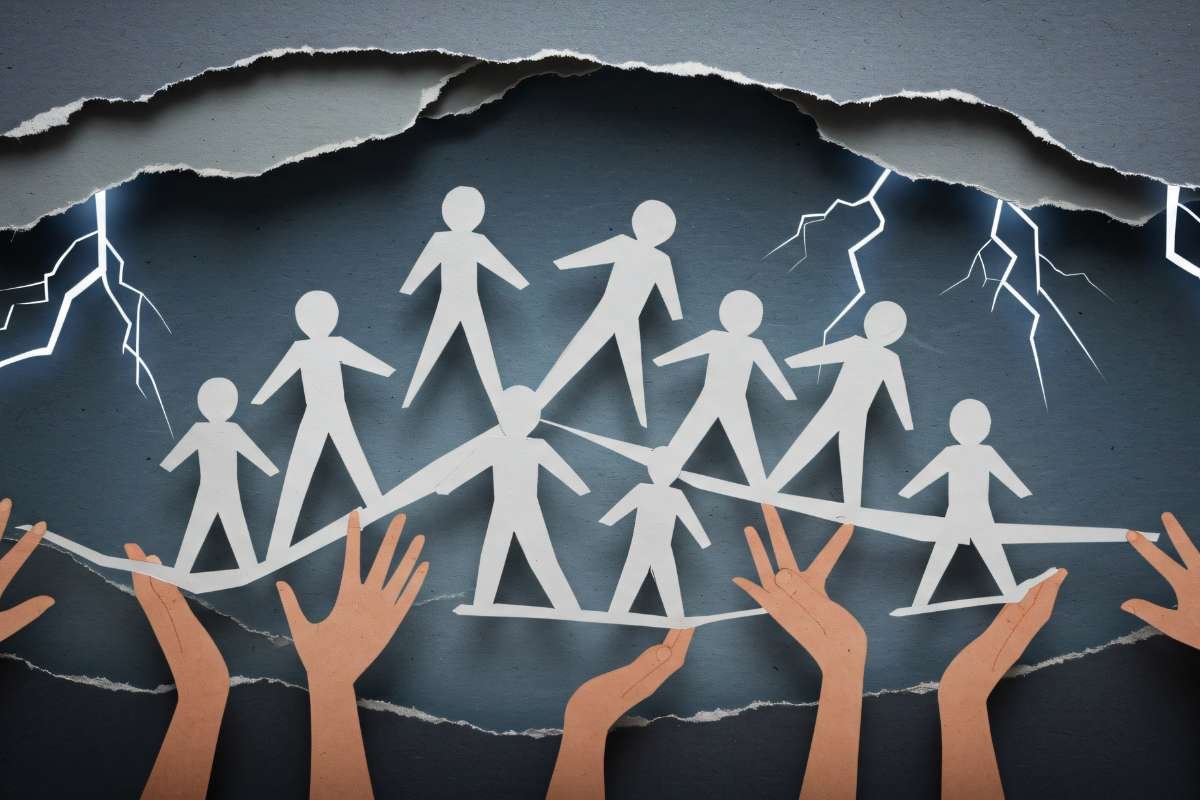
Cross-training reduces dependency on single individuals. When knowledge is shared, absence or turnover does not destabilize operations. Regular check-ins help leaders assess system health before visible failures emerge.
System stress is unavoidable, but collapse is not. Leaders who understand why system failure under pressure occurs gain the ability to design with intention rather than react in surprise. For women in leadership, this insight becomes a strategic advantage. Anticipating strain, listening for early signals, investing in recovery speed, and building cultures that respect capacity allows organizations to perform steadily, even when pressure is at its highest and expectations leave no room for error. Check out the infographic below for more information.