

Power doesn’t always announce itself. Sometimes it sits quietly on a board seat. Sometimes it funds a museum wing. Sometimes it rewrites an industry while the headlines chase louder personalities.
I learned this early while studying engineering: systems rarely fail due to noise. They fail because of unseen pressure points. Wealth works the same way. The most consequential fortunes don’t shout; they compound, govern, and influence outcomes long after public attention moves on.
That is the lens through which The Richest Women of 2026 must be understood. This is not a list of bank balances. It is a map of influence, where inherited empires meet self-made precision, where capital turns into cultural authority, and where decision-making power quietly reshapes global markets, institutions, and futures.
What follows examines not just who holds the money, but how they use it, and why that matters more than the numbers ever will.
The top 20 Richest Women of 2026 control fortunes that shape industries and global power
We built this ranking using real-time data from Bloomberg Billionaires Index, Forbes Real-Time Billionaires, and Hurun Global Rich Lists, cross-verified against company filings, family holding disclosures, and market valuations as of January 2026.
Ranking Priority: Total net worth (primary), followed by stake control (operational influence > passive ownership), diversification (multi-industry > single-asset), and public/private company stability (private conglomerates > volatile public stocks). Entertainment billionaires are weighted by IP ownership and revenue sustainability over tour revenue alone.
This methodology reveals influence architecture, not just balance sheets, explaining why Alice Walton’s stable retail empire outranks volatile mining fortunes despite similar scale.
| Rank | Name | Net Worth (USD) | Country | Key Industry |
| Alice Walton | $116 Billion | USA | Retail / Art Patronage | |
| Françoise Bettencourt Meyers | $90.7–98 Billion | France | Luxury Beauty | |
| Julia Koch (& family) | $72–79.6 Billion | USA | Diversified Conglomerate | |
| Jacqueline Mars | $45–46.6 Billion | USA | Confectionery / Pet Food | |
| Abigail Johnson | $43–47.3 Billion | USA | Financial Services | |
| Gina Rinehart | $46 Billion | Australia | Mining / Rare Earths | |
| Susanne Klatten | $26.5 Billion | Germany | Automotive / Technology | |
| Iris Fontbona | $24–25.8 Billion | Chile | Mining / Shipping | |
| Beate Heister | $16.3B | Germany | Supermarket Retail | |
| Zhong Huijuan | $14.5–23.3 Billion | China | Pharmaceuticals (Self-Made) | |
| Zhang Yin | $6 Billion | China | Paper / Recycling (Self-Made) | |
| Nita Ambani | ~$2.3–2.5 Billion (Individual); $309B Family | India | Diversified / Philanthropy | |
| Maria Gaetana Agnelli | ~$5–8 Billion (est.) | Italy | Luxury Automotive / Investments | |
| Rihanna | $1–1.4 Billion | Barbados | Cosmetics / Entertainment (Self-Made) | |
| Taylor Swift | $1.6 Billion | USA | Entertainment / Music (Self-Made) | |
| Barbra Streisand | $510–600 Million | USA | Entertainment / Music | |
| Madonna | $850 Million | USA | Entertainment / Music | |
| Beyoncé | $780 Million | USA | Entertainment / Music | |
| Dolly Parton | $450 Million | USA | Entertainment / Music | |
| Céline Dion | $570 Million | Canada | Entertainment / Music |
1. Alice Walton – $116 Billion
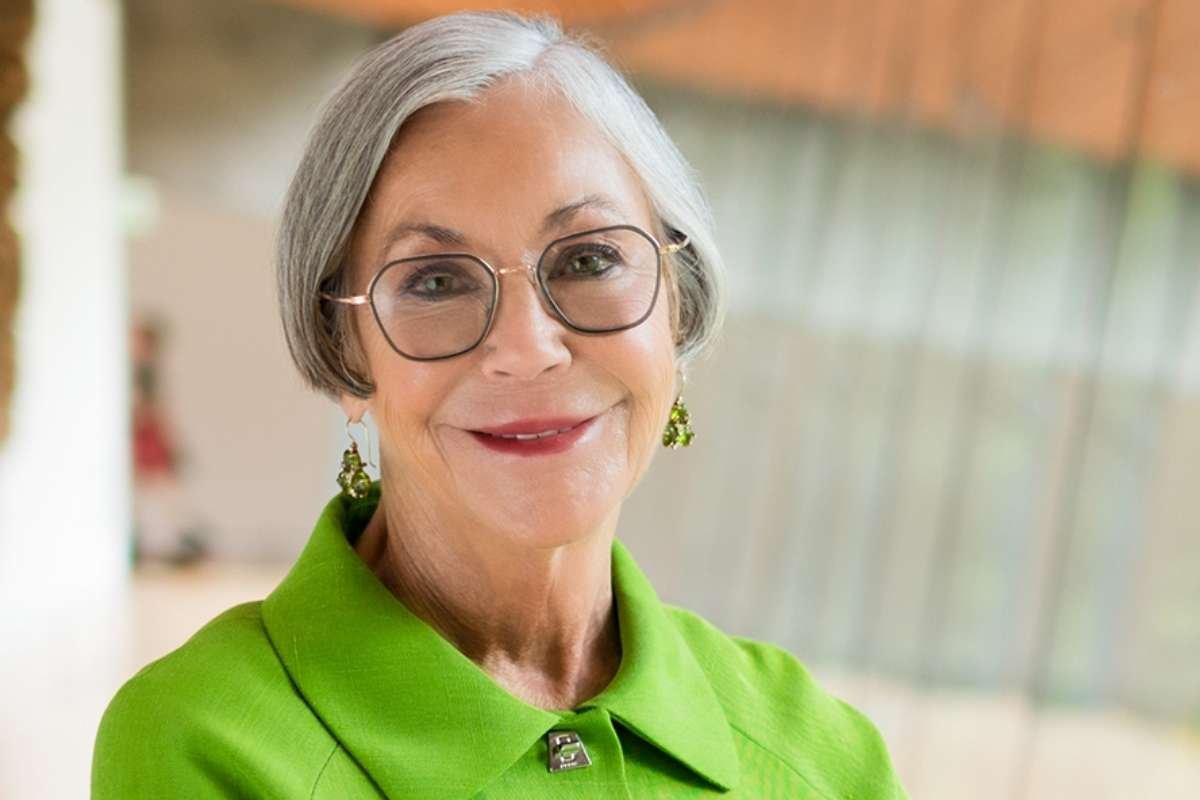
Location: Bentonville, Arkansas, USA | Age: 75 | Primary Source: Walmart (48% family stake)
Alice Walton stands as the world’s richest woman, a position earned not through operational business acumen but through methodical wealth preservation and strategic cultural investment.
Born to Sam Walton, founder of Walmart, she became the richest woman of 2026 by maintaining a 48% family stake while Walmart generates $600+ billion in annual revenue. Her wealth remains remarkably stable despite market volatility, a testament to retail’s structural consistency and her disciplined approach to asset management.
Beyond finance, Walton shaped American culture through art patronage, spending over $500 million to build the Crystal Bridges Museum of American Art, now attracting 1.2 million annual visitors. She began collecting art at age ten with a Picasso print, a habit that evolved into one of America’s most valuable private collections. Her influence extends beyond stockholding; she sits on museum boards and shapes philanthropic strategy through the Walton Foundation, making her wealth a mechanism for cultural redirection and educational advancement.
2. Françoise Bettencourt Meyers – $90.7–98 Billion
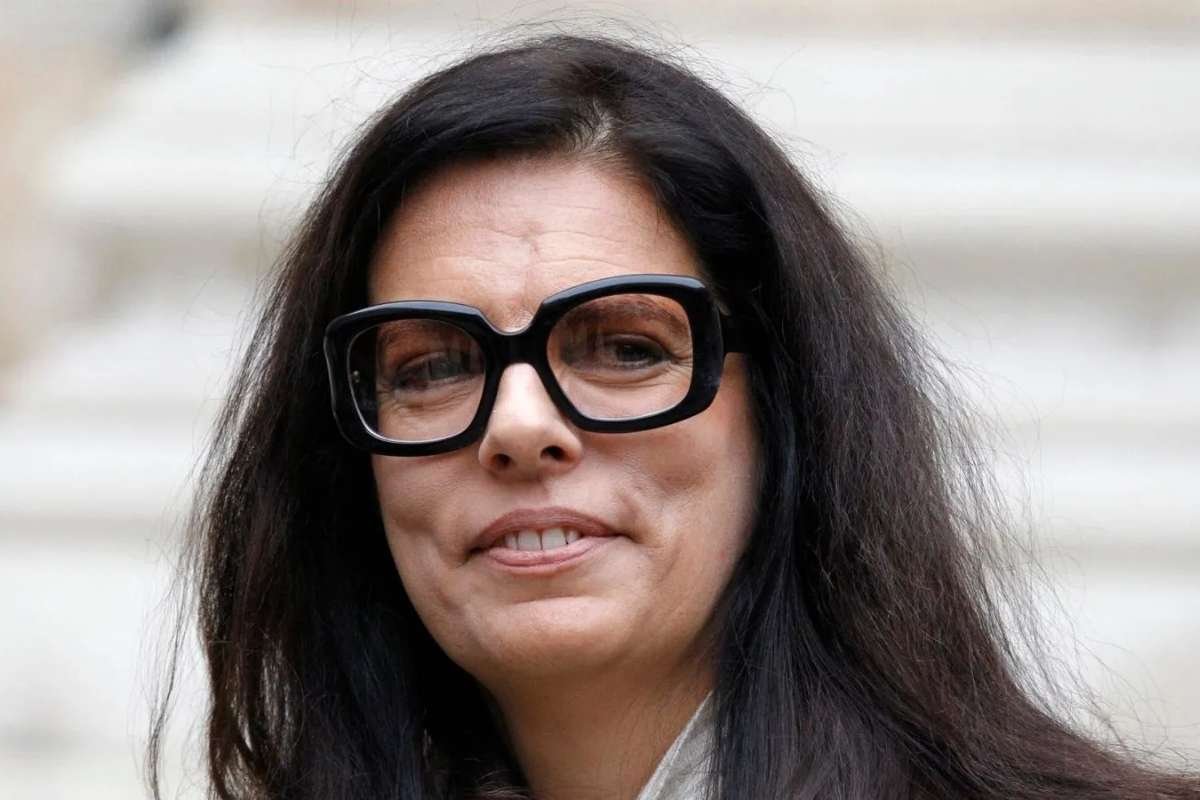
Location: Paris, France | Age: 71 | Primary Source: L’Oréal (33% family stake)
Françoise Bettencourt Meyers commands the second-largest fortune among the richest women of 2026, a position both stable and volatile depending on cosmetics sentiment cycles. She inherited her stake upon her mother Liliane Bettencourt’s 2017 death after orchestrating complex legal proceedings to protect the $39.5 billion L’Oréal empire.
Her wealth surged $24 billion in eight months during 2025 following strong L’Oréal earnings, demonstrating the dependence on the luxury beauty market cycles. In 2025, she stepped down from L’Oréal’s board after 28 years of service, transferring the vice chair position to her son Jean-Victor Meyers in a calculated generational succession. She pledged $226 million to rebuild Notre-Dame de Paris post-2019 fire, positioning herself as a cultural steward beyond mere billionaire status.
L’Oréal’s control over global luxury brands, Lancôme, Maybelline, Redken, Giorgio Armani Beauty, ensures her wealth remains tied to the $400+ billion global cosmetics industry, where women drive consumption patterns and brand loyalty.
3. Julia Koch – $72–79.6 Billion
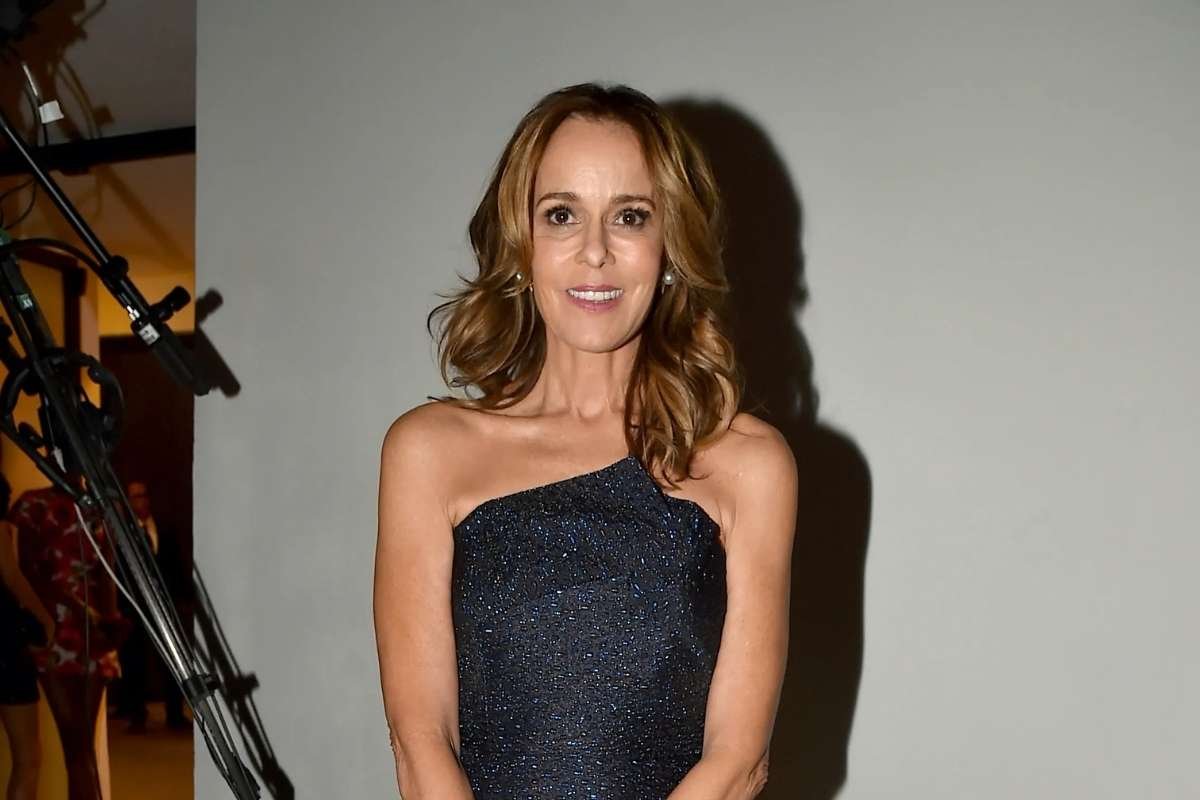
Location: New York, USA | Age: 63 | Primary Source: Koch Industries (42% family stake)
Julia Flesher Koch inherited her stake upon David Koch’s 2019 death, gaining control over a 42% interest in Koch Industries, a privately-held conglomerate generating $125 billion in annual revenue across oil refining, chemicals, manufacturing, and consumer products.
What distinguishes her among the richest women of 2026 is hands-on governance beyond passive shareholding. She serves on Koch Industries’ board, Memorial Sloan Kettering Cancer Center, and The Metropolitan Museum of Art, decision-making roles that shape institutional strategy.
Her 2024 acquisition of a 15% stake in BSE Global (Brooklyn Nets, New York Liberty) for $688 million demonstrated strategic diversification beyond traditional family assets. The David H. Koch Foundation channels billions into medical research, education, and the arts, leveraging capital as a tool for institutional influence. Unlike passive heirs, Koch actively deploys wealth across multiple sectors, balancing family business continuity with venture-style investments in sports, entertainment, and cultural institutions.
4. Jacqueline Mars – $45–46.6 Billion
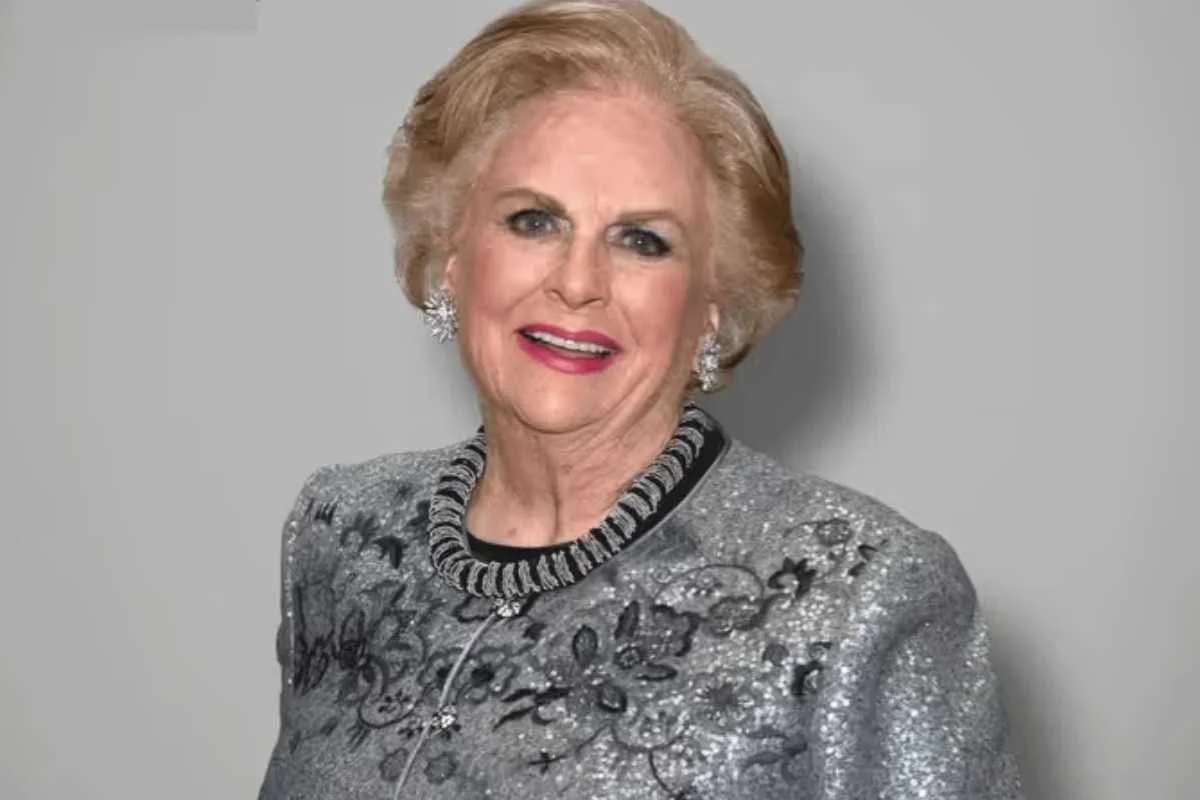
Location: Virginia/New Jersey, USA | Age: 85 | Primary Source: Mars Inc. (One-third ownership)
Jacqueline Mars owns one-third of Mars Inc., one of the world’s largest privately held companies with annual revenues exceeding $45 billion. Yet she has deliberately chosen discretion, a calculated decision that maximizes her operational freedom and shields her from activist scrutiny.
Unlike publicly-traded Walmart or L’Oréal, Mars Inc.’s private status allows strategic decision-making without quarterly earnings calls or shareholder activism. She served as food product group president from 1982 to 2001 before retiring to governance and philanthropic oversight through the Mars Foundation, supporting environmental conservation and cultural institutions. Her equestrian background (she participated in show jumping competitions) demonstrates the lifestyle complexity of ultra-wealth, not merely financial accumulation but cultural participation at elite levels.
Mars represents the rare billionaire who operates without public visibility, a posture that compounds her power through information asymmetry. Her wealth’s stability reflects Mars Inc.’s diversified portfolio: chocolate (M&M’s, Snickers), pet food (Pedigree, Whiskas), and food services represent recession-resistant revenue streams.
5. Abigail Johnson – $43–47.3 Billion
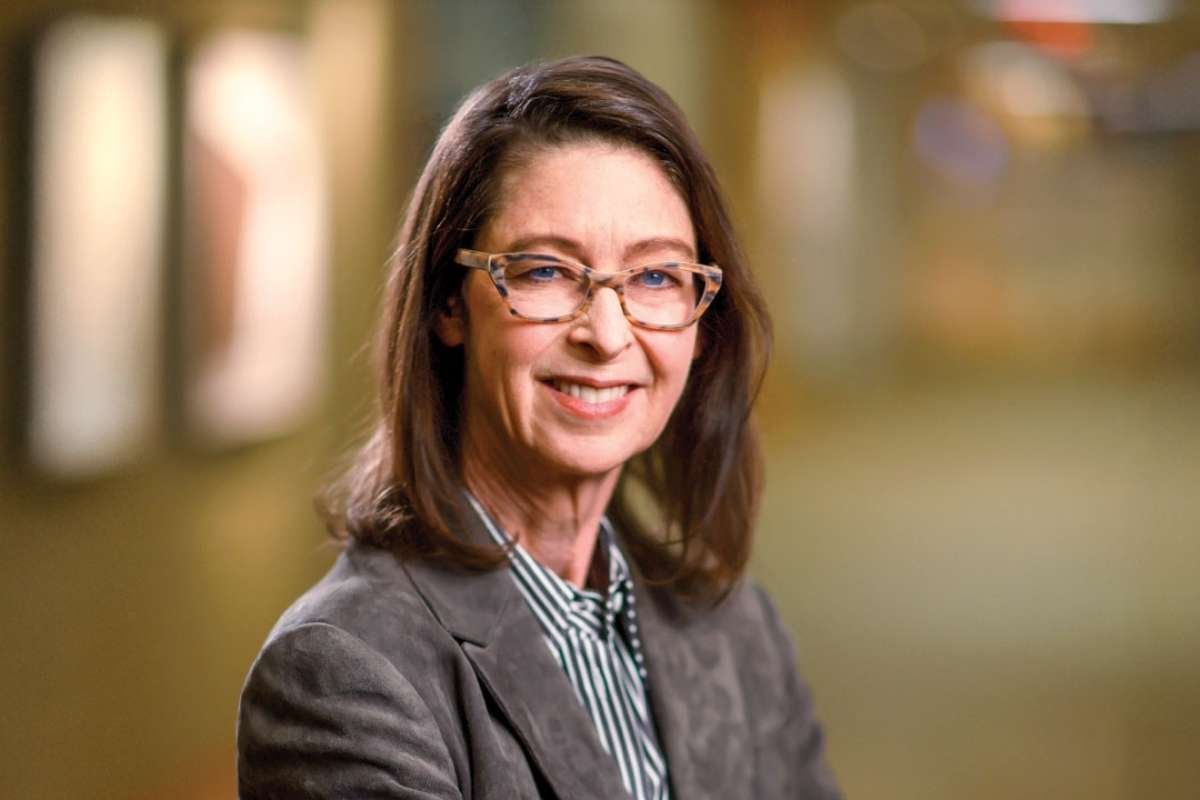
Location: Boston, Massachusetts, USA | Age: 63 | Primary Source: Fidelity Investments (~24% family stake)
Abigail Johnson represents the rare heir who operated her family business as a transformational leader. Since becoming CEO of Fidelity Investments in 2014 and chair in 2016, she steered a 79-year-old institution into fintech leadership while preserving core competency in retirement and wealth management.
Her most consequential move came in 2018 when she launched Fidelity Digital Assets, one of the first institutional-grade cryptocurrency platforms offered by a major financial services firm. This strategic bet positioned Fidelity and Johnson as the bridge between traditional institutional money and digital assets during cryptocurrency’s explosive growth. Under her leadership, Fidelity manages $4.5 trillion in assets and oversees $11+ trillion in customer assets globally.
She stepped down as CEO in 2023 but retained the chair role, a power transition indicating long-term strategic focus over quarterly performance metrics. Johnson exemplifies the heir who earned operational respect rather than merely inheriting ceremonial titles, making her among the most consequential financial leaders in America and positioning her as one of the richest women of 2026 as a transformational business operator.
Richest Self-Made Women: Icons of Wealth, Grit, and Global Impact
In this article, we will discuss a few well-known, richest self-made women. We will also understand how women are making an impact on society by transforming it with their talents.
6. Gina Rinehart – $46 Billion
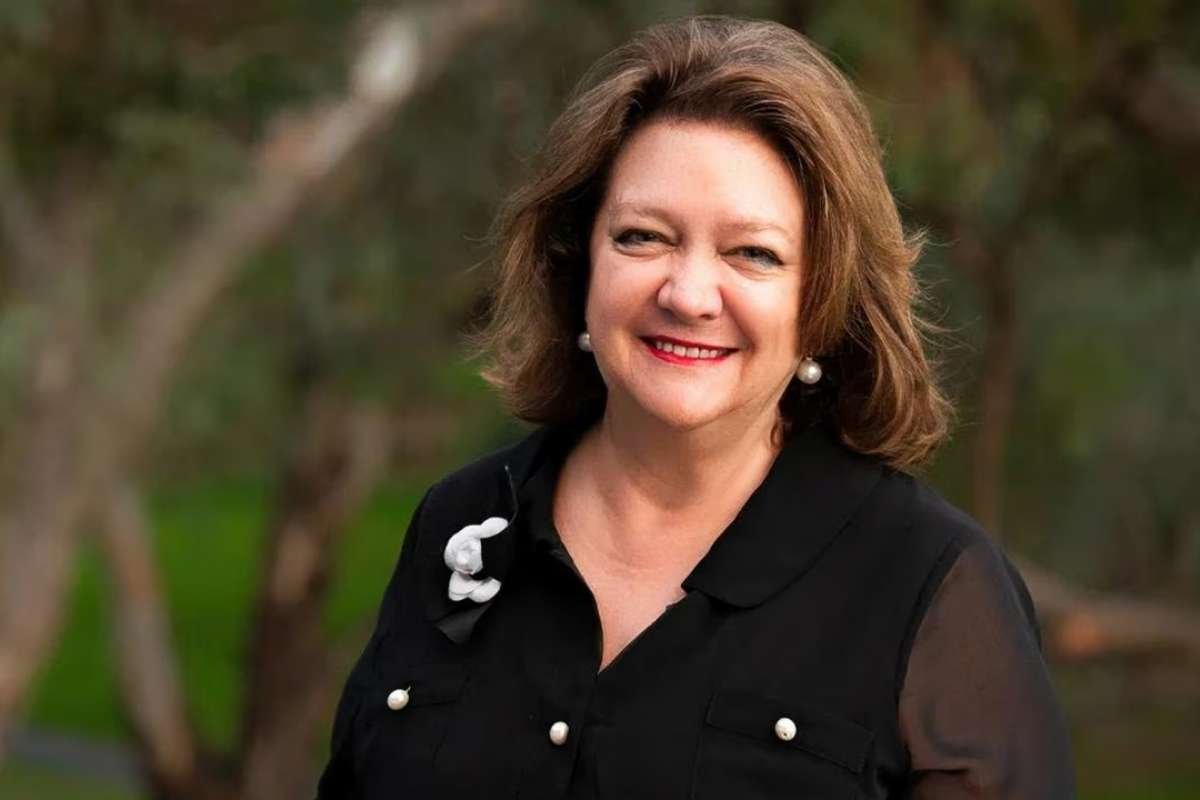
Location: Perth, Western Australia | Age: 70 | Primary Source: Hancock Prospecting (Executive Chairwoman)
Gina Rinehart transformed a regional mining operation into a global strategic asset, making her among the richest women of 2026 through active operational management rather than passive shareholding. She inherited Hancock Prospecting from her father, Lang Hancock, in 1992 and expanded its footprint as iron ore demand exploded in the 2000s. Her wealth peaked at $29 billion in 2012, momentarily making her the world’s richest woman before market normalizations.
Her strategic positioning for 2026 reveals prescient thinking: she holds an 8.5% stake in MP Materials, the only rare earth elements producer and refiner of note in the United States. When President Trump announced plans to expand rare earths production in early 2025, MP Materials’ stock surged nearly 15%, instantly adding $45.6 million to her wealth. This positioning as essential to global manufacturing and defense supply chains demonstrates strategic anticipation of geopolitical resource scarcity.
Her wealth remains volatile due to commodity exposure, yet her operational control of Hancock Prospecting ensures she shapes mining industry standards, environmental practices, and resource allocation strategies.
7. Iris Fontbona – $24–25.8 Billion
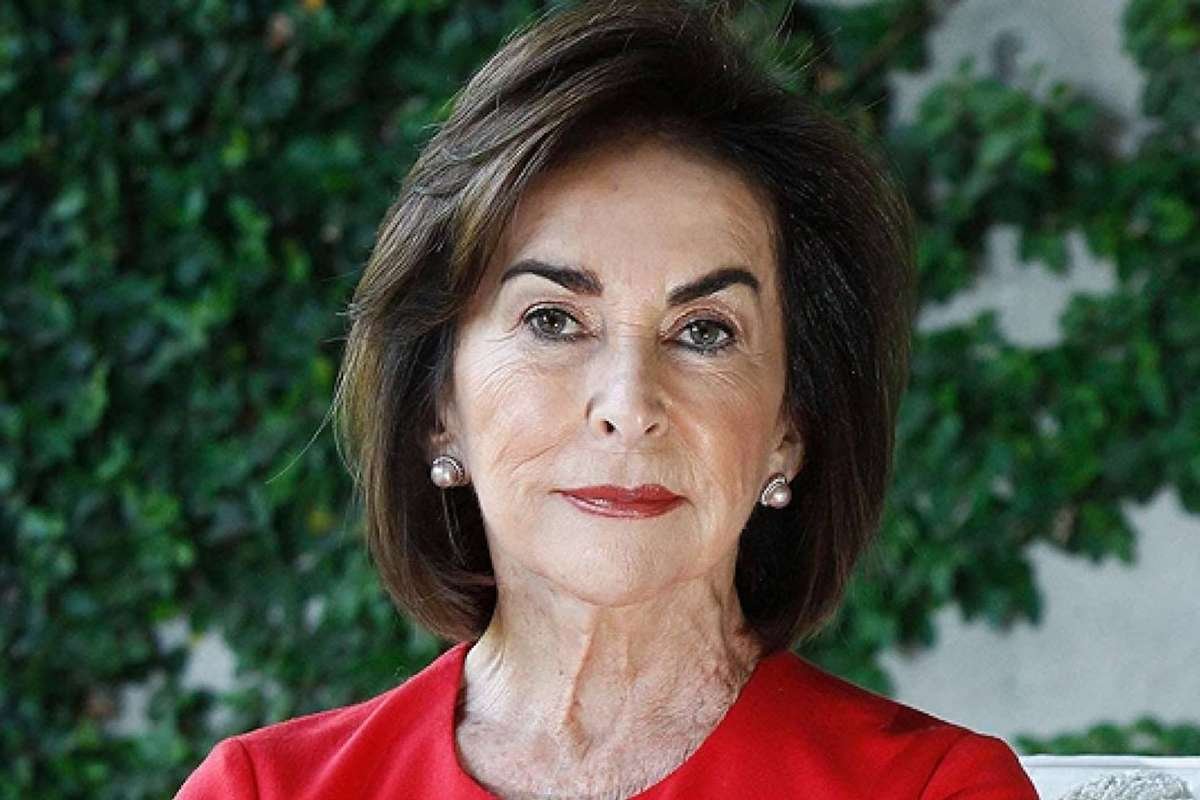
Location: Santiago, Chile | Age: 80 | Primary Source: Antofagasta Mining (Copper mining empire)
Iris Fontbona became one of the richest women of 2026 not through founding enterprises but through seizing operational control of massive inherited assets. When her husband Andrónico Luksic died in 2005, she inherited decision-making authority over a sprawling empire: Antofagasta (the ninth-largest copper producer globally), Banco de Chile, shipping company CSAV, and brewer CCU. What distinguishes Fontbona is hands-on governance across multiple industries.
Her son Jean-Paul manages Antofagasta’s day-to-day operations, but major capital allocation and M&A decisions require her approval. She controls 65% of Antofagasta directly, a concentration that ensures decisive influence over investment, dividend policy, and expansion strategy. Her wealth depends heavily on copper prices, creating volatility that also aligns her interests with long-term sustainability. S
he diversified beyond mining through Croatian luxury resort properties and strategic board positions. Fontbona represents the modern conglomerate operator: less visible than celebrity billionaires, yet controlling multiple industries and economic sectors through disciplined governance and capital deployment.
8. Susanne Klatten – $26.5 Billion
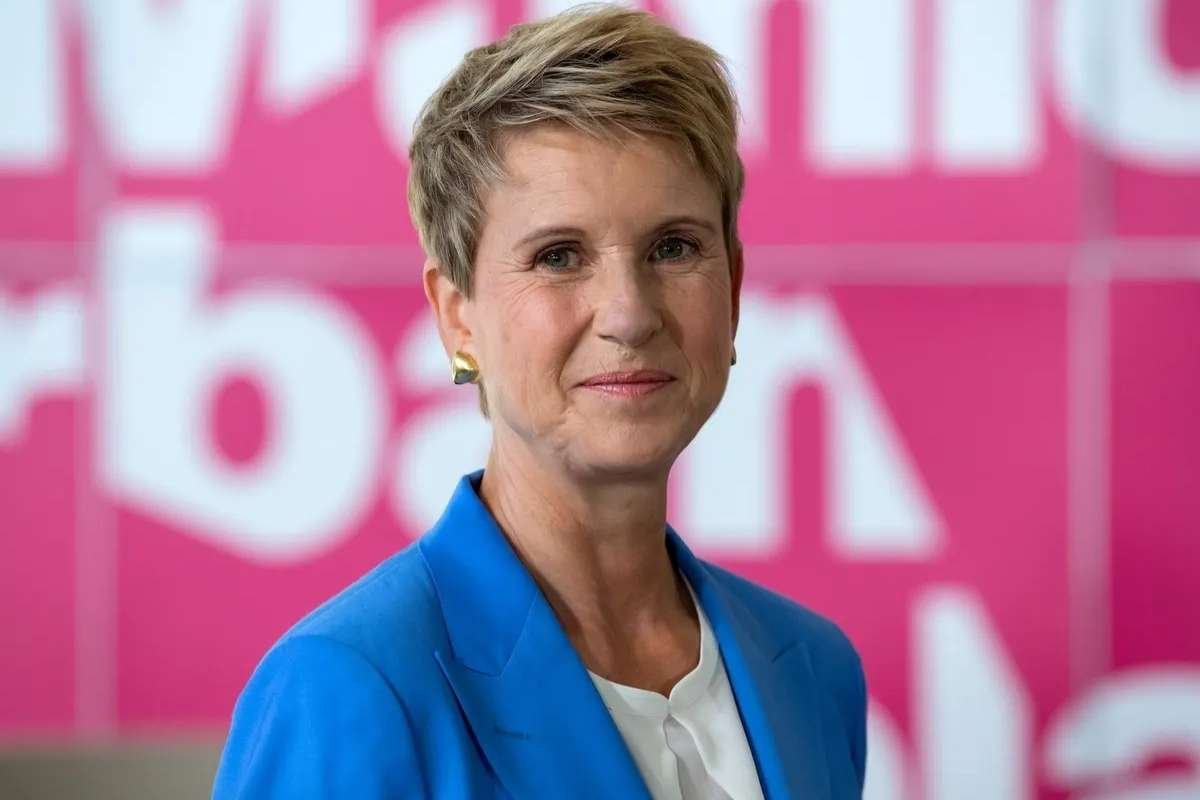
Location: Germany | Age: 62 | Primary Source: BMW (19% stake), Altana, SAP investments
Susanne Klatten inherited BMW shares but emerged as a notable venture capitalist and tech investor in her own right, positioning herself among the richest women of 2026 through strategic diversification beyond automotive. She maintains a 19% stake in BMW while simultaneously investing in pharmaceuticals (Altana), renewable energy (Nordex), and advanced materials companies. Her $26.5 billion fortune extends beyond passive shareholding into active portfolio management across multiple sectors. She has been notably vocal about inherited wealth responsibilities, remarking that inheritance carries “burdensome responsibilities”—a philosophical stance that translated into strategic diversification and tech investment, positioning her family for post-automotive transitions.
Her investments in renewable energy and advanced materials suggest sophisticated anticipation of energy transition themes. Unlike heirs content with dividend collection, Klatten actively evaluates emerging technologies, participates in board governance, and shapes investment strategy. She represents the European wealth model: family holding companies with professional management structures that preserve capital across generations while adapting to industrial transformation.
9. Beate Heister – $16.3 Billion
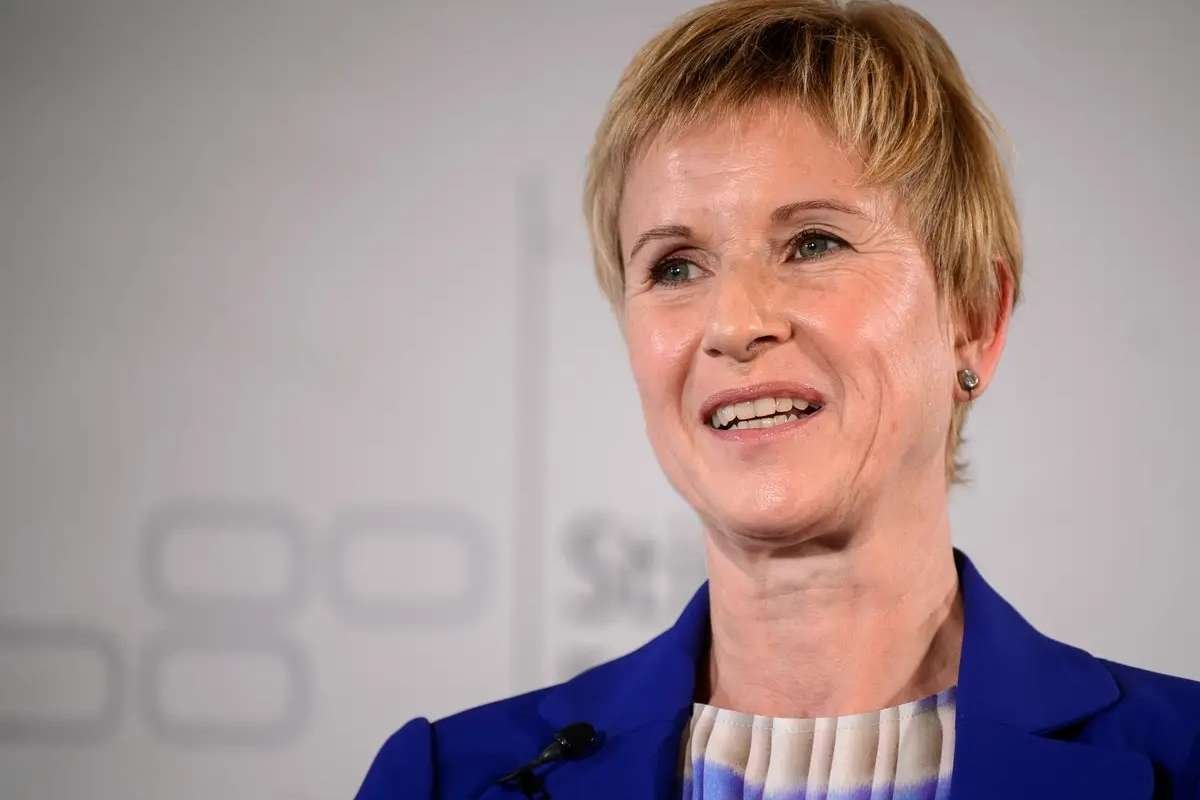
Location: Germany | Age: 64 | Primary Source: Aldi Süd (Supermarket retail empire)
Beate Heister co-controls Aldi Süd, Europe’s discount retail powerhouse, alongside her brother Karl Albrecht Jr. She and her brother inherited equal stakes in 2014 following their father Karl Albrecht Sr.’s death, the last surviving founder of the Aldi supermarket chain that Karl and his brother Theo split in 1960. Aldi Süd now generates over €40 billion in annual revenue across 12,000+ stores in 11 countries, making Beate one of the richest women of 2026 through this institutional fortune.
Beate maintains deliberate anonymity, never granting media interviews or public appearances. Professional managers run daily operations while she and her brother focus on strategic oversight and family governance. This structure, complex inheritance vehicles, professional management, and absolute privacy, exemplify European wealth preservation perfected over generations. Her fortune reflects Aldi Süd’s operational excellence: laser-focused private label strategy, real estate ownership of prime locations, and expansion into the U.S. as Trader Joe’s. Beate Heister represents the ultra-wealthy operating through institutional control rather than personal visibility, ensuring the Albrecht dynasty endures beyond individual lifetimes.
10. Zhong Huijuan – $14.5–23.3 Billion
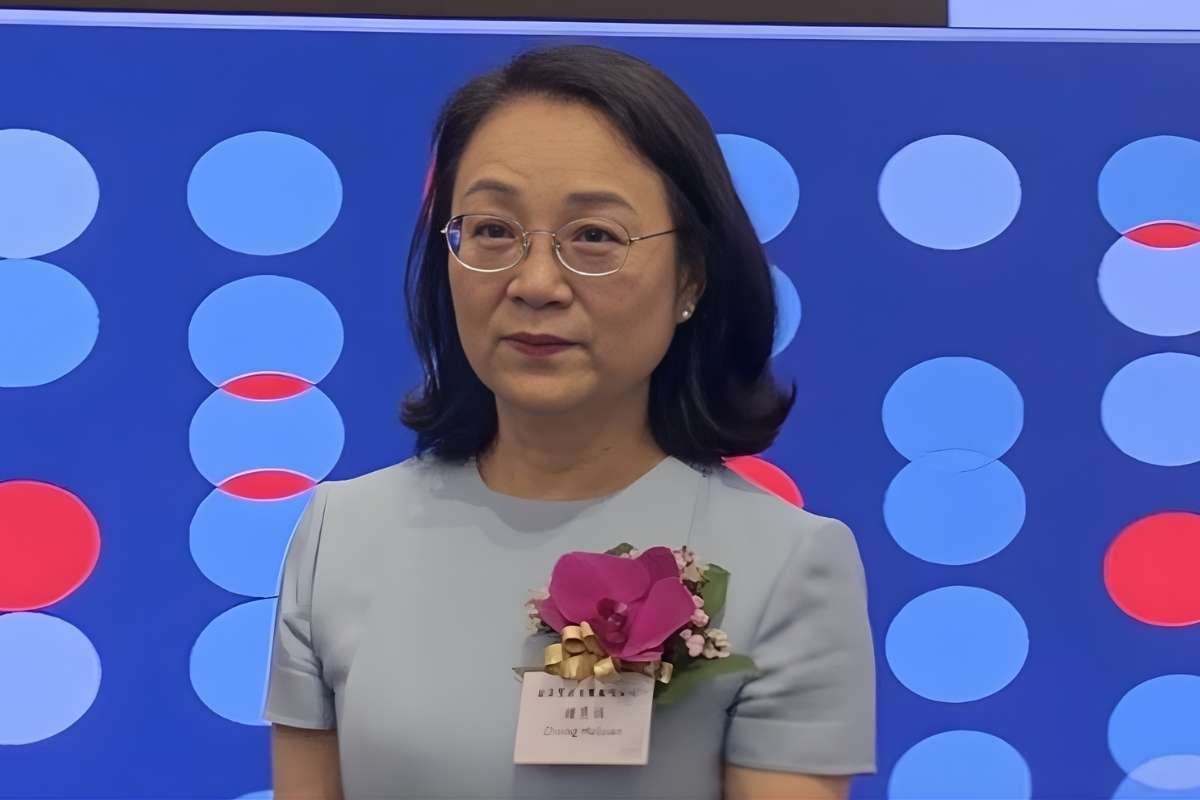
Location: Lianyungang, Jiangsu Province, China | Age: Late 60s | Primary Source: Hansoh Pharmaceutical (Self-Made Founder)
Zhong Huijuan represents a fundamentally different category: not an heiress but a self-made entrepreneur who built a multi-billion-dollar pharmaceutical company from foundation to IPO. She founded Hansoh Pharmaceutical Group in 1995, transforming it from a small enterprise into China’s leading psychotropic and oncology drug manufacturer. Her company went public on the Hong Kong Stock Exchange in 2019, raising $1 billion and valuing Hansoh at a multi-billion-dollar status. She holds a 66% stake through the Sunrise Trust, capturing the full upside of her creation.
Hansoh’s revenue reached 10.1 billion yuan ($1.4 billion) in 2023, with a focus spanning diabetes treatments, tumor drugs, psychiatric medications, and anti-infectives. She has collected over $800 million in dividends since founding, yet wealth continues compounding as the company expands internationally. Zhong represents the rare Chinese female founder succeeding despite structural gender barriers in entrepreneurship. Her wealth source—operational excellence and pharmaceutical innovation- contrasts sharply with Western heiresses, demonstrating how the richest women of 2026 increasingly emerge from founding and scaling operations.
11. Maria Gaetana Agnelli – $5–8 Billion (estimated)
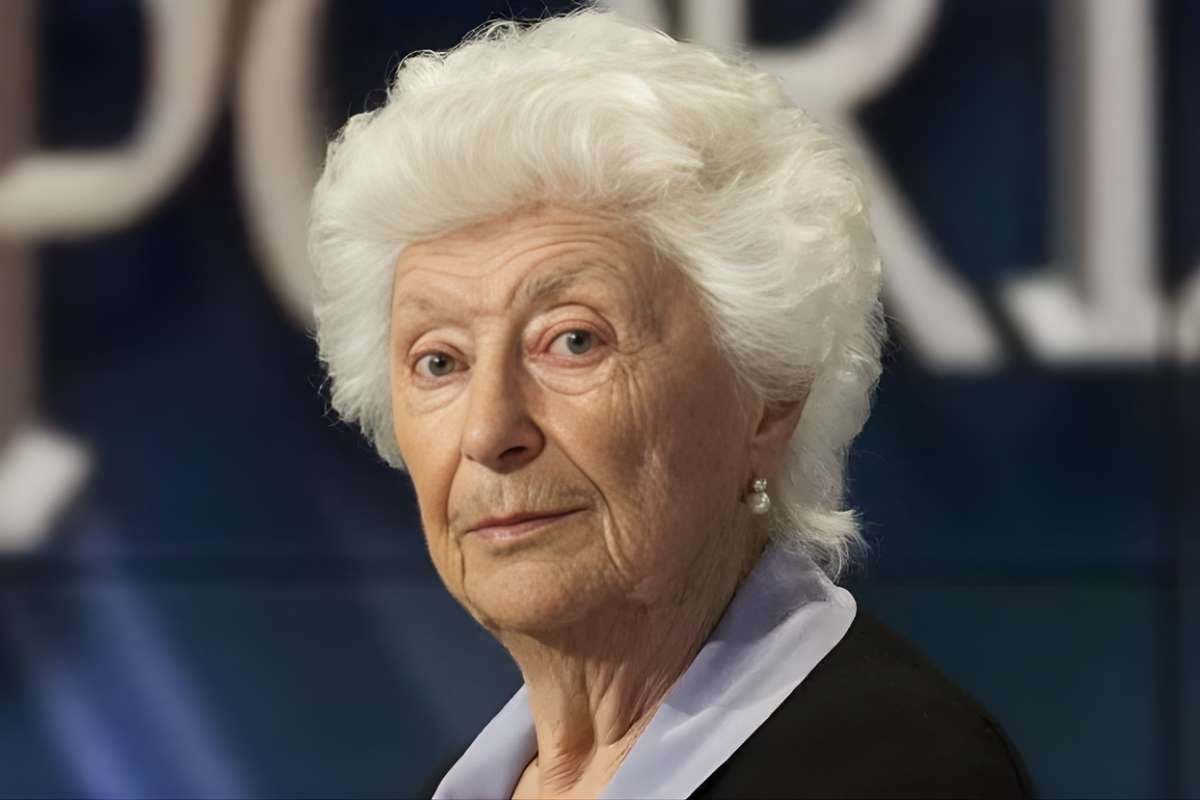
Location: Turin, Italy | Age: 62 | Primary Source: Exor holding company (Ferrari, Stellantis, CNH)
The Agnelli family’s wealth through Exor represents institutional holding company governance rather than individual asset concentration. While individual family members’ net worth varies by valuation methodology, the family’s collective control over Ferrari (30% stake), Stellantis, CNH Industrial, and the Juventus football club amounts to cultural and economic significance transcending simple net worth calculation. In 2025, the Agnellis divested approximately 4% of Ferrari holdings for €3 billion to capitalize on luxury valuation peaks and fund acquisitions.
This strategic rebalancing demonstrates professional wealth management at the family level, not mere inheritance preservation but active portfolio optimization. Maria Gaetana’s role in navigating this complex structure involves governance, succession planning, and strategic capital allocation. The Agnelli family exemplifies how the richest women of 2026 exercise influence through institutional structures rather than individual shareholding, a model allowing multi-generational wealth preservation while adapting to market dynamics and industrial transformation.
12. Nita Ambani – $2.3–2.5 Billion (Individual)

Location: Mumbai, India | Age: 62 | Primary Source: Reliance Industries (Spouse Mukesh Ambani; ~$309B family wealth)
Nita Ambani’s individual net worth of $2.3–2.5 billion understates her actual influence within India’s wealthiest family and among the richest women of 2026. She manages the Reliance Foundation, a $1+ billion philanthropic entity supporting education, health, sports, and culture across India. Her strategic positioning through art patronage, sports investment (Mumbai City FC, IPL team ownership), and cultural institution building demonstrates wealth deployment as institutional influence.
She founded the Reliance Arts and Culture Initiative, reshaping India’s art market and museum landscape. Her 2025 leadership in bidding for the 2026 Asian Games broadcasting rights signaled ambitions extending beyond corporate governance into sports diplomacy. Ambani exemplifies the non-Western wealth model where spousal partnerships concentrate capital while individual family members deploy influence through philanthropy and cultural institutions. Her $2.3 billion individual wealth exists within a family structure controlling India’s largest conglomerate, creating a power dynamic distinct from solo billionaires.
13. Zhang Yin – $6 Billion
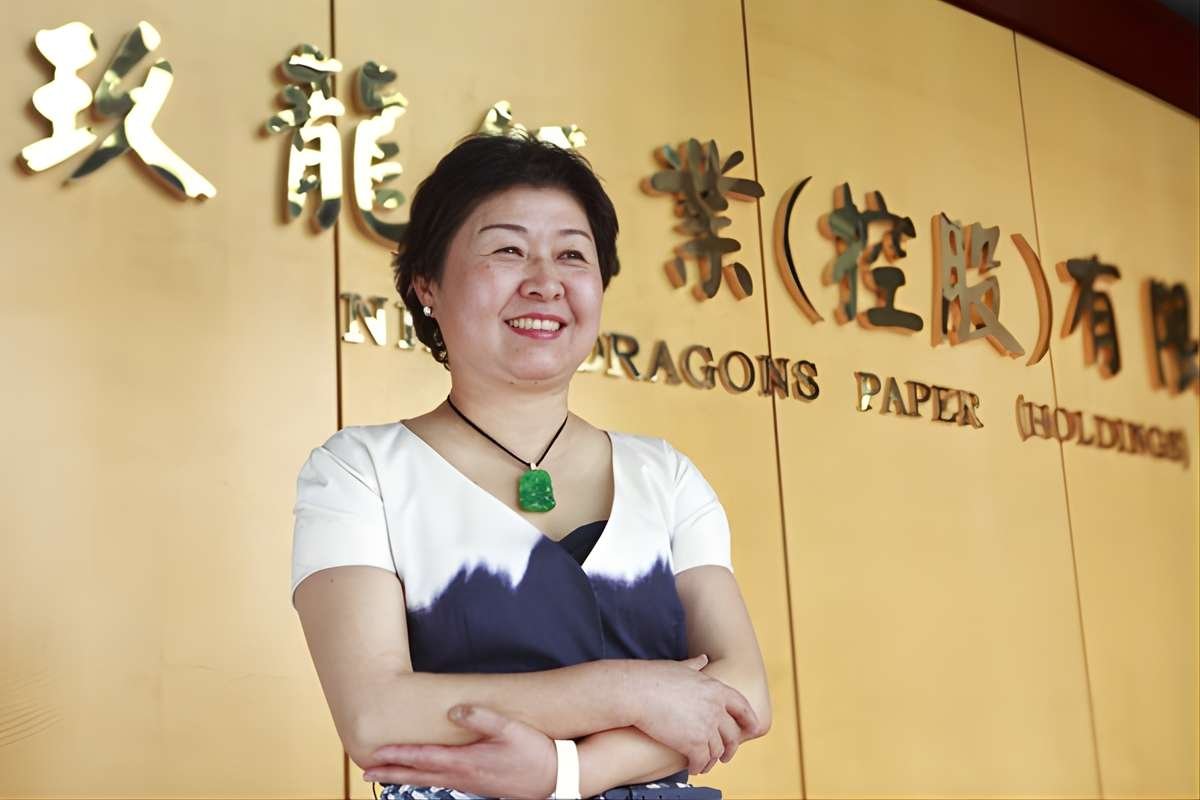
Location: China | Age: 63 | Primary Source: Nine Dragons Paper (Self-Made Founder)
Zhang Yin built Nine Dragons Paper into one of the world’s largest cardboard and paper companies through aggressive recycling and vertical integration. Her company achieved $7.8 billion in operating revenue in fiscal 2019, with total assets exceeding $11.5 billion. Nine Dragons controls global waste paper supply chains and converts recycled material into packaging for e-commerce, retail, and manufacturing sectors.
Zhang identified a market inefficiency (global waste paper as raw material) and built infrastructure to exploit it at scale. Her $6 billion net worth understates operational importance; she controls production capacity serving billions in annual packaging demand. Like Zhong Huijuan, Zhang exemplifies self-made Chinese billionaires, a category underrepresented in Western discussions of wealth concentration. She navigated regulatory environments, supply chain complexity, and commodity market dynamics without family capital, demonstrating that the richest women of 2026 increasingly emerge from operational expertise and market opportunity recognition rather than inheritance alone.
14. Rihanna – $1–1.4 Billion
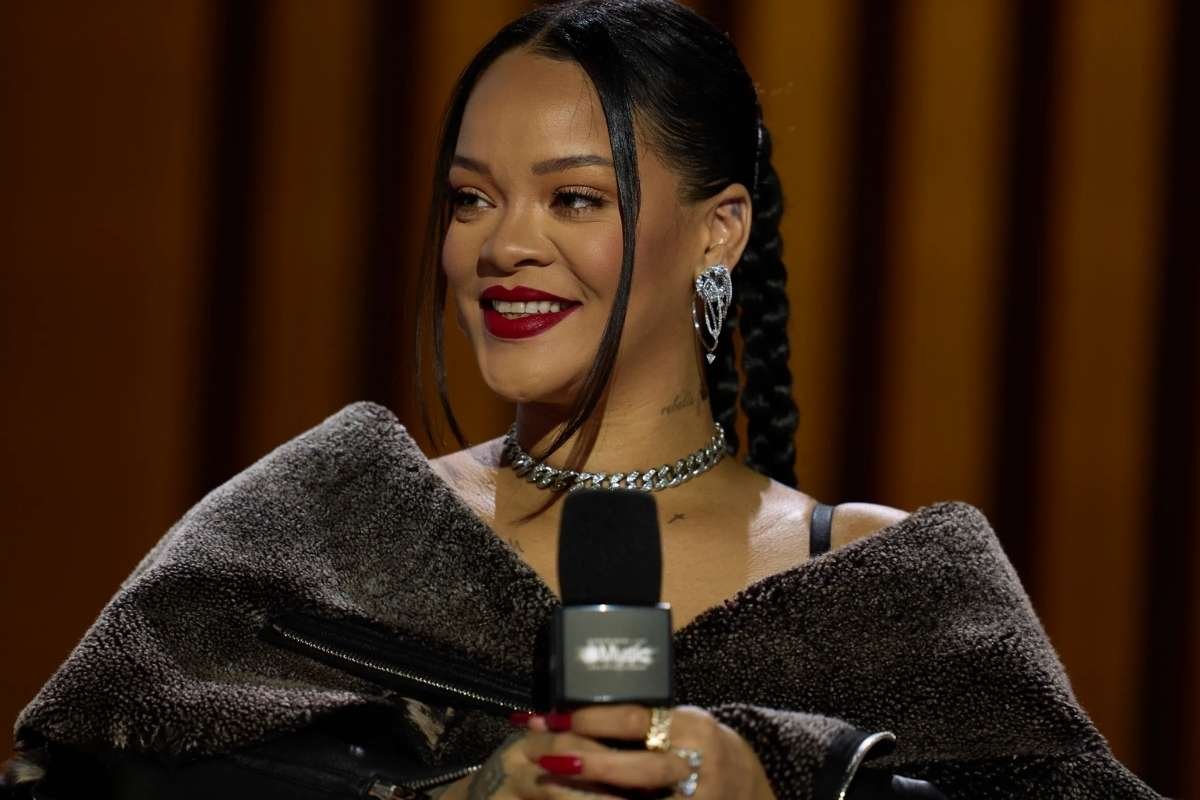
Location: Barbados (Original), global operations | Age: 37 | Primary Source: Fenty Beauty (Self-Made), Music, Entertainment
Rihanna became the richest woman of 2026 through an unusual vector: creating Fenty Beauty in 2017, which captured 10%+ of the global beauty market within five years. Her wealth concentration in Fenty Beauty (in which she maintains significant ownership) creates less volatility than Taylor Swift’s tour-dependent earnings, yet remains dependent on luxury beauty sentiment. She achieved billionaire status in 2021, the fastest self-made billionaire in entertainment history.
Her strategic expansion into Fenty Skin and fragrance diversified revenue streams beyond cosmetics, reducing market concentration risk. She stepped back from music recording in 2016 to focus on business ventures, demonstrating prioritization of wealth creation over artistic output. Her $1.4 billion wealth (down from $1.6 billion in 2023 due to market adjustments) reflects luxury beauty market dynamics, yet her operational control ensures stability. Rihanna exemplifies how the richest women of 2026 build wealth through consumer brands, not merely entertainment talent or financial instruments, capturing upstream value through brand ownership rather than licensing arrangements.
15. Taylor Swift – $1.6 Billion
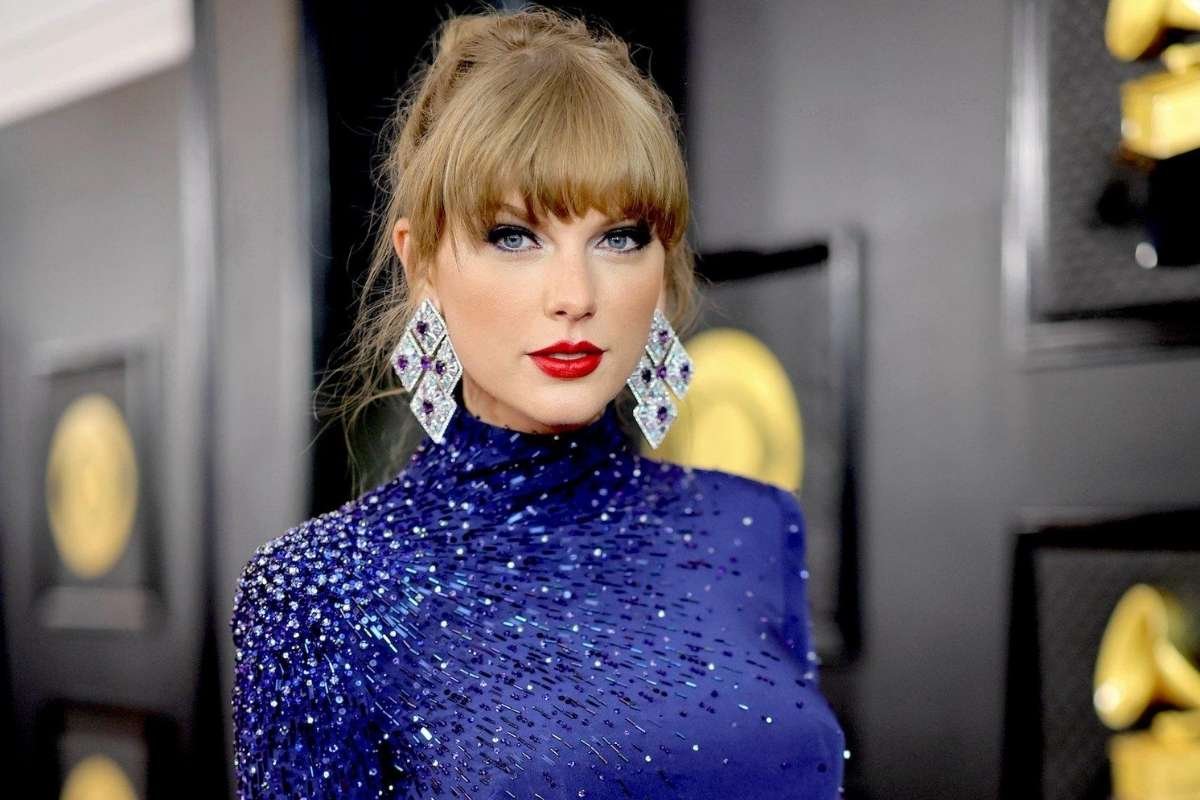
Location: USA (based) | Age: 34 | Primary Source: Music recordings, Eras Tour, merchandise (Self-Made)
Taylor Swift accumulated $1.6 billion through recording ownership, touring revenue, and merchandise, a wealth source entirely absent from billionaire rankings a decade ago. Her Eras Tour generated record-breaking revenues ($2+ billion globally), while re-recording her back catalog gave her ownership control over her creative work. Her wealth accumulation reveals how modern entertainers capture upstream value through ownership rather than licensing. Unlike celebrity wealth dependent on endorsements and appearances, Swift’s fortune flows from direct consumer relationships and content ownership.
Her net worth nearly doubled in 2024, making her the fastest-growing wealth creator among female entertainers. Her wealth demonstrates that contemporary billionaires increasingly emerge from entertainment, technology, and direct consumer engagement rather than traditional corporate hierarchies. Swift’s trajectory suggests entertainment IP represents a frontier for new billionaire creation.
16. Barbra Streisand – $510–600 Million
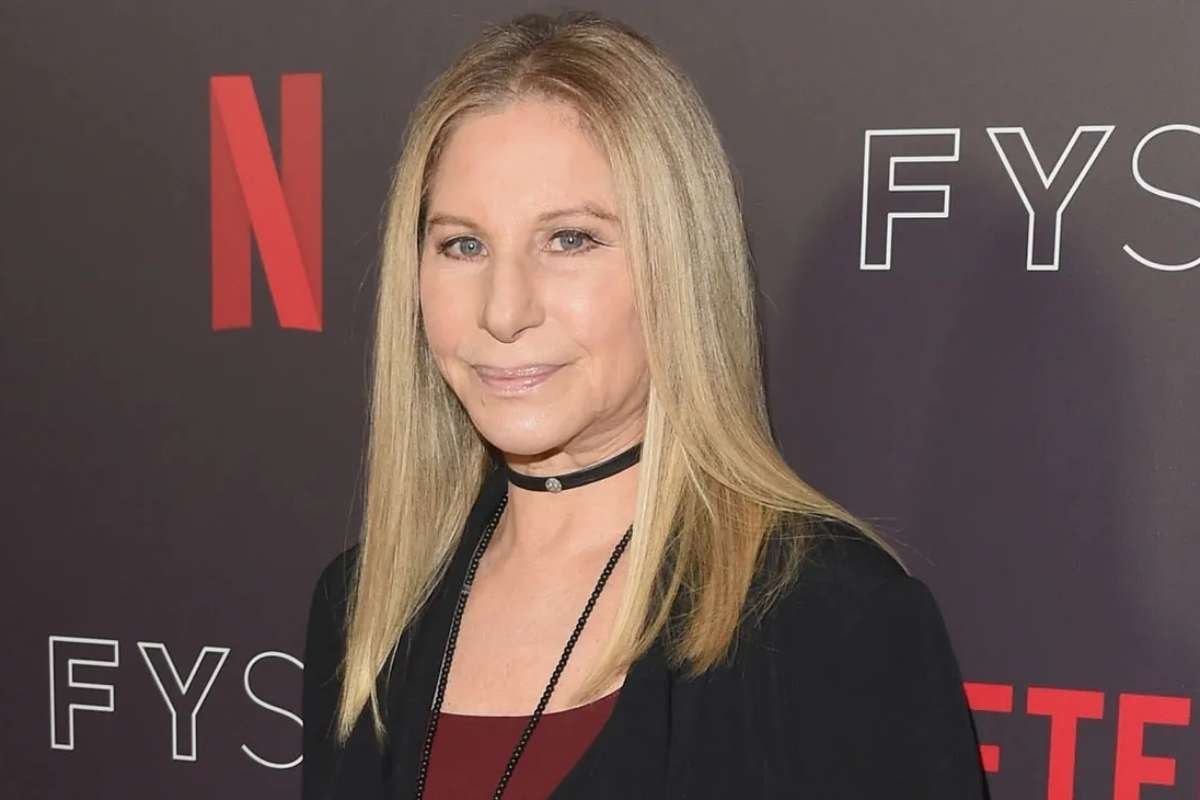
Location: USA | Age: 83 | Primary Source: Music, film royalties, real estate appreciation
Barbra Streisand’s wealth, while modestly below the billionaire threshold, reflects lifetime entertainment dominance and strategic real estate investment. Her net worth grew 11% in 2025 alone, signaling that legendary entertainers continue accumulating wealth through catalog royalties and property appreciation well into their eighth decades. She diversified beyond music into film production, Broadway productions, and real estate, building a portfolio of luxury properties across California valued at over $200 million collectively.
Her involvement in real estate speculation, purchasing properties, designing renovations, and then selling at substantial markups demonstrates business acumen extending beyond entertainment talent. She represents the older generation of the richest women of 2026, whose wealth compounds passively through IP ownership and property appreciation. Her trajectory suggests that entertainment wealth creates lasting financial stability through catalog ownership, as streaming, licensing, and residual payments generate perpetual revenue streams.
17. Madonna – $850 Million
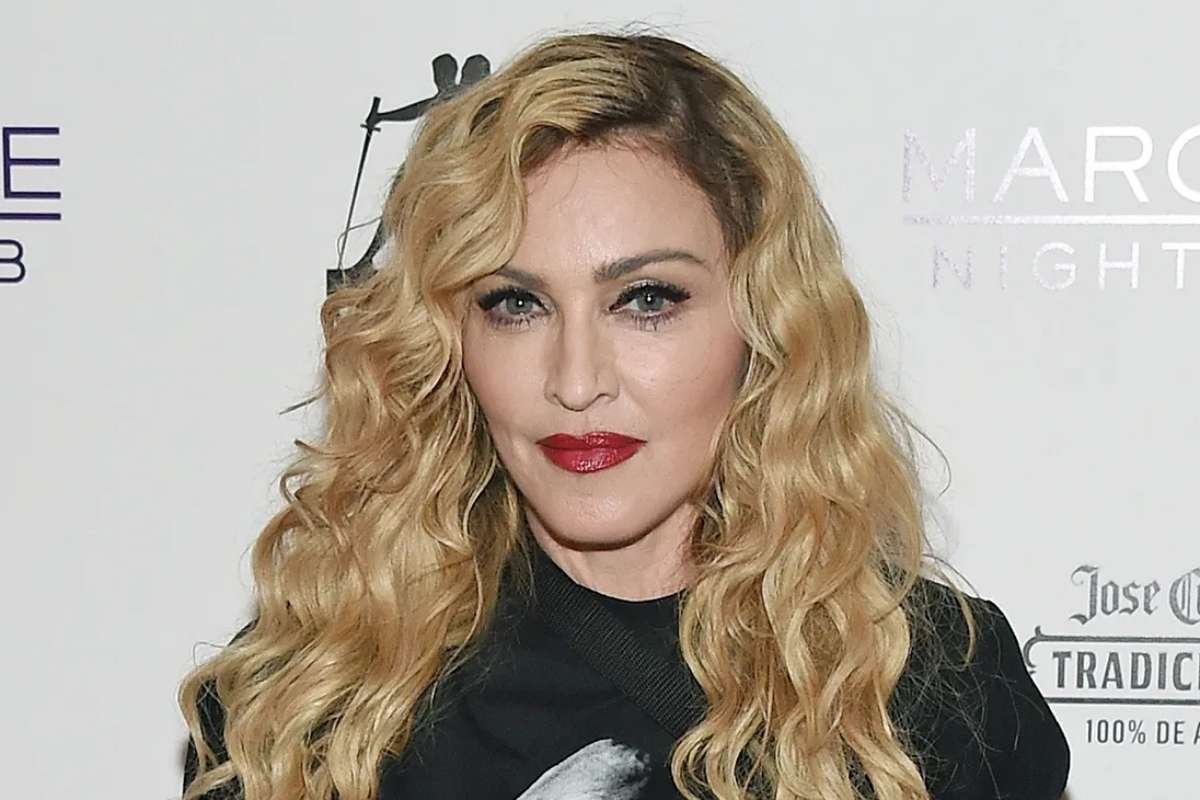
Location: USA | Age: 67 | Primary Source: Music, entertainment, investments (Self-Made)
Madonna’s $850 million wealth reflects six decades of music career dominance, touring revenue, and strategic business investments. She pioneered artist control over music IP and established her own record label structure, capturing upstream value that most entertainers cede to studios. Her reinvention across multiple decades (pop, dance, electronic) sustained relevance and merchandise revenue across generational audiences.
Her touring revenue, particularly the Madame X Tour (2019–2020), grossed over $305 million, demonstrating sustained commercial appeal and fan loyalty. Beyond music, she invested in entertainment production, making her wealth less dependent on active performance than on accumulated IP and investment returns. Her longevity in wealth accumulation suggests music careers create lasting financial stability for artists managing their IP strategically.
18. Beyoncé – $780 Million
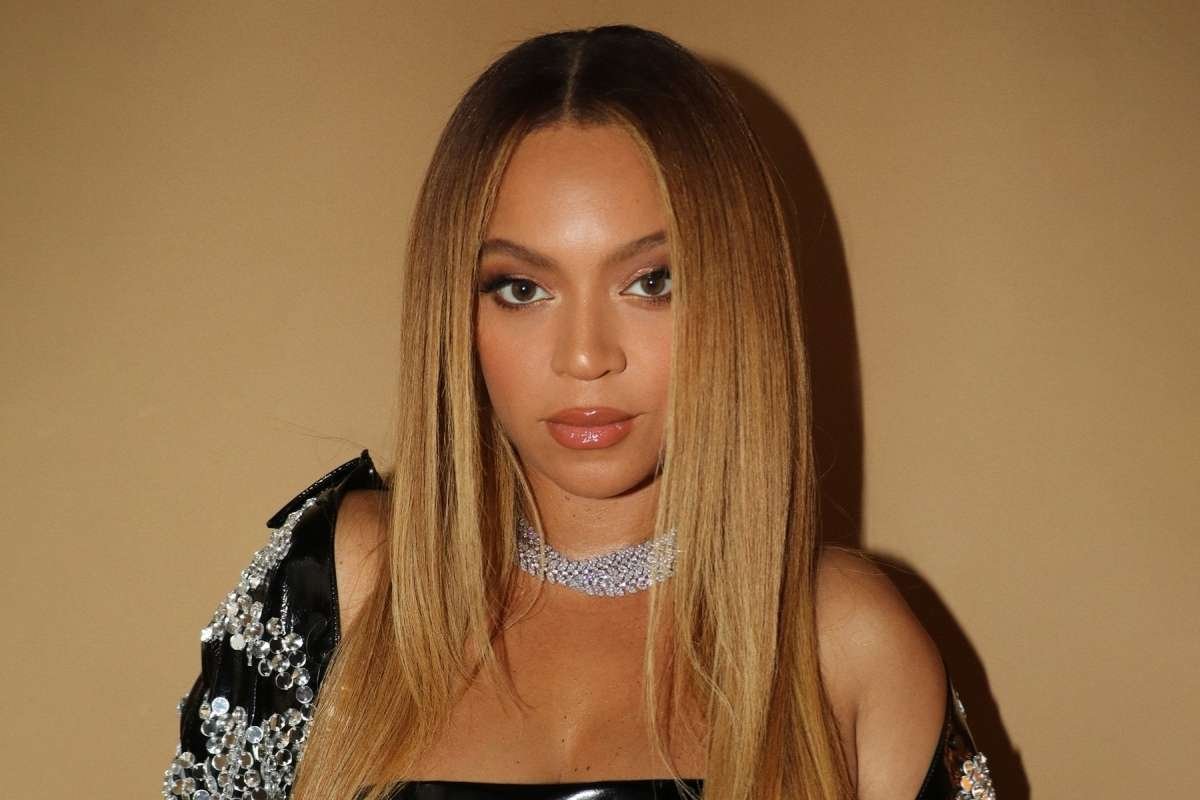
Location: USA | Age: 44 | Primary Source: Music, entertainment, Adidas partnership (Self-Made)
Beyoncé’s $780 million wealth reflects music career dominance, touring revenue, and strategic business partnerships, particularly her Ivy Park athleisure collaboration with Adidas, announced as a multi-billion-dollar valuation joint venture. Her touring revenue, Renaissance Tour (2023–2024), grossed $579 million, making it one of the highest-grossing tours by a female artist and demonstrating sustained commercial dominance. Her wealth concentration across music, touring, merchandise, and brand partnerships creates diversified revenue streams less dependent on a single asset class.
She represents the richest women of 2026 leveraging entertainment success as a platform for consumer brand building and strategic corporate partnerships. Her Ivy Park venture demonstrated how celebrities can negotiate equity stakes in consumer brands rather than accepting licensing arrangements, capturing substantially more value. Her wealth trajectory suggests entertainment-based billionaires increasingly emerge through brand partnerships and equity arrangements rather than music IP alone.
19. Dolly Parton – $450 Million
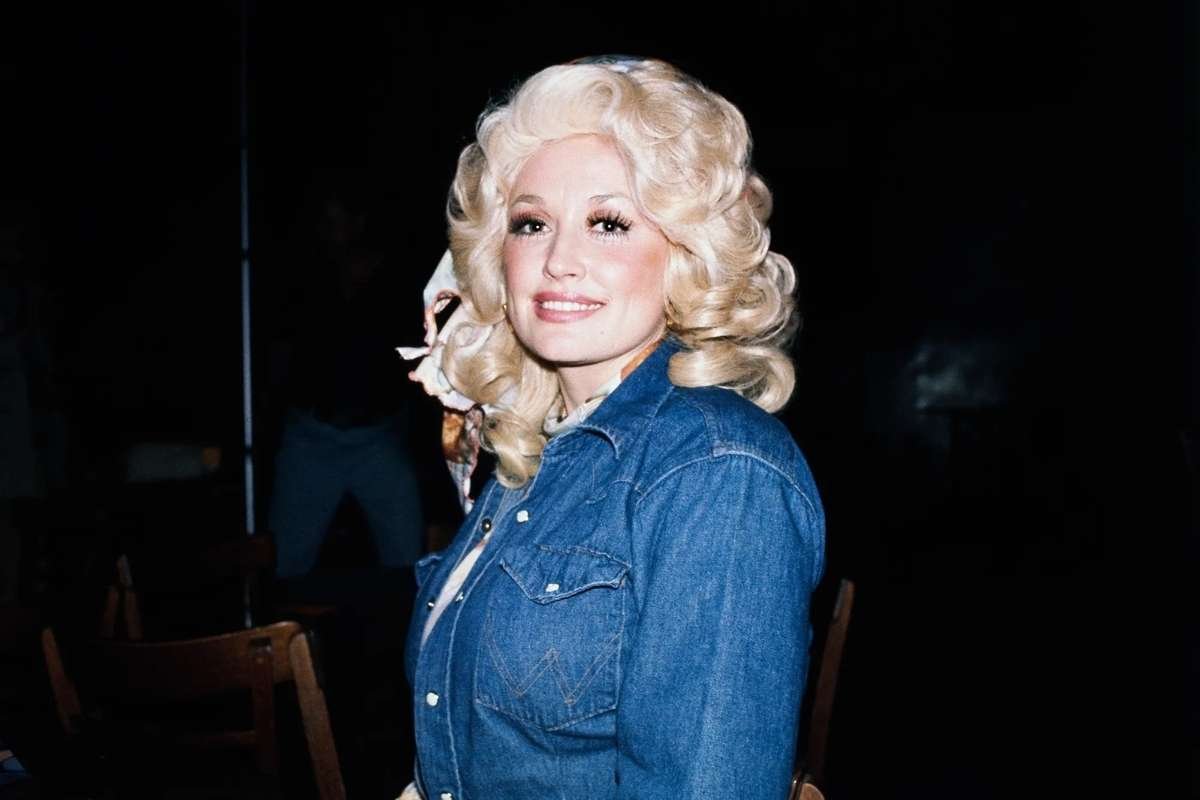
Location: USA | Age: 78 | Primary Source: Music, entertainment, Dollywood amusement park
Dolly Parton’s $450 million wealth reflects six decades of music dominance, strategic song catalog ownership, and entrepreneurial ventures, including Dollywood, a theme park generating $300+ million in annual revenue. Her songwriting catalog (she owns master recordings of many compositions) generates perpetual royalty income, creating wealth that compounds passively. Dollywood’s success transformed a rural Tennessee region into a tourist destination, generating employment for thousands and demonstrating wealth creation beyond music.
Her philanthropy, Imagination Library, provides free books to children, integrating wealth deployment with social impact. She represents the richest women of 2026 whose wealth transcends entertainment IP through ownership stakes in operating businesses and strategic diversification. Her longevity in wealth accumulation suggests that entertainment entrepreneurs combining music, hospitality, and merchandise create more stable financial positions than artists relying on touring and recording alone.
20. Céline Dion – $570 Million
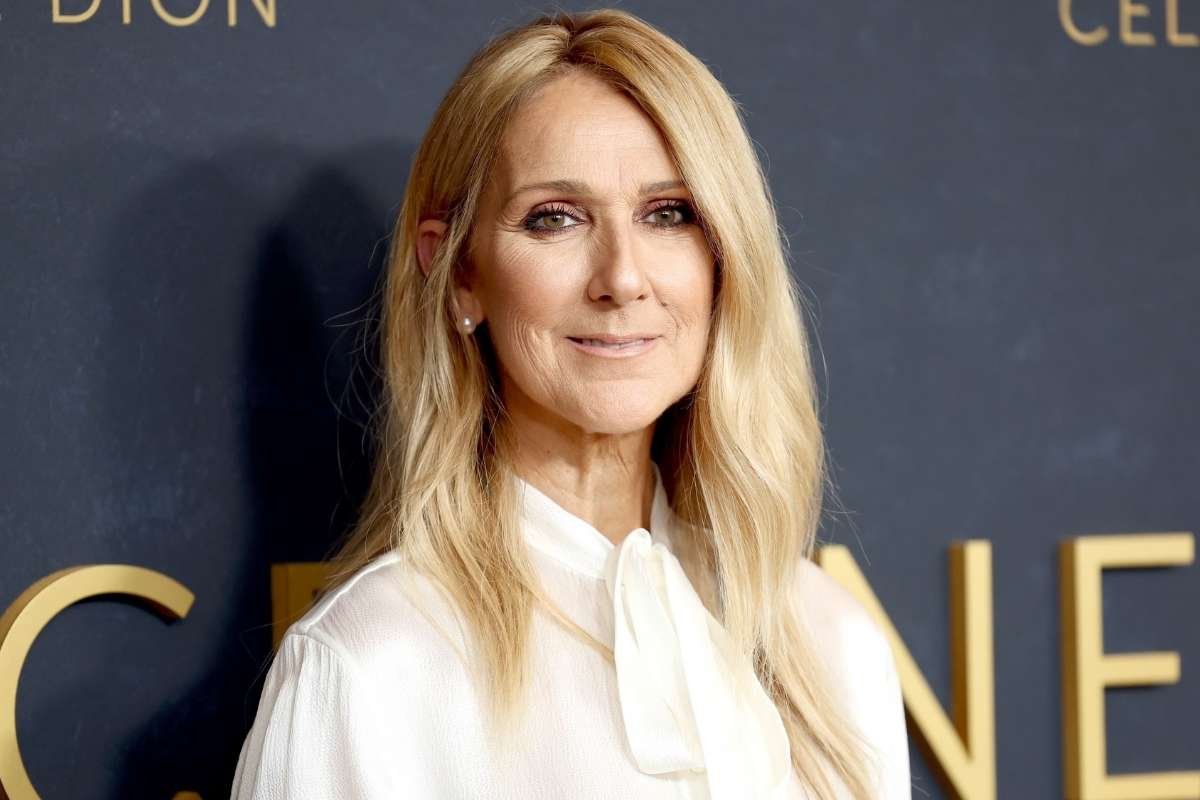
Location: Canada | Age: 57 | Primary Source: Music, Las Vegas residencies, entertainment (Self-Made)
Céline Dion’s $570 million wealth reflects international music dominance, strategic Las Vegas residencies, and diversified entertainment ventures. Her residencies at The Colosseum at Caesars Palace (2003–2018) grossed over $600 million, pioneering the residency model for international artists, maximizing revenue while minimizing touring logistics. Her Titanic theme, “My Heart Will Go On,” generated perpetual soundtrack royalties, making her one of the few artists with a single song generating billionaire-scale wealth impact.
Her catalog ownership ensures streaming, licensing, and broadcast royalties create perpetual income streams. Her Las Vegas residency success inspired dozens of artists to pursue similar arrangements, demonstrating how individual wealth creation can reshape industry economics and business models. Her trajectory suggests that international music franchises and residency models create more sustainable wealth structures than traditional touring.
Conclusion:
Engineering teaches one uncomfortable truth: scale magnifies consequences. The same principle applies to wealth.
The Richest Women of 2026 do not merely sit atop large fortunes; they operate leverage points inside global systems. Retail supply chains, pharmaceutical pipelines, financial markets, entertainment IP, rare earth minerals, cultural institutions, these are not abstract assets. They are structures that influence how societies function.
While inherited wealth still dominates the upper tiers, the rise of self-made founders, operators, and creative owners signals a shift. Capital increasingly rewards control, ownership, and strategic patience rather than visibility alone. These women prove that influence compounds fastest when wealth aligns with governance, not spectacle.
In the end, this list tells a larger story: money shapes the future most effectively when it moves quietly, deliberately, and with intent. And in 2026, some of the most decisive hands guiding that future belong to women who understand exactly how power works.
Thank You For Reading!
See More
20 Richest Women in America Who Built and Grew Billion-Dollar Empires