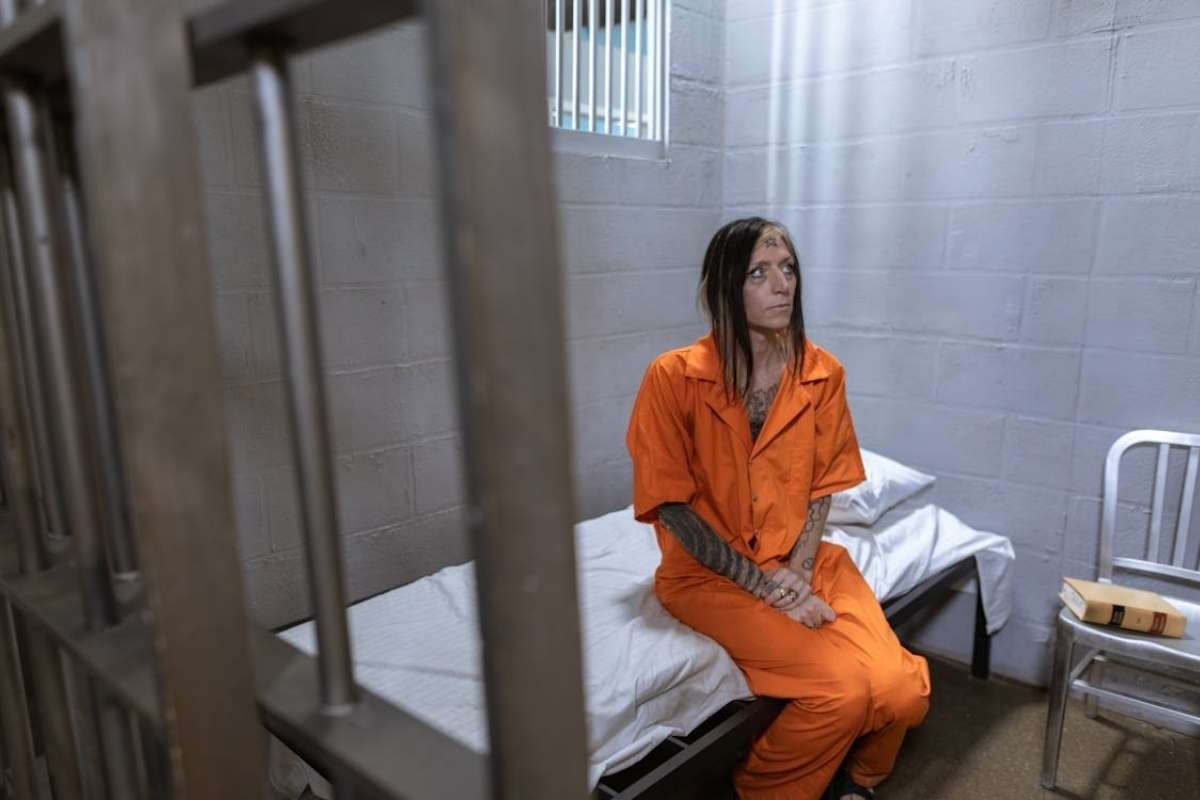
Legal, healthcare, and mental health issues are realities too often for women in detention centers. These experiences affect their well-being while behind bars and can prevent them from having a good quality of life following release. Finding the right solutions involves understanding the issues first. Only then can gender-sensitive reforms happen.
1. Limited Healthcare and Reproductive Health Services
Women in detention often don’t have cohesive medical care to meet their specific needs, including reproductive, prenatal, and postpartum care. Not having access to basic reproductive healthcare and screenings in their facilities can lead to serious health issues like preterm birth and hypertension. She may also feel a lack of control over her own health.
2. Separated from Kids and Family

Many women in detention are mothers. Being confined means being separated from their children with limited contact. Keeping contact with their partners and kids helps with emotional well-being and feeling part of a network to better integrate into the community later. If the facility is far away from where the family’s home is or visiting polices are too restrictive, women may become lonely and depressed over time.
3. Mental Health Issues
Women in detention centers can have histories of childhood trauma, abuse, and mental health conditions. Yet they may not have access to mental health services while in detention. Without the proper support, individuals can become more anxious, depressed, have PTSD (post-traumatic stress disorder), and even self-harm. They may also be re-traumatized while in the facility if there are conflicts with staff, other inmates, or a lack of privacy.
4. Safety, Abuse, and Harassment
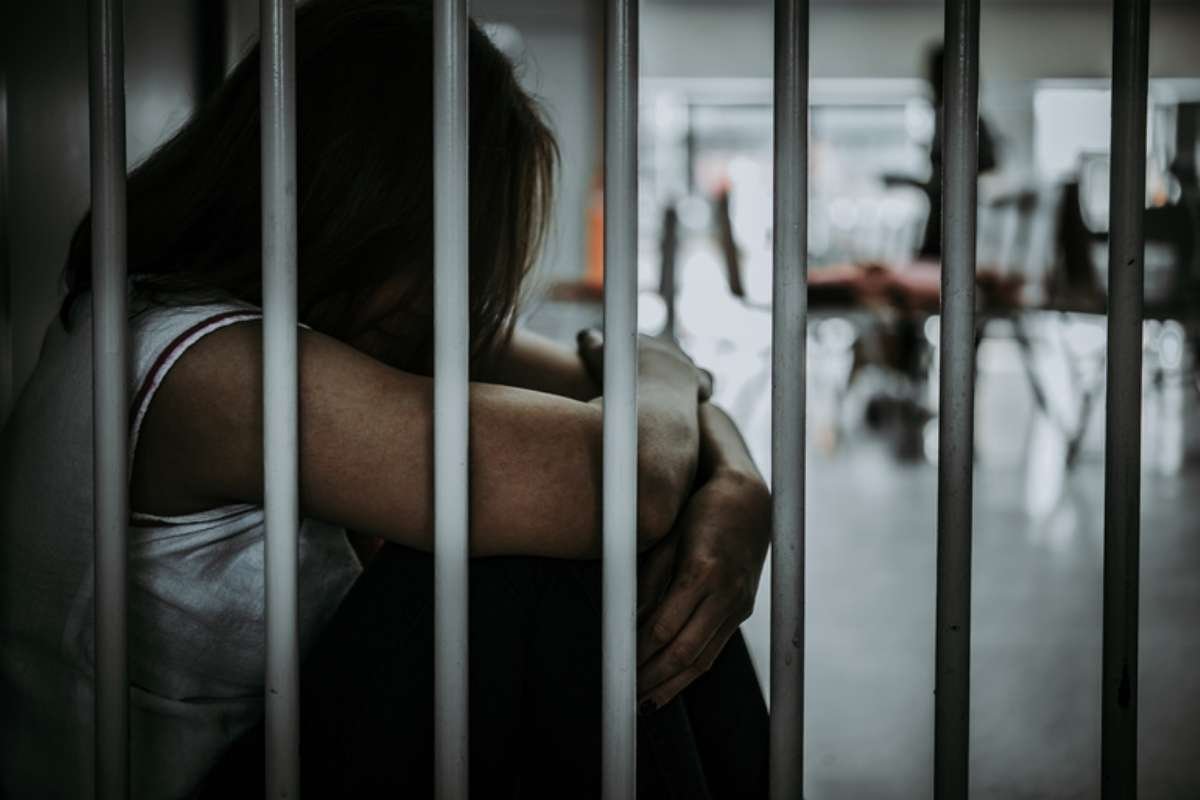
Women detainees are especially vulnerable to sexual harassment and abuse, whether from other inmates or staff. They may be put into situations where they feel unsafe and powerless, which can worsen if male staff do searches or supervise them in private areas. It’s important to consult a lawyer about detention center misconduct, holding facilities accountable, and protecting detainees’ legal rights.
5. Overcrowding
Too many people staying in detention centers is problematic. It makes maintaining a safe environment harder, and there’s less individual attention in rehabilitation programs. There are privacy issues too, as women often aren’t able to change clothes or use the bathroom without others seeing them, making them feel vulnerable, especially for trauma victims. Being in such close proximity to one another also increases the risk of catching diseases and increases stress among detainees.
6. Rehab Challenges

Rehabilitative programs can be limited for women, especially in centers where services are designed with males in mind. That limits opportunities to develop skills that support reintegration into society later. For instance, the programs may not be suited to their career interests or accommodate those who are pregnant or postpartum. That makes it difficult to find a job after release and to find support later on, too.
Conclusion
Addressing the issues that many women in detention centers deal with requires making bigger changes to how these places are run and having more advocacy. There needs to be more efforts put into providing healthcare, mental health services, safety, and family support for women in detention facilities, protecting their rights and respecting them.