
When you read headlines about global tensions or defense budgets, you might wonder how countries actually measure up in terms of military strength. Which nations have the strongest armed forces? What factors determine real power on the global stage? It is not just about the number of soldiers. It is about technology, strategy, resources, and readiness.
The World Military Ranking 2026 offers a closer look at how nations compare based on firepower, defense spending, equipment, manpower, and logistical capability. If you are curious about global power dynamics or how military strength influences international relations, this ranking gives you a clearer picture of where countries stand today and what that means for the balance of power worldwide. We have ranked the countries according to their Power Index. We must first see how this Power Index is calculated.
How is the Power Index Calculated?
The Power Index uses a weighted formula to measure overall military capability. It reviews dozens of indicators across force size, equipment depth, and national support systems. The focus stays on measurable strength. A lower score means stronger combined power.
➤ Core Areas Reviewed
The model starts with manpower, including active troops, reserves, and available population. It then evaluates Air strength, another metric in the world military ranking. It is measured through fighter jets, transport aircraft, and helicopters, reflecting readiness and technological capability. Land strength is measured by tanks, armored vehicles, and artillery systems. Naval capability includes carriers, submarines, and surface ships. Balance across these branches improves the overall score.
➤Economic and Logistical Factors
Defense budgets show how well a country can train and modernize its forces. The index also checks fuel access and domestic industrial capacity. Strong local production supports extended readiness. Transport networks such as ports, rail lines, and roads affect deployment speed. Geography adds further weight based on land size and coastline reach.
World Military Ranking 2026: The Top 20 Countries
Military strength influences security, strategy, and global balance. Some nations rely on vast manpower and heavy armor. Others invest in advanced aircraft, naval fleets, and missile systems. Below is a closer look at the 20 forces that stand out for their depth, readiness, and capability. We have arranged the list from lowest to highest Power Index.
20. Ukraine
Power Index: 0.3691
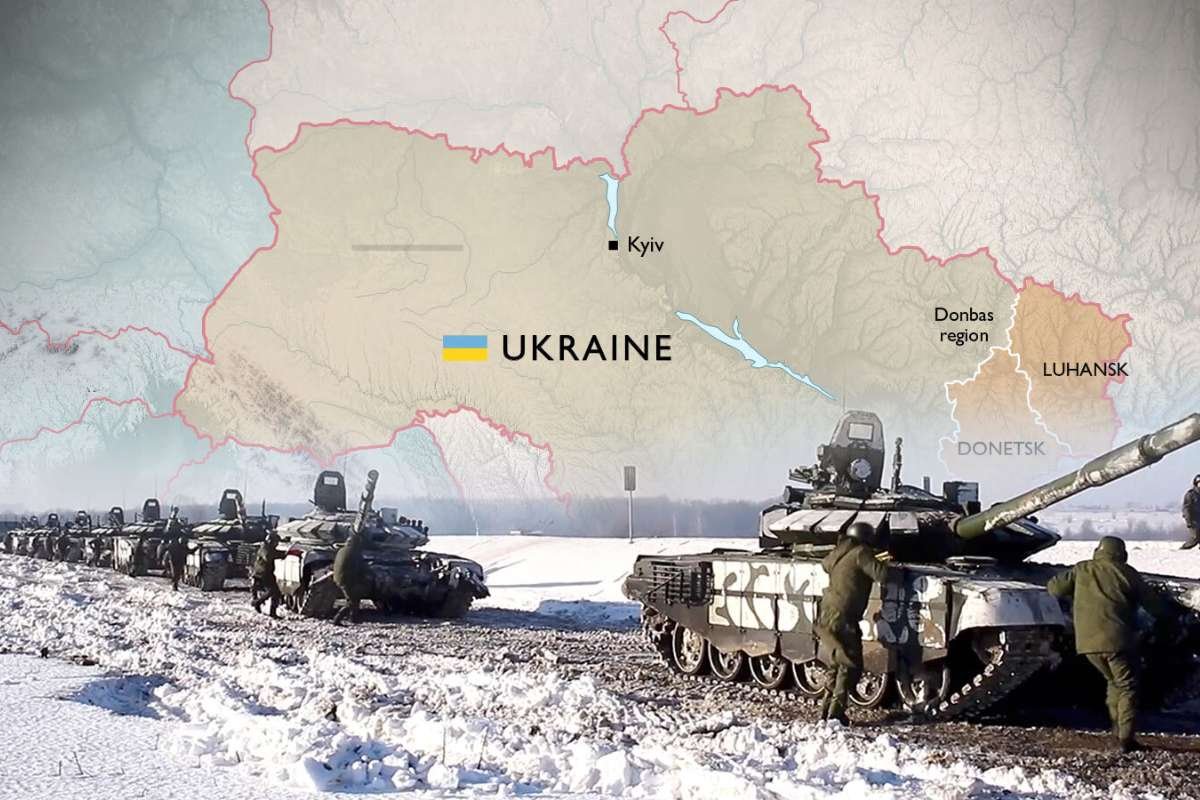
War forced Ukraine to rebuild its armed forces at speed. Lawmakers expanded mobilization rules and tightened draft checks to fill units. Defense spending rose sharply after 2022 and focused on drones, precision shells, and layered air defense. Local factories now assemble unmanned aerial vehicles and repair armored vehicles close to the front. Small teams use real-time feeds from scouts to guide artillery within minutes. Medical training and rapid evacuation systems have improved survival rates in active zones.
19. Egypt
Power Index: 0.3651
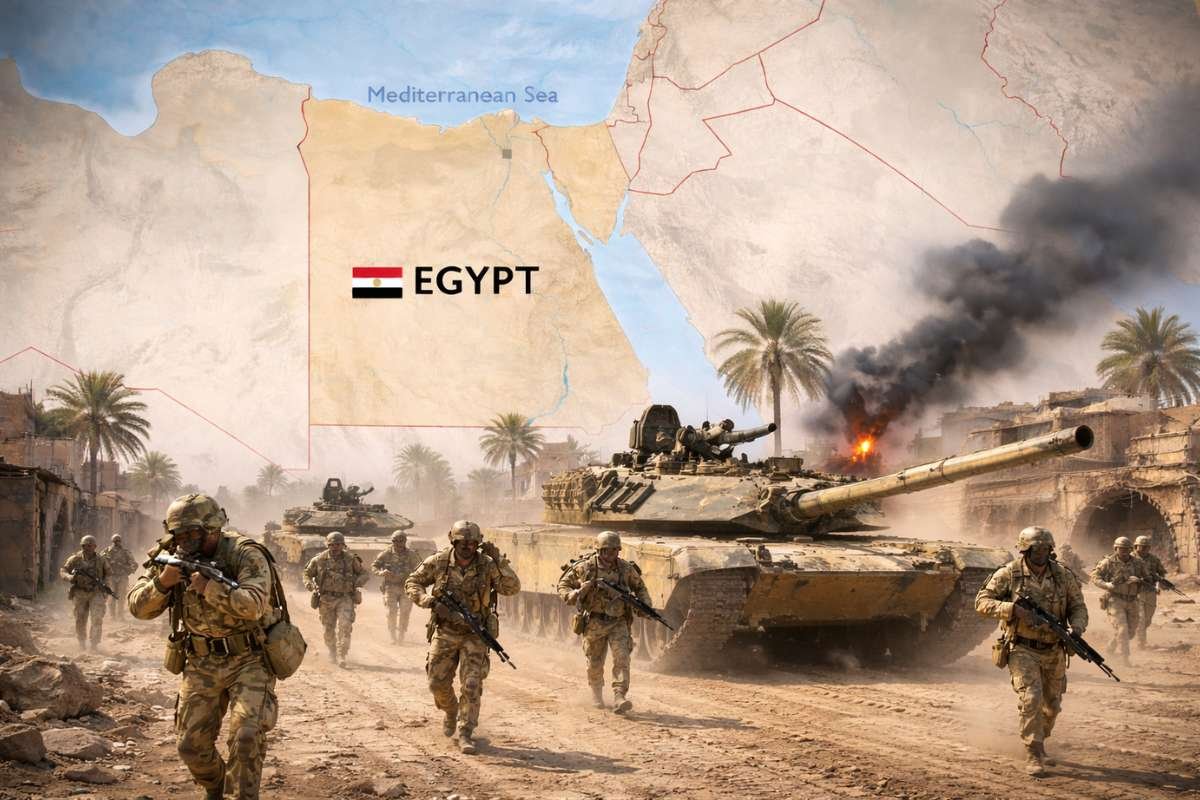
Egypt fields one of the largest armies in its region. It operates modern fighter jets, attack helicopters, and a wide fleet of armored vehicles. The navy has added amphibious assault ships and advanced frigates to guard sea lanes near the Suez Canal. Recent budget plans set aside steady funds for maintenance, spare parts, and pilot training hours. Exercises such as Bright Star have helped Egypt maintain a strong presence in the world military ranking.
18. Spain
Power Index: 0.3247
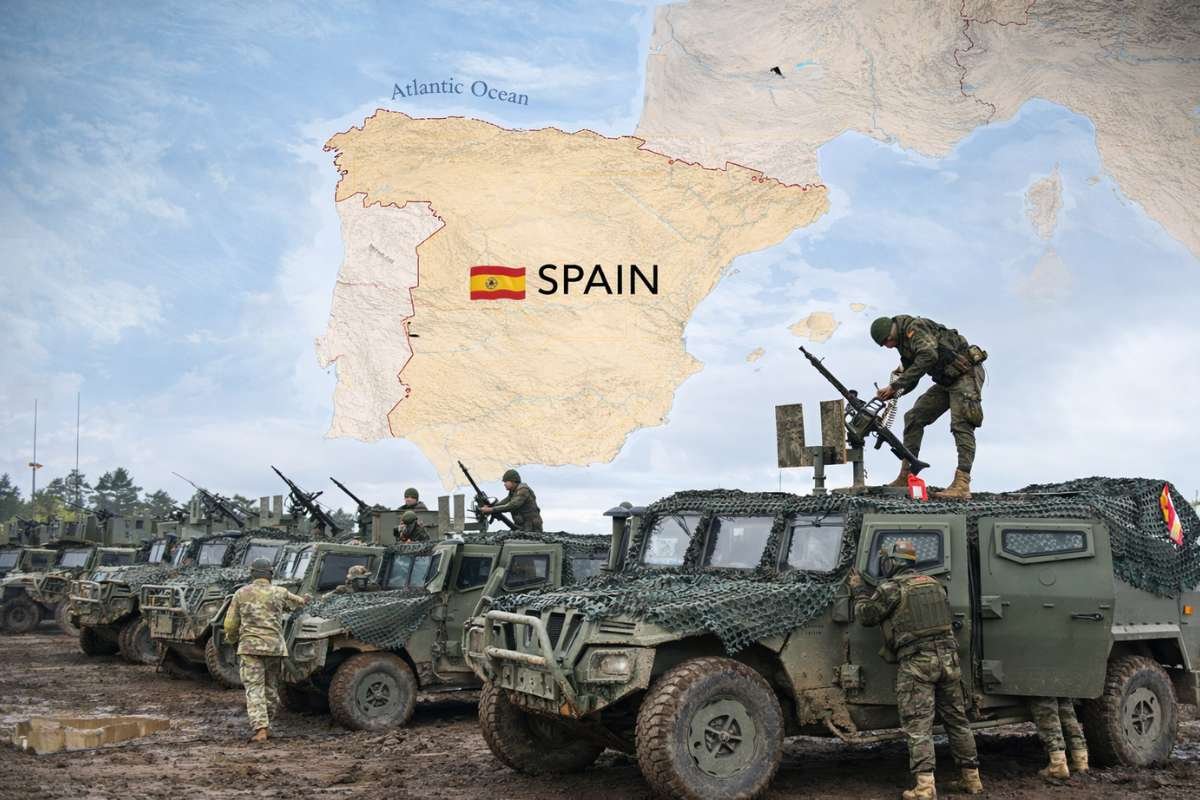
Spain supports a balanced force across land, sea, and air. Parliament approved multi-year defense plans that raise funding toward NATO goals. The air force flies Eurofighter Typhoon jets and is preparing for next-generation upgrades. Shipyards are building F-110 class frigates with advanced radar and anti-submarine systems. Army brigades train with digital command tools that speed up decision cycles. Overseas deployments in Europe and Africa add real mission experience.
17. Australia
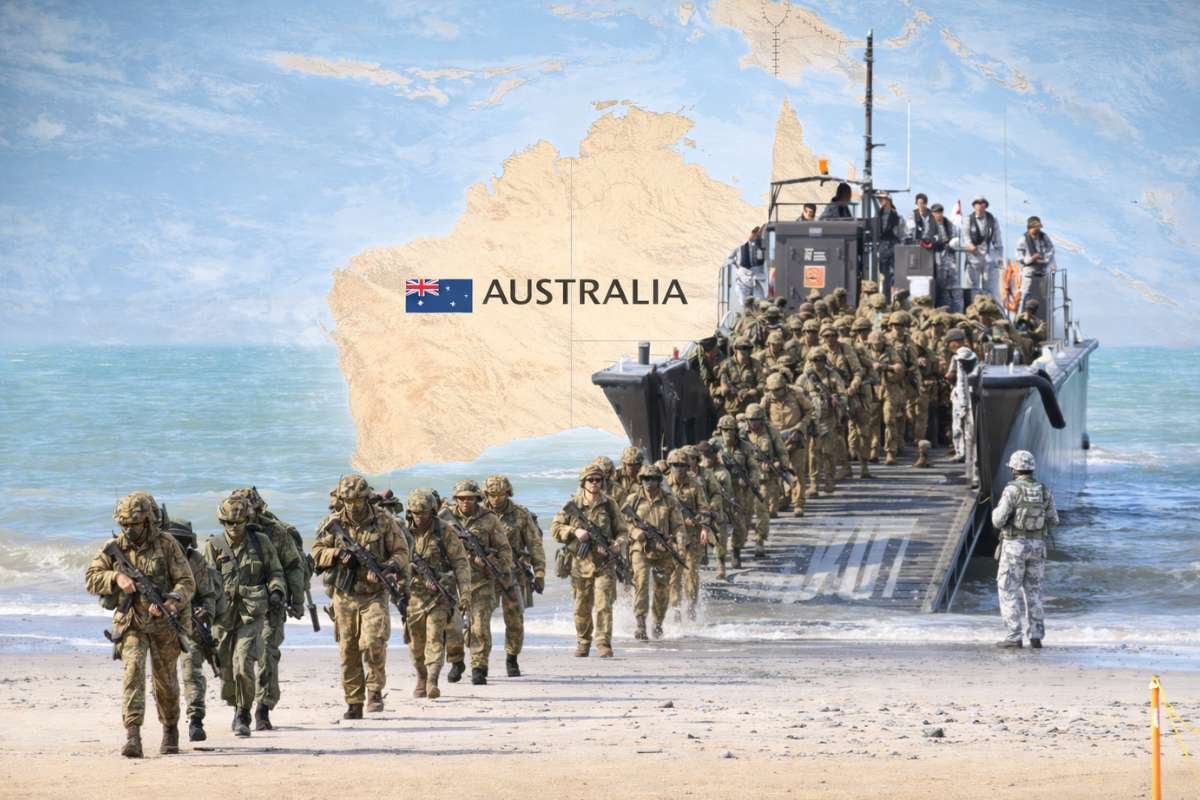
Power Index: 0.3208
Australia is reshaping its military under the 2023 Defence Strategic Review. The AUKUS pact will bring nuclear-powered submarines and shared technology over time. Funding now targets long-range strike missiles and integrated air and missile defense. Northern bases are expanding to host joint drills and rotational forces. Planners also invest in cyber units and space tracking systems. Vast sea distances shape every part of this strategy.
16. Iran
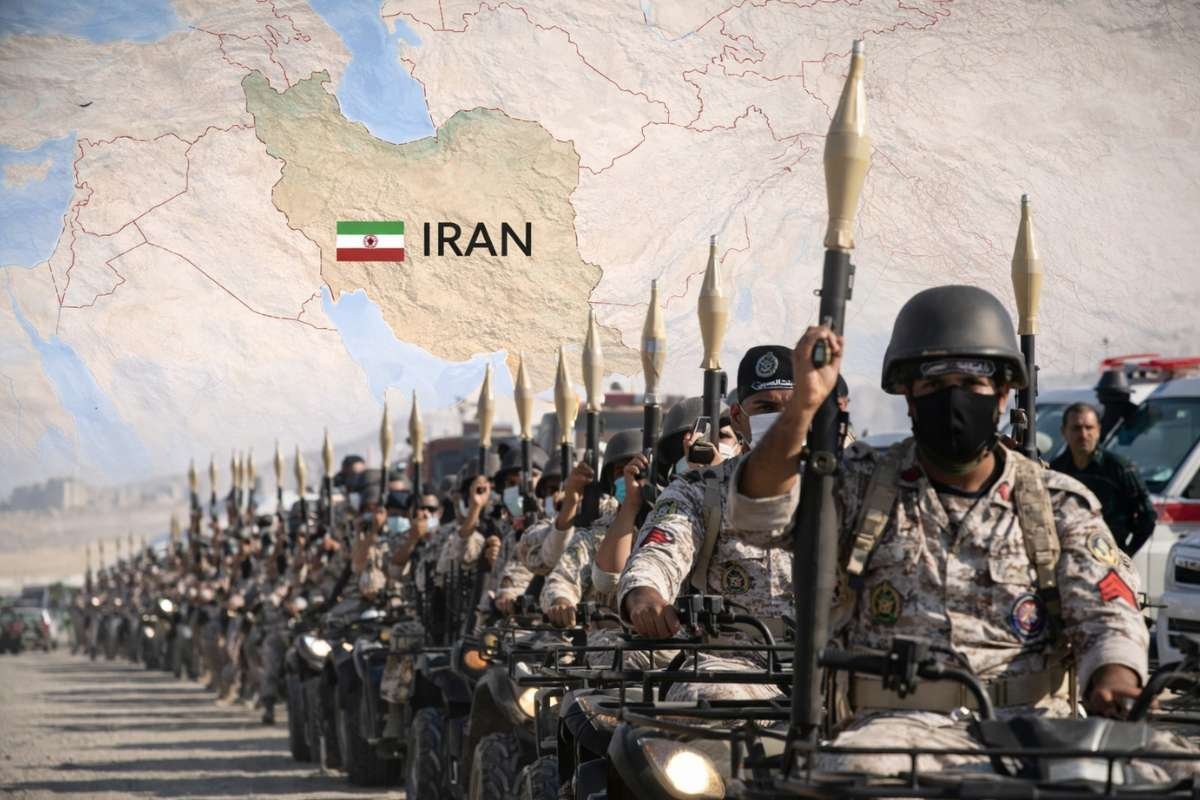
Power Index: 0.3199
Iran relies on domestic defense industries to supply key systems. State firms produce ballistic missiles, drones, radar units, and armored vehicles. The Islamic Revolutionary Guard Corps runs its own aerospace and naval branches. Coastal units train for swarm tactics using fast attack craft in narrow waters. Engineers work around sanctions by building local supply chains for parts. Regular missile tests help refine range, guidance, and payload systems.
15. Israel
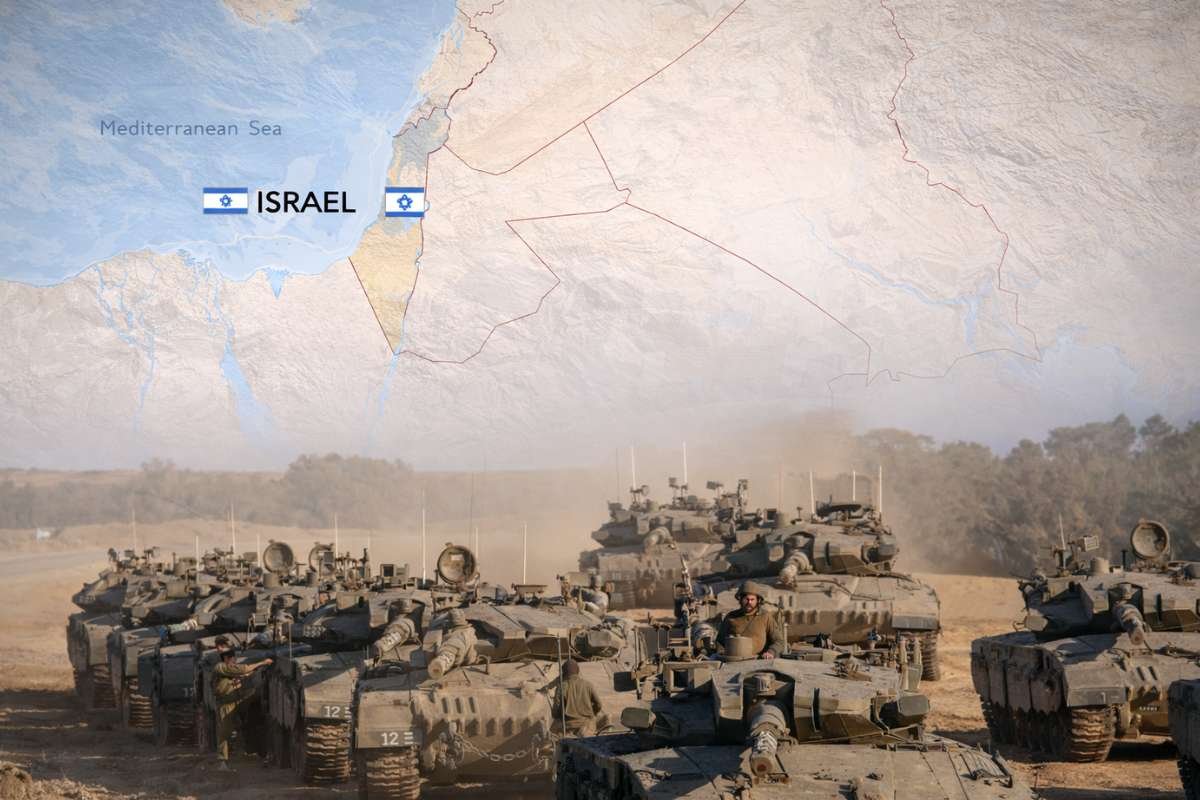
Power Index: 0.2707
Israel builds its strength around speed and technology. The air force flies advanced fighter jets that can strike targets with high precision. Missile defense systems such as Iron Dome protect cities from rocket attacks. Intelligence units gather real-time data to guide fast decisions.
Mandatory service and advanced air defense systems help maintain Israel’s standing in the world military ranking. Defense firms inside the country design drones, radar systems, and cyber tools. Funding often supports air defense and intelligence upgrades. Reserve units can mobilize within hours during emergencies. Training drills take place throughout the year to keep units sharp. This mix of technology and readiness shapes its ranking.
14. Pakistan
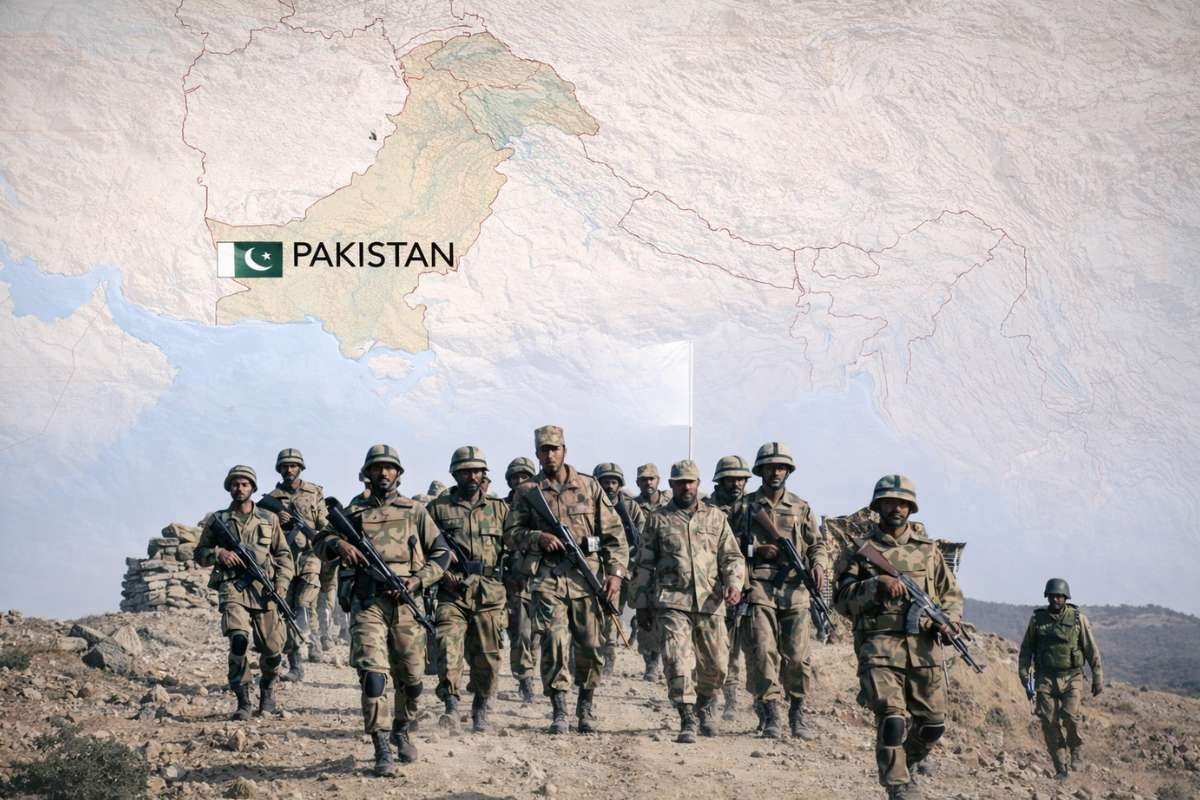
Power Index: 0.2626
Pakistan maintains a large and structured military force. The army forms its core, with strong armored and artillery units. The air force operates modern fighter aircraft for air defense and strike roles. Strategic missile forces also play a key part in deterrence planning. Military academies train officers for land, sea, and air branches.
Recent budgets focus on upgrading aircraft and expanding naval strength. New submarine projects aim to improve sea-based coverage. Local defense partnerships support equipment assembly and maintenance. Years of counterterror operations have shaped troop training and field tactics. Manpower and strategic planning support its overall capability.
13. Indonesia
Power Index: 0.2582
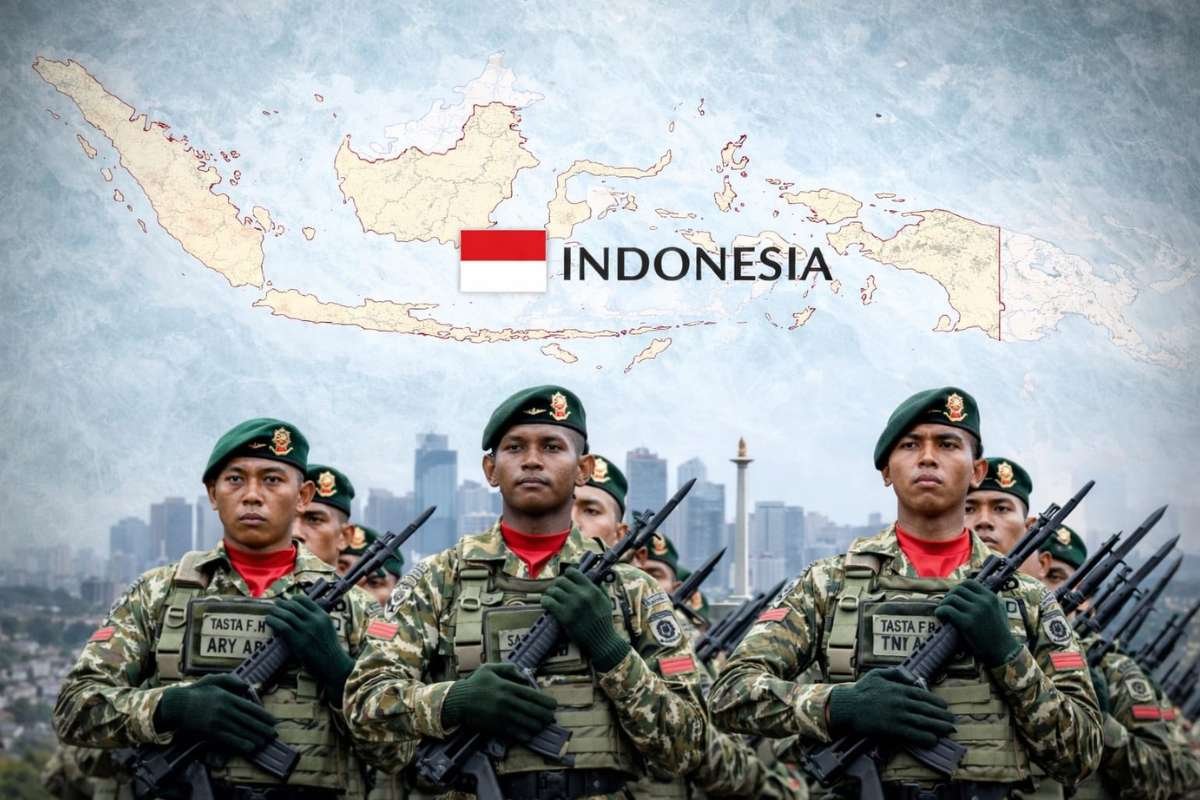
Indonesia spreads its forces across a vast chain of islands, a geography that impacts its world military ranking. Naval patrol ships guard busy sea lanes that pass through its waters. The Air Force upgrades radar networks and fighter aircraft to secure airspace. Defense reforms aim to modernize older systems step by step.
Spending has increased to support long-term upgrades. Local industry partnerships help build and maintain some equipment at home. Amphibious troops train for coastal landings and rapid island response. Maritime security remains a daily task due to heavy shipping traffic. Size and location influence every part of its defense plan.
12. Germany
Power Index: 0.2463
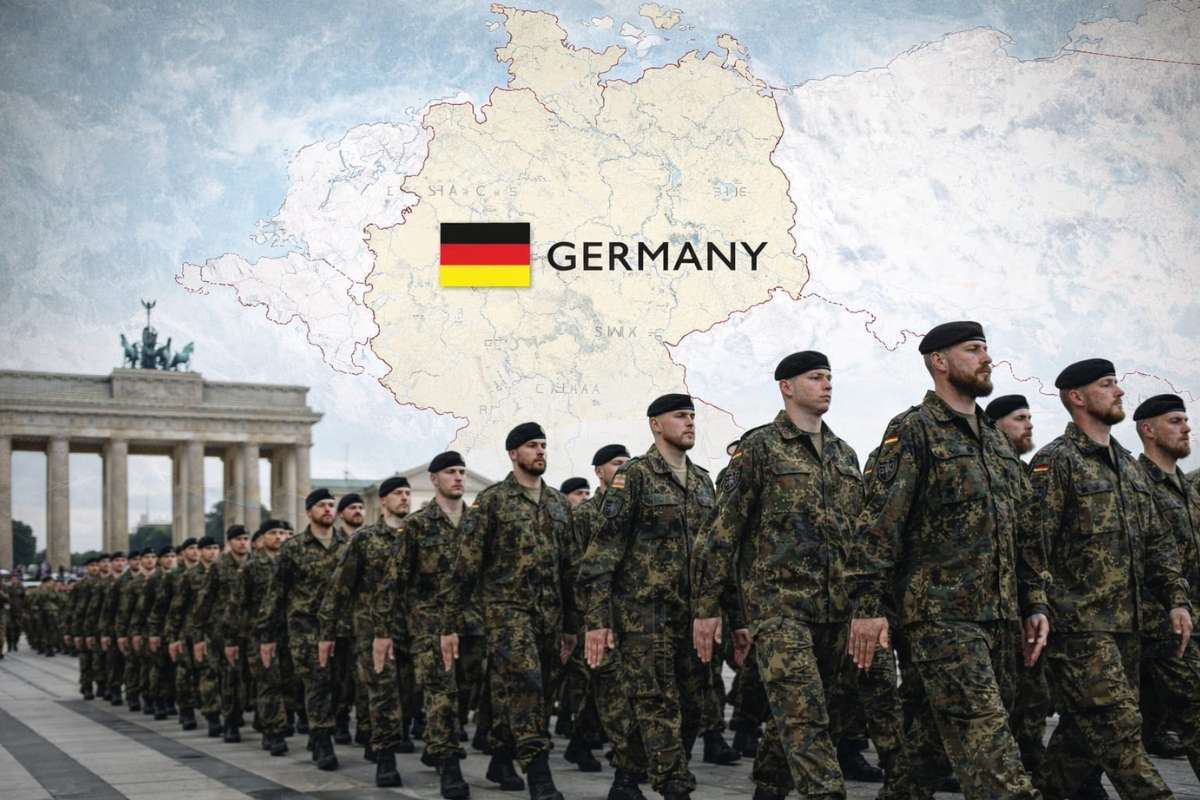
Germany has entered a new phase of military investment. In 2022, it approved a special fund of 100 billion euros to modernize its forces. The plan includes new fighter jets, air defense systems, and armored vehicles. Logistics and supply networks are also being rebuilt to improve readiness. Cyber units continue to expand as digital threats grow.
German forces take part in NATO missions across Europe. The navy patrols northern waters with modern frigates and submarines. Joint exercises test rapid deployment and coordination. Lawmakers have pledged to raise defense spending toward alliance targets. These steps reflect a clear shift in future planning.
11. Brazil
Power Index: 0.2374
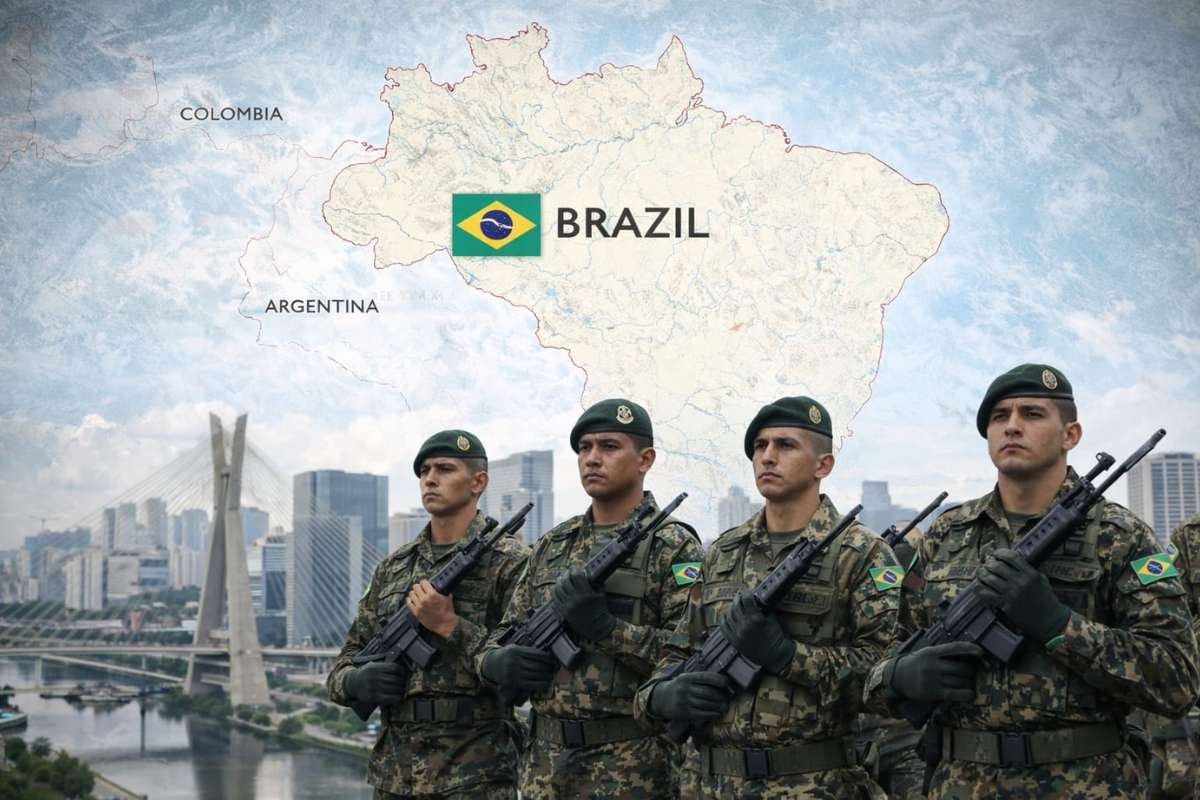
Next in the world military rankings is Brazil. The country holds the largest military in South America. The army includes armored brigades and artillery units spread across a vast territory. The air force operates modern fighter jets and transport aircraft. Naval forces guard a long coastline and offshore oil fields. Territorial defense remains a key focus.
The domestic industry supports aircraft and vehicle production. Embraer builds military transport planes used in several countries. Jungle warfare units train in dense forest conditions unique to the region. Brazil also joins peacekeeping missions under international mandates. Geographic scale and manpower shape its defense strength.
Related Article:
- Exploring the Top 15 Applications of Internet of Military Things
- The Crucial Roles of a Military Leader in Today’s Complex World
- Mastering the Attributes of a Military Leader: Essential Traits for Success
10. Italy
Power Index: 0.2211
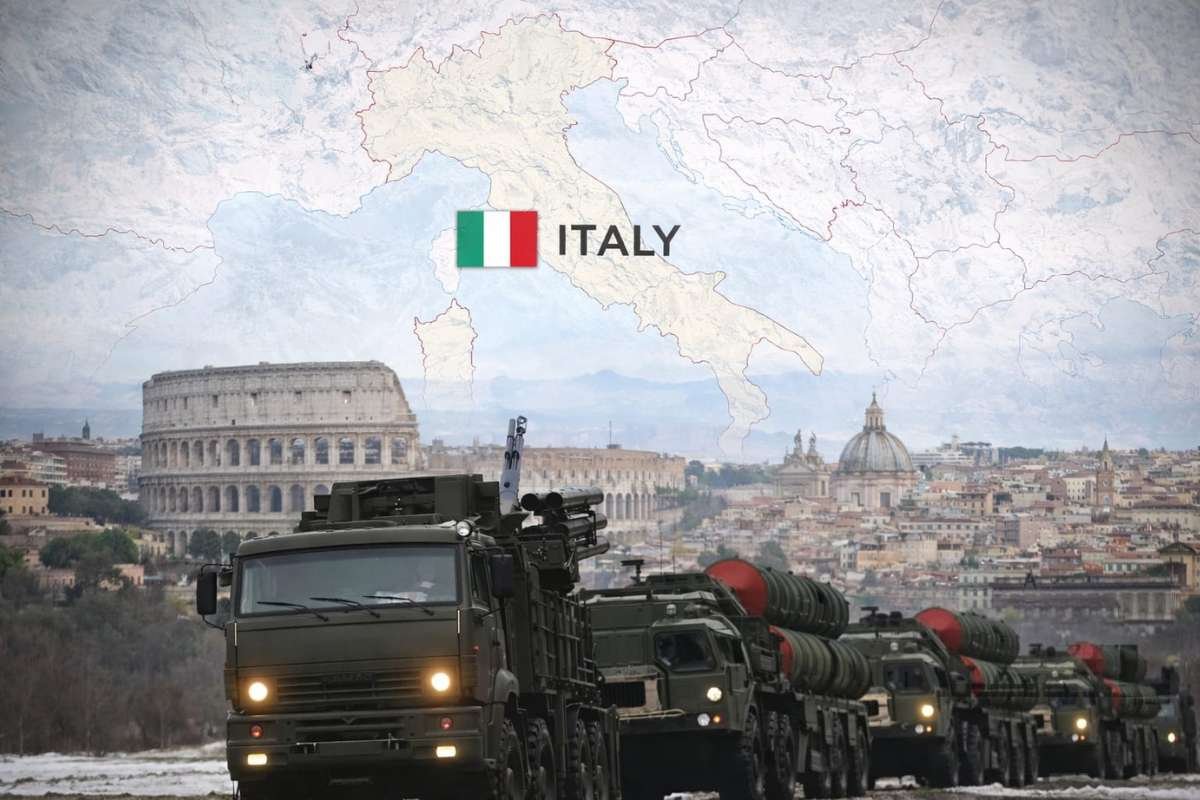
Italy maintains a well-rounded force with strong air and naval arms. The air force flies Eurofighter Typhoon and F-35 jets for patrol and strike roles. The navy operates aircraft carriers, submarines, and modern frigates across the Mediterranean. Defense budgets support upgrades in helicopters, armored vehicles, and air defense units. Joint drills test rapid response along sea and land borders.
Parliament approved multi-year plans to raise defense spending in line with NATO goals. Shipyards continue work on new patrol vessels and support ships. Italian forces take part in missions in Eastern Europe and Africa. Cyber teams protect military networks from digital threats. Mediterranean security shapes much of its planning.
9. Turkiye
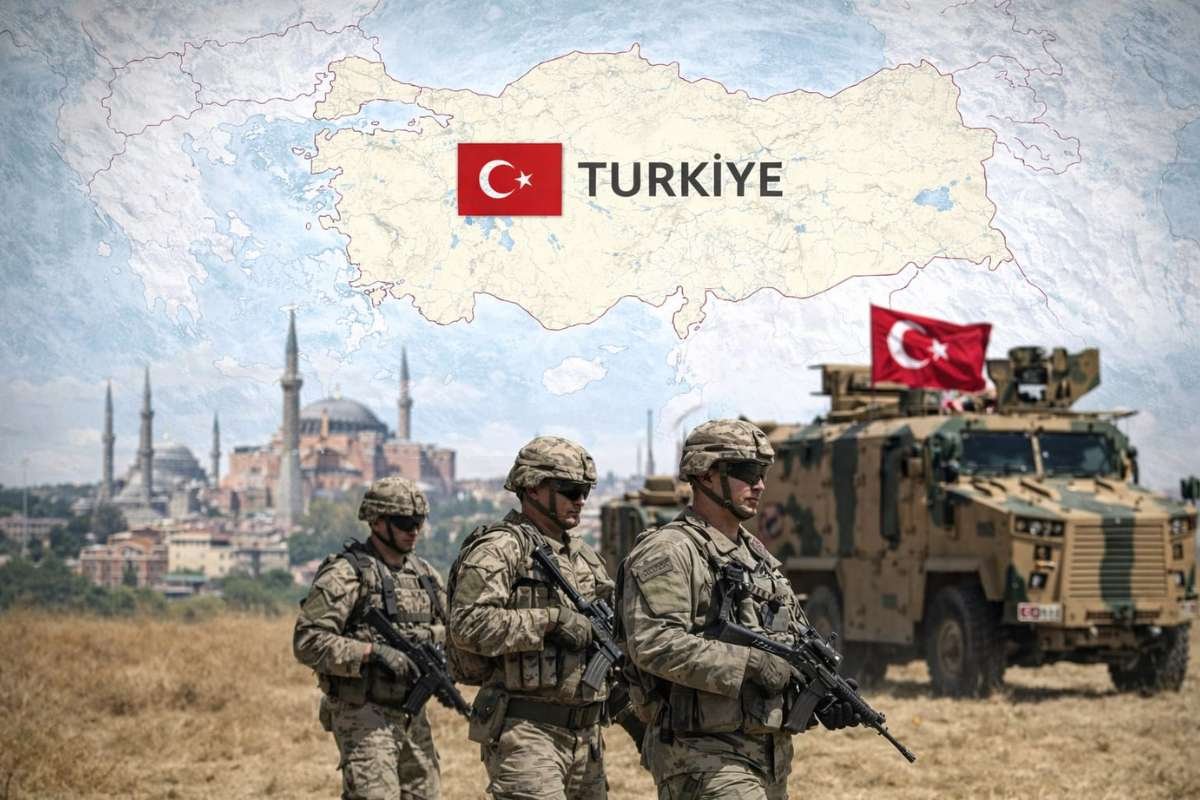
Power Index: 0.1975
At number 9 in the world military ranking is Turkiye. The country combines a large manpower with a growing defense industry. The armed forces operate tanks, drones, fighter jets, and a strong naval fleet. Domestic UAV production and border security operations enhance operational depth. Strategic location between Europe and Asia adds operational depth.
Recent defense laws support local production and research funding. The Navy is expanding with new frigates and amphibious ships. Air defense systems continue to receive investment. Military academies train officers for joint command roles. Local manufacturing reduces reliance on foreign suppliers.
8. United Kingdom
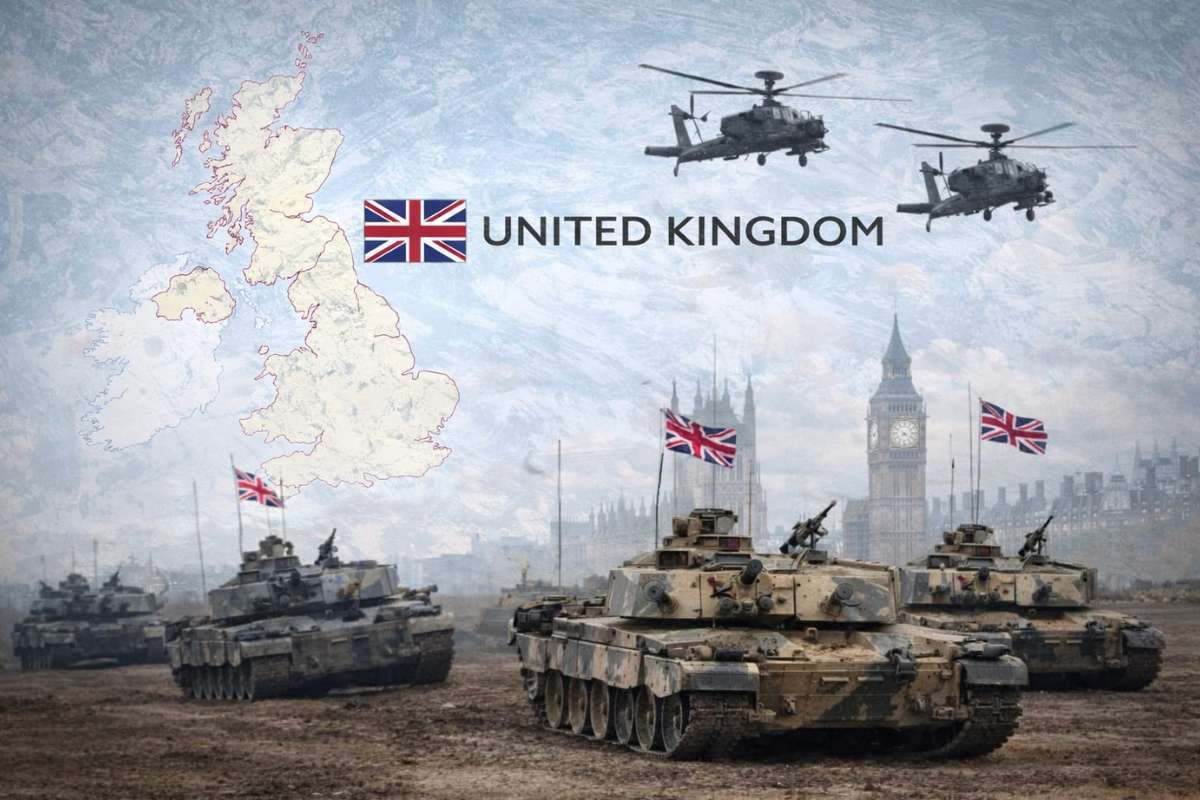
Power Index: 0.1881
The United Kingdom fields a professional force focused on technology. The Royal Air Force operates F-35 and Typhoon jets with advanced strike capability. The Royal Navy includes aircraft carriers, nuclear submarines, and destroyers. Defense modernization and cyber investments support the UK being at number 8 in the world military ranking. Nuclear deterrence remains part of national strategy.
Recent budgets have increased funding for cyber units and space command. British forces deploy regularly with NATO and allied missions. Training standards stay high across all branches. Investments target next-generation missiles and surveillance systems. Global reach remains a defining feature of its military posture.
7. Japan
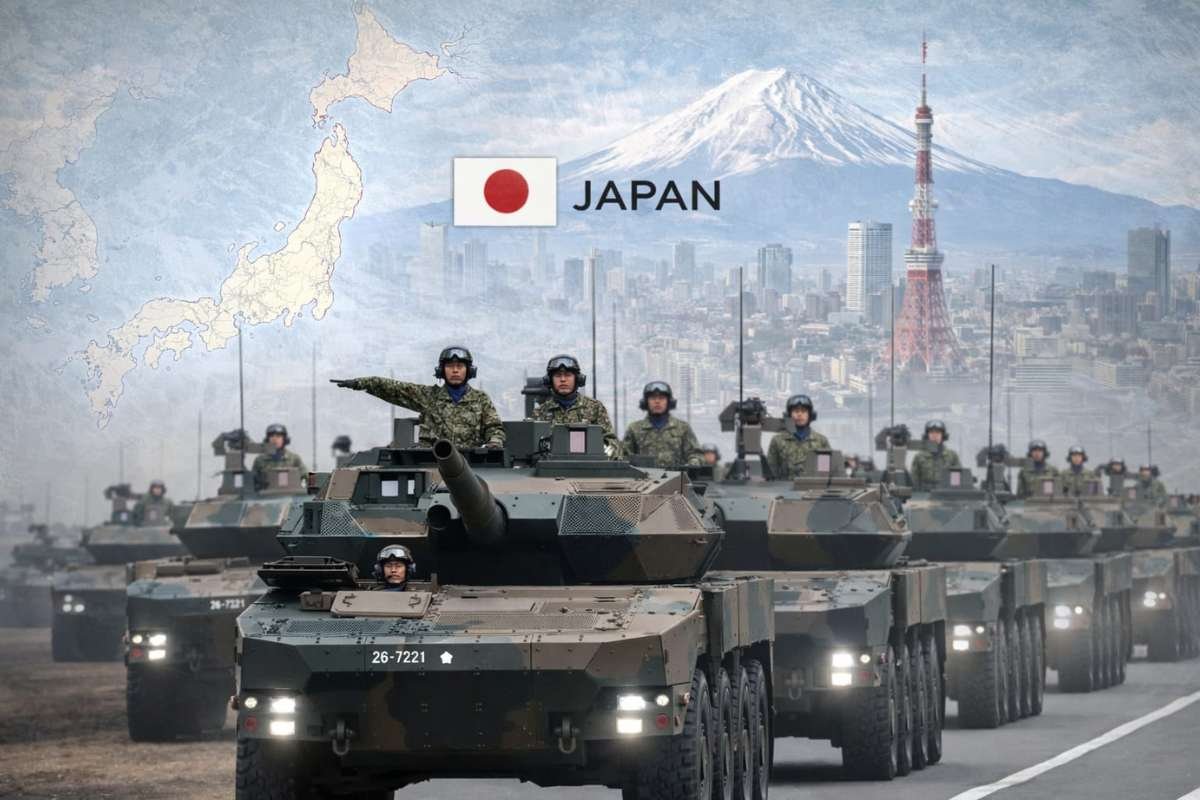
Power Index: 0.1876
Japan maintains a highly disciplined Self-Defense Force. The air force operates advanced fighter aircraft and missile defense systems. The navy includes modern destroyers and submarines built for maritime security. Defense spending has increased in recent years to address regional threats. New policies allow broader security cooperation with partners.
Long-range missile programs are now under development. Radar and surveillance networks monitor air and sea space daily. Domestic firms build much of the country’s equipment. Joint drills with allied forces improve readiness. Maritime defense remains central due to island geography.
6. France
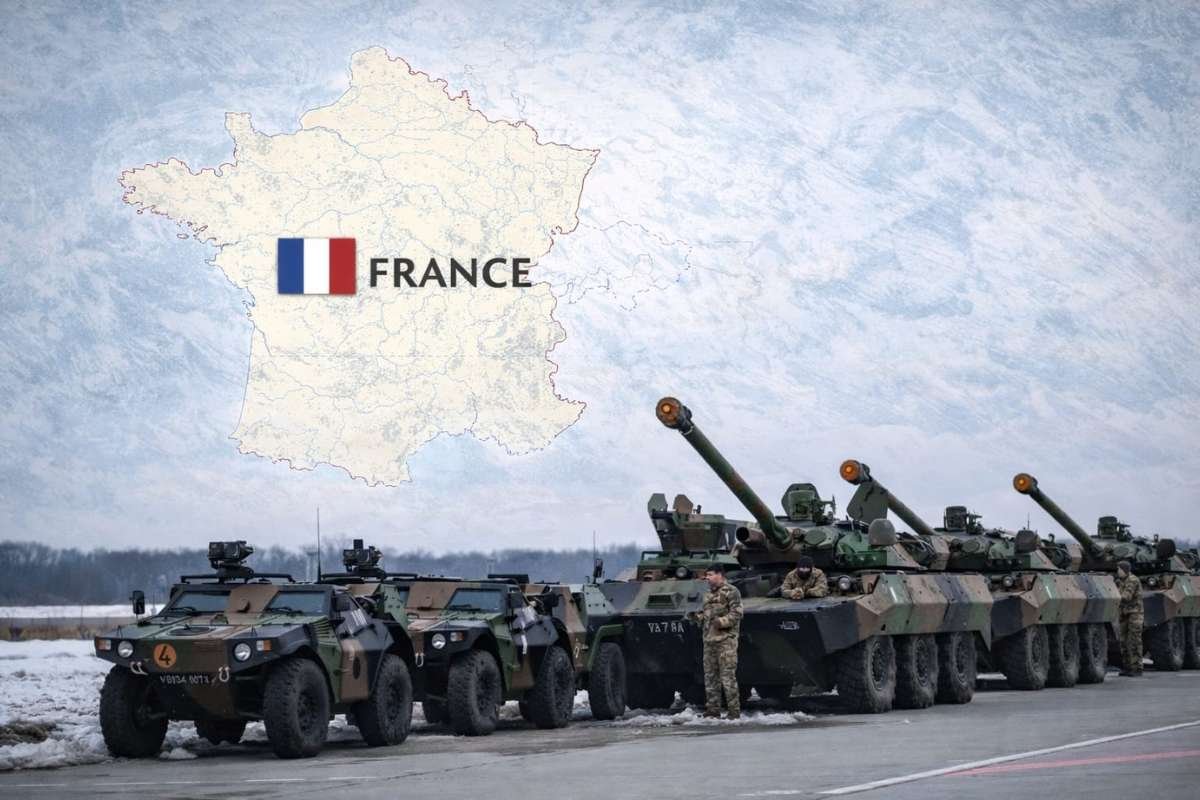
Power Index: 0.1798
France fields one of Europe’s most capable expeditionary forces. The air force operates Rafale fighter jets with multi-role capacity. The Navy includes a nuclear-powered aircraft carrier and advanced submarines. Defense budgets support overseas deployments and rapid response units. Nuclear deterrence forms a core element of strategy.
Military forces deploy in Africa, the Middle East, and Europe. France invests in space surveillance and cyber defense units. Armored brigades continue to receive upgraded vehicles and artillery systems. Domestic defense companies design aircraft, missiles, and radar systems. Operational independence shapes much of its planning.
Read More:
- Balancing Discipline and Innovation: Traditional vs. Modern Military Leadership Approaches
- Gender Diversity in Military Leadership: A Path to Stronger Armed Forces
- Developing a Clear Vision for Military Success: Key Strategies and Considerations
5. South Korea
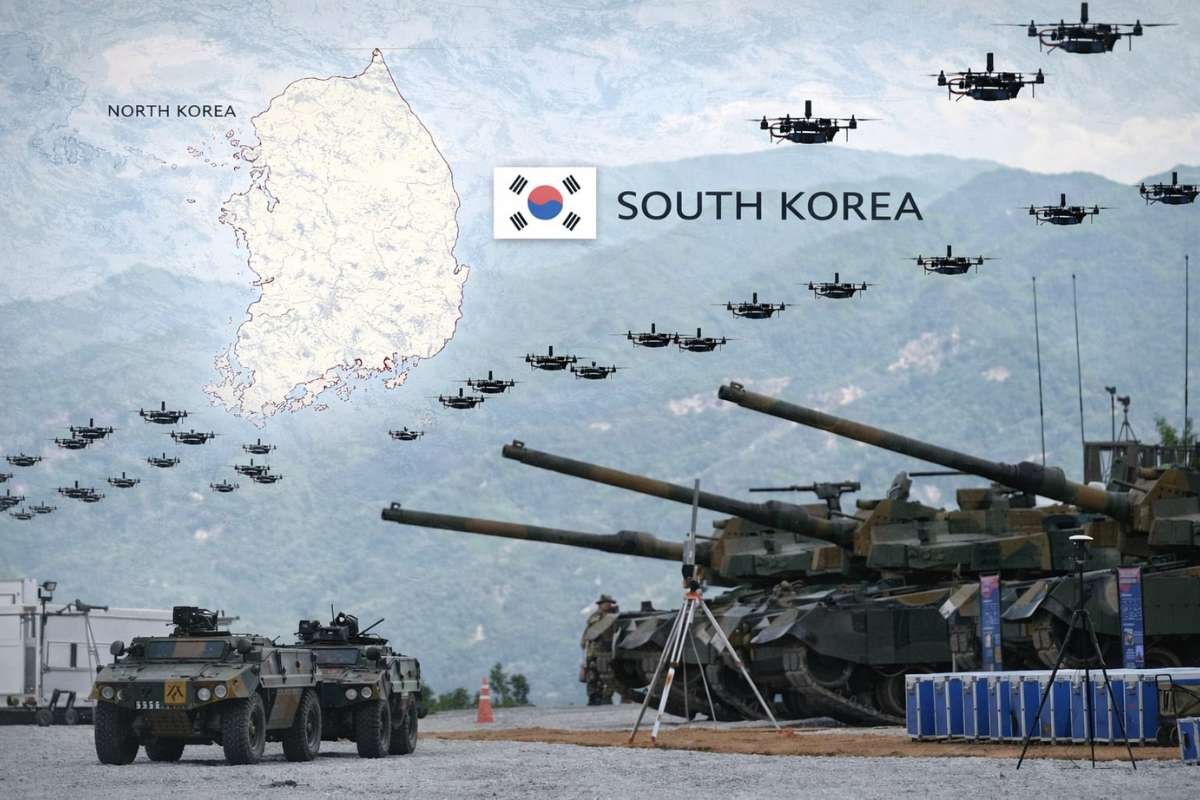
Power Index: 0.1642
South Korea keeps a large and ready force due to tensions on the peninsula. Mandatory service brings in new soldiers every year. The army fields modern tanks, heavy artillery, and missile units near key zones. The air force flies F-35 and other advanced fighter jets for rapid response. Air defense systems shield cities and military bases.
Defense spending stays high to support constant upgrades. Local firms build tanks, submarines, and rocket systems at home. Joint drills with allied forces sharpen coordination and speed. The Navy expands its reach with destroyers and submarines. Daily readiness remains a core focus.
4. India
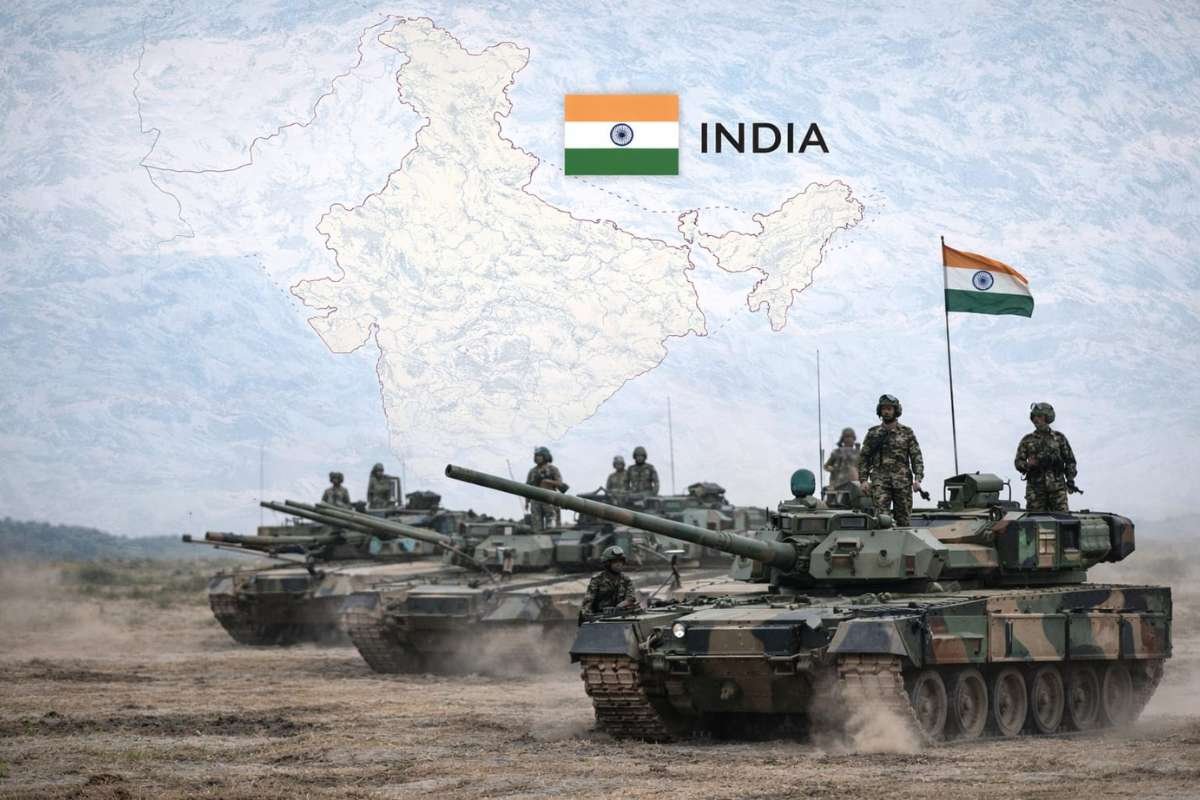
Power Index: 0.1346
India commands one of the largest armed forces in the world. The army includes armored units, artillery brigades, and high-altitude mountain troops. The air force operates Rafale and Sukhoi jets for strike and defense missions. The Navy deploys aircraft carriers, destroyers, and submarines across vast waters. Strategic missile forces support future deterrence.
Recent reforms promote joint theater commands for better coordination. Defense budgets fund local production under the Make in India program. Indian shipyards built an indigenous aircraft carrier in recent years. Border security shapes much of its training and deployment. Large manpower and steady modernization drive its position.
3. China
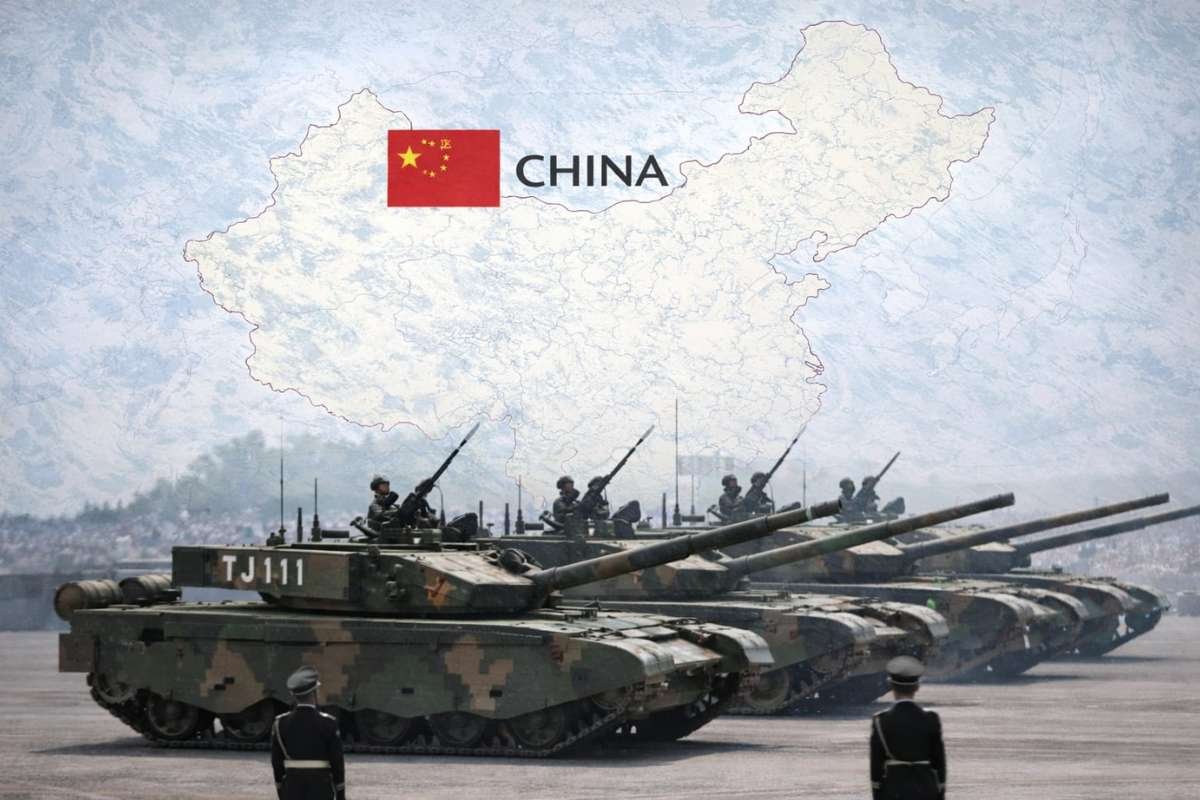
Power Index: 0.0919
China has one of the largest military forces by size. Over the past two decades, it has focused on rapid modernization. Investment flows into stealth aircraft, aircraft carriers, advanced missiles, and cyber units. The Navy now operates multiple carriers and a growing submarine fleet. Satellite networks, domestic production, and joint theater commands strengthen China in the world military ranking.
Defense budgets rank among the highest in the world. Reforms reorganized forces into joint theater commands for faster action. Domestic firms produce drones, radar systems, and missile platforms. Large-scale drills test long-range and amphibious operations. Modernization defines its current path.
2. Russia
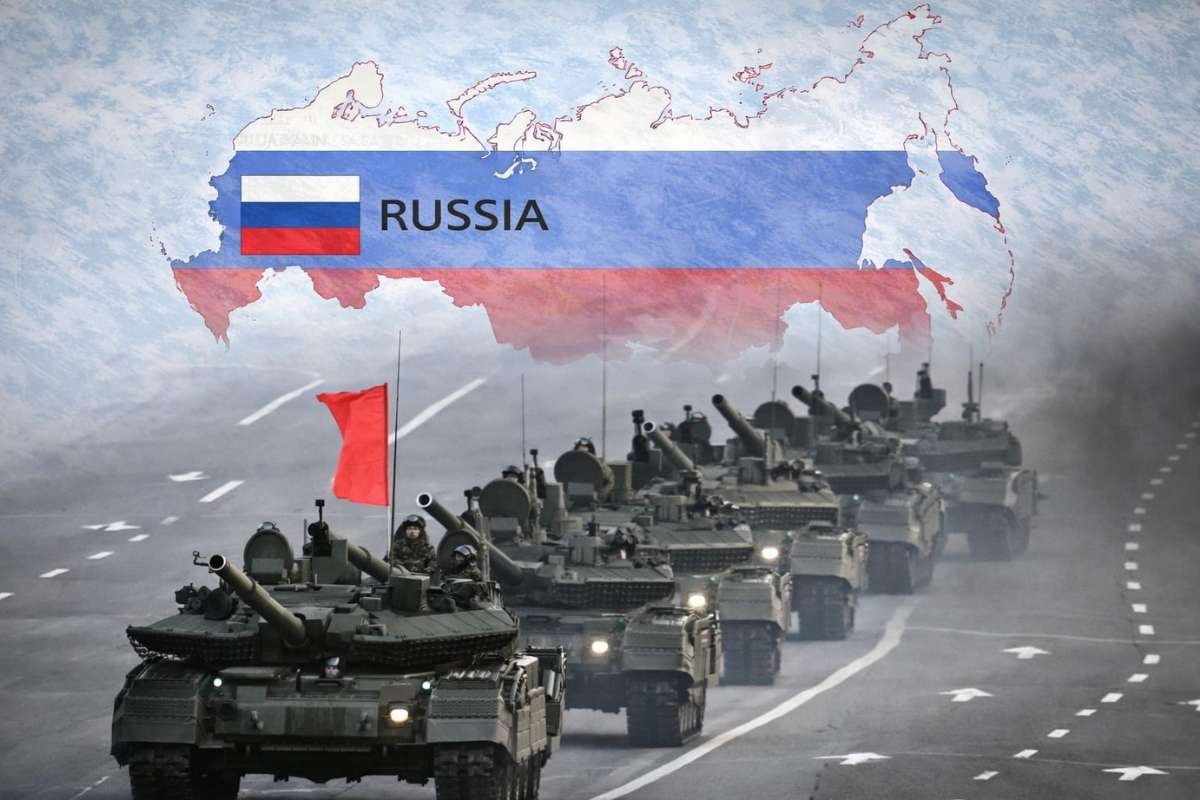
Power Index: 0.0791
Russia maintains vast manpower and a powerful nuclear arsenal. The army fields tanks, armored vehicles, and long-range artillery systems. The air force operates advanced fighter jets and strategic bombers. Naval forces include submarines and missile cruisers that are powered by nuclear energy. Missile troops form a central pillar of deterrence.
Defense production increased to replace and upgrade equipment. Ongoing operations shaped tactical adjustments and training methods. Air defense systems protect key regions and bases. Domestic arms industries supply much of their hardware. Strategic depth and nuclear capability influence its ranking.
1. United States
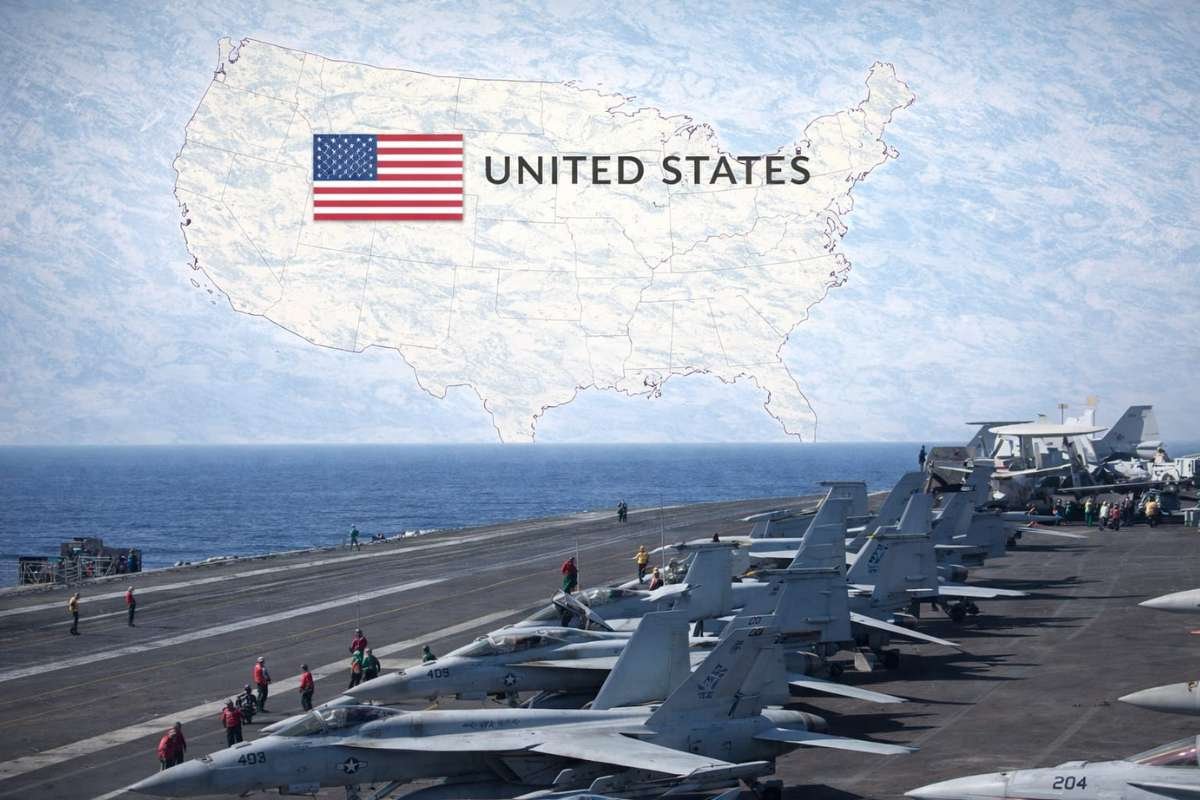
Power Index: 0.0741
The United States leads this ranking with the lowest score. It operates the largest defense budget in the world, which supports constant upgrades and global deployments. The Air Force flies stealth fighters and long-range bombers. The Navy fields multiple aircraft carriers and nuclear submarines across major oceans. The Army maintains armored units and rapid response forces ready for deployment.
Annual defense acts guide spending and modernization goals. Strong investment flows into missile defense, cyber units, and space systems. A global base network supports operations on every continent. Domestic industries produce advanced aircraft, ships, and missiles at scale. Funding depth and worldwide reach define its position.
Conclusion:
The World Military Rankings 2026 offer a snapshot of how nations compare in terms of strength, preparedness, and strategic capability. Each position reflects years of investment in defense systems, personnel training, technology development, and global alliances. When you examine these rankings, you gain perspective on how countries prepare for uncertainty and protect their interests.
Military strength influences diplomacy, regional stability, and international negotiations. Looking at these rankings helps you understand the power structures shaping global affairs and why certain nations hold greater influence in security matters today.
FAQ
1. What factors determine the World Military Rankings?
Rankings typically consider manpower, equipment, air and naval strength, defense budgets, logistical capacity, and technological advancement.
2. How often are global military rankings updated?
Most military rankings are updated annually to reflect changes in defense spending, equipment, and strategic developments.
3. Why do world military rankings change over time?
They change due to shifts in defense budgets, modernization programs, new technology adoption, geopolitical events, and changes in active personnel.
Thank You For Reading!
See More
Navigating the Battlefield of Leadership: Exploring Diverse Leadership Styles in the Military