
Key Points:
- Michael and Susan Dell pledged $6.25B to expand the Trump Accounts program for 25M children.
- Accounts grow until adulthood for education, business, or major milestones.
- Initiative sparks debate on impact and inequality despite boosting financial security.
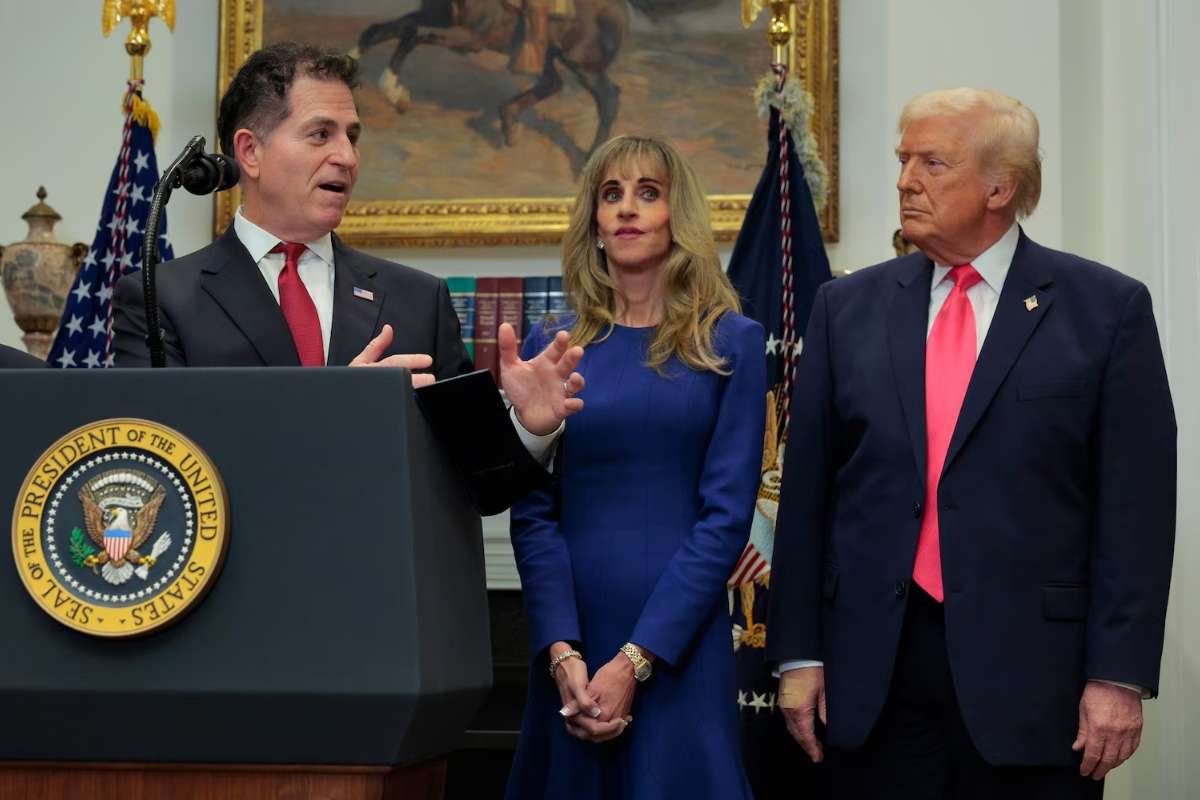
In a landmark philanthropic move, technology entrepreneur Michael Dell and philanthropist Susan Dell pledged $6.25 billion to expand access to the Trump Accounts program, a newly created U.S. government-backed “Trump Accounts,” a long-term investment program designed to build financial security for children. The pledge will fund $250 deposits for nearly 25 million American children under the age of 10, making it one of the largest private donations aimed at child financial empowerment in modern U.S. history.
The initiative builds upon a federal policy that automatically deposits $1,000 into government-managed investment accounts for children born between 2025 and 2028. The Dells’ contribution fills a major gap by extending support to children born before that eligibility window, particularly those living in middle- and lower-income communities. The move significantly broadens the program’s reach and positions the private sector as an active stakeholder in long-term national wealth-building efforts.
The Dells described their contribution as a long-term social investment designed to give children a stronger financial foundation from an early age, rather than short-term financial aid.
How the Trump Accounts Program Works
The Trump Accounts program functions as a locked-in investment fund designed to grow alongside a child. Funds deposited into these accounts are invested in diversified, market-based index funds and cannot be accessed until the child reaches adulthood, typically at age 18.
When account holders become eligible to use the funds, they can apply the accumulated money toward higher education, starting a business, purchasing a first home, or other major financial milestones. The model is intended to introduce structured wealth-building as a lifelong habit starting from childhood.
The Dells’ donation is targeted specifically at children who might otherwise be excluded from the original government-backed version of the plan. Their funding aims to ensure that economic opportunity is not limited by birth year, offering a bipartisan-style appeal by positioning the program as an investment in human potential rather than a traditional welfare benefit.
The initiative is also expected to encourage families, private employers, and nonprofit organizations to make additional voluntary contributions, creating a larger ecosystem around youth financial security.
Applause, Concerns, and the National Debate
The announcement has generated both strong praise and serious debate across political and economic circles. Supporters view the donation as a transformative moment for child-focused philanthropy, arguing that it could help create generational wealth for families that historically lacked access to structured financial systems.
However, critics have raised concerns about whether the initial deposit amounts are sufficient to significantly change long-term financial outcomes, especially in communities facing systemic economic challenges. They argue that while the program offers a financial head start, it should not replace broader investments in healthcare, education access, and social safety nets.
There are also ongoing discussions about whether such investment programs favor families who are already able to contribute additional money, potentially widening the gap between households with different financial capacities.
Despite the debate, policy experts agree that the scale of the Dell family’s pledge has permanently altered the national conversation around childhood financial planning. The donation has shifted the initiative from a government-only effort to a public–private partnership model, signaling a new era of large-scale private involvement in public financial infrastructure.
As implementation begins, the long-term success of the Trump Accounts program will depend on sustained participation from families, businesses, and policymakers alike.