
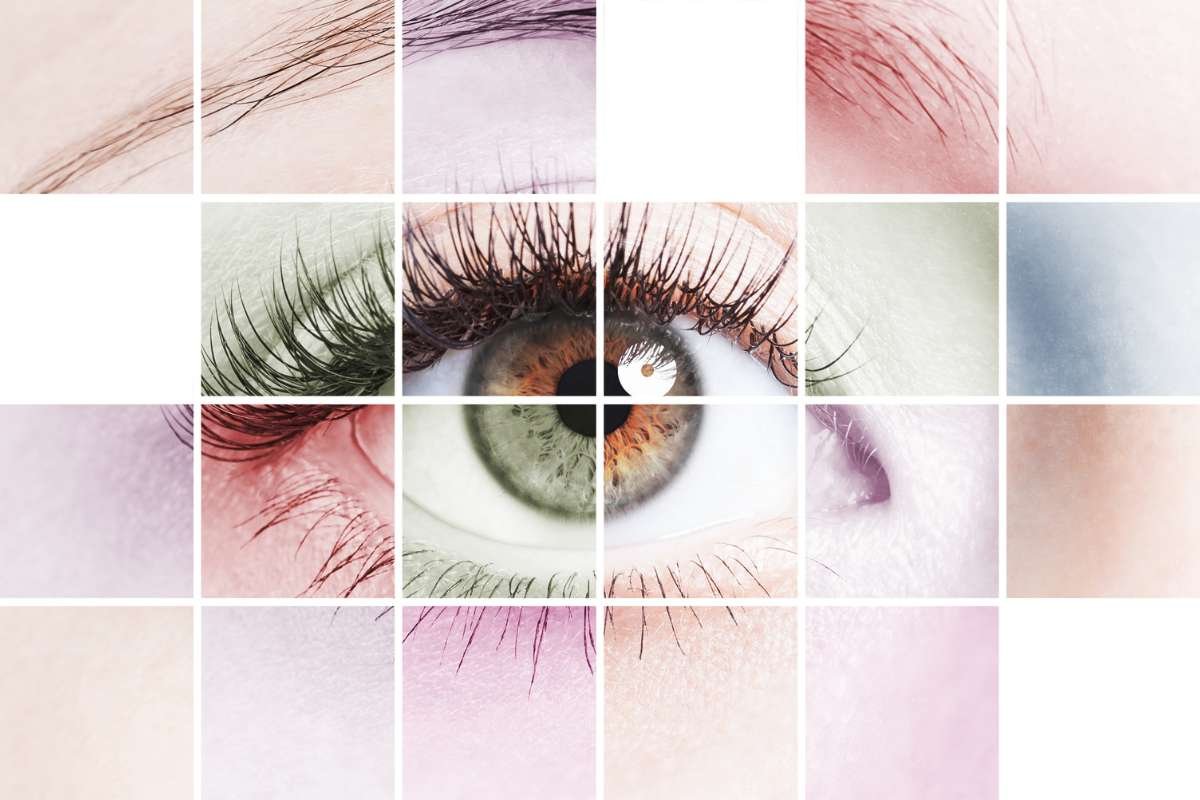
One of the most fascinating genetic manifestations of human diversity is eye color. Although brown eyes are the most common color in the world, less than 1% of people have certain shades. For centuries, scientists, artists, anthropologists, and beauty enthusiasts have been captivated by these distinctive colors. We examine the rarest eye colors in the world with this comprehensive guide. Every hue conveys a tale, from environmental influences to genetic mysteries.
What Determines Eye Color?
Before diving into the rarest shades, it’s essential to understand what decides eye color. It all comes down to:
1. Melanin Levels
Melanin is the pigment responsible for eye, hair, and skin color. High melanin results in brown eyes, while low melanin creates lighter shades like blue and gray.
2. Lighting and Structural Reflection
Some colors are not purely pigment-based. Eyes like gray or amber reflect light differently, creating unusual appearances.
3. Genetics
More than 16 genes influence eye color, making it one of the most complex visual traits. This explains why siblings can have completely different eye shades.
4. Health and Age
Certain health conditions or aging can subtly alter eye color over time, making rare shades even more intriguing.
Here are the Rarest Eye Colors in the World
1. Green Eyes: The Most Alluring Rare Shade
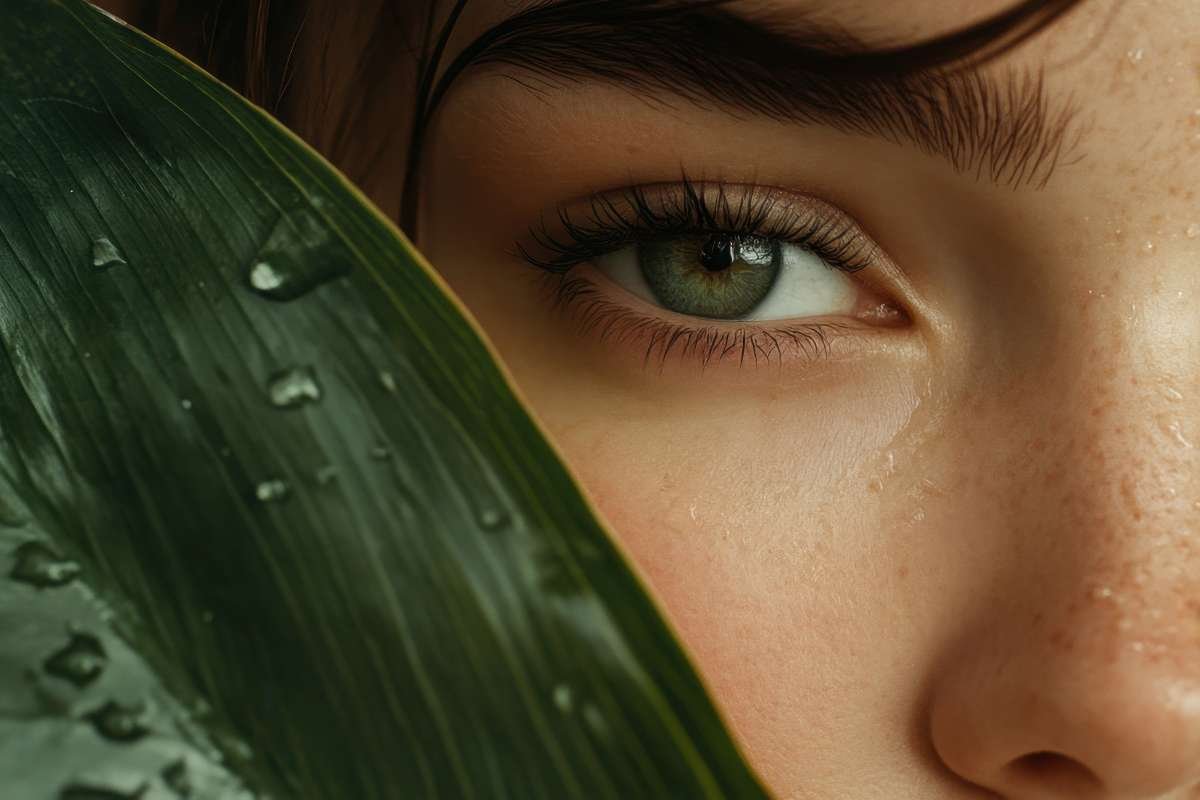
Green eyes are often considered one of the most striking and seductive shades. Surprisingly, only about 2% of the global population has green eyes. This rarity is tied to low melanin levels combined with light scattering within the iris.
Countries like Iceland, Scotland, and Ireland have the highest concentration of green-eyed individuals, yet even there, they remain a minority.
Scientists believe that green eyes developed through evolutionary genetic mutations in Europe, but they remain one of the rarest eye colors in the world.
2. Amber Eyes: The Golden Phenomenon
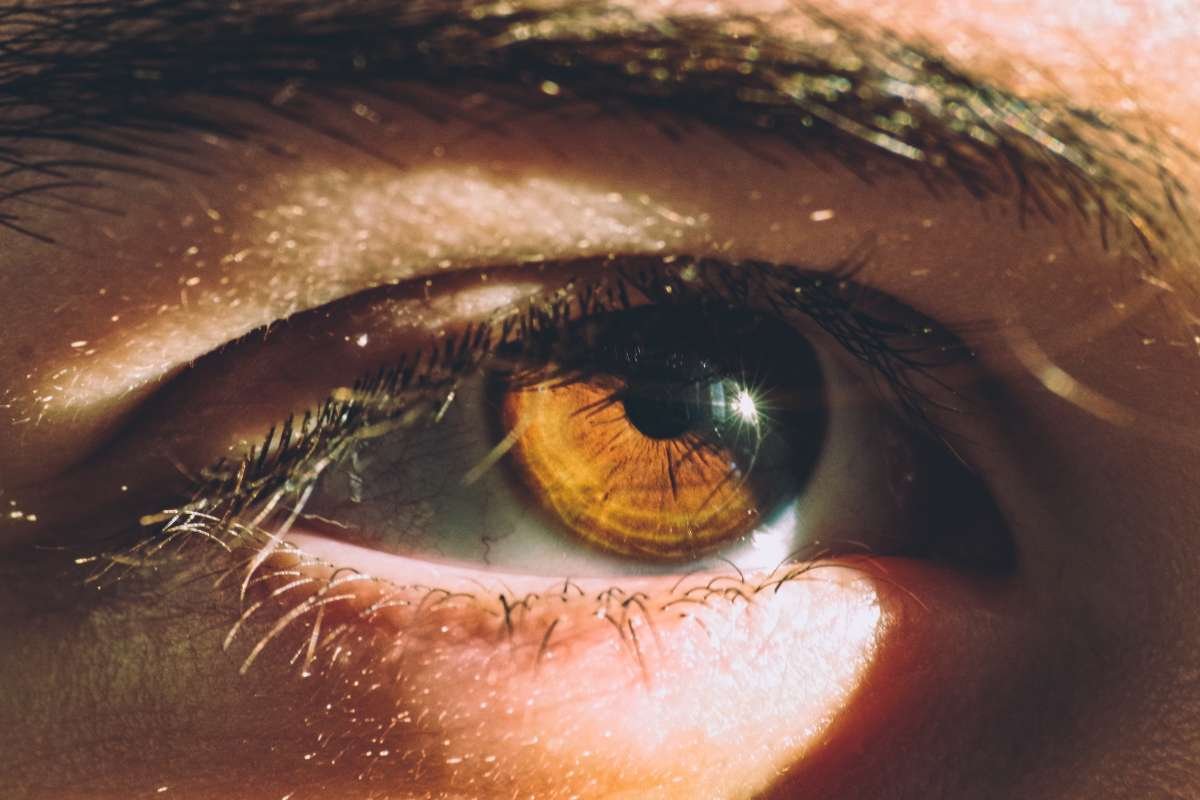
Amber eyes are often mistaken for hazel, but are far more uncommon. They have a consistent golden or coppery tone due to high levels of lipochrome, a yellowish pigment.
This unique shade appears more frequently in certain parts of Asia, South America, and Spain, but is still extremely rare when compared globally. Amber eyes often appear glowing under natural sunlight, giving them an almost otherworldly appearance.
Because of their warm tone and uniform color, amber eyes stand out distinctly among the rarest eye colors in the world.
3. Gray Eyes: A Mysterious, Stormy Shade
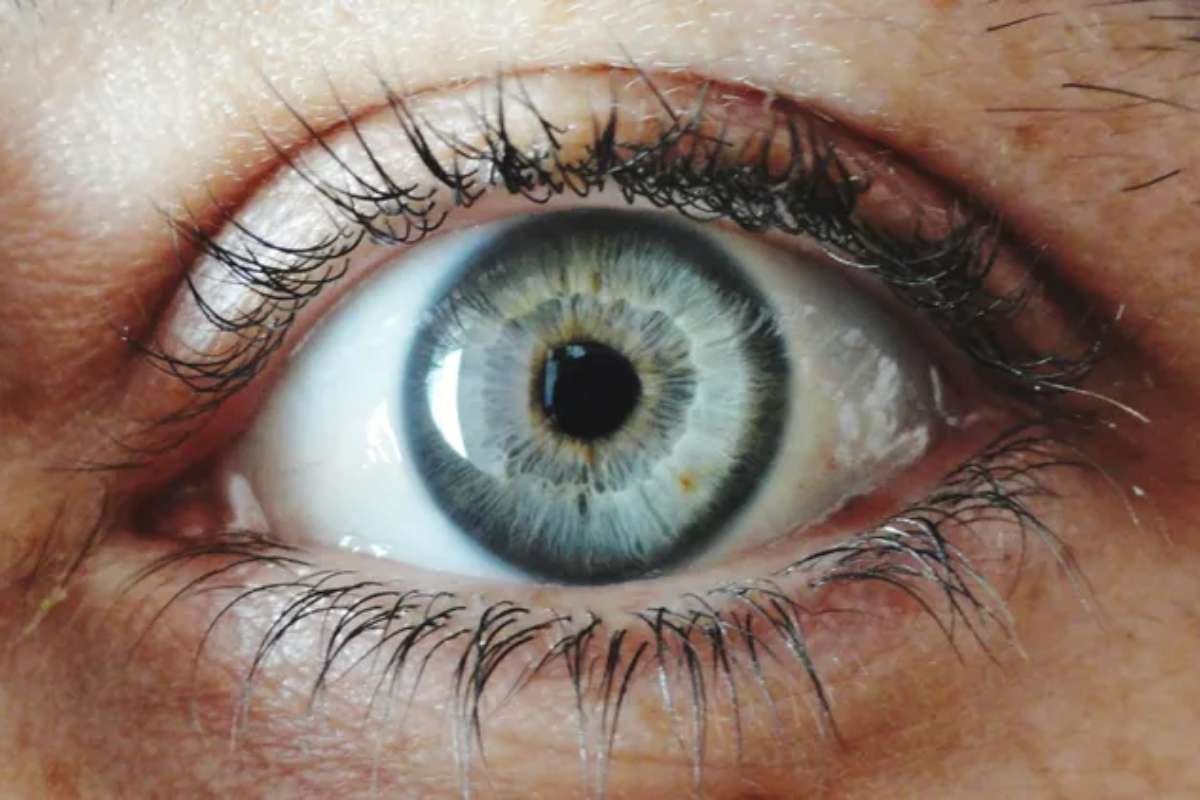
Gray eyes are fascinating because they are created by light scattering rather than by pure pigmentation. People with gray eyes have low melanin levels, but the fibers within their stroma scatter light in such a way that the eyes appear silver, steel, or even blue-gray.
This shade is most commonly found in Eastern Europe, Russia, and parts of Scandinavia. Gray eyes can change intensity depending on lighting, clothing, or weather.
Their shifting color and scarcity make gray eyes one of the most sought-after features among those studying the rarest eye colors in the world.
4. Red and Violet Eyes: Created by Genetics and Albinism
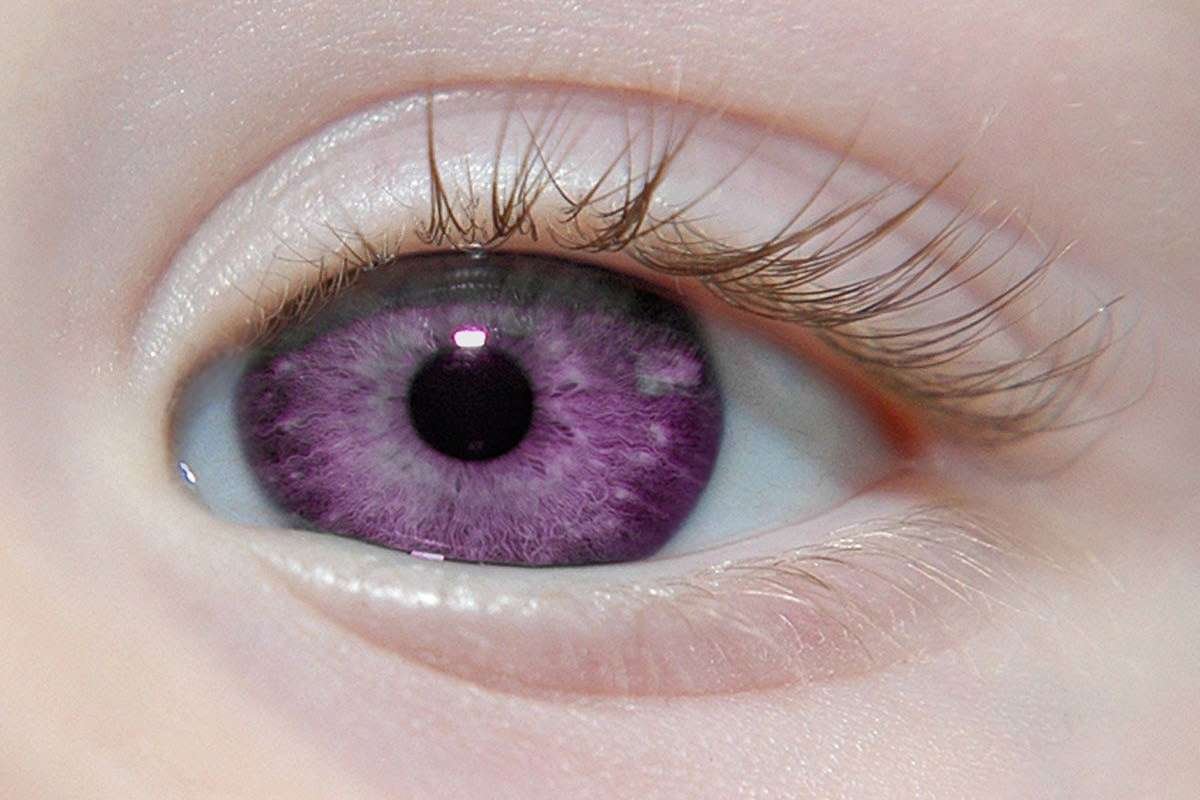
Red and violet eyes are among the rarest shades found in humans. These colors typically occur in individuals with albinism, a genetic condition characterized by low or no melanin production.
- Red Eyes: When light reflects off blood vessels within the iris, it creates a red or pink appearance. This phenomenon is extremely rare and only appears in certain types of albinism.
- Violet Eyes: Popularized by celebrities and fictional characters, violet eyes occur when red light mixes with blue light scattering. Although often surrounded by myth, violet eyes do exist—but they’re extraordinarily uncommon.
Both shades easily earn their place as some of the rarest eye colors in the world.
5. Heterochromia: Two Eye Colors in One Person
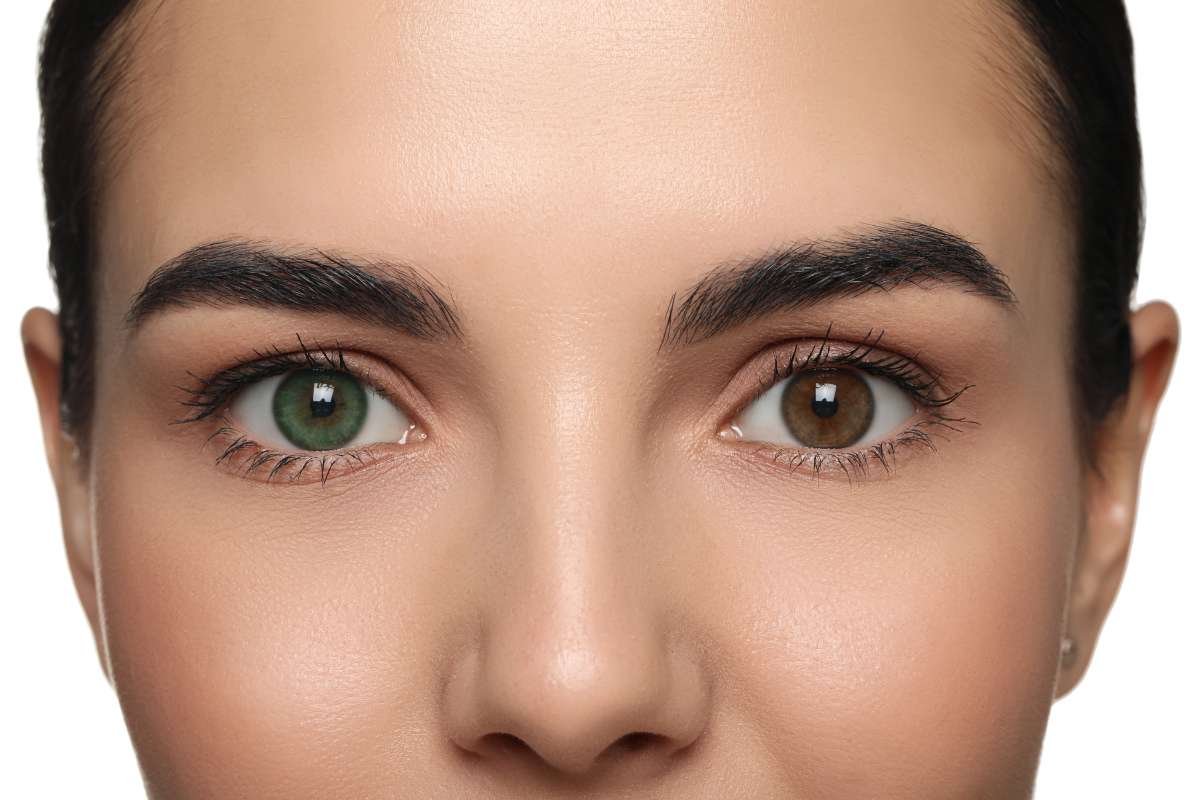
While not a single color, heterochromia is one of the most visually striking eye conditions on earth. It occurs when each eye has a different color (complete heterochromia) or when one eye has a segment of a different color (sectoral heterochromia).
Some causes include:
- Genetics
- Injury
- Disease
- Medication
Heterochromia is rare in humans but more common in animals like huskies, horses, and certain cat breeds. Its unusual appearance has made it a favorite among photographers and storytellers.
Because of its uniqueness, many categorize heterochromia as a visual hallmark within the spectrum of the rarest eye colors in the world.

34 Most Beautiful Eyes In The World Are Owned By These Stunning Women in 2026
The world sparkles with the charm of the most beautiful eyes in the world in 2025. This article reveals the top 34 women whose captivating gazes leave a lasting impact everywhere they go.
6. Hazel Eyes: A Multi-Dimensional Rarity
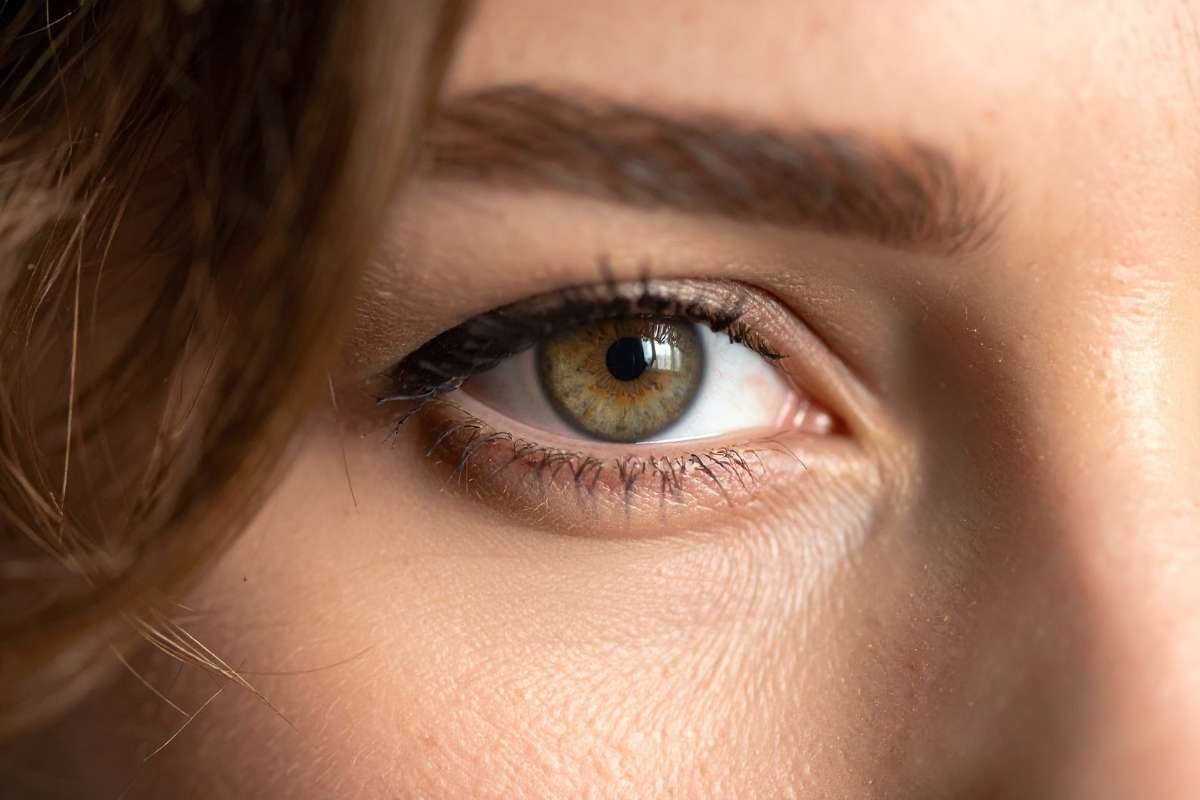
Hazel eyes combine shades of brown, green, and gold—making them one of the most complex eye colors genetically. They tend to shift depending on light and clothing, sometimes appearing greener or more golden.
Although far more common than amber or gray, hazel eyes still fall on the rare side, especially outside Europe and North America. Their beauty lies in their changing tones and multi-layered pigmentation.
7. Black Eyes: A Deep, Rare Illusion
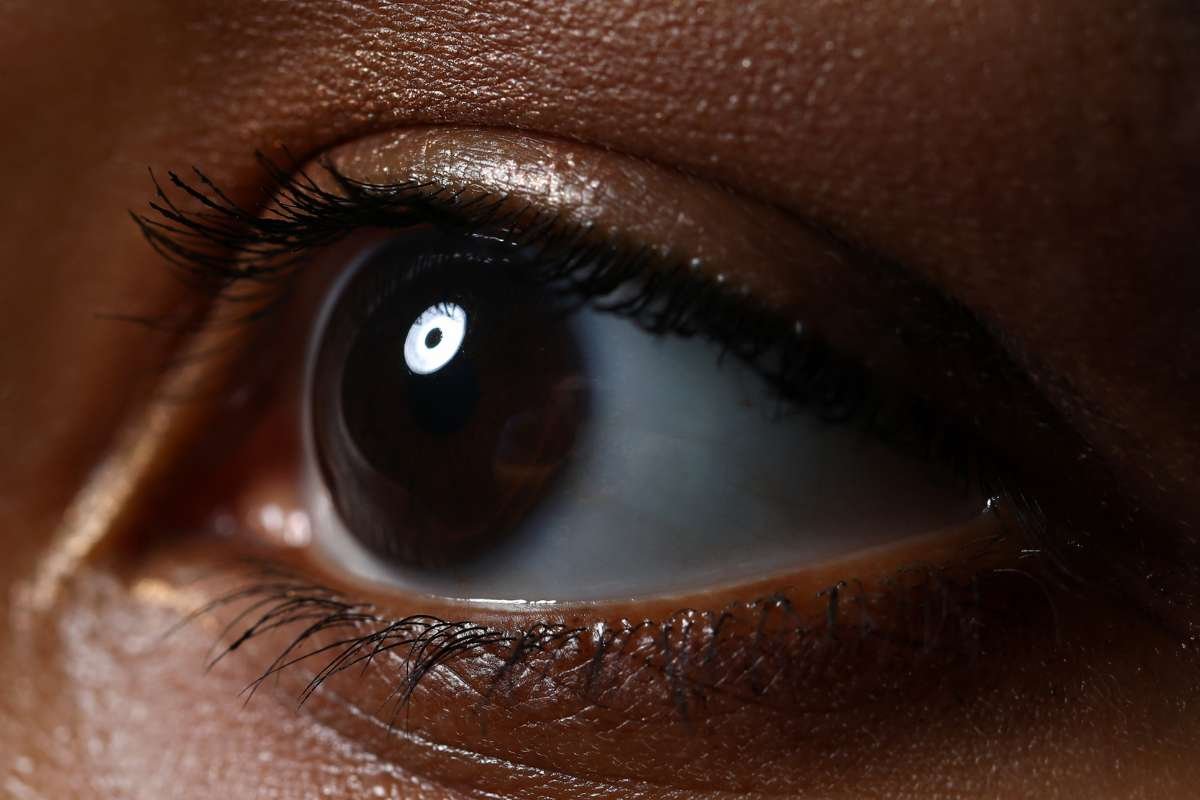
Contrary to popular belief, truly black eyes do not exist. Most people described as having black eyes actually have extremely dark brown eyes with high melanin levels.
True black pigmentation in the iris is not scientifically documented, but the visual effect of very dark eyes remains extremely uncommon. This contributes to the mystique surrounding the shade.
What Makes Rare Eye Colors So Fascinating?
Rare eye colors captivate people for several reasons:
1. Evolutionary Uniqueness
Uncommon shades often developed through genetic mutations in small populations.
2. Aesthetic Appeal
Green, amber, and gray eyes are widely celebrated in media and literature.
3. Cultural Symbolism
Different eye colors carry meanings across cultures—mystery, beauty, wisdom, and uniqueness.
4. Scientific Curiosity
Researchers study rare eye colors to understand pigment genetics and evolutionary biology.
Conclusion:
The human eye is a canvas of natural artistry, cultural identity, and genetic history rather than merely a biological structure. Rare eye colors are living examples of the diversity of nature, ranging from stormy grays to emerald greens and golden ambers.
Our knowledge of the rarest eye colors in the world is growing as science works to unravel the mysteries of genetics and evolution. It will only get deeper. Together, these uncommon colors reveal the breathtaking diversity that makes people so visually remarkable, and each one tells an intriguing tale.