

Customer-facing platforms act as the front door to modern business. From login portals to payment pages, these systems shape how customers interact, share information, and form trust. As digital engagement grows, cybersecurity becomes inseparable from brand credibility. A platform that feels secure encourages participation, while one that appears risky can subtly deter customers. For many businesses, safeguarding digital touchpoints supports both growth and reputation.
Why Public-Facing Systems Attract Risk?
Customer-facing platforms designed for customer access naturally draw attention from bad actors. These systems process personal data, financial details, and account credentials on a large scale. Unlike internal tools, they remain exposed to constant interaction, which increases the number of possible entry points.
Attackers often seek efficiency rather than sophistication. Automated scripts target weak passwords, outdated plugins, and predictable workflows. When a vulnerability exists, it rarely stays isolated. A single weakness can quickly affect thousands of users, creating operational strain alongside reputational damage. Prevention reduces far more than recovery costs.
Building Strong Access Controls Without Friction
Account security begins with authentication. Passwords alone struggle to withstand modern threats, especially when customers reuse credentials across platforms. Multi-factor authentication strengthens protection by adding another verification layer tied to something the user possesses or confirms.
Usability remains critical. Security measures that interrupt access or create confusion can frustrate customers and increase abandonment. Thoughtful design balances protection with convenience, ensuring that safeguards feel supportive rather than restrictive. When access feels smooth, users are more likely to remain engaged and compliant.
Protecting Customer Data at Every Touchpoint
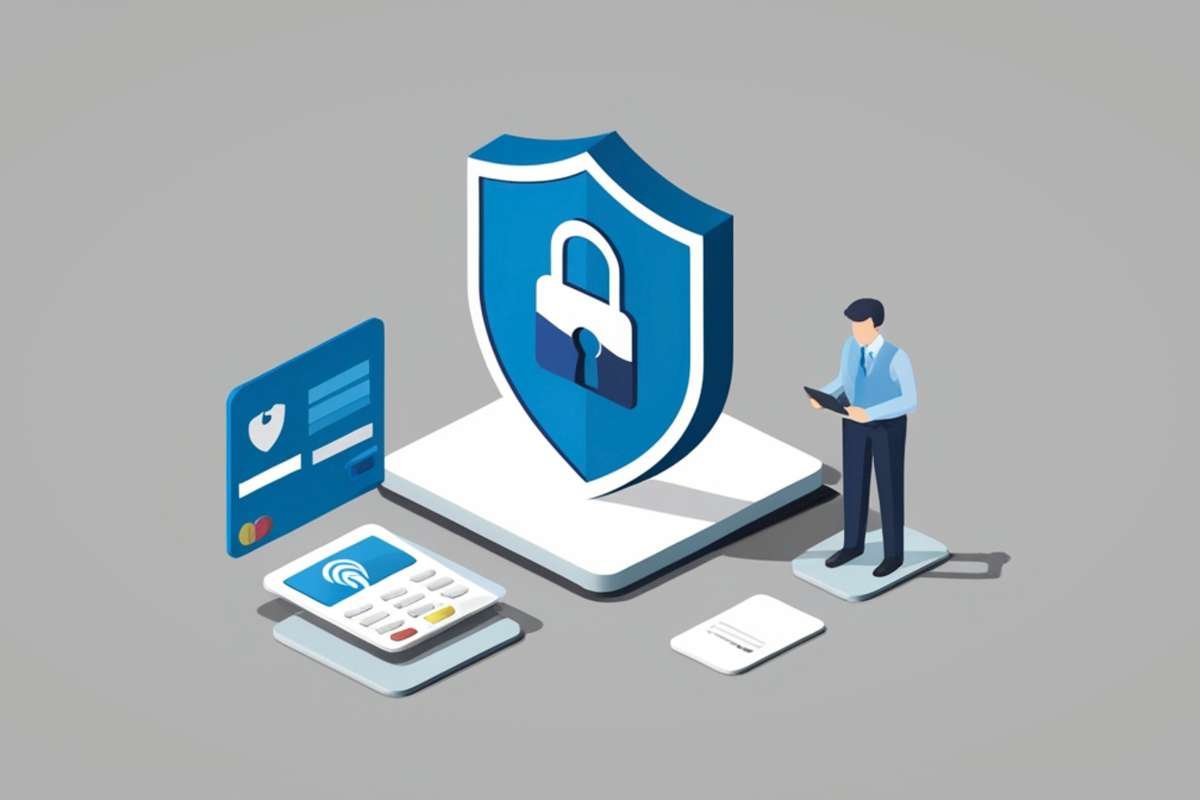
Customer data moves through many systems once collected. Information flows between databases, support tools, analytics platforms, and external vendors. Each transfer creates potential exposure if safeguards are inconsistent.
Encryption during storage and transmission limits risk even if systems are breached. Access permissions should reflect job roles, preventing unnecessary visibility. Regular audits help identify outdated access paths that no longer serve a purpose. These measures protect customers while also simplifying internal accountability.
The Role of Secure Infrastructure and Updates
Infrastructure choices influence security outcomes over time. Cloud services, hosting environments, and application frameworks all require consistent maintenance. Updates address known vulnerabilities that attackers actively exploit.
Delaying patches often creates silent exposure. Many breaches occur through weaknesses that already have public fixes available. Businesses using integrated financial tools, including commercial banking software, should treat updates as operational priorities rather than optional tasks. Stable systems depend on attention rather than reaction.
Monitoring Activity Without Creating Anxiety

Security monitoring works best when it focuses on patterns rather than isolated events. Sudden changes in login locations, repeated access attempts, or unusual transaction behavior can indicate emerging issues. Early awareness allows teams to respond before customers experience disruption.
Effective monitoring also includes clear escalation paths. Teams should know when to investigate, when to pause activity, and how to communicate internally. Calm, structured response protects both users and staff from unnecessary stress.
Vendor Relationships and Shared Responsibility
Customer-facing platforms rarely operate alone. Payment processors, customer support tools, and analytics services extend functionality while also introducing shared responsibility. Every integration expands the digital footprint.
Vendor selection should include security transparency, incident response planning, and compliance alignment. Businesses benefit from partners who communicate openly about safeguards and risks. Strong relationships create shared accountability rather than hidden exposure.
Employee Awareness and Platform Integrity

Technology alone does not define security outcomes. Employees influence risk through daily actions such as managing content, handling support requests, and administering accounts. Clear access guidelines help prevent accidental exposure.
Training works best when it reflects real situations rather than abstract threats. Recognizing phishing attempts, managing permissions responsibly, and reporting irregular activity contribute to a safer environment. When teams understand their role in protection, security becomes part of normal operations.
Customer Communication and Visible Care
Customers notice when platforms feel intentional. Clear privacy policies, transparent data practices, and consistent system performance reinforce confidence. Silence after an issue often causes more damage than the issue itself.
Proactive communication builds trust by showing accountability. When customers believe a business values their safety, they are more willing to engage, share information, and return. Trust develops through consistency rather than promises.
Cybersecurity as a Growth Enabler
Security often appears as a cost, but its value emerges through stability. Platforms that remain reliable during growth phases support expansion without sacrificing trust. Secure systems allow businesses to innovate, add features, and explore new markets with confidence.
For many organizations, cybersecurity strengthens autonomy. Control over digital environments reduces dependence on crisis response and protects long-term vision. Safe customer-facing platforms create space for leadership, creativity, and sustained success.
Customer trust begins before the first transaction. When platforms protect information, respect access, and respond with clarity, they become more than tools. They become foundations for lasting relationships and responsible growth. To learn more about cybersecurity essentials for customer-facing platforms, feel free to look over the accompanying resource below.