

If you’re starting your own healthcare business, especially in the form of a private practice, then it’s vital to understand the level of trust patients put in you. Patients are inherently vulnerable in the healthcare system, and to ensure that their trust isn’t undermined or betrayed, you must think seriously about the standards for private healthcare practice that reflect and represent. Here, we’re going to look at a few areas to make sure that you’re living up to the expectations of those who rely on you.
Know Your HIPAA Requirements
One of the most important ways to ensure that you meet the trust of your patients, not to mention legal compliance, is to ensure that you’re protecting the sensitive health information that you deal with. Get to know the HIPAA standards for private healthcare practice and create clear policies for how you handle patient records, the secure electronic systems you use, and how your staff uses them. All staff members who handle patient data should be trained to ensure they don’t leave it vulnerable, while access controls should be put in place to protect them from unauthorized examination, as well. Noncompliance can lead not just to loss of patient trust, but severe fines, as well, so it’s worth being vigilant.
Mind The OSHA Regulations
Preventable hazards can occur in any workplace, but this is especially true of clinics and private practices, where lax standards can threaten both your staff and your patients. Workplace safety in clinics and hospitals goes further than the average premises. It includes topics such as the correct handling of sharps, exposure control plans, and the use of personal protective equipment when carrying out treatments and examinations.

You should ensure that you invest in regular safety training for staff so they can be more aware of potential threats, as well as better able to respond to workplace incidents. It’s also important that you have clear procedures for how to handle things like spills, hazardous materials, and injuries. This way, your team is able to follow instructions rather than having to improvise.
Ensure A Consistent Standard Of Care With The Right Policies
It’s vital to make sure that every patient receives a consistent high-level quality of care, no matter their circumstances. Reducing variability can ensure that your team is carrying out the best practices. This includes policies on things like obtaining valid, informed consent, handling complaints, reporting adverse incidents, and prescribing and administering drugs.
When you have a clear systematized approach to the way that you help patients through the various processes involved in the practice, then it’s easier to maintain those standards for private healthcare practice and to train new staff to adapt to them, as well. Variability can easily lead to mistakes and dissatisfaction, while systemization tends to be safer.
Ensure The Consistent, Quality Medical Supplies You Need

Your staff and internal policies play a large role in maintaining your standards, but so too does the quality of medical supplies that you have access to, as well. These supplies can ensure accurate diagnosis, safe procedures, and better patient outcomes. As such, finding the right first aid and medical suppliers can ensure that you’re able to keep providing the same standard of care. Keep in mind not just the quality of their supplies, but how reliably they can provide, as well. Interruptions in your supply chain can lead to dips in your internal standards for private healthcare practice, so you might want to make sure that you have backups available when you might need them.
Outfit Your Exam Rooms
Given that you don’t tend to have to resupply them as often, it’s easy not to give your exam rooms the same level of attention as you might give your most frequently ordered supplies. However, it’s important to ensurethat they are fully equipped, given how much they contribute to patient comfort and quality care.
There are exam room checklists you can find that can make sure that you have all the essentials you need, from adjustable stools and examination tables to proper lighting and accessible storage spaces. Any missing or malfunctioning equipment can lead to delays in care, frustrating your team and impacting the patient experience. Routine inspections of those exam rooms can make sure that they’re fully equipped, and that any gaps can be addressed as quickly as possible.
Maintain Strict Hygiene Standards
It should be no surprise, but hygiene is a non-negotiable in any healthcare setting. You must ensure that you have thorough cleaning protocols, hand hygiene practices, equipment sterilization processes, and waste disposal options available throughout the practice.
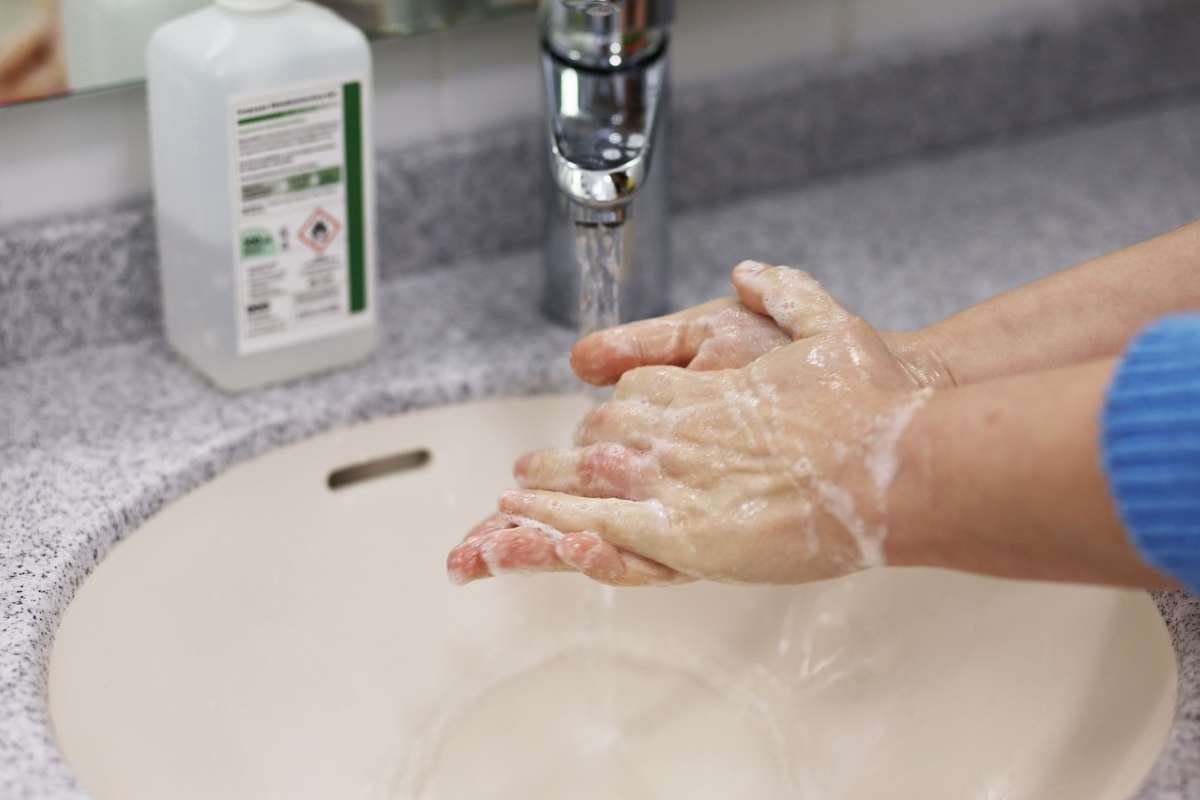
These are all vital for protecting both your patients and your staff from infection. These standards for private healthcare practice also have to be well documented, regularly reviewed, and consistently enforced through routine training and spot-checks. Poor hygiene greatly increases the risk of healthcare-associated infections, not to mention regulatory violations, which can threaten the very existence of your practice. What’s more, patients do notice issues with cleanliness immediately, which can greatly damage their trust in your care.
Enforce Professional Bedside Manners
Alongside the right standards of clinical care, the most successful practices implement compassionate communication and treatment throughout all interactions with your patients. Bedside manner can make or break patient trust, affecting their overall satisfaction. Even if you treat their health complaints effectively, if they feel like they were not given the respect or attention they deserve, your patients are more likely to go somewhere else the next time they are in need.
Train your staff to navigate sensitive conversations and manage difficult situations as best as possible, and try to ensure that their own needs are taken care of. When your staff feels frustrated due to poor workplace treatment, they’re a lot more likely to reflect those attitudes on the patients. Poor bedside manner begins upstream just as often as it does from individual attitudes.
The standards for private healthcare practice that represent a successful private practice, and that keep your patients coming back whenever they’re in need, have to be maintained over the long term. There are no one-and-done solutions, but an ongoing active commitment to excellence that’s easier to maintain with the right policies and practices in place.