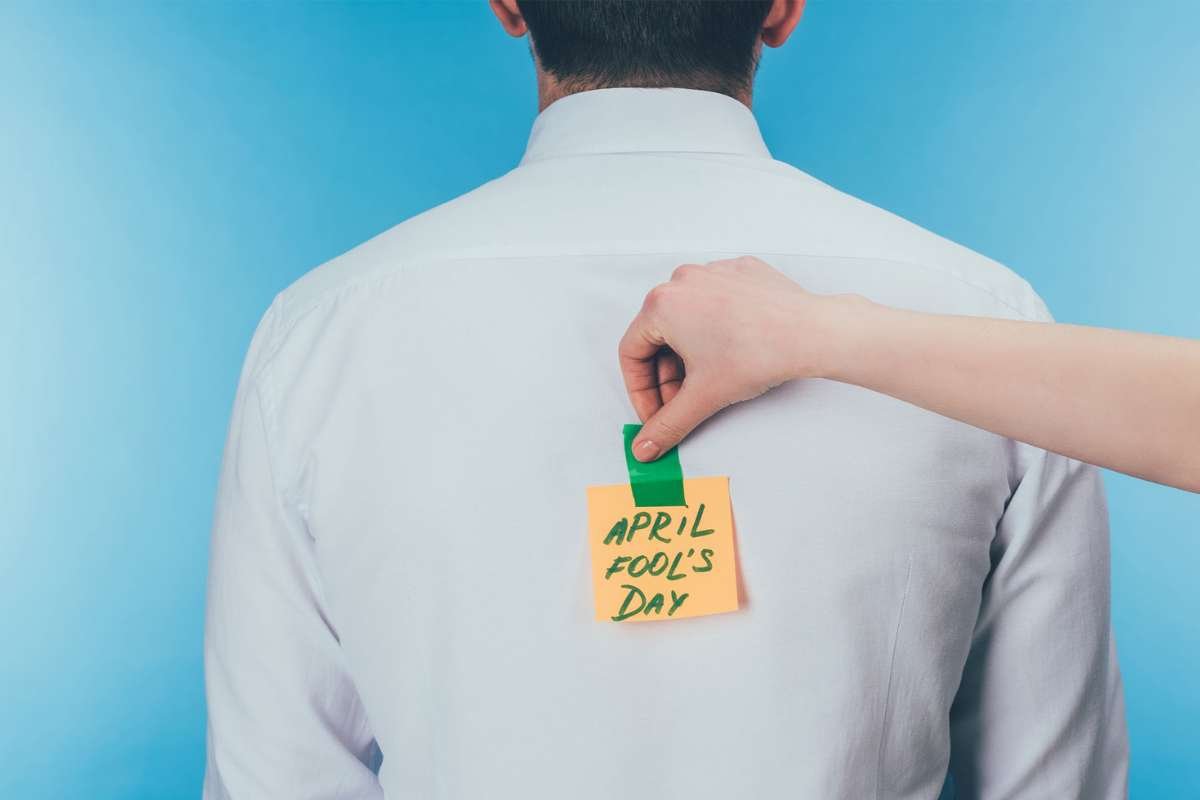
There is a certain, mischievous glint in the eye of a person about to land a perfect joke. We spend the first morning of April walking on eggshells, questioning every breaking news text and checking our chairs for hidden surprises. This tradition of light-hearted deception prompts pause and wonder: how did April Fools’ Day get started?
It is fascinating that a day dedicated to nonsense actually has roots in serious history. Whether it began with a massive calendar mix-up in France or ancient spring festivals of misrule, the habit of trickery stuck across every border.
So, where did the pranks start? Let’s find out
The Various Histories of April Fools’ Day
Now, there are many versions of this tale; I am unsure which one you want to hear. Some believe it originated in 1582, in France, while others find its roots in the ancient Roman festival of Hilaria.
The truth of the matter is that there is no single proven origin of the day, and ancient Roman tales are likely folklore.
In short, we cannot give a definitive answer. Historians still debate the actual origin of this tradition, each offering a different explanation. But that doesn’t mean we cannot look at history and try to find the root of this funny, laugh-inducing, nut-cracking day.
In today’s blog, we will be jumping from period to period, learning some interesting history lessons, and finally answering the question that made you click: How did April Fools’ Day get started?
So, let’s begin.
Now, before we start, it is important to remember that all of these are just theories.
Hilaria: The Roman Origins of April Fools’ Day
All roads lead to Rome, and the search for April Fools’ Day takes us there, too. The house of Remus and Romulus has its share of relation with April Fools’ Day.
In ancient Rome, the cult of Cybele-Attis. The legend of Cybele (the Mother of Gods) and Attis is a story of love, madness, and rebirth that laid the ancient groundwork for April 1st.
According to the myth, Attis was a beautiful youth who drove himself into a divine frenzy and died under a pine tree. His grief-stricken lover, Cybele, mourned him until he was resurrected. To honor this, the Romans held the festival of Hilaria (meaning joyful) at the end of March.
The Relation to April Fools’ Day
This myth connects to the modern holiday through its themes of transformation and “fooling” the social order:
- Sanctioned Madness: Just as Attis lost his mind, Hilaria allowed Romans to lose their “social” minds. People would dress in elaborate disguises and masquerade as high-ranking officials to mock their neighbors without consequence.
- The Seasonal Trick: The festival celebrated the transition from winter’s “death” to spring’s “rebirth.” This season of unpredictable weather often made people feel “fooled” by nature, a sentiment that eventually shifted into humans fooling one another.
- A “Day of Joy”: After days of mourning, Hilaria experienced an explosion of laughter and jokes.
During the feast, people dressed in elaborate disguises and masqueraded as high-ranking officials to mock their neighbors without consequence. This wild celebration of spring and rebirth offers a compelling look at how April Fools’ Day started.
The festival encouraged citizens to cast off their usual identities for a bit of sanctioned madness. By allowing the lower classes to play the part of kings, the Romans turned the social order upside down for a few laughs.
But is this the real answer to the question? No. While it is one of the accepted origins, this does not answer one question: how did April Fools’ Day get started?
Well, what is the widely accepted answer? Let’s find out!

From Garage to Global Dominance Peeping through the History of Google
This article delves into the fascinating history of Google, exploring its origins, key milestones, and the factors that propelled it from a small project to an influential force shaping the way we access and interact with information.
Bad Communication Led to Good Jokes

In 45 BC, Julius Caesar introduced a calendar of 12 months based on the solar cycle. The Julian calendar, just like the rest of the calendars of that era, including the Hebrew, Hindu, and Greek calendars, started with spring.
Spring started at the end of March and the start of April. Why is this important? Because for the majority of human history, this was the standard year. It started in April, ended in March, and repeats.
But then came 24th Feb. 1582, Pope Gregory issued an Inter Gravissimas (Latin: In the gravest concern).
And what was the gravest concern? Date of Easter. See, in AD 325 at the First Council of Nicaea, Easter dates were standardized. The council established rules to set the date of the movable feast of Easter based on an assumption that the solar year lasts 365.25 days, an overestimation of about eleven minutes.
This was a big mistake, because over time, days misaligned, seasons shifted, and as Easter came later in the year at a rate of about one day every 130 years, it would eventually affect other holidays fixed to Easter, such as Pentecost.
So, what was the solution? Drop ten days from that year’s calendar, so that Thursday, October 4, 1582, was followed by Friday, October 15. Now, why October? It was the month with the fewest holidays.
Now, how does this tie into April Fools’ Day?
The Calendar Change and Its Relation to April Fools’ Day
In 1500, news spread really slowly, unlike our times, where the Pope’s official Twitter handle can post new updates; the Middle Ages were different.
When the calendar was changed, it wasn’t immediately accepted and used.
So, in 1582, France switched from the Julian calendar to the Gregorian calendar, moving New Year’s Day from April 1 to January 1.
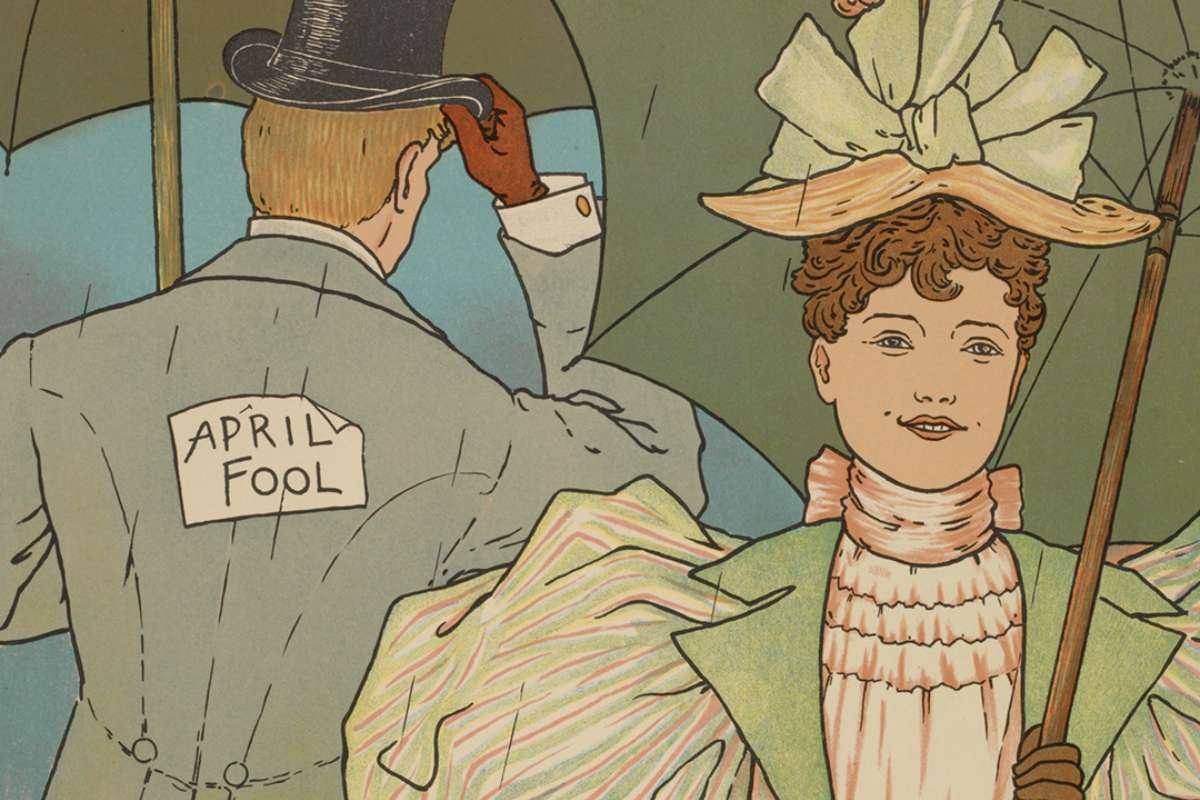
Many people missed the memo or simply refused to change their old ways, continuing to celebrate in the spring. Those who stayed “behind the times” became targets of ridicule.
This is the funniest way April Fools’ Day could begin.
How did April Fools’ Day get started? Well, some people missed the memo.
By 1585, the habit of mocking these April fools had likely become a solidified local tradition. Pranksters would send these traditionalists on fool’s errands or trick them with fake gifts to highlight their calendar confusion.
This transition period in the late 16th century remains the most popular explanation for how April Fools’ Day started in the Western world.
The Feast of the Fools
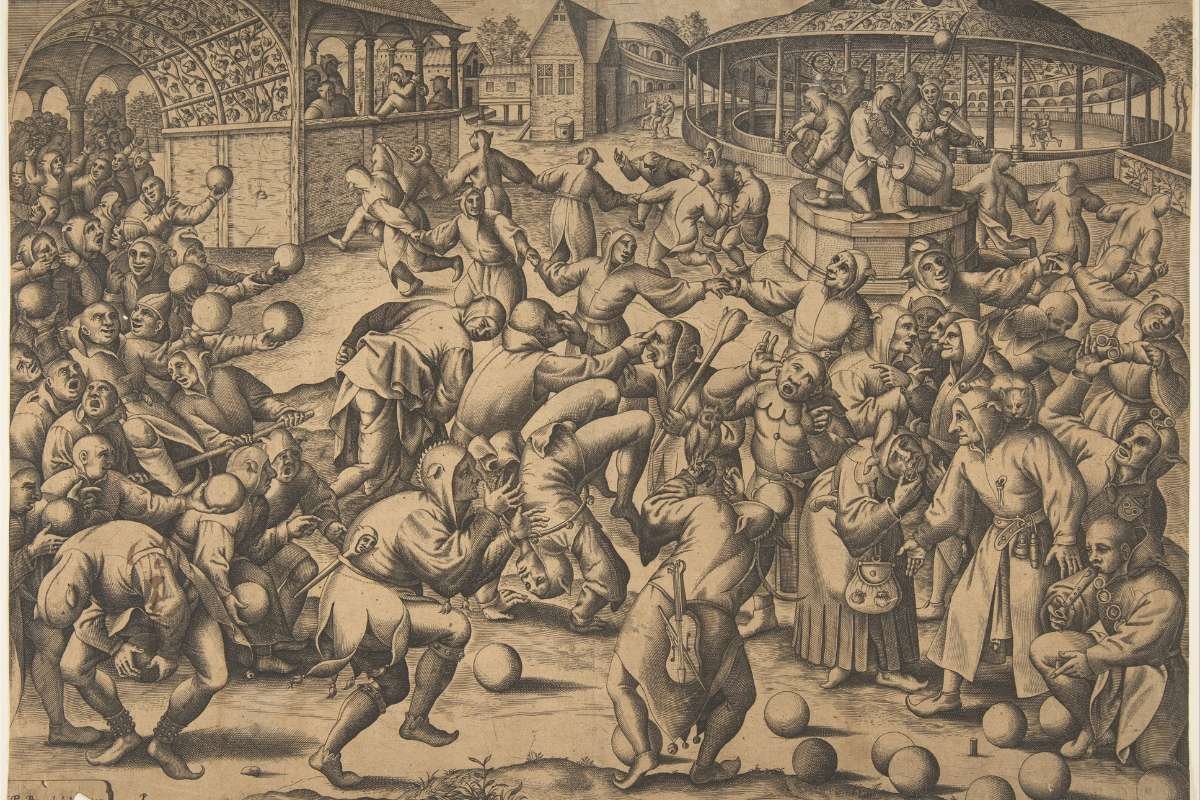
The Feast of Fools was a popular medieval festival held in late December or early January, mostly in France. It was a day when the lower clergy, the sub-deacons and assistants, took over the church and mocked the high-ranking officials.
During the celebration, the fools would elect a mock pope or bishop and conduct ridiculous, nonsensical versions of holy services. They sang out of tune, ate sausages at the altar, and wore masks or women’s clothes to create total pandemonium. Seeing how people used these “days of misrule” to blow off steam helps explain how April Fools’ Day started as a time for sanctioned social rebellion.
Funny Traditions Related to April Fools’ Day
Now you know what to say when someone asks: how did April Fools’ Day get started?
Let’s look at some funny traditions around the world, related to the Fools’ Day, and have a few laughs.
- France (The Chocolate Fish): Building on the “Poisson d’Avril” theme, bakeries and chocolate shops across France sell beautiful, fish-shaped chocolates. It’s a delicious way to honor the fools.
- The UK (Noon Deadline): In England, the pranking has a strict time limit. If you pull a prank after midday, you are considered the fool. This “law” adds a high-stakes race against the clock to the morning.
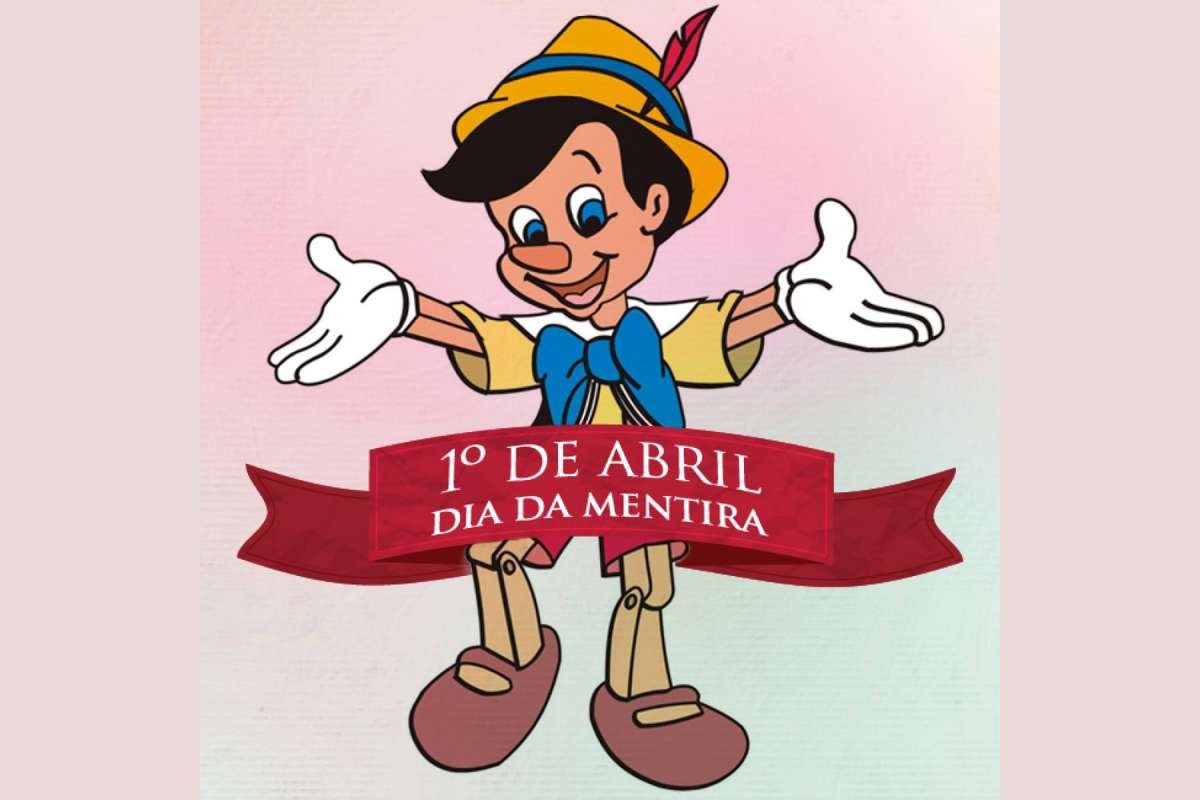
- Brazil (Dia da Mentira): Known as the “Day of Lies,” Brazilians love to spread fake news or “white lies” to their friends. Leading news outlets often publish one totally absurd story to see who falls for it.
- Ukraine (Humorina): In the city of Odessa, April 1st is an official public holiday. They host a massive festival with parades, concerts, and “clown-offs,” turning the entire city into a comedy club.
- Ireland (The “Urgent” Letter): A classic Irish prank involves giving someone an “important” letter to deliver to someone else. That person reads it and says, “I can’t help, take it to [Name],” leading the victim on a never-ending loop around town.
Read More: History of Cars: From Steam Engines to Modern Innovations
5 Funniest Pranks in the History of April Fools’ Day
These are 5 of the funniest pranks ever pulled on April Fools’ Day.
1. The Great Swiss Spaghetti Harvest (1957)
The BBC’s Panorama aired a serious-toned segment showing a family in Switzerland “harvesting” spaghetti from trees. Since pasta was still exotic to many Brits back then, hundreds called in asking how to grow their own. The BBC’s response? “Place a sprig of spaghetti in a tin of tomato sauce and hope for the best.”
2. The Taco Liberty Bell (1996)
Taco Bell took out full-page ads in major newspapers announcing they had purchased the Liberty Bell to help reduce the national debt. They claimed it would now be known as the “Taco Liberty Bell.” Thousands of outraged citizens called the National Park Service before the company revealed it was all a joke.
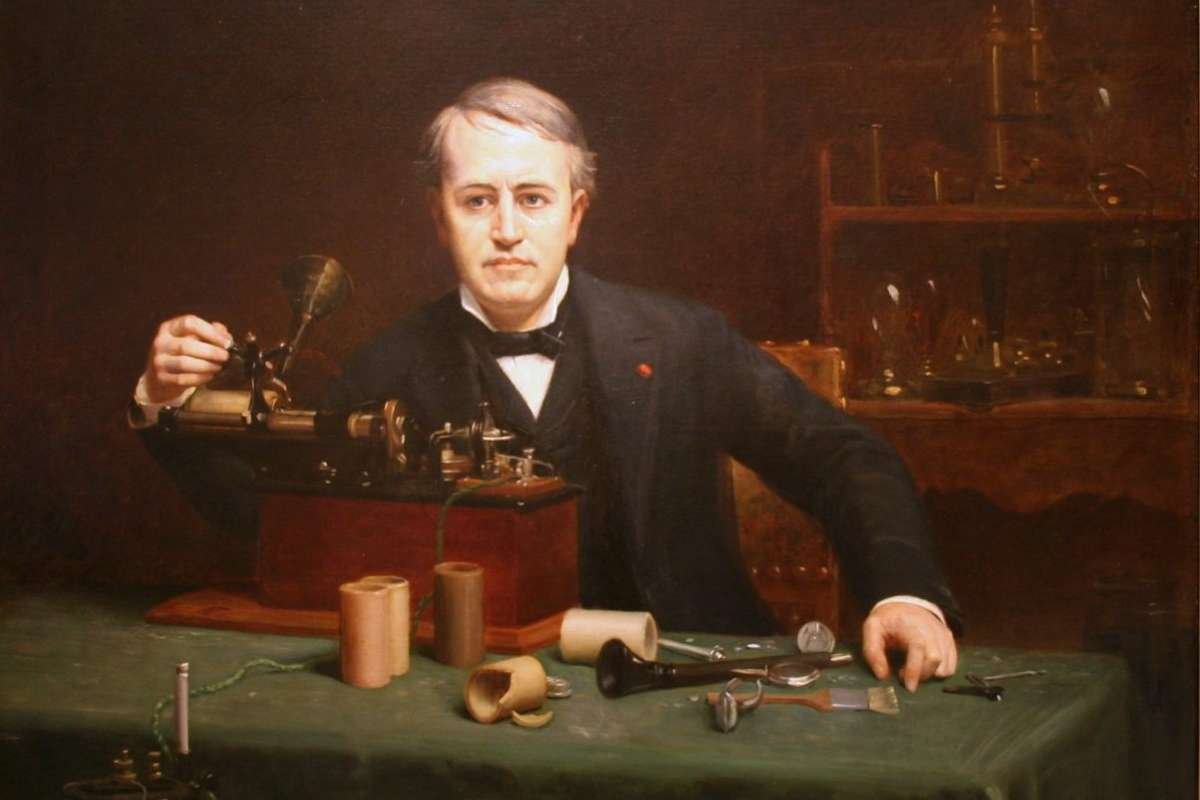
3. Thomas Edison’s “Food Machine” (1878)
Long before the internet, the New York Graphic reported that Thomas Edison had invented a machine that could turn soil directly into cereal and water into wine. The public believed it so readily that newspapers across the country reprinted the story, hailing Edison as a god-like genius. This classic gullibility is at the heart of April Fools’ Day
4. The Planetary Alignment “Jump” (1976)
During a BBC Radio interview, astronomer Patrick Moore announced that at exactly 9:47 AM, a unique alignment of Pluto and Jupiter would temporarily decrease Earth’s gravity. He told listeners to jump at that moment to experience a floating sensation. Hundreds of people called in claiming they had successfully floated across their living rooms.
5. The Left-Handed Whopper (1998)
Burger King published a full-page ad in USA Today announcing a new burger specifically for the 32 million left-handed Americans. They claimed the condiments were rotated 180 degrees for “lefty” convenience. Not only did people ask for it, but thousands of others reportedly requested their own “right-handed” versions to be safe.
Conclusion:
So, how did April Fools’ Day get started? Well, honestly, it doesn’t matter. Whether it began with a calendar mishap or a Roman masquerade, April Fools’ Day proves that humans love a good ruse. We’ve spent centuries perfecting the art of the prank, turning gullibility into a global celebration. While the specific details of its origin remain blurry, the laughter it triggers is always crystal clear.
So, go ahead and embrace the chaos, but keep one eye open for any suspicious news. After all, the mystery is much like a good prank, best enjoyed with a healthy dose of skepticism. Just remember: if it sounds too good to be true, you’re probably the punchline.
FAQs
1. What is the most popular theory regarding the holiday?
Many historians believe it began in 1582 when France switched calendars. Those who continued celebrating the New Year in April instead of January became targets of jokes. This shift offers a primary explanation for April Fools’ Day origin.
2. Is there a specific time pranks must end?
In many Commonwealth countries, you must finish your tricks by midday. If you prank someone in the afternoon, the joke is on you! This time-sensitive rule adds a frantic layer to April Fools’ Day.
3. What is the poetry on April Fools’ Day’s origin?
The first potential written reference appears in Chaucer’s The Canterbury Tales in 1392. A confusing line about 32 days after March (April 1st) describes a fox tricking a rooster. But it is still up for debate among historians.
Thank You For Reading!
See More
Exploring the Rich History of Nose Piercings: From Ancient Origins to Modern Fashion