
Key Points:
- Noem defended DHS actions and her remarks.
- Senators criticized her over accountability and messaging.
- The hearing spotlighted immigration enforcement and civil rights.
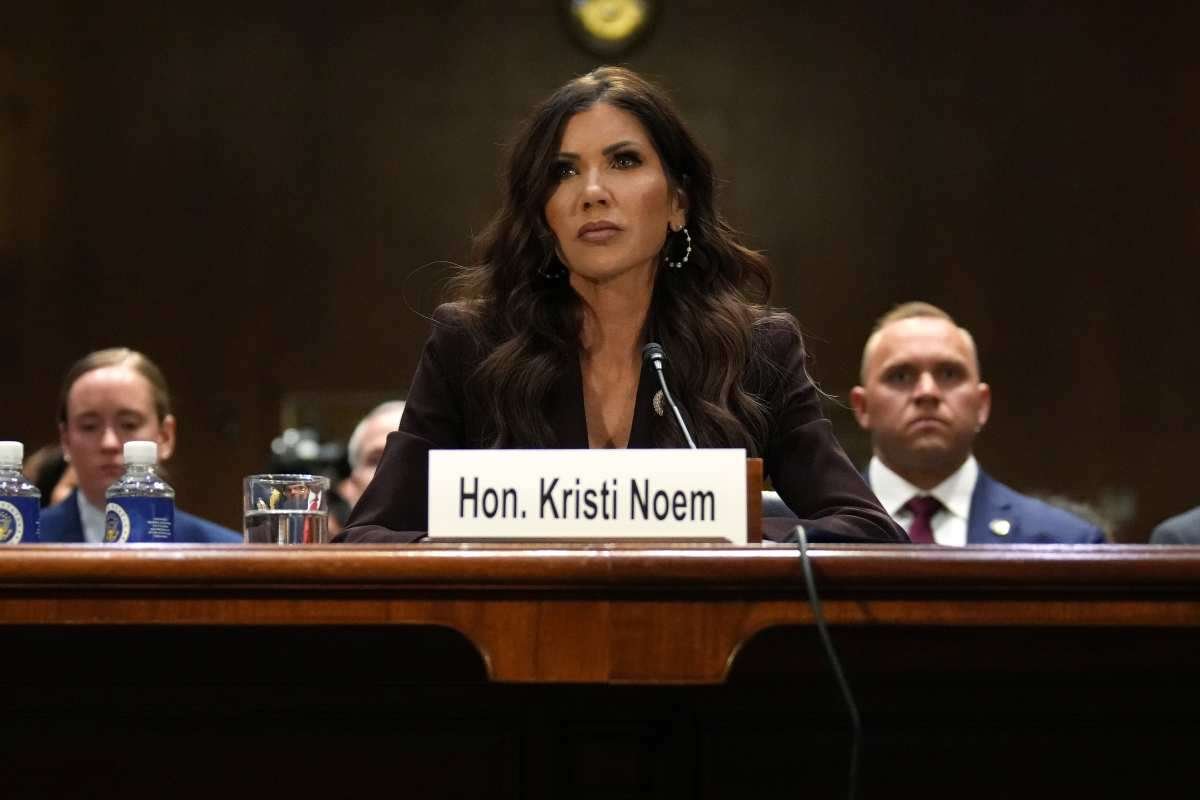
Homeland Security Secretary Kristi Noem faced intense questioning from U.S. senators on March 3, 2026, during a long-anticipated oversight hearing before the Senate Judiciary Committee, her first since the controversial deaths of two U.S. citizens during federal immigration enforcement operations in Minneapolis. Noem stood firmly by her earlier characterizations of the incidents, repeating that her comments were based on initial reports from agents on the ground and declining to retract them.
The deaths of Renee Good and Alex Pretti, both fatally shot by federal immigration officers earlier this year, have become flashpoints in the national debate over immigration enforcement. Lawmakers repeatedly pressed Noem on why she described the situations as examples of “domestic terrorism,” a label that has drawn widespread criticism from members of both parties and families of the deceased. Kristi Noem acknowledged the shootings were “tragic” but reiterated that chaotic scenes and conflicting information shaped her initial remarks.
Across the hearing, senators delved into how these enforcement actions were carried out and whether proper oversight and clear communication were provided by the Department of Homeland Security (DHS). Minnesota’s own Sen. Amy Klobuchar raised concerns about constitutional rights violations and the prolonged presence of hundreds of federal agents in the state, even as broader operations were being scaled back.
Bipartisan Criticism and Broader Policy Questions
Though Kristi Noem defended her department’s conduct, she encountered sharp criticism from both Democratic and Republican lawmakers. Sen. Dick Durbin, the top Democrat on the Judiciary Committee, pressed her on the pain caused to the families by her terminology and sought an apology or retraction, which she declined to offer. Durbin and others argued that available video evidence and eyewitness accounts contradicted the department’s narrative and made their inquiries about accountability even more urgent.
Republican senators also voiced unease. Some questioned the strategy and messaging employed by DHS under Noem’s leadership, including scrutiny over recent department expenditures, such as a high-profile public messaging campaign. This advertising effort, which prominently featured department leadership, was described by critics as costly and potentially linked to political interests.
The hearing underscored deep divisions over the direction of U.S. immigration policy under the current administration. While Kristi Noem reiterated that DHS enforcement focuses on individuals viewed as threats and insisted that arrests and actions are targeted appropriately, several lawmakers suggested the department’s aggressive posture and communication missteps have eroded public trust and complicated efforts to sustain broad support for immigration policies.
Impact on Policy and Ongoing Oversight
The Senate session highlighted broader debates over civil liberties, executive authority, and the proper scope of federal immigration enforcement. The Minneapolis incidents have become emblematic of these tensions, prompting calls from some members of Congress for greater oversight and clearer guidelines to prevent future confrontations and misunderstandings.
Kristi Noem’s testimony occurred amid wider challenges for DHS on Capitol Hill, including stalled funding negotiations and criticism over operational decisions tied to enforcement tactics nationwide. Lawmakers from both sides signaled they will continue probing how and why federal agents are deployed in domestic communities and what protocols govern their interactions with civilians.
Despite strong questioning and calls from some senators for new leadership direction, including suggestions that Kristi Noem should reconsider her role, she reiterated her commitment to the administration’s immigration agenda. Congressional scrutiny is expected to persist, with planned follow-up hearings in the House and ongoing investigations into the Minneapolis cases and related DHS operations.
Overall, the hearing revealed not only deep partisan divisions over immigration policy but also underscored concerns about transparency, accountability, and the balance between national security and civil rights in federal enforcement activities.
Check out CIO Women Magazine for the most recent updates and insights.