

Protecting your business is about more than just installing security cameras, having effective cybersecurity, and locking everything up when you leave for the day. A strong business will have a wealth of processes supporting and protecting operations from different angles, and most of these start from the outside.
Good leaders protect businesses in everything that they do. From the supply chain to their staff, employee culture, and so much more. They know the risks, the variables that are introduced when you bring your suppliers and logistics chains into the picture, and they have everything covered.
Because for the most part, the threats to your business aren’t those of a criminal nature here, they’re the things you rely on, and if they fall apart, they will impact your operations.
With this in mind, let’s take a look at how you can protect your business from the outside in.
7 Strategies for Leaders Protect Businesses from External Risk
1. Know Where Your Business is Exposed
You cannot protect your business if you don’t know where it is exposed. So your first point of call should be to identify all the vulnerabilities within your business. And this means everything, even those processes you thought were insignificant, know them, understand them, and note them down.
Whether it’s a supplier you’ve never questioned because they never let you down, or it’s a logistics partner you rely on, each one is a weakness. And this isn’t a failure you created; it’s the reality of running a business. And once you have every single vulnerability, you can make appropriate plans to secure your business.
2. Map All External Dependencies
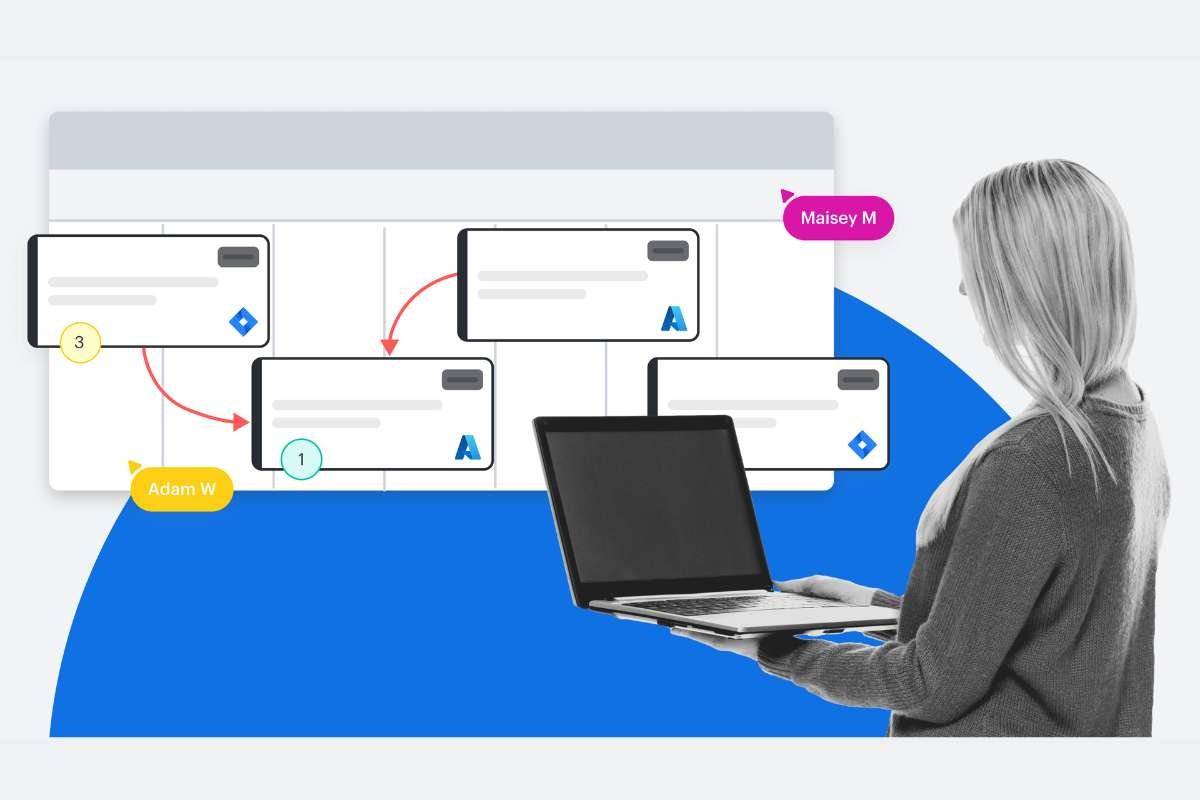
Next, go through each department, every process, and every recurring order and service. The aim here is to identify and map all external dependencies. Why is this important? Because they are major failure points if not handled correctly.
Who are you buying from and how often? What happens if that supply is disrupted for a week or two? The idea here isn’t to create anxiety; it’s to help you manage external risks by having contingency plans and support in place for times when things don’t run to schedule.
3. Audit Current Suppliers
What you’re doing here is finding out how compatible your suppliers are with what you do and how they meet your needs or don’t meet them, as the case may be.
To audit your suppliers, go back through your records and note things like shortages, late deliveries, failure to communicate, quality issues reduced, quantities delivered but not agreed to, etc.
Compare these to your operational abilities and production, to ensure they are still a good fit. If you can’t rely on your suppliers, this will have a knock-on effect on what you do and your reputation.
This is especially important when working with specialist suppliers for supplies you can’t get from general supplies. For example, if you rely on nitrogen for any part of your operations, your nitrogen supplier needs to be able to consistently meet your order quantity and deliver on time regularly, and prove they have excellent communication skills, especially in the face of problems or unforeseen circumstances.
The answers you get here will tell you a great deal about which suppliers are beneficial for you and which aren’t.
4. Set Non-Negotiable Standards

Once you have completed your audit, Leaders protect businesses. You need to set standards that all external suppliers adhere to so you can improve performance and create a more reliable, realistic working partnership.
What this looks like for your business can vary depending on what you need; however, delivery windows, minimum order fulfilment rates, response times when issues arrive, and communication expectations should make the list.
The standards can help you evaluate current suppliers and be the standard you assess new suppliers you bring on board.
But why do you need standards? Leaders Protect Businesses helps you from drift, you know, the slow, gradual decline you might not see coming until it’s too late? If everyone is on board with adhering to these standards, you can create uniformity across the business and your partners.
5. Build Relationships, Not Contracts
This is an important one. While your contracts are indeed to benefit both parties, having a good, solid working relationship will serve you much better in the long run.
Suppliers who know you, who understand what you need and like, and value your business will go a lot further when demand spikes or things change than those who don’t.
And it won’t happen automatically or even quickly in all cases. It’s important to nurture and grow relationships, and this is done via things like efficient communication, prompt payment, and treating your suppliers as partners, not just vendors. That’s the difference.
Leaders Protect Businesses that are stronger know this and invest time and energy into developing supplier relationships for a mutually beneficial partnership.
6. Create a Contingency Plan
Every critical supplier on your dependency map has a named backup.
Not a theoretical choice if things go wrong, someone you can actually use. It needs to be a supplier you’ve previously identified or even used, who can step in when you need them to.
And this supplier should ideally be someone you have ordered from or have some type of working relationship with. Because when your primary supplier fails, you want someone happy to take their place who knows you and can deliver what you need fast. You don’t want to be making cold calls in the middle of a production stoppage. So this means identifying backups ahead of time, creating relationships with them, and having them on hand should you need them.
7. Review Regularly
The best leaders protect businesses know that once these decisions are made, they need to be reviewed frequently; they’re not one-time and done actions. It’s an ongoing discipline. Because markets shift, suppliers change, and demand fluctuates. If you’re not readjusting, then you’re falling behind.
Build a quarterly review into your calendar so you can go back through your dependency map, check in on supplier performance, your standard, and your contingency tools. Because most failures at this point are sudden events, they are the result of things gradually shifting in the wrong direction, and no one notices.