Key Points:
- Rousey criticized UFC fighter pay, citing Shevchenko’s OnlyFans.
- Shevchenko clarified that her OnlyFans is for training and fan content.
- The exchange reignited debate on fighter compensation and athlete autonomy.
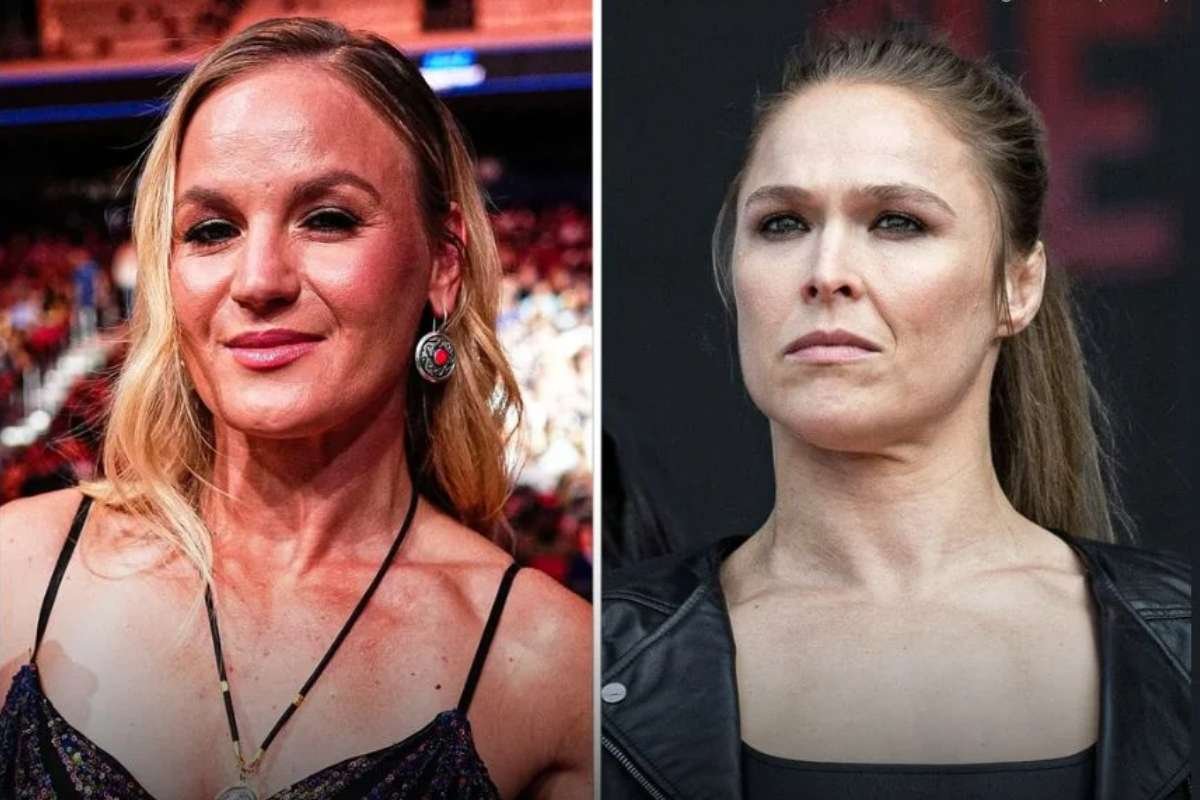
A public exchange between two of mixed martial arts’ most recognizable figures, Valentina Shevchenko and Ronda Rousey, has stirred fresh debate around fighter pay and athlete independence in the sport. The controversy began after Rousey criticized the financial structure of the Ultimate Fighting Championship during a recent media appearance.
Rousey argued that despite the organization’s global success and multi-billion-dollar valuation, many athletes still struggle to earn a consistent income solely from fighting. According to her comments, fighters at different levels, including some champions,s often turn to alternative platforms to supplement their earnings.
In that context, Rousey referenced Shevchenko’s presence on the subscription platform OnlyFans, suggesting it illustrated how even top fighters sometimes rely on outside sources of revenue. The remark quickly gained traction across the MMA community, with fans and analysts debating the broader implications for fighter compensation and career sustainability.
The comments also drew attention because they implied that Shevchenko was sharing explicit content on the platform, an assertion that quickly prompted a response from the champion herself.
Valentina Shevchenko Responds, Rejecting the Characterization
Shevchenko responded publicly, dismissing Rousey’s comments and clarifying how she uses her OnlyFans account. According to the flyweight champion, the platform is used strictly to share training insights, behind-the-scenes moments, travel experiences, and exclusive updates with supporters rather than explicit content.
She emphasized that digital platforms have become an important tool for modern athletes to connect directly with fans. In her view, subscription-based content allows fighters to control their personal brand while offering supporters a closer look at their professional and personal lives.
Valentina Shevchenko also questioned Rousey’s perspective, pointing out that the former champion has been largely absent from active MMA competition since 2016. The Kyrgyz-Peruvian fighter suggested that the criticism reflects an outdated understanding of how athletes today manage their public image and diversify their income streams.
By addressing the remarks directly, Shevchenko aimed to clarify her approach to digital platforms and defend her reputation within the sport.
The Exchange Highlights Ongoing Fighter Pay Debate
The dispute has once again brought attention to a longstanding issue in mixed martial arts: how fighters are compensated relative to the sport’s rapid growth. While the UFC has expanded into one of the world’s most successful combat sports promotions with lucrative broadcast deals, sponsorship agreements, and global events,s questions about athlete pay remain a frequent topic of discussion.
Some fighters and analysts argue that athletes should receive a larger share of the revenue generated by the sport. Others believe the UFC’s structure still provides significant opportunities for athletes to build careers through fight purses, bonuses, sponsorships, and personal branding.
Platforms like OnlyFans, Patreon, and other subscription-based services have increasingly become part of that equation. Many fighters now use them as tools to strengthen fan relationships and generate additional income beyond fight purses.
The exchange between Rousey and Shevchenko reflects this evolving landscape. As fighters continue to explore new ways to monetize their popularity and build independent brands, debates about pay, promotion, and athlete autonomy are likely to remain central to the future of mixed martial arts.
Explore the latest updates at CIO Women Magazine.