
Key Points:
- Trump’s administration faces major leadership upheaval with AG Pam Bondi’s dismissal and high-profile exits across key agencies.
- A DHS shutdown from congressional deadlock has left thousands of federal workers financially uncertain.
- A court blocked the $400M White House expansion, sparking executive vs. legislative tension.
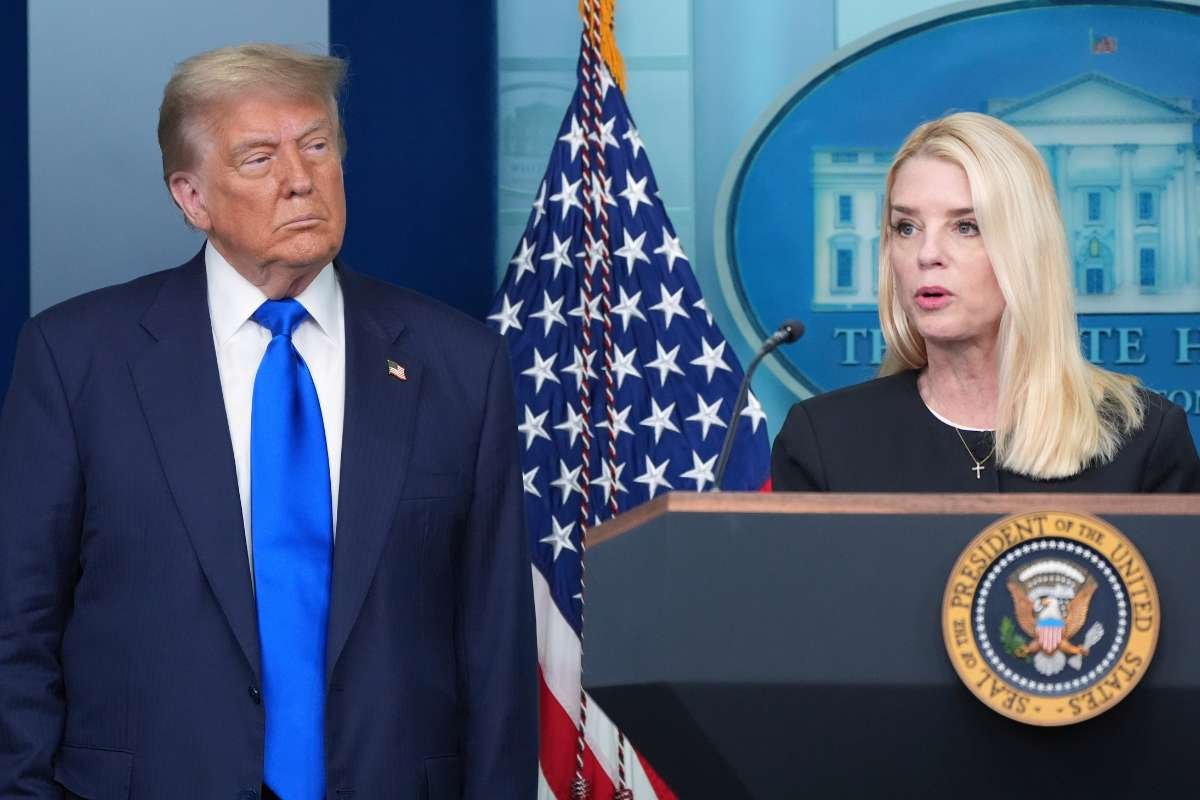
The Trump administration is undergoing a sharp phase of internal restructuring marked by high-profile dismissals and growing speculation about further leadership changes across federal departments. In a notable move, Attorney General Pam Bondi was dismissed, with the White House framing her exit as part of a broader transition. Her departure has triggered debate in political circles about the stability of senior legal leadership within the administration.
Following Pam Bondi’s dismissal, Deputy Attorney General Todd Blanche was appointed as acting Attorney General while discussions continue regarding a long-term replacement. The shift has added to perceptions of rapid turnover at the highest levels of government, particularly within agencies responsible for justice and enforcement.
At the same time, Defense Secretary Pete Hegseth introduced new internal reforms within the Pentagon, including a controversial policy allowing U.S. service members to carry privately owned firearms on military bases under specific conditions. The directive forms part of a wider restructuring effort within the defense establishment, which has already seen leadership realignments and early exits of senior military officials.
Collectively, these developments reflect a broader effort by the administration to consolidate control across key institutions while reshaping leadership structures in line with its policy priorities.
Deepening DHS Shutdown Crisis and Congressional Deadlock
Washington continues to grapple with an extended partial shutdown of the Department of Homeland Security, which has disrupted operations across multiple federal agencies and left thousands of employees in financial uncertainty. The funding lapse stems from an unresolved dispute in Congress over immigration enforcement and broader agency financing.
A Senate-backed proposal to restore core DHS funding made limited progress, but legislative gridlock in the House of Representatives has stalled final approval. The plan would reinstate funding for essential DHS operations while deferring a separate decision on agencies such as Immigration and Customs Enforcement and Customs Protection.
As the shutdown drags on, federal workers, including airport security staff and emergency response personnel, remain in uncertain conditions, with some working without guaranteed pay. The economic and operational strain has intensified pressure on lawmakers to reach a compromise.
The President has indicated support for an emergency measure aimed at ensuring payment for critical federal personnel, including those in disaster response and border security roles. However, legal questions persist over whether such payments can be authorized without fresh congressional approval.
Political tensions have escalated as both major parties exchange blame for the ongoing impasse. While Democratic leaders argue that internal divisions among Republicans have obstructed a resolution, Republican lawmakers maintain that negotiations are ongoing and emphasize the need for a structured funding framework tied to immigration policy reforms.
White House Expansion and Trade Policy Dispute
Alongside legislative challenges, a major legal dispute has emerged over a proposed large-scale expansion of the White House complex. The $400 million ballroom project, which includes plans for a 90,000-square-foot facility, has faced judicial intervention after a federal court ruled that construction cannot proceed without explicit congressional authorization.
Despite the ruling, federal planning authorities have approved a revised version of the project under the broader East Wing modernization framework. The decision has intensified debate over executive authority versus legislative oversight, particularly regarding structural changes to historic government property.
Preservation groups have raised concerns about earlier demolition work and the potential long-term impact on the architectural integrity of the White House. Pam Bondi Legal challenges remain active as opponents argue that required review procedures were not fully followed.
At the same time, the administration’s economic strategy continues to draw scrutiny, particularly its use of tariffs in global trade policy. Analysts warn that aggressive tariff measures have contributed to market volatility and uncertainty among international investors. Critics argue that such policies risk weakening long-term economic stability by discouraging foreign capital inflows and disrupting supply chains.
Together, these developments highlight growing friction between the administration’s policy agenda and institutional, legal, and economic constraints.
For the latest insights, visit CIO Women Magazine.