
Key Points:
- Abigail Slater resigned as DOJ Antitrust Chief after less than a year, amid internal disagreements with senior leadership.
- Her departure comes during critical antitrust cases involving major corporations like Live Nation, Netflix, and Warner Bros. Discovery.
- Omeed Assefi will serve as acting head, as concerns grow that leadership instability could weaken enforcement momentum.
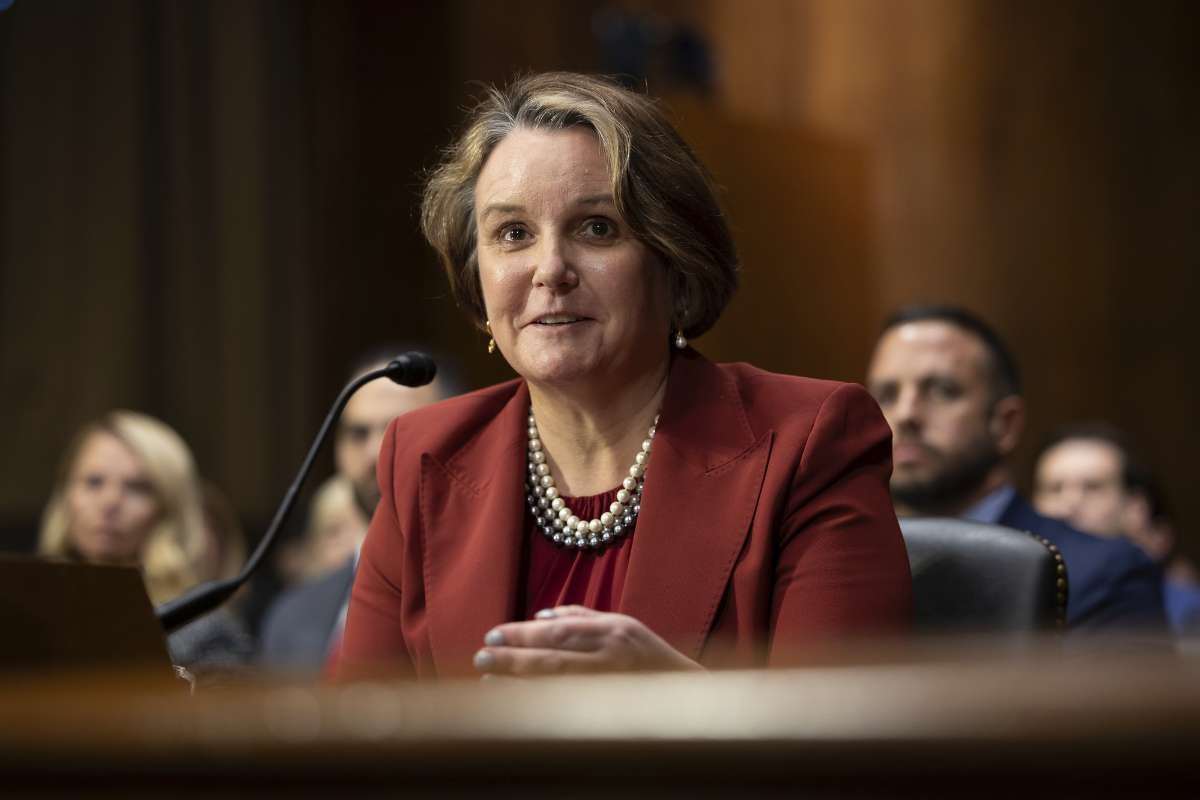
Abigail Slater, head of the U.S. Department of Justice Antitrust Division, has stepped down from her role, marking a significant leadership shift within one of Washington’s most powerful regulatory offices. Her departure comes less than a year after she assumed the position, during a period of heightened scrutiny over corporate consolidation and competition policy in the United States.
Abigail Slater, often known professionally as Gail Slater, had overseen major merger reviews and enforcement actions targeting dominant players across technology, entertainment, and telecommunications. Her tenure coincided with an aggressive phase of federal antitrust enforcement, with the division pursuing high-profile litigation and expanding oversight of corporate practices viewed as anti-competitive.
The leadership change arrives at a particularly sensitive time, as the division prepares for major courtroom battles and complex merger evaluations involving some of the country’s largest corporations.
Internal Disagreements and Administrative Tensions
According to individuals familiar with the matter, Abigail Slater’s exit followed internal disagreements with senior Justice Department leadership. Reports suggest friction developed between Slater and top officials, including Attorney General Pam Bondi and Deputy Attorney General Todd Blanche, over enforcement priorities and management decisions.
The tensions were not limited to policy direction. Administrative disputes reportedly intensified in recent months, reflecting broader disagreements about strategy and oversight within the department. While Abigail Slater publicly described her departure in measured and reflective terms, the circumstances indicate that the move was not entirely voluntary.
Her removal underscores the complex balance between political leadership and career enforcement officials inside the Justice Department. Antitrust enforcement often sits at the intersection of law, economics, and political philosophy, and differing views on how aggressively to challenge corporate power can create friction at the highest levels.
Impact on Major Cases and the Road Ahead
Abigail Slater’s departure raises immediate questions about the trajectory of several high-stakes antitrust cases. The division is preparing for litigation involving Live Nation Entertainment, as well as ongoing scrutiny of major corporate transactions connected to companies such as Netflix and Warner Bros. Discovery. These matters are closely watched by industry leaders, investors, and policymakers alike.
Critics of the decision argue that leadership instability could disrupt momentum in ongoing enforcement actions. Senator Elizabeth Warren, a vocal advocate for stronger antitrust enforcement, expressed concern that a change at the top may weaken efforts to rein in monopolistic behavior and protect consumers from rising prices and reduced competition.
In the interim, Omeed Assefi is expected to serve as acting head of the division. The department has reiterated its commitment to enforcing competition laws and safeguarding market fairness, signaling continuity despite the leadership shake-up.
Abigail Slater’s departure highlights the broader debate shaping U.S. antitrust policy: how far regulators should go in challenging corporate concentration in a rapidly evolving economy. As the Justice Department navigates this transition, the outcome of pending cases will likely serve as a defining measure of the administration’s approach to competition enforcement in the years ahead.
Visit CIO Women Magazine for the latest information.