Human history underwent a sea shift during the 1990s. During that decade, technology subtly entered homes, offices, and classrooms and remained there. For many, this was the first time a machine was incorporated into daily life, influencing how we interacted, learned, and worked. The computer in 90s was more than just a gadget; it marked the start of the modern digital mindset.
The Dawn of Home Computing
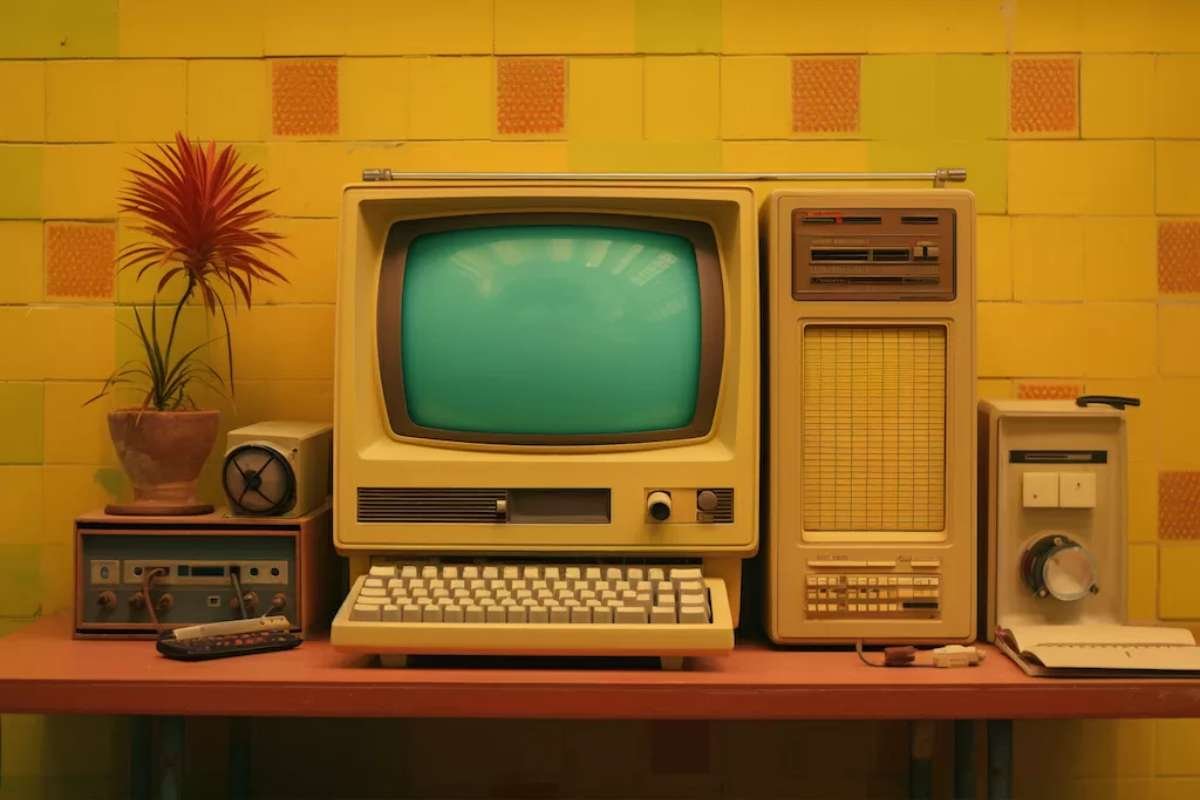
At the start of the decade, computers were still considered luxury items. Large, beige boxes sat proudly on desks, often shared by the entire family. Turning one on was a ritual: press the power button, listen to the whirring sound, and wait patiently as the system booted up.
The computer in 90s introduced millions to basic digital literacy. People learned how to use keyboards, mice, and command prompts before graphical interfaces became mainstream. Tasks like typing letters, managing household budgets, or playing simple games suddenly felt futuristic. Owning a computer was a statement; it meant you were ready for the future.
Operating Systems That Defined an Era
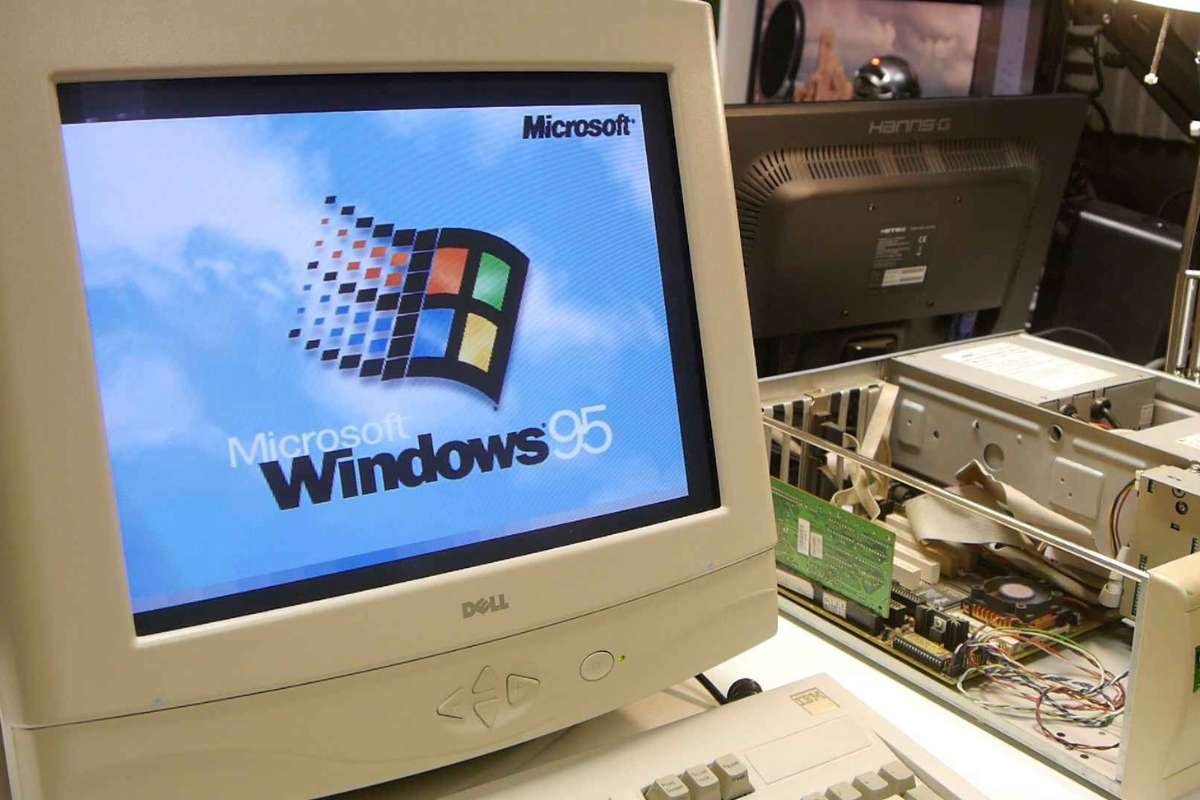
One of the most influential changes of the decade was the rise of user-friendly operating systems. Microsoft Windows evolved rapidly, moving from Windows 3.1 to the iconic Windows 95 and later Windows 98. These systems replaced complex text commands with clickable icons, making computers accessible to non-technical users.
For many, the computer in 90s became usable precisely because of these operating systems. The “Start” button, taskbar, and desktop icons turned a once-intimidating machine into something almost friendly. Apple, too, played its role with Macintosh computers, focusing on design and simplicity, particularly in creative industries like graphic design and publishing.
Hardware: Bulky, Slow, but Revolutionary
Compared to today’s sleek laptops and smartphones, 1990s computers were massive. CRT monitors were deep and heavy, CPUs took up serious desk space, and storage relied on floppy disks before CDs became common.
Yet, the computer in 90s felt powerful at the time. Pentium processors were a big deal, RAM was measured in megabytes, and a hard drive with 1 GB of storage felt limitless. Accessories like dot-matrix and inkjet printers, external speakers, and joysticks added to the excitement. Every hardware upgrade felt like a giant leap forward.
The Internet Arrives, Slowly
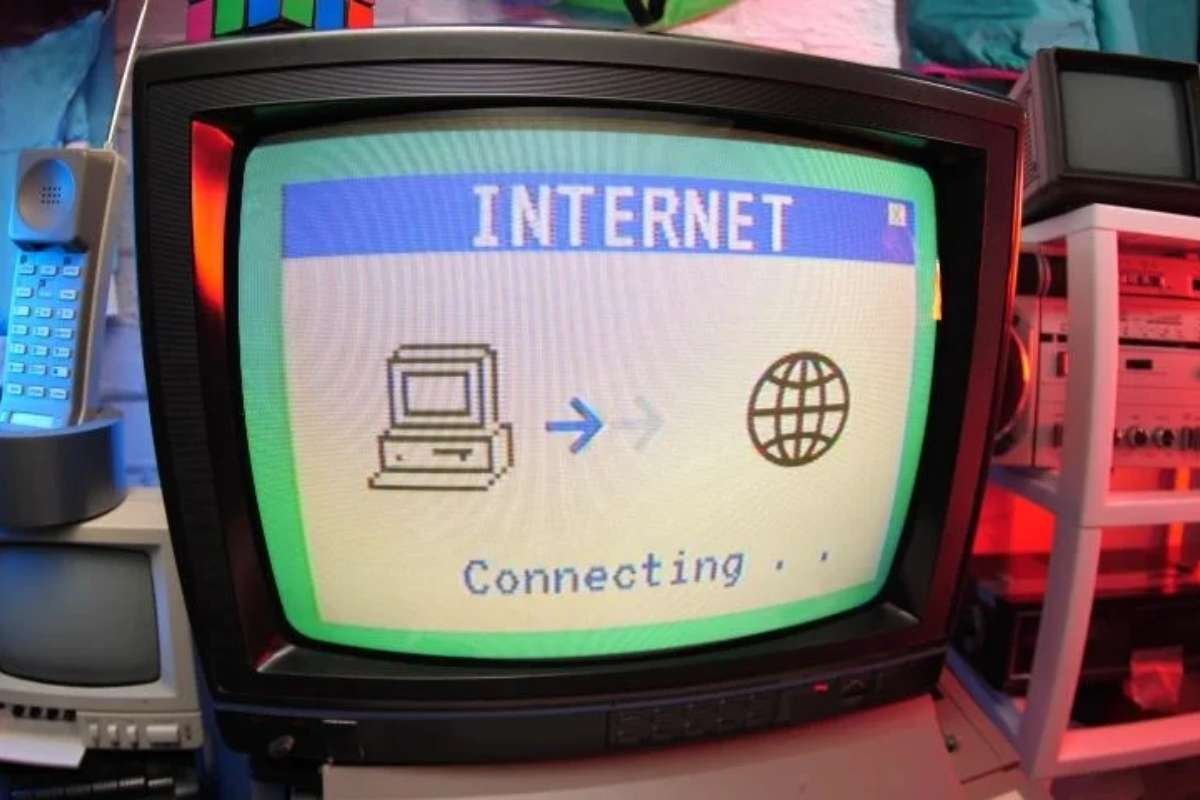
Perhaps the most defining moment of the decade was the arrival of the internet. Early connections relied on dial-up modems, producing that unforgettable screeching sound as they connected to the web. Browsing was slow, images loaded line by line, and phone lines stayed busy while online.
Still, the computer in 90s became the gateway to a whole new world. Email replaced handwritten letters, chat rooms introduced online socialization, and early websites sparked curiosity. Search engines like Yahoo and AltaVista helped users navigate the growing web, long before Google dominated the scene.
Education and Learning Go Digital
Schools and colleges slowly began adopting computers as teaching tools. Computer labs became common, and students were taught basic programming languages like BASIC and C. Typing classes replaced handwritten assignments, and educational software made learning more interactive.
For students, the computer in 90s opened doors to digital research through CD-ROM encyclopedias such as Encarta. Information that once required library visits could now be accessed in minutes. This shift laid the groundwork for today’s online learning platforms and digital classrooms.
Gaming and Entertainment Take a New Shape
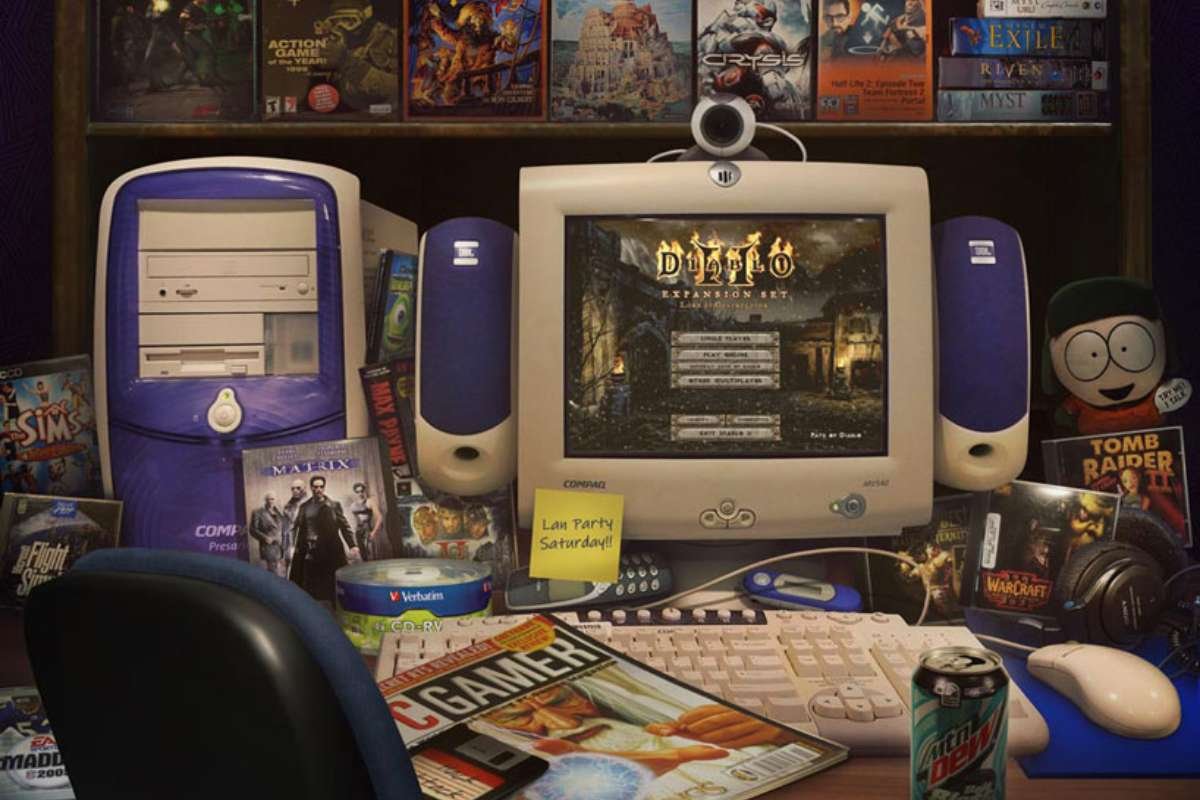
Entertainment in the 1990s saw a dramatic shift thanks to computers. Classic PC games like Doom, Prince of Persia, Age of Empires, and SimCity captured imaginations worldwide. These games weren’t just fun; they encouraged strategic thinking, problem-solving, and creativity.
Music and movies also found a new home on computers. MP3 files emerged in the late 90s, and CD-ROMs allowed users to experience multimedia content like never before. The decade proved that computers were not only tools for work but also powerful entertainment hubs.
Office Life and Productivity
In workplaces, computers transformed productivity. Word processors replaced typewriters, spreadsheets automated calculations, and email sped up communication. Businesses began storing data digitally, improving efficiency and organization.
The rise of office software suites meant that the computer in 90s became essential rather than optional. Employees had to adapt quickly, learning new tools that would define modern professional skills. This period marked the true beginning of the digital workplace.
Why the 1990s Computer Era Still Matters?
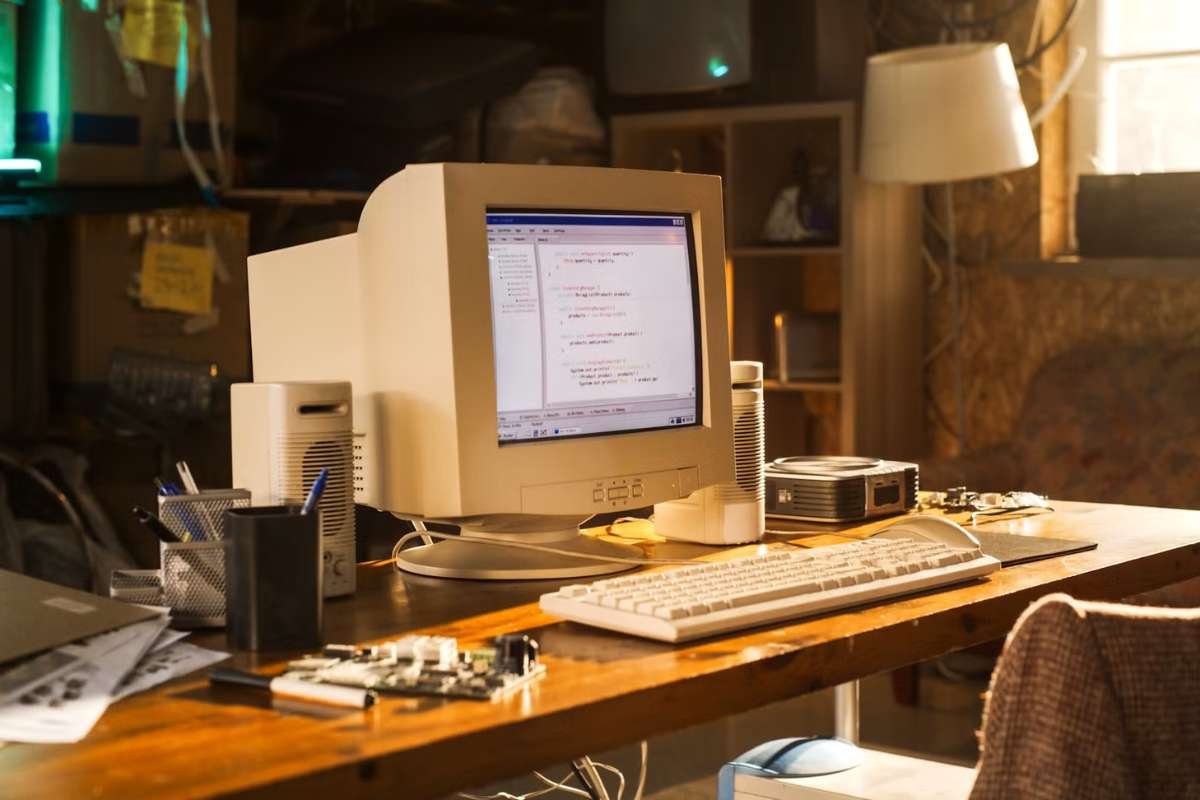
Looking back, the technology of the 1990s may seem outdated, but its impact is timeless. The habits formed during this decade, like typing, browsing, emailing, and gaming, are still part of our daily lives, just in more advanced forms.
The computer in 90s was the bridge between the analog past and the digital future. It taught an entire generation how to interact with machines, paving the way for smartphones, cloud computing, artificial intelligence, and beyond.
Final Thoughts
The 1990s were a time of discovery rather than convenience or speed. Every update was thrilling, every new feature felt magical. The computer evolved from a far-off technological idea to a close friend.
In many respects, the computer in 90s laid the groundwork for today’s digital world. Knowing that time period enables us to recognize how far technology has advanced and how a single decade subtly changed the course of history.