The greatest mysteries of Earth are found far below the surface, despite the planet appearing well-mapped from above. The deepest locations on Earth test our knowledge of geology, biology, and human endurance, from crushing ocean trenches to artificial boreholes that pierce the crust. These places serve as both records of depth and entry points to harsh environments where heat, darkness, and pressure redefine the boundaries of exploration and life.
The deepest places on Earth, both natural and man-made, are examined in this article. This shows what’s underneath and why science, climate research, and exploration in the future depend on these depths.
Why Depth Fascinates Scientists and Explorers?
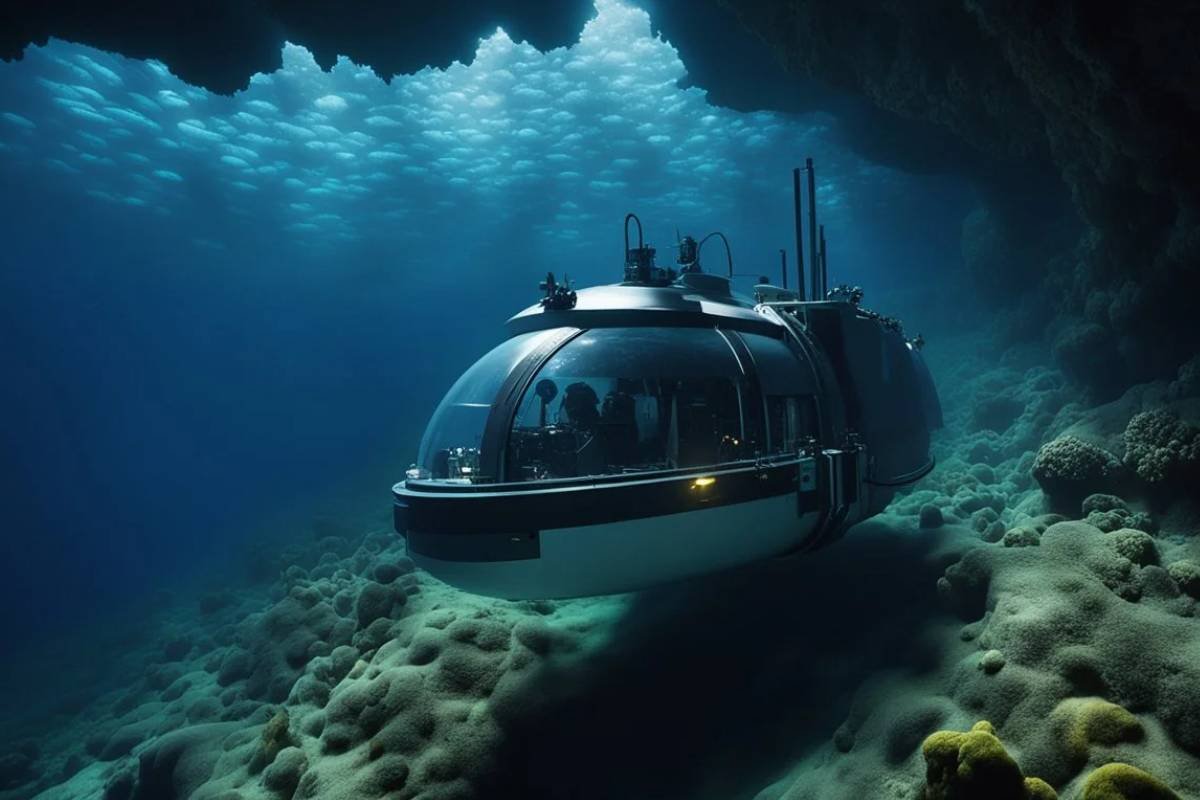
Depth is more than a number. As we descend deeper into the Earth or ocean, pressure increases dramatically, temperatures rise, and sunlight disappears. Each additional kilometer introduces new geological formations and, surprisingly, new forms of life.
Studying the deepest places helps scientists:
- Understand tectonic plate movement
- Learn how life survives in extreme conditions
- Predict earthquakes and volcanic activity
- Explore potential future resources
The fascination with the deepest places on earth comes from how little we truly know about our own planet compared to space.
Here Are Some of the Deepest Places on Earth:
1. The Mariana Trench – The Deepest Natural Point on Earth
- Location: Western Pacific Ocean
- Maximum Depth: 10,984 meters (36,037 feet)
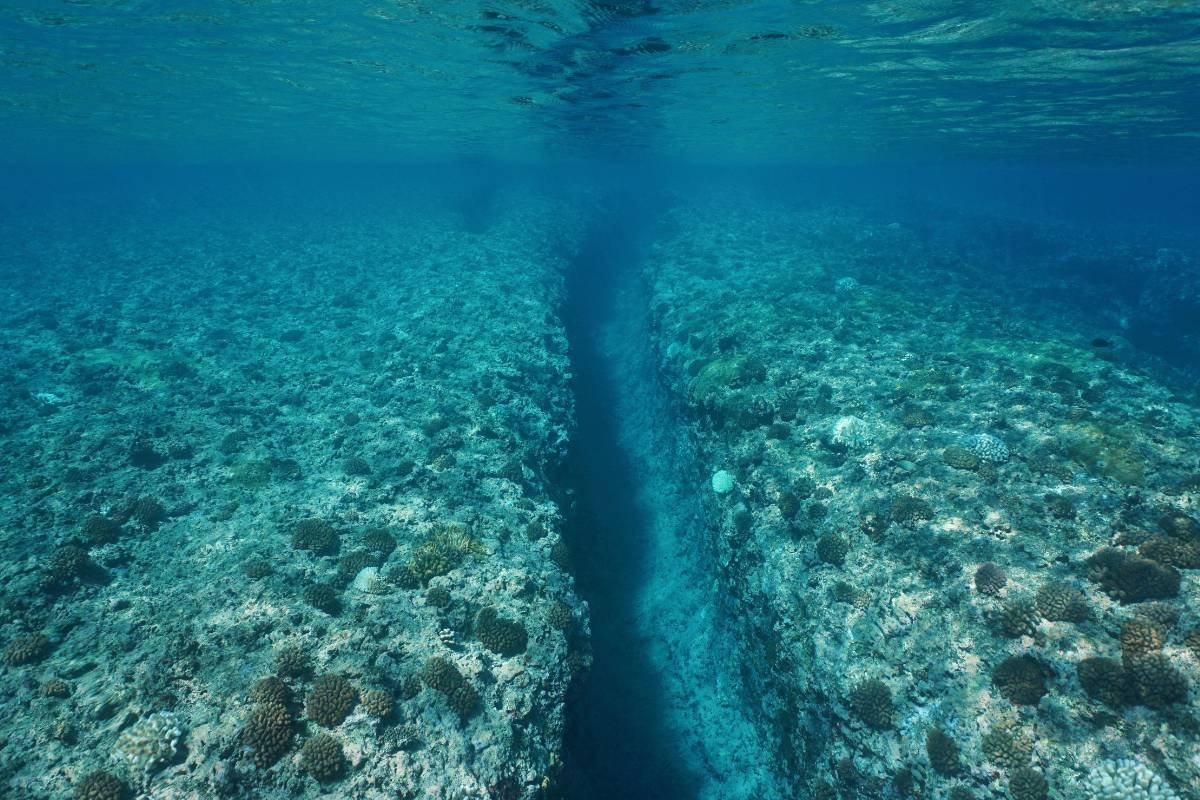
The Mariana Trench is the deepest known point on Earth’s surface. At the bottom, pressure exceeds 1,000 times atmospheric pressure, enough to crush most submarines instantly.
Despite these conditions, scientists have discovered:
- Microorganisms thriving in darkness
- Amphipods and snailfish adapted to extreme pressure
- Plastic pollution, highlighting human impact even at extreme depths
The Mariana Trench remains the most iconic of all the deepest places on Earth. Due to its unmatched natural depth.
2. Challenger Deep – The Ultimate Ocean Abyss
Within the Mariana Trench lies Challenger Deep, the single deepest known point in any ocean. Only a handful of humans have ever reached it, including filmmaker James Cameron in 2012.
What makes Challenger Deep remarkable:
- Total darkness year-round
- Near-freezing temperatures
- Immense pressure that reshapes biology
Its exploration has redefined marine science and proves that even the planet’s deepest points are not lifeless.

Looking For Serenity by Sea? Find That in These Hidden Beaches Around the World.
In this article, we will explore a few hidden beaches that are best for people seeking peace by the seashore. We will mention the best time you can visit the hidden ocean sides, along with things to do.
3. Tonga Trench – A Close Second in Ocean Depth
- Location: South Pacific Ocean
- Depth: 10,882 meters (35,702 feet)
The Tonga Trench rivals the Mariana Trench and is geologically active, sitting near a subduction zone where tectonic plates collide. This makes it vital for studying earthquakes and deep-sea volcanism.
Though less famous, it plays a crucial role in understanding the structural forces shaping the deepest places on earth.
4. Kola Superdeep Borehole – The Deepest Man-Made Hole
- Location: Russia
- Depth: 12,262 meters (40,230 feet)
The Kola Super Deep Borehole is the deepest artificial point humans have ever reached. Unlike ocean trenches, this depth was achieved by drilling into the Earth’s crust over several decades.
Unexpected discoveries included:
- Water trapped deep within rock
- Higher-than-expected temperatures
- Fossilized microorganisms at extreme depths
This project reshaped assumptions about Earth’s interior and remains one of humanity’s most ambitious geological experiments.
5. Krubera Cave – The Deepest Known Cave on Land

- Location: Georgia (Caucasus Mountains)
- Depth: 2,197 meters (7,208 feet)
Krubera Cave, also known as Voronya Cave, is the deepest explored cave system on Earth. Unlike trenches or boreholes, caves are explored vertically by humans using ropes and technical climbing.
Its significance lies in:
- Studying underground water systems
- Understanding karst geology
- Testing human endurance in extreme subterranean environments
Among land-based formations, it stands as one of the Deepest places on earth.
Read More:
6. Lake Baikal – The Deepest Freshwater Lake
- Location: Siberia, Russia
- Depth: 1,642 meters (5,387 feet)
Lake Baikal holds nearly 20% of the world’s unfrozen freshwater. It is also one of the oldest lakes on Earth, estimated at over 25 million years old.
Unique features include:
- Thousands of endemic species
- Natural methane gas vents
- Remarkable clarity and depth
Baikal proves that depth doesn’t only exist in oceans or rock but also in life-sustaining freshwater systems.
Why These Deepest Places Matter Today?
The Deepest places on earth are not just geographical curiosities. They are critical to:
- Climate modeling and ocean circulation
- Understanding extremophiles that may resemble extraterrestrial life
- Monitoring pollution at a global scale
- Advancing deep-sea and underground technology
As technology improves, these regions will continue to offer insights into Earth’s past and clues about life beyond our planet.
Conclusion:
Only half of the story is revealed by the Earth’s surface. Beneath it are man-made holes that push the boundaries of technology, caverns that descend into darkness, and trenches deeper than Mount Everest. Learning about the deepest places on earth serves as a reminder of how big, strong, and mostly uncharted our planet is.
The greatest frontier may still be far below our oceans and beneath our feet, even in this era of satellites and space travel.
Thank You for Reading!
Learn More
The Busiest Beach in the World: An Escape to Vibrant Shores