
Key Points:
- Evelyn Griffin appointment triggers debate as her vaccine-skeptical views shape Louisiana’s new public health direction.
- Her past criticism of vaccine schedules and mandates makes her a polarizing choice.
- Experts fear reduced immunization rates, while supporters say she champions medical freedom.
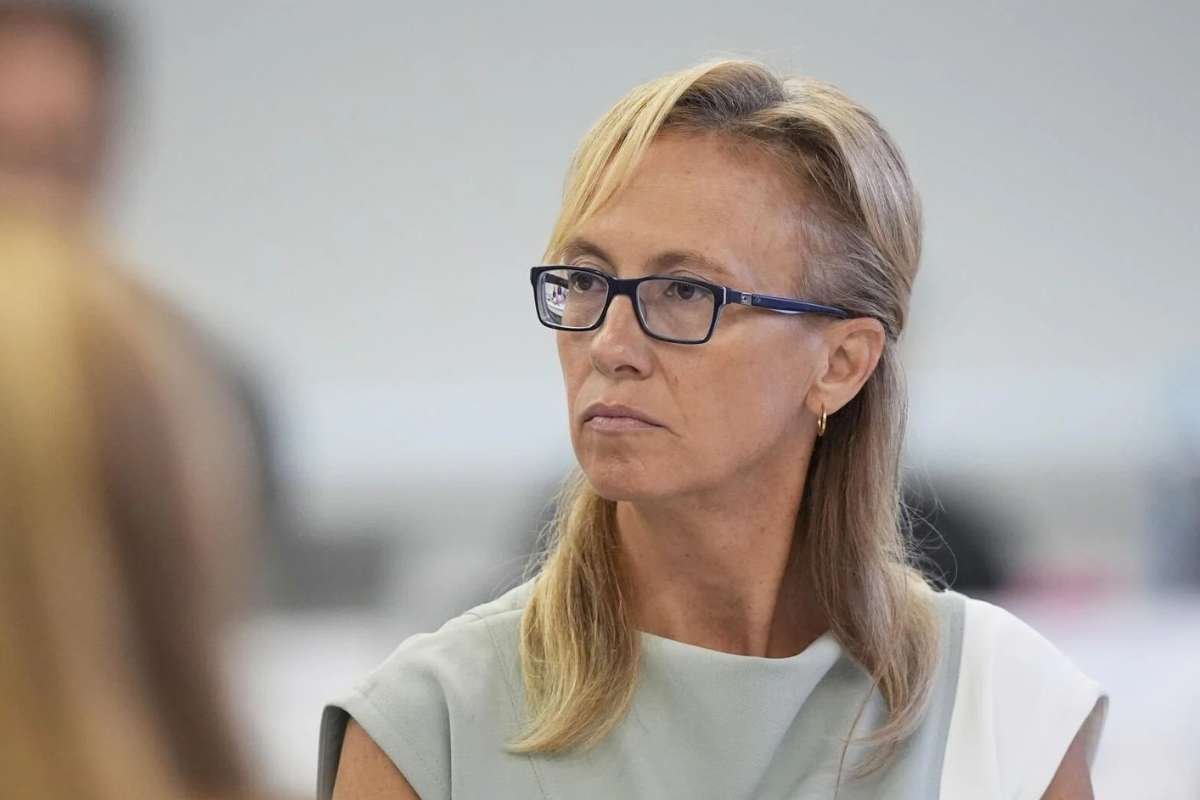
Louisiana has entered a new chapter in its public health leadership following the appointment of Dr. Evelyn Griffin as the state’s Surgeon General. The decision, announced by Governor Jeff Landry, has drawn immediate attention due to Griffin’s outspoken views on vaccines and her alignment with conservative healthcare positions. The Baton Rouge–based obstetrician-gynecologist replaces the previous officeholder as part of the administration’s broader effort to reshape the state’s public health approach.
The governor’s office described the Evelyn Griffin appointment as a move toward restoring trust between doctors and patients, emphasizing Griffin’s clinical experience and commitment to medical autonomy. Officials maintained that the new leadership is intended to reduce what the administration sees as overreach in public health decision-making and to place a stronger emphasis on individual choice in medical care.
Track Record of Vaccine Skepticism and Policy Stances
Griffin’s past public statements and advisory roles have placed her at the center of heated debate. She has previously raised concerns about standard childhood immunization schedules and has expressed skepticism about the universal administration of certain vaccines, particularly those given shortly after birth. Her stance has been widely discussed in medical and policy circles, especially after she supported revisions to long-standing recommendations related to the timing of the hepatitis B vaccine for newborns.
She has also questioned the safety of certain vaccine components and has called for more extensive reviews of their long-term effects. These positions have aligned with a growing political and social movement that advocates for parental choice and expanded “informed consent” in childhood immunizations. During past public hearings, Griffin criticized pandemic-era mandates and argued that government-enforced health policies were excessive, statements that were met with strong opposition from public health experts at the time.
Her background in maternal and reproductive health, coupled with her strong viewpoints on public health regulation, has made the Evelyn Griffin appointment one of the more polarizing figures to take on the state’s top health role in recent years.
Reactions, Risks, and the Future of Louisiana’s Health Policy
The Evelyn Griffin appointment has sharply divided stakeholders across Louisiana and beyond. Public health organizations and pediatric specialists have expressed concern that the move could weaken vaccination outreach and lower immunization rates, particularly among children and vulnerable populations. Many experts fear that altering established vaccine timelines could increase the risk of preventable disease outbreaks and strain healthcare systems already managing multiple public health challenges.
At the same time, supporters of the appointment have praised the governor’s decision, arguing that Griffin represents a long-overdue shift toward medical freedom and patient-centered care. Advocates say her leadership may bring greater transparency to health guidance and empower families to make decisions without what they perceive as institutional pressure.
As Griffin takes on her new responsibilities, the state’s healthcare community is closely watching how the Evelyn Griffin appointment will influence public health programs, vaccination policies, and trust in medical institutions. With both strong support and strong resistance surrounding her appointment, Louisiana’s public health direction now stands at a critical crossroads, with long-term implications for patient care, disease prevention, and statewide health stability.
Visit CIO Women Magazine to read more.