
The way people travel across continents has been completely changed by modern aviation. Thanks to modern aircraft technology and effective flight paths, journeys that used to take weeks by ship can now be finished in less than a day. The Longest Flight in the World, a nonstop voyage that pushes the boundaries of engineering, endurance, and logistics, is one of the most remarkable aviation accomplishments.
Cities separated by enormous oceans and thousands of miles are connected by ultra-long-haul flights. They are intended to shorten travel times, do away with layovers, and give travelers a straight route between international hubs. These flights, which call for specialized aircraft, meticulously planned crew rotations, and highly optimized routes, are also the height of aviation planning.
Airlines have pushed the limits even farther in recent years. Routes are becoming longer than ever, thanks to new aircraft with better fuel economy and passenger comfort. These flights offer travelers the chance to travel half the world without touching the ground, making them both an adventure and a challenge.
What Is the Longest Flight in the World?
The Longest Flight in the World is currently operated by Singapore Airlines on its route between Singapore and John F. Kennedy International Airport in New York City.
This nonstop flight covers approximately 9,500 miles (15,300 km) and takes around 18 to 19 hours, depending on weather conditions and air traffic. The route is operated using the ultra-efficient Airbus A350-900ULR (Ultra Long Range), an aircraft specifically designed for extremely long distances.
Key facts about the route:
- Distance: 9,500 miles
- Average flight time: 18–19 hours
- Aircraft: Airbus A350-900ULR
- Airline: Singapore Airlines
- Route: Singapore to New York (JFK)
This aircraft has been configured with fewer seats to allow additional fuel capacity and improved passenger comfort. The cabin also features enhanced humidity levels, larger windows, and improved lighting to reduce jet lag.
Top 15 Longest Flights in the World
Ultra-long-haul routes are growing as airlines compete to connect distant global cities directly. Here are some of the longest commercial flights currently operating worldwide.
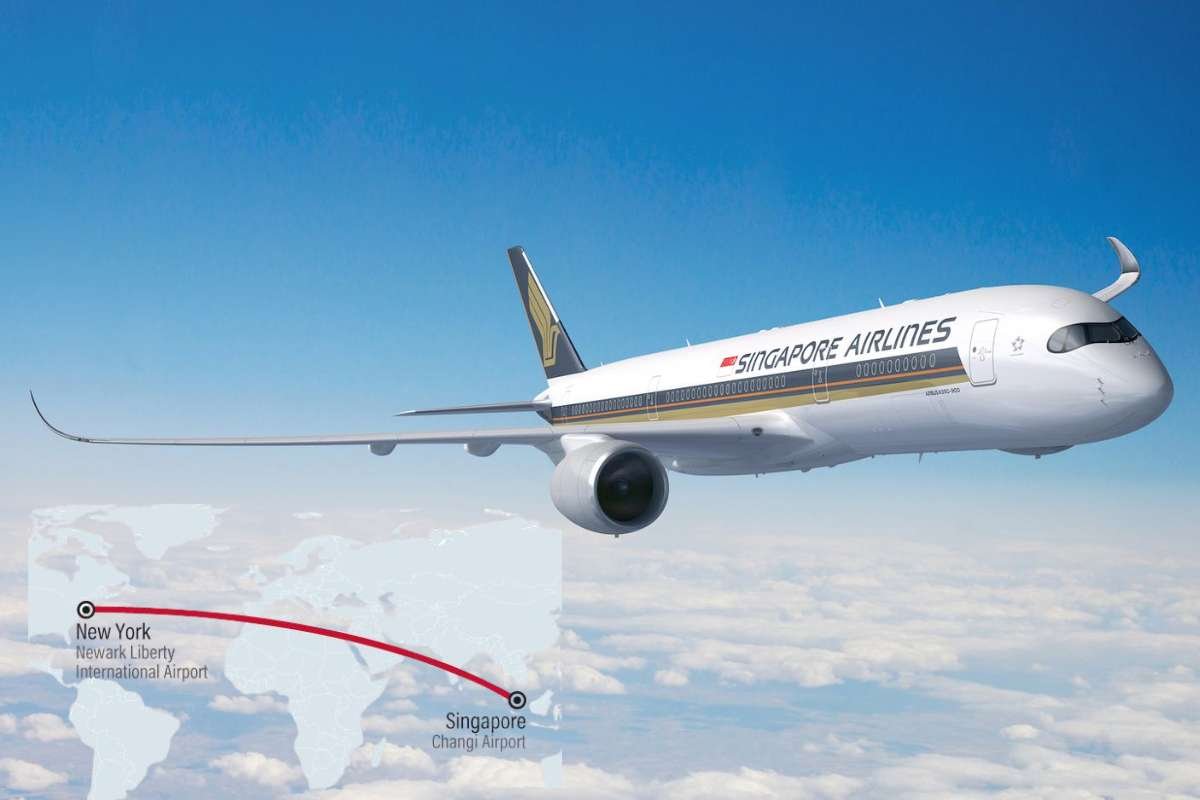
- Singapore – New York (JFK) – Operated by Singapore Airlines
- Singapore – Newark – Also operated by Singapore Airlines
- Perth – London – Operated by Qantas
- Melbourne – Dallas – Qantas
- Auckland – New York – Operated by Air New Zealand
- Doha – Auckland – Operated by Qatar Airways
- Dubai – Auckland – Operated by Emirates
- Los Angeles – Singapore – Singapore Airlines
- San Francisco – Bangalore – Operated by Air India
- New York – Auckland – Air New Zealand
- Houston – Sydney – United Airlines
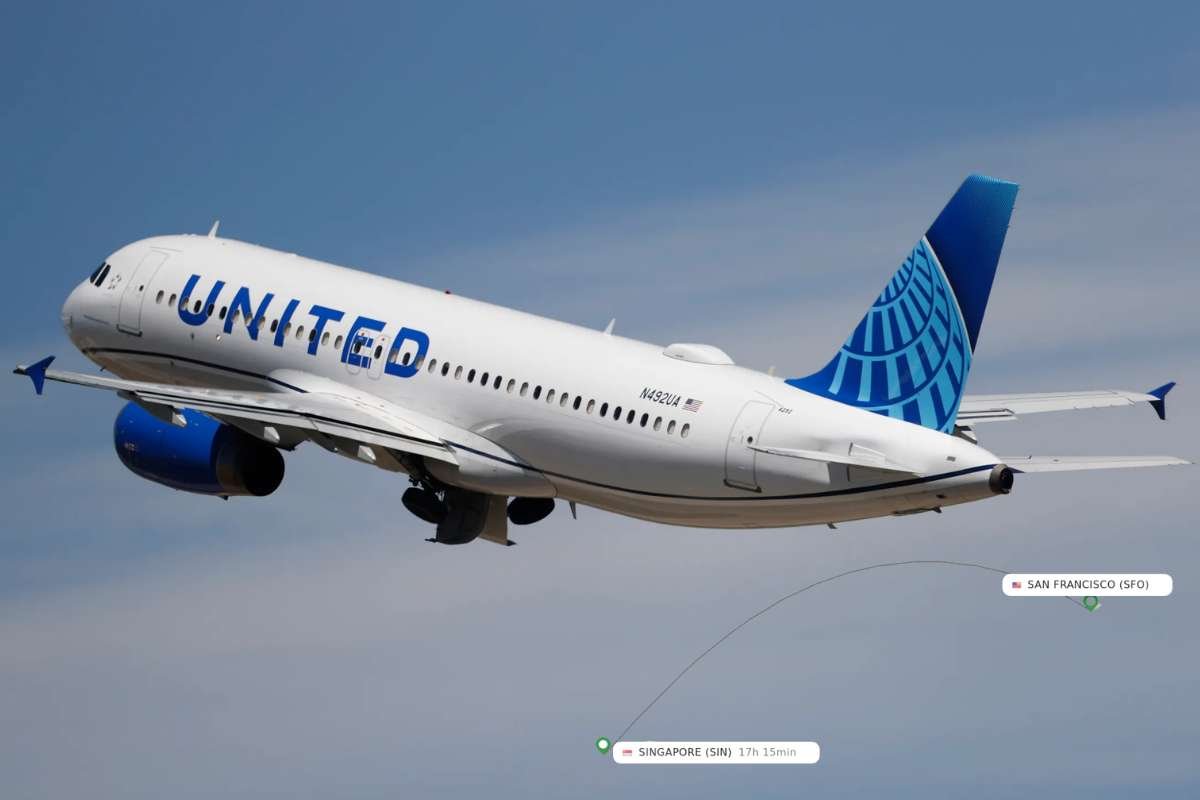
- San Francisco – Singapore – United Airlines
- 13. Doha – Los Angeles – Qatar Airways
- 14. Dubai – Los Angeles – Emirates
- 15. Toronto – Sydney – Air Canada (seasonal ultra-long route)
These routes often cross multiple time zones and oceans, making them among the most technically demanding flights in the aviation industry.
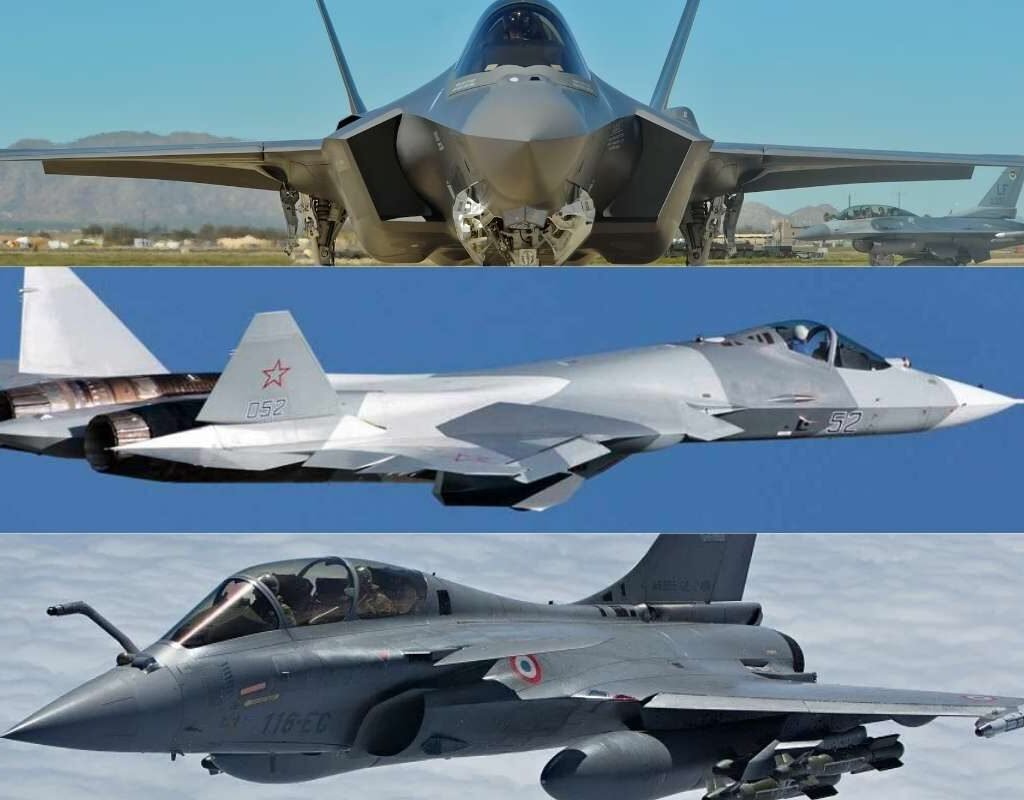
Best Fighter Jets in the World: Top Modern Aircraft Redefining Air Superiority
From stealth capabilities, supersonic performance, and unrivaled firing capabilities, the best fighter jets in the world today are remarkable applications of modern science and engineering to ensure superior capability over land, air, sea, and space.
How Pilots and Crew Manage 18+ Hour Flights?
Operating flights that last nearly an entire day requires meticulous planning and strict safety protocols. Airlines deploy multiple pilots and cabin crew members to ensure everyone remains rested and alert.
1. Multiple Pilot Rotations
Ultra-long flights usually have three or four pilots onboard. They take turns flying while others rest in designated crew bunk areas.
2. Specialized Crew Rest Areas
Aircraft like the Airbus A350 include hidden crew rest compartments above or below the passenger cabin. These areas allow pilots and flight attendants to sleep during their scheduled breaks.
3. Careful Meal and Hydration Planning
Cabin crews encourage passengers to drink water frequently and serve meals at strategic times to align with destination time zones.
4. Advanced Flight Monitoring
Modern aircraft systems constantly monitor weather, fuel efficiency, and aircraft performance to ensure the safest and most efficient route.
These operational strategies help ensure safety even during extremely long journeys across the globe.
History of the Longest Flights
The evolution of ultra-long-haul flights has been driven by advances in aircraft technology.
In the early days of aviation, long-distance travel required several stops for refueling. Aircraft simply lacked the range needed for nonstop intercontinental flights.
The game changed with wide-body aircraft like the Boeing 747 and later the Boeing 777, which introduced longer ranges and higher passenger capacity.
One historic milestone occurred in 2004, when Singapore Airlines launched the first Singapore-to-Newark nonstop route using the Airbus A340-500. At the time, it became the Longest Flight in the World, lasting over 18 hours.
However, due to fuel costs and operational challenges, that route was temporarily discontinued in 2013. It returned in 2018 with the more efficient Airbus A350-900ULR, reclaiming the record for commercial aviation.
Future Longest Flights
The race for even longer nonstop routes is far from over. Airlines continue to explore new possibilities as aircraft technology improves.
One of the most ambitious projects is Project Sunrise by Qantas. This initiative aims to launch nonstop flights connecting:
- Sydney to London
- Sydney to New York City
These flights could last 20 hours or more, potentially creating a new Longest Flight in the World once they enter commercial service later this decade.
The aircraft expected to operate these routes is the advanced Airbus A350-1000, specially modified for ultra-long-haul missions. The design includes wellness zones, larger cabins, and innovative lighting to reduce travel fatigue.
If successful, these routes could redefine global travel by making almost any two cities reachable without a layover.
Tips for Surviving Ultra-Long-Haul Flights:
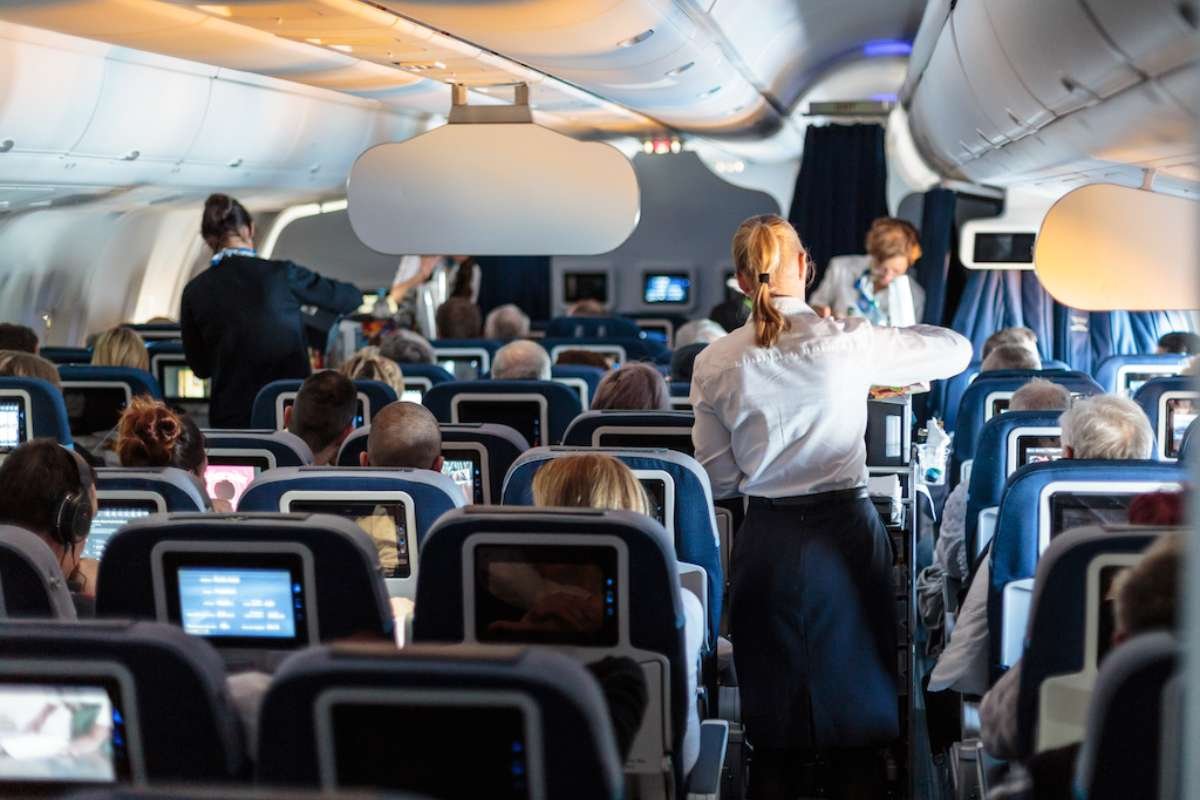
Flights lasting nearly a full day can be physically demanding. However, a few smart strategies can make the experience far more comfortable.
1. Stay Hydrated
Cabin air is extremely dry. Drink plenty of water and avoid excessive caffeine or alcohol.
2. Move Around Regularly
Stand up and stretch every couple of hours to improve circulation and reduce the risk of stiffness.
3. Choose the Right Seat
Seats near the aisle make it easier to move around during long flights.
4. Sleep Strategically
Try to align your sleep schedule with your destination’s time zone to reduce jet lag.
5. Bring Comfort Essentials
Travel pillows, noise-canceling headphones, and eye masks can significantly improve rest during long journeys.
Final Thoughts
With longer, faster, and more efficient flights, the aviation sector keeps pushing the envelope. Once-impossible routes are now included in regular airline schedules, providing uninterrupted connectivity between far-flung regions of the globe.
More than just a record, The Longest Flight in the World symbolizes the astounding advancements in contemporary aviation technology and worldwide connectivity. Travelers may soon encounter nonstop flights lasting more than 20 hours as airlines experiment with new routes and aircraft become more sophisticated.
These ultra-long-haul flights demonstrate to adventure seekers, aviation enthusiasts, and frequent travelers just how far and how quickly human innovation can take us.