
Key Takeaway:
- Mira Murati exposed OpenAI’s internal leadership tensions.
- Musk claims OpenAI abandoned its nonprofit mission.
- The trial could redefine future AI regulation and governance.
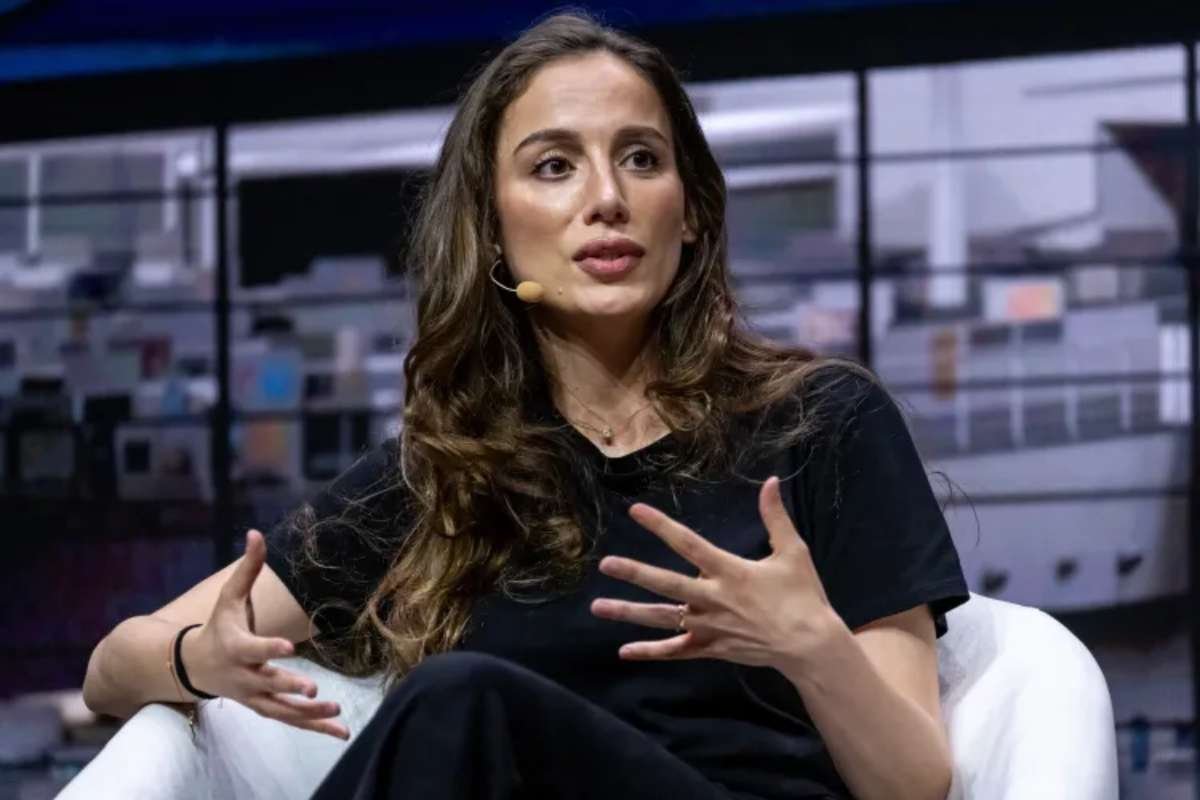
The ongoing legal battle between Elon Musk and OpenAI CEO Sam Altman has taken a dramatic turn after former OpenAI Chief Technology Officer Mira Murati testified about internal conflicts and leadership concerns within the company. Her statements have provided one of the clearest public insights yet into the tensions that shaped OpenAI during a critical phase in its rapid rise as a global artificial intelligence leader.
Murati told the court that Altman’s leadership style often created confusion among senior executives and contributed to growing distrust within the company’s leadership team. According to her testimony, communication problems and disagreements over transparency became increasingly serious as OpenAI expanded its influence and accelerated the development of advanced AI systems.
One of the key incidents discussed in court involved the approval process for a major AI model. Murati claimed she had been informed that OpenAI’s legal department determined the model did not require review by the company’s internal safety board. However, she later discovered that the legal team had not provided such guidance. Murati stated that the episode damaged her confidence in the company’s decision-making process and raised concerns about leadership accountability.
Her testimony also revisited the dramatic events of late 2023, when Altman was temporarily removed as OpenAI’s CEO before returning to the role only days later, after strong employee and investor support. During that chaotic period, Murati briefly served as interim CEO while the company faced uncertainty over its future direction. She acknowledged that despite concerns surrounding Sam Altman’s management approach, she supported his reinstatement because she feared OpenAI could become unstable without consistent leadership.
The courtroom revelations have reignited discussions around OpenAI’s internal culture, governance structure, and how power is managed inside one of the world’s most influential AI companies. The testimony has also highlighted the intense pressure executives faced as OpenAI transformed from a research-focused organization into a dominant force in the global AI race.
Musk Challenges OpenAI’s Shift Toward Commercialization
The lawsuit filed by Elon Musk centers on allegations that OpenAI abandoned the nonprofit principles on which it was originally founded. Musk, who co-founded the organization and helped fund its early operations, argues that OpenAI was created to develop artificial intelligence for the benefit of humanity rather than for corporate profit.
According to Musk’s legal team, OpenAI gradually shifted away from its original mission after securing major partnerships and financial backing tied to large-scale commercial growth. The case specifically focuses on the company’s increasingly close relationship with Microsoft, which invested billions of dollars into OpenAI and integrated its AI technologies into multiple products and services.
Musk claims the organization evolved into a profit-driven enterprise focused on market dominance rather than public benefit. OpenAI has strongly denied those allegations, maintaining that commercial partnerships are necessary to fund the enormous infrastructure, computing power, and research required to develop advanced AI systems responsibly.
The Mira Murati company has also argued that Musk himself previously sought greater influence over OpenAI before eventually distancing himself from the organization. As the trial progresses, both sides continue presenting competing visions of what OpenAI was originally intended to become and whether it remained faithful to those goals.
Beyond the corporate dispute, the case has evolved into a larger debate about the future governance of artificial intelligence. Legal experts and industry analysts believe the outcome could influence how AI companies are regulated, funded, and supervised in the coming years.
The trial has also raised broader concerns regarding AI safety, accountability, and the concentration of technological power. Experts involved in discussions surrounding the case have warned that increasingly advanced AI systems could create major social and economic disruptions, including misinformation, job displacement, and ethical risks if left without strong oversight.
Landmark Trial Could Shape the Future of Artificial Intelligence
The Musk vs. Altman courtroom battle is now being viewed as one of the most significant legal confrontations in the technology industry. Observers believe the final ruling could have lasting consequences for OpenAI and for the broader artificial intelligence sector.
If the court determines that OpenAI violated commitments connected to its founding nonprofit mission, the decision could force major AI companies to reconsider how they balance ethical responsibilities with commercial ambitions. It may also encourage governments and regulators to introduce stricter oversight frameworks for advanced AI development.
The case additionally reflects how rapidly the AI industry has evolved over the past few years. Under Altman’s leadership, OpenAI launched groundbreaking technologies such as ChatGPT and GPT-4, helping trigger the global generative AI boom and intensifying competition among major technology firms.
At the same time, Mira Murati’s rivals, including Google, Anthropic, and Musk’s own AI venture xAI, continue racing to dominate the next phase of artificial intelligence innovation. Testimony during the proceedings suggested that competitors actively attempted to recruit OpenAI employees during moments of instability, underlining how valuable experienced AI talent has become.
As testimony continues, the trial is exposing the leadership struggles, philosophical disagreements, and governance challenges behind one of the most powerful companies in artificial intelligence. Mira Murati began as a dispute between former collaborators, but it has now become a defining legal battle that could influence the future direction of AI development across the world.