

Sports bring people together around the World. Whether it’s Football in Europe, cricket in India, or basketball in the United States, billions of fans follow different games depending on where they live. The most famous sports in the World have changed over the years, with some growing much faster than others. New sports are gaining attention, women’s sports are receiving greater investment, and younger audiences are watching games on phones rather than TV. Understanding which sports attract the most followers helps fans, sponsors, and media spot emerging opportunities.
What makes a sport truly famous depends on several factors. Fan count is essential, but so are the amounts companies spend on sponsorships, the number of people who actually play the game, and the extent to which people discuss it on social media. The biggest and most famous sports in the World also have major tournaments that attract millions of viewers. Sports consumption has shifted, new data shows unexpected growth, and technology is transforming how people watch and play in 2025.
This article outlines the top 15 sports by global following, highlighting fan numbers, regional preferences, and the revenue generated by each sport.
15 Most Famous Sports in the World and Their Massive Audience
The ranking of the most famous sports in the World depends on several factors, including fan count, sponsorship revenue, and global participation. Over recent years, these rankings have shifted as new sports have gained audiences and traditional games have found success in different regions. Here are the 15 most famous sports by global following in 2025.
1: Football (Soccer) – 3.5 to 4 Billion Fans
Football has a way of showing up wherever you go. Bring up rival clubs, though, and suddenly the calmest fans are ready for a “friendly brawl.” With 208 countries fielding teams in official competitions, the sport reaches audiences across economic classes and cultural backgrounds. Its simplicity—requiring only a ball and an open space- explains the universal adoption that dates back to early forms played in ancient China and evolved into modern rules by the 19th century in England.
Global tournaments drive massive viewership. The FIFA World Cup drew 5 billion viewers in 2022, with 1.5 billion tuning in for the final match alone. The UEFA Champions League, Copa América, and continental championships consistently maintain high engagement throughout the year. Social media amplifies reach, with Football generating 249 billion TikTok videos, making it the most digitally engaged sport globally. Sponsorship revenue exceeds $ 15 billion annually, with corporate partnerships spanning apparel, beverage, and technology companies.
Women’s football accounts for 39 percent of all women’s sports revenue, reflecting genuine investment in female athletes and equal prize distributions. Regional preferences vary slightly—the sport faces competition from American Football and basketball in the United States, yet remains unmatched elsewhere. South América treats Football with cultural reverence, while Africa and Asia embrace it as the primary sporting focus.
2: Cricket – 2.5 to 3 Billion Fans
Cricket has a massive fan base primarily in South Asia, where it functions almost as a national obsession in India, Pakistan, and Bangladesh. The 2023 ICC World Cup final between India and Australia generated 87.6 billion viewing minutes globally, demonstrating the depth of engagement when these nations compete.
The sport offers three distinct formats serving different audiences. Test cricket retains its traditional appeal, with matches lasting multiple days. One-Day Internationals compact the action into 50 overs per side, spreading games across a single day. Twenty20 formats compress everything into three-hour contests, capturing younger viewers and casual fans. The Indian Premier League franchise model transformed cricket into a global entertainment product valued at billions of dollars, establishing a template that other sports now emulate.
Cricket’s growth stems from expanding broadcast rights, increased sponsorship investment reaching $ 2.5 billion, and franchise leagues extending the sport beyond traditional markets. Women’s cricket has gained significant momentum, with dedicated tournaments drawing millions. With deep roots in Asia, Australia, and the Caribbean, and a growing presence in Europe, cricket remains one of the most renowned sports in the World.
3: Basketball – 2.2 to 2.4 Billion Fans
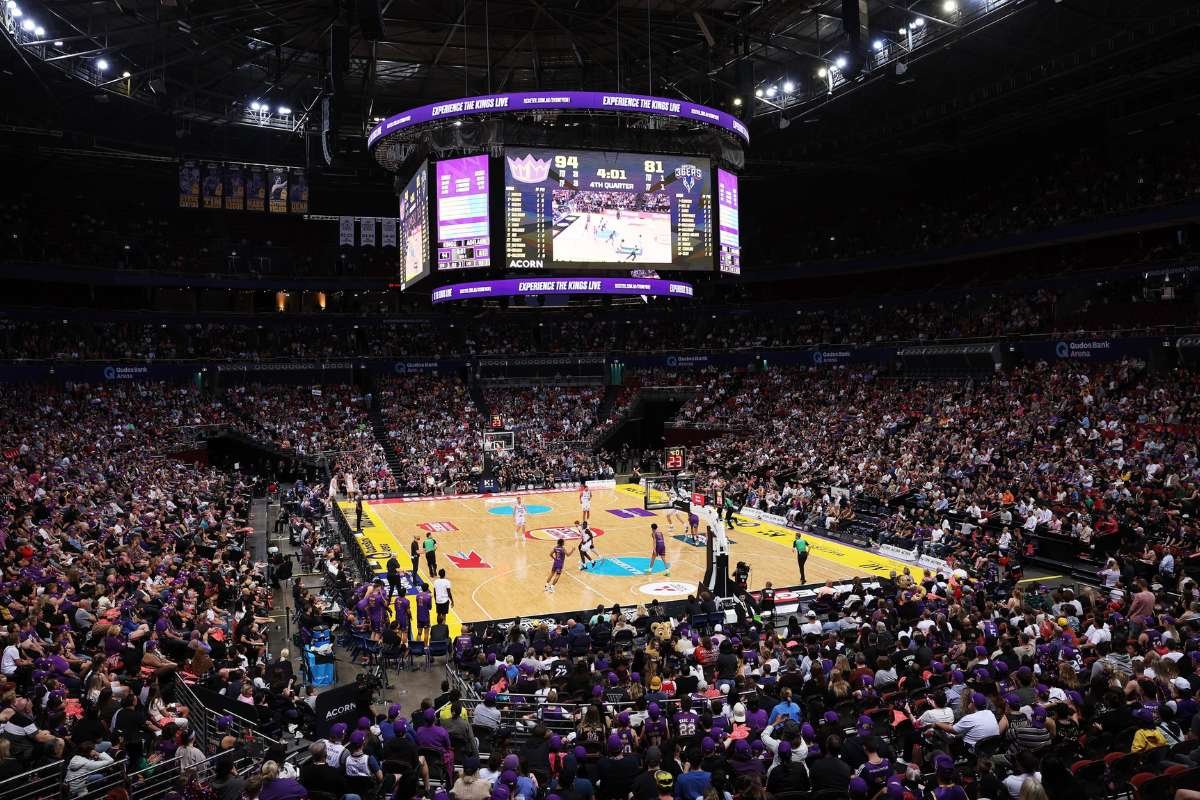
Basketball has surpassed previous estimates, now securing the third position among the most famous sports in the World. The NBA averages 1.5 million viewers per game, despite cord-cutting trends, while total league revenue exceeds $ 10 billion through broadcasting, sponsorships, and merchandise sales. Young audiences are drawn to basketball, with NBA content generating 15 billion TikTok views annually.
International expansion has transformed basketball into a genuine global competition. Players from Europe, Africa, Asia, and South América compete at elite levels. China, the Philippines, France, and Eastern Europe maintain passionate fan bases rivaling traditional strongholds. The sport appeals particularly to Philippine audiences, where 75 percent of sports fans follow basketball, making it locally more popular than Football.
Female athletes have significantly narrowed the earning gaps with men. WNBA revenue grew 48 percent between 2022 and 2024. Equal media coverage and sponsorship parity attract expanding audiences. The sport’s fast pace, consistent scoring, and individual star power maintain engagement across demographics.
4: Hockey (Field and Ice Combined) – 2 Billion Fans
Hockey splits into two distinct audiences, despite sharing a fundamental appeal. Field hockey boasts 1.2 billion followers, powerful in India, the Netherlands, and Australia, yet remains underrepresented in Western media coverage. The sport moves at a blistering pace, with tactical depth appealing to serious enthusiasts. World Cup tournaments attract 368 million viewers.
Ice hockey commands 800 million followers primarily in Canada, Russia, and Scandinavian countries. The sport serves as a cultural identity in these regions, particularly in Canada, where it holds quasi-religious status. The NHL generates substantial revenue while expanding into non-traditional markets, such as Arizona and Las Vegas. The Winter Olympics provide the sport with consistent international exposure.
Combined, hockey represents one of the most famous sports in the World, yet it remains a sporting category that’s heavily concentrated in specific regions.

Economics of Women’s Sports: Economic Empowerment and Opportunities
This article delves into how women’s sports contribute to economic growth, empower athletes, and shape future opportunities.
5: Tennis – 1.0 to 1.5 Billion Fans
Tennis appeals across the socioeconomic spectrum and geography in a way few sports can match. The four Grand Slam tournaments, Australian Open, French Open, Wimbledon, and US Open, attract approximately 2 billion combined viewers annually. Wimbledon alone drew 36 million viewers in 2024, maintaining its status as the sport’s most prestigious event since its inception in 1877.
The sport pioneered gender equality in professional sports, with Grand Slams offering identical prize money to male and female champions. This commitment attracts sponsors and broadcasters. Individual rivalries drive viewership, and emerging talents like Jannik Sinner and Coco Gauff appeal to younger demographics. Social media performs exceptionally well, with Tennis trending consistently across platforms. The sport maintains a year-round tournament presence, providing sponsors with consistent opportunities for engagement and brand exposure.
Tennis ranks among the most famous sports in the World due to its unique blend of accessibility, individual star power, and global geographic representation.
6: Volleyball – 900 Million to 1 Billion Fans
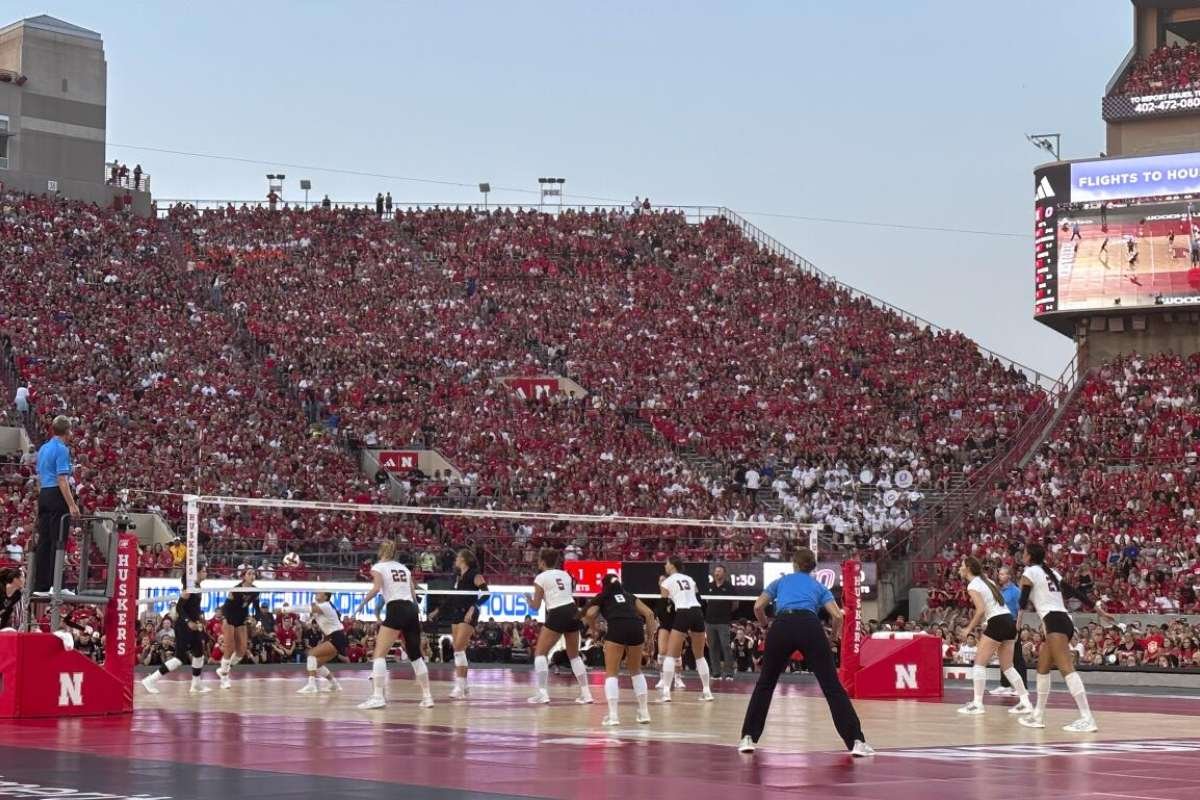
Volleyball claims approximately 900 million followers with rapidly expanding viewership, particularly in Europe, Asia, and Latin América. The sport emphasizes teamwork while remaining accessible, requiring minimal equipment and playable in numerous settings, from beaches to parks to indoor facilities. This accessibility drives participation numbers exceeding 800 million casual players globally.
Beach volleyball has become a global phenomenon, particularly since its integration into the Olympic Games. The sand sport appeals to younger demographics and casual audiences who might not follow indoor volleyball. Turkey, Brazil, and China maintain exceptionally passionate fan bases. Women’s volleyball viewership has surged, with the recent World Championship finals drawing a record 10 million viewers. The sport benefits from consistently high-quality international competition, without regional dominance, unlike some other sports.
7: Table Tennis – 850 Million Fans
Table tennis claims 300 million active players globally, the highest participation rate of any sport, yet receives modest mainstream media attention. The sport’s accessibility, playable in offices, schools, and community centers with minimal space, explains its extraordinary grassroots following. In China, table tennis carries cultural significance comparable to that of Football elsewhere, producing national stars who are treated as celebrities.
The World Table Tennis Championships attracts approximately 1 billion viewers across broadcast and digital platforms. The World Table Tennis Tour secured $ 1 billion in broadcasting deals in 2025. Professional players like Fan Zhendong and Wang Manyu command significant endorsement earnings. Tech innovations, including smart paddles and AI coaching apps, modernize the sport, attracting younger players. Despite lower traditional media presence, table tennis represents genuine mainstream appeal in the Asia-Pacific regions.
8: Badminton – 800 to 850 Million Fans
Badminton is among the most famous sports in the World, yet it still receives surprisingly limited mainstream Western coverage despite its enormous global following. Nearly 300 million people play it recreationally, giving it one of the strongest grassroots participation bases of any sport. China continues to lead the professional scene, producing athletes who are treated as national celebrities and driving the sport’s competitive standards even higher.
The Badminton World Federation manages 89 member nations competing in organized circuits. Social media engagement has exploded, with Badminton generating 89 billion TikTok videos as the sport gains youth appeal. The sport’s accessibility, requiring minimal equipment and playable in diverse settings, explains participation, while professional tournaments draw substantial Asian audiences. Olympic Badminton consistently ranks among the top-10 most-watched events during the Games.
9: Formula 1 – 827 Million Fans

Formula 1 has grown into one of the most famous sports in the World, and it’s also the category experiencing the fastest surge in global growth. The sport expanded from an estimated 700 million fans in 2023 to 827 million by 2025, representing a 77 percent increase over the two years. This growth stems from multiple factors, including Netflix’s “Formula 1: Drive to Survive” series, expansion into new markets, and the celebrity driver appeal, particularly among younger demographics.
China accounts for a significant portion of this expansion, with fan growth increasing by 39 percent year-over-year. The F1 75 Anniversary season saw a record attendance of 465,000 at the Australian Grand Prix. YouTube’s dominance demonstrates a demographic shift; the channel recorded 7.5 million concurrent live viewers for a single F1 event, the most extensive sports broadcast viewership on the platform. American expansion through multiple US races attracts growing North American audiences. Sponsorship deals total 677 million dollars annually, with technology companies now competing for partnerships alongside traditional luxury brands. Women drivers finally gaining permanent seats signals the sport’s commitment to gender inclusivity.
10: Cycling – 680-700 Million Fans
Cycling appeals through both professional racing and recreational participation. The Tour de France captures 3.5 billion viewing hours spread over three weeks, making it one of the year’s most-watched sporting events. Women’s cycling gains momentum following the establishment of separate women’s Grand Tours, which enjoy equal prestige and media coverage. Cycling’s integration into the urban lifestyle, through e-bikes and recreational riding, drives participation beyond professional sports.
Professional cycling’s three-week Grand Tours, the Tour de France, Giro d’Italia, and Vuelta a España, continue to anchor the European racing calendar, while WorldTour events expand into newer markets across Asia and the Middle East. As sustainability trends grow, the sport continues to gain visibility within the most famous sports in the World, aided by a global shift toward two-wheeled travel and endurance-focused lifestyles.
11: Baseball – 500 to 600 Million Fans
Baseball maintains strong regional followings, particularly in North América, Japan, and the Dominican Republic. Major League Baseball generates $17 billion in global economic activity, with league sponsorships reaching $2.05 billion in 2025. The sport appeals to dedicated regional audiences rather than achieving actual global penetration like Football or cricket.
Japan’s Nippon Professional Baseball League rivals MLB in cultural importance within its market, supported by steady amateur participation through Little League Baseball and school programs. Professional women’s leagues have also started gaining ground, although most revenue still centers on the men’s game. While US television numbers have dipped, international interest continues to climb, which keeps baseball listed among the most famous sports in the World despite shifting demographics in certain regions.
Most Profitable Sports Teams That Turn Passion into Power and Profit
The Most Profitable Sports Teams earn huge profits through branding, fan loyalty, deals, and smart leadership. Their success comes from strategy, culture, and strong financial planning.
12: Rugby – 475 to 500 Million Fans
Rugby maintains a passionate though regionally concentrated following across Commonwealth nations and France. The 2023 World Cup, hosted by France, generated 800 million television viewers globally. Rugby sevens’ Olympic inclusion drives viewership among casual audiences who might not follow the traditional 15-a-side game. Women’s rugby has experienced explosive growth, with dedicated tournaments attracting unprecedented investment from sponsors.

Emerging nations, such as Georgia, Uruguay, and Japan, compete alongside traditional powerhouses like South Africa, Australia, New Zealand, and France. The sport’s tribal loyalty and emphasis on community engagement foster exceptionally dedicated fan bases. Regional championships across Europe, the Americas, and Oceania maintain a year-round competitive structure.
13: Golf – 450 Million Fans
Golf attracts 450 million followers primarily from affluent demographics in North América, Europe, and Asia. The sport commands premium sponsorship rates, generating 5 billion dollars in annual sponsorship deals. The four major tournaments, the Masters, the US Open, the Open Championship, and the PGA Championship, draw consistent global viewership. The Masters alone reached 10 million US viewers in 2024.
The merger between LIV Golf and the PGA Tour transformed the competitive landscape. Technology integration through innovative equipment and AI coaching apps modernizes the sport. Women’s golf through the LPGA generates meaningful sponsorship interest, though revenue remains concentrated in men’s competition. Golf’s lifestyle appeal and association with luxury experiences continue to attract substantial corporate investment.
14: Mixed Martial Arts (MMA/UFC) – 425 to 450 Million Fans
MMA has grown to compete alongside established sports for a younger audience. The Ultimate Fighting Championship dominates professional MMA, with significant events regularly drawing 15-20 million viewers. The sport appeals particularly to Generation Z, with 68% of the fan base under 35 years old. Social media highlights consistently go viral, accumulating hundreds of millions of views across platforms.
International fighters create global appeal; Brazilian Jiu-Jitsu champions, Irish boxers, Russian wrestlers, and African strikers all compete at the highest levels. Female fighters are now securing sponsorships and media attention on par with many male athletes, marking significant progress in gender representation. As the UFC grows into a $10 billion enterprise, combat sports continue to strengthen their place among the most famous sports in the World.
15: American Football – 400 Million Fans
American Football concentrates its 400 million followers overwhelmingly in the United States, with limited penetration internationally despite expansion efforts. The Super Bowl remains the most-watched annual sporting event in the Americas, attracting 115 million US viewers in 2024. The NFL generates 11 billion dollars in yearly revenue through media rights, sponsorships, and merchandise.
International expansion through London Series games and NFL academies aims to develop global fan bases, yet the sport’s complexity and American cultural specificity limit its universal adoption. Fantasy football maintains engagement beyond the sport itself, creating sustained revenue streams through gaming platforms. The league has recently expanded to Las Vegas and other non-traditional domestic markets.
Social Media Buzz & Digital Engagement
Social media changed how people follow sports. Fans watch clips minutes after the games end. Football hashtags top TikTok, with basketball following closely, as constant conversation occurs across platforms. YouTube now hosts more sports viewing than cable TV, with 35 billion hours watched in 2024. Digital platforms command 45.7 percent of all live sports viewership.
Athletes turned into influencers. Cristiano Ronaldo earns $50,000 to $500,000 per Instagram post. The NBA accumulated 15 billion TikTok views in a single year. During major events, 200 million sports tweets happen in real time. Fans argue calls and celebrate goals instantly.
The most famous sports in the World succeed on social platforms because they generate constant viewership. Every goal and dramatic moment becomes shareable content reaching billions. This is why streaming services pay billions for sports rights, not because people watch full games, but because sports content drives daily engagement across every platform people already use.
Sponsorships, Revenues & Economic Impact
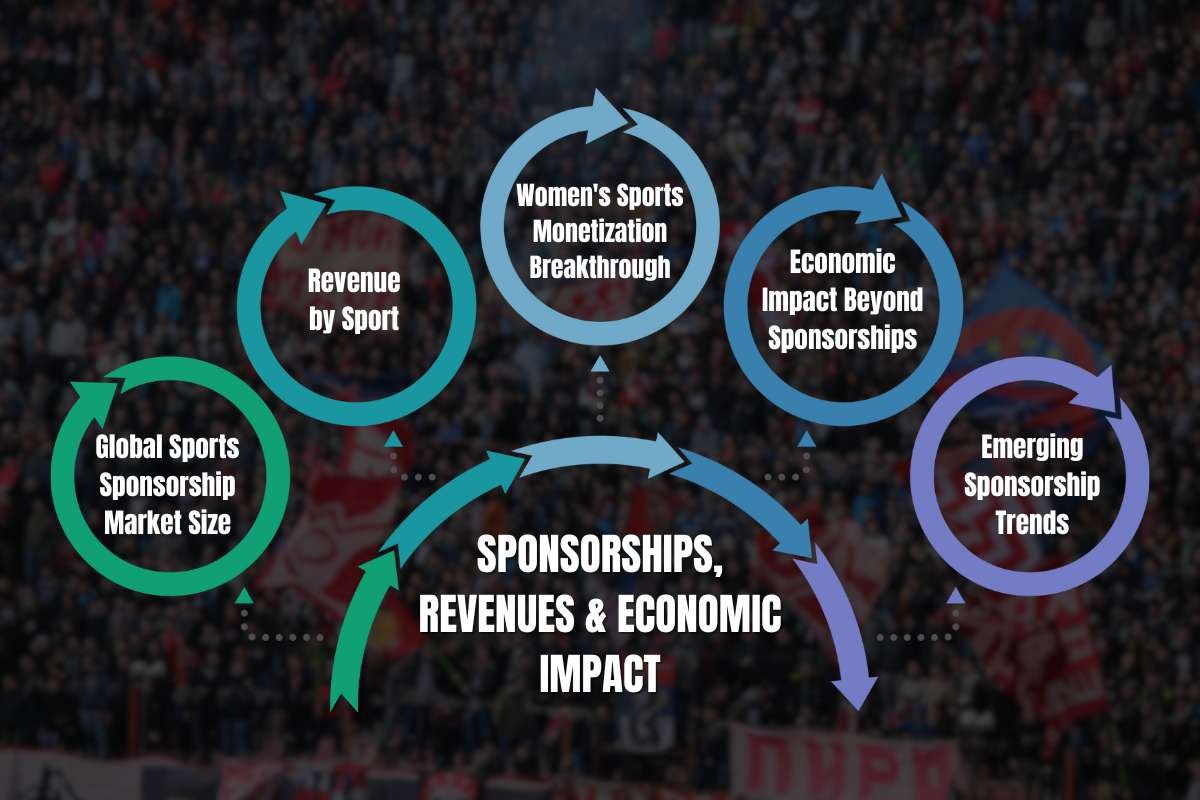
1. Global Sports Sponsorship Market Size
The sports sponsorship market reached $85 to $115 billion globally in 2025. This represents 7.5 percent annual growth through 2033. Top sponsors include Nike at $3.2 billion, Adidas at $2.1 billion, Pepsi at $1.8 billion, and Coca-Cola at $1.7 billion. These figures demonstrate the significant importance corporations place on sports as marketing channels.
2. Revenue by Sport
Different sports command vastly different sponsorship spending. Football generates $ 15 billion annually. American Football generates 11 billion dollars. Basketball pulls in 10 billion dollars. Cricket attracts 2.5 billion dollars. Tennis brings 1.8 billion dollars. Formula 1 secured 677 million dollars in 2025 sponsorship deals alone. Each of the most famous sports in the World supports specific industries—apparel companies dominate Football, technology firms invest heavily in basketball, and Formula 1. At the same time, luxury brands concentrate on golf and Tennis.
3. Women’s Sports Monetization Breakthrough
Women’s sports revenue hit 2.35 billion dollars in 2025, up 25 percent from 2024. Basketball generates 1.03 billion dollars (44 percent of total). Soccer claims 820 million dollars (38 percent). This inflection point matters because sponsorship deals doubled year-over-year. Fortune 500 companies now actively bid for women’s sports partnerships. Prize money increases align with media investment. WNBA revenue grew 48 percent between 2022 and 2024.
4. Economic Impact Beyond Sponsorships
Sports generate revenue far beyond sponsorship checks. Merchandise sales exceed 45 billion dollars annually. Broadcasting rights total 25 billion dollars. Stadium operations and construction represent $ 35 billion. Tourism tied to sports events generates 50 billion dollars in travel spending, jobs creates number 2 million direct jobs and 5 million indirect. The sports economy represents 1 to 3 percent of GDP in developed nations.
5. Emerging Sponsorship Trends
Retail and e-commerce sponsorships grew 32 percent. Financial services sponsorships increased 9 percent. Betting and gaming sponsorships declined 14 percent after regulatory shifts. Sustainability-focused brands grew at a 25 percent annual rate as a new category. Tech and AI companies invest in training and analytics partnerships.
Global Events
Major sporting events command global attention and drive year-round engagement. These tournaments generate billions in broadcast revenue while determining which athletes achieve legendary status.
The following categorization includes the most famous sports events in the World, categorized by tier. Tier 1 events reach 1 billion or more viewers. Tier 2 includes regional championships and major tournaments attracting 50 million to 800 million viewers. Tier 3 encompasses emerging events and growing tournaments entering mainstream consciousness. The variation in viewership reflects both established audiences and new markets discovering sports globally.
Tier 1: Mega Global Events (1 Billion+ Viewers)
FIFA World Cup
The World Cup takes place every four years and attracts approximately 5 billion viewers across the tournament. The 2022 final between Argentina and France drew 1.5 billion viewers alone. Over 200 countries compete for qualification. The tournament spans roughly four weeks, dominating global conversation during its run. Sponsorship deals for World Cup rights exceed $ 1 billion.
Olympic Games
The Summer Olympics run every four years, with the Winter Olympics held on alternating cycles. Multiple sports compete simultaneously, allowing viewers to follow different competitions throughout the games. Paris 2024 achieved a 53 percent fan engagement rate. Los Angeles 2028 anticipates that basketball and skateboarding will drive significant youth viewership. The Winter Olympics 2026 in Milan-Cortina will capitalize on the interest in winter sports.
ICC Cricket World Cup
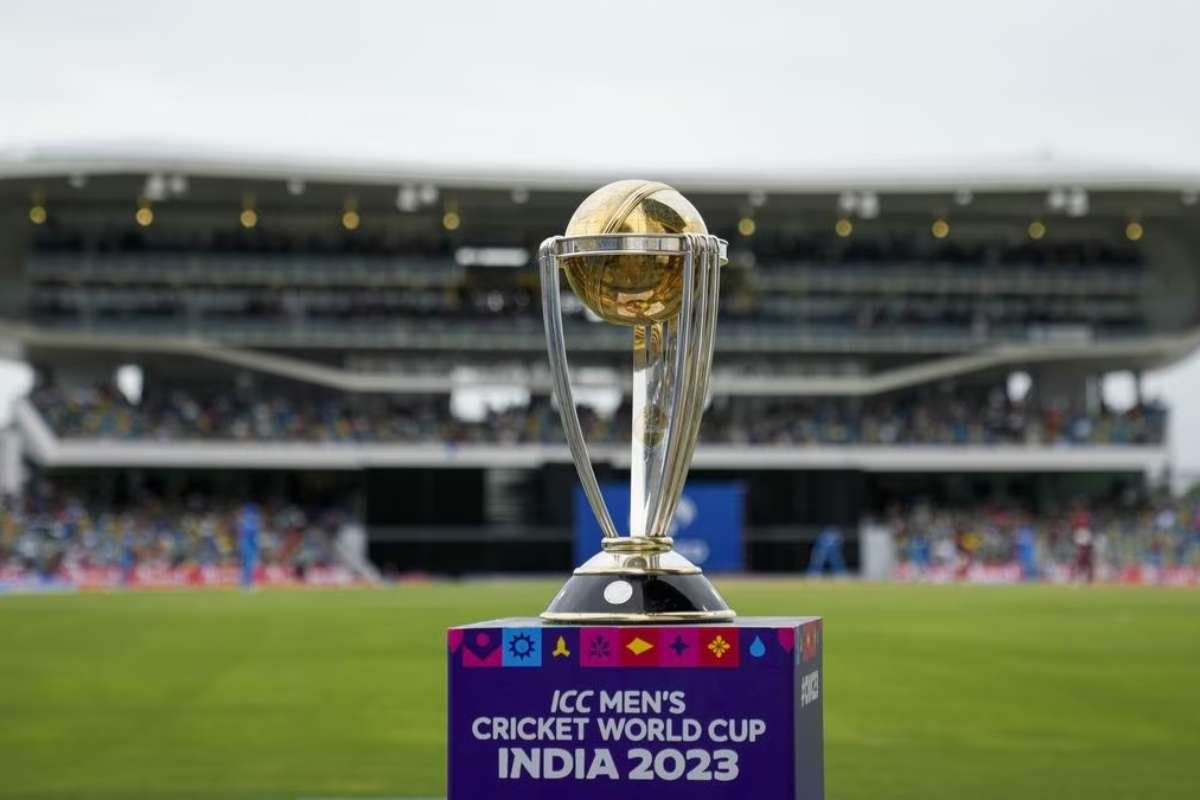
Cricket’s premier event occurs every four years. The 2023 ICC World Cup final between India and Australia generated 87.6 billion viewing minutes globally. This single statistic demonstrates cricket’s depth of engagement among fans. The tournament requires understanding cricket formats, Test, ODI, and T20 versions appeal to different audiences.
Super Bowl
The Super Bowl occurs annually on a Sunday in early February. The American Football Championship Game draws 115 million US viewers, plus approximately 35 million international viewers. The halftime show reaches additional billions who do not typically watch Football. Sponsorship for 30-second advertisements costs $ 7 million, the highest rate for any sporting event globally.
Tier 2: Regional and Sport-Specific Mega Events (500 Million to 1 Billion Viewers)
UEFA Champions League Final
Europe’s top club competition final attracts 400 million viewers. The tournament spans an entire season with 64 teams competing. The final represents the culmination of 10 months of competition.
Wimbledon Championships
Tennis’s oldest and most prestigious tournament draws 350 million viewers across two weeks. The event reached 36 million viewers in 2024. Wimbledon maintains traditions dating to 1877 while modernizing with streaming platforms.
Tour de France
Cycling’s most famous event spans three weeks. The race generates 3.5 billion viewing hours spread across the entire duration. Unlike other sports with single championship moments, the Tour de France maintains interest daily through its mountain stages and individual time trials.
Masters Golf Tournament
Golf’s most prestigious annual event attracts 10 million US viewers and boasts a global audience exceeding 50 million. Prize money reaches 20 million dollars. The Masters attracts corporate sponsorship at premium rates.
Indian Premier League (IPL)
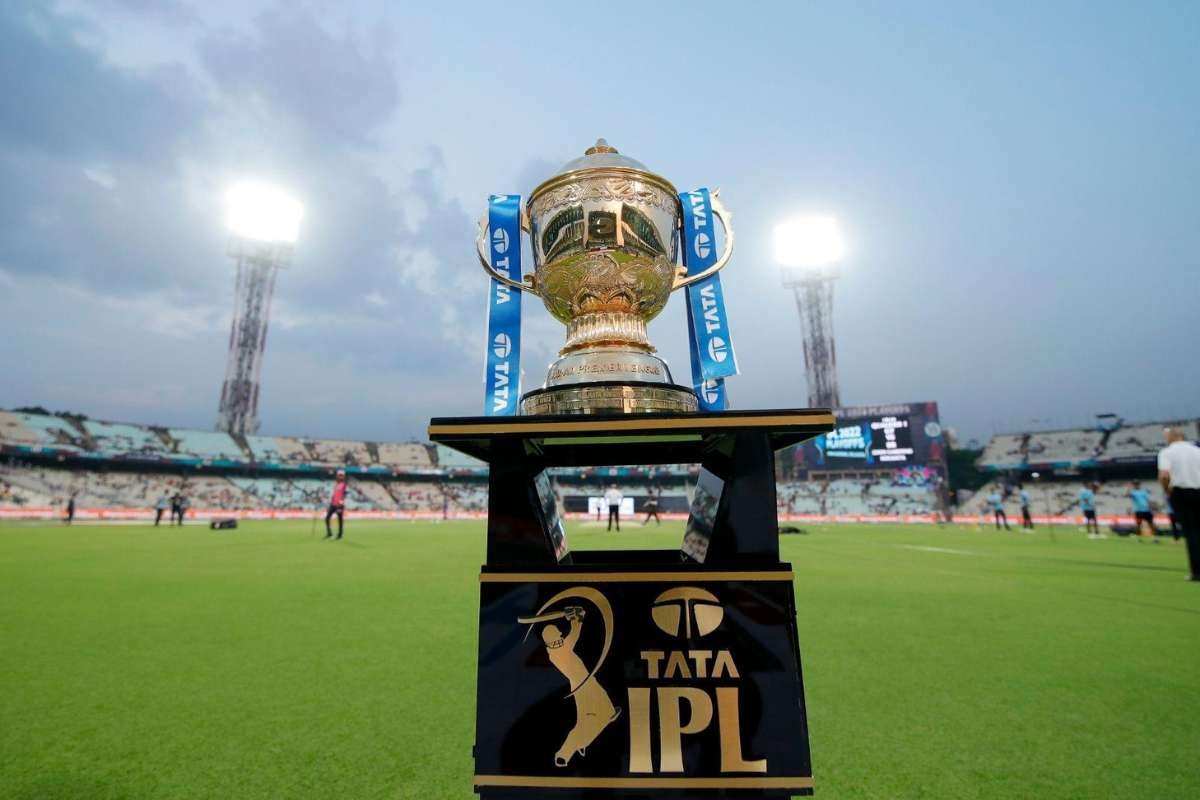
Cricket’s franchise league attracts 400 million viewers per season. The IPL runs for approximately six weeks annually. Media rights agreements total several billion dollars, demonstrating cricket’s commercial power in Asia.
NBA Finals
Basketball’s championship series draws 80 to 100 million viewers, depending on which teams compete. LeBron James and other star players drive casual fan interest beyond core basketball audiences.
Tier 3: Growing Events Entering Mainstream
Women’s World Cup (Football)
Women’s Football now approaches 1 billion viewers globally. The tournament saw a 79 percent increase in viewership between 2015 and 2023. Major broadcasters now treat women’s tournaments with the same prominence as men’s events.
Formula 1 Grand Prix
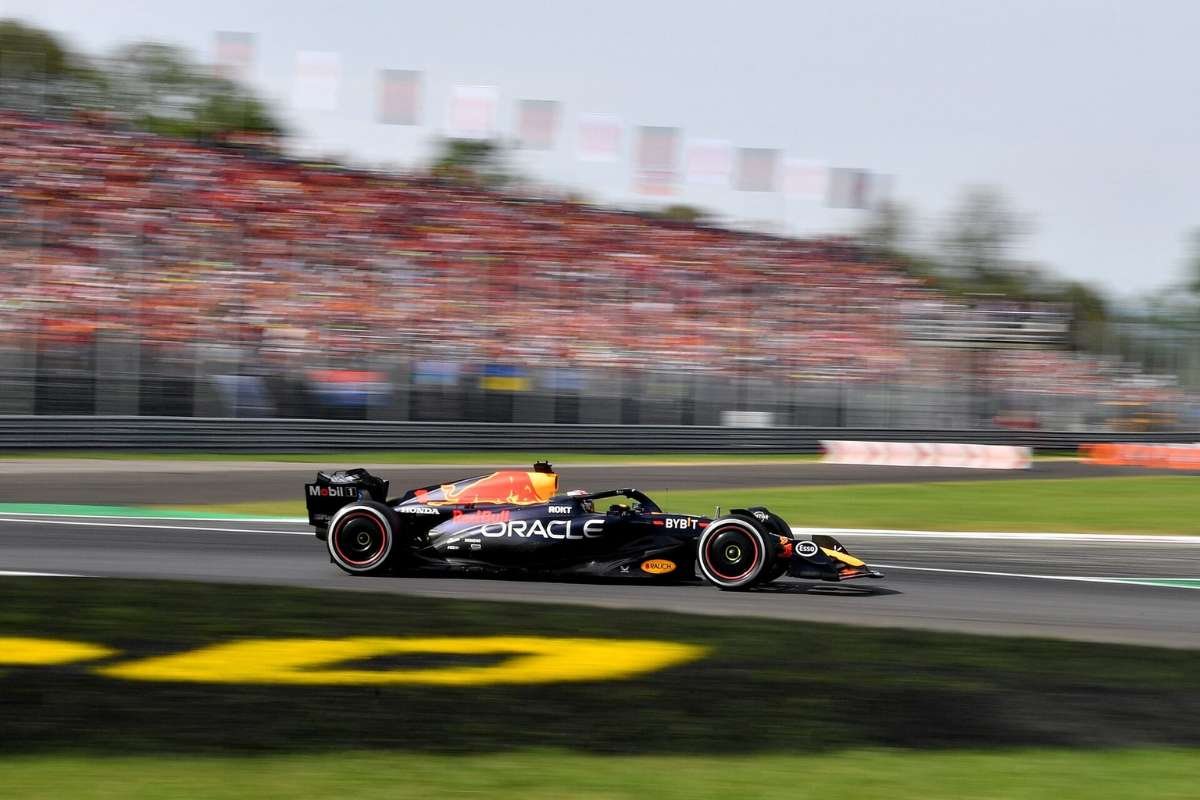
Individual F1 races draw between 50 and 150 million viewers, depending on the location and participating drivers. The season encompasses 24 races held across multiple continents. YouTube’s F1 channel reaches 7.5 million concurrent viewers for major races.
WNBA Finals
The women’s basketball championship series attracts 6 to 7 million viewers, up from 2 million viewers in 2015. Growth demonstrates genuine market demand for women’s professional sports.
UFC Main Events
Mixed martial arts draws 15 to 20 million viewers for marquee fights. Major championship bouts generate significant pay-per-view purchases alongside broadcast viewership.
Future Sports Trends
1. Streaming Will Influence Global Sports Consumption
The shift from TV to digital platforms is accelerating. Younger audiences are now discovering sports through short highlights, creator-driven commentary, and mobile-first feeds, rather than traditional broadcasts. As streaming giants acquire premium rights, leagues will adopt multi-platform models: live games on apps, behind-the-scenes content on YouTube, and viral clips across social media. Sports that master short-form storytelling will grow fastest.
2. Women’s Sports Will Become a Core Revenue Source
Women’s sports are no longer treated as “add-ons.” Sponsorship value, attendance, and viewership are rising at double-digit rates, creating new commercial ecosystems. Brands are investing early because audience loyalty is stronger, digital engagement is higher, and the cost of acquisition is lower. This surge will compel federations to modernize their scheduling, enhance athlete visibility, and establish sustainable league structures. The ripple effect will influence rankings of the most famous sports in the World over the next decade.
3. Technology Will Redefine Performance and Fan Experience
AI-led coaching tools, wearable sensors, and automated officiating systems are becoming integral to elite sport. This technology delivers more innovative training, fewer referee controversies, and richer broadcast experiences with real-time stats overlays. Meanwhile, AR and VR will introduce new forms of “virtual attendance,” letting fans switch camera angles, access 3D replays, or follow player biometrics during matches. Sports organizations that adopt these technologies early will strengthen their global footprint.
4. New and Hybrid Sports Will Enter the Mainstream

Sports like pickleball, short-format cricket, 3×3 basketball, and specific action sports are scaling rapidly due to low barriers to entry and strong youth adoption. Their growth, however, presents challenges: professional governance, harmonization of international rules, and sustainable scheduling. Still, these emerging sports will continue pulling attention away from older formats and may eventually compete with traditional categories for visibility among the most famous sports in the World.
5. Sponsorships Will Demand Proof, Not Promises
The era of “logo-only” sponsorships is coming to an end. Brands now expect measurable ROI, including social engagement, conversion metrics, community impact, and data-backed performance indicators. Leagues with strong first-party fan data will secure premium sponsorship deals, while those without it will struggle. Sustainability initiatives, athlete welfare, and regulatory compliance (especially in betting) will also influence which sports attract long-term corporate partnerships.
6. The Creator Economy Will Change Fan Identity
Athletes have become media companies, producing vlogs, podcasts, training content, and engaging directly with fans. Simultaneously, creators who aren’t athletes now influence how millions interpret games. This creator-driven ecosystem can elevate niche sports overnight and redefine fandom for younger audiences. It’s a powerful trend that will directly affect how future generations choose the most famous sports in the World.
Conclusion
Sports will continue to evolve, but people will always love having a game to follow, a team to support, and a moment to share with others. From packed football stadiums and late-night cricket matches to Formula 1 races and fast-growing esports leagues, fans now have more choice and more access than ever before.
As new money flows into women’s sports, digital platforms, and emerging formats, the gap between what happens on the field and how fans experience it continues to shrink. The most famous sports in the World are no longer defined only by tradition, but also by how well they connect with audiences across screens, regions, and generations.
Whether your favorite game is at the very top of the list or just starting to grow, this is a good time to pay attention. The way fans watch, play, and discuss sports today is quietly determining which sports will remain at the top in the future.
Thank You Reading
See More
The Rise of Female Athletes: Breaking Barriers and Redefining Sports