
Key Points:
- Women’s toilets in Japan parliament are limited, causing long queues for lawmakers, staff, and journalists.
- The shortage highlights infrastructure gaps as female representation grows.
- Expanding facilities is a practical step toward inclusivity and smoother operations.
Japan’s prime minister joined female lawmakers in Tokyo this month to seek more Women’s toilets in Japan parliament, citing longer queues caused by rising female representation.
The initiative reflects a practical challenge inside the National Diet as the number of women lawmakers has increased in recent years. Female members say existing facilities no longer meet daily needs, creating delays before sessions and disrupting work routines. Supporters argue the issue affects not only lawmakers but also staff members and journalists who work long hours in the parliamentary complex.
Growing representation exposes infrastructure gaps
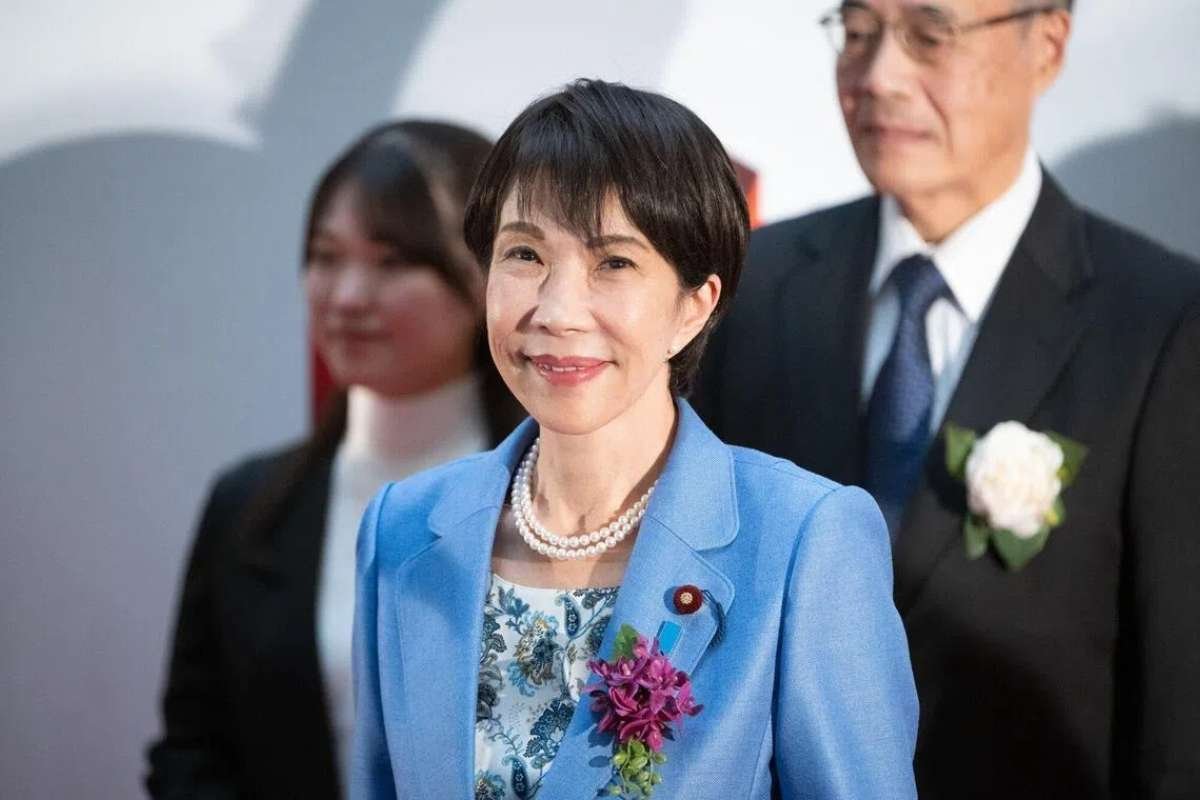
A petition submitted in December highlights that only two toilet cubicles currently serve 73 female members of the House of Representatives. The request has been backed by 58 lawmakers from seven parties and independent groups, including Prime Minister Sanae Takaichi, Japan’s first woman to hold the office.
Female legislators say the imbalance has become more visible as women’s representation has grown. Before major sessions, queues regularly form outside the Women’s toilets in Japan parliament, according to lawmakers who signed the petition. They describe the situation as a basic infrastructure issue that has not kept pace with changes in the workforce.
Japan remains a culturally conservative society where leadership roles have traditionally been dominated by men. Although the election of a female prime minister last year marked a milestone, women still hold just under 16 percent of seats in the lower house. The country also ranks near the bottom of global gender equality comparisons, reinforcing concerns that everyday workplace needs are often overlooked.
For women entrepreneurs and business owners, the situation highlights how physical work environments can lag behind policy progress. As more women enter leadership roles, offices designed around older assumptions can create friction that affects productivity and participation.
A workplace issue beyond lawmakers
Supporters of the petition stress that the toilet shortage extends beyond elected officials. Female staff members and a growing number of women journalists also rely on the same facilities, increasing pressure during peak hours. Lawmakers argue that addressing the issue would improve daily operations and support a more inclusive working environment.
Some lawmakers describe the lack of sufficient Women’s toilets in Japan parliament as a longstanding problem that many women have hesitated to raise. She noted a broader reluctance across workplaces and schools to openly discuss the need for additional women’s restrooms, even when demographics clearly change.
The petition warns that the lack of facilities could affect the smooth conduct of parliamentary proceedings. Delays caused by long queues may seem minor, but lawmakers argue they can interfere with schedules and concentration during critical sessions.
The National Diet building itself reflects a different era. Completed in 1936, it predates women’s suffrage in Japan by nearly a decade. Women gained the right to vote in 1945, and the first female lawmaker was elected the following year. Despite these changes, parts of the building’s design still reflect assumptions from a time when women were largely absent from political life.
For women business leaders, the debate carries lessons beyond politics. Infrastructure decisions signal who is expected to occupy a space. When facilities do not adapt, they can quietly reinforce barriers, even as representation improves.
The push for more toilets is framed by supporters as a practical adjustment rather than a symbolic gesture. They argue that functional workplaces are essential for performance and retention, whether in government, corporate offices, or entrepreneurial hubs.
As discussions continue, the focus on Women’s toilets in Japan parliament highlights how small, concrete changes can support larger shifts in leadership and participation. For women building businesses and leading teams, it serves as a reminder that inclusion often begins with addressing everyday needs that allow people to work effectively and without disruption.