
When conversing in casual situations, it is common for people to interchange the words “empathy” and “sympathy,” but these two ideas are different. Therefore, by being more conscious of how we communicate with others (in general), establish connections and relate to others during periods of emotional conflict, we can sharpen our understanding of the meaning behind both words by realizing what distinguishes them from one another.
Within this piece, we will cover both examples and advantages. Also, understand the debate of Empathy vs. Sympathy. We will also be providing ways in which these concepts can be applied practically.
What Is Empathy?
Empathy is the ability to feel with someone. It’s an emotional skill rooted in perspective-taking, shared experience, and emotional resonance.
Key Elements of Empathy
- Emotional attunement: You sense what the other person feels.
- Perspective-taking: You try to understand their viewpoint.
- Connection: You respond with emotional presence rather than solutions.
Empathy doesn’t require you to have gone through the same situation. Instead, you draw from your own emotional history to connect with the person’s feelings.
Example of Empathy
Your friend tells you they’re anxious about losing their job. An empathetic response might sound like:
“That sounds really scary. I can understand why you’d feel overwhelmed. I’m here for you.”
Here, you’re acknowledging their emotions without changing or judging them.
What Is Sympathy?
Sympathy is the ability to feel for someone rather than with them. It involves acknowledging a person’s emotional hardship but from a more distant standpoint.
Key Elements of Sympathy
- Emotional distance: You recognize their suffering but don’t absorb their emotions.
- Concern: You express care or pity.
- Support: You may offer comfort or solutions, even without understanding their emotional experience.
Example of Sympathy
When someone shares they’re struggling, a sympathetic response may be:
“I’m sorry you’re going through this. That must be tough.”
This response still shows care but lacks the deeper emotional connection empathy provides.
Empathy vs. Sympathy: The Core Differences
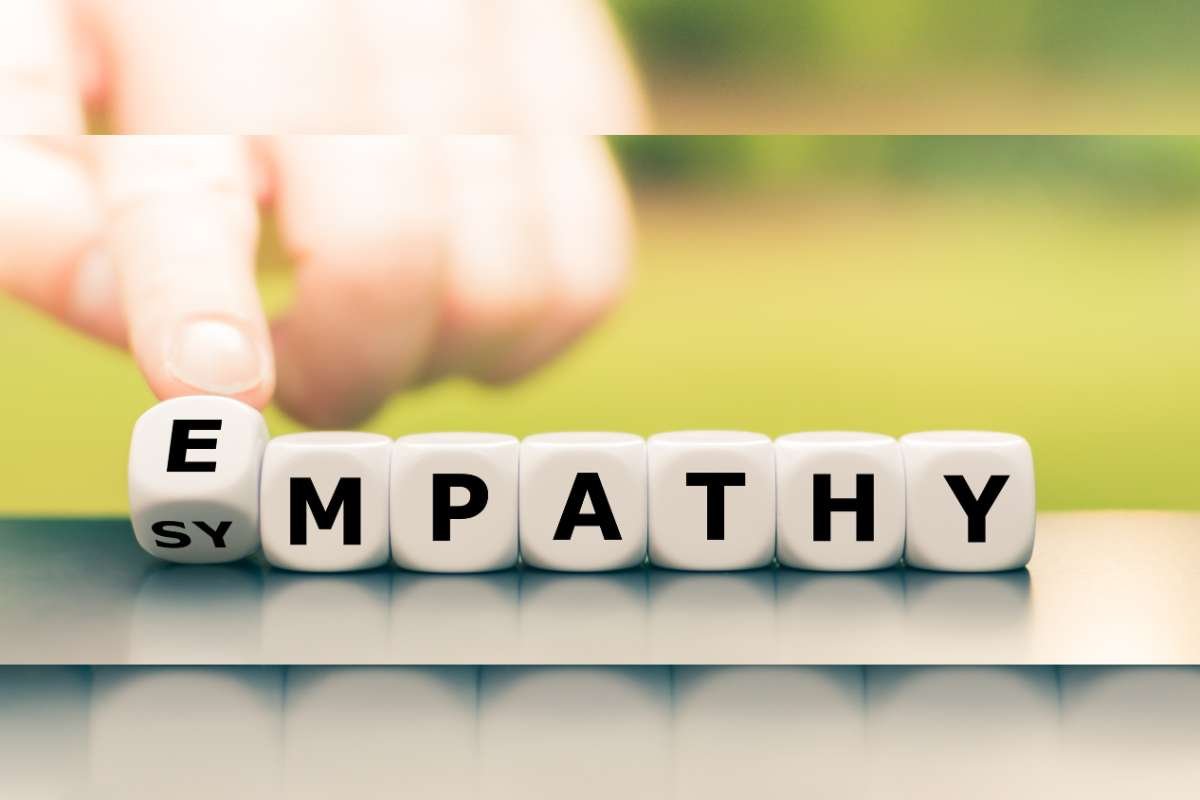
Understanding Empathy vs. Sympathy helps you navigate emotional conversations in a more meaningful way.
1. Emotional Connection
- Empathy: You share feelings.
- Sympathy: You observe feelings.
2. Level of Involvement
- Empathy: Deep involvement and understanding.
- Sympathy: Surface-level acknowledgment without emotional engagement.
3. Effect on the Other Person
- Empathy: Creates closeness, trust, and validation.
- Sympathy: Offers comfort but can sometimes feel distant or dismissive.
4. Communication Tone
- Empathy: Nonjudgmental and validating.
- Sympathy: Often encourages emotional withdrawal or pity.
Why Empathy Matters More in Most Situations?
While both empathy and sympathy have value, empathy often leads to stronger human connections.
- Stronger Relationships: Empathy helps you connect at a deeper level. People feel seen, heard, and understood. This emotional closeness builds long-lasting trust.
- Improved Communication: In professional and personal relationships, empathy encourages open dialogue, reduces defensiveness, and promotes conflict resolution.
- Better Leadership: Great leaders are empathetic. They understand their team’s motivations, struggles, and aspirations—making it easier to inspire, support, and guide.
- Enhanced Emotional Intelligence: Practicing empathy builds self-awareness and social awareness, two core aspects of emotional intelligence.
- When Sympathy Is More Appropriate: Although empathy is often more impactful, sympathy also plays an important role.
Situations for Sympathy
- When someone is grieving deeply and doesn’t want an emotional conversation.
- When maintaining professionalism requires emotional boundaries.
- When the person prefers comfort rather than emotional exploration.
Sympathy provides a safe, respectful distance. It signals care without overwhelming involvement.
Common Misunderstandings About Empathy and Sympathy

1. Empathy Means Absorbing All Emotions
People often fear that empathy will drain them emotionally. But true empathy is about connection, not taking responsibility for someone else’s pain.
2. Sympathy Is Always Bad
Sympathy isn’t inferior. It simply serves a different purpose. It’s supportive in times when emotional closeness may not be appropriate or welcome.
3. Empathy Requires Similar Experiences
Empathy comes from understanding emotions, not matching experiences. You can empathize with heartbreak without experiencing the same event.
Empathy vs. Sympathy in Real-Life Scenarios
At Work
- Empathy: Understanding your colleague’s burnout and offering flexibility.
- Sympathy: Sending a simple note of concern or encouragement.
In Relationships
- Empathy: Listening actively during an argument and acknowledging your partner’s feelings.
- Sympathy: Saying “I’m sorry you’re upset” without deeper engagement.
In Friendship
- Empathy: Sitting with a friend through emotional chaos without judging.
- Sympathy: Offering supportive but distant comfort.
Learning the difference between the two responses can drastically change the quality of your connection.
How to Become More Empathetic?
Developing empathy is a skill—and like any skill, it can be strengthened over time.
1. Listen without Interrupting
Give full attention. Let people speak their truth without advice or judgment.
2. Ask Open-Ended Questions
Invite deeper sharing:
- “How are you feeling about this?”
- “What was the hardest part?”
3. Validate Emotions
You don’t need to fix anything. Simply acknowledging feelings is powerful.
4. Use Perspective-Taking
Ask yourself:
- “How would I feel in this situation?”
- “What might they need right now?”
5. Be Present
Sometimes the best support is simply being there, physically or emotionally.
How to Use Sympathy without Causing Distance?

Sympathy becomes more effective when delivered with sincerity.
1. Keep It Genuine
Avoid clichés like “It could be worse.” A gentle, authentic message goes a long way.
2. Respect Boundaries
If someone isn’t ready to open up emotionally, sympathy gives them space while still offering support.
3. Pair Sympathy with Action
Sometimes actions speak louder than deep emotions. Offering help, food, tasks, and support. This can communicate care without emotional depth.
Why Understanding Empathy vs. Sympathy Matters Today?
In a world where communication happens faster than ever, emotional misunderstandings are common. Learning the nuances of Empathy vs. Sympathy allows us to respond more thoughtfully, support others more effectively, and build stronger personal and professional relationships.
When used at the right time and in the right way, both empathy and sympathy can strengthen bonds. But knowing which to use—and why—can be the difference between real connection and surface-level comfort.
Conclusion
While sympathy offers emotional support from afar. Empathy brings people together through their feelings. They each have a purpose, but knowing the differences between Empathy vs. Sympathy makes it easier to deal with emotions openly. As a leader/partner/friend/family member, distinguishing between Empathy and Sympathy will improve how well you communicate and build stronger relationships.