
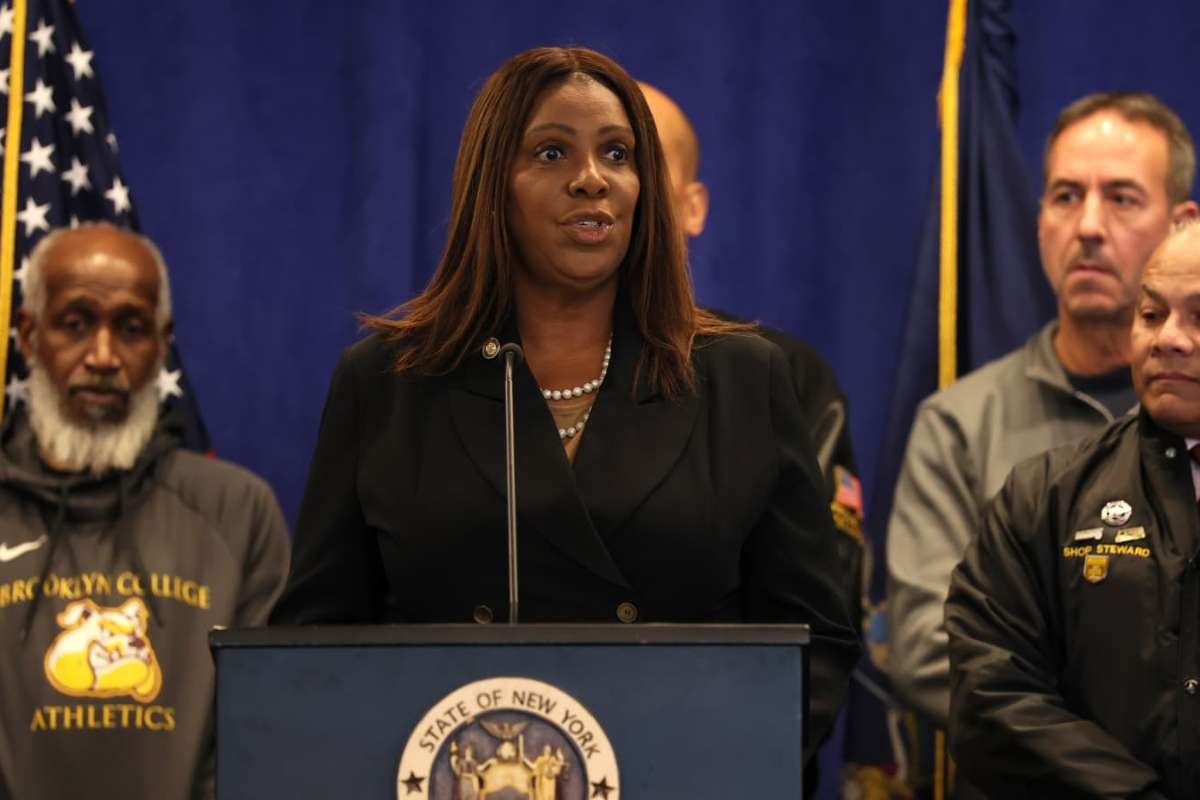
Key Points:
- Letitia James UPS lawsuit alleges UPS withheld millions in holiday wages from seasonal workers.
- Claims include off-the-clock work, improper timekeeping, and unpaid tasks.
- AG seeks back pay, penalties, and payroll reforms; UPS denies wrongdoing.
The New York Attorney General’s office, led by Letitia James, has filed the Letitia James UPS lawsuit, accusing the global delivery giant of unlawfully withholding millions of dollars in wages from seasonal workers hired during the busy holiday period. The case, filed in Manhattan state court, alleges that the company engaged in widespread wage theft that affected thousands of temporary employees over multiple peak seasons.
According to the complaint, UPS failed to compensate workers for all the hours they were required to be on the job, particularly during the surge in demand between October and January. Many of these workers were hired as driver helpers or seasonal support drivers to manage the increase in holiday deliveries. State officials claim that these practices violated New York labor laws designed to protect hourly and temporary employees.
James described the alleged conduct as a systemic effort to cut labor costs at the expense of workers who played a crucial role in keeping holiday deliveries moving. The Letitia James UPS lawsuit aims to hold UPS accountable for practices that deprived employees of legally earned pay during one of the most demanding times of the year.
Allegations of Unpaid Hours and Timekeeping Violations
The Letitia James UPS lawsuit details alleged labor violations, including off-the-clock work, improper timekeeping, and automatic deductions for meal breaks that workers often did not take. State investigators claim that some employees were not paid until they scanned their first package or completed a delivery, even if they had spent hours waiting at designated meeting points or UPS facilities beforehand.
The complaint further alleges that workers were not compensated for mandatory tasks such as loading and unloading packages, returning undelivered items, traveling between assignments, or completing required training. In some cases, employees were reportedly instructed to clock out before finishing their duties, resulting in unpaid labor that accumulated over weeks of intense holiday work.
Officials estimate that these practices collectively denied workers tens of millions of dollars in wages over several years. Many of the affected employees were temporary or seasonal workers, a group that labor advocates say is particularly vulnerable to wage violations due to short-term contracts and limited bargaining power.
Company Response and What the State Is Seeking
UPS has denied the allegations, stating that it provides competitive wages and benefits and is committed to complying with labor laws. The company said it is reviewing the Letitia James UPS lawsuit but declined to comment further while the case is ongoing.
The Attorney General’s office is seeking back pay and restitution for impacted workers, along with civil penalties and court-ordered reforms to UPS’s payroll and timekeeping systems. The lawsuit also calls for stronger oversight to prevent off-the-clock work and ensure that all hours worked are accurately recorded and paid.
Labor unions representing delivery workers welcomed the legal action, saying it sends a strong message to large employers about accountability during peak seasons. As the Letitia James UPS lawsuit progresses, it could have broader implications for how major logistics companies manage seasonal labor, particularly during high-demand periods like the holidays.
Visit CIO Women Magazine For The Most Recent Information.