
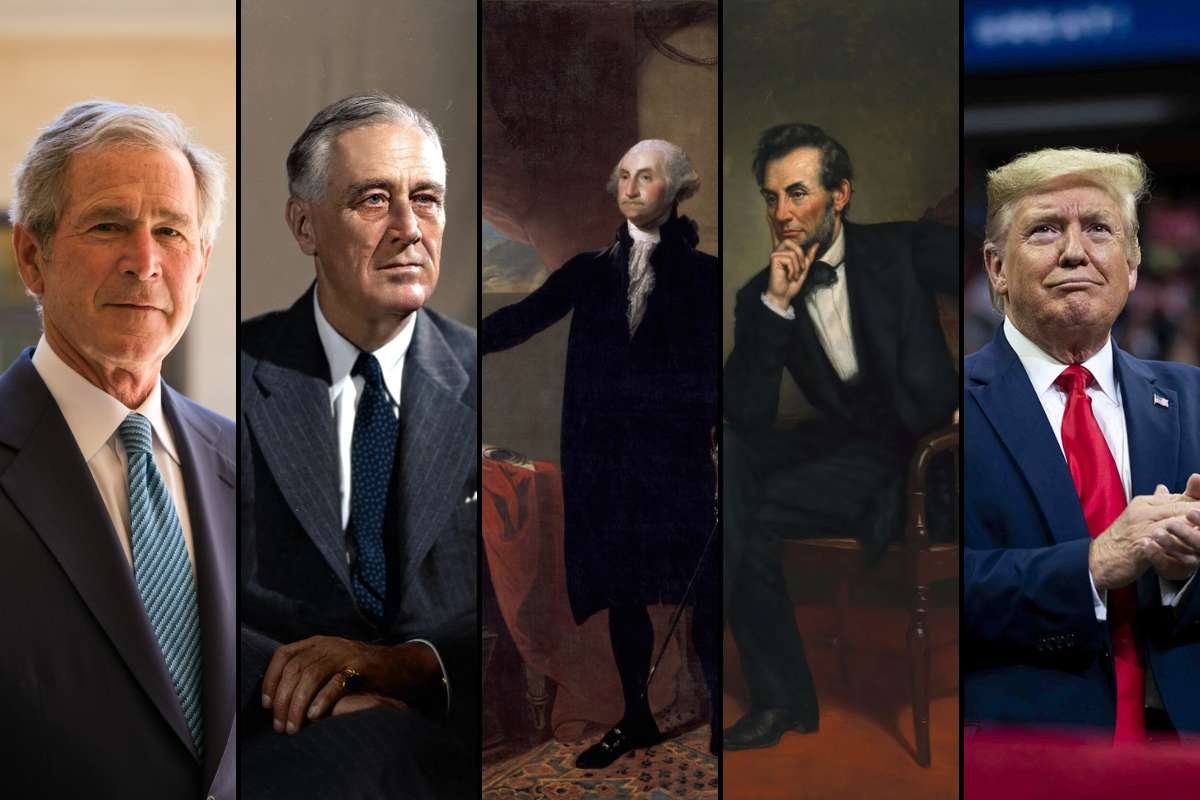
The history of the United States is closely tied to the leaders who guided it through change, conflict, and growth. A list of Presidents of USA offers more than just names and dates. It reflects how the nation evolved from its early foundations to a global power.
Each president faced unique challenges shaped by their time in office. From shaping laws and policies to responding to wars and economic shifts, these leaders left marks that still influence the country today. Exploring this list helps you understand the decisions, values, and moments that defined American history.
The Complete List of Presidents of USA and the Legacy They Left
Each entry in this list of Presidents of USA highlights leadership actions, major decisions, and defining moments. Together, they show how the presidency evolved across different eras and challenges. We have made this list according to the terms served by each president.
| No. | President | Term | Political Party |
| 1 | George Washington | 1789–1797 | Federalist |
| 2 | John Adams | 1797–1801 | Federalist |
| 3 | Thomas Jefferson | 1801–1809 | Democratic-Republican |
| 4 | James Madison | 1809–1817 | Democratic-Republican |
| 5 | James Monroe | 1817–1825 | Democratic-Republican |
| 6 | John Quincy Adams | 1825–1829 | Democratic-Republican |
| 7 | Andrew Jackson | 1829–1837 | Democrat |
| 8 | Martin Van Buren | 1837–1841 | Democrat |
| 9 | William Henry Harrison | 1841 | Whig |
| 10 | John Tyler | 1841–1845 | Whig |
| 11 | James K. Polk | 1845–1849 | Democrat |
| 12 | Zachary Taylor | 1849–1850 | Whig |
| 13 | Millard Fillmore | 1850–1853 | Whig |
| 14 | Franklin Pierce | 1853–1857 | Democrat |
| 15 | James Buchanan | 1857–1861 | Democrat |
| 16 | Abraham Lincoln | 1861–1865 | Republican |
| 17 | Andrew Johnson | 1865–1869 | Democrat |
| 18 | Ulysses S. Grant | 1869–1877 | Republican |
| 19 | Rutherford B. Hayes | 1877–1881 | Republican |
| 20 | James A. Garfield | 1881 | Republican |
| 21 | Chester A. Arthur | 1881–1885 | Republican |
| 22 | Grover Cleveland (First Term) | 1885–1889 | Democrat |
| 23 | Benjamin Harrison | 1889–1893 | Republican |
| 24 | Grover Cleveland (Second Term) | 1893–1897 | Democrat |
| 25 | William McKinley | 1897–1901 | Republican |
| 26 | Theodore Roosevelt | 1901–1909 | Republican |
| 27 | William Howard Taft | 1909–1913 | Republican |
| 28 | Woodrow Wilson | 1913–1921 | Democrat |
| 29 | Warren G. Harding | 1921–1923 | Republican |
| 30 | Calvin Coolidge | 1923–1929 | Republican |
| 31 | Herbert Hoover | 1929–1933 | Republican |
| 32 | Franklin D. Roosevelt | 1933–1945 | Democrat |
| 33 | Harry S. Truman | 1945–1953 | Democrat |
| 34 | Dwight D. Eisenhower | 1953–1961 | Republican |
| 35 | John F. Kennedy | 1961–1963 | Democrat |
| 36 | Lyndon B. Johnson | 1963–1969 | Democrat |
| 37 | Richard Nixon | 1969–1974 | Republican |
| 38 | Gerald Ford | 1974–1977 | Republican |
| 39 | Jimmy Carter | 1977–1981 | Democrat |
| 40 | Ronald Reagan | 1981–1989 | Republican |
| 41 | George H. W. Bush | 1989–1993 | Republican |
| 42 | Bill Clinton | 1993–2001 | Democrat |
| 43 | George W. Bush | 2001–2009 | Republican |
| 44 | Barack Obama | 2009–2017 | Democrat |
| 45 | Donald Trump | 2017–2021 | Republican |
| 46 | Joe Biden | 2021–2025 | Democrat |
| 47 | Donald Trump | 2025–Present | Republican |
1. George Washington

- Term Start: 1789
- Term End: 1797
- Political Party: Federalist
In this List of Presidents of USA, George Washington stands as the nation’s first leader. George Washington led the Continental Army during the American Revolution. He became the first president by unanimous vote. He shaped the structure of the federal government. His administration created the Cabinet system. He kept the nation neutral in foreign conflicts. He stepped down voluntarily after two terms. His actions set lasting presidential norms.
- Key events: Formation of the Cabinet, Neutrality Proclamation, Whiskey Rebellion
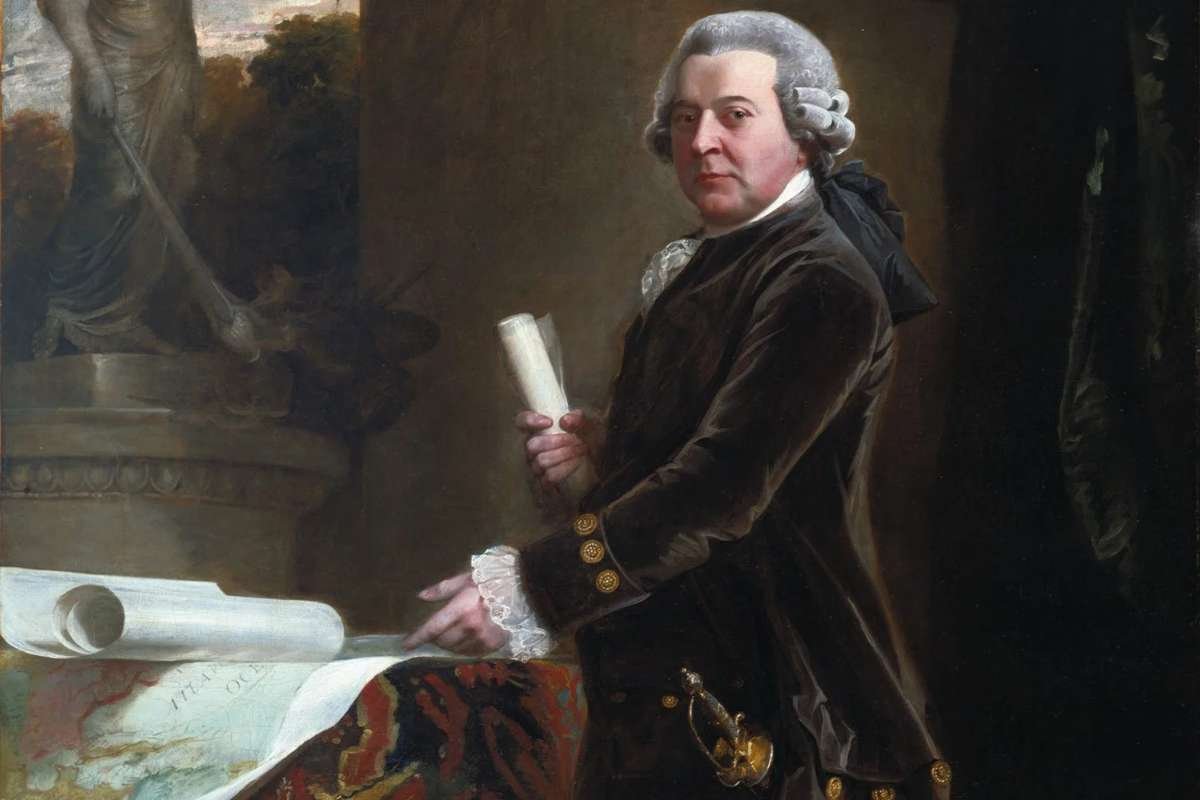
2. John Adams
- Term Start: 1797
- Term End: 1801
- Political Party: Federalist
John Adams played a key diplomatic role during the independence. He became the second president after serving as vice president. His term faced conflict with France. He strengthened the U.S. Navy to protect trade. He avoided full-scale war through negotiation. Political divisions increased during his presidency. He later ensured a peaceful transfer of power.
- Key events: Quasi-War with France, Alien and Sedition Acts, Naval expansion
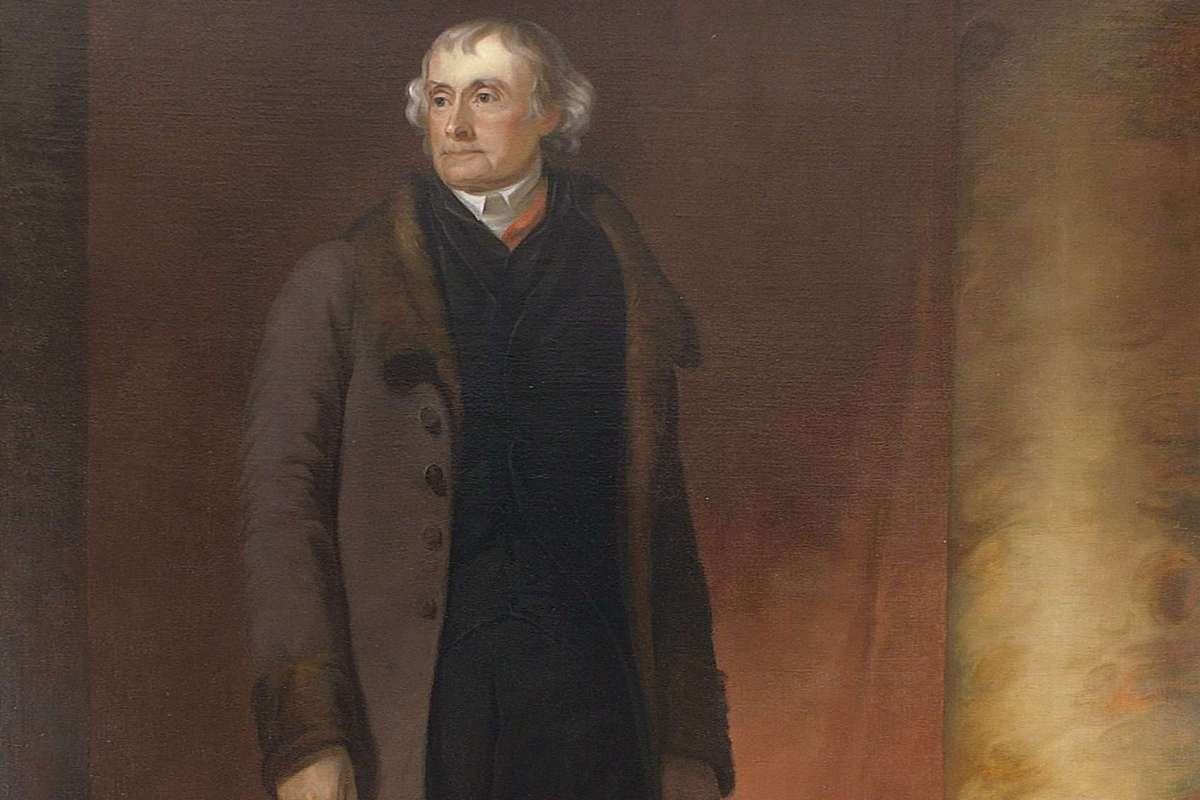
3. Thomas Jefferson
- Term Start: 1801
- Term End: 1809
- Political Party: Democrat-Republican
Thomas Jefferson authored the Declaration of Independence. He promoted limited federal power as president. He completed the Louisiana Purchase. The deal doubled the size of the nation. He reduced national debt and military spending. His presidency encouraged westward growth. His leadership strengthened democratic ideals.
- Key events: Louisiana Purchase, Lewis and Clark expedition, Judicial reforms
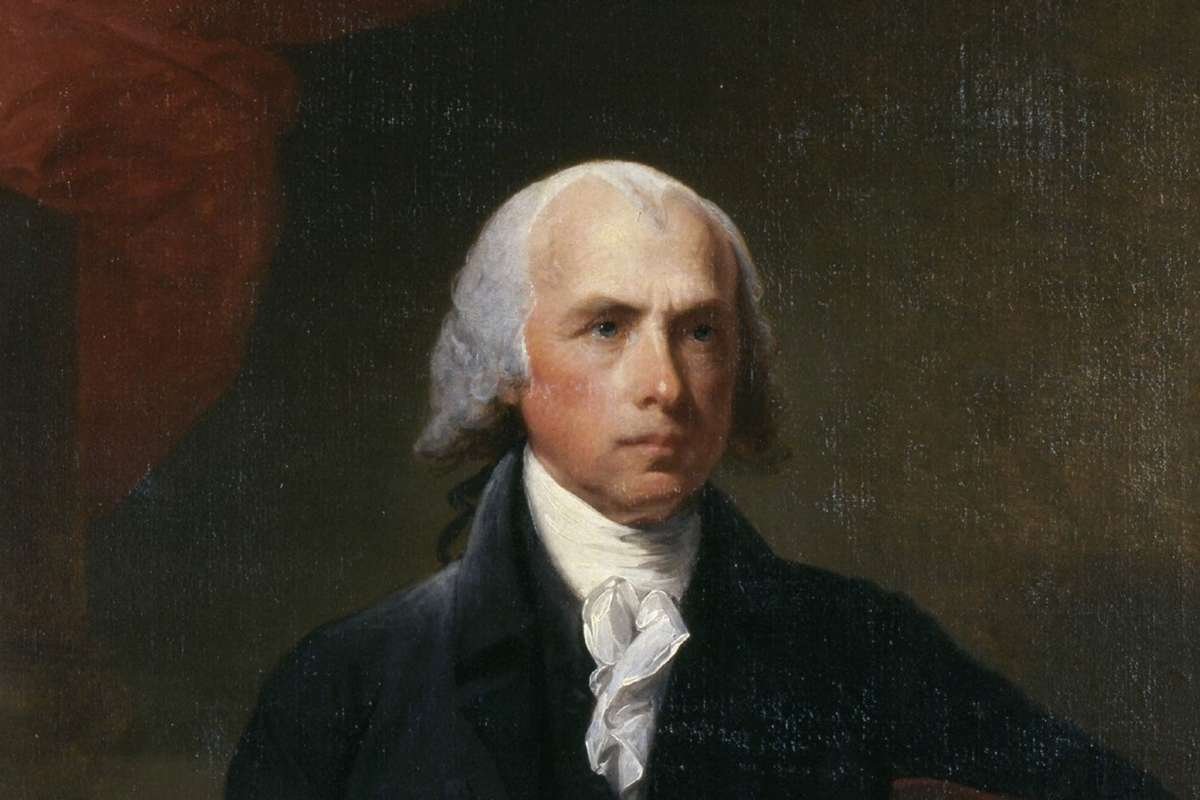
4. James Madison
- Term Start: 1809
- Term End: 1817
- Political Party: Democrat-Republican
James Madison helped design the U.S. Constitution. He entered office during rising global tensions. His presidency included the War of 1812. British forces burned Washington during the conflict. The war ended with renewed national pride. He later supported a stronger central government. His leadership stabilized the post-war nation.
- Key events: War of 1812, Burning of Washington, Treaty of Ghent
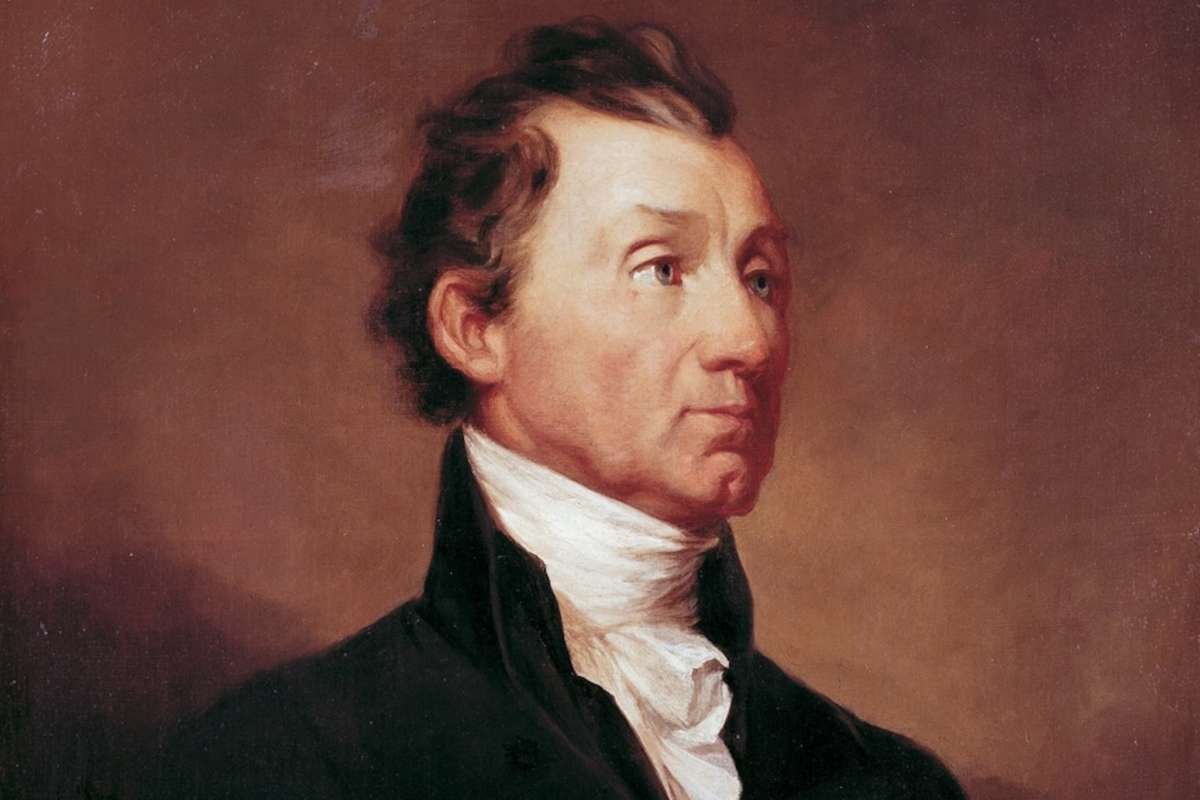
5. James Monroe
- Term Start: 1817
- Term End: 1825
- Political Party: Democrat-Republican
James Monroe served as a diplomat and cabinet official. His presidency marked national unity. Political opposition declined during his term. He announced the Monroe Doctrine. The policy warned Europe against colonization. The nation expanded westward under his leadership. His era brought confidence and growth.
- Key events: Monroe Doctrine, Era of Good Feelings, Western expansion
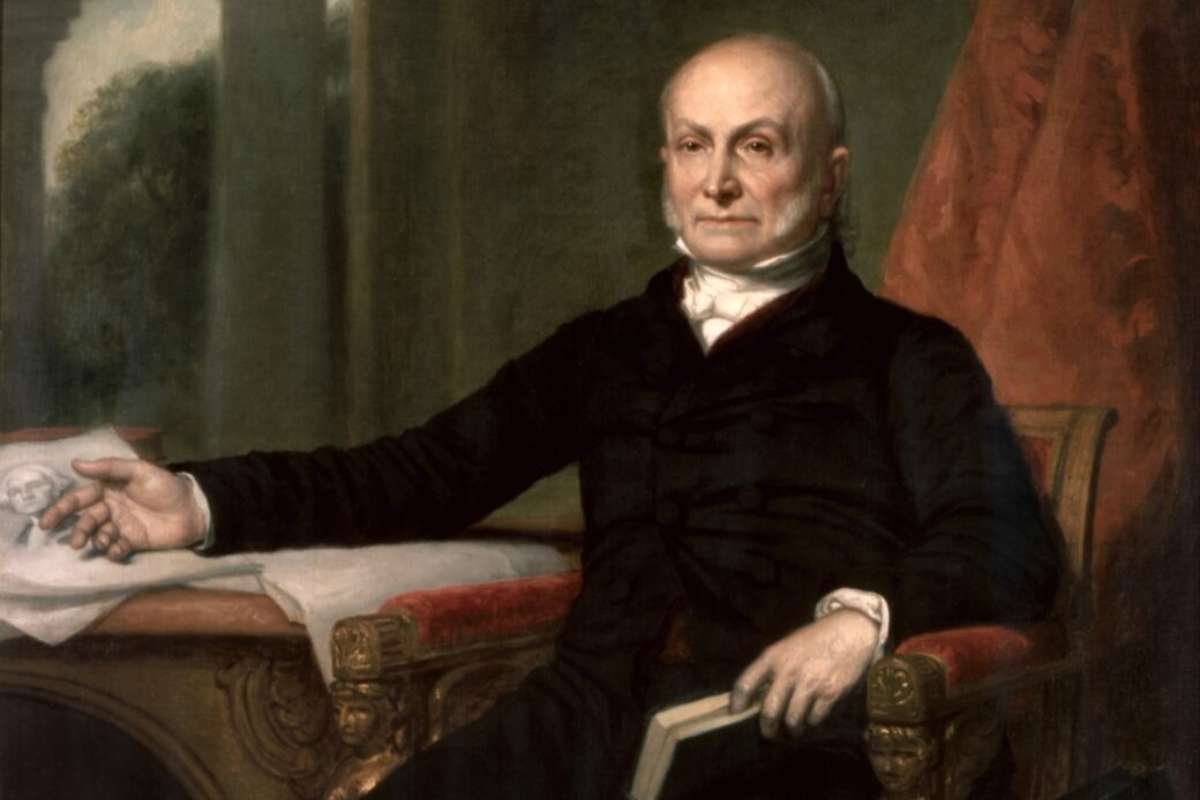
6. John Quincy Adams
- Term Start: 1825
- Term End: 1829
- Political Party: Democrat-Republican
John Quincy Adams was an experienced diplomat. He helped shape U.S. foreign policy earlier. As president, he supported education and science. Congress blocked many of his plans. He served only one term. He later returned to Congress. He became a strong opponent of slavery. His leadership style and legacy secure his place in the List of Presidents of USA.
- Key events: Infrastructure proposals, Tariff debates, Political gridlock
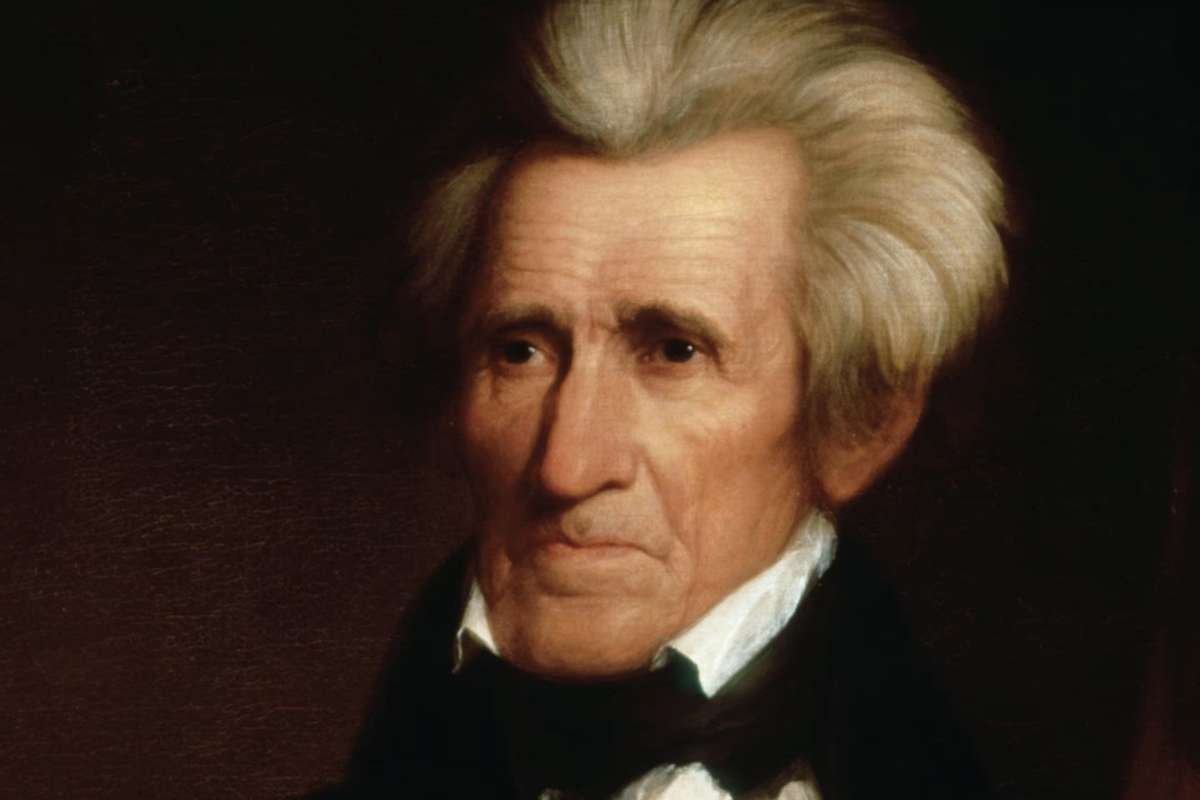
7. Andrew Jackson
- Term Start: 1829
- Term End: 1837
- Political Party: Democrat
Andrew Jackson gained fame as a military leader. He presented himself as a champion of the common people. He expanded presidential authority. He dismantled the national bank. His policies forced Native American removal. His leadership reshaped party politics. His presidency remains controversial.
- Key events: Indian Removal Act, Bank War, Nullification Crisis
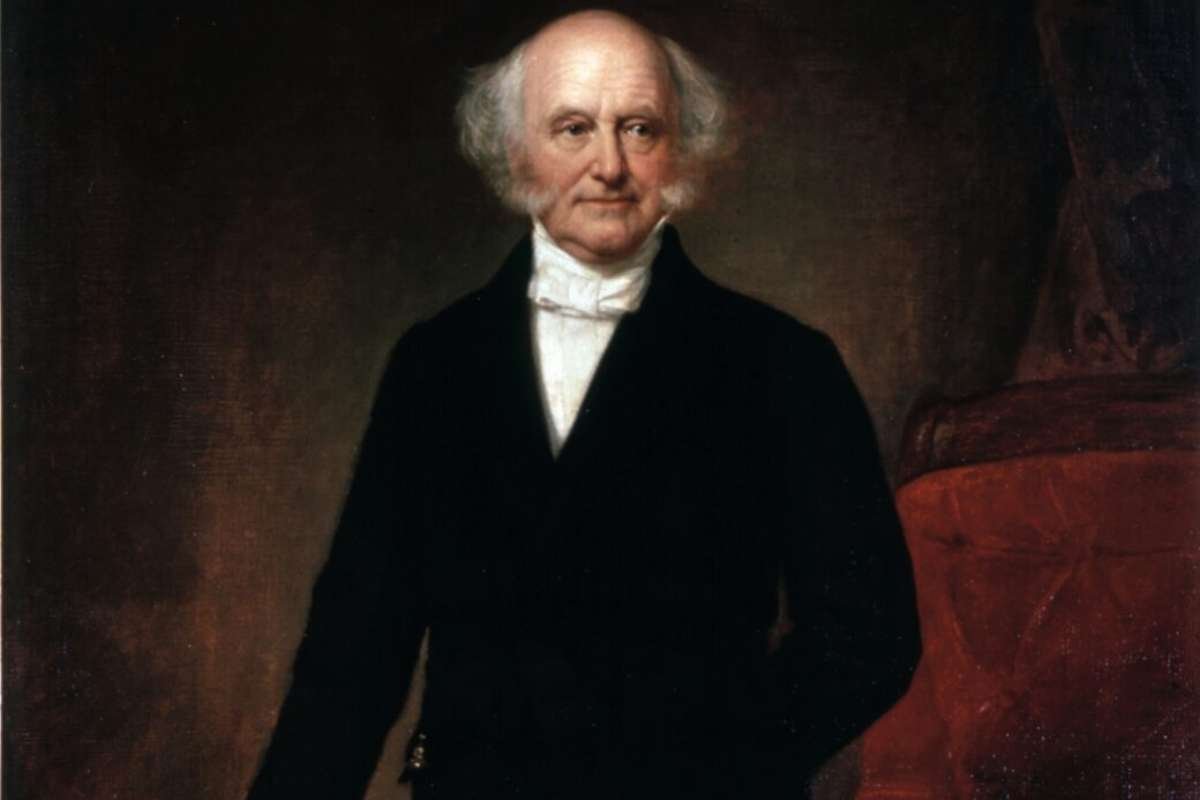
8. Martin Van Buren
- Term Start: 1837
- Term End: 1841
- Political Party: Democrat
Martin Van Buren helped build the party system. He followed Andrew Jackson as president. His term faced a severe economic collapse. Banks failed across the nation. He opposed slavery expansion. His administration struggled to restore confidence. Economic hardship defined his presidency.
- Key events: Panic of 1837, Independent Treasury plan, Economic recession
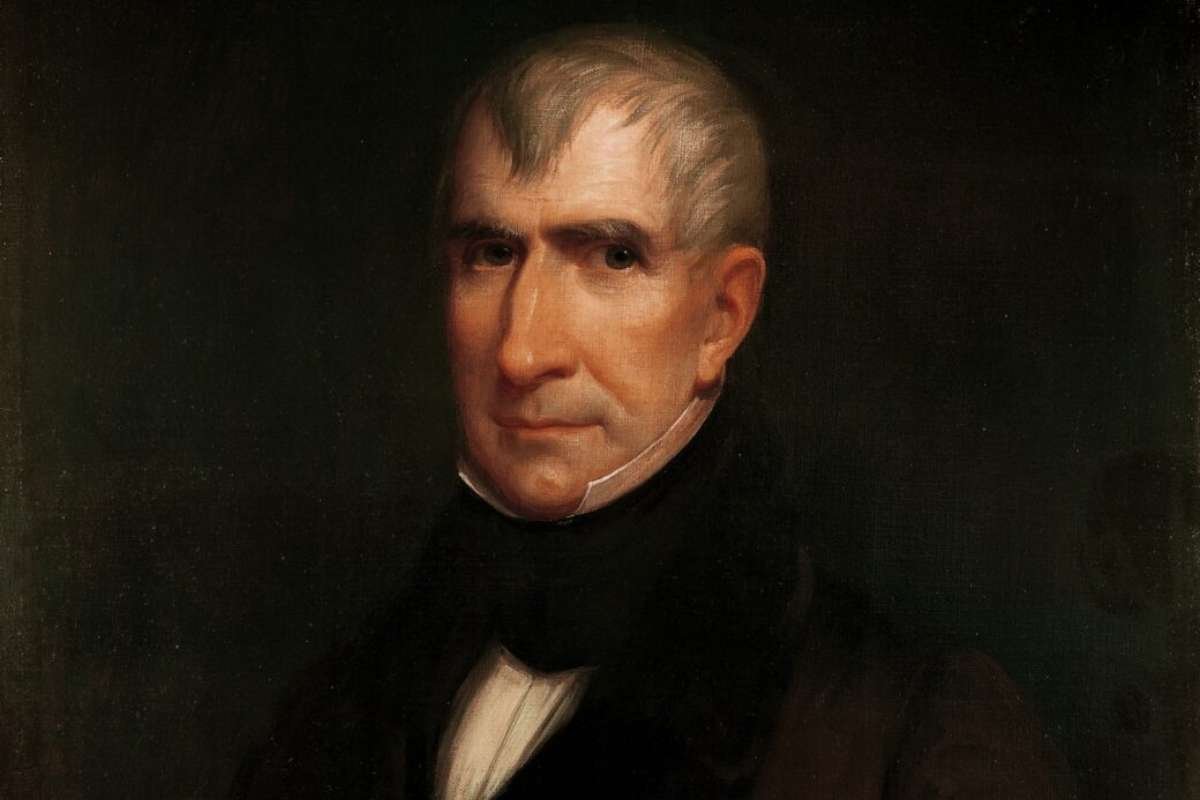
9. William Henry Harrison
- Term Start: 1841
- Term End: 1841
- Political Party: Whig
William Henry Harrison was a war hero. He won office with strong public support. He gave a lengthy inaugural speech. He fell ill soon after taking office. He died within one month. His death shocked the nation. His term raised succession questions. The sudden loss exposed gaps in constitutional guidance. It forced leaders to define how power should be transferred.
- Key events: First presidential death, Succession precedent
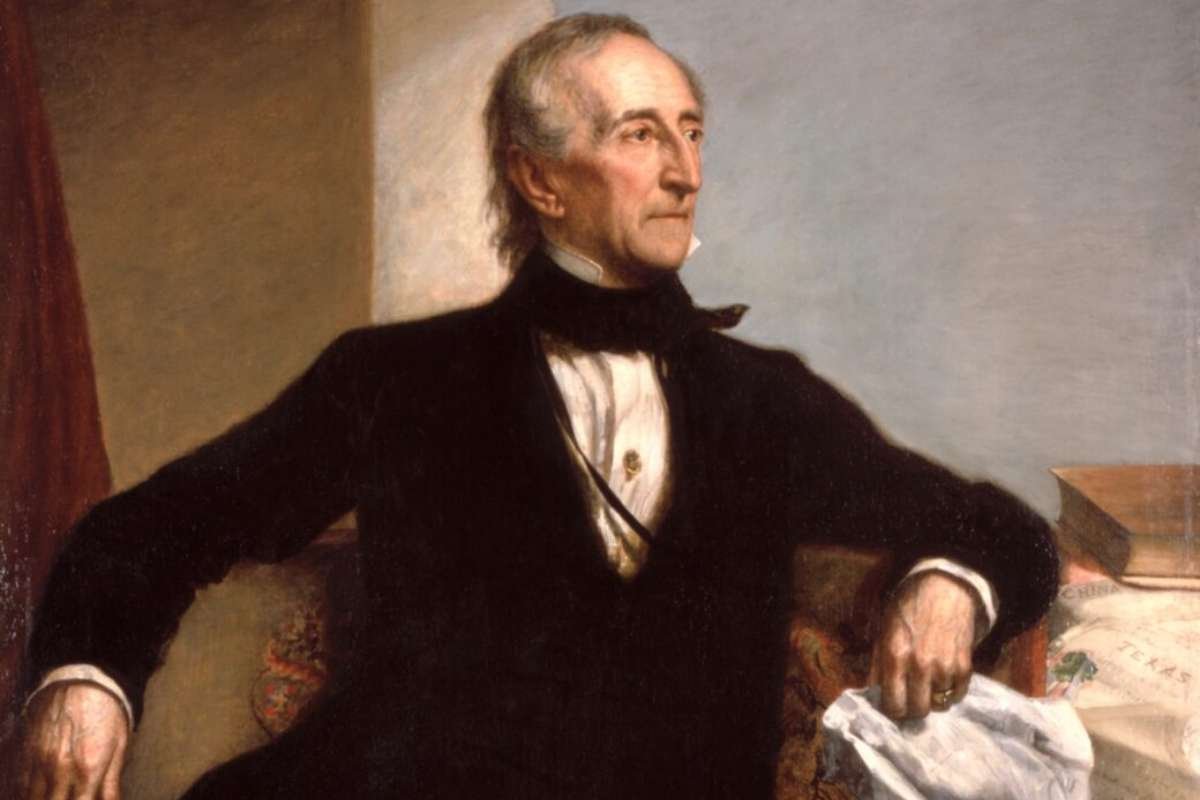
10. John Tyler
- Term Start: 1841
- Term End: 1845
- Political Party: Whig
John Tyler assumed office after Harrison’s death. He claimed full presidential authority. His party opposed most of his policies. He supported territorial expansion. Texas joined the Union during his term. He governed without strong party backing. His presidency tested constitutional limits. He also set a clear precedent for vice presidential succession. That decision shaped how future transitions of power worked.
- Key events: Texas annexation, Presidential succession precedent
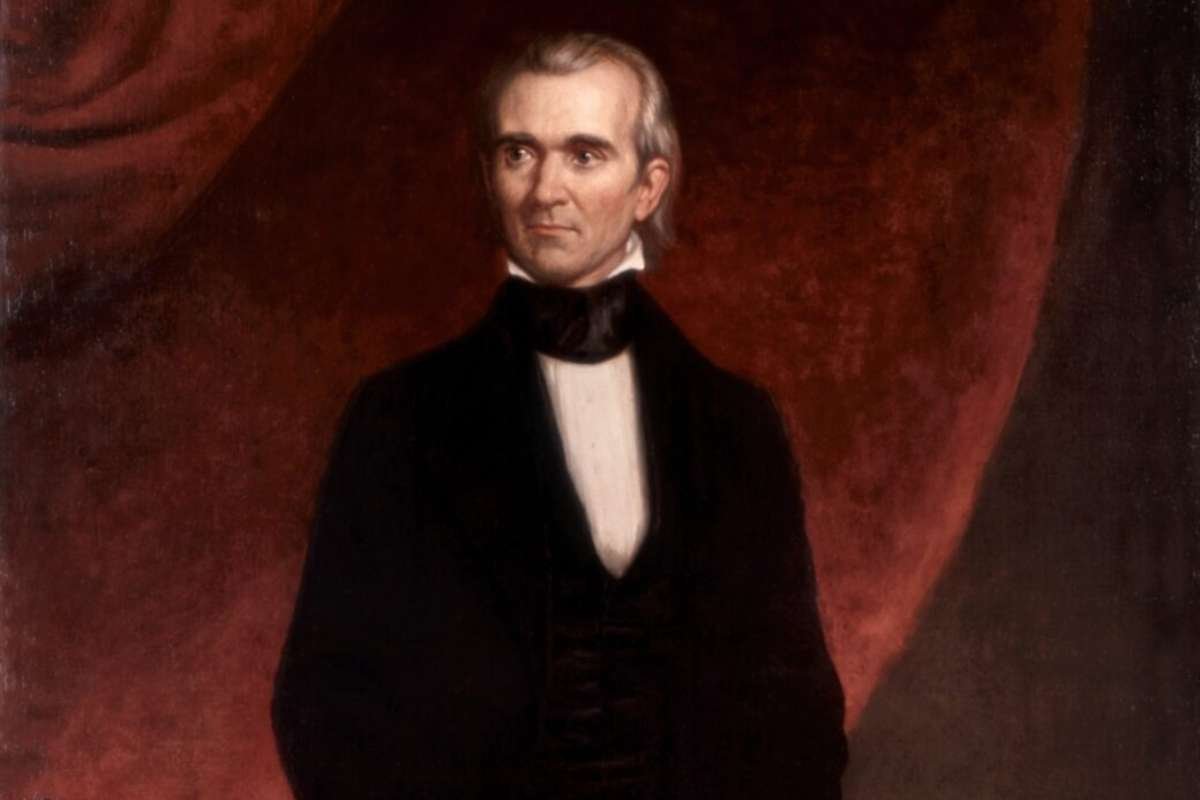
11. James Knox Polk
- Term Start: 1845
- Term End: 1849
- Political Party: Democrat
James K. Polk served as Speaker of the House. He promised expansion and delivered quickly. His presidency led to war with Mexico. The U.S. gained large western territories. He lowered tariffs and reformed banking. He achieved major goals in one term. He chose not to seek re-election.
- Key events: Mexican-American War, Oregon Treaty, Territorial expansion
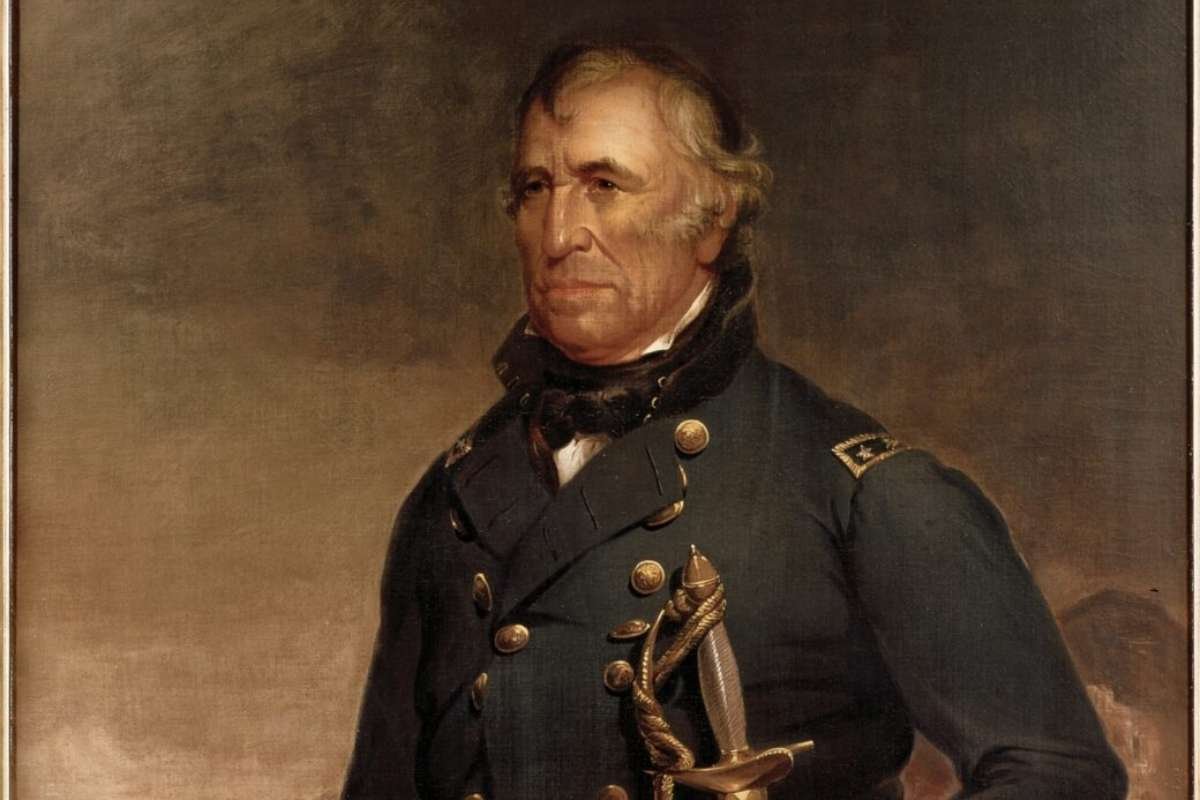
12. Zachary Taylor
- Term Start: 1849
- Term End: 1850
- Political Party: Whig
Zachary Taylor was a respected military general. He entered office with little political experience. He opposed expanding slavery. His stance angered southern leaders. He died suddenly while in office. His presidency lasted just over a year. His death deepened national tension.
- Key events: Slavery expansion debates, Sudden presidential death
13. Millard Fillmore
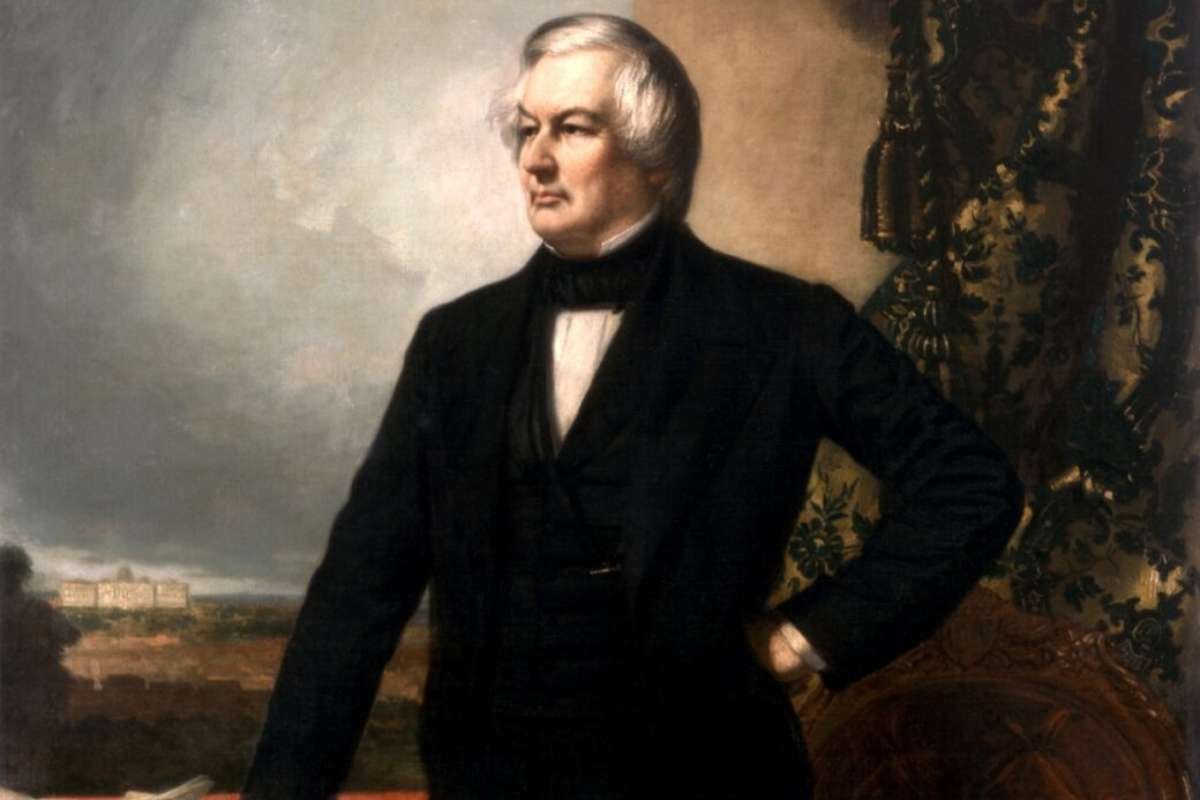
- Term Start: 1850
- Term End: 1853
- Political Party: Whig
Millard Fillmore became president after Taylor’s death. He supported a compromise to preserve unity. He signed the Compromise of 1850. The deal delayed sectional conflict. He expanded trade with Asia. His leadership faced rising national division. His presidency focused on balance. His decisions aimed to calm tensions between North and South. That effort shaped debate in the years before the Civil War.
- Key events: Compromise of 1850, Fugitive Slave Act, Trade expansion
14. Franklin Pierce
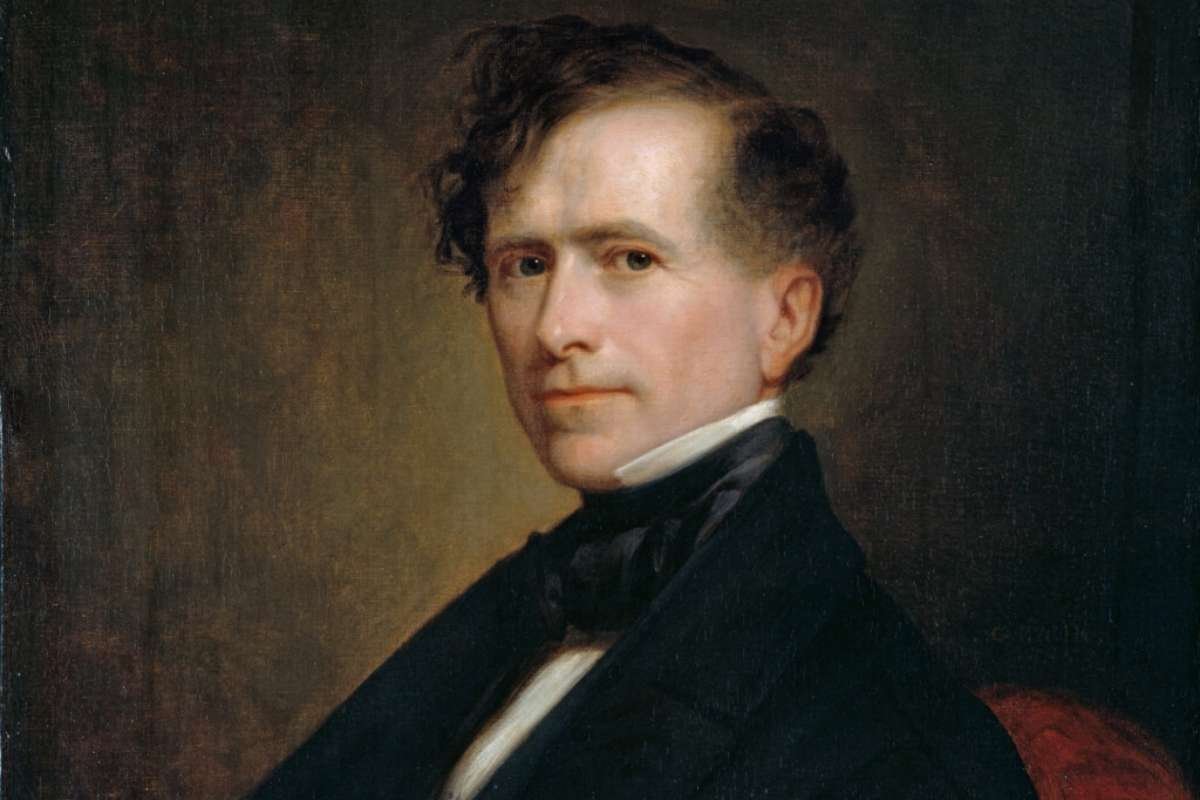
- Term Start: 1853
- Term End: 1857
- Political Party: Democrat
Franklin Pierce sought to unify the nation. His presidency supported territorial growth. He backed the Kansas-Nebraska Act. The law reopened slavery debates. Violence erupted in new territories. His leadership weakened national trust. Sectional conflict increased sharply.
- Key events: Kansas-Nebraska Act, Bleeding Kansas, Territorial unrest
15. James Buchanan
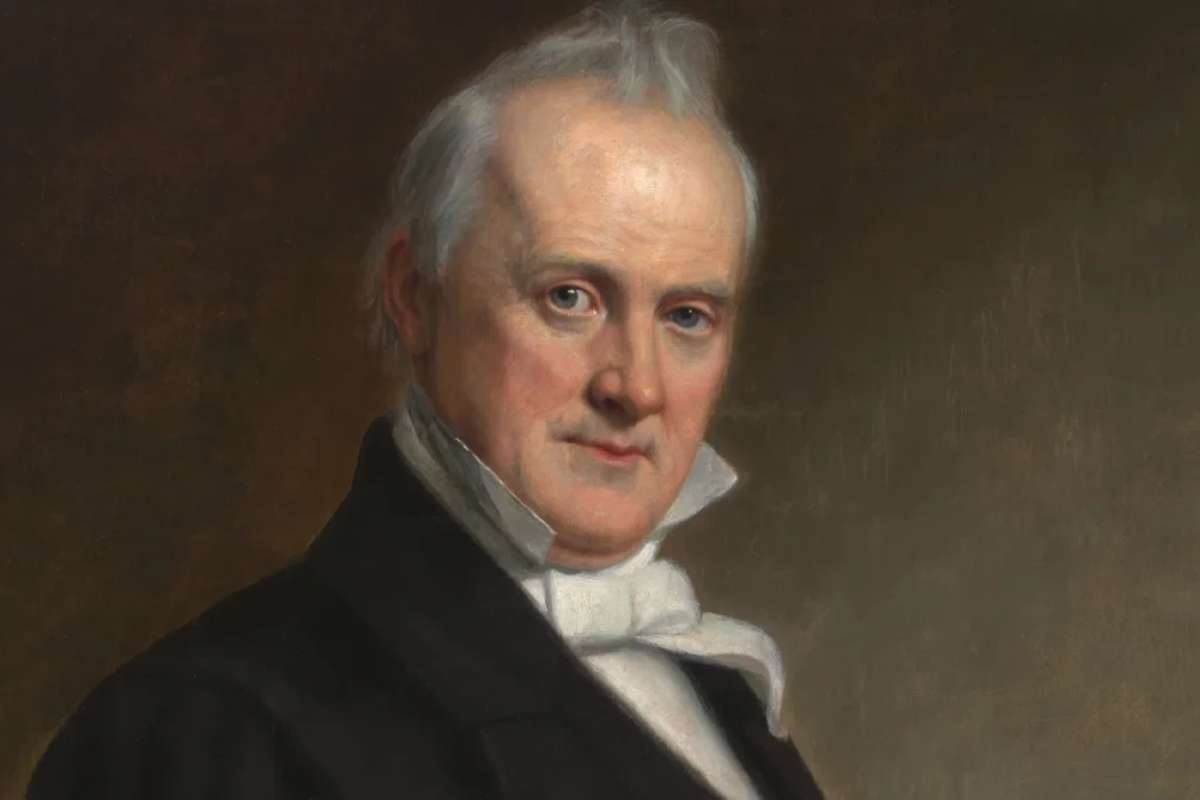
- Term Start: 1857
- Term End: 1861
- Political Party: Democrat
James Buchanan served as a diplomat and cabinet leader. He entered office during rising tensions. Southern states threatened secession. He avoided decisive action. His presidency failed to stop division. The nation moved toward civil war. His term ended in crisis.
- Key events: Secession crisis, Dred Scott decision, Pre-Civil War tension
16. Abraham Lincoln
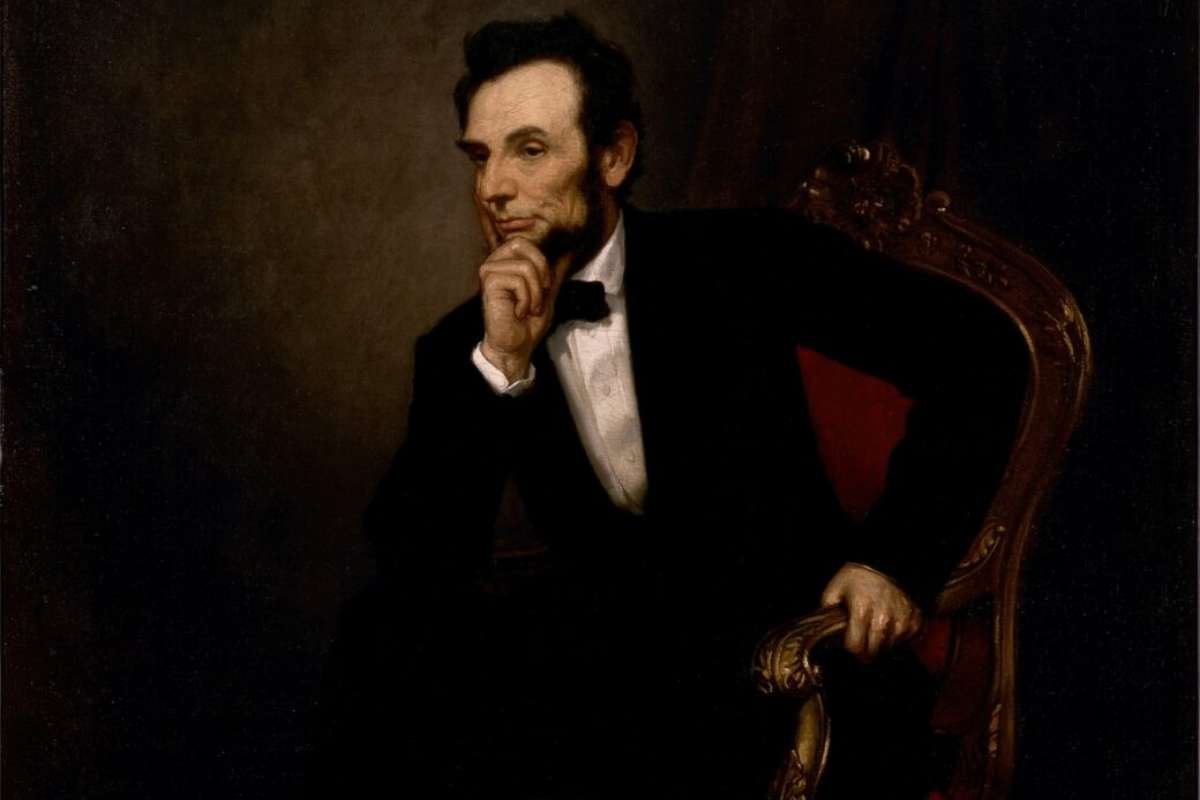
- Term Start: 1861
- Term End: 1865
- Political Party: Republican
Abraham Lincoln rose from humble origins. These achievements make him one of the most studied figures in the list of Presidents of USA. He led the nation during the Civil War. He preserved the Union. He issued the Emancipation Proclamation. He promoted constitutional freedom. His leadership guided wartime strategy. He was assassinated after the victory.
- Key events: Civil War, Emancipation Proclamation, Gettysburg Address
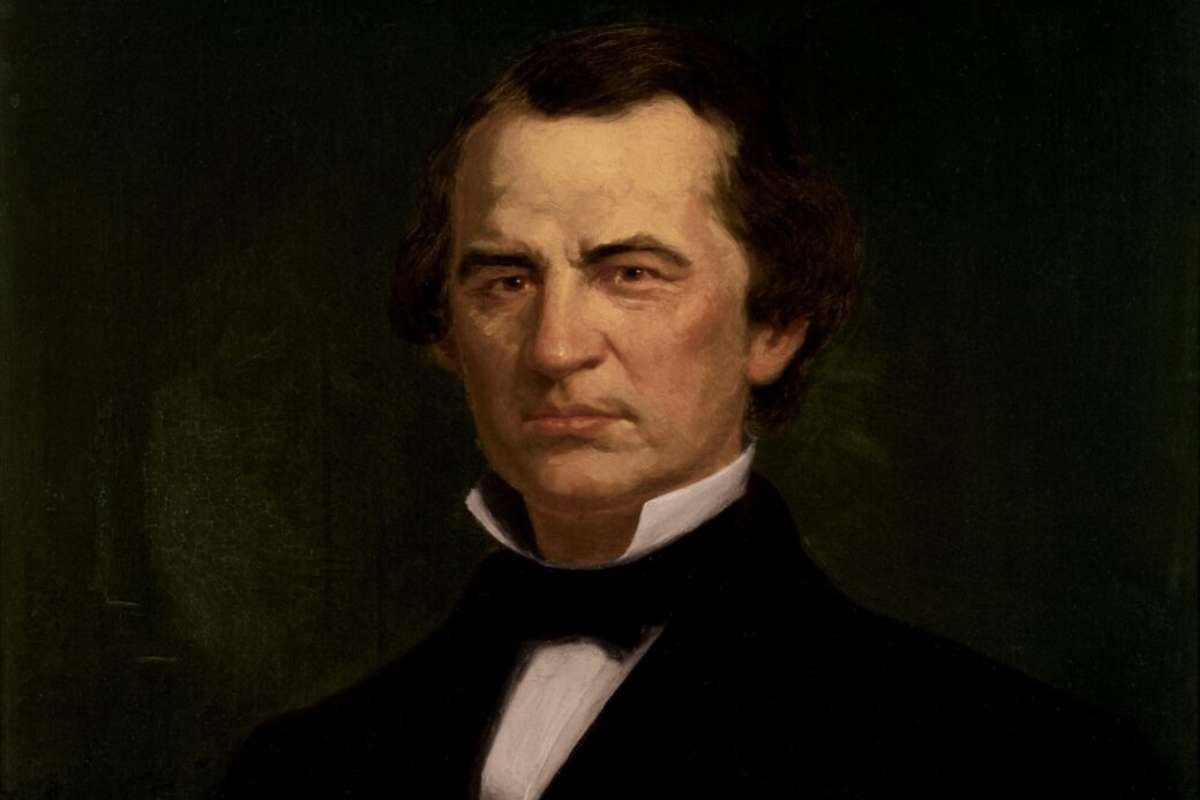
17. Andrew Johnson
- Term Start: 1865
- Term End: 1869
- Political Party: Democrat
Andrew Johnson became president after Lincoln’s death. He favored lenient Reconstruction policies. He clashed with Congress. Lawmakers impeached him. He survived removal by one vote. His presidency slowed civil rights progress. Conflict defined his administration. His approach weakened federal support for newly freed citizens. That choice shaped Reconstruction outcomes for decades..
- Key events: Reconstruction conflict, Presidential impeachment, Civil rights disputes
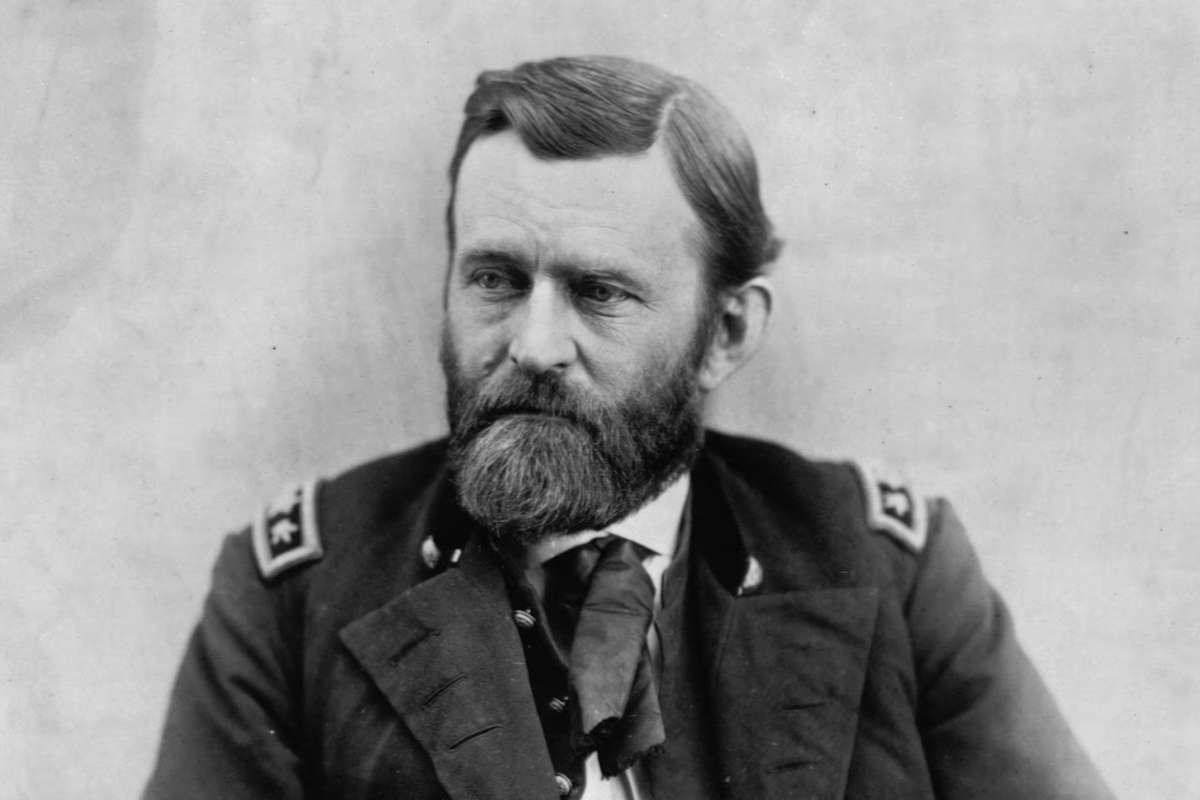
18. Ulysses Simpson Grant
- Term Start: 1869
- Term End: 1877
- Political Party: Republican
Ulysses Grant was a Union war hero. His presidency supported Reconstruction. He enforced voting rights laws. Federal troops protected southern elections. Corruption affected his administration. He remained personally respected. His leadership defended constitutional rights. He took firm action against violent resistance groups. Those efforts aimed to protect newly granted freedoms.
- Key events: Reconstruction enforcement, Civil rights protection, Political scandals
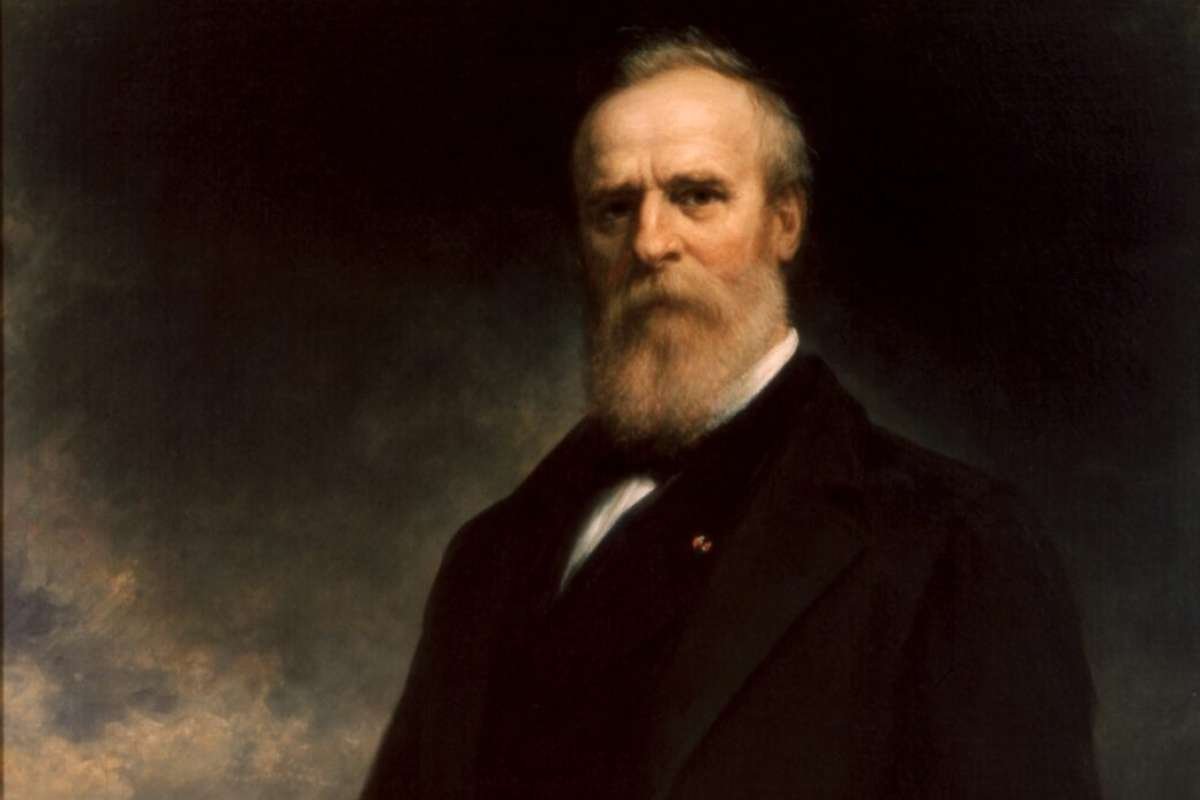
19. Rutherford Birchard Hayes
- Term Start: 1877
- Term End: 1881
- Political Party: Republican
Rutherford Hayes won a disputed election. His presidency ended Reconstruction. Federal troops withdrew from the South. He promoted civil service reform. He sought national healing. His actions reshaped southern politics. His term focused on reform.
- Key events: End of Reconstruction, Electoral compromise, Civil service reform
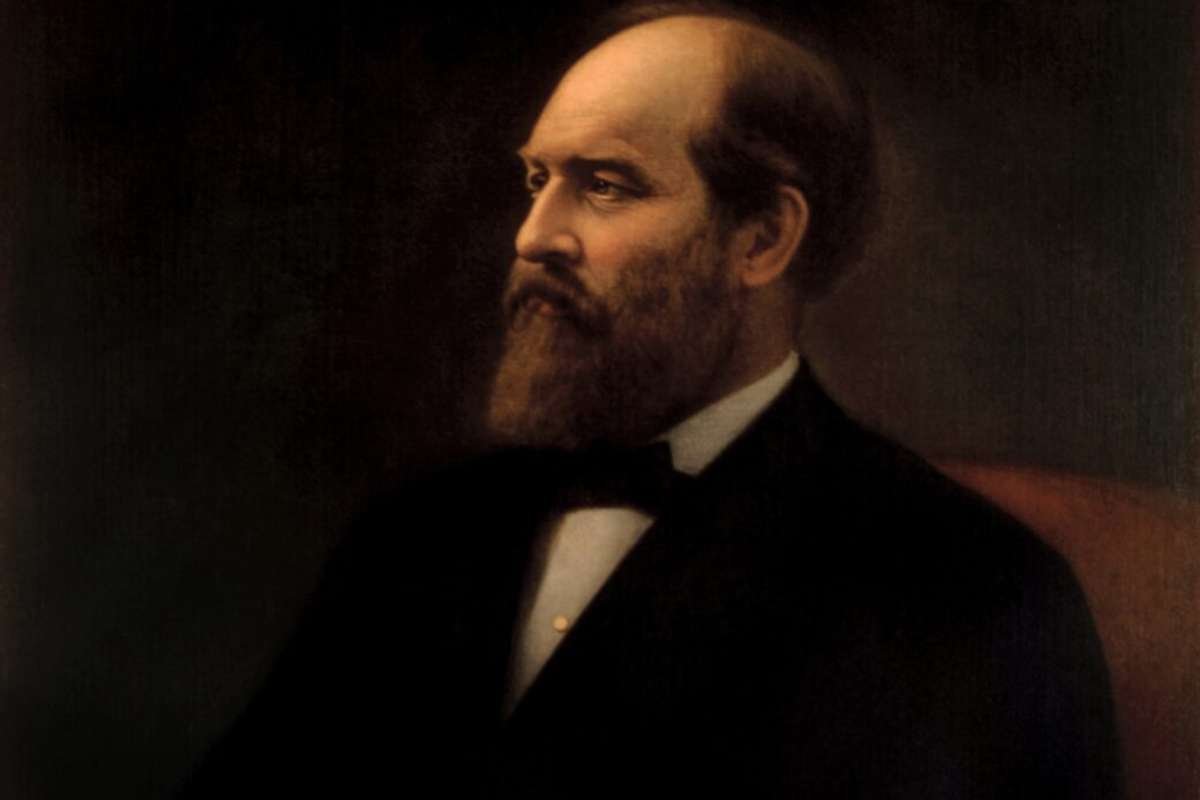
20. James Abram Garfield
- Term Start: 1881
- Term End: 1881
- Political Party: Republican
List of Presidents of USA, James Garfield served in Congress for many years. He supported government reform. He was shot shortly after taking office. He lingered for months before dying. His death shocked the nation. His presidency was brief. His legacy led to reform laws. Public anger pushed lawmakers to act quickly. That pressure strengthened civil service reform.
- Key events: Presidential assassination, Civil service reform push
21. Chester Alan Arthur
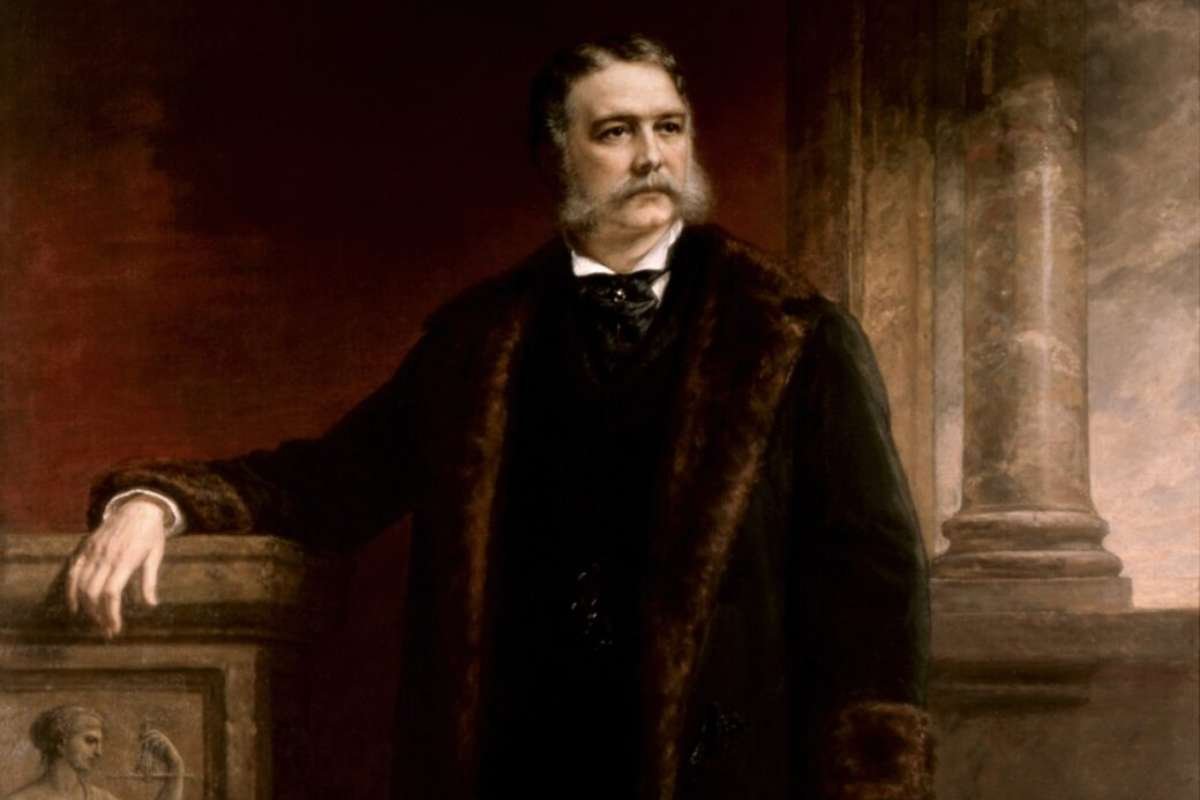
- Term Start: 1881
- Term End: 1885
- Political Party: Republican
Chester Arthur assumed office after Garfield’s death. He surprised critics with reform support. He signed civil service legislation. The law reduced patronage abuse. He modernized the Navy. His presidency improved government professionalism. His leadership earned respect.
- Key events: Pendleton Civil Service Act, Naval modernization
22. Grover Cleveland (First Term)
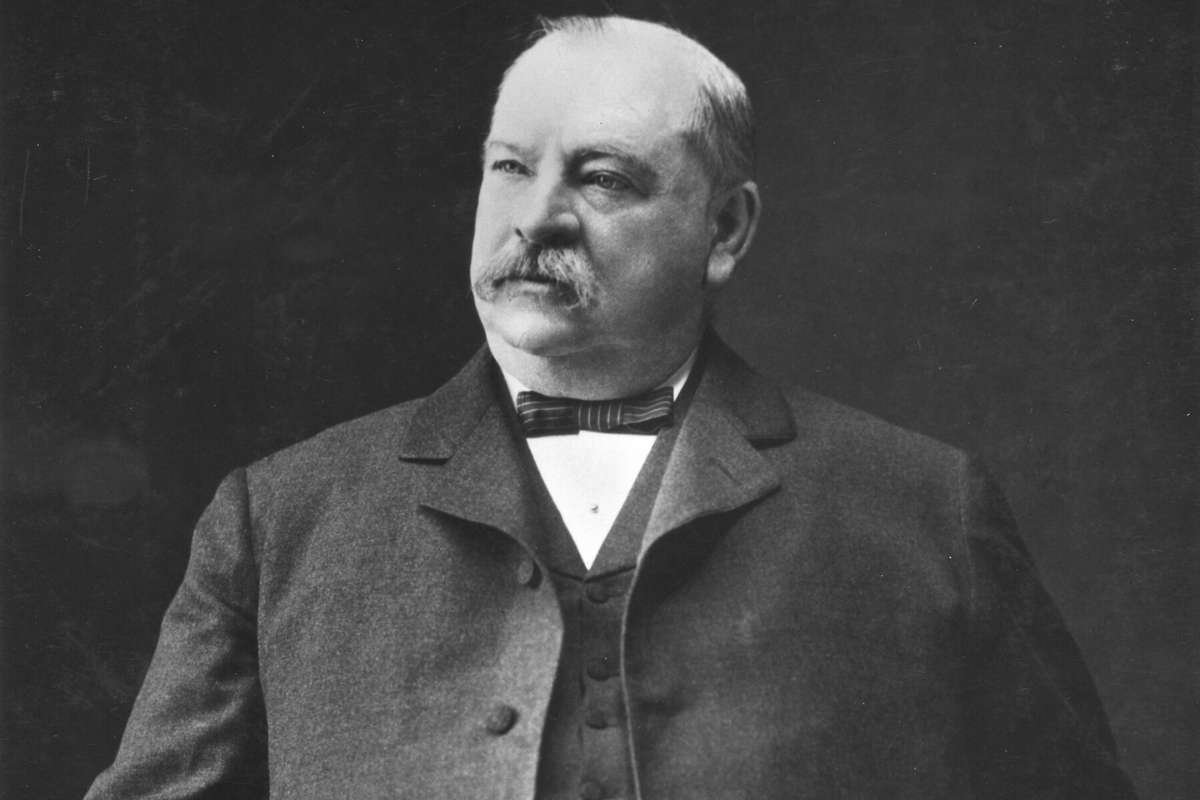
- Term Start: 1885
- Term End: 1889
- Political Party: Democrat
Grover Cleveland built a reputation for honesty. He opposed excessive government spending. He vetoed many special-interest bills. His presidency emphasized limited government. He supported fiscal discipline. Voters respected his independence. His leadership stressed accountability. He often placed principle above party loyalty. That stance shaped public trust in his leadership
- Key events: Budget vetoes, Government reform, Tariff debates
23. Benjamin Harrison
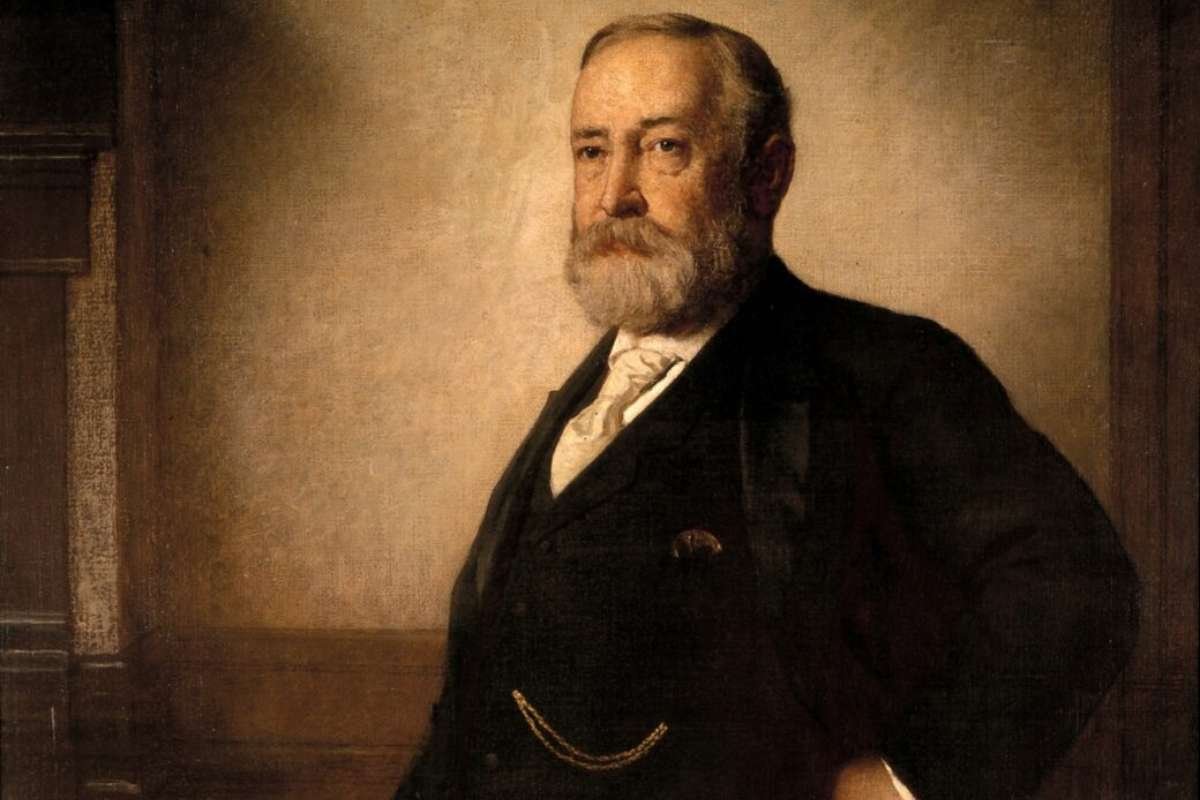
- Term Start: 1889
- Term End: 1893
- Political Party: Republican
Benjamin Harrison expanded federal authority. His presidency added new states. He supported pensions for veterans. Government spending increased sharply. He backed protective tariffs. His administration promoted economic growth. His term strengthened federal influence. Benjamin Harrison marks the halfway point of this list of Presidents of USA.
- Key events: State admissions, McKinley Tariff, Federal expansion
24. Grover Cleveland (Second Term)
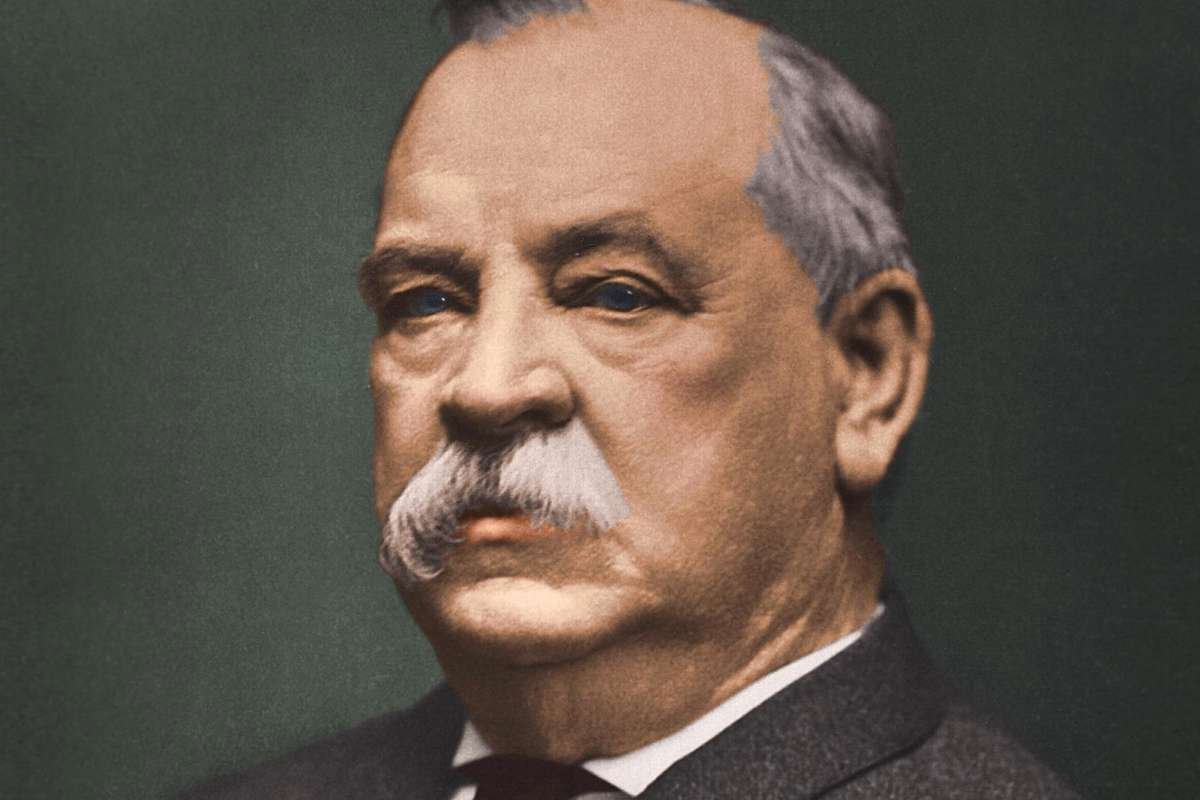
- Term Start: 1893
- Term End: 1897
- Political Party: Democrat
Grover Cleveland returned after losing office earlier. His second term faced economic collapse. The Panic of 1893 caused widespread hardship. He resisted federal relief programs. His decisions drew criticism. He defended the gold standard. His presidency tested public trust.
- Key events: Panic of 1893, Labor unrest, Gold standard defense
25. William McKinley
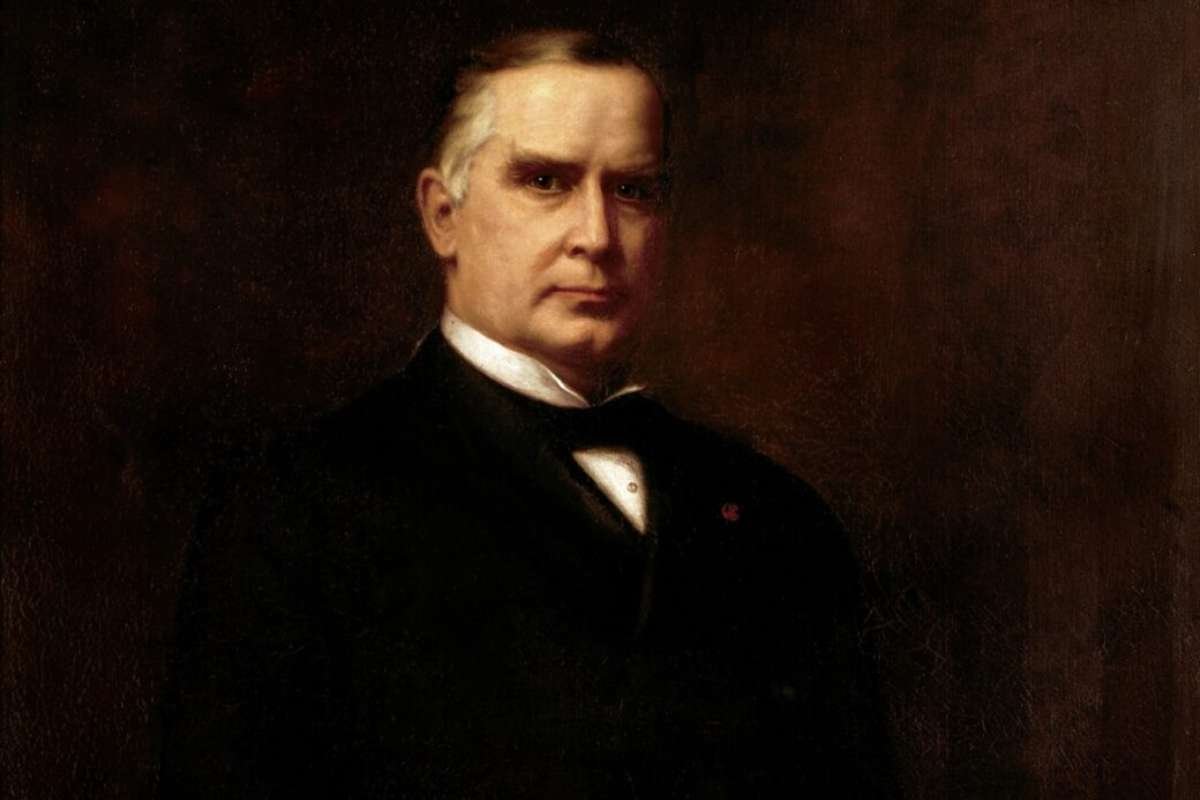
- Term Start: 1897
- Term End: 1901
- Political Party: Republican
William McKinley supported protective tariffs. His presidency marked American expansion overseas. The Spanish-American War changed U.S. influence. New territories came under U.S. control. He promoted industrial growth. He won re-election easily. He was assassinated in office.
- Key events: Spanish-American War, Overseas expansion, Assassination
26. Theodore Roosevelt
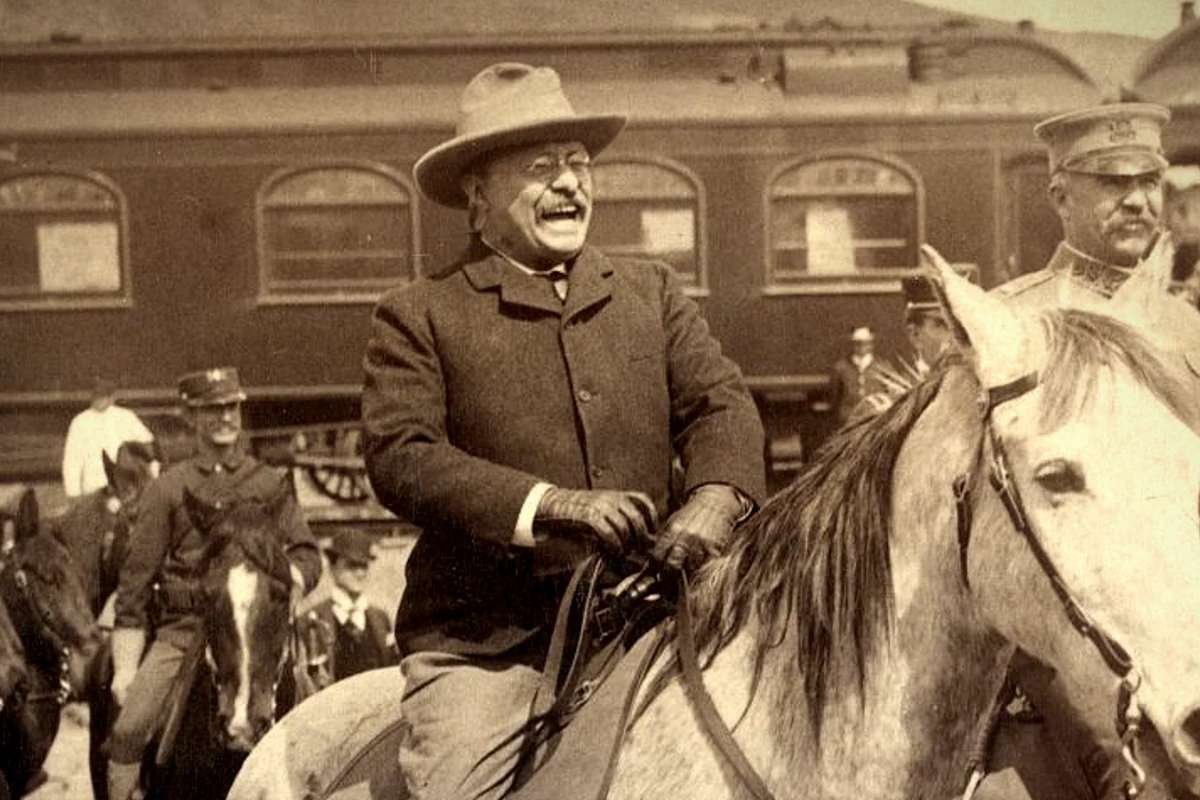
- Term Start: 1901
- Term End: 1909
- Political Party: Republican
Theodore Roosevelt rose after McKinley’s death, making him the 26th president on this list of Presidents of USA. He expanded presidential power. He challenged large corporations. He protected natural resources. He strengthened global influence. His leadership shaped progressive reform. He left office widely popular.
- Key events: Trust-busting, Conservation efforts, Panama Canal
27. William Howard Taft
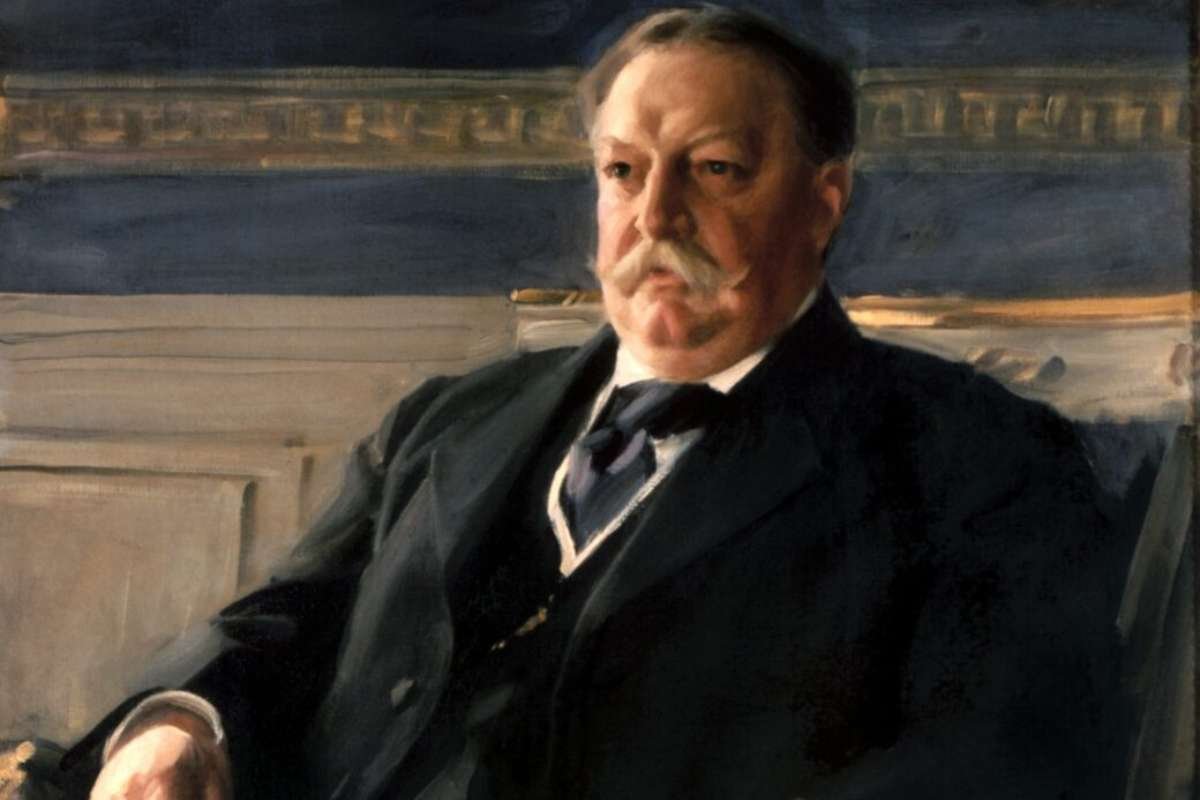
- Term Start: 1909
- Term End: 1913
- Political Party: Republican
William Howard Taft followed Roosevelt. He continued antitrust enforcement. He favored judicial solutions. His presidency split the Republican Party. Political division weakened his support. He later served as Chief Justice. His leadership valued law and order.
- Key events: Antitrust cases, Party split, Judicial reforms
28. Woodrow Wilson
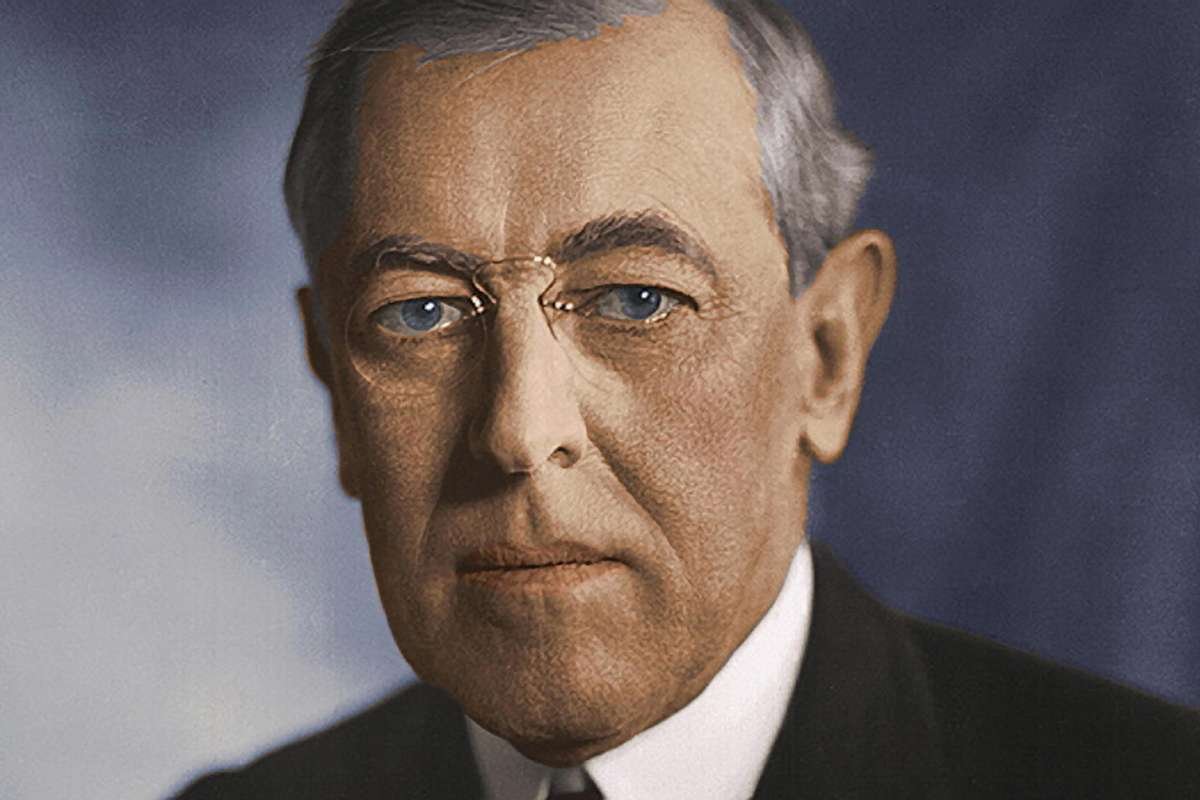
- Term Start: 1913
- Term End: 1921
- Political Party: Democrat
Woodrow Wilson was a scholar and governor. His presidency passed major economic reforms. He led the nation through World War I. He promoted international cooperation. He proposed the League of Nations. His vision reshaped diplomacy. His health later declined. His illness limited his ability to push global reforms. That setback weakened support for his international plans.
- Key events: World War I, Federal Reserve Act, League of Nations
29. Warren G. Harding

- Term Start: 1921
- Term End: 1923
- Political Party: Republican
Next on this list of Presidents of USA is Warren Harding. He promised national recovery. His presidency restored economic growth. His administration faced corruption scandals. Public trust weakened over time. He died suddenly in office. His death shocked the nation. His legacy remains debated.
- Key events: Teapot Dome scandal, Economic recovery, Presidential death
30. Calvin Coolidge
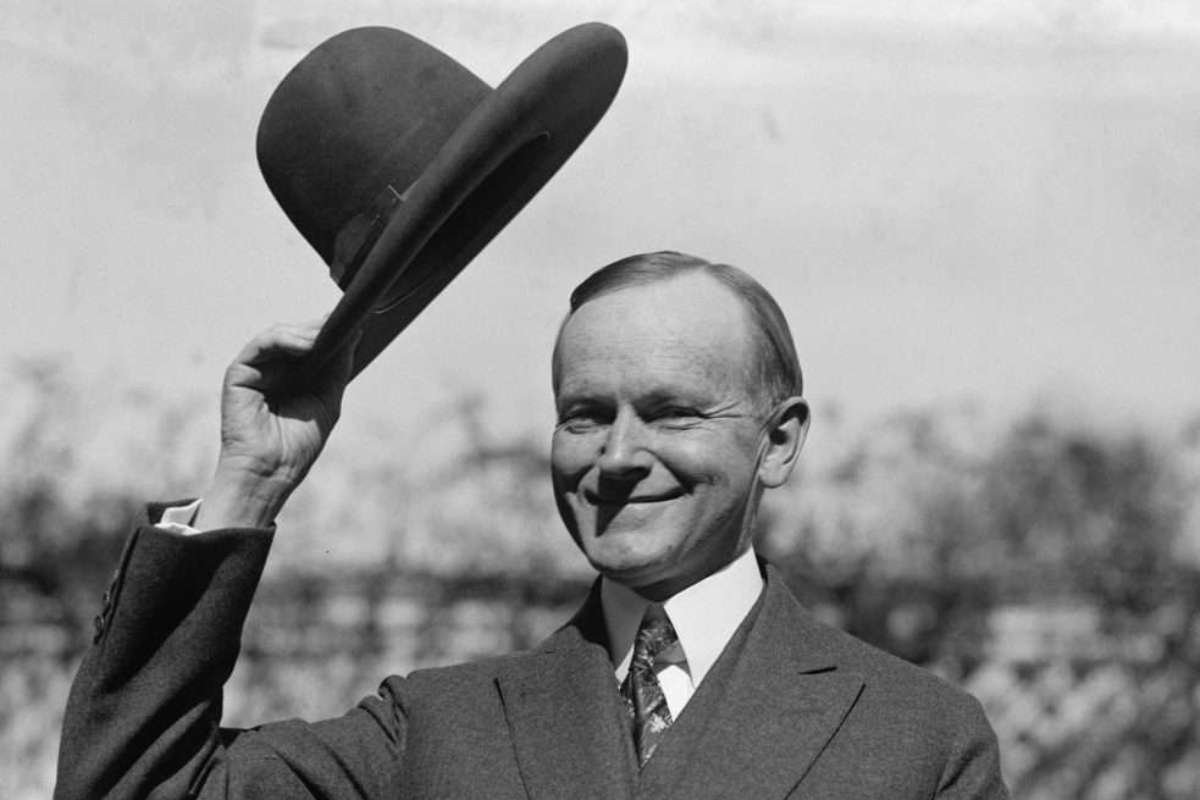
- Term Start: 1923
- Term End: 1929
- Political Party: Republican
Calvin Coolidge valued small government. He supported business growth. His presidency saw economic expansion. He spoke little but acted firmly. He favored limited regulation. His leadership emphasized stability. His term ended before the economic collapse.
- Key events: Economic growth, Tax reductions, Limited government
31. Herbert Hoover
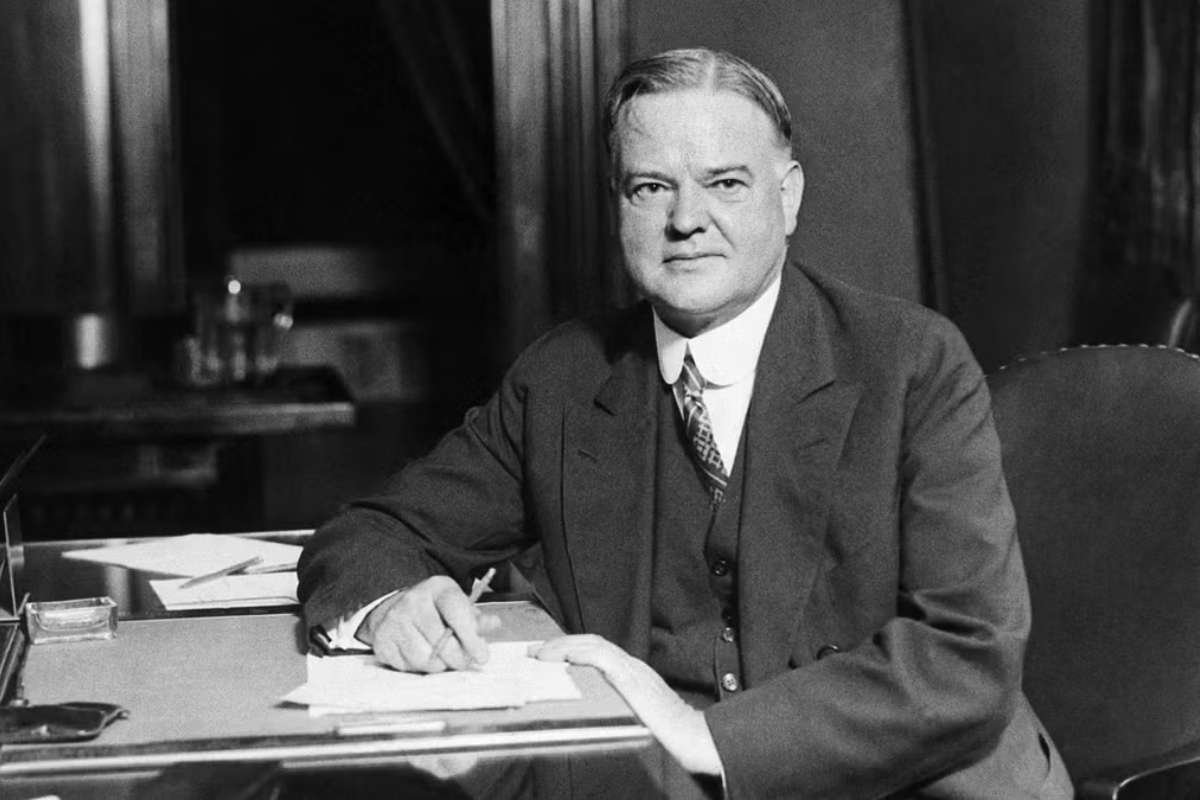
- Term Start: 1929
- Term End: 1933
- Political Party: Republican
Herbert Hoover was an engineer and humanitarian. His presidency faced economic collapse. The Great Depression spread nationwide. He resisted direct federal aid. Public suffering increased sharply. His policies lost support. His term ended in crisis.
- Key events: Great Depression, Bank failures, Bonus Army protest
32. Franklin Delano Roosevelt
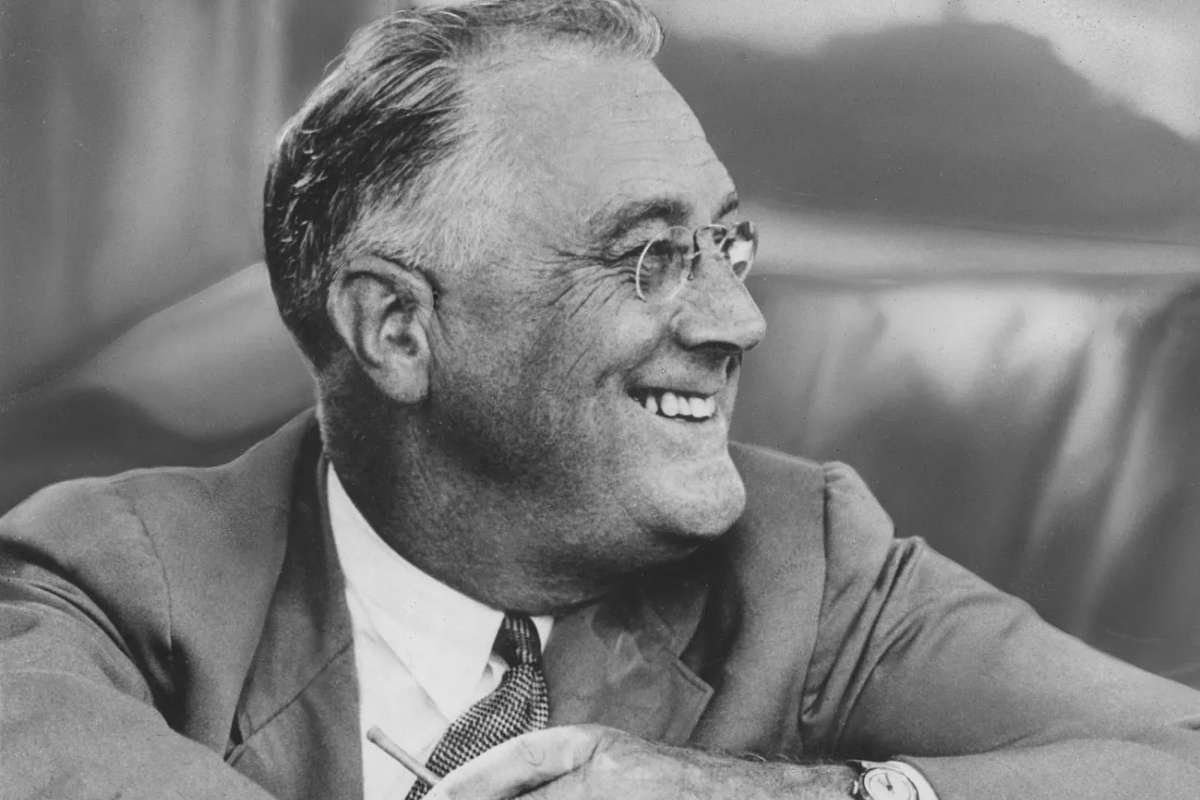
- Term Start: 1933
- Term End: 1945
- Political Party: Democrat
List of Presidents of USA, Franklin Roosevelt led during a crisis. He launched the New Deal. Federal programs reshaped the economy. He guided the nation through World War II. He expanded presidential power. He communicated through the radio effectively. He served four terms. His fireside chats built trust with the public. That connection strengthened support during hard times.
- Key events: New Deal programs, World War II, Social Security Act
33. Harry S. Truman

- Term Start: 1945
- Term End: 1953
- Political Party: Democrat
Harry Truman rose from modest roots. He ended World War II. He approved atomic weapon use. He launched postwar recovery efforts. He supported civil rights reforms. His leadership shaped Cold War policy. His decisions carried a lasting impact. He also oversaw the creation of new global alliances. Those alliances influenced U.S. foreign policy for decades.
- Key events: Atomic bomb use, Marshall Plan, Korean War
34. Dwight David Eisenhower
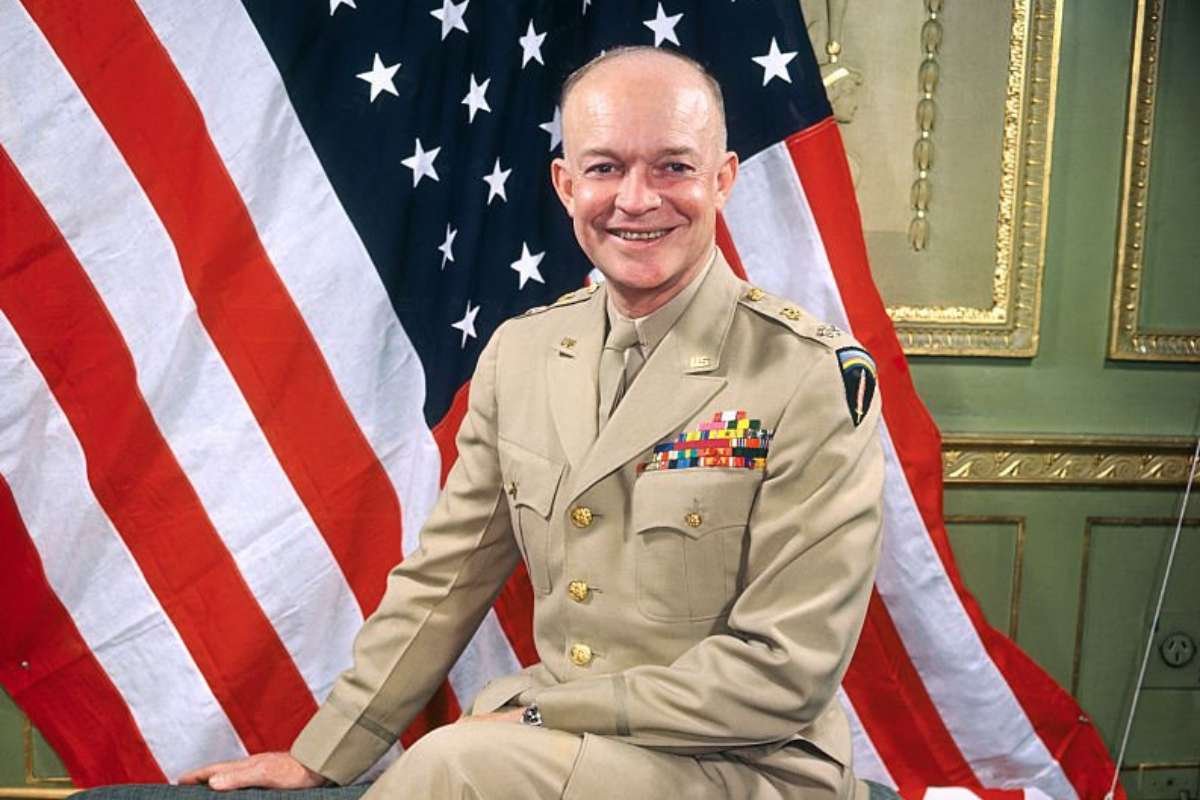
- Term Start: 1953
- Term End: 1961
- Political Party: Republican
Dwight Eisenhower was a World War II general. He brought calm leadership to the office. He expanded the national infrastructure. The interstate highway system transformed travel. He managed Cold War tensions carefully. He avoided direct conflict. He warned against excessive military influence.
- Key events: Interstate Highway Act, Korean War armistice, Cold War strategy
35. John Fitzgerald Kennedy
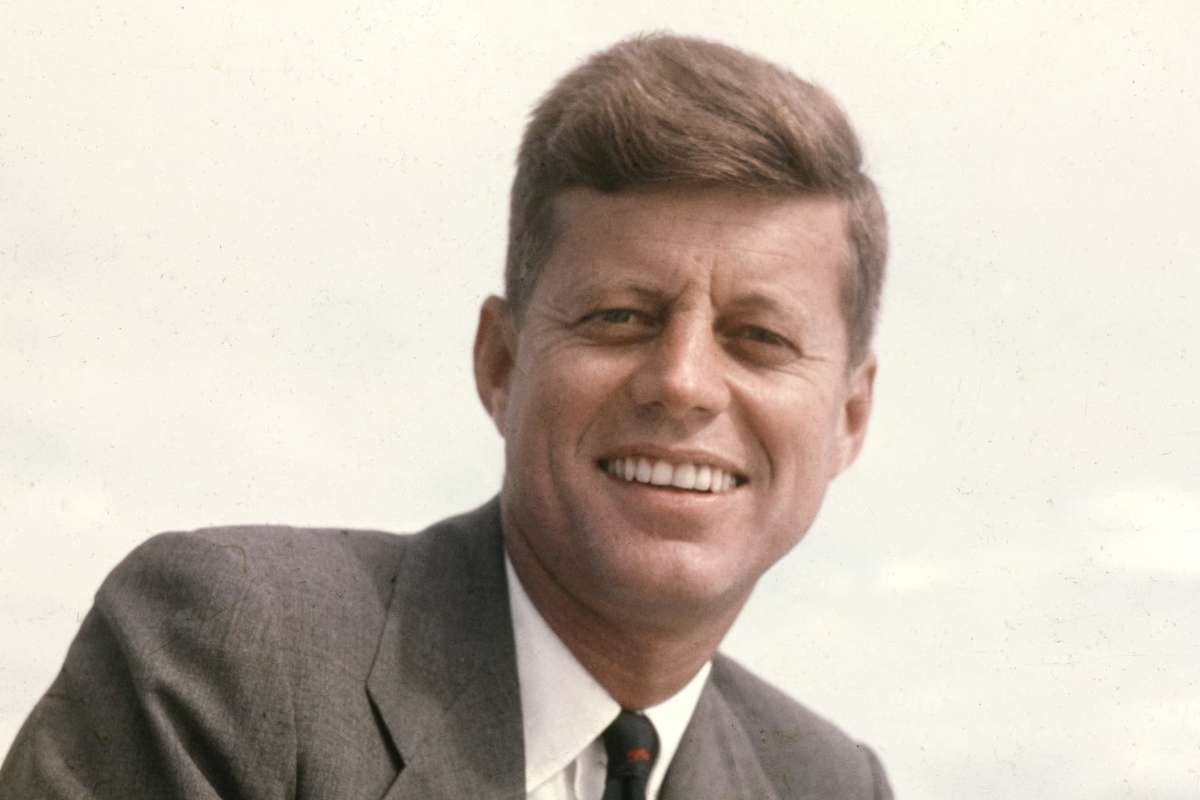
- Term Start: 1961
- Term End: 1963
- Political Party: Democrat
John F. Kennedy entered office as the youngest elected president. He inspired public optimism through powerful speeches. His presidency faced intense Cold War pressure. He handled the Cuban Missile Crisis with caution. He pushed for civil rights reform. He launched the space race goal. His term ended with an assassination.
- Key events: Cuban Missile Crisis, Bay of Pigs invasion, Space Race launch
36. Lyndon Baines Johnson
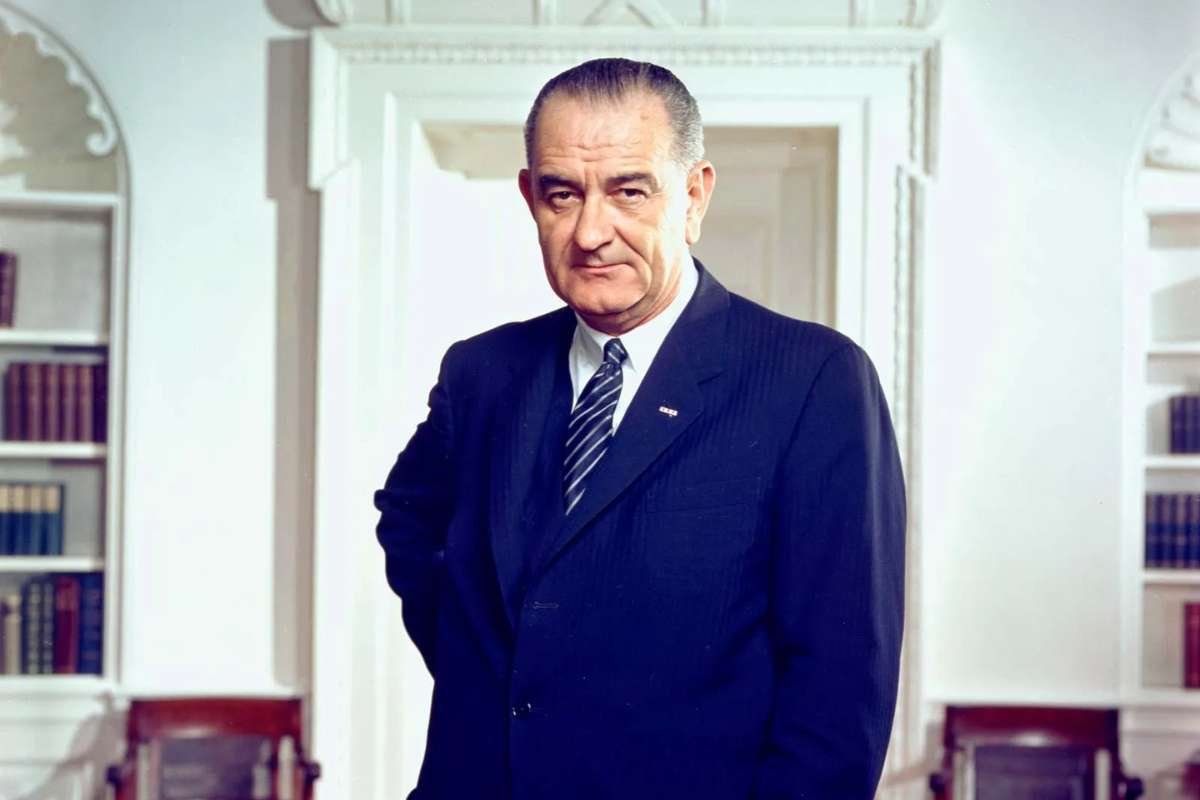
- Term Start: 1963
- Term End: 1969
- Political Party: Democrat
Lyndon Johnson brought strong legislative skills to office. He passed major civil rights laws. His Great Society programs expanded social welfare. He supported education and healthcare reform. He increased U.S. involvement in Vietnam. Public support declined due to the war. His domestic impact remained lasting.
- Key events: Civil Rights Act, Voting Rights Act, Vietnam War escalation
37. Richard Milhous Nixon
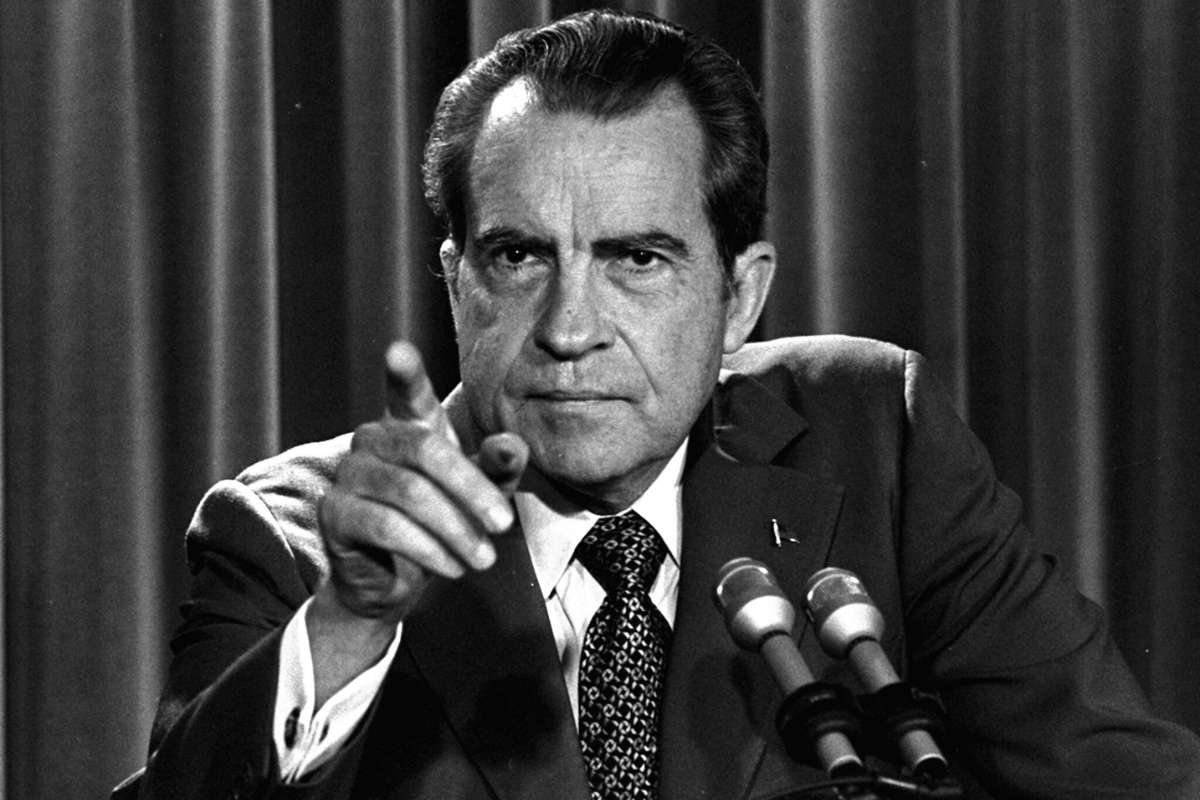
- Term Start: 1969
- Term End: 1974
- Political Party: Republican
List of Presidents of USA, Richard Nixon built his career on foreign policy strength. He opened diplomatic relations with China. He reduced tensions with the Soviet Union. His administration ended U.S. combat in Vietnam. Domestic reforms included environmental protection. The Watergate scandal ended his presidency. He resigned from office.
- Key events: Watergate scandal, China visit, Vietnam War withdrawal
38. Gerald Rudolph Ford
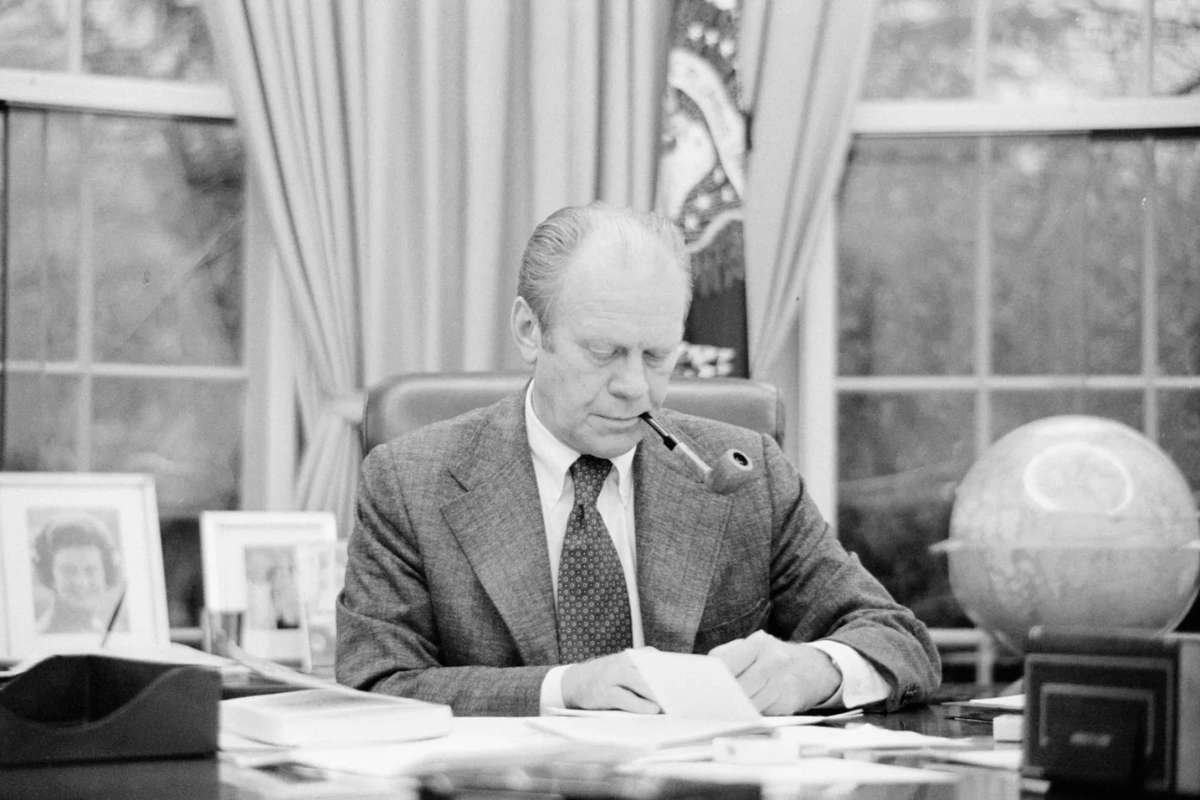
- Term Start: 1974
- Term End: 1977
- Political Party: Republican
Gerald Ford assumed office after Nixon’s resignation. He focused on restoring trust in government. He pardoned Nixon to close political wounds. His term faced inflation and unemployment. Energy shortages challenged the economy. He promoted stability over bold reform. He served without election to office.
- Key events: Nixon pardon, Energy crisis, Economic inflation
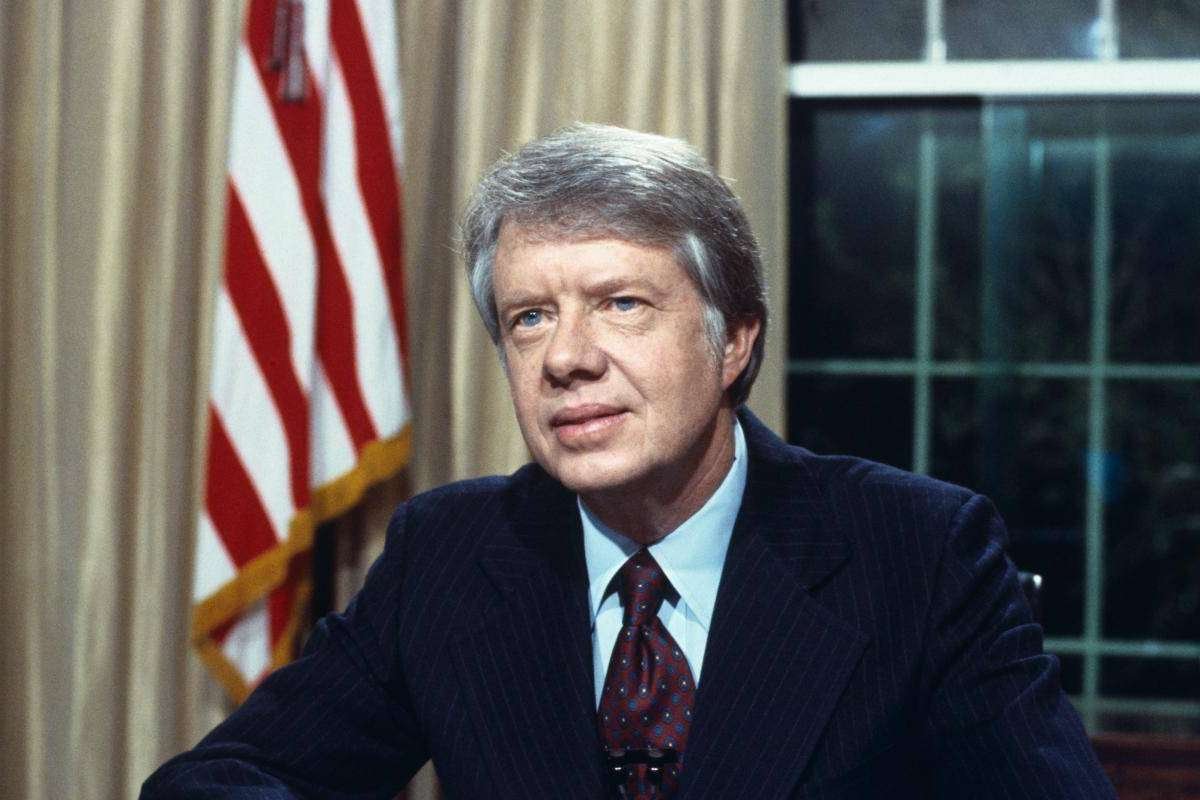
39. James Earl Carter
- Term Start: 1977
- Term End: 1981
- Political Party: Democrat
Jimmy Carter entered office as a political outsider. He emphasized honesty and human rights. His presidency faced economic difficulties. Inflation and fuel shortages hurt public confidence. He brokered peace between Egypt and Israel. The Iran hostage crisis dominated his final year. His approval ratings declined sharply.
- Key events: Camp David Accords, Iran hostage crisis, Energy reforms
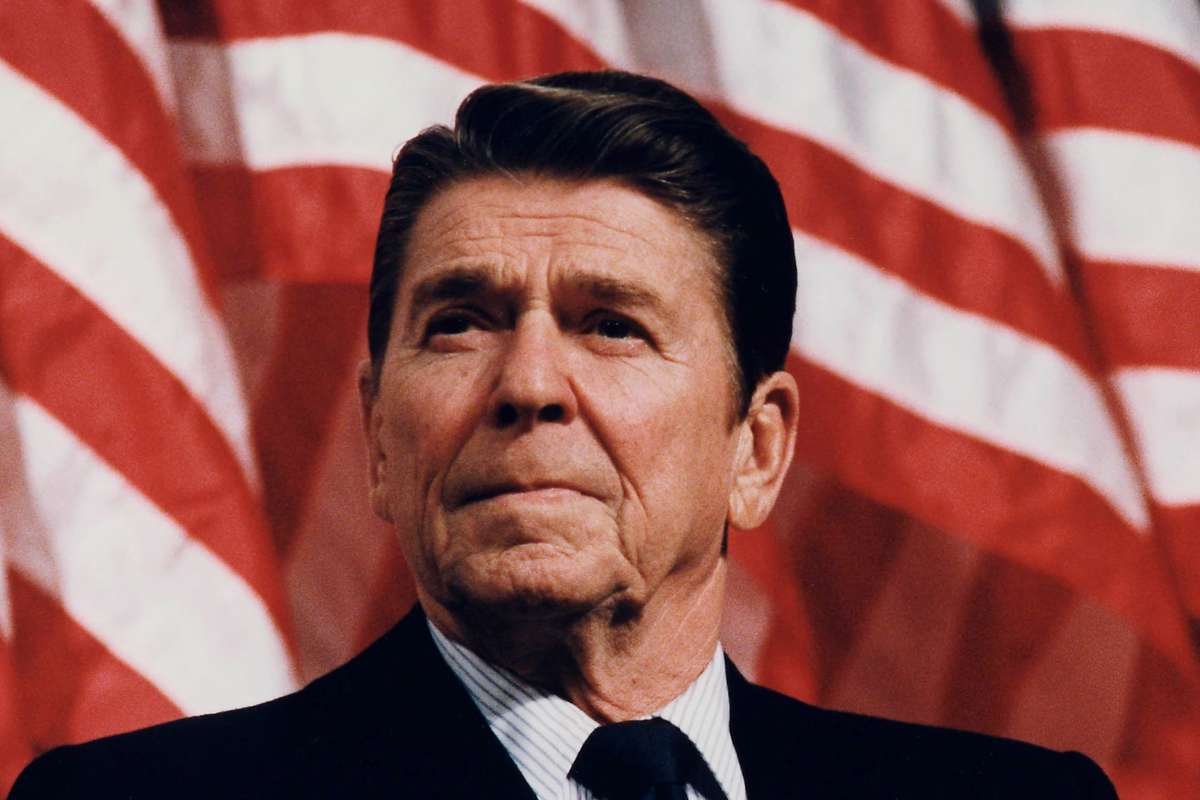
40. Ronald Wilson Reagan
- Term Start: 1981
- Term End: 1989
- Political Party: Republican
Ronald Reagan brought strong communication skills to the office. He promoted conservative economic policies. Tax cuts and deregulation defined his agenda. He took a firm stance against the Soviet Union. His diplomacy later reduced Cold War tensions. Economic growth returned during his term. His presidency reshaped modern politics.
- Key events: Reaganomics, Cold War diplomacy, Iran-Contra affair
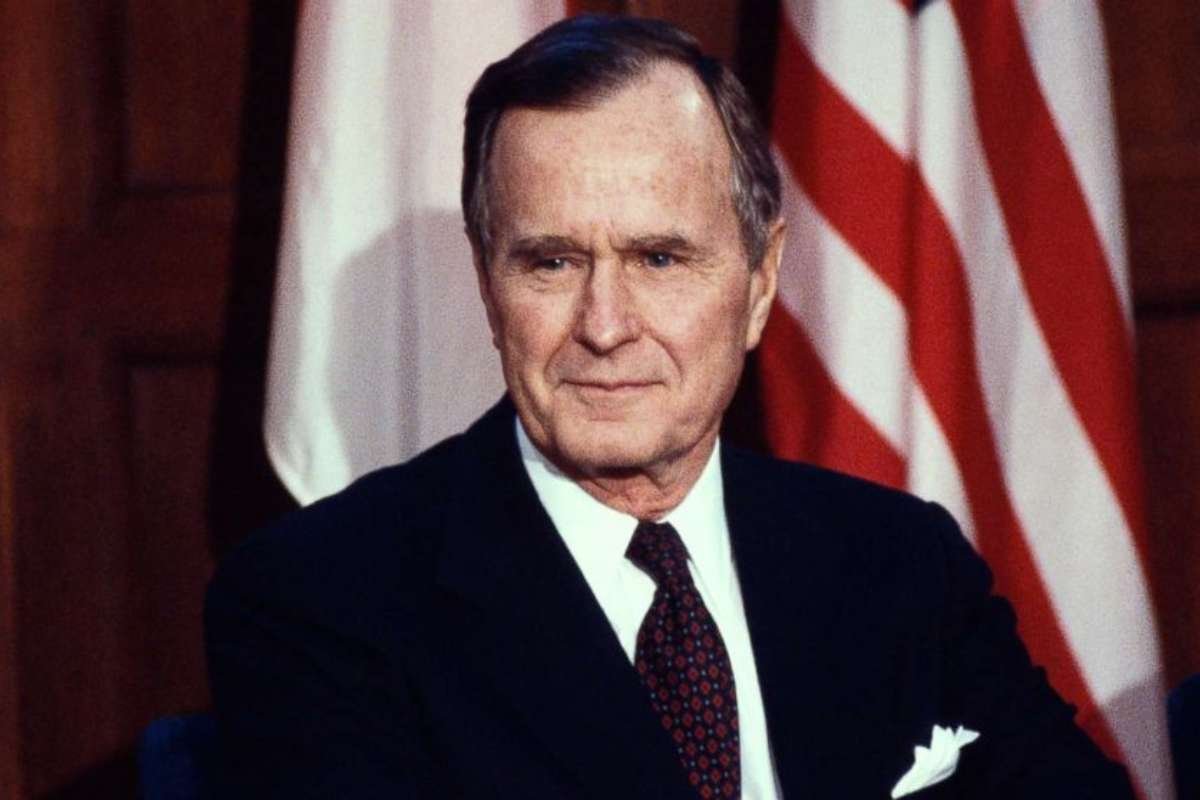
41. George Herbert Walker Bush
- Term Start: 1989
- Term End: 1993
- Political Party: Republican
George H. W. Bush had deep foreign policy experience. He managed the end of the Cold War. He led a global coalition in the Gulf War. His presidency focused on international stability. The domestic economic slowdown hurt his popularity. He raised taxes despite campaign promises. His term emphasized diplomacy.
- Key events: Gulf War, Soviet Union collapse, German reunification
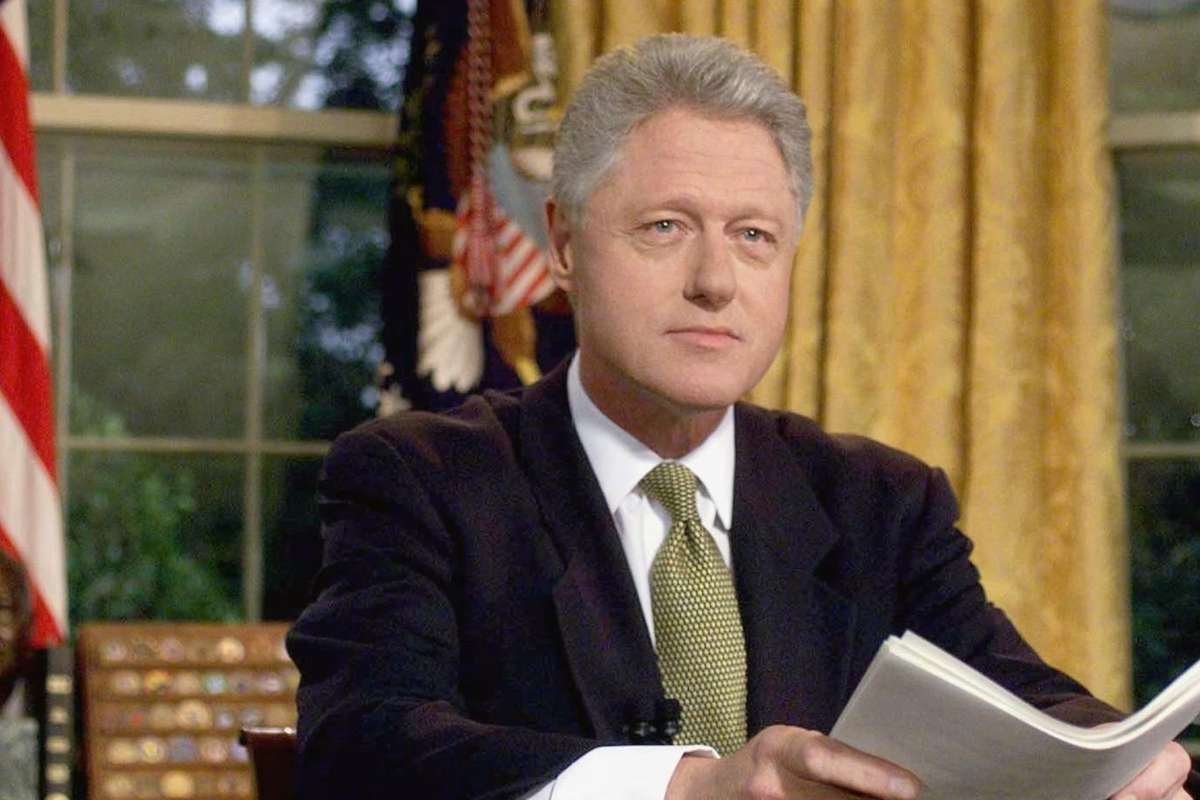
42. William Jefferson Clinton
- Term Start: 1993
- Term End: 2001
- Political Party: Democrat
Bill Clinton rose from Arkansas politics. His presidency saw strong economic growth. Budget surpluses marked the late 1990s. He supported welfare reform and trade expansion. His term included personal scandals. He was impeached but acquitted. His leadership mixed centrism with global engagement.
- Key events: Economic expansion, Impeachment trial, NAFTA
43. George Walker Bush
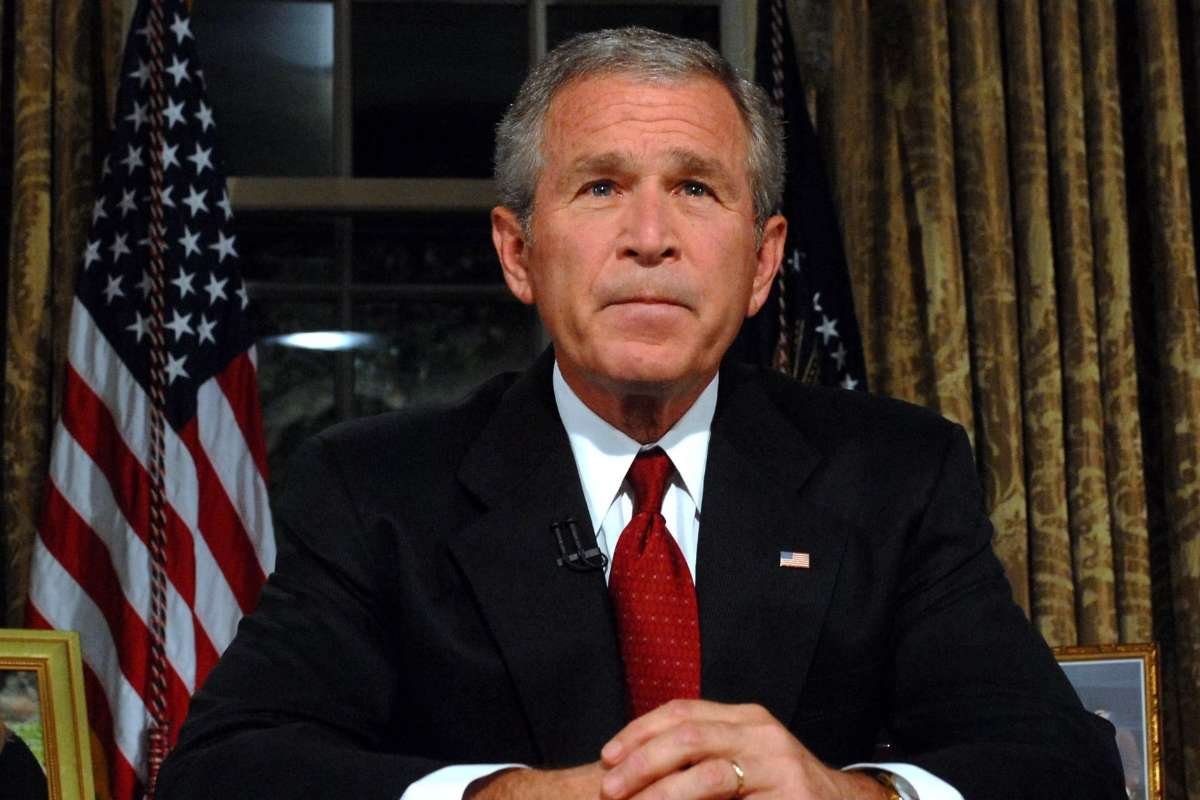
- Term Start: 2001
- Term End: 2009
- Political Party: Republican
George W. Bush entered office after a disputed election. His presidency changed after September 11 attacks. He launched the War on Terror. U.S. forces invaded Afghanistan and Iraq. He expanded national security agencies. His second term faced economic recession. His leadership focused on security policy.
- Key events: 9/11 attacks, Iraq War, Global War on Terror
44. Barack Hussein Obama

- Term Start: 2009
- Term End: 2017
- Political Party: Democrat
Barack Obama became the first African American president. He took office during a financial crisis. His administration passed healthcare reform. He focused on economic recovery. He emphasized diplomacy and alliances. U.S. forces killed Osama bin Laden during his term. His presidency highlighted social reform.
- Key events: Affordable Care Act, Economic recovery, Bin Laden operation
Know More: Michelle Obama: A Woman of Heart
45. Donald John Trump
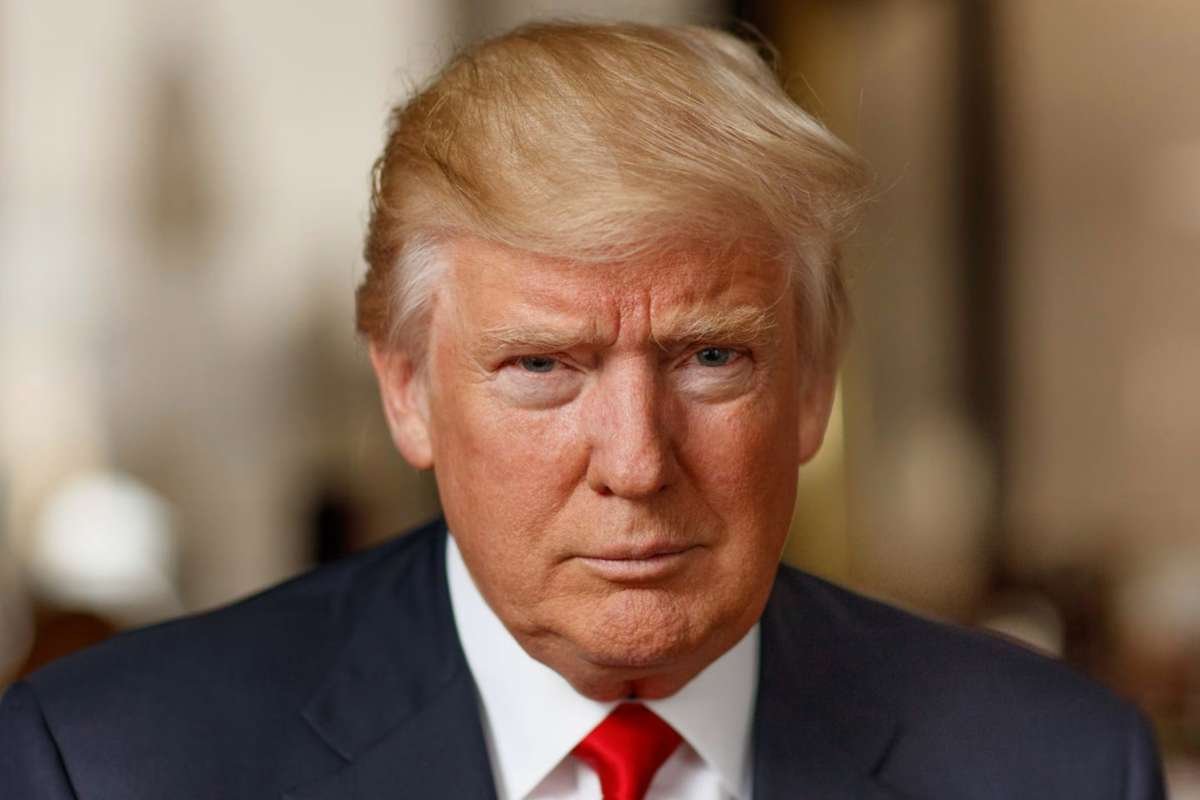
- Term Start: 2017
- Term End: 2021
- Political Party: Republican
List of Presidents of USA, Donald Trump entered office as a political outsider. He challenged traditional political norms. His presidency focused on tax cuts and deregulation. He reshaped trade and immigration policy. He faced two impeachment trials. The COVID-19 pandemic defined his final year. Political polarization increased sharply.
- Key events: Tax Cuts and Jobs Act, Trade wars, COVID-19 pandemic
46. Joseph Robinette Biden
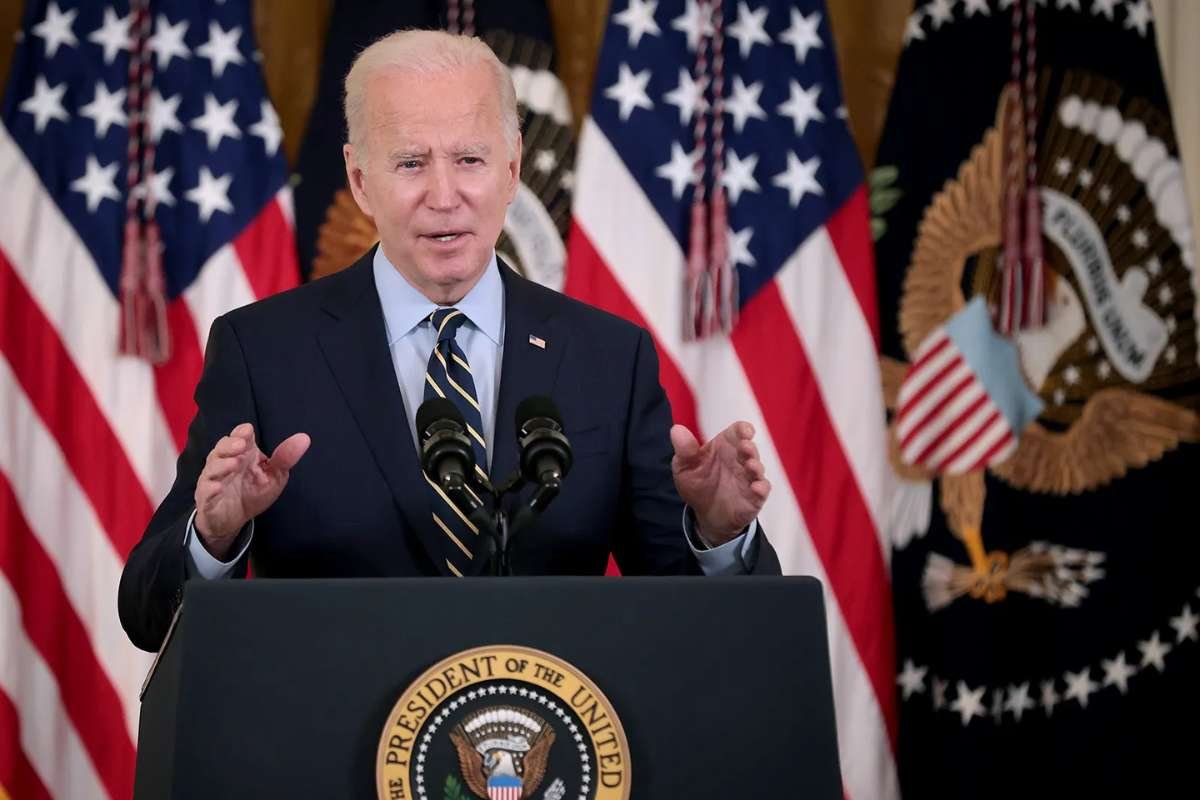
- Term Start: 2021
- Term End: 2025
- Political Party: Democrat
Joe Biden served decades in the Senate and White House. He entered office during a global recovery. His administration passed major infrastructure spending. He focused on alliances and diplomacy. Inflation and global conflicts challenged his term. He supported climate and healthcare investment. His presidency emphasized stability.
- Key events: Infrastructure law, COVID-19 recovery, Ukraine support
47. Donald John Trump
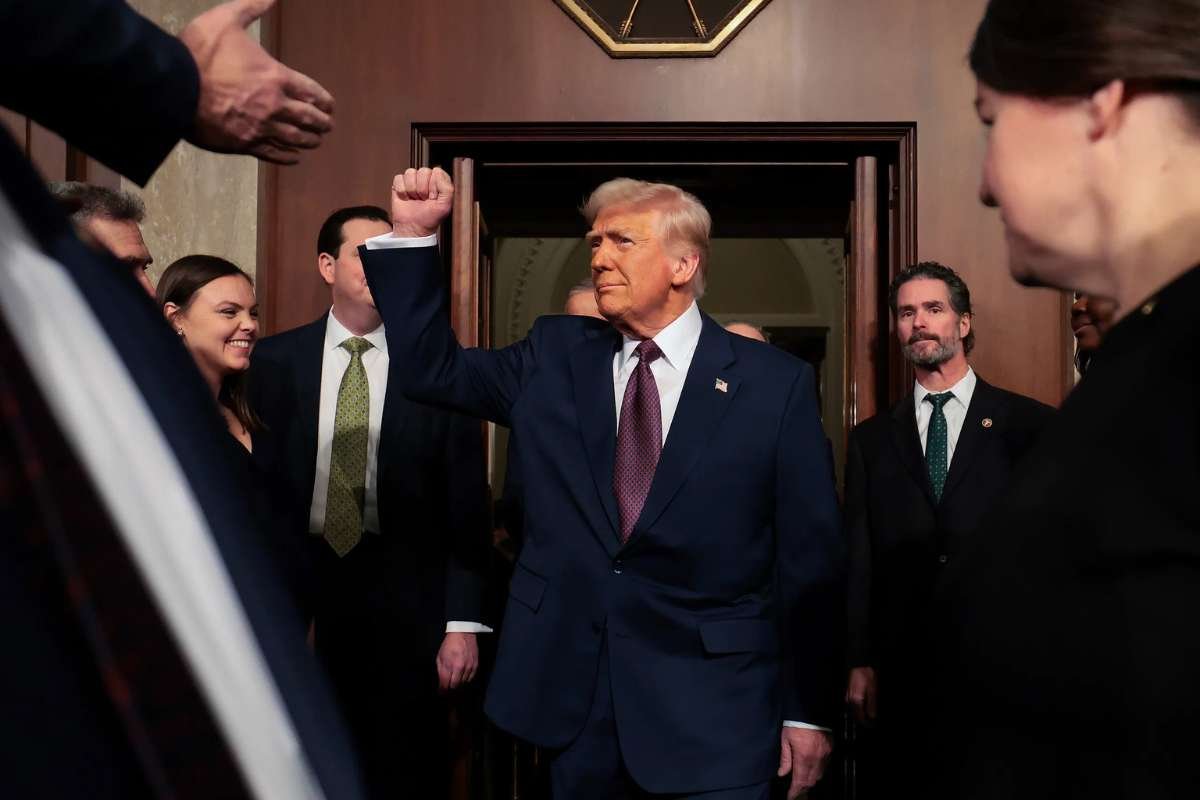
- Term Start: 2025
- Term End: Present
- Political Party: Republican
Donald Trump returned to office after re-election. His second term began amid strong political division. He continued an America-first agenda. His administration focused on economic policy changes. Foreign relations remained assertive. The domestic debate stayed intense. His presidency is still ongoing.
- Key events: Second-term executive actions, Ongoing domestic and global policy shifts
Conclusion:
The presidency has never followed a single path. Each term brought new decisions, pressures, and turning points. Some presidents acted during calm periods, while others led in moments of national strain. Their choices influenced laws, borders, rights, and global standing. Taken together, these presidencies explain how leadership shaped long-term direction rather than short-term moments.
FAQs
1. Why is the list of Presidents of USA important to study?
It helps explain how leadership decisions shaped national history. The list shows how policies, crises, and values evolved over time.
2. Who was the youngest elected president?
John F. Kennedy was the youngest elected president. He took office at the age of 43.
3. Does this list include current and ongoing terms?
Yes, the list of Presidents of USA includes the current president. It includes presidents according to the terms they served.
Thank You For Reading!
Read More
Famous Female Scientists Who Changed the World: A Legacy of Innovation and Discovery