

A boardroom is no longer just a place where financial results are reviewed and major decisions are approved. Women who are transforming corporate governance are becoming more visible as AI, cybersecurity, sustainability, regulation, and long-term business risks reshape what effective governance requires.
Women held 28.3% of board seats globally in 2025, up from 27.3% in 2024, according to MSCI. Nearly half of the companies tracked had at least 30% women on their boards.
Behind these numbers are women bringing expertise, experience, and different career perspectives to boardrooms around the world.
7 women who are transforming corporate governance are mentioned below:
Women who are transforming corporate governance bring expertise from technology, finance, healthcare, law, banking, and entrepreneurship into modern boardrooms. These 7 leaders show how diverse experience can shape strategy, strengthen oversight, and influence corporate governance.
1. Roshni Nadar Malhotra

Roshni Nadar Malhotra is the Chairperson of HCLTech and serves as a non-executive, non-independent director. She also chairs HCLTech’s Corporate Social Responsibility Committee and participates in its Stakeholders’ Relationship and ESG and Diversity, Equity and Inclusion committees. Her board responsibilities connect technology leadership with areas such as ESG, stakeholder engagement, and corporate responsibility. HCLTech’s 2025–26 annual report also highlights AI-led transformation as a major strategic priority, making technology governance an increasingly important part of the company’s leadership agenda.
2. Ana Botín
Ana Botín is Executive Chair of Banco Santander and has served on its board since 1989. Her career spans banking, international expansion, executive leadership, and board governance. At Santander, she chairs the Executive Committee and is a member of the Innovation and Technology Committee. Her experience illustrates how financial expertise, regulatory oversight, digital transformation, and long-term strategy intersect in the governance of a global banking group.
3. Mary Barra
Mary Barra is Chair and Chief Executive Officer of General Motors and has served on the company’s board since 2014. She became Chair of the GM Board in 2016 and has been CEO since 2014. Her leadership experience includes global product development, purchasing, supply chain, and the company’s transition toward electrification, software, and autonomous-driving technologies. Her career also illustrates how women who are transforming corporate governance by bringing technology, investment, product strategy, and changing industry risks into boardroom discussions alongside traditional business oversight.
4. Arundhati Bhattacharya
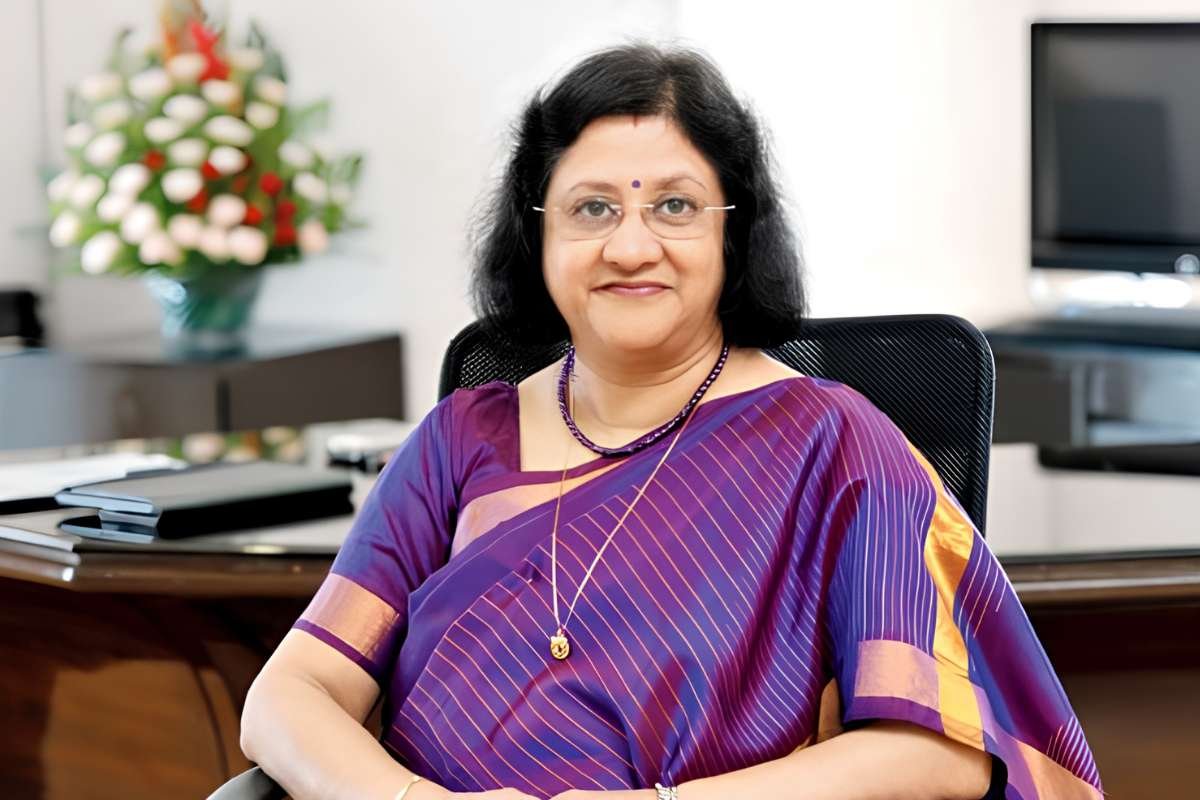
Arundhati Bhattacharya brings more than four decades of experience across banking, finance, technology, and institutional leadership. She became the first woman to chair the State Bank of India and later moved into the technology sector as President and CEO of Salesforce South Asia. She also serves as an Independent Director of Reliance Industries and is a member of its Stakeholders’ Relationship, ESG, and Human Resources, Nomination and Remuneration committees. Her career provides a clear example of how financial expertise and technology experience can contribute to board-level discussions on governance, digital transformation, people, and risk.
5. Kiran Mazumdar-Shaw
Kiran Mazumdar-Shaw is the Executive Chairperson of Biocon and Syngene International and has more than four decades of experience in biotechnology. As the founder of Biocon, she brings scientific and entrepreneurial expertise to corporate leadership while also participating in boards and advisory bodies across healthcare, technology, education, and research. Her board experience includes roles with organisations such as PureTech Health, Narayana Hrudayalaya, Trent, and the MIT Corporation. Her career highlights the value of scientific knowledge, innovation, healthcare expertise, and long-term risk awareness in governance.
6. Nandini Piramal
Nandini Piramal is among the women who are transforming corporate governance, serving as Chairperson of Piramal Pharma and a Non-Executive Director of Piramal Enterprises. At Piramal Pharma, she is responsible for setting strategy and driving business growth while overseeing functions including human resources, finance, risk, information technology, and quality. She also chairs the company’s Sustainability and Risk Management Committee. Her responsibilities provide a practical example of what board directors actually do, including strategic oversight, risk governance, stakeholder considerations, and monitoring areas that can affect long-term business performance.
7. Zia Mody
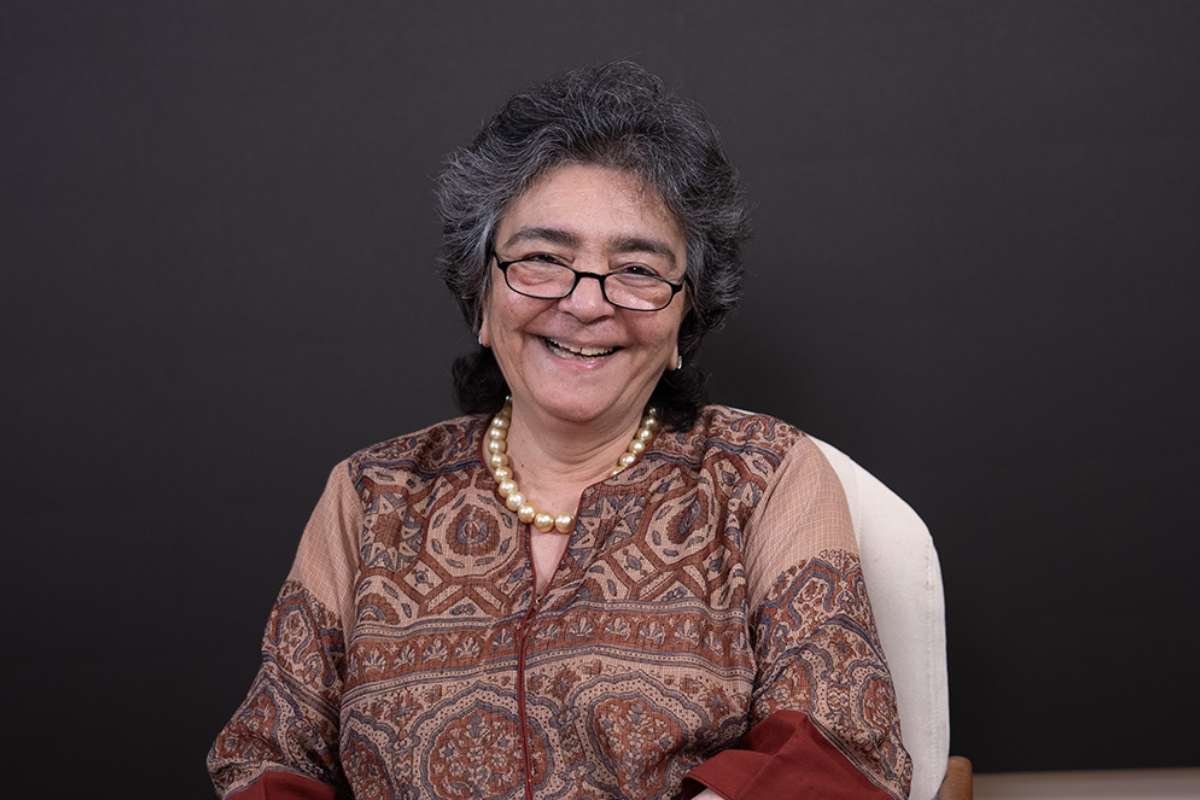
Zia Mody, Co-Founder and Managing Partner of AZB & Partners, brings extensive corporate legal and regulatory expertise to governance. Her practice areas include corporate law, mergers and acquisitions, private equity and venture capital, regulatory and securities matters, compliance, and investigations. She has also served as an Independent Director and member of board committees, including audit and risk-related committees. Her career demonstrates how legal expertise can strengthen board discussions around regulatory compliance, transactions, risk, accountability, and fiduciary responsibilities.
What this means for women
The rise of women in corporate governance is creating opportunities for women with expertise in finance, technology, AI, sustainability, law, risk, and strategy. These opportunities are also shaped by board diversity mandates around the world in 2026, which are influencing how companies approach board composition.
For women aspiring to board positions, how to get your first board seat as a woman starts with building the expertise and board-level judgment needed to contribute meaningfully once they get there. It is about building the expertise and board-level judgment needed to take on the roles and responsibilities as women on corporate boards and contribute meaningfully once they get there.
Conclusion:
The growing presence of women on corporate boards reflects different industries, backgrounds, and career paths. Women who are transforming corporate governance are contributing to decisions that influence strategy, accountability, risk, and long-term value.
As boards continue to evolve, women’s representation and expertise will remain an important part of the changing corporate governance landscape.
FAQs
1. Who are some women transforming corporate governance?
Roshni Nadar Malhotra, Ana Botín, Mary Barra, Arundhati Bhattacharya, Kiran Mazumdar-Shaw, Nandini Piramal, and Zia Mody are notable examples of women who are transforming corporate governance.
2. Why are women important in corporate governance?
Women bring varied professional experiences and expertise to board discussions, including finance, technology, law, risk, and strategy. Their contributions are part of the broader shift led by women who are transforming corporate governance.
3. How many women are on corporate boards globally?
Women held 28.3% of global board seats tracked by MSCI in 2025.
4. What expertise can help women become board directors?
Finance, technology, AI, cybersecurity, sustainability, risk, law, and strategic leadership are among the areas relevant to modern boards.
5. How can women prepare for corporate board roles?
Women can build governance knowledge, strengthen their leadership expertise, gain relevant oversight experience, and develop a clear board-ready profile.