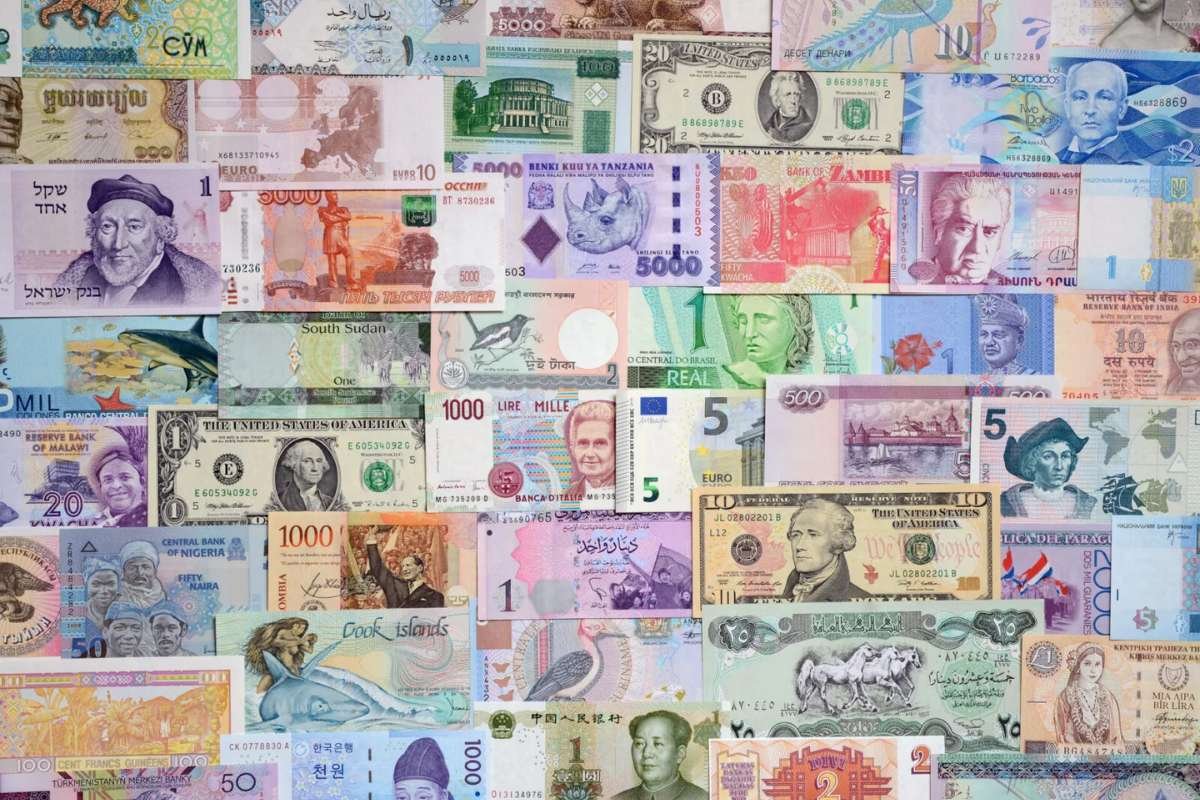
Money shapes how the world trades, travels, and connects across borders. When you look at a currencies of the world list, you begin to see how each country reflects its history, economy, and identity through its currency. Every name and symbol tells a story of value and trust.
Understanding different currencies also helps with travel planning, international business, and general financial awareness. In this guide, we explore the currencies used around the world and why knowing them matters in everyday life.
In this article, we will look at some of the strongest currencies in the world and how they influence the economy.
What You Need to Know About Currency?
A currency is the official money a country uses for trade and payments. It helps measure value and allows people to buy goods and services. Governments and central banks manage currencies to keep trust and stability. Currencies also reflect a country’s economic strength. Strong economies usually have stable currencies. Weak growth or high inflation can reduce a currency’s value.
What are Currency Symbols?
Currency symbols are short signs used to show money values quickly. They appear on price tags, bank apps, and invoices. Symbols make numbers easier to read across languages.
Some symbols look similar, like the dollar sign. Context and country names help avoid confusion.
What are ISO Currency Codes?
ISO currency codes are three-letter codes set by an international standard. Examples include USD, EUR, and INR. Banks and financial systems rely on these codes.
These codes prevent errors in global trade and currency exchange. They matter most in online payments and foreign transfers.
Currencies of the World List: The 30 Key Currencies Behind The World’s Economy
Every currency reflects a country’s history and economic direction. Some currencies shape trade, while others guide investment and pricing. This currencies of the world list breaks down the most important currencies across regions and explains why they matter in the global economy.
| Region | Currency Name | Country | Symbol | ISO Code |
North America | United States Dollar | United States | $ | USD |
| Canadian Dollar | Canada | $ | CAD | |
| Mexican Peso | Mexico | $ | MXN | |
| Jamaican Dollar | Jamaica | $ | JMD | |
| Bahamian Dollar | Bahamas | $ | BSD | |
South America | Brazilian Real | Brazil | R$ | BRL |
| Argentine Peso | Argentina | $ | ARS | |
| Chilean Peso | Chile | $ | CLP | |
| Colombian Peso | Colombia | $ | COP | |
| Peruvian Sol | Peru | S/ | PEN | |
Europe | Euro | Eurozone | € | EUR |
| British Pound Sterling | United Kingdom | £ | GBP | |
| Swiss Franc | Switzerland | CHF | CHF | |
| Norwegian Krone | Norway | kr | NOK | |
| Swedish Krona | Sweden | kr | SEK | |
Asia | Japanese Yen | Japan | ¥ | JPY |
| Chinese Yuan | China | ¥ | CNY | |
| Indian Rupee | India | ₹ | INR | |
| South Korean Won | South Korea | ₩ | KRW | |
| Singapore Dollar | Singapore | $ | SGD | |
Africa | South African Rand | South Africa | R | ZAR |
| Nigerian Naira | Nigeria | ₦ | NGN | |
| Egyptian Pound | Egypt | £ | EGP | |
| Kenyan Shilling | Kenya | KSh | KES | |
| Moroccan Dirham | Morocco | د.م | MAD | |
Middle-East | Saudi Riyal | Saudi Arabia | ﷼ | SAR |
| UAE Dirham | United Arab Emirates | د.إ | AED | |
| Qatari Riyal | Qatar | ﷼ | QAR | |
| Kuwaiti Dinar | Kuwait | د.ك | KWD | |
| Israeli New Shekel | Israel | ₪ | ILS |
North America
1. United States Dollar

- Country: United States
- Symbol: $
- ISO Code: USD
Let’s start this currencies of the world list with the United States dollar. It was created in 1792 to unify the nation’s monetary system after independence. Banks and traders rely on it daily. Over the decades, industrial growth and global commerce pushed it into reserve use. The US dollar also serves as the main currency for global oil and commodity pricing. Central banks around the world hold large dollar reserves to manage stability and trade.
2. Canadian Dollar

- Country: Canada
- Symbol: $
- ISO Code: CAD
Canada introduced its dollar in 1858 to reduce reliance on British currency systems. The change supported national trade and unified pricing across provinces and industries. Strong regulation, cautious lending, and political stability built trust. The Canadian dollar is often linked to commodity performance, especially oil and natural resources. Global investors watch its movement to gauge economic health. It also plays a steady role in cross-border trade with the United States.
3. Mexican Peso
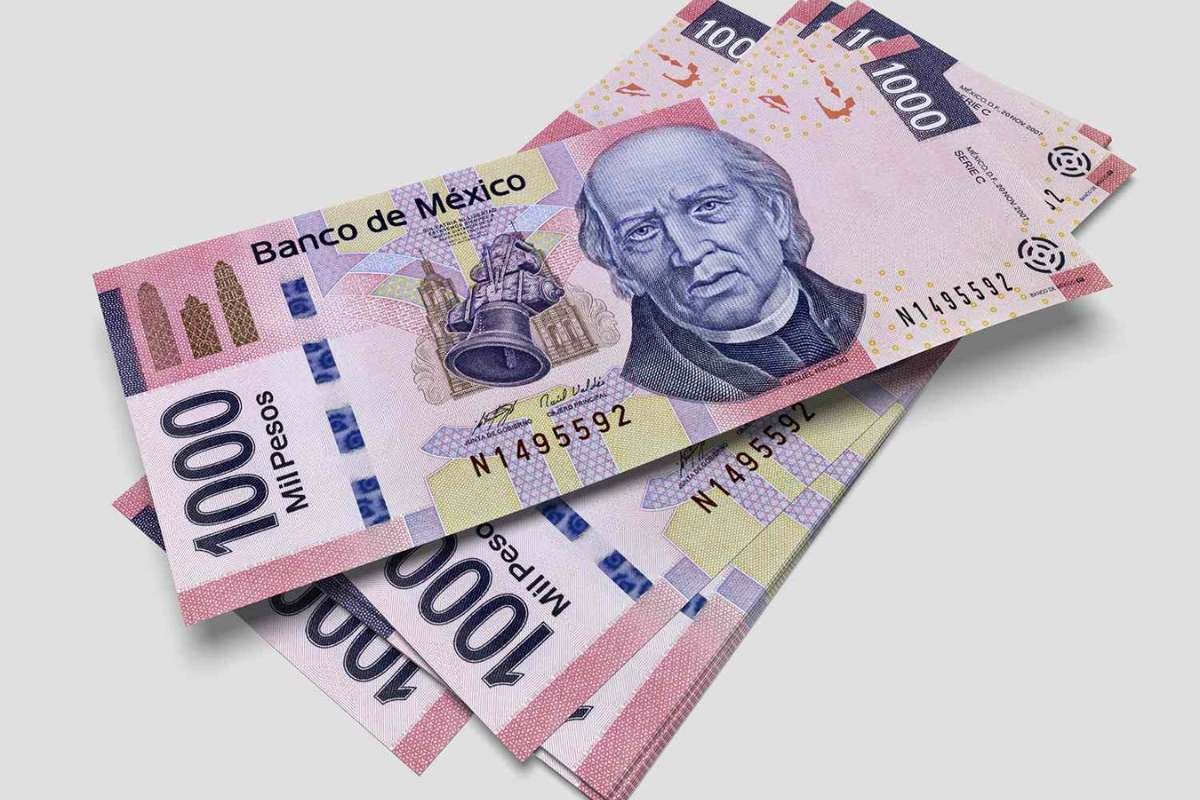
- Country: Mexico
- Symbol: $
- ISO Code: MXN
The Mexican peso developed from Spanish silver coins used widely during the colonial period. After independence, Mexico adopted it to support trade and economic identity. Manufacturing growth and supply chains expanded their role. The peso plays a major role in North American supply chains, especially in automotive and electronics manufacturing. It is one of the most actively traded emerging market currencies in global markets.
4. Jamaican Dollar
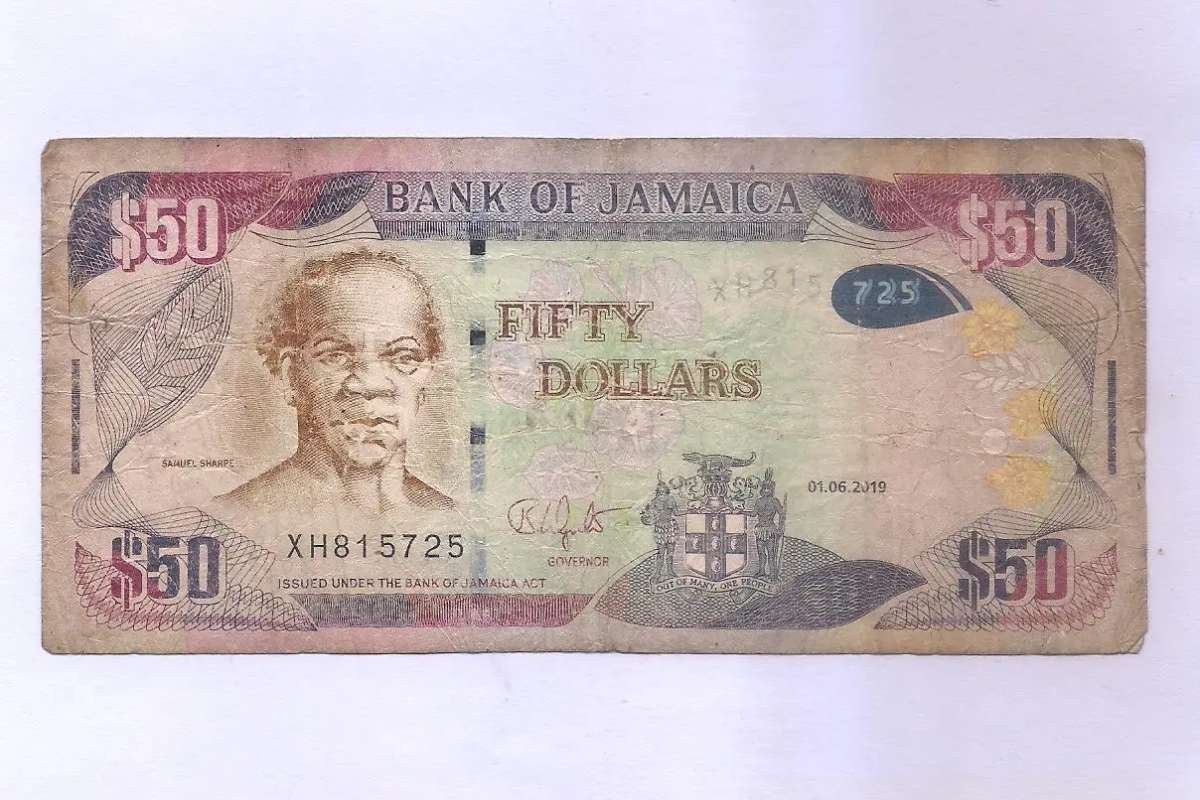
- Country: Jamaica
- Symbol: $
- ISO Code: JMD
Jamaica introduced its dollar in 1969 to replace the British pound and control monetary policy. The shift helped manage prices and support independent planning. Tourism, remittances, and services drive demand. The Jamaican Dollar remains central to household spending, wages, and small business activity. Banks and financial institutions monitor its performance to guide lending and foreign exchange services.
5. Bahamian Dollar
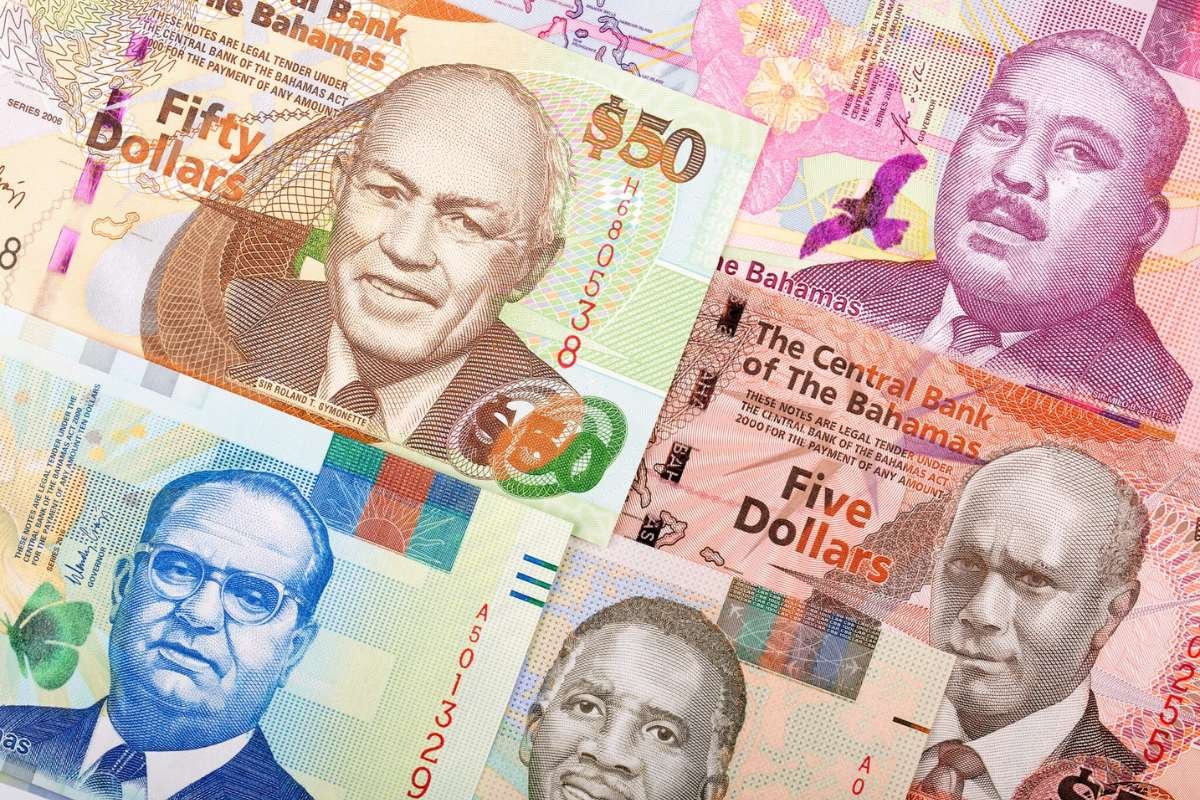
- Country: Bahamas
- Symbol: $
- ISO Code: BSD
The Bahamian dollar was introduced in 1966 after independence to support economic control. It replaced colonial systems and simplified pricing for residents and visitors. Tourism and financial services rely on stability. The currency supports spending, wages, and confidence in the service-based economy.

Foreign Exchange Companies: A Comprehensive Guide to Currency Trading Services
In this article, we will be understanding what foreign exchange companies are and how they operate, along with their benefits. We will also find out how they have become a reliable source of international transactions.
South America
6. Brazilian Real

- Country: Brazil
- Symbol: R$
- ISO Code: BRL
Brazil introduced the real in 1994 to stop severe inflation and restore trust in money. The reform replaced unstable currencies and stabilized prices. Since then, the real has supported industrial growth and exports. The Brazilian real also reflects the country’s commodity markets, especially soy, iron ore, and oil. Its value affects foreign investment in manufacturing and agriculture.
7. Argentine Peso

- Country: Argentina
- Symbol: $
- ISO Code: ARS
Argentina introduced its current peso in 1992 after repeated currency failures and inflation crises. The goal was to stabilize prices and rebuild confidence. While challenges remain, the peso supports daily trade, wages, and pricing. The Argentine peso also plays a key role in tourism and export sectors like agriculture and wine production. Its exchange rate influences foreign investment and the cost of imported goods.
8. Chilean Peso
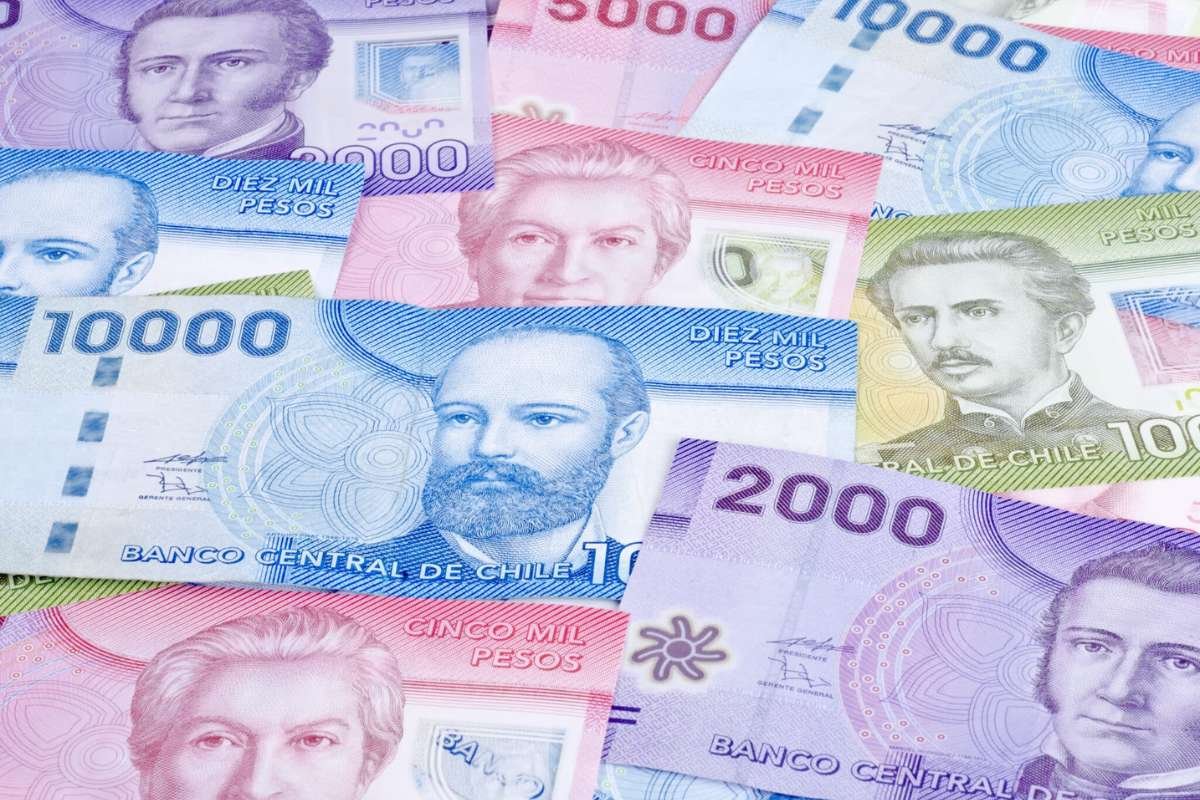
- Country: Chile
- Symbol: $
- ISO Code: CLP
Chile adopted the peso in 1975 during major economic reforms that replaced the escudo. The change supported open trade and export-driven growth. Copper exports became a key driver.
9. Colombian Peso
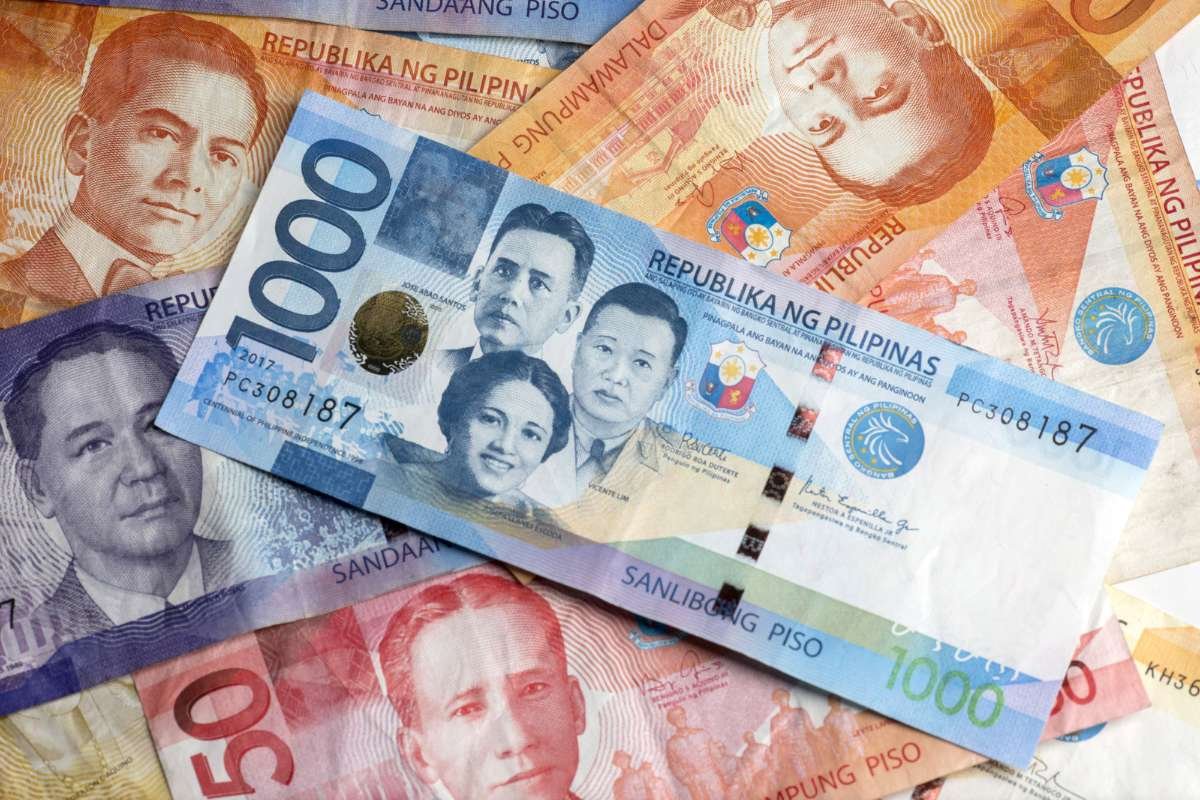
- Country: Colombia
- Symbol: $
- ISO Code: COP
The Colombian peso evolved from colonial-era currency systems and later became a national symbol. It supports trade in oil, coffee, and manufactured goods. Economic reforms improved stability over time. Energy prices, foreign investment, and regional trade flows can strongly affect its performance.
10. Peruvian Sol
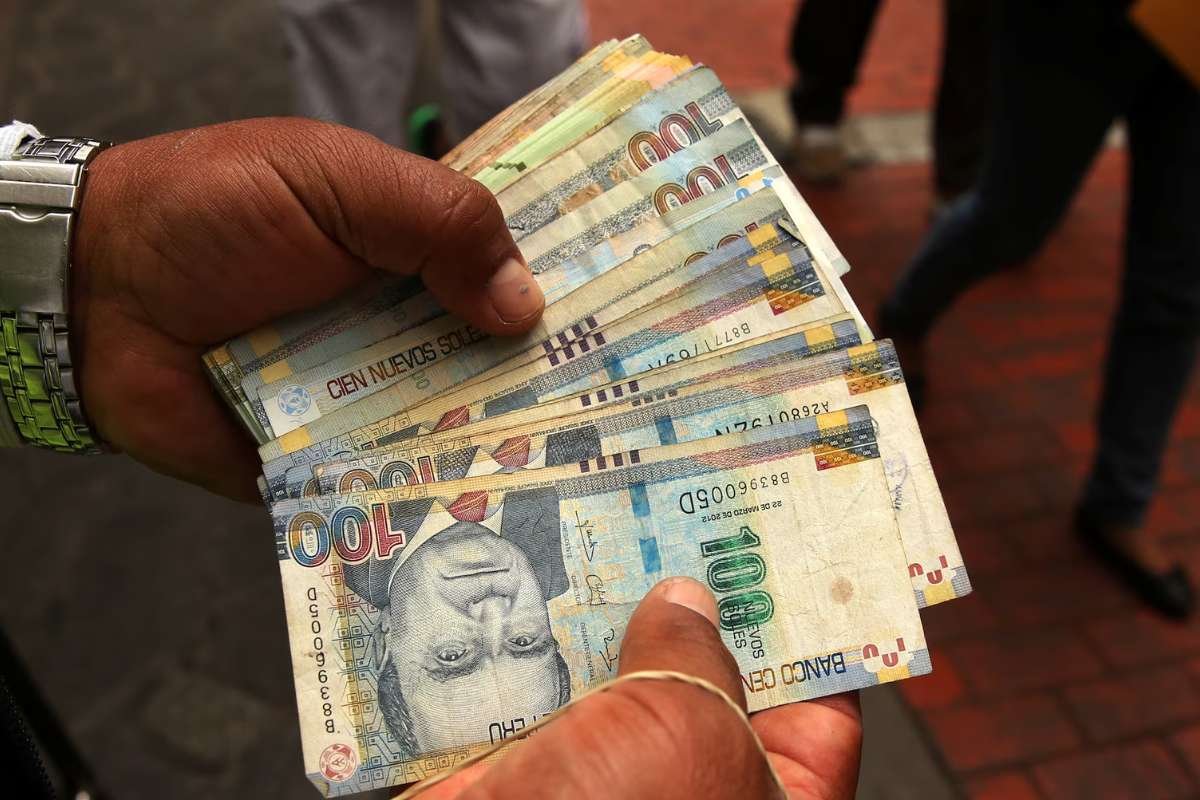
- Country: Peru
- Symbol: S/
- ISO Code: PEN
Peru introduced the sol in 1991 after hyperinflation damaged earlier currencies. The reform restored monetary stability and public confidence. Since then, the sol has supported mining, exports, and domestic trade.
Europe
11. Euro
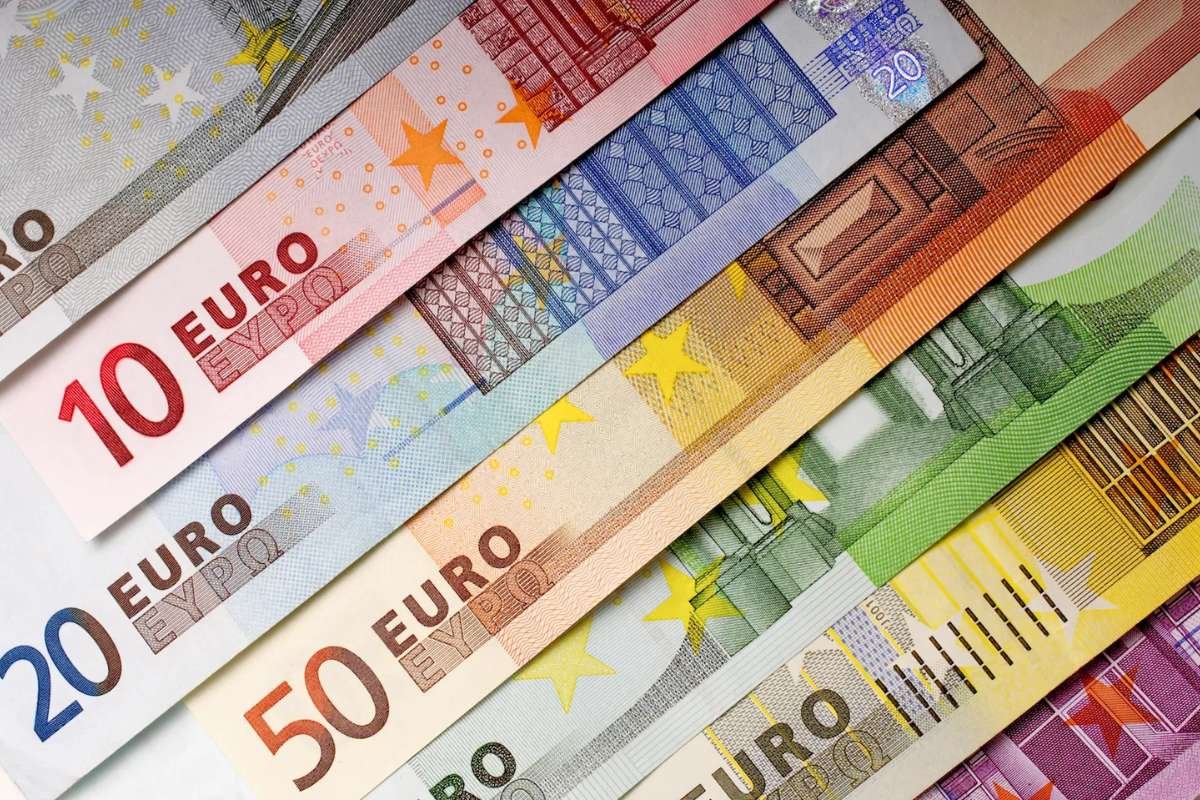
- Country: Eurozone countries
- Symbol: €
- ISO Code: EUR
The euro was introduced in 1999 to unite multiple European economies under one currency system. It removed exchange barriers and simplified cross-border trade. Shared monetary policy followed. The euro supports millions of businesses, shapes global finance, and ranks it amongst the currencies of the world list.
12. British Pound Sterling
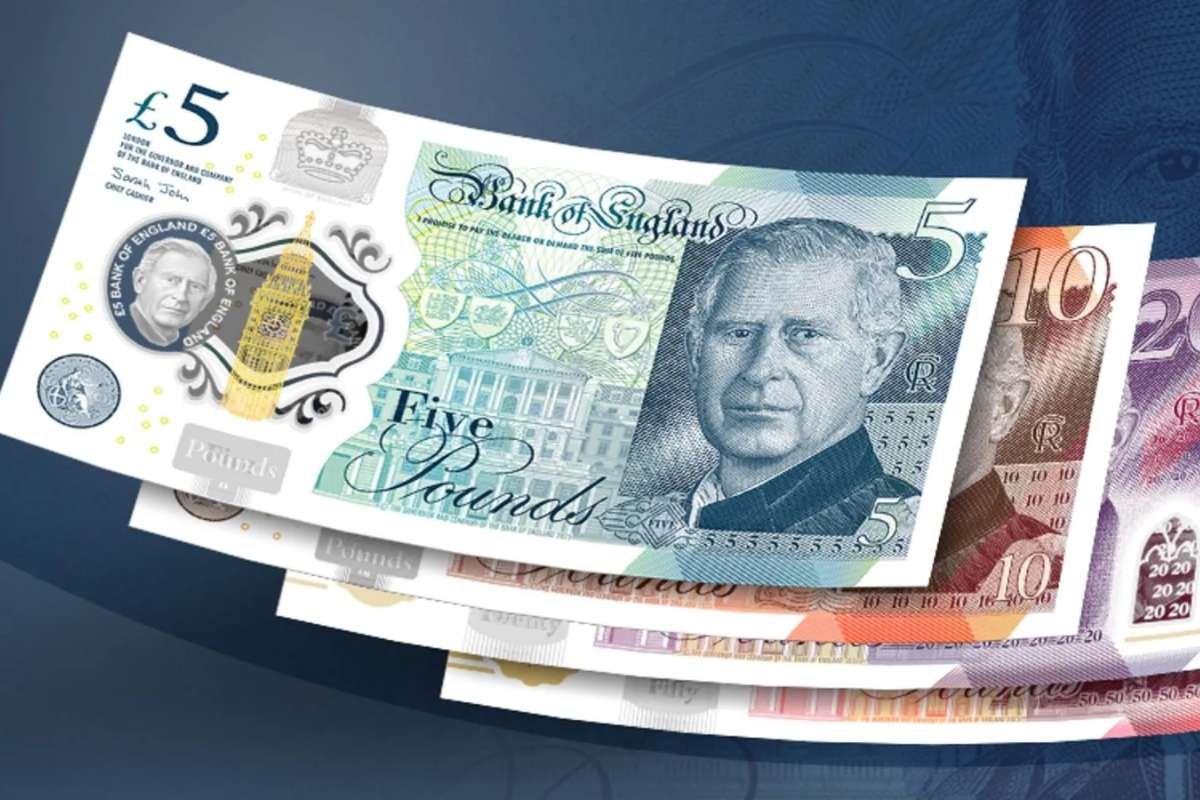
- Country: United Kingdom
- Symbol: £
- ISO Code: GBP
The pound sterling dates back over a thousand years and evolved alongside Britain’s trade and empire. It remained influential through financial reforms and industrial growth. London’s banking sector and global investment activity help maintain the pound’s importance in foreign exchange markets.
13. Swiss Franc
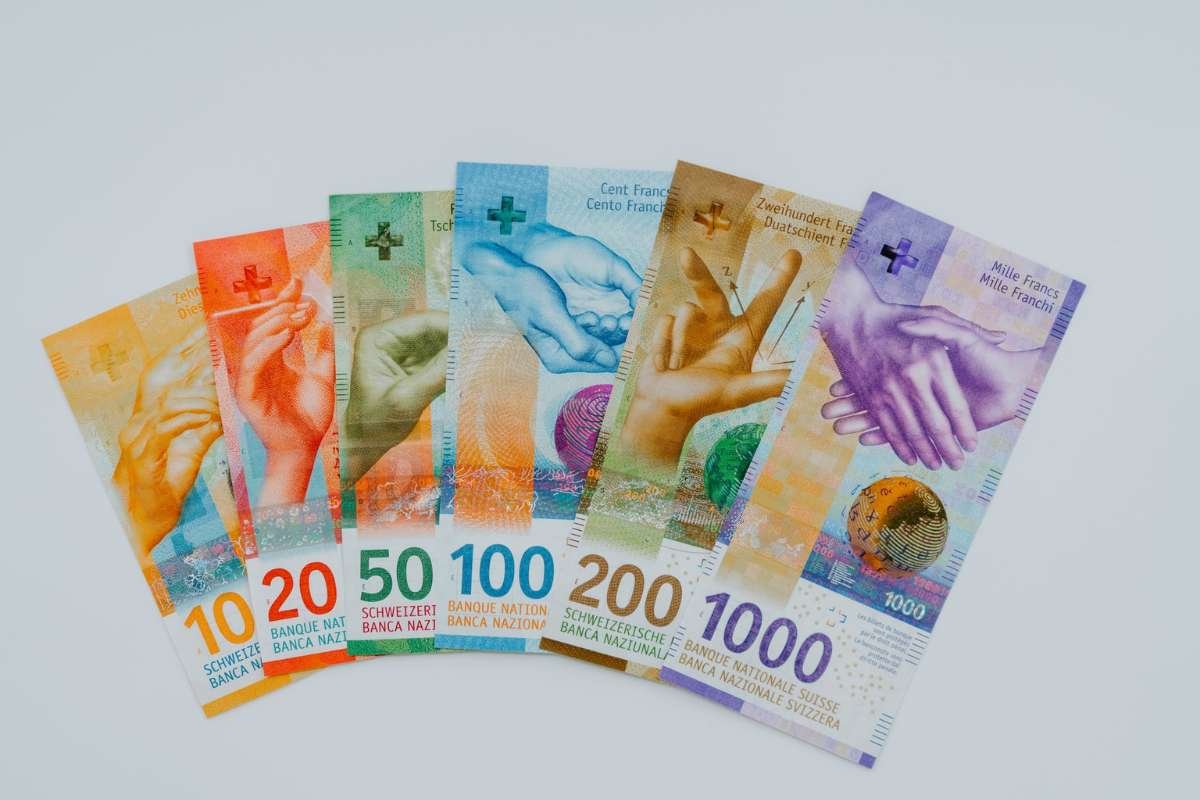
- Country: Switzerland
- Symbol: CHF
- ISO Code: CHF
Next up on this currencies of the world list is the Swiss Franc. Switzerland introduced the franc in 1850 to unify regional currencies and improve trade efficiency. Strong institutions and financial discipline built trust. Over time, investors viewed it as a safe asset. Today, the franc attracts demand during economic stress and market uncertainty.
14. Norwegian Krone
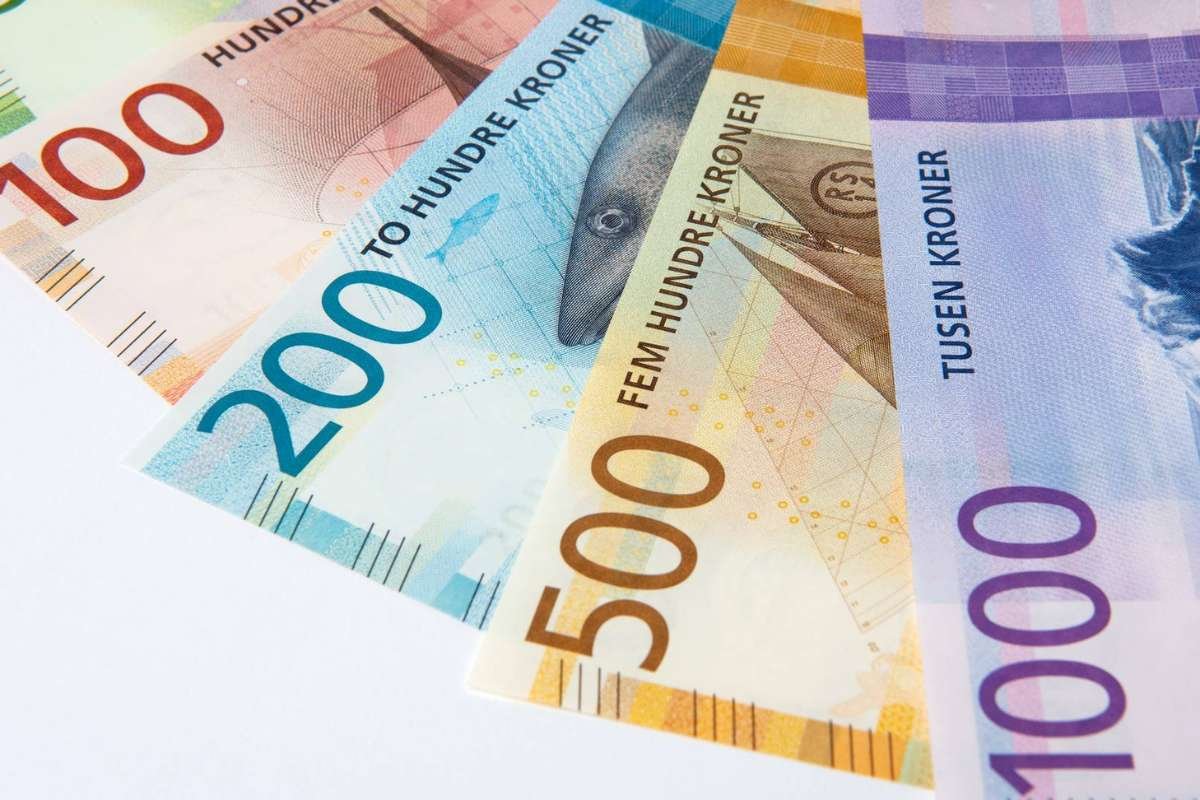
- Country: Norway
- Symbol: kr
- ISO Code: NOK
The Norwegian krone was adopted in 1875 to strengthen national monetary independence. It later became closely linked to energy production. Oil and gas exports influence government revenue. Today, global energy demand and market sentiment strongly affect the krone’s value.
15. Swedish Krona
- Country: Sweden
- Symbol: kr
- ISO Code: SEK
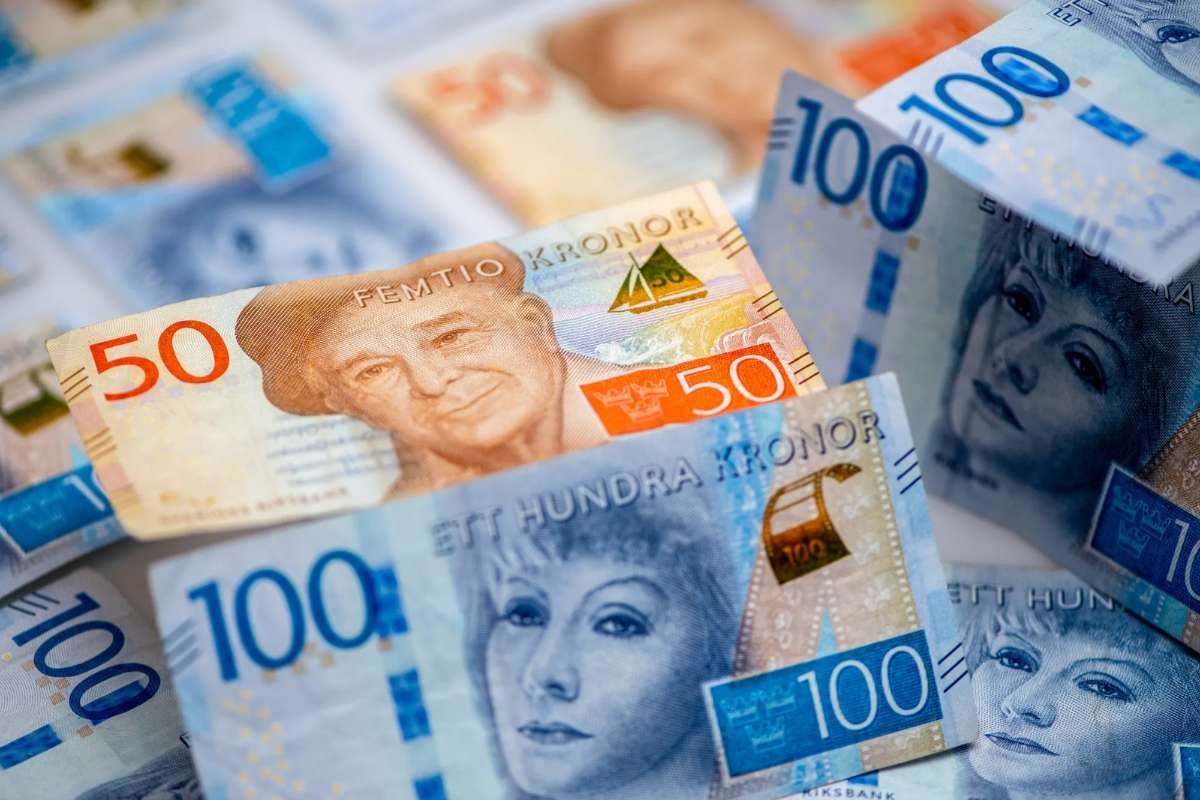
Sweden introduced the krona in 1873 during a regional monetary reform. The currency supported industrialization and export growth. Sweden kept independent monetary control afterward. Manufacturing strength, innovation, and global trade trends influence the krona’s movement as it finds itself on this currencies of the world list.
Asia
16. Japanese Yen
- Country: Japan
- Symbol: ¥
- ISO Code: JPY
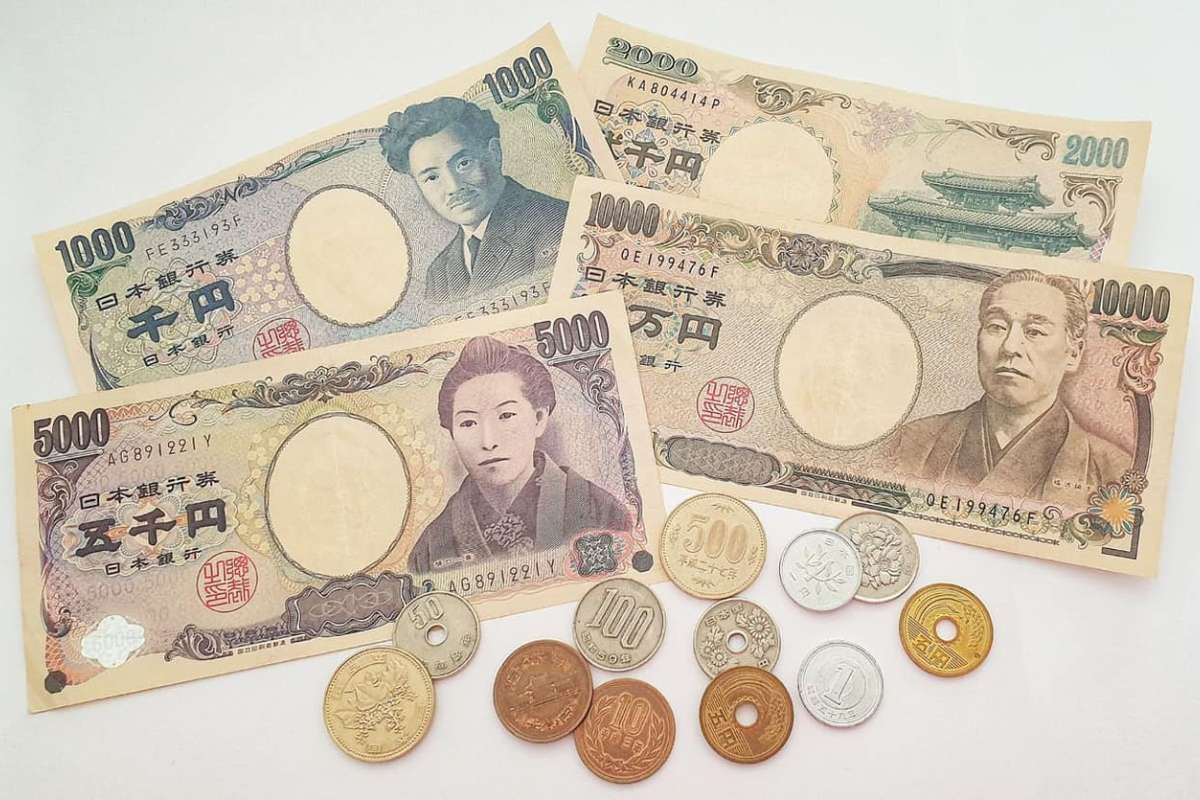
This currencies of the world list continues with a trip to Japan. Japan introduced the yen in 1871 to modernize its economy and replace feudal-era currencies. The yen facilitated industrialization, trade, and banking reforms. Japanese Yen serves as a major global reserve currency, influencing international investment, foreign exchange, and global financial stability.
17. Chinese Yuan
- Country: China
- Symbol: ¥
- ISO Code: CNY
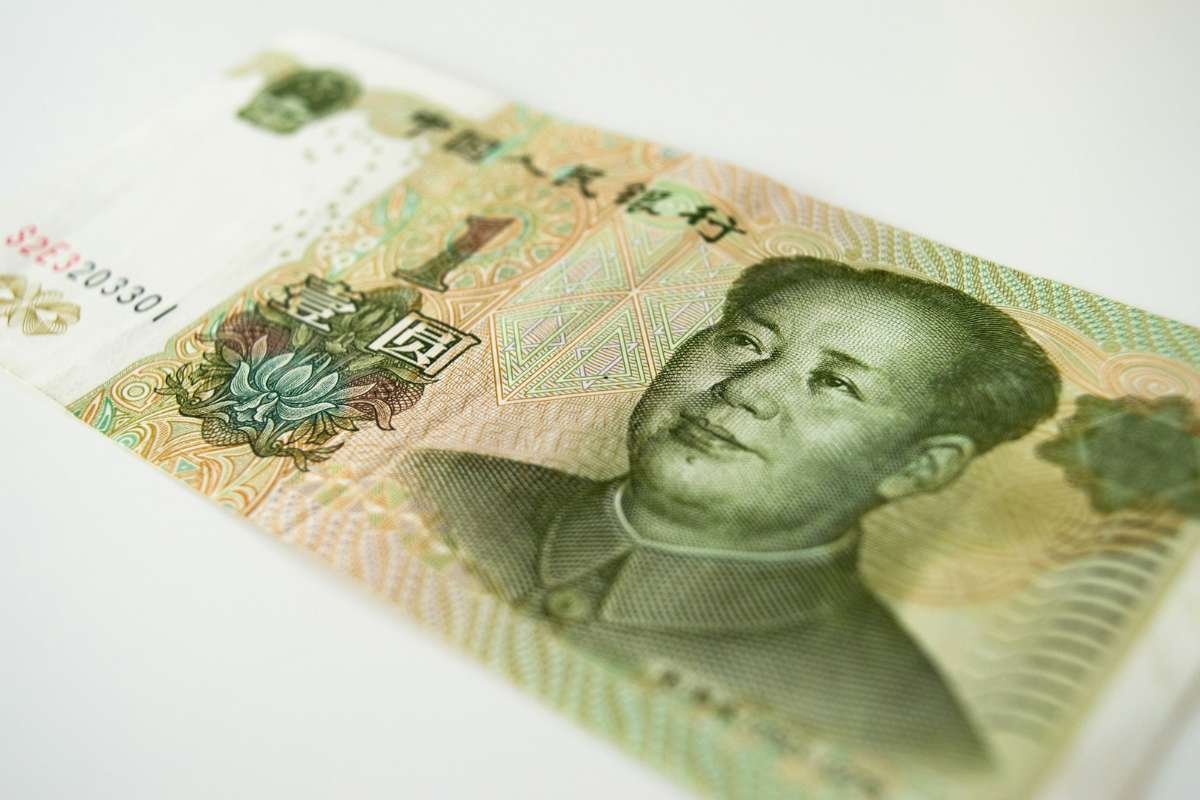
China launched the yuan in 1948 following major economic reforms to unify the currency system. It supported domestic reconstruction and trade standardization. Today, the yuan is increasingly used in global trade, cross-border investments, and China’s expanding international economic partnerships.
18. Indian Rupee
- Country: India
- Symbol: ₹
- ISO Code: INR
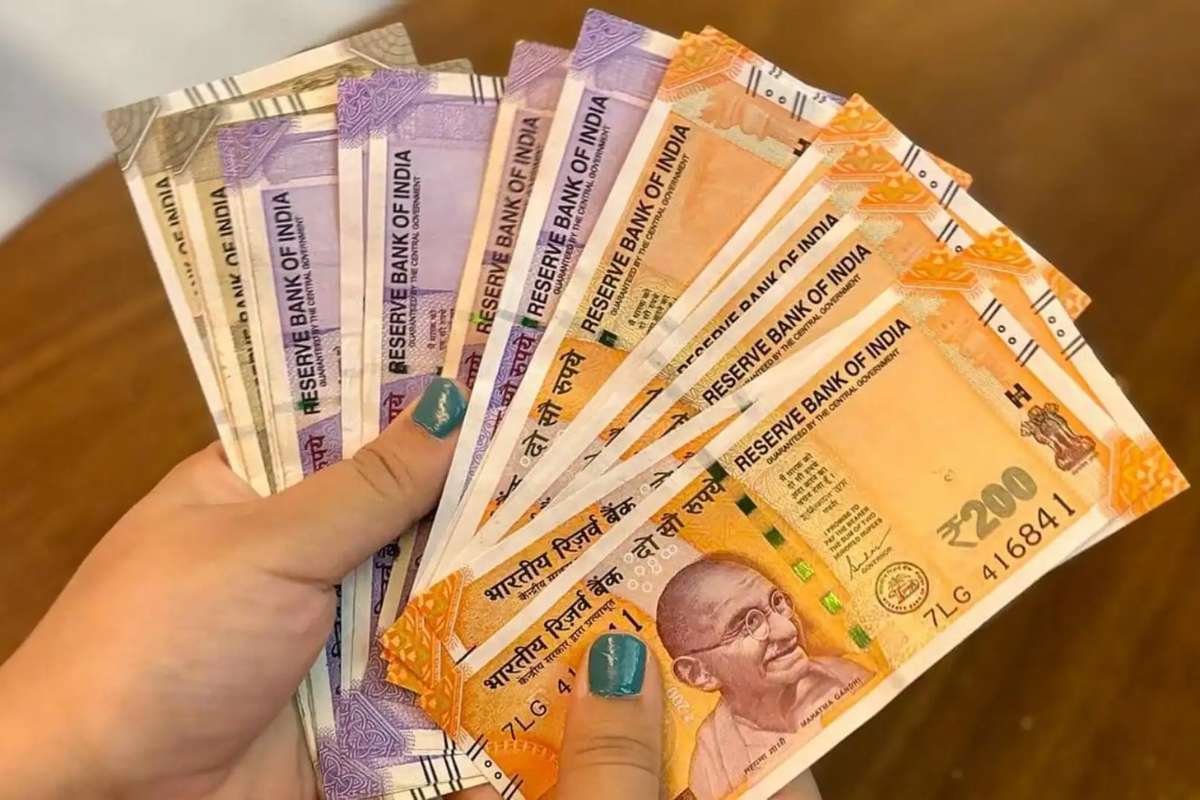
The Indian rupee has ancient origins in silver coinage and became the official currency after independence in 1947. It drives domestic commerce, wage payments, and government transactions. Today, the rupee reflects India’s growing economy, digital payments adoption, and global trade participation.
19. South Korean Won
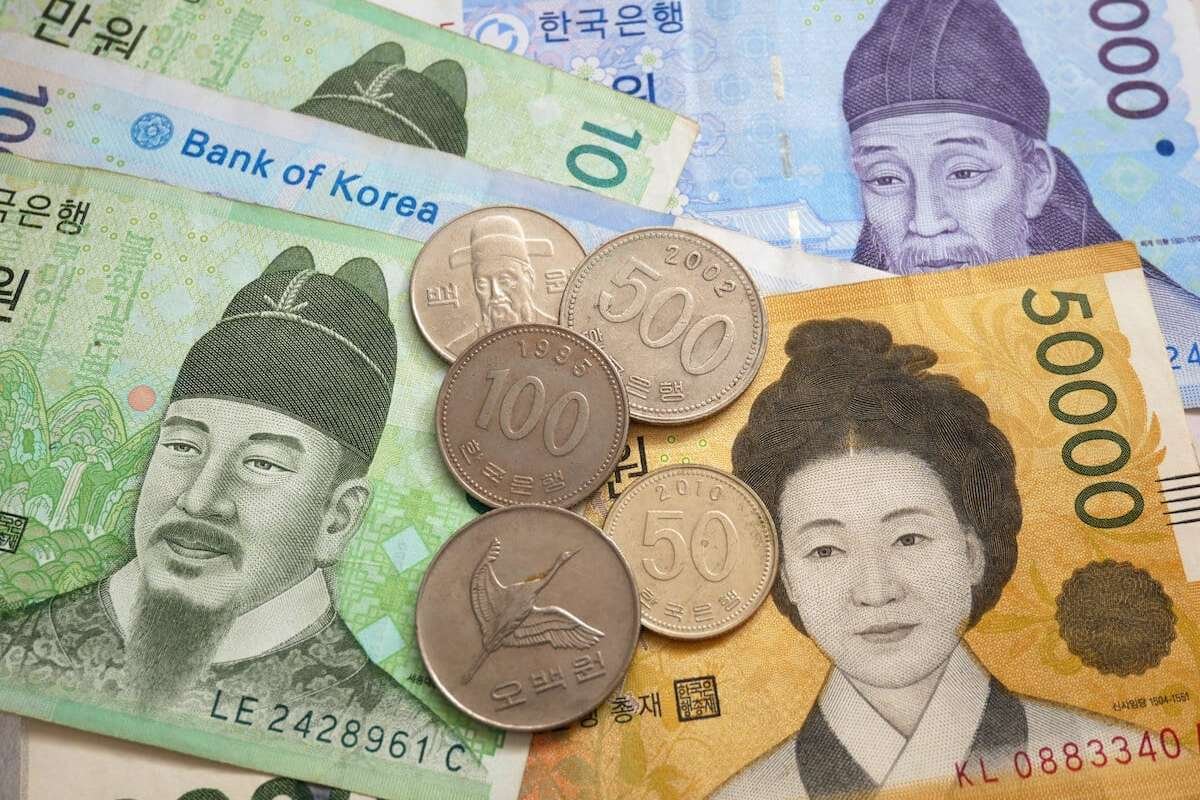
- Country: South Korea
- Symbol: ₩
- ISO Code: KRW
South Korea introduced the won in 1945 after gaining independence to replace the Japanese currency. It supports industrial exports, technology trade, and domestic commerce. The Won reflects the country’s manufacturing strength, innovation-driven growth, and participation in international markets.
20. Singapore Dollar
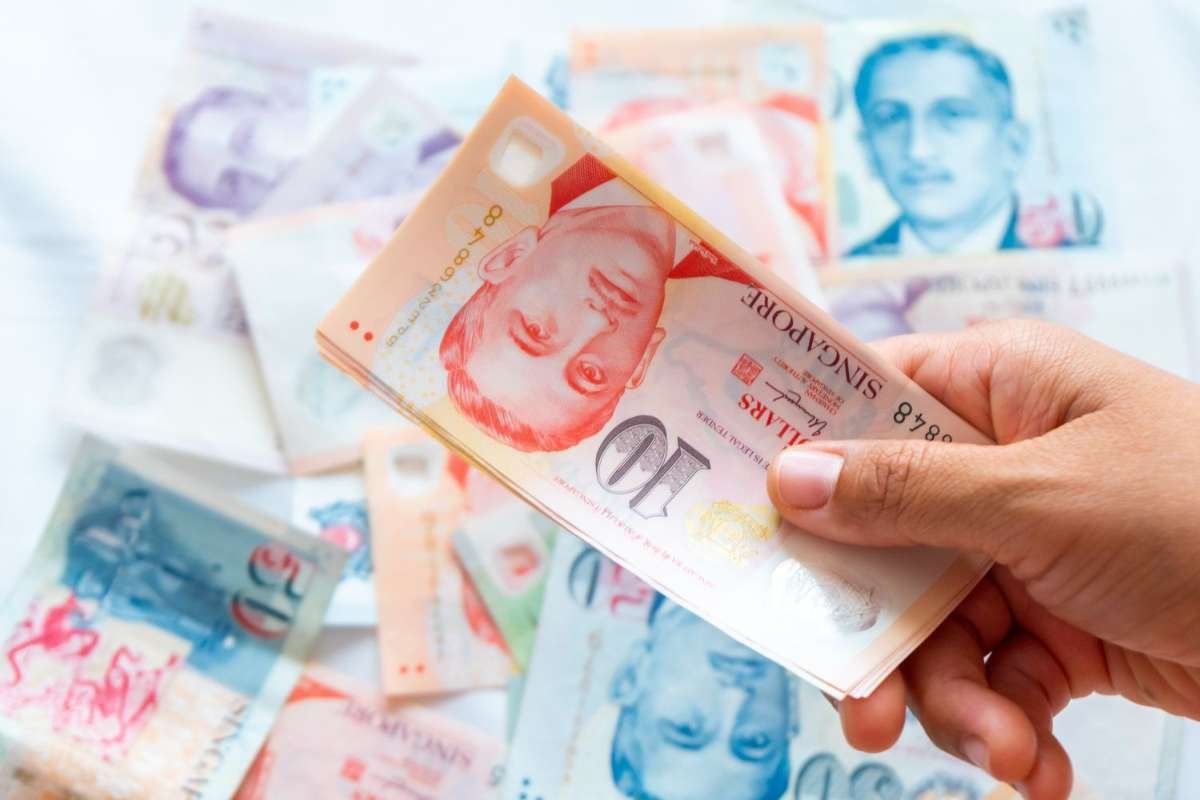
- Country: Singapore
- Symbol: $
- ISO Code: SGD
Singapore introduced its dollar in 1967 to achieve monetary independence and support economic growth. Strong reserves and financial regulation increased trust. Today, the dollar underpins trade, investment, and banking in Southeast Asia, making it one of the region’s most stable and reliable currencies.
Africa
21. South African Rand
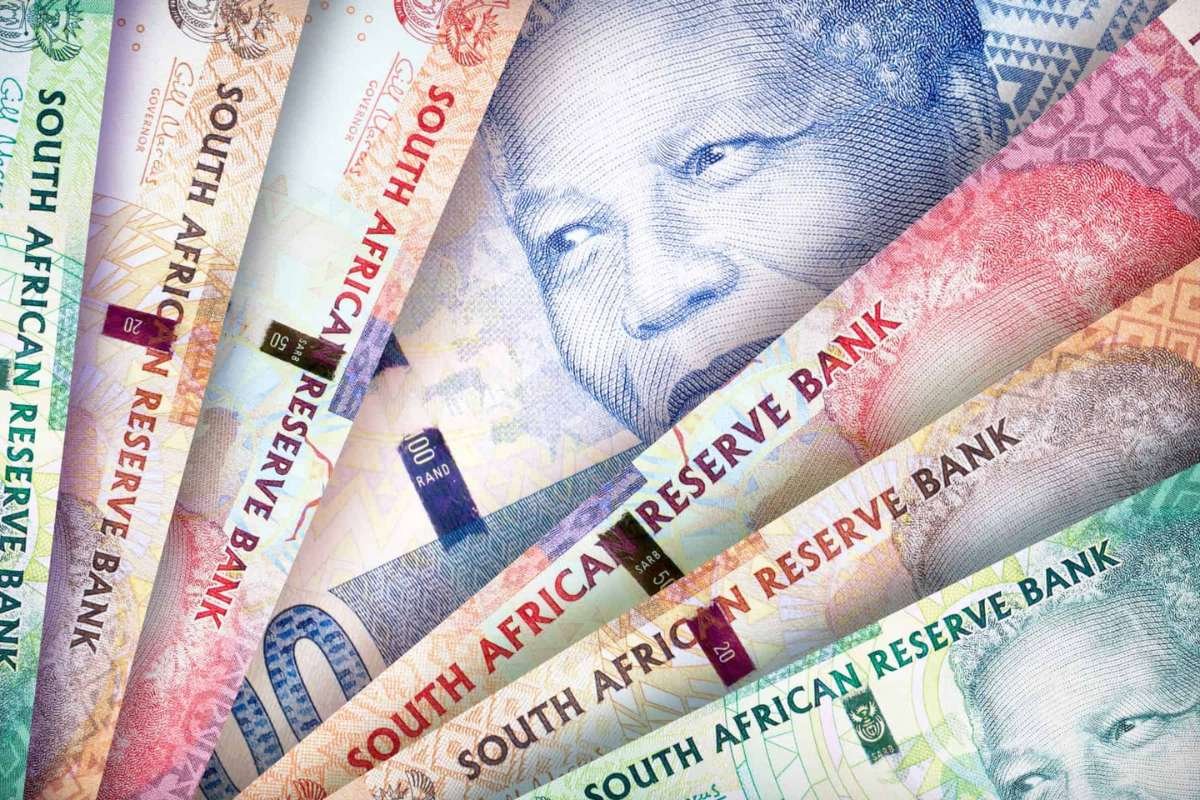
- Country: South Africa
- Symbol: R
- ISO Code: ZAR
The rand was introduced in 1961 after the formation of the republic to replace the South African pound. It supports mining, manufacturing, and regional trade. Strong commodity exports and financial systems ensure its influence across the African continent and international markets. The rand also impacts cross-border tourism within Southern Africa, affecting travel costs for millions of regional visitors.
22. Nigerian Naira
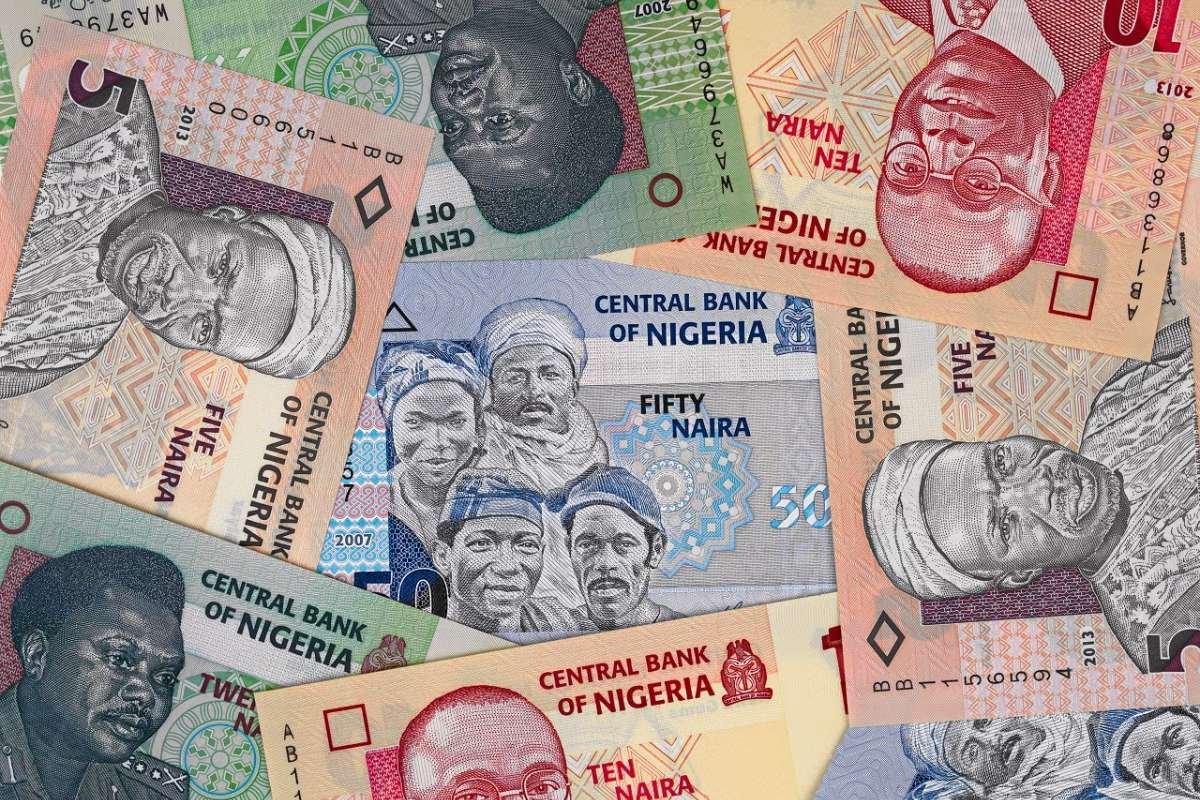
- Country: Nigeria
- Symbol: ₦
- ISO Code: NGN
The currencies of the world list shows that Nigeria introduced the naira in 1973 to replace the pound and strengthen monetary independence. Oil exports and domestic trade drive demand. Its value fluctuates with government policies, inflation, and global energy markets, making it a key currency in West Africa.
23. Egyptian Pound
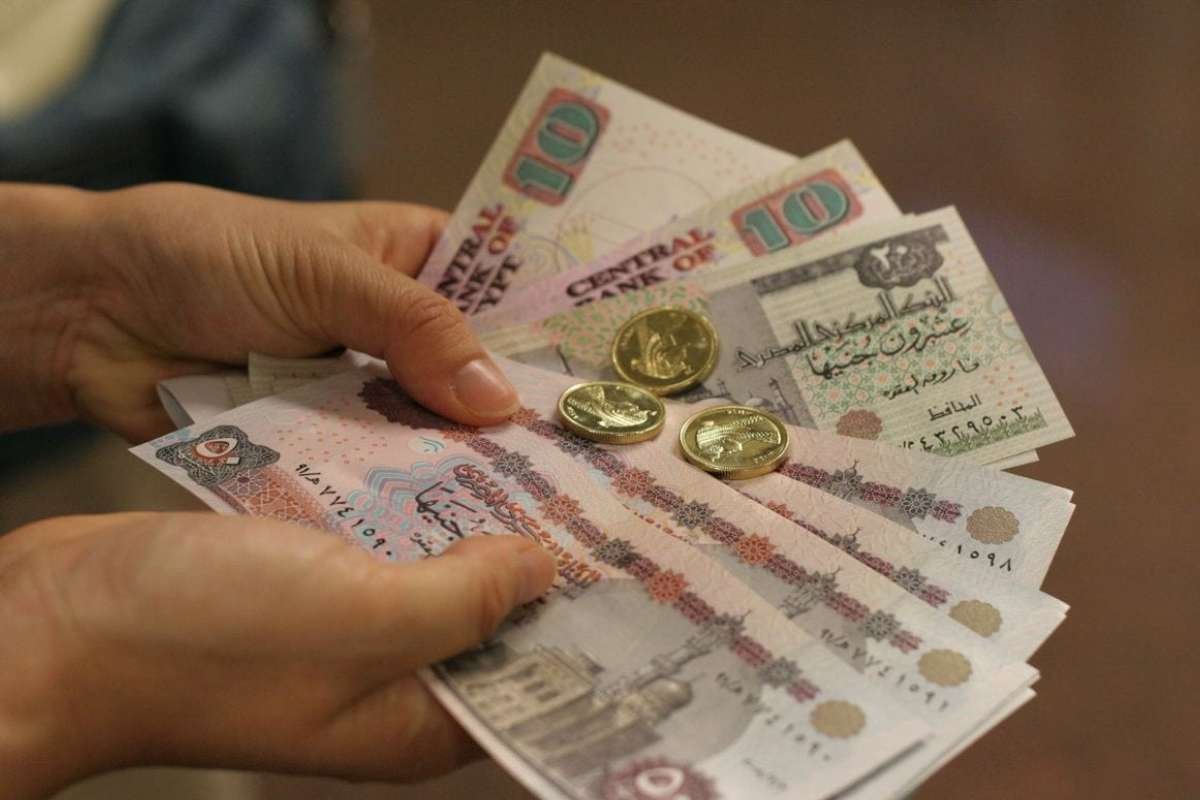
- Country: Egypt
- Symbol: £
- ISO Code: EGP
The Egyptian pound was established in 1834 during modernization efforts to replace older systems. It supports tourism, trade, and government transactions. Exchange rates and central bank policies significantly influence regional trade and the stability of North African economies. The Egyptian pound also affects remittances sent home by millions of Egyptians working abroad, which account for over 8% of the country’s GDP.
24. Kenyan Shilling
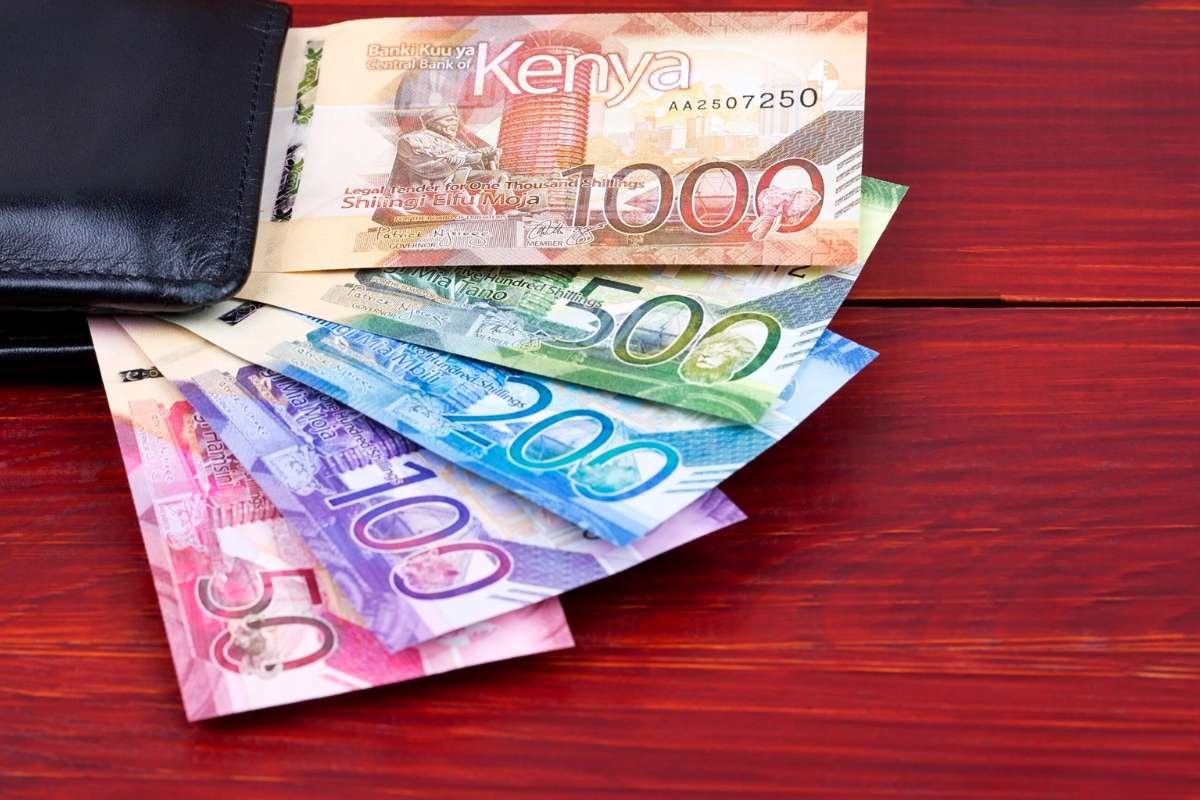
- Country: Kenya
- Symbol: KSh
- ISO Code: KES
Kenya introduced the shilling in 1966 after independence to replace the East African shilling. Agriculture, tourism, and regional commerce depend on it. Monetary management and foreign investment influence its value and its role in supporting East African economic growth. The Kenyan shilling also determines the cost of key imports like fuel, fertilizers, and machinery critical to farming and infrastructure.
25. Moroccan Dirham
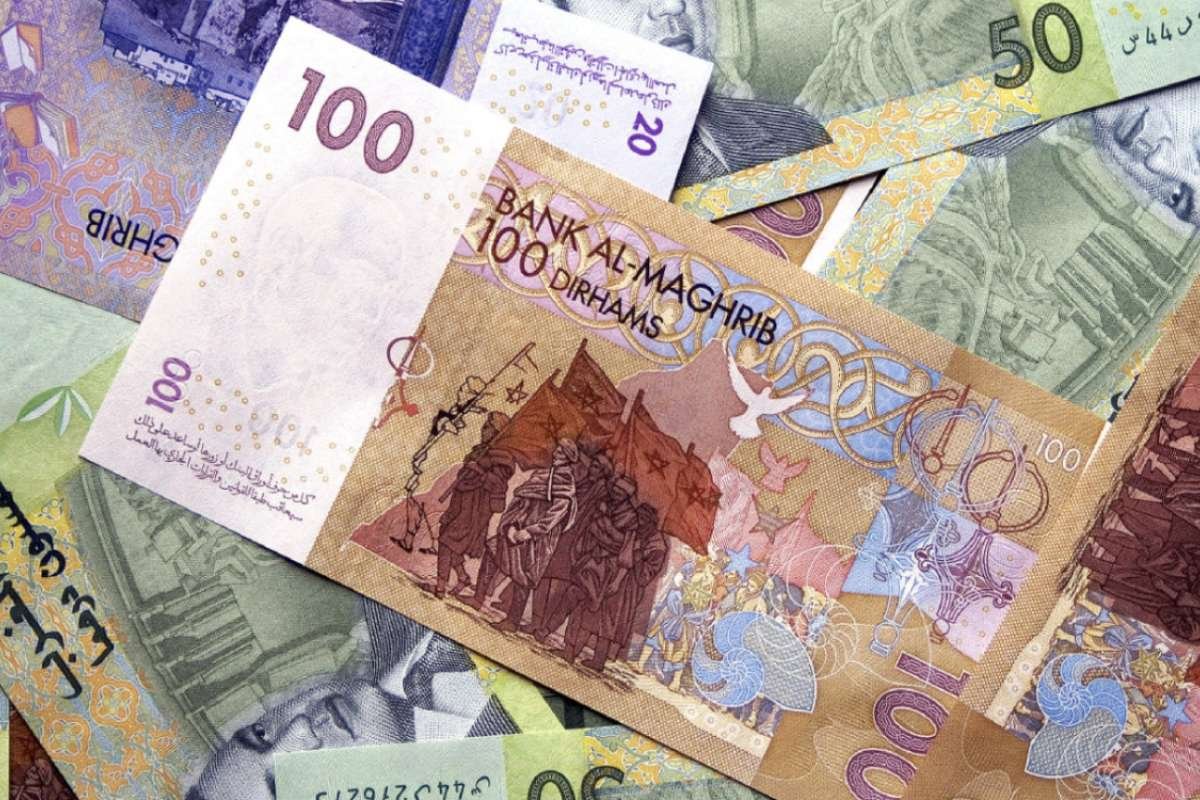
- Country: Morocco
- Symbol: د.م
- ISO Code: MAD
Morocco launched the dirham in 1960 following independence to replace the franc. Tourism, manufacturing, and exports depend on its stability. Government policy, foreign reserves, and trade patterns play a major role in determining its strength within the national and regional economy. The Moroccan dirham also influences the cost of imported technology and raw materials used in the country’s automotive and textile industries.
Middle-East
26. Saudi Riyal
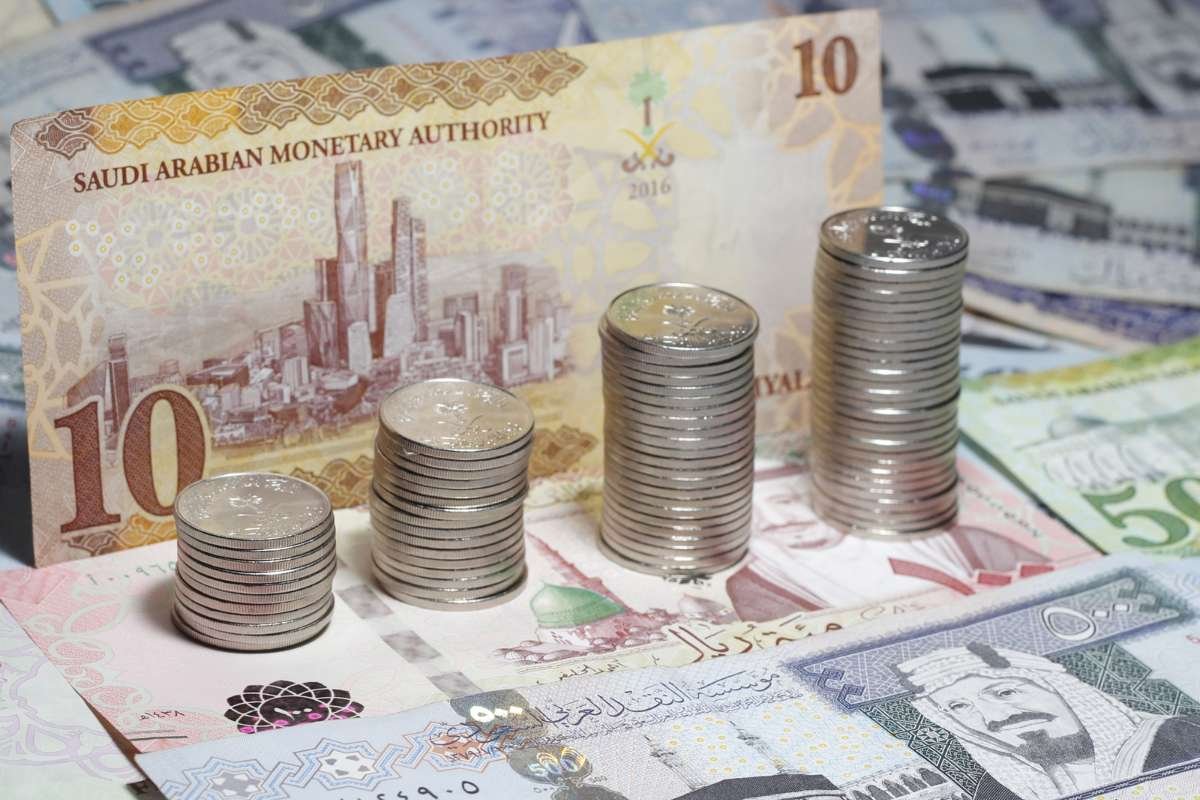
- Country: Saudi Arabia
- Symbol: ﷼
- ISO Code: SAR
The Saudi riyal became official in 1925 to unify regional currencies after decades of multiple systems. Oil exports and government spending anchor its value. Its stability supports international trade, investment flows, and the functioning of the country’s energy-driven economy. It plays a key role in managing the kingdom’s sovereign wealth fund and international financial agreements.
27. United Arab Emirates Dirham
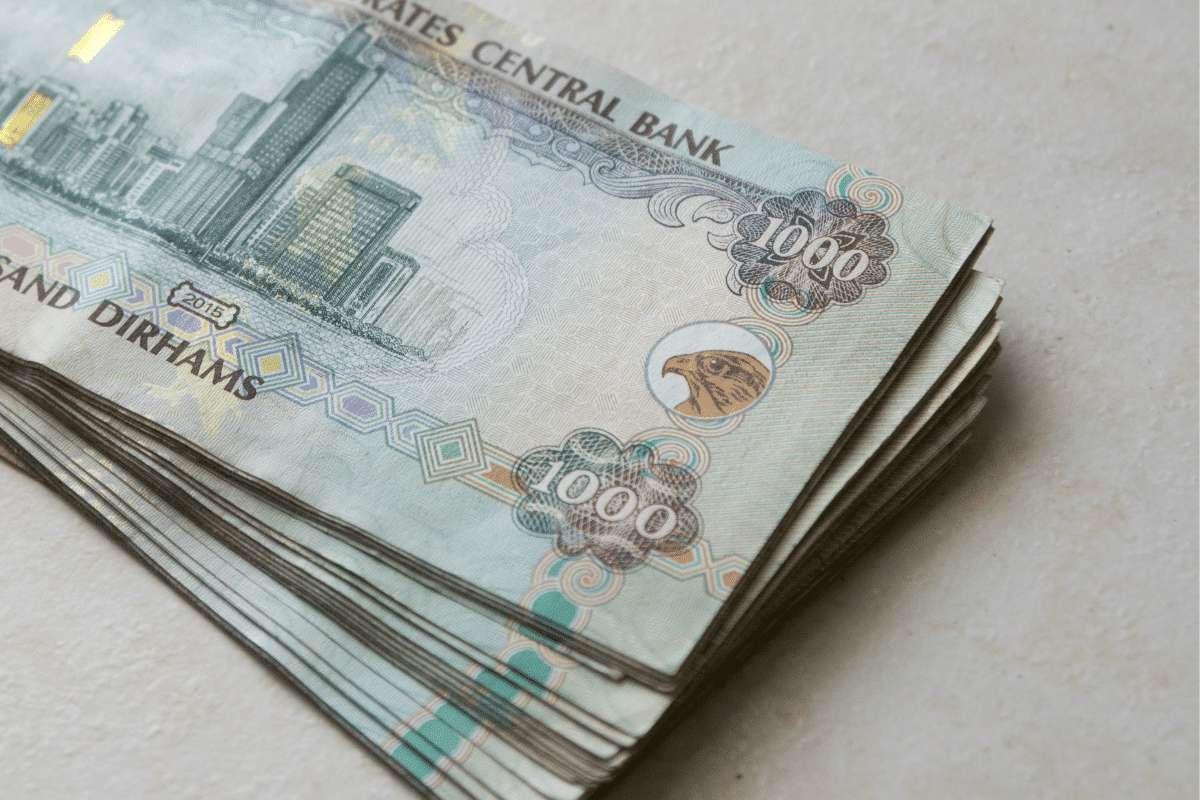
- Country: United Arab Emirates
- Symbol: د.إ
- ISO Code: AED
The UAE introduced the dirham in 1973 after federation to simplify monetary control. Tourism, trade, and logistics benefit from its consistent value. The currency underpins the nation’s business hub status and facilitates confidence in regional and global commerce. The UAE dirham also affects real estate investments and the cost of imported construction materials for large-scale projects.
28. Qatari Riyal
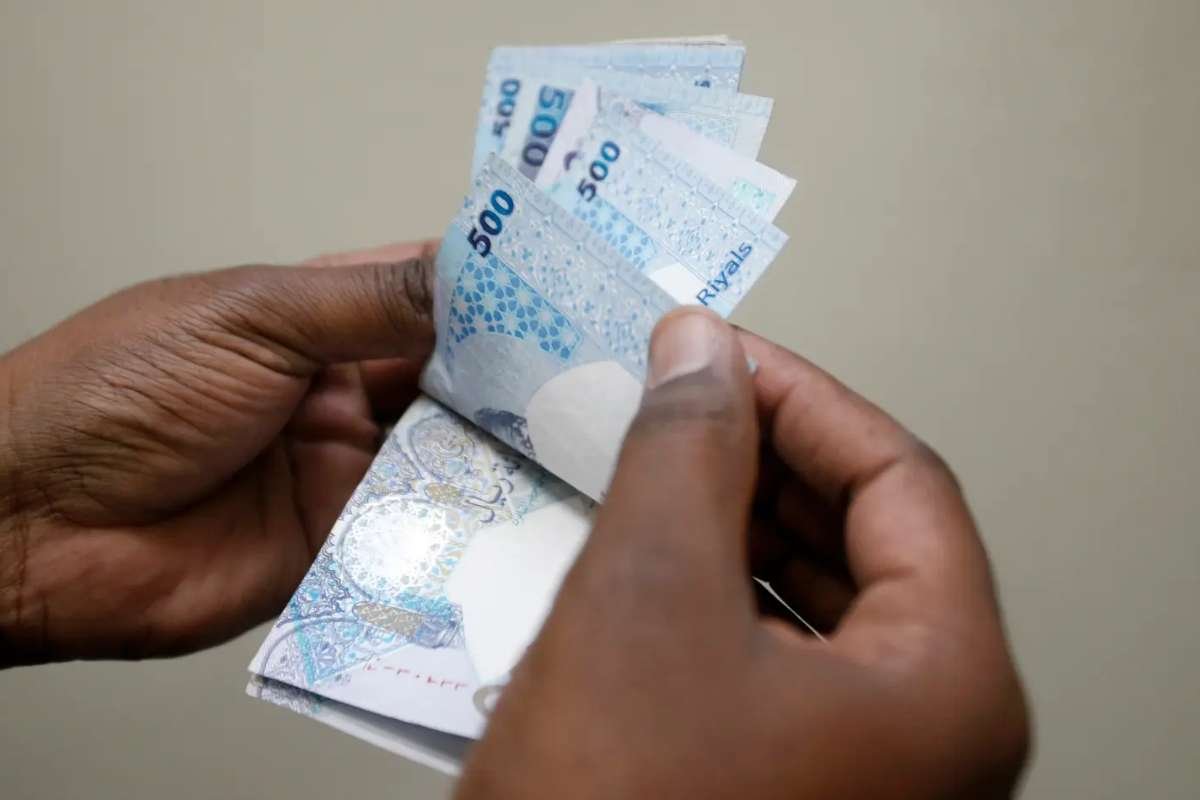
- Country: Qatar
- Symbol: ﷼
- ISO Code: QAR
Currencies of the world list -Qatar launched the riyal in 1973 to replace the Gulf rupee and strengthen national finance. Natural gas exports and investment flows influence its performance. Its stability supports government projects, foreign trade, and Qatar’s growing role in the global energy market. The Qatari riyal also impacts the pricing of imported infrastructure equipment and technology used in stadiums, ports, and industrial zones.
29. Kuwaiti Dinar
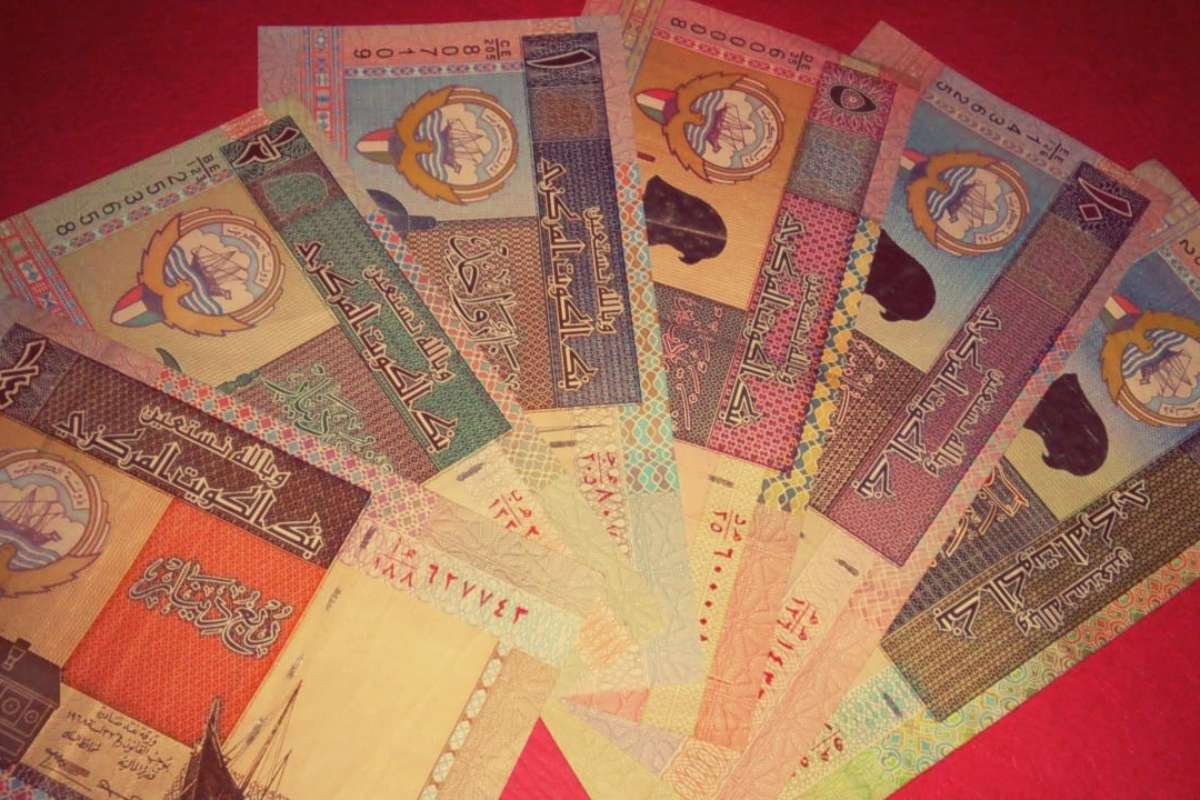
- Country: Kuwait
- Symbol: د.ك
- ISO Code: KWD
The Kuwaiti dinar was introduced in 1961 after independence to replace older colonial currency systems. Oil revenues and careful monetary management underpin its high value. The dinar remains central to national savings, international trade, and the country’s financial reputation. The Kuwaiti dinar affects cross-border real estate investments and is used as a benchmark in regional banking contracts and sovereign wealth fund allocations.
30. Israeli New Shekel
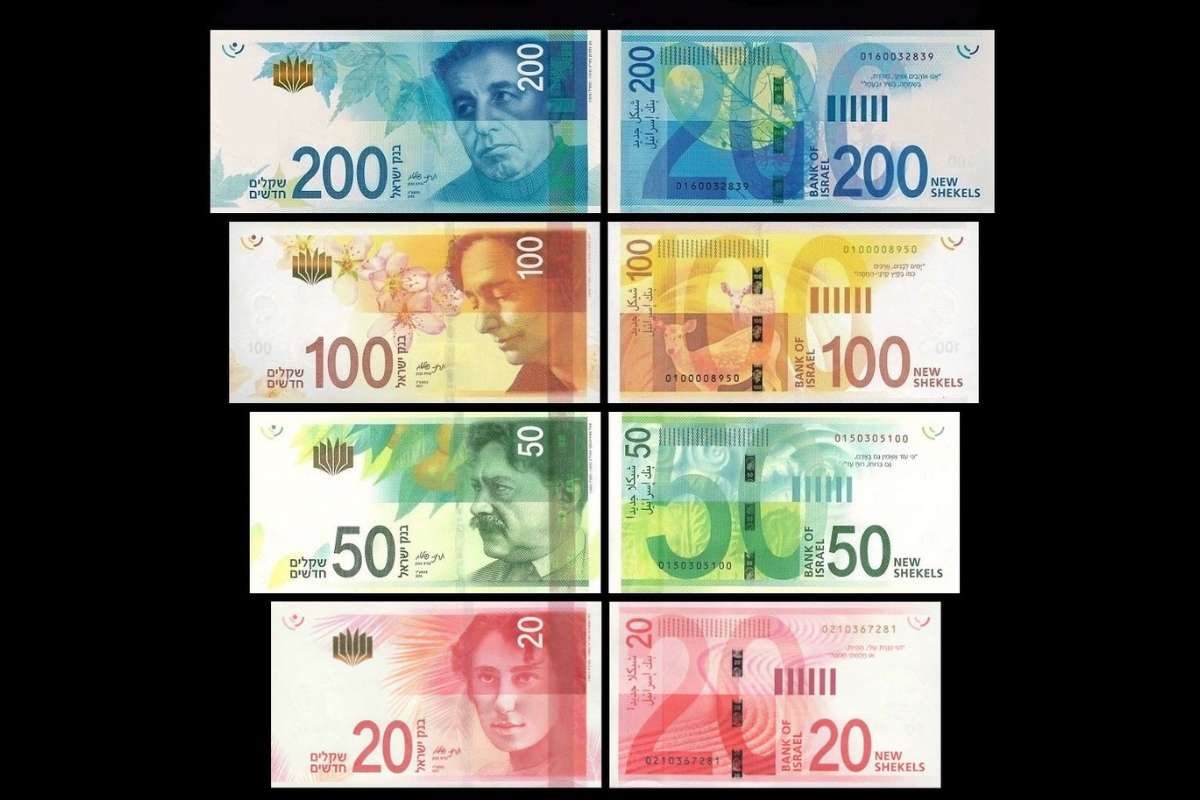
- Country: Israel
- Symbol: ₪
- ISO Code: ILS
Israel introduced the new shekel in 1985 to control inflation and stabilize the economy. Technology, exports, and foreign investment drive demand. Its strength reflects the country’s innovation-focused economy and positions it as a reliable currency for trade and finance. The new shekel influences domestic savings behavior and household investment decisions, including real estate and pension planning. It also impacts the cost of public services and tuition fees, shaping everyday life for Israeli citizens.
How do Currencies Influence the World Economy?
Currencies control how countries trade, invest, and grow. Exchange rates decide import costs and export competitiveness. Strong currencies make imports cheaper but can slow exports. Weak currencies help exports but raise domestic prices.
Currency values also affect everyday life. Businesses use them to plan costs and profits. Investors watch trends to move money safely across borders. Governments monitor currency strength to manage budgets and growth.
The US dollar dominates global finance. About 88% of all foreign exchange trades in April 2025 involved the US dollar. This shows how a single currency can shape liquidity, pricing, and stability worldwide. The euro, yen, and pound also influence regional trade and investment flows.
Central banks adjust interest rates to control currency values. Fluctuations affect travel, trade, and commodity prices. Stable currencies make global markets predictable. Unstable currencies of the world list can disrupt trade and investment. Currencies connect economies and guide worldwide economic activity.
Conclusion:
A currencies of the world list has the ability to show how countries trade, grow, and connect with each other every day. Each currency reflects economic strength, history, and global influence in its own way. Knowing these currencies helps with travel, business, and understanding global markets. It also builds awareness of how money moves across borders. As the world becomes more connected, understanding global currencies becomes a useful life skill.
FAQs
1. How many currencies are used around the world?
There are over 180 recognized currencies used by different countries and territories.
2. Which currency is used the most globally?
The US Dollar is the most widely used currency for trade, reserves, and international transactions.
3. Why do some countries share the same currency?
Countries may share a currency to simplify trade and economic cooperation, such as the Euro used by many European nations.
Thank You For Reading!
See More
5 Major Factors Affecting Forex Currency Prices