
Key Takeaways:
- OpenAI’s ChatGPT growth isn’t translating into strong monetization.
- Spending is surging; Sarah Friar has flagged sustainability concerns.
- Sam Altman must prove stable revenue and cost control beyond reliance on Microsoft.
OpenAI is confronting a crucial phase in its growth journey after missing internal targets for revenue and user expansion, casting a shadow over its anticipated initial public offering. The company, best known for its widely used AI chatbot ChatGPT, had set ambitious milestones, including a goal of reaching one billion weekly active users. However, recent performance suggests that growth has not accelerated at the pace executives had projected.
While generative AI continues to attract global attention, sustaining user engagement and converting usage into consistent revenue streams has proven more complex. A large share of users remain on free tiers, and enterprise adoption, though growing, has not yet fully offset the gap. This mismatch between rapid technological adoption and slower monetization is now emerging as a central challenge.
At the same time, competition within the AI ecosystem is intensifying. Technology giants like Google and well-funded startups such as Anthropic are expanding their capabilities and targeting similar customer segments. As a result, OpenAI is under increasing pressure to innovate faster while also strengthening its value proposition for both individual users and businesses. The company’s ability to maintain leadership in this crowded landscape will play a critical role in shaping investor confidence ahead of any public listing.
High Costs and Internal Debate Over Strategy
Beyond growth concerns, OpenAI is grappling with the financial demands of building cutting-edge AI systems. Developing and deploying advanced models requires enormous computing power, leading to billions of dollars in spending on data centers, specialized hardware, and long-term infrastructure agreements. These investments, while essential for maintaining technological leadership, are placing significant strain on the company’s financial outlook.
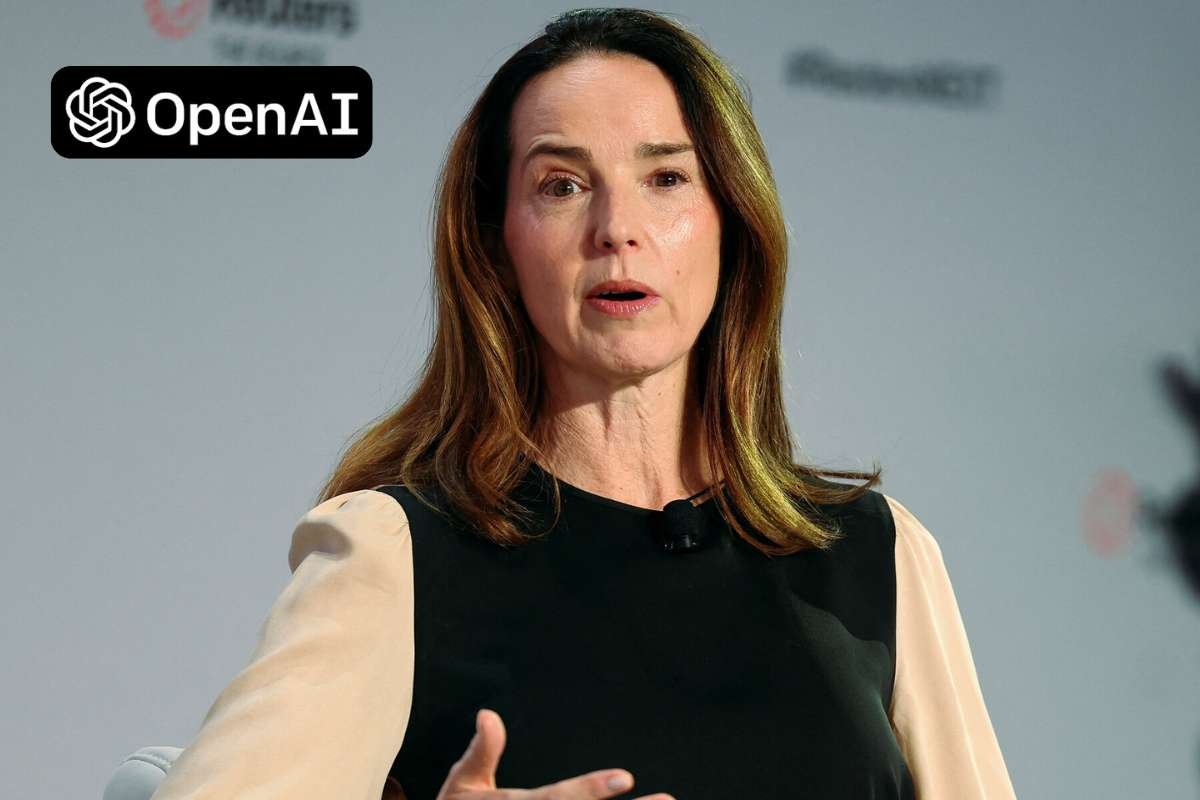
Chief Financial Officer Sarah Friar has reportedly raised concerns about whether current revenue levels can support the scale of these commitments over time. With costs rising faster than income, the company faces mounting pressure to demonstrate a clear path to profitability. The situation has prompted deeper scrutiny from leadership and stakeholders, particularly as the IPO timeline approaches.
CEO Sam Altman has championed an aggressive expansion strategy, prioritizing rapid innovation and global reach. However, this approach has sparked internal debate. Some executives and board members are advocating for tighter cost controls and a sharper focus on high-margin products, arguing that financial discipline will be critical in convincing public market investors.
In response, Sarah Friar, OpenAI, has begun reassessing its operational priorities. Certain experimental or less commercially viable projects are being scaled back, while resources are being redirected toward enterprise solutions and premium offerings. Upcoming AI model upgrades and developer-focused tools are expected to play a key role in boosting revenue and improving customer retention.
Strategic Realignment and an Uncertain Path Forward
As part of its broader recalibration, Sarah Friar OpenAI is also adjusting key strategic partnerships to enhance flexibility and expand its market reach. Its evolving relationship with Microsoft, a major investor and collaborator, reflects this shift. By loosening certain exclusivity arrangements, OpenAI aims to pursue additional partnerships and diversify its revenue streams.
This move signals a transition toward greater independence, positioning the company to compete more broadly across the enterprise and cloud ecosystems. While Microsoft remains a critical partner, the change underscores OpenAI’s intention to build a more versatile and resilient business model ahead of entering public markets.
Internally, discussions about the timing of the IPO are becoming more nuanced. While investor enthusiasm for artificial intelligence remains strong, some leaders believe that the company should delay its listing until it can demonstrate more consistent revenue growth and operational stability. Others argue that the current market environment still offers a favorable window, provided OpenAI can present a compelling long-term narrative.
The road ahead is further complicated by the broader challenges of scaling transformative technology,y ranging from infrastructure demands to evolving regulatory and competitive pressures. As OpenAI navigates these dynamics, its ability to align ambitious innovation with sustainable financial performance will be closely watched.
In the coming months, OpenAI’s decisions on cost management, product strategy, and partnerships will likely determine whether it can convert its early lead in artificial intelligence into a durable and profitable business, one capable of meeting the high expectations tied to its IPO ambitions.
For the latest insights, visit CIO Women Magazine.