
Key Takeaways:
- At South Carolina State University, student protests directly changed a major university decision.
- Inviting Pamela Evette shows commencement speakers now impact reputation and require careful vetting.
- Universities are becoming key spaces for debates on free speech, identity, and politics.
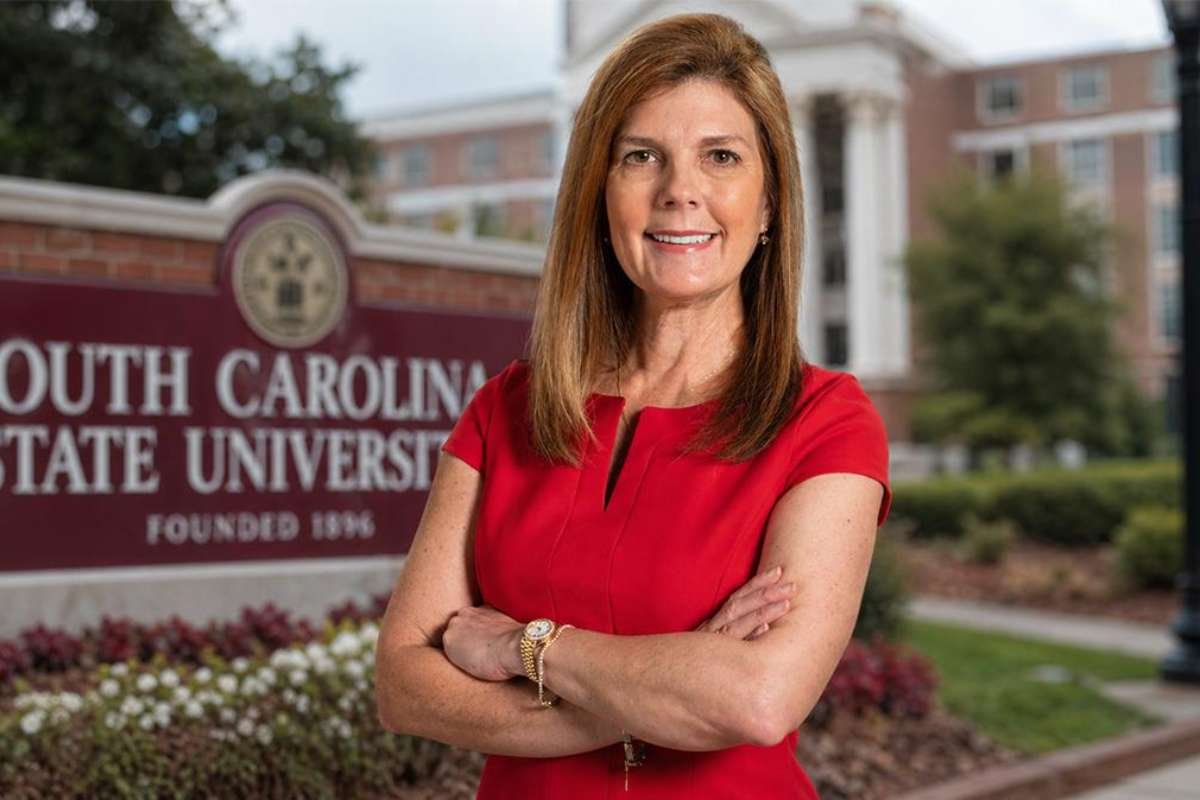
South Carolina State University has decided to remove Lt. Gov. Pamela Evette as the keynote speaker for its Spring 2026 commencement ceremony, following days of mounting student protests and growing tensions on campus. The announcement was made by university president Alexander Conyers, who confirmed that the institution would “move in a different direction” ahead of the May 8 event.
The university had initially extended the invitation to Evette based on her professional accomplishments. As a business leader who built a successful company before entering public office, she was seen as someone who could offer practical insights and inspiration to graduating students preparing to enter the workforce. Her journey was positioned as an example of entrepreneurship and leadership qualities the university hoped to highlight during commencement.
However, as opposition intensified, the administration began to reconsider. Conyers indicated that the decision to withdraw the invitation was made after careful evaluation of the situation, particularly concerns around maintaining a safe and unified environment during the ceremony. University officials stressed that commencement is a milestone event meant to celebrate student achievement, and they sought to ensure that the focus remained on graduates rather than controversy.
Student Backlash Reflects Deeper Concerns
The decision followed a wave of student-led protests that emerged soon after Pamela Evette’s selection was made public. Students organized rallies, circulated petitions, and used social media platforms to voice their objections, arguing that her political views did not align with the values and historical identity of the institution.
As a historically Black university, South Carolina State holds significant cultural and symbolic importance for its student body. Many protesters emphasized that the choice of a commencement speaker carries deeper meaning, representing not only the institution’s leadership but also its commitment to inclusivity and shared values. For them, the issue extended beyond a single appearance; it was about preserving the integrity of a defining moment in their academic journey.
Student leaders called for a speaker who better reflected the experiences and perspectives of the graduating class. They highlighted concerns about Evette’s stance on diversity, equity, and inclusion initiatives, which have been a point of contention in broader political discussions. Demonstrators argued that these positions were at odds with the mission and legacy of an HBCU.
The controversy quickly expanded beyond campus, drawing attention from political observers and sparking a wider debate about free speech and representation in higher education. Supporters of Evette argued that universities should expose students to a range of viewpoints, while critics maintained that commencement should prioritize speakers who resonate with the student community.
Political Fallout and Broader Implications
In response to the backlash, Pamela Evette defended her record and criticized the protests, framing them as an example of intolerance toward differing perspectives. She maintained that higher education institutions should encourage open dialogue and foster environments where diverse opinions can be expressed and challenged.
Her response also reinforced her broader political stance, particularly her criticism of diversity, equity, and inclusion programs, an issue that has become increasingly prominent in national discourse. Pamela Evette suggested that the situation reflected a larger cultural divide, where ideological differences are becoming more pronounced on college campuses.
Despite her willingness to address the graduating class, the university ultimately prioritized avoiding disruption. The administration’s decision underscores the growing challenge institutions face in balancing public engagement with the expectations of their student bodies.
With the commencement ceremony approaching, the university is expected to announce a new speaker who aligns more closely with campus sentiment. Meanwhile, the incident has become a reflection of broader national tensions, where education, politics, and identity increasingly intersect.
The episode at South Carolina State highlights how commencement decisions, once largely ceremonial, can evolve into significant flashpoints. It also underscores the shifting role of students as active stakeholders in institutional decision-making, particularly when it comes to issues of representation and values.
For the latest insights, visit CIO Women Magazine.