
Key takeaways:
- Padrino López’s move reflects a shift from military control to economic influence, not a loss of power.
- Led by Delcy Rodríguez, agriculture is central to recovery, focusing on boosting output and reducing imports.
- The reshuffle underscores a clear priority of stabilizing the economy through food security and growth.
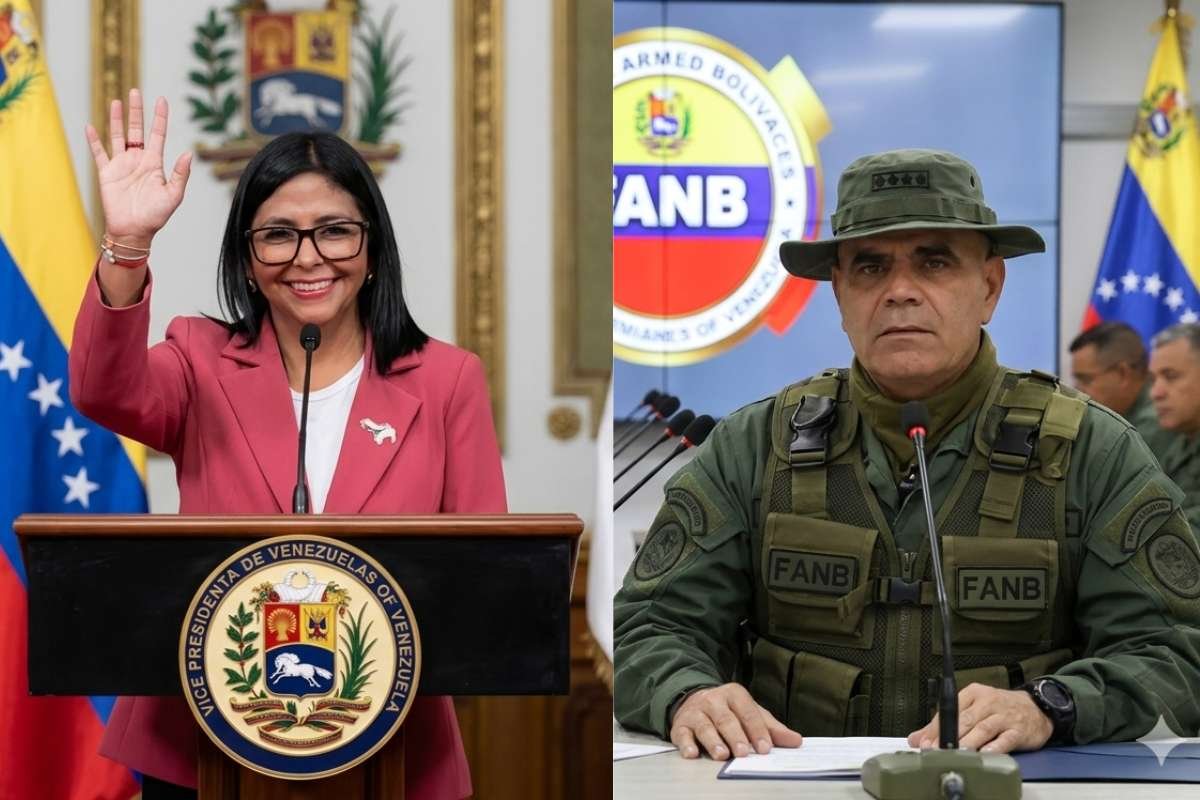
In a significant political development, Venezuela’s acting president, Delcy Rodríguez, has reassigned former Defence Minister Vladimir Padrino López to lead the Ministry of Productive Agriculture and Lands. The decision comes shortly after his removal from the defence portfolio, marking a broader restructuring within the country’s leadership.
The move reflects a strategic pivot by the administration as it attempts to address pressing economic challenges. Venezuela has been grappling with prolonged economic instability, food insecurity, and declining domestic production, making agriculture a priority sector. By appointing a seasoned and influential figure to oversee agricultural reforms, the government appears to be signaling urgency in revitalizing the nation’s food systems.
Delcy Rodríguez’s leadership since assuming office in 2026 has been characterized by swift institutional changes. The reassignment of key officials indicates an effort to recalibrate governance, placing experienced leaders in roles that directly impact economic recovery and national stability. This latest decision reinforces the administration’s intent to restructure not just political power, but also the functional priorities of government ministries.
A Decade of Influence Comes to an End
The transition marks the conclusion of Padrino López’s long-standing tenure as Defence Minister, a role he held for more than ten years. During this period, he emerged as one of the most powerful figures in Venezuela’s political and military landscape, playing a crucial role in maintaining alignment between the armed forces and the government.
His departure from the defence sector was part of a broader cabinet reshuffle initiated under Delcy Rodríguez. The reorganization saw several changes across key ministries, reflecting a shift in how authority and responsibility are distributed within the administration. While the Defence Ministry has historically been central to political power in Venezuela, the current reshuffle suggests a gradual rebalancing toward sectors with immediate economic impact.
Despite stepping away from military leadership, Padrino López remains a key figure within the government. His reassignment does not indicate political sidelining but rather a repositioning of influence. By moving him into agriculture, the administration is leveraging his leadership experience in a domain that requires strong coordination and execution.
Analysts view this move as both symbolic and strategic. It signals a departure from reliance solely on military authority while still maintaining continuity within the leadership structure. At the same time, it highlights the continued presence of military-linked figures in civilian governance, a longstanding feature of Venezuela’s political framework.
Agriculture Emerges as a National Priority
The Ministry of Productive Agriculture and Lands is expected to play a pivotal role in Venezuela’s efforts to stabilize its economy. Years of economic crisis have severely weakened agricultural productivity, leading to increased dependence on imports and exacerbating food shortages across the country.
Under Padrino López’s leadership, the government is expected to implement measures aimed at boosting domestic production, improving supply chains, and supporting rural economies. His appointment suggests a more assertive approach to tackling structural inefficiencies that have long hindered the sector.
The decision also underscores a broader shift in governance strategy. Delcy Rodríguez appears to be focusing on practical outcomes by aligning leadership roles with sectors that directly affect citizens’ daily lives. Food security, in particular, has become a central concern, and strengthening agricultural output is seen as essential to addressing this challenge.
At the same time, the move reflects a balancing act between continuity and reform. By retaining experienced figures within the government while assigning them new responsibilities, the administration is attempting to maintain stability while adapting to evolving national priorities.
As Venezuela navigates its complex political and economic landscape, this cabinet reshuffle highlights a clear shift in focus from military dominance to economic recovery. The reassignment of one of the country’s most influential figures to the agriculture sector signals that food production and economic resilience are now at the forefront of the government’s agenda. Whether this strategic shift will yield tangible improvements remains to be seen, but it marks a decisive step in redefining Venezuela’s path forward.
For the latest insights, visit CIO Women Magazine.