
Key Takeaways
- Federal Scrutiny of ‘Debanking’ Has Reached a New Level
- The Issue Extends Beyond Banking Into Politics and Free Expression
- Findings Could Reshape Future Banking Regulations
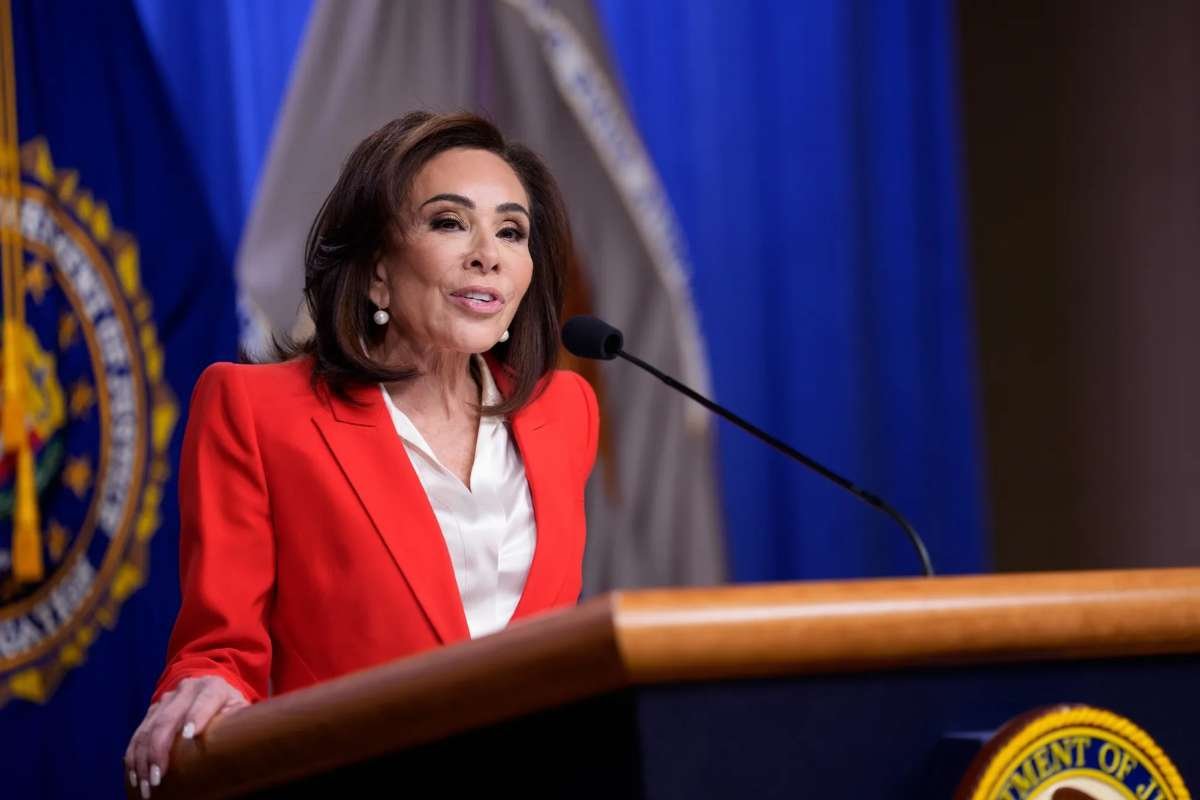
A federal investigation into alleged politically motivated banking practices is underway, placing some of America’s largest financial institutions under renewed scrutiny. Jeanine Pirro, the U.S. Attorney for the District of Columbia, has reportedly opened an inquiry into claims that certain banks may have closed customer accounts because of political affiliations or ideological beliefs rather than legitimate business concerns.
The investigation focuses on allegations of “debanking,” a term used to describe the termination of banking relationships or the closure of accounts by financial institutions. As part of the probe, subpoenas have reportedly been issued to major banks, including Bank of America and JPMorgan Chase, seeking records related to customer account closures and the rationale behind those decisions.
The issue has become increasingly prominent in recent years as conservative organizations, political activists, and some public figures have argued that banks are using their financial power to marginalize individuals and groups based on political viewpoints. Critics claim that access to banking services is essential for participating in modern economic life and should not be influenced by ideology.
Banks, however, have consistently rejected accusations of political bias. Financial institutions maintain that account closures are generally linked to regulatory compliance requirements, fraud prevention measures, anti-money laundering obligations, or broader risk-management considerations. Industry representatives argue that banks operate within a highly regulated environment and are often required to end customer relationships when legal or financial concerns arise.
The federal inquiry is expected to determine whether any banking decisions were improperly influenced by politics or whether they were justified under existing regulations and internal policies.
Trump-Related Lawsuits Bring National Attention to Debanking Debate
The investigation comes against the backdrop of several high-profile legal disputes that have brought the issue of debanking into the national spotlight.
Earlier this year, President Donald Trump filed a lawsuit against JPMorgan Chase, alleging that he was effectively denied banking services following the January 6, 2021, attack on the U.S. Capitol. The lawsuit claims that political considerations played a role in the bank’s actions and seeks significant damages.
Jeanine Pirro’s federal probe into alleged political “debanking” comes as JPMorgan Chase firmly denies the accusations, stating that it does not make banking decisions based on customers’ political or religious beliefs. The bank has maintained that any account-related actions are guided by regulatory obligations and risk assessments rather than ideology.
In a separate dispute, the Trump Organization previously sued Capital One after the bank closed more than 300 accounts linked to the company in 2021. The organization argued that the closures reflected a politically motivated effort to distance financial institutions from individuals and businesses associated with Trump.
As Jeanine Pirro’s federal probe into alleged political “debanking” moves forward, Capital One has denied the claims, emphasizing that politics does not influence its banking decisions and that account closures are conducted in accordance with established policies and compliance requirements.
These legal battles have fueled broader concerns among some lawmakers and advocacy groups who believe greater transparency is needed when banks terminate customer relationships. Critics argue that account closures can have severe financial consequences, affecting businesses, employees, and individuals who rely on banking services for everyday transactions.
At the same time, banking industry leaders have warned against drawing conclusions without considering the extensive legal responsibilities imposed on financial institutions. They note that banks must routinely monitor customer activity and take action when accounts present compliance or risk-related concerns.
Broader Questions About Financial Access and Political Neutrality
Jeanine Pirro’s investigation is closely aligned with broader efforts by the Trump administration to address what it describes as politically motivated discrimination within the financial system. Supporters of these efforts argue that financial institutions should remain politically neutral and provide services based on objective financial criteria rather than ideological considerations.
Advocates contend that banks occupy a unique position in modern society because access to financial services is essential for operating businesses, receiving payments, obtaining loans, and participating in the economy. As a result, they believe any evidence of politically motivated account closures would raise serious concerns about fairness and equal access.
Opponents, however, caution that banks must retain the flexibility to manage risk and comply with federal regulations designed to combat fraud, money laundering, and other financial crimes. They argue that restricting banks’ ability to close accounts could create unintended consequences and expose institutions to greater legal and regulatory risks.
As investigators review documents and gather information from major financial institutions, the outcome of the inquiry could have far-reaching implications. The findings may influence future banking regulations, shape ongoing legal challenges, and contribute to a broader debate over the balance between financial oversight and political neutrality.
For now, Jeanine Pirro, the federal probe represents one of the most significant examinations of alleged political debanking in recent years, with potential consequences not only for the banks involved but also for the future relationship between financial institutions, regulators, and their customers.
Read the latest articles and success stories on CIO Women Magazine.