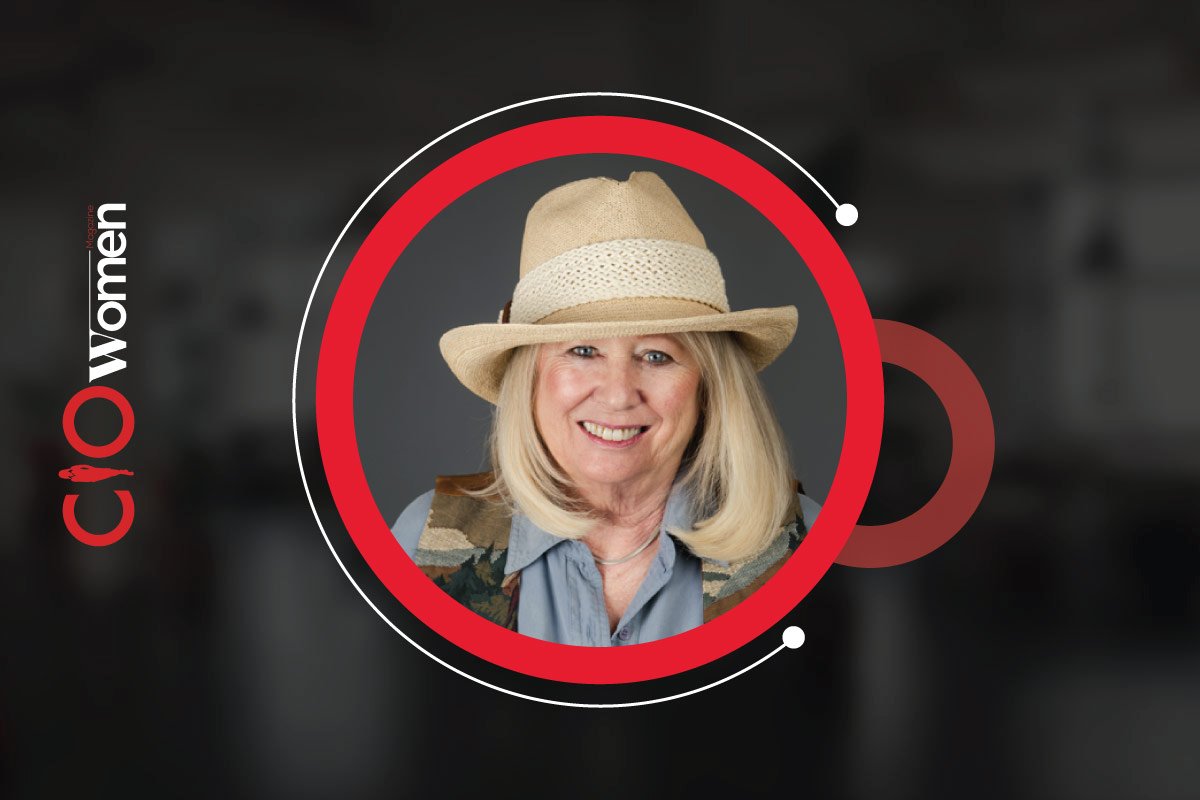
Fifteen Years. Three Patents. One Platform That Is Rewriting How the Industry Works.
“Most property management software is a filing cabinet. We built an operating system.”
The problem no one had actually solved
Property management is a profession that quietly runs billions of dollars in real estate assets every day, and for decades, it ran on software that treated the job as a recordkeeping exercise. Somewhere between the missed maintenance request, the owner who couldn’t see what was happening with their investment, the vendor chasing an unpaid invoice, and the tenant trying to reach anyone who could help, the industry accepted dysfunction as normal.
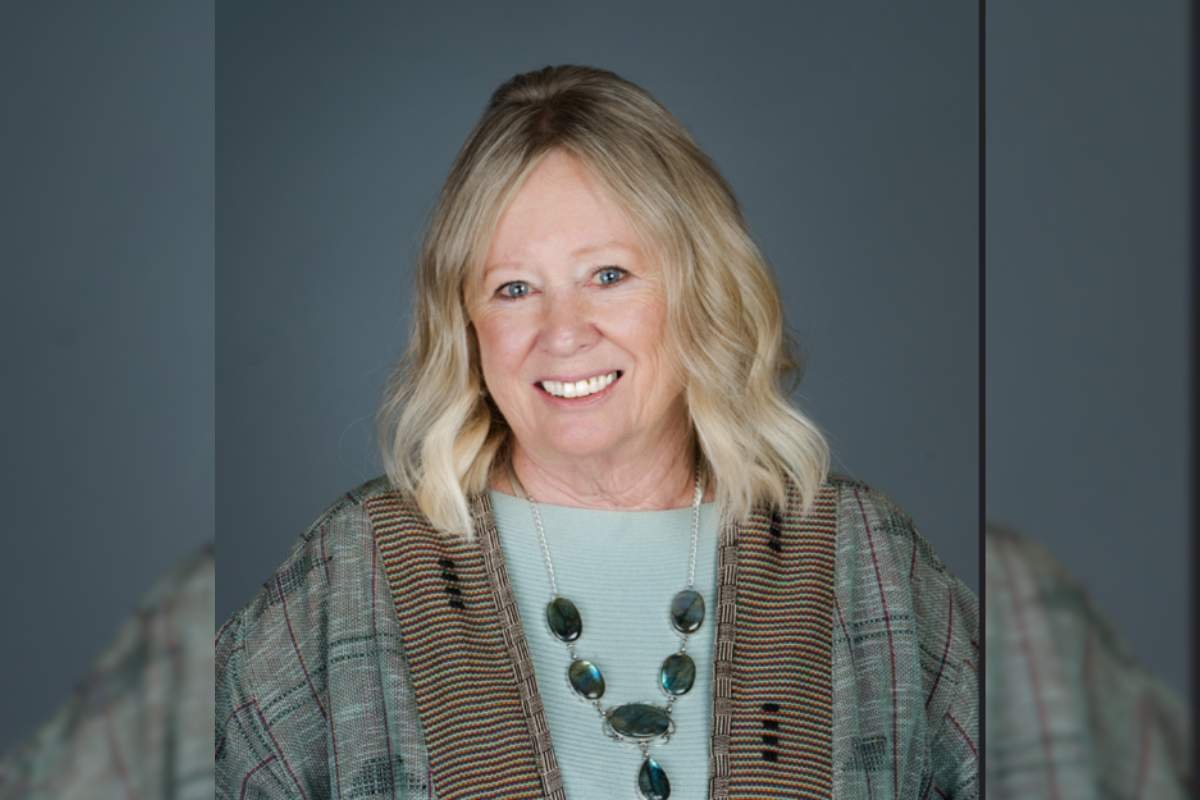
Timmi Ryerson refused to accept it.
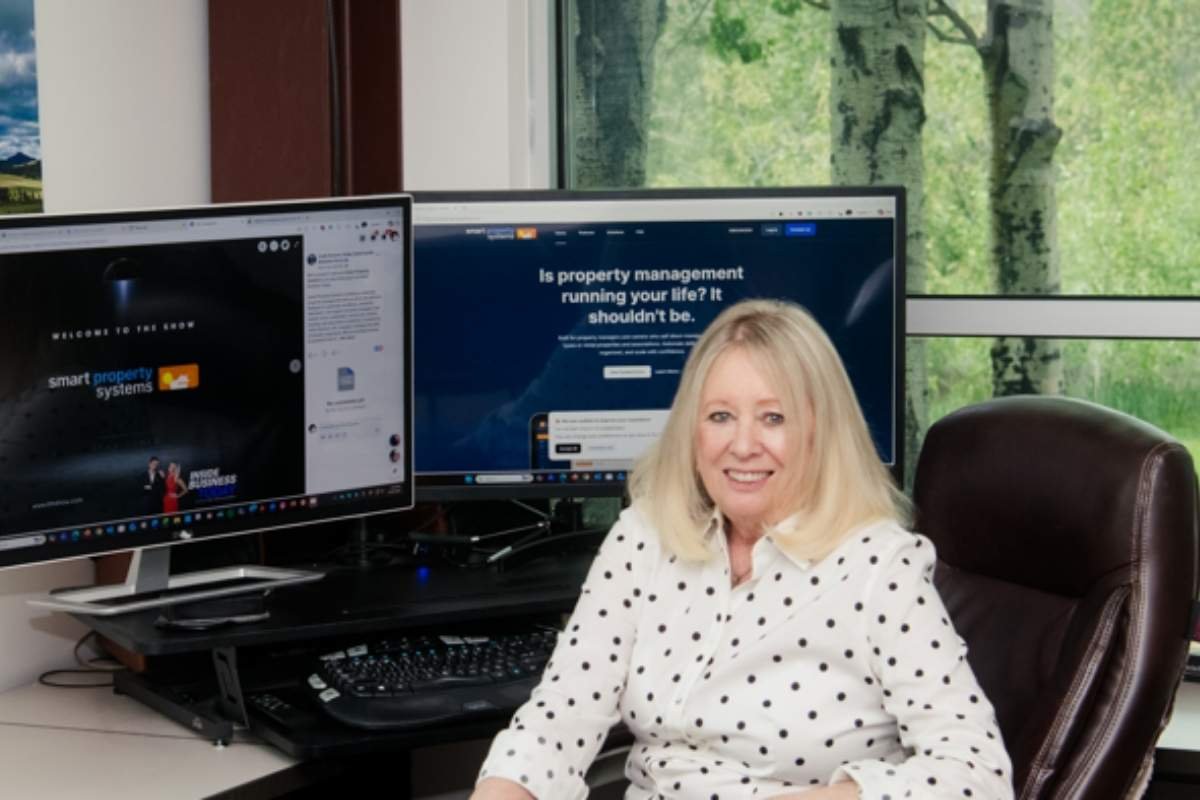
As someone who managed residential and commercial properties herself not as an abstraction, but on the ground, handling the calls, the disputes, the coordination, and the paperwork she understood what was actually broken. Not from a pitch deck. From experience. And fifteen years ago, she began building the solution the industry didn’t yet know how to ask for.
Not a tool. An operating system.
The distinction matters enormously, and it is the philosophical foundation of everything Smart Property Systems has built. A tool helps you do something. An operating system runs your property management business. It connects every participant, every workflow, every document, every dollar of income or expense, and every communication inside one coherent environment.
Where competitors have built software around two portals, a manager and a tenant, Timmi Ryerson architected six portals. They are Staff, Tenants, Owners, Vendors, Leasing and Showing Agents, and Inspectors. Each portal is purpose-built with role-specific access, permissions, and workflows tailored to exactly what that user needs to do. No clutter, no confusion, no shared logins that obscure accountability.
The result is a platform where a property manager can see everything in real time; an owner can track the performance of their asset with transparent financial and tenant reporting; a tenant can pay rent and submit maintenance requests without a phone call; a vendor can receive and respond to work orders with documentation attached; and an inspector can complete and submit reports directly within the system.
“Every payment, every document, every communication — organized, tracked, and connected. That is what accountability actually looks like.”
Grace: the intelligence layer
At the center of the Smart Property Systems platform is Grace, an embedded AI assistant that is not a chatbot bolted onto an existing system as a feature announcement. Grace is woven into every portal, context-aware, role-sensitive, and designed to do real operational work.
Grace can generate documents, open screens, submit requests, update configuration settings, and guide users through complex workflows, all with user confirmation before any action is taken. What Grace will never do is touch a financial record or alter an accounting entry. That architectural decision reflects the same discipline that runs through every part of the platform: automate the right things, protect the things that must remain human-reviewed.
Grace runs on OpenAI’s TTS Shimmer voice and carries a custom avatar, a deliberate design choice, that makes the assistant feel like a genuine part of the SPS environment rather than a generic AI widget. For subscribers, Grace is not a novelty. It is the fastest path to getting work done.
Fifteen years of architecture, now in V3
Smart Property Systems is currently in its third major platform generation, a complete rebuild on a modern microservices stack much like Google and Facebook have for scale and speed, and event-driven messaging on AWS infrastructure. This is not a refresh. It is a ground-up reimagining of how property management software should be engineered, with the operational wisdom of fifteen years baked into every architectural decision.
The V3 platform comes with three pending patents that reflect genuine intellectual property: event-driven lifecycle state management for property operations, document-centric operational execution, and deterministic AI generation of structured machine-readable documents. These are not defensive filings. They represent novel approaches to problems the industry has never solved at the architectural level.
The platform integrates with PaySafe for payment processing with full PCI (Payment Card Industry) compliance, TransUnion for tenant screening, Xodo Sign for electronic signatures, and Zillow for property listing distribution. Each integration was selected for operational depth, not marketing value.
The discipline behind the platform
One of the less visible but most important aspects of how Smart Property Systems operates is its documentation culture. Every major architectural decision is written down, reviewed, versioned, and made accessible to the development team. Architecture maps, billing engine rules, settings logic, onboarding flows, security protocols- all documented with the rigor of a company that intends to be here in twenty years.
This discipline extends to development standards. Developers are required to run code through an AI review process before submitting pull requests. Security reviews cover three threat vectors with 2FA enforced across all six portals. The platform holds a formal incident response plan and AI security requirements document as launch prerequisites.
Timmi Ryerson leads this company the way great architects think about buildings: with the understanding that what gets built now will either support or constrain everything that comes after it.

Recognition built on results
Timmi Ryerson contributes to the Forbes Technology Council, where she writes on technology, operational transparency, and the evolution of the PropTech industry. In 2022, she was recognized as one of the Top 100 Leaders in Real Estate at WREconf, and has been featured in The 10 Most Influential Women Leaders in PropTech to Watch in 2026. An appearance on Bill Rancic’s Inside Business is scheduled for September 2026, alongside additional features in Executive Excellence and other industry publications.
These recognitions reflect what has been built not a startup story, but a fifteen-year body of work that has produced a platform sophisticated enough to carry three patents, attract strategic partnerships with industry leaders, and deliver the kind of operational transparency the industry has been missing.
What the industry is becoming
Smart Property Systems has positioned itself at the intersection of three shifts that are reshaping property management: the demand for intelligent automation that handles growing workloads without adding headcount, the expectation of financial transparency that is auditable and stress-free, and the rising standard tenants hold for digital-first experiences that feel modern rather than bureaucratic.
The platform was built for where the industry is going, not where it has been. And increasingly, where it is going looks like what Smart Property Systems already built.

“The property managers handling this industry deserve technology that matches the sophistication of the work they do every day. We are here to build that.”
For the next generation
Timmi Ryerson’s message to the professionals and builders coming into this industry is direct: develop technical depth, stay curious, and do not build to fit existing expectations. The affordable housing crisis, the transparency gap between owners and managers, and the operational burden carried by small and mid-sized property management firms are not abstract problems. They are opportunities for people willing to think architecturally about solutions.
She built Smart Property Systems because she saw the gap and had the experience to know what closing it would actually require. The next generation of leaders in this space will need the same combination: real-world knowledge, technical rigor, and the confidence to build what the industry needs rather than what already exists.
Women’s corner
Timmi Ryerson built Smart Property Systems over fifteen years not because the market asked for it, but because she knew from hands-on experience exactly what was missing. She designed a six-portal platform that treats property management as the complex, relationship-driven, high-stakes profession it actually is, and embedded an AI assistant intelligent enough to work alongside the professionals who run it. Three patents. A rebuilt V3 platform. A development culture built on documentation, accountability, and architectural rigor. Timmi Ryerson did not find a seat at the table. She built the table.