
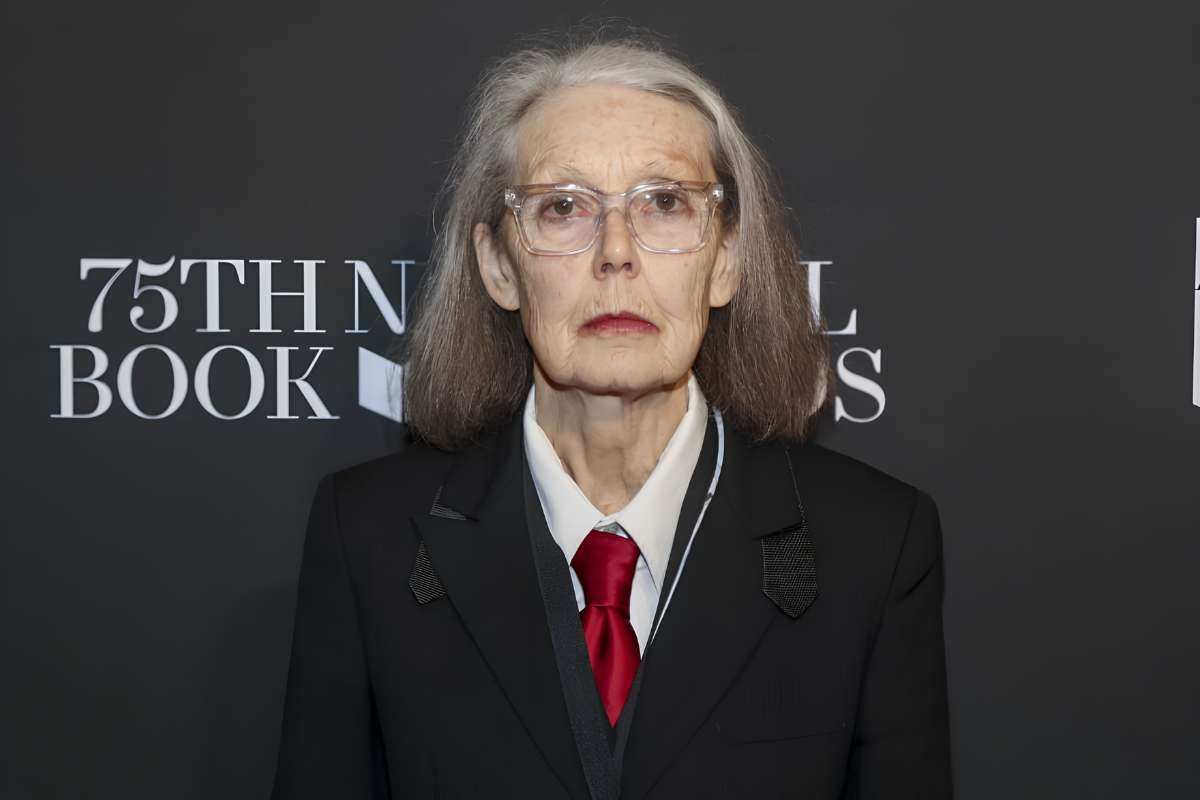
Key Takeaways:
- Anne Carson Wins the 2026 Nobel Prize in Literature
- Blending Classical Traditions With Modern Literature
- A Landmark Achievement for Canadian Literature
Canadian poet, essayist and translator Anne Carson has won the 2026 Nobel Prize in Literature, recognising her distinctive contribution to contemporary writing and her ability to transform classical traditions into innovative literary works. The announcement, made on October 8, places Carson among the most celebrated figures in modern literature.
At 76, Carson is known for a writing style that blends poetry, prose, translation and classical scholarship. Her work frequently crosses conventional literary boundaries, combining intellectual depth with experiments in language, structure and presentation.
The Swedish Academy recognised Carson for her bold and inventive body of work, which draws on classical literature while finding new ways to explore human experiences. Her writing examines themes such as love, loss, desire and identity, often connecting ancient stories with contemporary life.
Carson was in Iceland when she received the news. Her reaction reflected the understated humour associated with her public persona. Speaking to Icelandic broadcaster RUV, she expressed surprise at the announcement and joked about the prospect of having a Nobel Prize sticker placed on the covers of her books.
The award brings international attention to an author whose work challenges traditional approaches to storytelling and demonstrates the continuing relevance of experimental literature.
A Literary Career Shaped by Ancient Greek Literature
Born in Toronto, Carson developed a strong interest in ancient Greek literature and language during her academic career. She studied at the University of Toronto, earning three degrees, and later taught classics at universities in Canada and the United States.
Her academic background has played a significant role in shaping her creative work. Rather than treating classical texts solely as historical documents, Carson reinterprets their characters, conflicts, and ideas through modern literary forms. This approach allows her to examine enduring human emotions while challenging conventional distinctions between scholarship and creative writing.
One of her best-known works, Autobiography of Red, published in 1998, reimagines the Greek myth of Geryon through a contemporary verse narrative. The book combines mythology with an exploration of identity, vulnerability, and desire.
In Norma Jeane Baker of Troy, a 2019 performance work, Carson brings together Helen of Troy and the cultural legacy of Marilyn Monroe. The work reflects her interest in connecting ancient narratives with modern popular culture.
Her translations of Greek literature have also contributed to her reputation. Carson approaches translation as a creative act, presenting ancient texts in ways that retain their intellectual complexity while making them accessible to contemporary readers.
Her publications frequently incorporate unusual layouts, visual elements, and shifts between literary styles. Through these techniques, Carson challenges the boundaries between poetry, prose, criticism and performance, establishing a distinctive place in contemporary literature.
Personal Experiences and a Lasting Literary Legacy
Carson’s creative interests extend beyond classical mythology. Her work engages with modern literature, visual art and performance, demonstrating her willingness to explore different ways of expressing ideas.
In The Albertine Workout, she revisits Albertine, a character from Marcel Proust’s In Search of Lost Time. The work transforms close literary analysis into an independent creative project, reflecting Carson’s fascination with characters, memory and unresolved questions.
Carson has also spoken about living with Parkinson’s disease, a condition that has affected her handwriting. She began boxing lessons in her seventies, an activity that can form part of exercise programmes for people living with the condition. Her continued engagement with artistic experimentation reflects her determination to explore different forms of expression.
She and her husband, artist Robert Currie, have maintained close connections with Iceland, where they became citizens in 2022. The country has remained an important part of their lives alongside their links to North America.
Over her career, Carson has received numerous honours, including a MacArthur Fellowship and the Order of Canada. The Nobel Prize adds another major distinction to a body of work that has influenced readers, scholars and writers across literary disciplines.
Her achievement highlights the possibilities of creative experimentation and the enduring relevance of classical traditions. By connecting ancient stories with contemporary experiences, Anne Carson has demonstrated how literature can challenge established boundaries while continuing to explore the complexities of human life.
Visit CIO Women Magazine for the most recent information.