
Key Points:
- Mother Mary takes inspiration from Taylor Swift’s rise as a global pop star.
- The film mixes stadium concert spectacle with intimate emotional drama.
- Anne Hathaway transforms into a superstar through rigorous performance training.
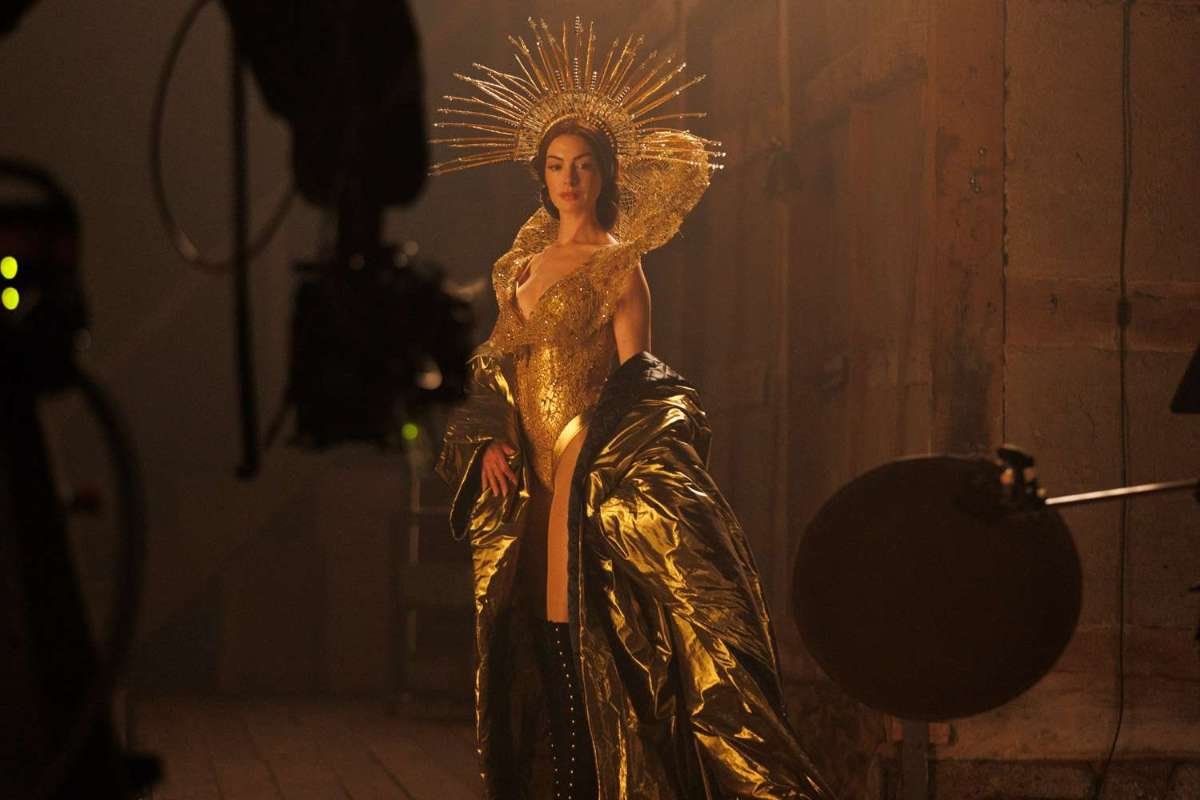
Anne Hathaway’s upcoming musical drama Mother Mary is shaping up to be one of the most ambitious pop-culture-inspired films in recent years, blending the spectacle of global music tours with deeply emotional character storytelling. Directed by David Lowery, the film casts Hathaway as a fictional pop superstar undergoing a turbulent comeback, with the character’s creative foundation significantly influenced by the career arc and artistic identity of Taylor Swift.
The creative vision behind Mother Mary draws heavily from Taylor Swift’s evolution as one of the most influential performers of her generation. Director David Lowery has described Swift not as a literal model for the character, but as a conceptual framework for understanding how modern pop stardom evolves.
In shaping the film, Lowery encouraged Anne Hathaway to imagine her character as a future version of a Taylor Swift–level global icon, someone who has already conquered stadium tours, global fame, and cultural dominance, and is now navigating the emotional complexity that follows such success. This approach helped define both the tone and psychological depth of the narrative.
Swift’s large-scale stadium performances, particularly her highly structured and visually dynamic tours, served as key reference points for the film’s concert sequences. The production team analyzed the choreography, lighting transitions, stage design, and camera movement used in her performances to recreate a similarly immersive experience on screen. The goal was not only to replicate a concert atmosphere but also to translate the emotional intensity of live performance into cinematic storytelling.
Beyond visual inspiration, Swift’s artistic journey from country singer-songwriter to global pop phenomenon also helped shape the thematic core of the film. Mother Mary explores ideas of reinvention, identity, and the cost of sustained fame, themes that mirror real-world experiences of major global artists who continuously evolve under public scrutiny.
Anne Hathaway’s Transformation into a Fictional Pop Icon
For Anne Hathaway, Mother Mary represents a major artistic transformation, requiring her to step fully into the physical and emotional world of a pop superstar. The role demands extensive vocal performance, choreography, and the ability to sustain high-intensity stage energy across elaborate musical sequences.
Her character, known as Mother Mary, is a legendary pop figure returning to the spotlight after a prolonged hiatus marked by personal and professional struggles. The storyline follows her attempt to rebuild her career while confronting unresolved emotional tensions with a former close collaborator, played by Michaela Coel.
This relationship forms the emotional backbone of the film, grounding the larger-than-life concert visuals in intimate human conflict. Rather than presenting fame as purely glamorous, the narrative highlights the isolation, pressure, and identity fragmentation that can accompany global celebrity status.
Reports from production suggest that Hathaway underwent rigorous preparation to convincingly portray a performer of this scale. Her training reportedly included adapting to concert-style choreography, mastering stage movement, and embodying the physical discipline required of touring pop artists. This immersive approach reflects the film’s broader commitment to authenticity in portraying the world of modern music superstardom.
The role also marks a continued shift in Hathaway’s career toward more experimental, genre-blending projects. Known for her versatility across drama, comedy, and musical performance, she now steps into a space that merges all three, positioning Mother Mary as one of her most demanding and transformative roles to date.
A Fusion of Cinema and Contemporary Pop Culture
Beyond its narrative, Mother Mary reflects a growing trend in Hollywood where the language of pop music is increasingly influencing cinematic storytelling. The film merges concert aesthetics with psychological drama, creating a hybrid experience that blurs the line between live performance and narrative cinema.
Taylor Swift’s influence extends into the technical design of the film’s performance sequences. Her stadium tours and concert films served as visual references for how large-scale performances can be translated into cinematic form. Elements such as lighting design, crowd energy, stage transitions, and camera choreography were studied closely to replicate the feeling of being inside a live concert environment.
This approach highlights how modern pop stars have become central cultural architects, shaping not only music but also visual storytelling across industries. Swift, in particular, represents a generation of artists whose work extends far beyond audio recordings into highly structured visual and emotional experiences that resonate globally.
Set for release in April 2026, Mother Mary positions itself as a bold, genre-defying project that fuses music, drama, and cinematic spectacle. With Anne Hathaway leading the cast and a creative vision rooted in contemporary pop culture, the film aims to explore the psychological realities of fame while delivering an immersive visual experience inspired by the scale and emotional depth of modern stadium pop performances.