

There are over 11,000 species of birds worldwide.
So, it is natural that these winged creatures come in a variety of shapes and sizes. Each comes with its unique features. And many of them are not afraid to show that they are the largest thug around town. These are the biggest birds in the world. They boast wings that blot out the sun, with towering heights that match skyscrapers, and eggs that make you wonder if it’s going to hatch a bird or a dragon.
In this article, we will see who tops this list of the biggest birds in the world and claims the honour of ruling the kingdom in the clouds. But first, we must answer an important question:
How do you measure the Biggest Birds in the World?
Size goes beyond what people notice at first glance. Scientists study the entire body and how it works in daily life. They observe structure, movement, and growth patterns to understand real scale. This approach helps separate birds that only look large from those that truly are massive.
Movement offers strong clues about size. Researchers watch how birds walk, run, or take flight. Large birds move with slower, heavier steps or use wide motions to stay balanced. These patterns reveal how body size shapes strength and control.
Habits and living space also matter. Scientists study how much room birds need to feed, rest, and stay safe. Biggest birds in the world often require wide territories and sturdy surroundings. Their size influences where they live and how they survive.
The 20 Biggest Birds in the World that Redefine Size and Power

The largest forms of avian life can be measured by looking at the different features that they possess. So, let us take a look at how evolution turned these birds into colossal forms of nature. We have categorized the list according to different aspects like height, weight, wingspan, etc.
| Sr no. | Bird Name | Height | Weight | Wingspan | Egg Size |
| 1 | Ostrich (Struthio camelus) | up to 2.75 m | up to 156 kg | N/A (flightless) | up to 2.589 kg |
| 2 | Southern Cassowary (Casuarius casuarius) | up to 1.7 m | up to 85 kg | N/A (flightless) | around 1 kg |
| 3 | Northern Cassowary (Casuarius unappendiculatus) | up to 1.6 m | up to 75 kg | N/A (flightless) | 0.8–1 kg |
| 4 | Emu (Dromaius novaehollandiae) | up to 1.9 m | up to 70 kg | N/A (flightless) | up to 1.4 kg |
| 5 | Emperor Penguin (Aptenodytes forsteri) | up to 1.3 m | up to 46 kg | up to 0.9 m | around 0.45 kg |
| 6 | Greater Rhea (Rhea americana) | up to 1.5 m | up to 40 kg | up to 2 m | around 0.9 kg |
| 7 | Dwarf Cassowary (Casuarius bennetti) | up to 1.1 m | up to 34 kg | N/A (flightless) | around 0.6 kg |
| 8 | Lesser Rhea (Rhea pennata) | up to 1 m | up to 28.6 kg | up to 2 m | around 0.6 kg |
| 9 | Mute Swan (Cygnus olor) | up to 1.3 m | up to 23 kg | up to 2.4 m | around 0.3 kg |
| 10 | Great Bustard (Otis tarda) | up to 1.15 m | up to 21 kg | up to 2.7 m | around 0.17 kg |
| 11 | Kori Bustard (Ardeotis kori) | up to 1.5 m | up to 20 kg | up to 2.7 m | around 0.15 kg |
| 12 | King Penguin (Aptenodytes patagonicus) | up to 1 m | up to 20 kg | up to 0.8 m | around 0.3 kg |
| 13 | Trumpeter Swan (Cygnus buccinator) | up to 1.65 m | up to 17.2 kg | up to 2.4 m | around 0.3 kg |
| 14 | Wandering Albatross (Diomedea exulans) | up to 1.35 m | up to 16.1 kg | up to 3.63 m | around 0.4 kg |
| 15 | Whooper Swan (Cygnus cygnus) | up to 1.65 m | up to 15.5 kg | up to 2.4 m | around 0.3 kg |
| 16 | Dalmatian Pelican (Pelecanus crispus) | up to 1.83 m | up to 15 kg | up to 3.3 m | around 0.1 kg |
| 17 | Southern Royal Albatross (Diomedea epomophora) | up to 1.3 m | up to 15 kg | up to 3.51 m | around 0.4 kg |
| 18 | Andean Condor (Vultur gryphus) | up to 1.3 m | up to 14.9 kg | up to 3.3 m | around 0.2 kg |
| 19 | California Condor (Gymnogyps californianus) | up to 1.4 m | up to 14.1 kg | up to 3.05 m | around 0.2 kg |
| 20 | Great White Pelican (Pelecanus onocrotalus) | up to 1.8 m | up to 13 kg | up to 3.6 m | around 0.1 kg |
1. Ostrich (Struthio camelus)

- Height: up to 2.75 m
- Weight: up to 156 kg
- Wingspan: N/A (flightless)
- Egg size: up to 2.589 kg
Native to African savannas, the ostrich is the largest living bird, with males reaching record sizes in the wild. It tops charts in height, weight, and egg size, far exceeding other birds. Massive size aids thermoregulation in hot climates, enables 70 km/h sprints to evade predators, and supports laying nutrient-packed eggs for chick survival. Ratite evolution reduced wings, channeling energy into elongated legs, strong neck muscles, and oversized eggs.
2. Southern Cassowary (Casuarius casuarius)
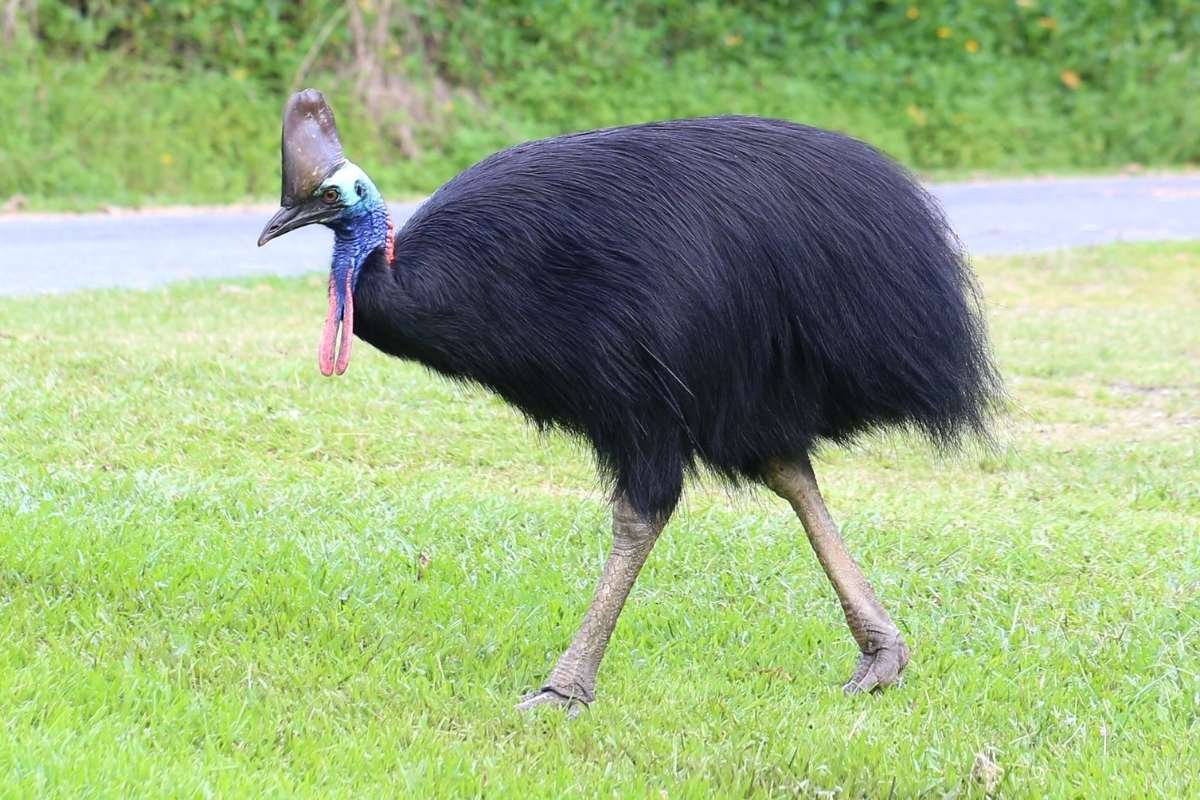
- Height: up to 1.7 m
- Weight: up to 85 kg
- Wingspan: N/A (flightless)
- Egg size: around 1 kg
A rainforest dweller in New Guinea and northern Australia, the southern cassowary is famous for its colorful casque and deadly claws. It ranks second in weight and height among flightless birds. Its heavy build aids swallowing and dispersing large fruits, while strong legs allow 50 km/h bursts through dense undergrowth. The casque supports head-butting, and males incubate large eggs communally.
3. Northern Cassowary (Casuarius unappendiculatus)
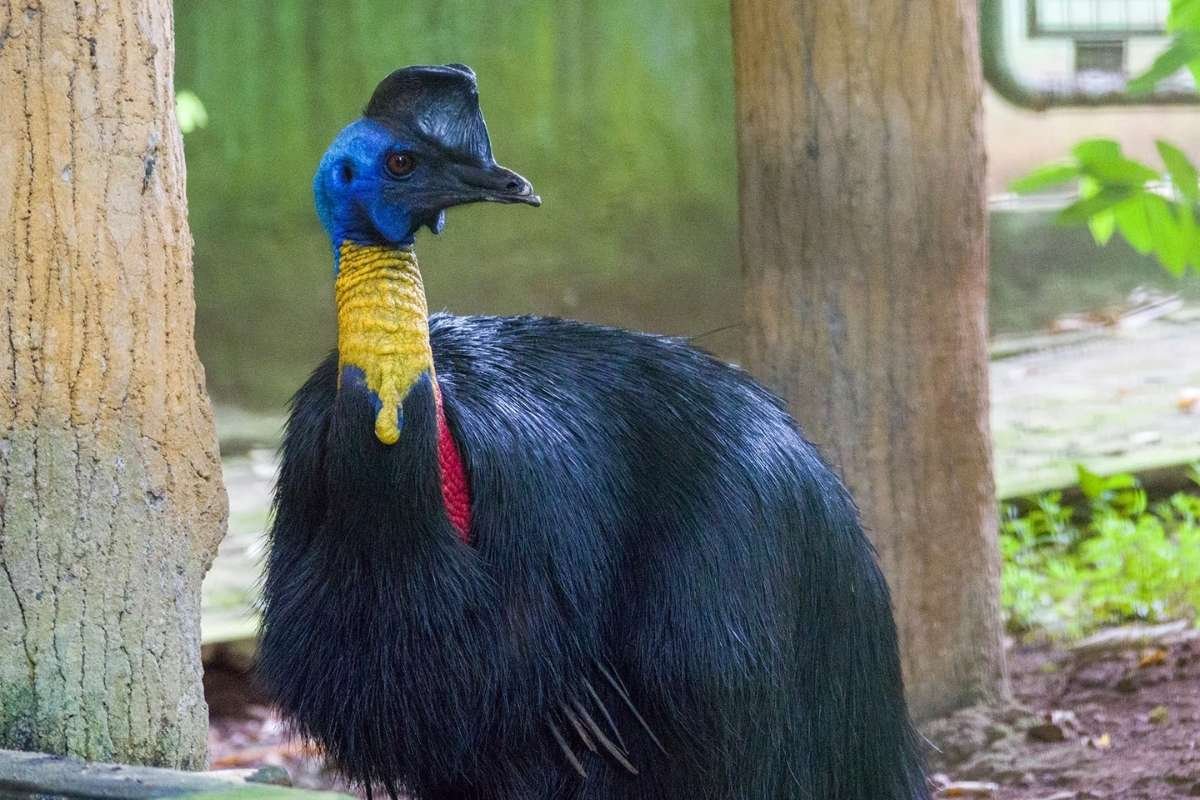
- Height: up to 1.6 m
- Weight: up to 75 kg
- Wingspan: N/A (flightless)
- Egg size: 0.8–1 kg
This shy New Guinea rainforest resident is slightly smaller than its southern relative but equally formidable. It weighs up to 75 kg, reaches 1.6 m, and lays eggs up to 1 kg. Bulk allows processing of tough seeds while deterring competitors. Its vibrant casque senses ripe fruit and reinforces skull impacts. Spiked toes help climbing slopes and defending territory, and solitary habits sustain its large body needs.
4. Emu (Dromaius novaehollandiae)
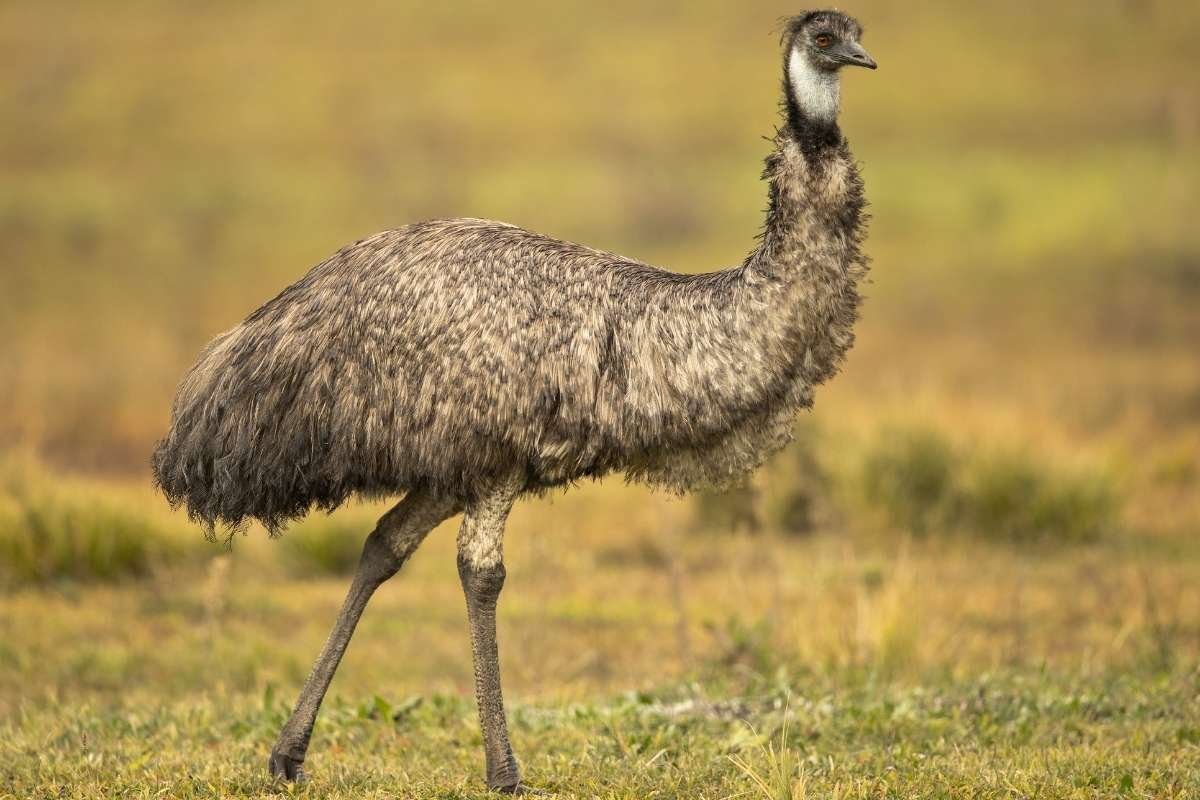
- Height: up to 1.9 m
- Weight: up to 70 kg
- Wingspan: N/A (flightless)
- Egg size: up to 1.4 kg
Australia’s nomadic giant roams arid interiors in family groups. Standing 1.9 m tall and weighing 70 kg, it lays 1.4 kg eggs, second only to ostriches in height and egg size. Large size supports long foraging treks, fat storage for droughts, and rapid escape from fires or dingoes. Powerful legs deliver long strides, insulating feathers retain heat for male egg incubation, and durable double-shelled eggs withstand harsh ground nests.
5. Emperor Penguin (Aptenodytes forsteri)
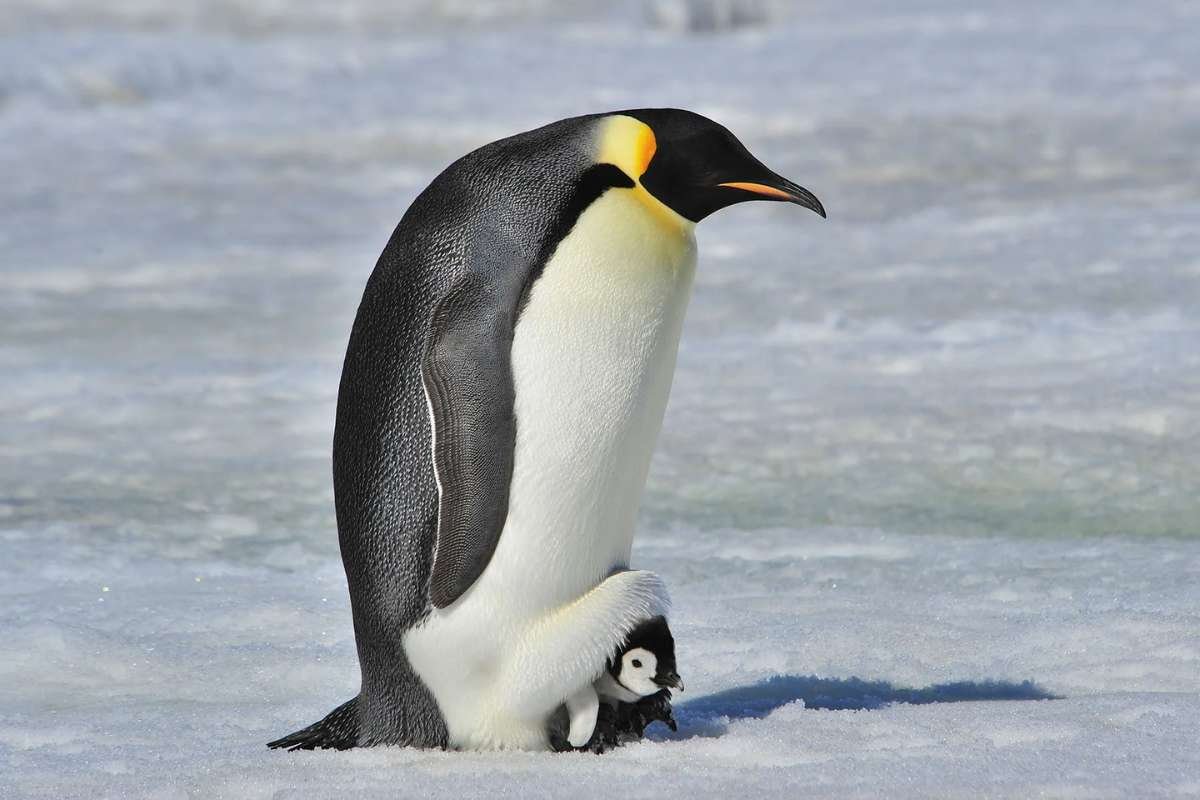
- Height: up to 1.3 m
- Weight: up to 46 kg
- Wingspan: up to 0.9 m
- Egg size: around 0.45 kg
The emperor penguin is an Antarctic seabird, huddles in colonies during brutal winters. It reaches 1.3 m in height, 46 kg in weight, a 0.9 m wingspan, and lays 0.45 kg eggs, among the largest for swimmers. Blubber and dense feathers provide insulation, while flipper-like wings enable deep dives. A single large egg is balanced on the feet under a brood pouch during a 65-day male incubation fast, ensuring chick survival in extreme cold.

The Fascinating World of the Longest Living Animal
Here are the top 5 longest living animals in the world: 1. Greenland shark 2. Ocean quahog 3. Bowhead whale 4. Aldabra giant tortoise
6. Greater Rhea (Rhea americana)
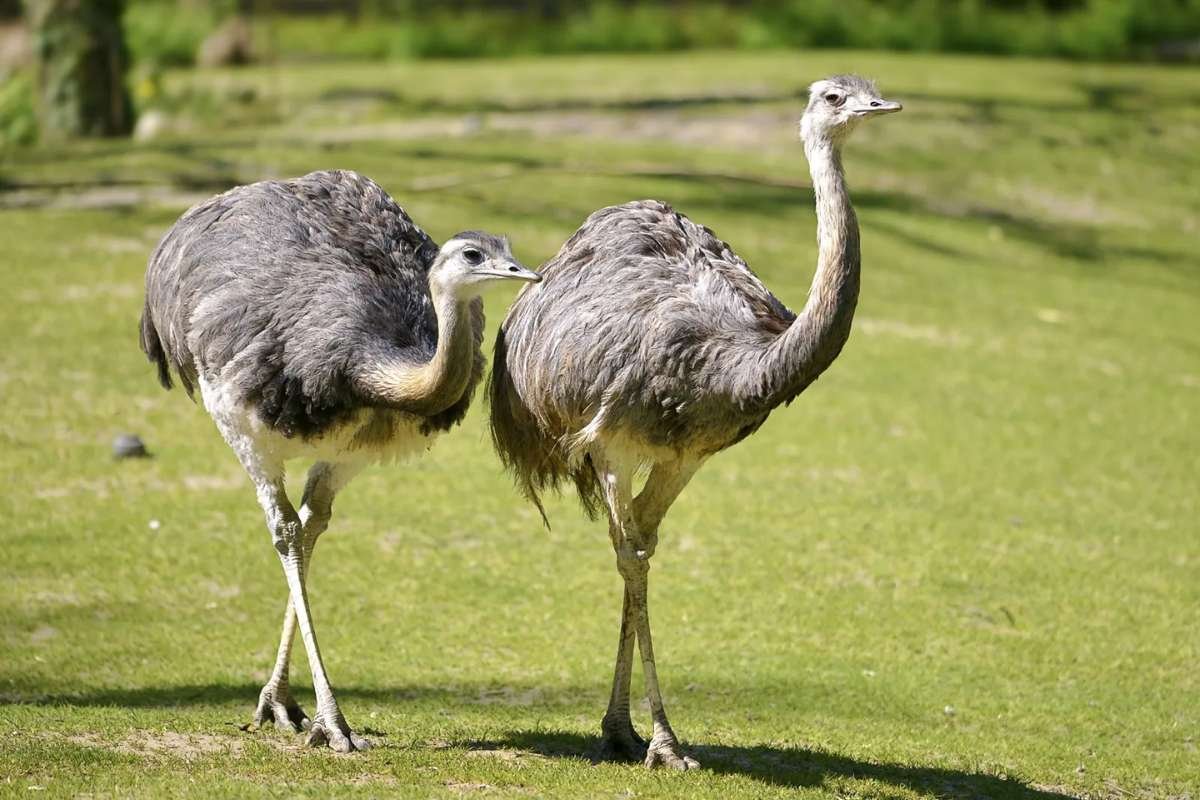
- Height: up to 1.5 m
- Weight: up to 40 kg
- Wingspan: up to 2 m
- Egg size: around 0.9 kg
Native to South America’s grasslands, the greater rhea is one of the biggest birds in the world. It reaches 1.5 m height, weighs 40 kg, has a 2 m wingspan, and lays 0.9 kg eggs. Size allows long migrations, vigilant predator detection, and efficient grazing on grasses and seeds. Males build ground nests and incubate up to 50 communal eggs, while vestigial wings help balance during 60 km/h zig-zag runs.
7. Dwarf Cassowary (Casuarius bennetti)
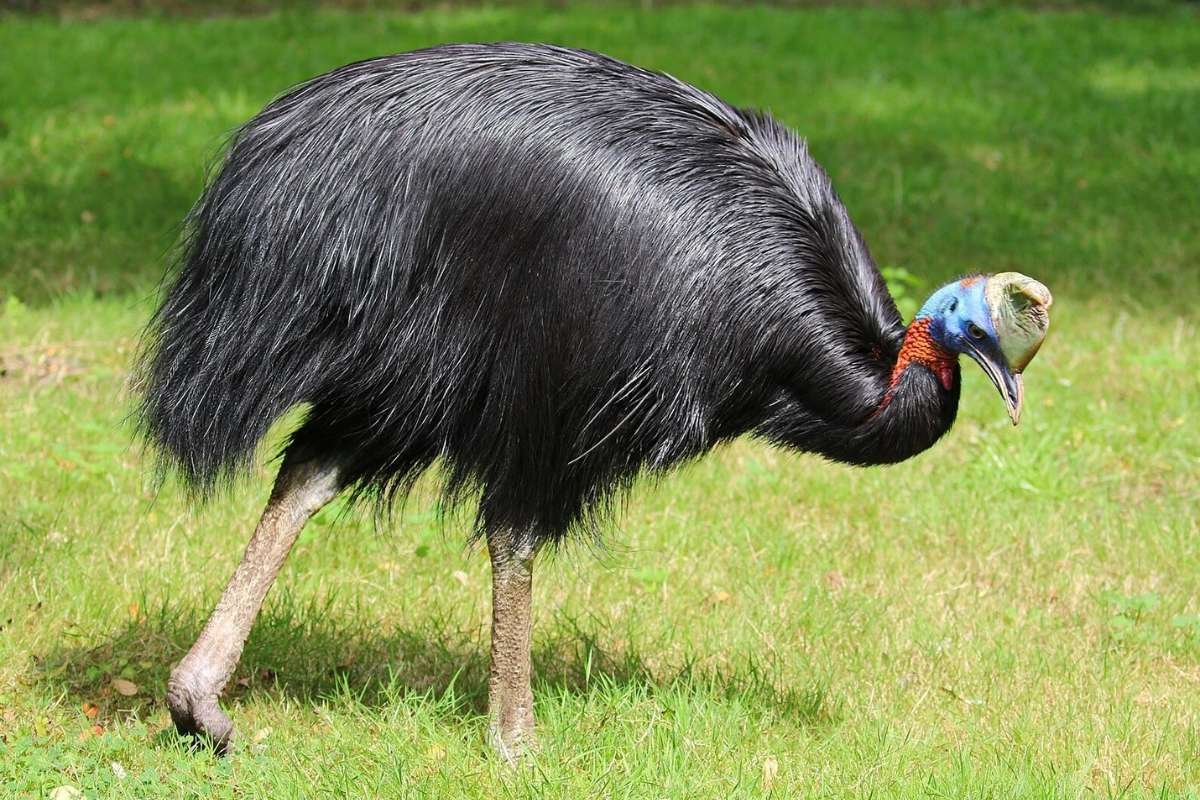
- Height: up to 1.1 m
- Weight: up to 34 kg
- Wingspan: N/A (flightless)
- Egg size: around 0.6 kg
The dwarf cassowary is the smallest of the three cassowary species, yet it still ranks among the biggest birds in the world within rainforest habitats. Standing 1.1 m tall and weighing 34 kg, it has a compact build that allows navigation through steep, dense forest. Powerful legs with dagger-like claws provide bursts of speed, while the casque aids fruit detection and display. Males exclusively guard large eggs laid by females.
8. Lesser Rhea (Rhea pennata)
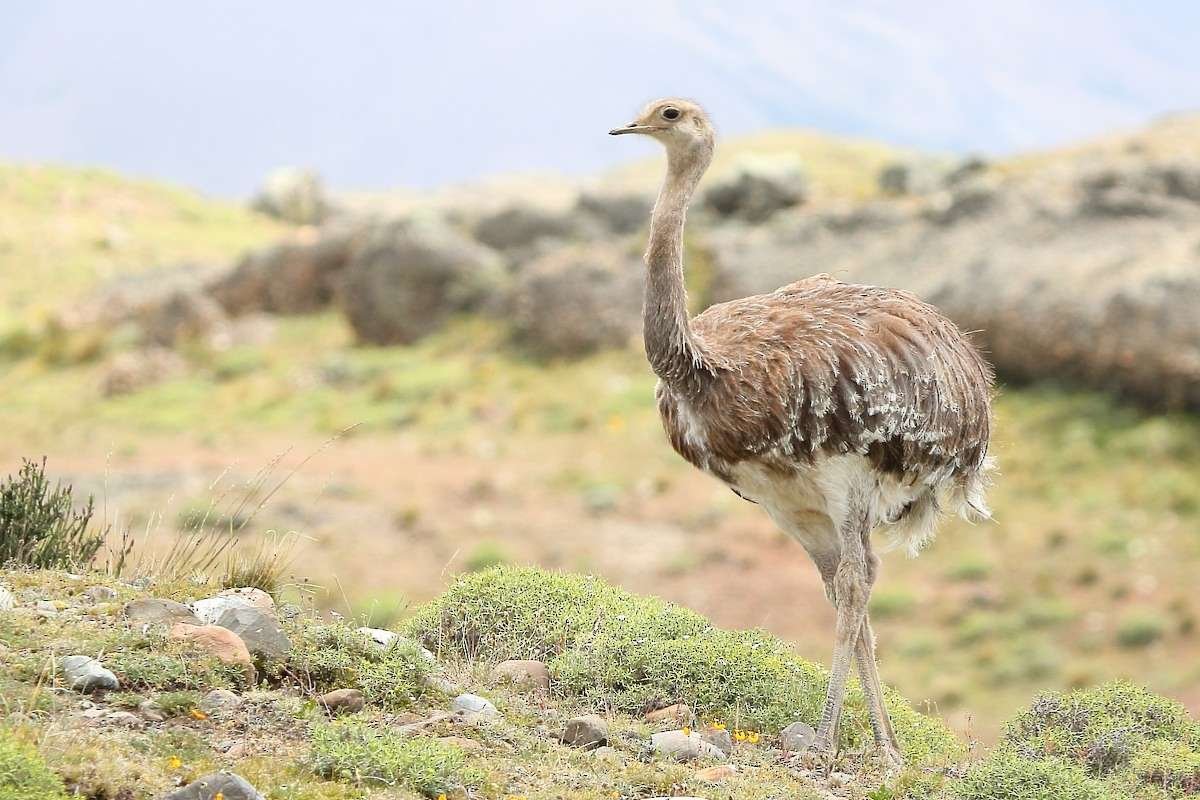
- Height: up to 1 m
- Weight: up to 28.6 kg
- Wingspan: up to 2 m
- Egg size: around 0.6 kg
The lesser rhea roams the arid steppes of southern South America. At 1 m tall, weighing 28.6 kg with a 2 m wingspan, it remains a prominent plains runner. Its moderate size supports sustained travel and predator evasion while keeping food requirements low. Like the greater rhea, males incubate eggs in shallow scrapes, and wings are used for balance during rapid zig-zag movements across open terrain.
9. Mute Swan (Cygnus olor)
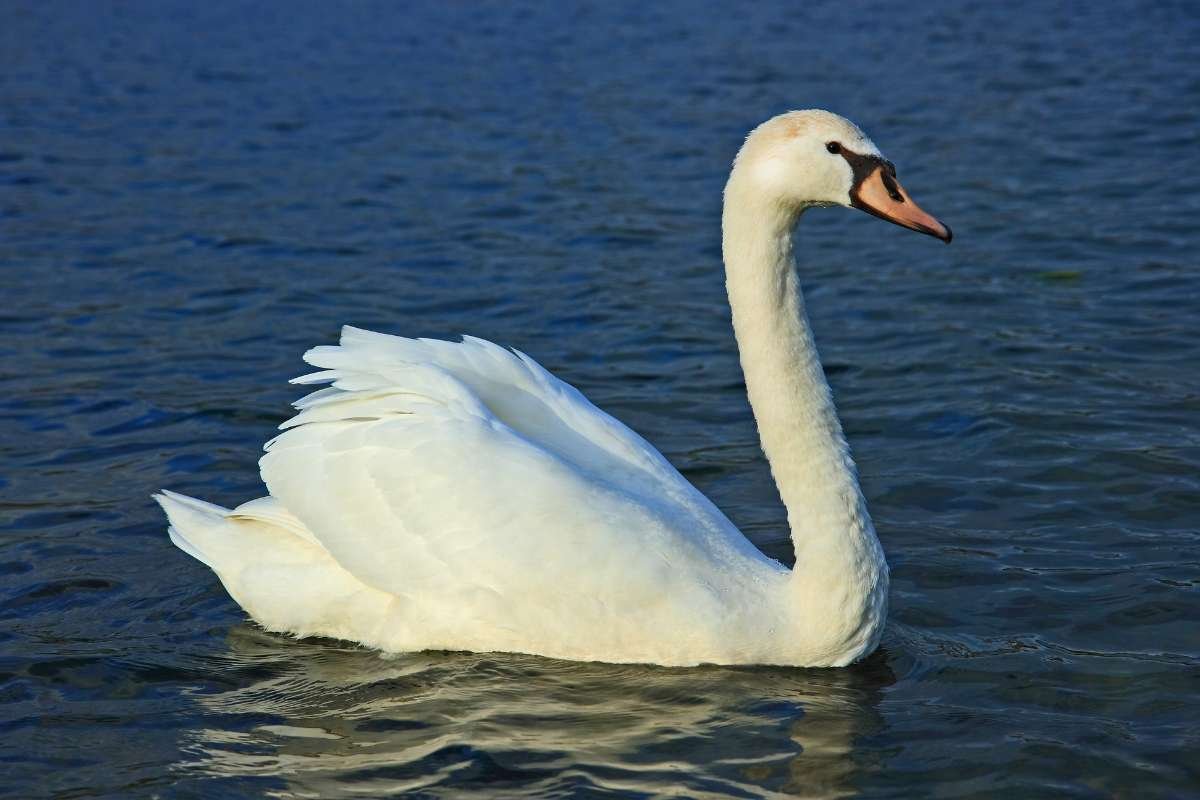
- Height: up to 1.3 m
- Weight: up to 23 kg
- Wingspan: up to 2.4 m
- Egg size: around 0.3 kg
The mute swan, native to Eurasia, is one of the largest waterbirds globally. Standing 1.3 m tall and weighing 23 kg with a 2.4 m wingspan, it excels in aquatic buoyancy and territorial defense. Powerful wing beats intimidate rivals, while webbed feet ensure smooth swimming. Females lay eggs in reed nests along lakes and ponds, supporting young swans with energy-rich, floating habitats.
10. Great Bustard (Otis tarda)
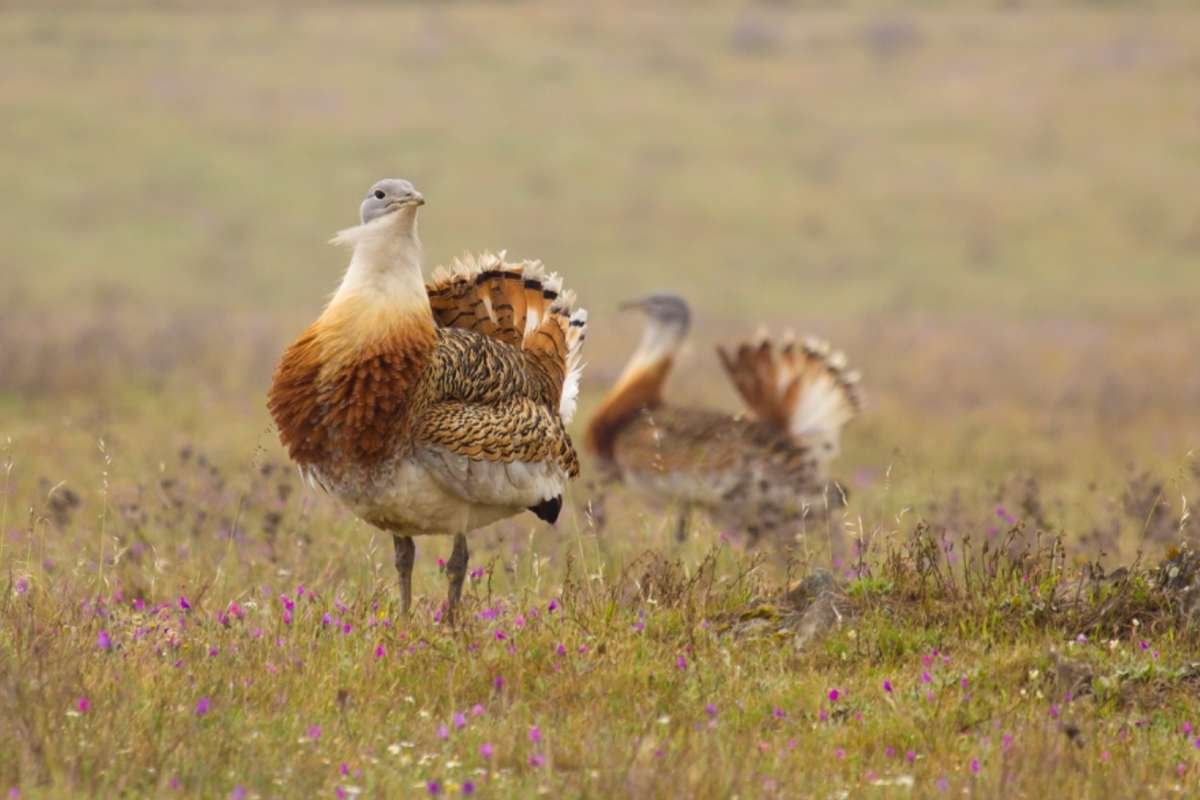
- Height: up to 1.15 m
- Weight: up to 21 kg
- Wingspan: up to 2.7 m
- Egg size: around 0.17 kg
The great bustard is Europe’s heaviest flying bird and one of the biggest birds in the world among flying species. Males reach 1.15 m in height, weigh 21 kg, and have a 2.7 m wingspan. Size favors courtship displays and dominance over rivals in open steppes. Broad wings enable soaring, while strong legs support foraging. Leks form for males to perform booming calls and tail-fanning rituals, attracting multiple females.
11. Kori Bustard (Ardeotis kori)
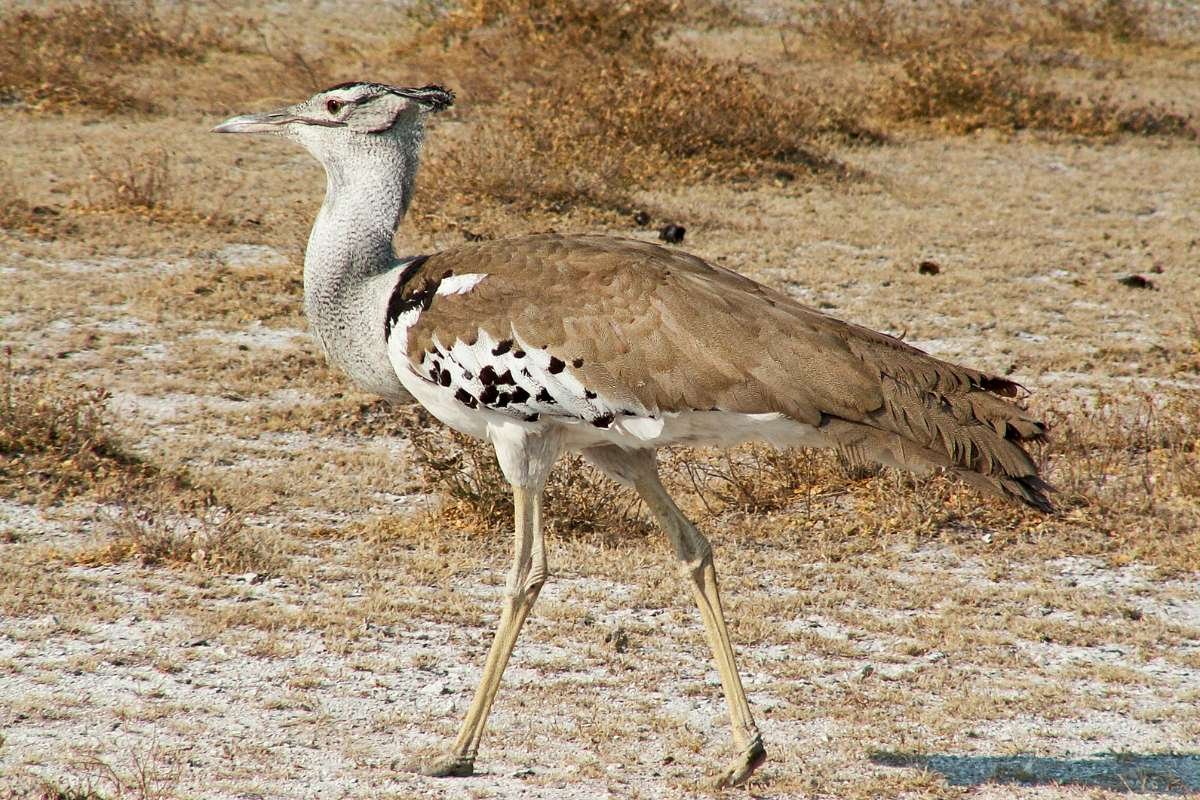
- Height: up to 1.5 m
- Weight: up to 20 kg
- Wingspan: up to 2.7 m
- Egg size: around 0.15 kg
The kori bustard is Africa’s heaviest flying bird and one of the biggest birds in the world among fliers. Standing 1.5 m tall and weighing 20 kg, it uses strong legs for walking and running across savannas, while broad wings allow heavy soaring. Males display impressively during mating, and females lay eggs in shallow scrapes on the ground, incubating alone in open grasslands.
12. King Penguin (Aptenodytes patagonicus)
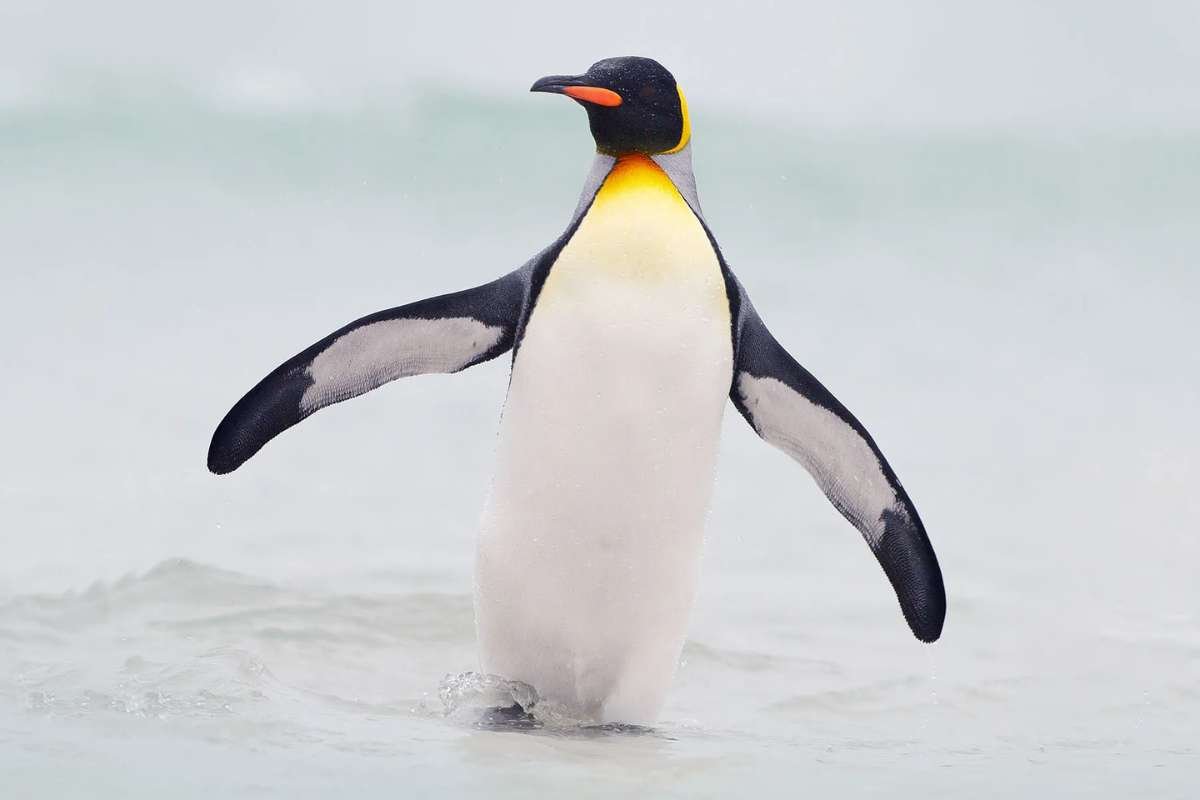
- Height: up to 1 m
- Weight: up to 20 kg
- Wingspan: up to 0.8 m
- Egg size: around 0.3 kg
The king penguin is a sub-Antarctic seabird and one of the biggest birds in the world among penguins. Reaching 1 m height and 20 kg, it stores energy in bulk for long fasting during breeding. Dense feathers and blubber insulate against extreme cold. Flipper-like wings propel deep dives for fish, and a single egg is balanced on the feet under a brood pouch, alternately incubated by parents.
Learn More:
- See the Largest Zoo in the World: A Wildlife Wonder Like No Other
- Meet the Most Beautiful Flower in the World That Feels Straight Out of Heaven
13. Trumpeter Swan (Cygnus buccinator)
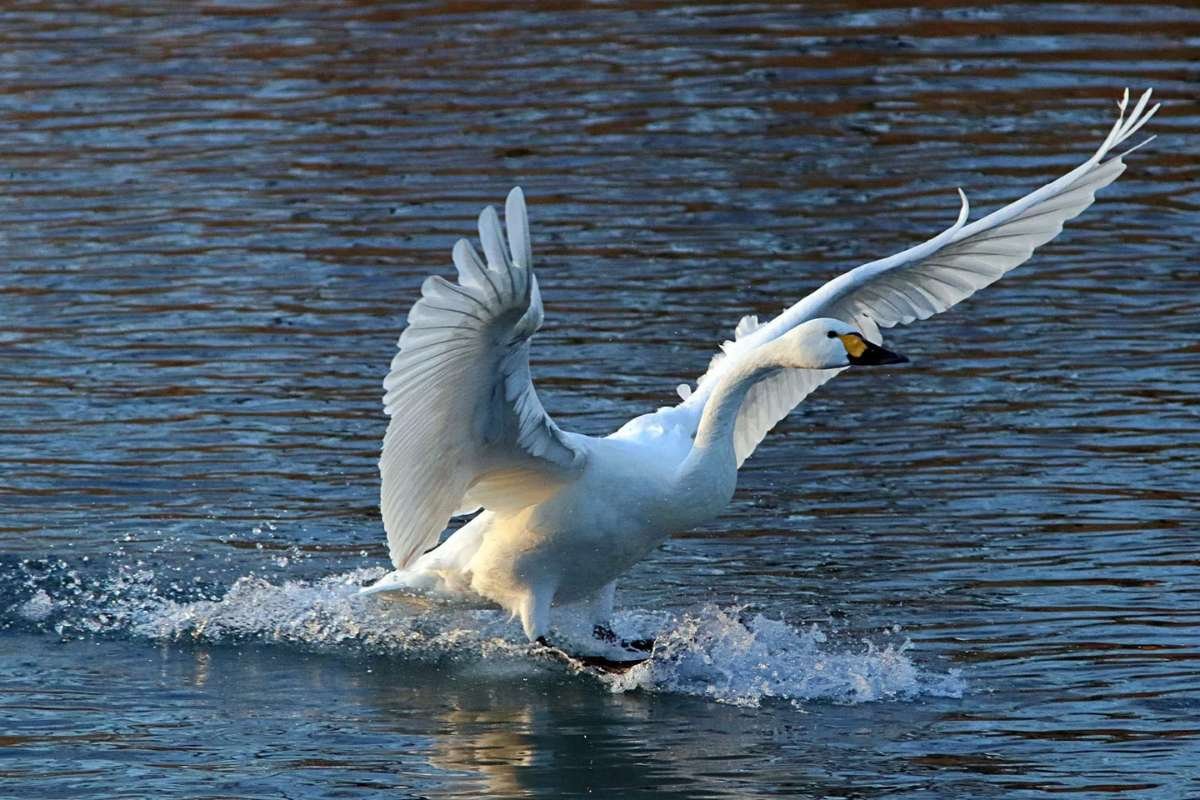
- Height: up to 1.65 m
- Weight: up to 17.2 kg
- Wingspan: up to 2.4 m
- Egg size: around 0.3 kg
North America’s largest native waterfowl, the trumpeter swan, is restored from near-extinction and ranks among the largest waterfowl. Standing 1.65 m tall, it weighs 17.2 kg with a 2.4 m wingspan. Size aids long migrations, territorial defense, and aquatic foraging. Nests are built on raised mounds, and both parents incubate 4–6 eggs, protecting chicks from predators and cold water.
14. Wandering Albatross (Diomedea exulans)
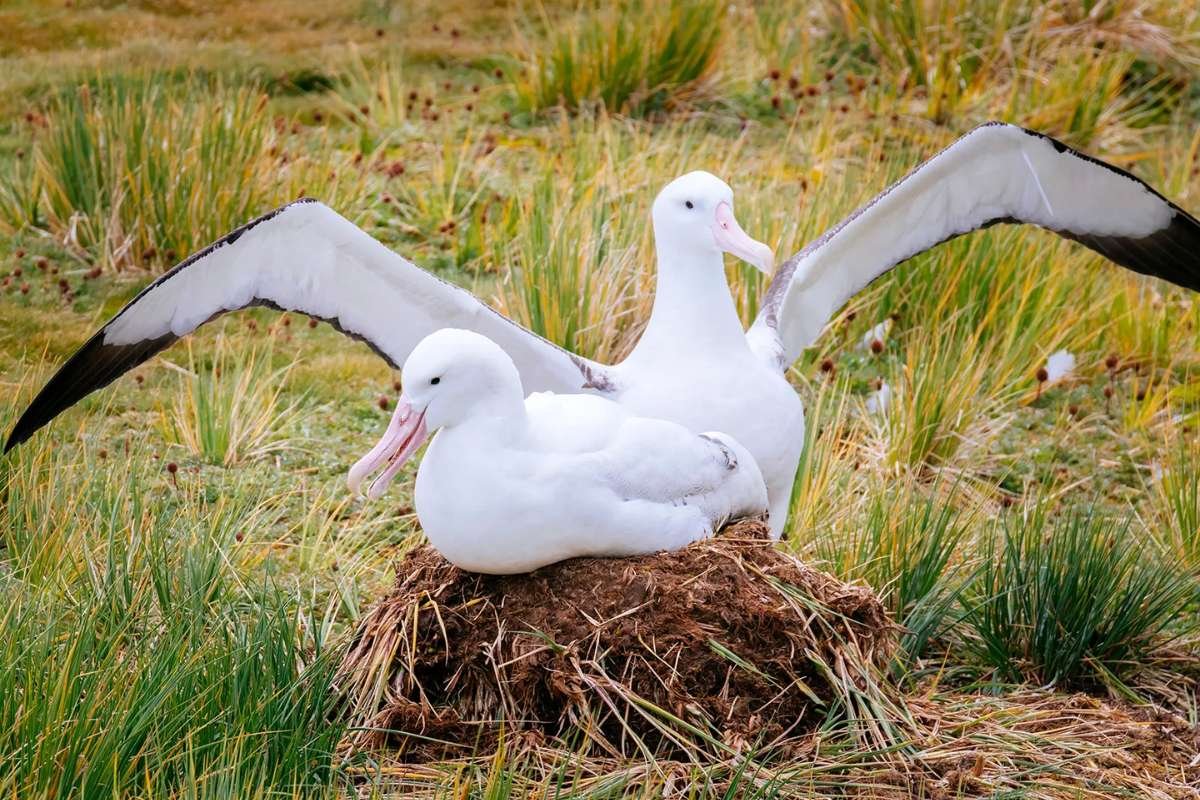
- Height: up to 1.35 m
- Weight: up to 16.1 kg
- Wingspan: up to 3.63 m
- Egg size: around 0.4 kg
The wandering albatross is an oceanic giant, famous for holding the record for the largest wingspan among birds. It reaches 1.35 m in height and weighs 16.1 kg, gliding thousands of kilometers with minimal effort. Enormous wings allow dynamic soaring over southern oceans. Birds form lifelong pairs and incubate a single egg for 80 days in pedestal nests. Tube-shaped nostrils help locate food across vast seas.
15. Whooper Swan (Cygnus cygnus)
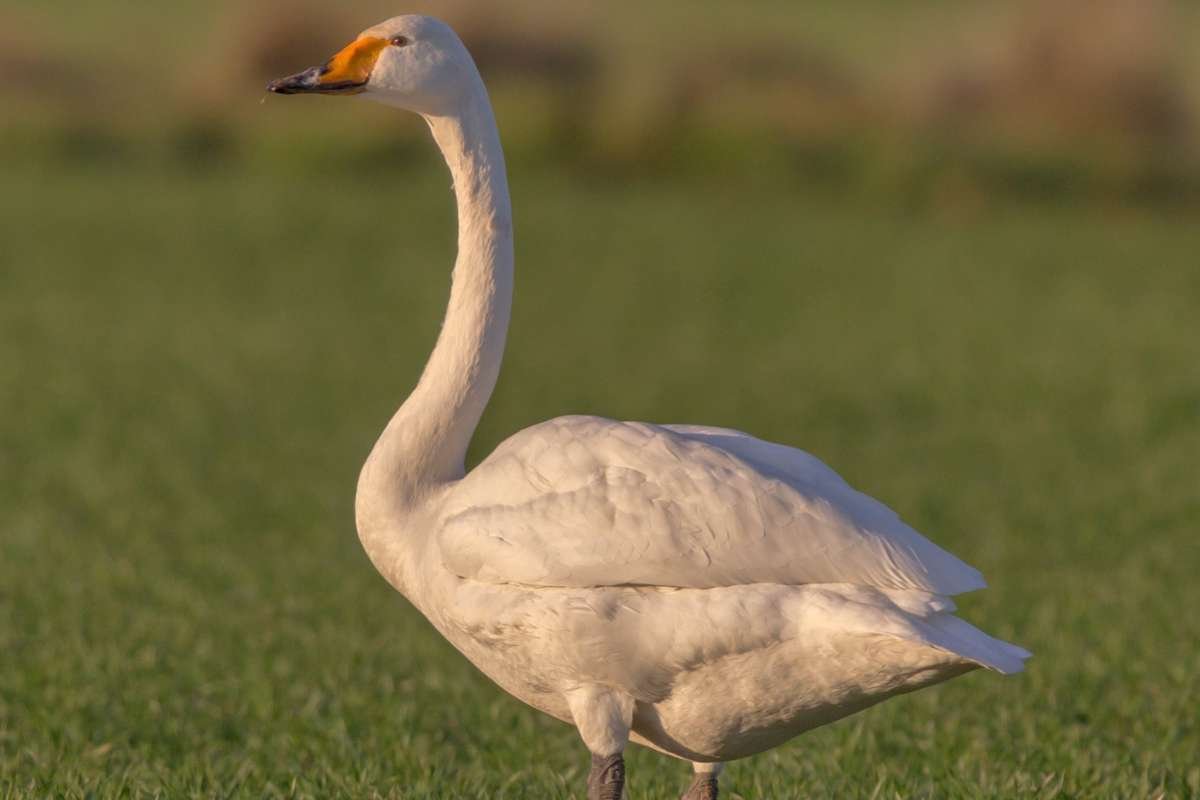
- Height: up to 1.65 m
- Weight: up to 15.5 kg
- Wingspan: up to 2.4 m
- Egg size: around 0.3 kg
The whooper swan is a large Eurasian waterfowl and one of the biggest birds in the world among migratory swans. Reaching 1.65 m height with a 2.4 m wingspan, it undertakes epic Arctic-to-India migrations. Strong wings and robust build allow endurance flights and territorial defense. Nests are mound-like, holding 4–7 eggs, with both parents sharing incubation and chick protection in tundra wetlands.
16. Dalmatian Pelican (Pelecanus crispus)

- Height: up to 1.83 m
- Weight: up to 15 kg
- Wingspan: up to 3.3 m
- Egg size: around 0.1 kg
The Dalmatian pelican is Europe and Asia’s largest freshwater bird and one of the biggest birds in the world among pelicans. Standing 1.83 m tall and weighing 15 kg, it scoops large fish in shallow waters while flying long distances during migrations. Expansive gular pouches trap prey efficiently. Ground nests on islands protect 2–3 eggs, and synchronized flock soaring conserves energy during seasonal travel.
17. Southern Royal Albatross (Diomedea epomophora)
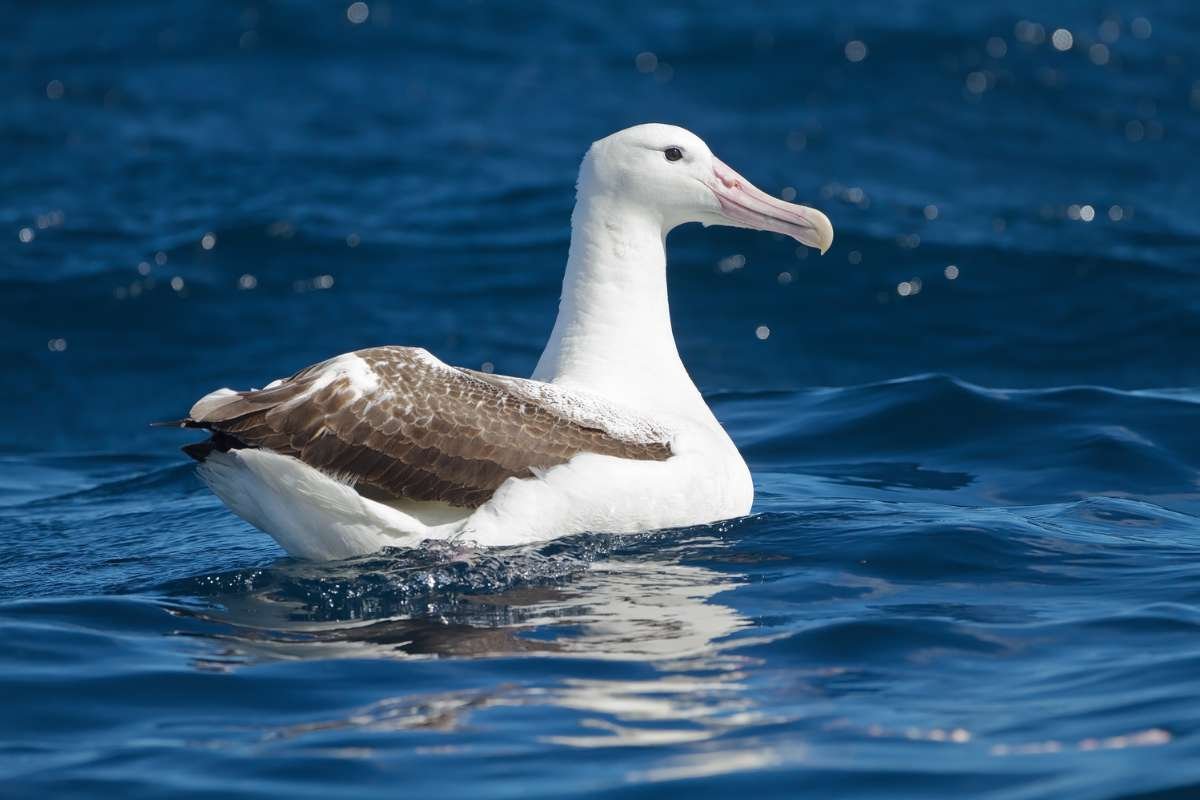
- Height: up to 1.3 m
- Weight: up to 15 kg
- Wingspan: up to 3.51 m
- Egg size: around 0.4 kg
The southern royal albatross is a subantarctic seabird and has one of the largest wingspans. It reaches 1.3 m in height, 15 kg in weight, and glides with a 3.51 m wingspan over stormy seas. Vast wings allow effortless foraging for squid and krill. A single egg is incubated on turf pedestals by both parents over 80 days, ensuring survival in remote island habitats.
18. Andean Condor (Vultur gryphus)
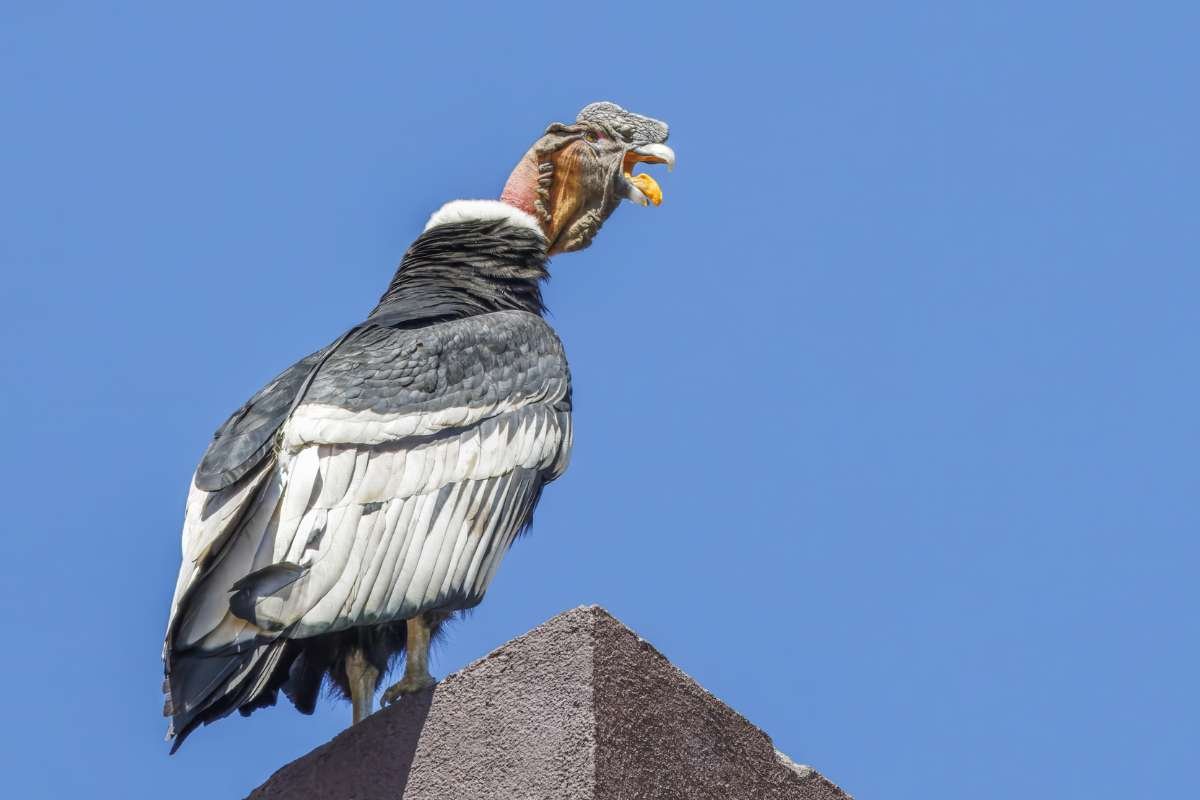
- Height: up to 1.3 m
- Weight: up to 14.9 kg
- Wingspan: up to 3.3 m
- Egg size: around 0.2 kg
The Andean condor soars over South America’s Andes mountains and Pacific coasts, ranking among the biggest birds in the New World. At 1.3 m tall and 14.9 kg, it exploits thermal currents to cover vast areas while scavenging. Acute vision detects carrion from kilometers away. Cliff ledge nests protect 1–2 eggs, with both parents sharing incubation for 55–60 days, ensuring chick safety in rugged terrain.
19. California Condor (Gymnogyps californianus)
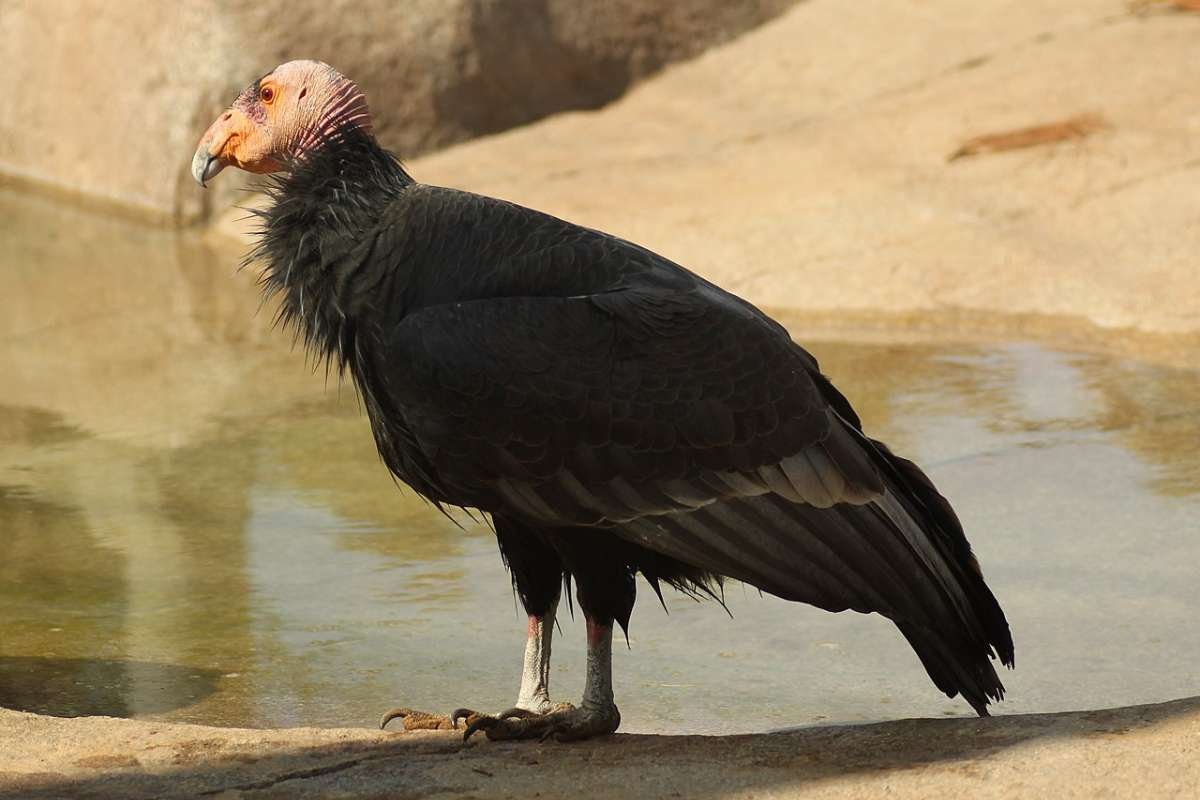
- Height: up to 1.4 m
- Weight: up to 14.1 kg
- Wingspan: up to 3.05 m
- Egg size: around 0.2 kg
The California condor is North America’s largest flying land bird and one of the largest birds in the world among vultures. Reaching 1.4 m tall and 14.1 kg, it soars on thermals up to 15,000 feet, scanning wide territories for carcasses. Caves and cliff ledges host a single egg, incubated for 55 days by both parents. Its massive wings aid effortless gliding over mountains and canyons.
20. Great White Pelican (Pelecanus onocrotalus)
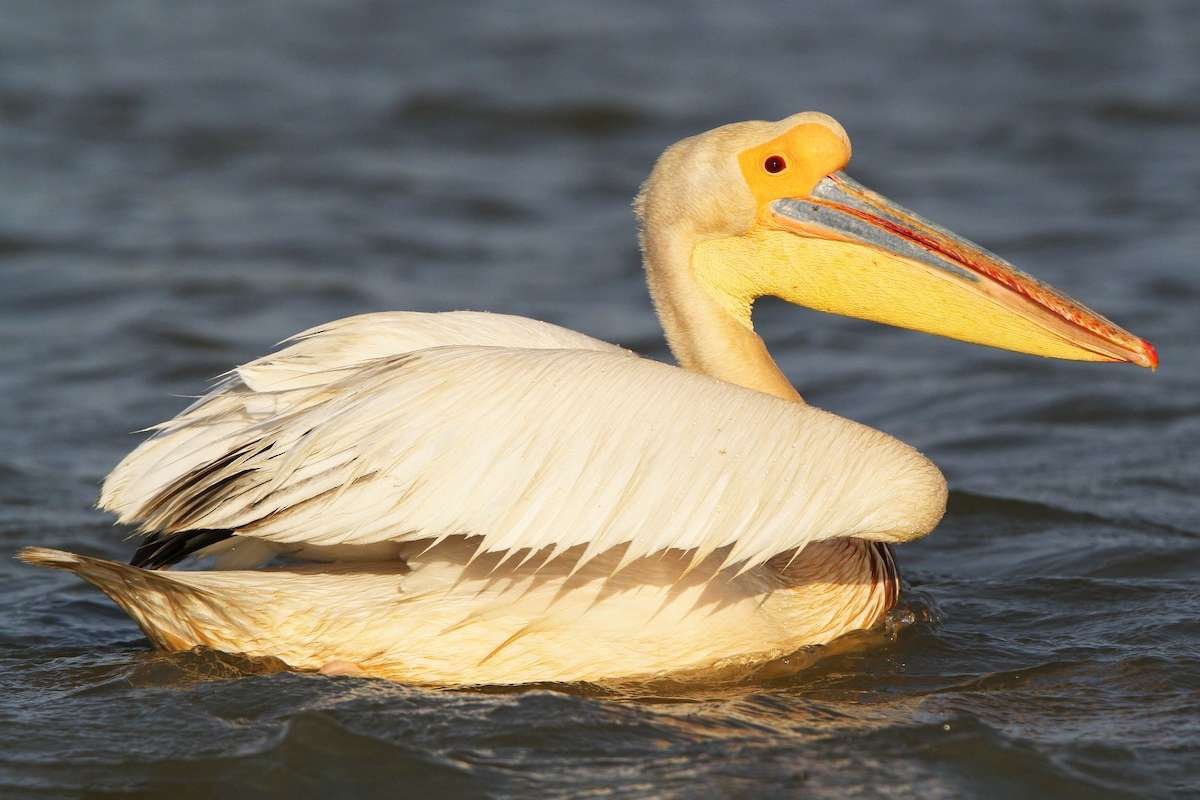
- Height: up to 1.8 m
- Weight: up to 13 kg
- Wingspan: up to 3.6 m
- Egg size: around 0.1 kg
The great white pelican is Africa’s gregarious fisher and among the largest birds by wingspan. Standing 1.8 m tall with a 3.6 m wingspan, it cooperates in flocks to herd fish into shallow waters, scooping them with enormous pouches. Large reed platform nests hold 2–3 eggs, fiercely guarded by parents. Seasonal migrations across Eurasia and Africa allow breeding in fish-rich wetlands.
Conclusion:
The biggest birds in the world are living reminders of nature’s diversity and power. Their size, strength, and unique adaptations make them fascinating to study and admire. Observing these giants offers insight into evolution, survival strategies, and the incredible variety found in the avian world. The towering ostriches and enormous albatrosses leave a lasting impression on anyone who encounters them. Appreciating and protecting them ensures that future generations can also witness these natural wonders.
FAQ
1. What is the largest bird in the world?
The ostrich holds the title of the largest bird, standing up to 9 feet tall and weighing up to 156 kilograms.
2. Why are some of the biggest birds endangered?
Habitat loss, hunting, and climate change threaten several large bird species, making conservation efforts crucial.
3. Where can I see the biggest birds in the world?
Many of these birds are found in specific regions: ostriches in Africa, emus in Australia, and albatrosses over the southern oceans.
Thank You For Reading!
Learn More
Flowers that Bloom in Winter: Nature’s Cold-Weather Wonders