
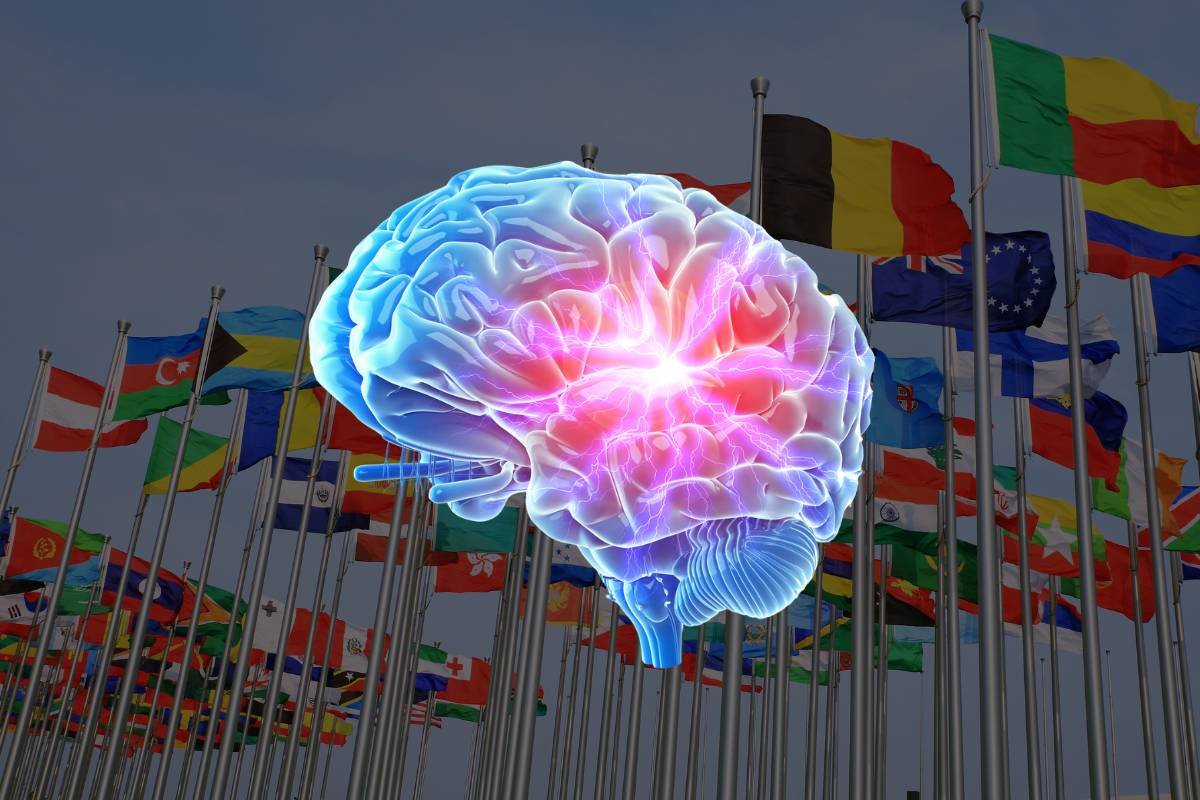
Genetics, environment, education, and diet all have an impact on intelligence, which is a complex, broad concept. Even though IQ tests are frequently used to evaluate cognitive ability, they do not fully capture human intelligence. However, when examined across populations, they can reveal some trends. This article examines the countries with the lowest IQs, the variables affecting these scores, and the reasons why such information should be interpreted cautiously.
What Does IQ Really Measure?
IQ, or Intelligence Quotient, is a standardized score designed to measure cognitive abilities such as logical reasoning, problem-solving, and verbal comprehension. It is important to understand that IQ tests are influenced by education systems, cultural context, access to healthcare, and socio-economic conditions. Hence, comparing IQ across nations can be insightful but should never be used to stereotype or generalize about entire populations.
Researchers have conducted extensive studies to evaluate average IQ scores globally. One of the most cited studies is Richard Lynn and Tatu Vanhanen’s research, which analyzed national IQ estimates from a variety of sources. While controversial, it provides a framework to discuss trends in cognitive performance across countries.
Key Factors Influencing Low IQ Scores
Before listing the countries with the lowest IQ, it is crucial to understand the main factors that can lead to lower average IQ scores:
Education Access and Quality

Countries with limited educational infrastructure often face challenges in providing consistent, high-quality education. Lack of trained teachers, insufficient learning materials, and limited access to schools can significantly impact cognitive development.
Nutrition and Health
Proper nutrition, especially in early childhood, plays a vital role in brain development. Malnutrition, micronutrient deficiencies, and limited access to healthcare can reduce cognitive potential over generations.
Socioeconomic Conditions
Poverty, political instability, and limited economic opportunities can hinder cognitive growth. Children in such environments may have reduced access to stimulating learning experiences.
Environmental Factors
Exposure to toxins, such as lead in water and air pollution, has been linked to lower cognitive performance. Countries facing environmental hazards may see an impact on national IQ averages.
Cultural Bias in Testing
Standardized IQ tests may favor individuals from certain cultural or linguistic backgrounds, potentially underestimating intelligence in countries where the test design does not align with the local context.
Countries with the Lowest IQ: A Closer Look
According to global studies, several countries consistently report lower average IQ scores. While the numbers should be interpreted carefully, here are some of the countries with the lowest IQ based on available research:
1. Equatorial Guinea
Equatorial Guinea, located in Central Africa, has an estimated average IQ of around 59. Limited access to quality education, widespread poverty, and health challenges contribute to this figure. The government has been working on improving educational infrastructure, but systemic issues continue to affect cognitive development.
2. Sierra Leone
Sierra Leone, another West African nation, reports an average IQ of approximately 60. Decades of civil conflict have disrupted education and healthcare systems. Malnutrition and limited access to early childhood programs have also contributed to lower cognitive outcomes.
3. Ethiopia
Ethiopia, with an average IQ of around 63, faces challenges such as poverty, rural isolation, and limited educational resources. While the country has made significant strides in literacy programs and primary education, consistent cognitive development remains a challenge for many communities.

Who Has the Highest IQ in the World? Exploring the Limits of Human Intelligence
This article explores the origins of IQ testing, addresses its often-controversial nature, and introduces the fascinating individuals who have reportedly achieved the highest IQ in the world.
4. Guinea
Guinea’s average IQ is estimated at 64. The nation struggles with under-resourced schools, high rates of malnutrition, and frequent health crises. Addressing these underlying factors is essential to improving cognitive development nationwide.
5. Mozambique
Mozambique, located in Southeast Africa, reports an average IQ of 64. Historical conflicts, economic instability, and limited healthcare access have all contributed to cognitive development challenges in the country. Educational reforms and nutrition programs are slowly being implemented to counter these trends.
Why These Numbers Don’t Define a Nation?
It is vital to remember that IQ scores are not a reflection of the value, potential, or creativity of a population. Many factors outside of innate intelligence, such as systemic inequality, access to resources, and historical circumstances, play a major role in determining national IQ averages.
Furthermore, intelligence manifests in many ways beyond standardized testing. Countries with lower average IQs may excel in social intelligence, creativity, resilience, and entrepreneurial skills. These qualities are often not captured in traditional IQ assessments but are equally important for societal progress.
Steps Towards Improving Cognitive Potential

Countries with low average IQ scores can take concrete steps to improve cognitive outcomes for future generations:
- Invest in Education: Expanding access to primary and secondary education, training teachers, and developing culturally relevant learning materials can significantly enhance cognitive development.
- Focus on Nutrition: Early childhood nutrition programs, vitamin supplementation, and improved maternal health can promote brain growth and overall intelligence.
- Healthcare Access: Ensuring widespread healthcare services, vaccinations, and early detection of illnesses can reduce cognitive impairments caused by preventable conditions.
- Socioeconomic Reforms: Policies aimed at reducing poverty, enhancing infrastructure, and creating economic opportunities contribute to an environment where cognitive skills can flourish.
- Cultural Adaptation of IQ Tests: Developing IQ assessments that are culturally sensitive and linguistically appropriate can help better evaluate true cognitive ability.
Conclusion
Identifying the countries with the lowest IQs offers important insights into how socioeconomic status, education, and diet affect cognitive development. Even though these figures show some patterns, they should never be used to discriminate against or minimize the potential of any group. Because intelligence is multifaceted, nations with cognitive challenges can help their citizens grow and develop for a better future by providing the appropriate interventions.
By recognizing the root causes and enacting focused reforms, countries can strive to improve cognitive potential and provide chances for everyone to prosper.
Thank You For Reading!
Read More
Exploring the Lowest IQ in the World: Myths, Facts, and Human Potential