Medicine tends to move forward when professionals stay open to new ways of understanding the human body, rather than relying only on familiar answers. As healthcare grows more specialised, a patient-centred approach, one that looks at the individual as a whole, remains just as important as ever. This balance between clinical experience, research, and holistic care is what continues to shape fresh conversations in modern healthcare.
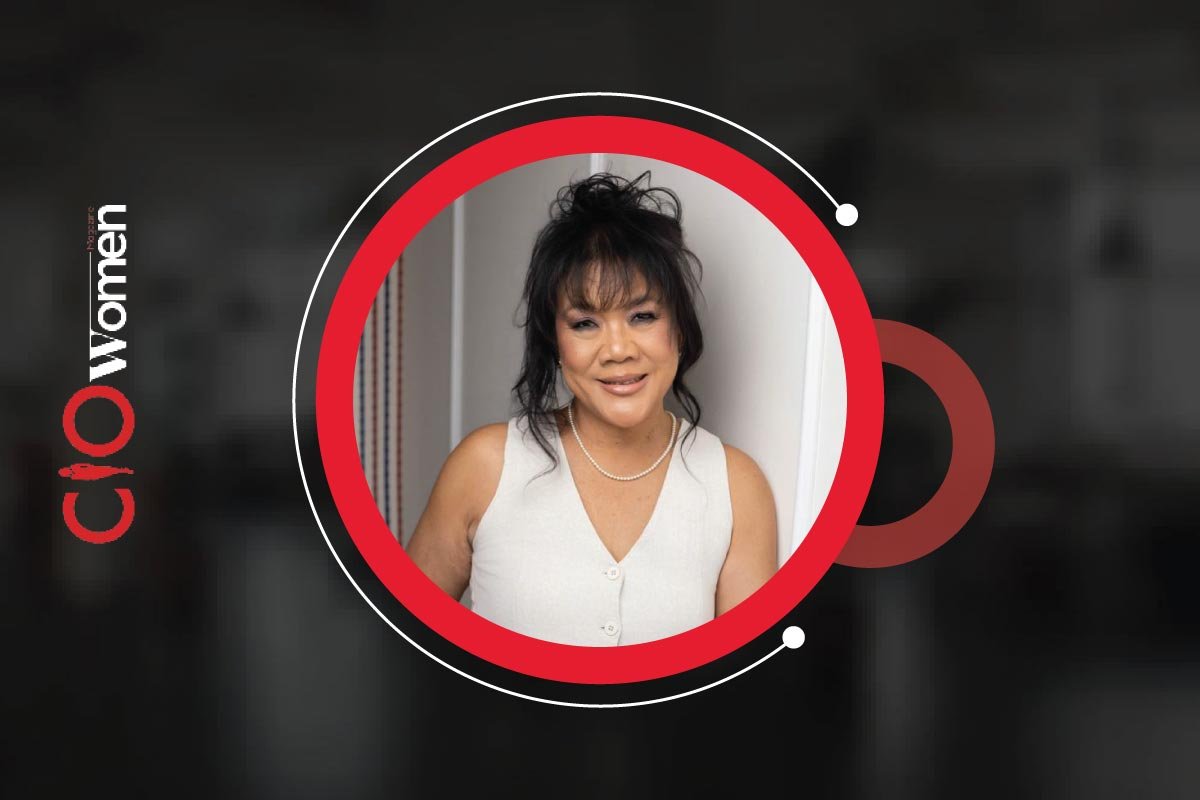
Dr Huang Wei Ling, Medical Researcher at the Wu Wei Institute, has built her career around integrative medicine, combining her training in conventional medicine with her interest in Traditional Chinese Medicine. Trained in infectology, medical nutrition, acupuncture, pain management, and Traditional Chinese Medicine, she brings together a wide range of knowledge in her work with patients and in her research. Since 2007, she has presented her studies at international platforms, advocating for treatments that look beyond the disease itself to address the broader physical and personal needs of each patient.
Dr. Huang Wei Ling’s journey into integrative medicine
Dr. Huang Wei Ling was born in Taiwan and raised in Brazil, where she chose to study medicine at seventeen, later graduating from the State University of Londrina in 1992 and specialising in infectious and parasitic diseases. Early in her career, she noticed that some patients did not fully recover even under accepted medical guidelines, an observation that pushed her to study different clinical approaches more closely.
At her mother’s suggestion, she went on to study Traditional Chinese Medicine, enrolling in an acupuncture course for physicians shortly after it was recognised as a medical specialty in Brazil in 1995. The training reshaped her understanding of the body. “It was possible to help patients without relying exclusively on medication,” she explains, describing how dietary guidance and attention to factors like Wind, Cold, Heat, Dampness, and Dryness became part of her practice.
This broader lens deepened her interest in the body’s own capacity to heal, an idea she links to Hippocrates. She also observed that medical education after the 1910 Flexner Report shifted toward what could be measured scientifically, leaving little room for the energetic concepts central to Traditional Chinese Medicine, a gap she believes still affects how certain conditions are understood.
In 2010, Dr. Huang Wei Ling began assessing organ energy using Traditional Chinese Medicine principles, and by 2014 noticed a shift in patients’ patterns, describing each organ as functioning “like an internal battery.” When COVID-19 began, she believed many patients were already showing this energetic shift, even where standard tests could not detect it.
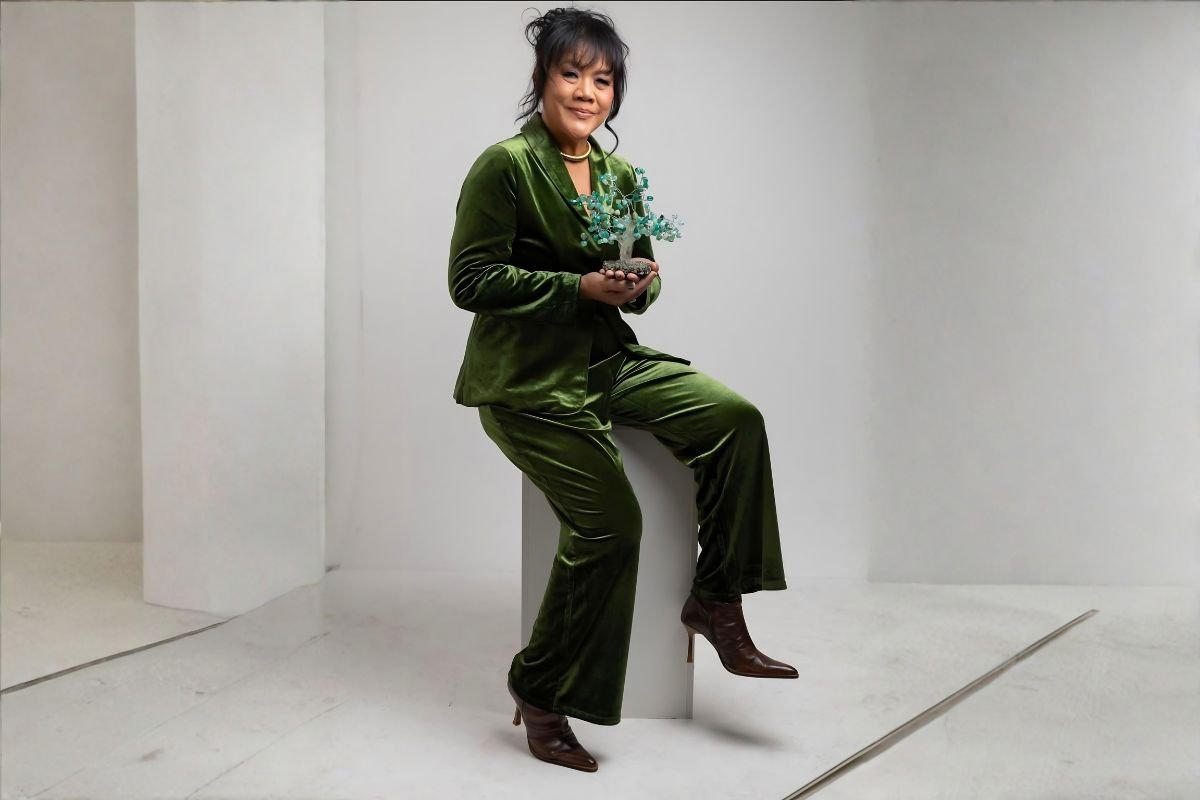
Her theories also draw on the Arndt-Schulz concept and a framework she developed combining Samuel Hahnemann’s homeopathy with Traditional Chinese Medicine, explained through the image of a tree: conventional medicine treats the leaves, the visible symptoms, while she looks for the roots beneath them. She has also raised questions about links between electromagnetic technology and conditions like autism, early-onset cardiac events, and cancer, as well as many other emotional and/or physical health problems. Her career, in her words, reflects “an effort to integrate what I learned in Western medicine with concepts from Eastern medicine.”
Curiosity, evidence, and the courage to question
For Dr. Huang Wei Ling, much of what she has introduced is less a departure from medicine and more a return to older traditions that gradually lost attention within the scientific community. She traces this shift to the Flexner Report of 1910, after which medical education increasingly favoured what could be directly observed and measured, pushing other ways of understanding the body out of the curriculum.
She acknowledges this model brought remarkable advances, but believes today’s health landscape reveals limitations worth discussing, particularly patients who do not respond as expected to conventional treatment. In her framework, she often interprets such symptoms as signs of deeper energetic imbalance, looking beyond the symptom itself to factors like emotional health and dietary habits, echoing the Hippocratic principle that food and medicine are deeply connected.
She understands why this invites scepticism. “Physicians are trained within the frameworks provided by their medical schools, and it is natural to rely on what one has been taught,” she says, stressing she does not dismiss modern medical education, only sees it as part of a larger picture.
To balance curiosity with caution, she relies on careful observation, documentation, and consistent publication for peer discussion. As she puts it, “new ideas should be evaluated critically, but they should also be investigated rather than rejected simply because they do not fit an established model.”
Building trust through evidence and responsibility
Dr. Huang Wei Ling considers trust one of the most valuable elements in healthcare. In her view, treatment offered to a patient should first be safe and carry a reasonable basis for benefit, a belief that has driven much of her scientific writing and years of conference presentations encouraging physicians to reassess prescriptions as new understanding develops.
Dr. Huang Wei Ling Wei Ling’s integrative medicine research explores how she believes different approaches to patient care can be considered alongside conventional medical practice.
Her research proposes that the energetic condition of the human body has shifted over time, and that highly concentrated medications may not be well tolerated by patients she considers energetically depleted, potentially contributing to complications. She is careful to note these remain claims within her own theoretical model, requiring continued testing.
Practising in Brazil, where acupuncture has held medical specialty status since 1995 and homeopathy since 1980, she developed a theory within homeopathy that incorporates Traditional Chinese Medicine reasoning, guiding her clinical decisions through approaches formally recognised there. She has also questioned whether herbal medicines, conventional drugs, and vitamins might affect patients’ energetic balance, observing that treatments meant to help can sometimes do the opposite when unsuited to a patient’s condition.
When she believes an issue warrants investigation, she continues pursuing it despite criticism. “My motivation is not personal recognition; it is the possibility of improving care,” she says, stressing that conviction must come with responsibility, since medicine evolves and once-dismissed ideas can later merit closer study. For her, ethical practice means continuous observation, publication, and a willingness to revise one’s thinking as evidence changes.
The patience behind every breakthrough
Dr. Huang Wei Ling Wei Ling recognises that resistance is a natural response to new ideas, especially when conventional medical models are so deeply rooted in physicians’ training. She often draws inspiration from figures like Hippocrates, Samuel Hahnemann, and Albert Einstein, whose ideas also challenged accepted thinking before eventually reshaping their fields.
After completing her theory titled Constitutional Homeopathy of the Five Elements Based on Traditional Chinese Medicine in 2015, she began presenting it at international conferences, including early appearances in Buenos Aires and Vienna, where she recalls many in the audience were unsure how to respond, simply because the framework differed so greatly from what they knew.
That experience taught her the value of patience. “I see my role as planting seeds,” she says, explaining that unfamiliar ideas, especially ones that challenge a model people have relied on for years, need time before they’re understood or explored more widely.
Her own clinical approach has evolved well beyond a traditional application of the systems she studied. She does not simply replicate Chinese herbal practices as they existed two thousand years ago, and applies homeopathic concepts at what she considers a deeper level than classical practice.
For Dr Huang Wei Ling, reasoning matters more than memorisation: understanding why an approach fits a case rather than relying on memorised lists. As she puts it, innovation demands persistence, but also the patience to let others question and slowly come to understand something new.
Keeping compassion at the centre of innovation
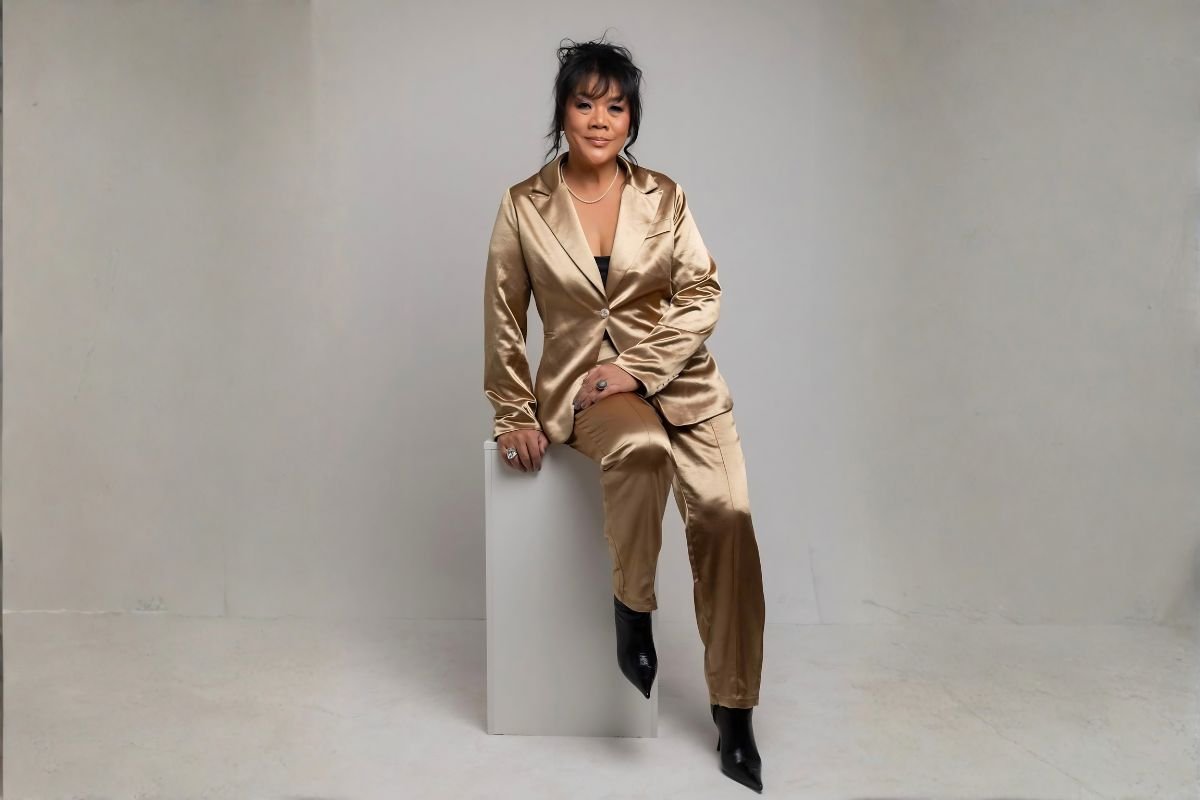
Dr. Huang Wei Ling has not yet brought artificial intelligence into the part of her clinical process where she decides on a patient’s treatment, relying on it instead for supporting tasks like report preparation, meeting summaries, and organising material she has already written.
She remains cautious about letting AI determine medication choices, since its recommendations draw on literature that largely reflects conventional approaches favouring highly concentrated medications. Her own research proposes that the energetic pattern of the global population has shifted, and that highly diluted medications may sometimes suit energetically depleted patients better. Based on the Arndt-Schultz Law, formulated in 1888 by two German scientists, this principle states that the use of highly concentrated medications further depletes the patient’s vital energy—leading to complications or even death—whereas the use of highly diluted medications boosts vital energy.
She often compares the body to a car running on a weak battery. “If a car battery loses its charge, the car can no longer function,” she explains, extending the analogy to the body’s reliance on its own energetic reserves, a comparison she uses to help patients understand her emphasis on internal energy.
Looking ahead, Dr. Huang Wei Ling believes AI’s most responsible role is to complement human expertise, not replace it. It can make physicians more efficient, but compassion, judgment, and the physician-patient relationship must remain at the heart of care.
Where technology meets the art of healing
Dr. Huang Wei Ling believes artificial intelligence has brought real benefits to medicine, speeding up access to information and improving documentation and efficiency. Even so, she sees a gap between what AI systems know and what she believes patients today actually need to heal, since most AI draws on literature rooted in modern Western medicine, while her own work explores energetic changes in the body that remain largely absent from conventional studies.
Across nearly 300 scientific articles, she has raised concerns that highly concentrated medications may affect patients differently when their internal energy, in her clinical framework, is already depleted, potentially leading to what she calls “Blood stagnation” and greater risk of complications. She describes these as ideas within her ongoing research that require further study, which act as one of the key events causing complications in patients with this New Global Immunodeficiency—the problem she discovered, which has been affecting the global population since 2014.
For this reason, she sees AI as a useful support tool but cautions against using it for individual treatment decisions. “I do not recommend relying on AI alone to decide which therapy is ideal for a particular condition,” she says, since its recommendations reflect only the evidence it was trained on.
Looking ahead, Dr. Huang expects healthcare to be shaped over the next decade not just by AI and precision medicine, but by prevention, personalisation, and integrative care, with technology supporting a physician’s judgment rather than replacing it.
For Dr. Huang Wei Ling, integrative medicine and AI should be explored in ways that preserve clinical judgment, patient safety, and compassionate care.
Toward a global reach for the Wu Wei protocol
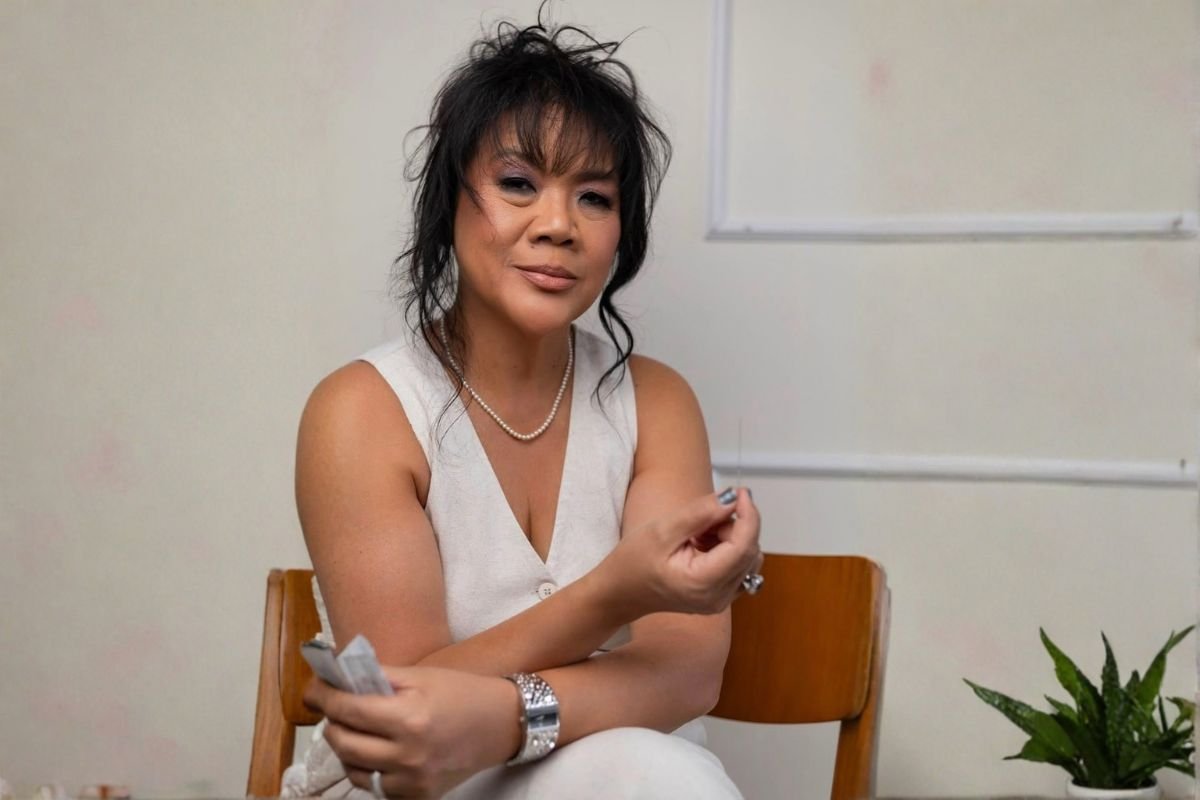
Dr. Huang’s studies have so far grown out of her clinical work in Brazil. To reach a wider population, she believes the next step is training more physicians around the world to understand and evaluate the Wu Wei Protocol, and where appropriate, apply the methodology within their own professional and regulatory settings.
Last year, she began a project to spread awareness of the Wu Wei methodology among physicians. She notes that professionals rarely seek out a new method until they first recognise a gap in what they already know, which makes building awareness an essential step before any large-scale training can follow.
A partnership with an academic institution, particularly a university, would carry real value in her view, offering a stronger structure for education, research, independent evaluation, and open scientific discussion. She also sees collaboration with healthcare organisations and research institutions as a way to generate stronger data and examine the methodology with greater rigour.
For now, Dr. Huang continues to write and lecture through her own institute. Looking ahead, she hopes to build partnerships that can help her work grow from a methodology rooted in a single clinical setting into a broader research and educational initiative with participation from around the world.
Curiosity, faith, and the discipline to keep learning
Continuous learning has always been central to Dr. Huang’s ability to keep an open mind. She often turns to a principle associated with Hippocrates, that one lifetime is too short to learn everything there is to know, and seeks out people with greater experience when facing important decisions. She is candid about her own missteps too, recalling times she lost money relying on people who lacked sufficient experience, moments she considers part of learning rather than pure failure.
Faith plays a significant role in how she carries her responsibilities, and she admits the emotional weight of her work can feel physically exhausting. “When I place part of that burden in God’s hands, I feel able to continue on the path that I believe He has set for my life,” she says.
Believing she has identified an important shift in the condition of contemporary patients, Dr. Huang devotes much of her time to writing scientific articles, and is completing a book on cancer treatment titled “Cancer Begins Before the Tumor.” She often works on several pieces simultaneously, since ideas surface unexpectedly, a thought while washing a dish or driving, prompting her to record it immediately before it slips away. Many of these moments, she notes, later become the foundation for a paper or a new line of research. Curiosity, discipline, faith, and a willingness to learn from both success and failure are, in her words, the personal systems that keep her moving forward.
A vision for deeper medicine, not just different treatment
Dr. Huang Wei Ling’s vision for integrative medicine centres on encouraging physicians to examine the factors behind disease while considering the whole patient.
She is particularly concerned about health effects accompanying technological modernisation, proposing that modern electromagnetic exposure could be affecting human energetic health in ways not immediately visible. Since technology is now woven into daily life, she believes the right response is to study its possible biological effects more closely, not reject it.
She is clear that today’s medications remain vital and continue to save lives. Her argument is that medicine should enter a new phase of research, examining whether certain drugs or dosages need reconsidering in light of what she calls a changing global patient profile, where treatments once considered appropriate may, in some patients, produce unwanted effects at the energetic level.
Looking ahead, Dr. Huang’s vision for the Wu Wei Institute is to help build that research agenda, educate healthcare professionals, and promote a more integrated understanding of the human being, one where physicians draw on modern medicine alongside deeper investigation of prevention and root causes.
Advice for the next generation of healers
Dr. Huang believes building a truly holistic view of human health requires looking back, toward older medical traditions, as much as forward. She often returns to Hippocrates and his principle of treating the patient rather than only the disease, an idea she considers just as relevant now, and believes medical education will eventually need a broader reassessment to help physicians understand patients through both material and integrative dimensions of health.
She also draws on the idea attributed to Einstein that problems cannot be solved with the same thinking that created them, believing progress requires the courage to question existing assumptions when current approaches fall short. The Wu Wei Protocol, developed with the modern patient in mind, aims to support the body’s own capacity to recover by improving internal energetic balance, an approach she applies across conditions ranging from emotional symptoms to serious illness.
Her advice to the next generation is to keep an open mind. “Do not reject a field of knowledge solely because it was not included in your formal education,” she says, stressing that openness must go hand in hand with scientific discipline, testing ideas and demanding evidence. As she puts it, education provides a foundation, not a final answer, and it falls to future leaders to pursue better answers without giving up rigour or patient safety.
A woman’s perspective on leading healthcare
Discipline learned early, faith carried through hardship, and a mother’s courage that shaped two worlds into one career.
“I learned to fight for every ball and every point until the final moment of the match. Sometimes persistence changed the outcome.”
Where it started
Piano at eight. Competitive tennis through her teens. Long before medicine, Dr. Huang Wei Ling was already learning the discipline that would carry her career, the refusal to quit even when a match, or an argument, looked lost.
Her mother’s imprint
An accountant, not a physician, her mother raised several children and never let them go without. She survived a life-threatening experience soon after arriving in Brazil and, more than five decades on, is still alive. It was her decision to rebuild life in a new country that gave her daughter something rare: a foot in both worlds, and eventually, a career spent bridging them.
Challenging What’s Established
Dr. Huang believes healthcare, like most systems, protects its own assumptions, and that women raising unconventional ideas often feel that resistance more sharply. Her hope is an industry that judges ideas on merit, “regardless of who presents them.”
The toll, and the recovery
Four a.m. writing sessions. Conference prep alongside a full patient list. It took years before she admitted that professional excellence cannot be sustained indefinitely if the person behind it is neglected. Now: Tai Chi Chuan, tennis, waterfalls, family.
Her message to the next generation:
“Ask for evidence. Test hypotheses. Be willing to discover that you were wrong.”
Huang Wei Ling