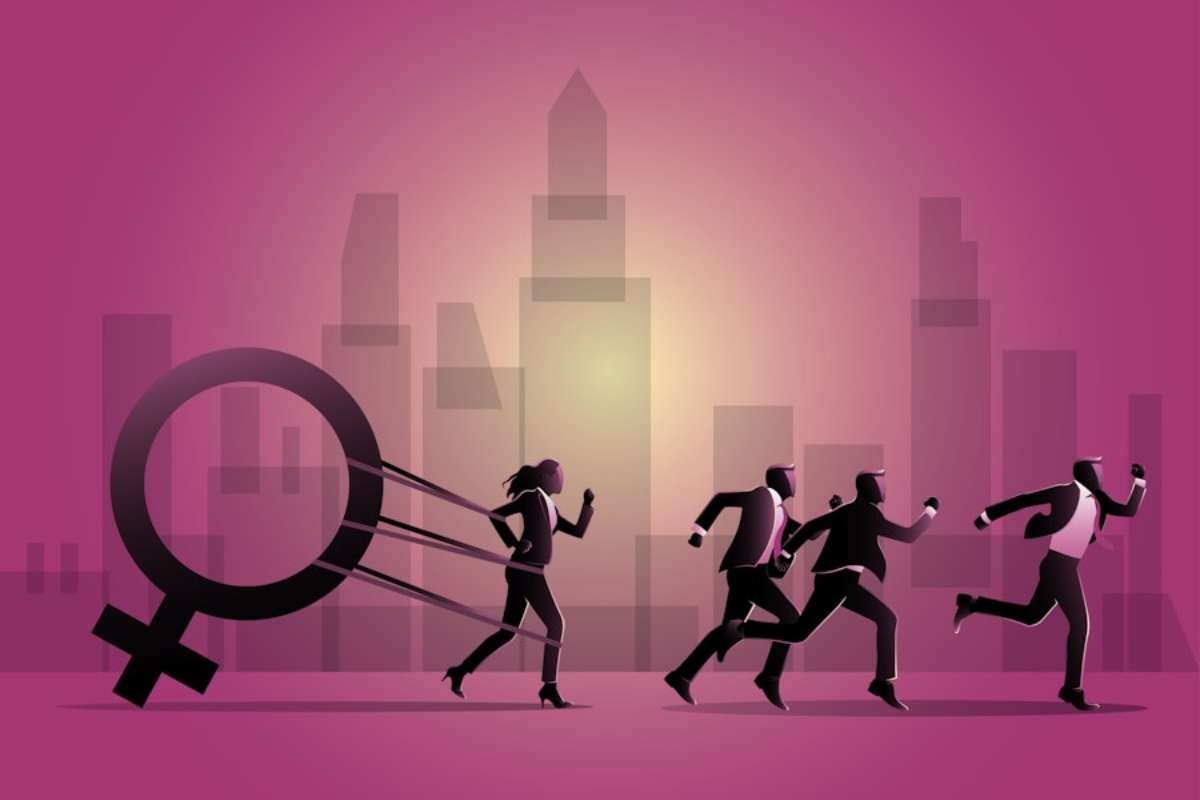

Despite decades of advancements in workplace equality, systemic obstacles still affect women’s careers, well-being, and financial independence in a variety of industries. These issues are deeply ingrained in organizational cultures all over the world, ranging from subtle biases to structural barriers. It takes more than just a gender discussion to fully understand the Issues women face in the companies. It is necessary from an ethical, commercial, and financial standpoint.
This article examines the most significant obstacles that women face in today’s corporate settings, the reasons behind their persistence, and the steps that companies can take to establish more equal workplaces.
Here are some of the Common Issues Women Face in the Companies:
1. Gender Pay Gap: The Persistent Inequality
One of the most widely discussed challenges is the gender pay gap. In many companies, women earn significantly less than men for performing the same roles with similar qualifications and experience. This disparity is often justified through vague explanations like “negotiation differences” or “performance metrics,” yet data consistently show structural bias at play.
Pay inequality impacts not only women’s current earnings but also their long-term financial security, retirement savings, and career motivation. When organizations fail to address this imbalance transparently, it reinforces mistrust and disengagement among female employees, one of the core Issues women face in companies today.
2. Limited Leadership Opportunities
Although women make up a substantial portion of the global workforce, they remain underrepresented in leadership and executive roles. The so-called “glass ceiling” continues to prevent many qualified women from advancing beyond mid-level management.
This limitation is often driven by unconscious bias, where leadership traits are stereotypically associated with men. Women are frequently judged more harshly for assertiveness, while being penalized for behaviors that are praised in male colleagues. As a result, companies lose out on diverse leadership perspectives, innovation, and stronger decision-making.
3. Workplace Bias and Stereotyping

Gender bias doesn’t always appear in overt forms. In many cases, it manifests subtly, through exclusion from important meetings, being interrupted in discussions, or having ideas overlooked until repeated by male colleagues.
These daily microaggressions accumulate over time, affecting confidence and performance. For many professionals, these experiences define the Issues women face in the companies, especially in male-dominated industries such as technology, finance, and engineering.
Stereotypes around emotional capacity, commitment, or leadership style continue to shape how women are perceived and evaluated, often unfairly.
4. Work-Life Balance and Caregiving Pressure
Women are still disproportionately expected to manage household responsibilities and caregiving roles alongside their professional duties. This societal expectation creates unique challenges in corporate settings, particularly in organizations that lack flexible work policies.
Long working hours, limited maternity benefits, and inadequate childcare support often force women to choose between career progression and personal responsibilities. Even when flexible options exist, women may face stigma for using them, being perceived as less committed or ambitious.
This imbalance further deepens the Issues women face in the companies, especially for working mothers and caregivers.
5. Harassment and Unsafe Work Environments

Workplace harassment, ranging from inappropriate comments to serious misconduct, remains a critical concern. While awareness has increased in recent years, many women still hesitate to report incidents due to fear of retaliation, damaged reputations, or career setbacks.
Inadequate reporting mechanisms, lack of accountability, and poor enforcement of policies allow such behaviors to persist. A workplace that does not actively ensure safety and respect undermines trust and drives talented women away.
6. Lack of Mentorship and Sponsorship
Mentorship and sponsorship play a crucial role in career growth, yet women often have less access to influential mentors compared to men. Informal networks, where career-defining opportunities are discussed, frequently exclude women, intentionally or otherwise.
Without strong advocates in leadership, women may miss out on promotions, high-visibility projects, and strategic guidance. Addressing this gap is essential to resolving long-term Issues women face in the companies and building sustainable leadership pipelines.
7. Performance Evaluation Bias

Performance reviews are another area where inequality emerges. Studies show that women are more likely to receive vague feedback focused on personality traits, while men receive specific, actionable guidance tied to growth and leadership.
This difference directly impacts promotions, salary increases, and professional development opportunities. When evaluation systems lack objectivity, they reinforce existing inequalities rather than reward true performance.
8. Emotional Labor and Burnout
Women are often expected to take on additional emotional labor in the workplace, mentoring colleagues, managing team morale, or resolving conflicts. Without formal recognition or compensation. Over time, this invisible workload contributes to burnout and job dissatisfaction.
When combined with external responsibilities and limited support, emotional exhaustion becomes a significant barrier to long-term career sustainability for women.
Conclusion:
It takes more than surface-level diversity initiatives to address the issues women face in companies. Organizations must pledge to implement structural reforms, open compensation policies, impartial assessment procedures, inclusive leadership training, and a zero-tolerance policy for harassment.
Establishing equitable workplaces enhances employee retention, innovation, and overall business performance in addition to being fair. Businesses will be better positioned for long-term success in an increasingly diverse global workforce if they actively listen, track progress, and hold leadership accountable.
It takes more than just intention to achieve true equality. It is developed via persistent action, cultural transformation, and policy reform.