
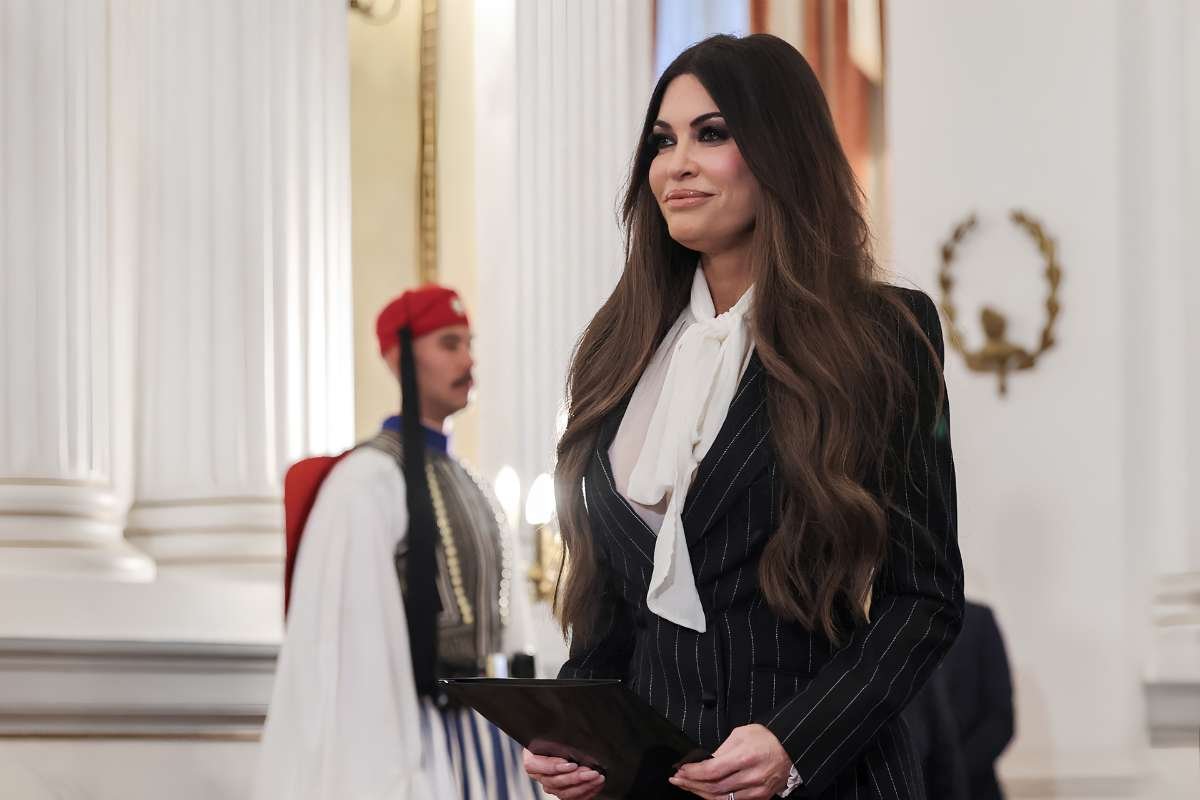
Key Takeaways:
- White House Seeks Guilfoyle’s Resignation
- Financial Allegations Face Investigation
- Diplomatic Accountability Comes Into Focus
The Kimberly Guilfoyle resignation controversy intensified on October 13, 2026, after President Donald Trump’s administration reportedly asked the US ambassador to Greece to step down amid misconduct allegations and questions about her financial dealings.
The decision followed growing scrutiny of reports alleging that Guilfoyle sought financial assistance from a political donor in connection with access to senior administration officials. Additional concerns involved gifts she reportedly received while serving as ambassador and the alleged involvement of a lobbyist representing a Greek construction company in official meetings.
The White House confirmed that Guilfoyle had been asked to step down, with Zacharia describing her as a valuable member of the administration’s team and wishing her well. The reported Kimberly Guilfoyle resignation request followed growing scrutiny of alleged financial dealings and questions about her conduct as a diplomat. The announcement came a day after Trump indicated that he was considering removing her from the diplomatic post.
Guilfoyle, a former television personality and prominent Republican political figure, was appointed ambassador to Greece after years of involvement in conservative politics. She was previously engaged to Donald Trump Jr., the president’s eldest son. Her appointment placed her in a key diplomatic role, representing American interests in Greece, an important NATO ally.
Kimberly Guilfoyle resignation and financial allegations trigger an investigation
The controversy centres partly on allegations that Guilfoyle approached political donor Eric Deters for $100,000 to help cover a personal American Express credit card bill. The reported request raised questions about whether financial assistance was connected to promises of access to influential figures within the Trump administration.
Guilfoyle’s legal representatives have disputed allegations of wrongdoing, maintaining that Deters owed her money for previous speaking engagements and consulting work. Deters has challenged that explanation, disputing the account of the proposed payment. The conflicting claims have made the nature and purpose of the reported financial arrangement a central issue in the controversy.
The US State Department’s Office of Inspector General has opened an investigation into Guilfoyle’s conduct. The inquiry could examine the circumstances surrounding the reported financial communications and whether any actions violated the ethical or professional standards governing American diplomats.
Other reported concerns involving gifts and meetings with individuals connected to commercial interests have added to the scrutiny. These allegations have prompted questions about the boundaries between personal relationships, private financial dealings, and official responsibilities.
However, the allegations have not been established as proven misconduct. The competing accounts must be assessed against the available evidence, and the investigation’s findings will be important in determining whether any rules were breached.
The request for Guilfoyle’s resignation and the ongoing investigation remain separate matters. Her potential departure from the diplomatic post does not, by itself, establish wrongdoing or resolve the questions surrounding the reported financial dealings. The inquiry could determine whether further administrative or legal action is warranted.
Diplomatic responsibilities and questions of accountability
Guilfoyle’s departure could draw further attention to the Trump administration’s diplomatic appointments and its approach to accountability. Ambassadors are responsible for representing national interests, maintaining relationships with foreign governments and ensuring that their conduct does not undermine public confidence in American diplomacy.
Greece is a significant US partner in NATO and regional security. The bilateral relationship also encompasses defence cooperation, trade and energy interests, including efforts to strengthen commercial ties and promote American liquefied natural gas exports.
Any controversy involving the US ambassador can therefore extend beyond an individual’s political career. Maintaining confidence in diplomatic representation is particularly important when officials are expected to advance strategic partnerships while navigating relationships with donors, lobbyists and private businesses.
Guilfoyle’s appointment reflected her connections to Trump’s political circle, but her ambassadorial responsibilities required her to operate within the professional and ethical standards associated with public office. The allegations have brought those expectations into focus, although their validity remains to be determined.
The Kimberly Guilfoyle resignation request marks a significant development in a controversy that escalated from reports of alleged financial dealings to an official demand for her departure. The next stage will depend on the findings of the State Department investigation and any additional evidence that emerges.
For now, the central questions remain unresolved: whether the reported financial request was connected to improper access, whether other alleged conduct breached diplomatic standards, and what conclusions investigators will reach. The case underscores the importance of transparency and accountability for officials entrusted with representing the United States overseas.
The outcome of the Kimberly Guilfoyle resignation controversy will depend on the investigation’s findings and any further evidence that emerges.