
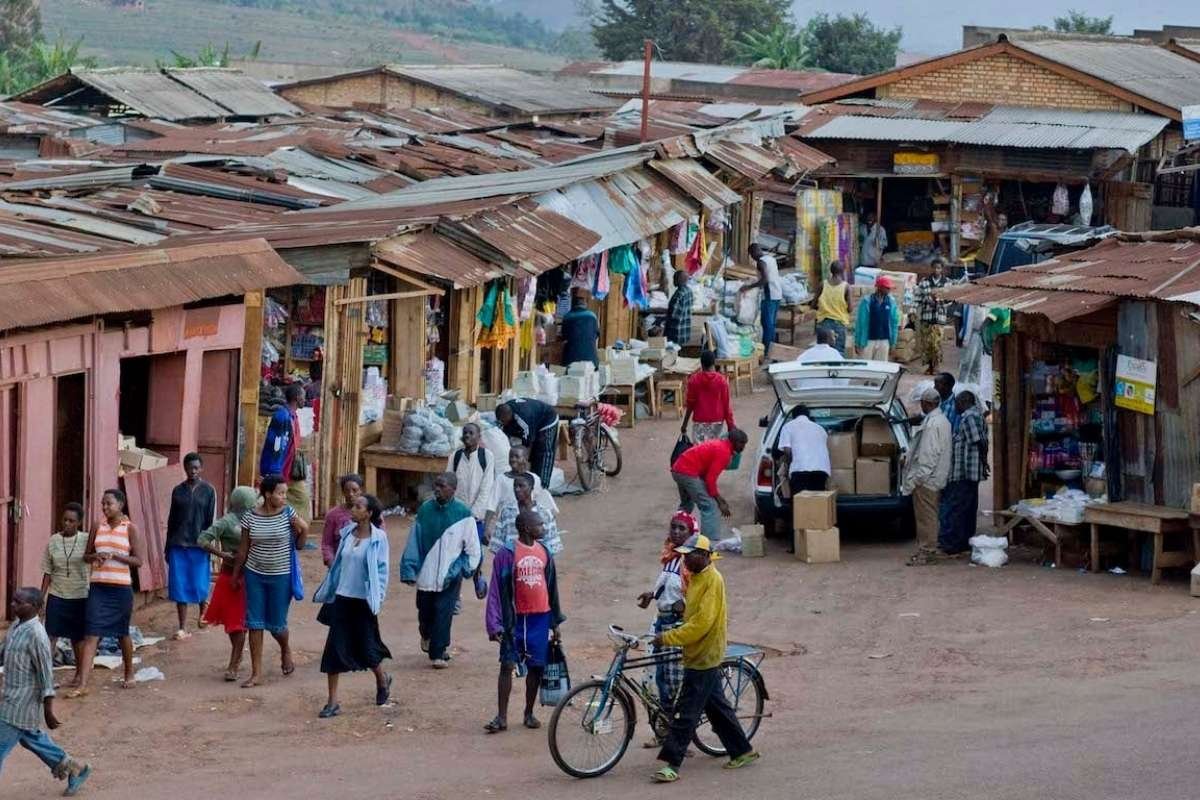
Every day, millions of people wake up in homes where the next meal or a sip of clean water is never a certainty. They walk miles for basic needs and work long hours just to keep a roof overhead.
Despite these heavy burdens, you find parents who smile while walking their kids to a makeshift school. These families show us that dignity doesn’t have a price tag, even in the poorest countries in the world.
Focusing on these regions helps us see the real faces behind the economic data. It is about a mother’s drive to start a small stall or a village coming together to build a well. When we look past the lack of money, we see a deep desire for a fair shot at a better life.
In this blog, we take a closer look at the ten nations currently facing these challenges and the people striving for change.
A Closer Look at the 10 Poorest Countries in the World Today
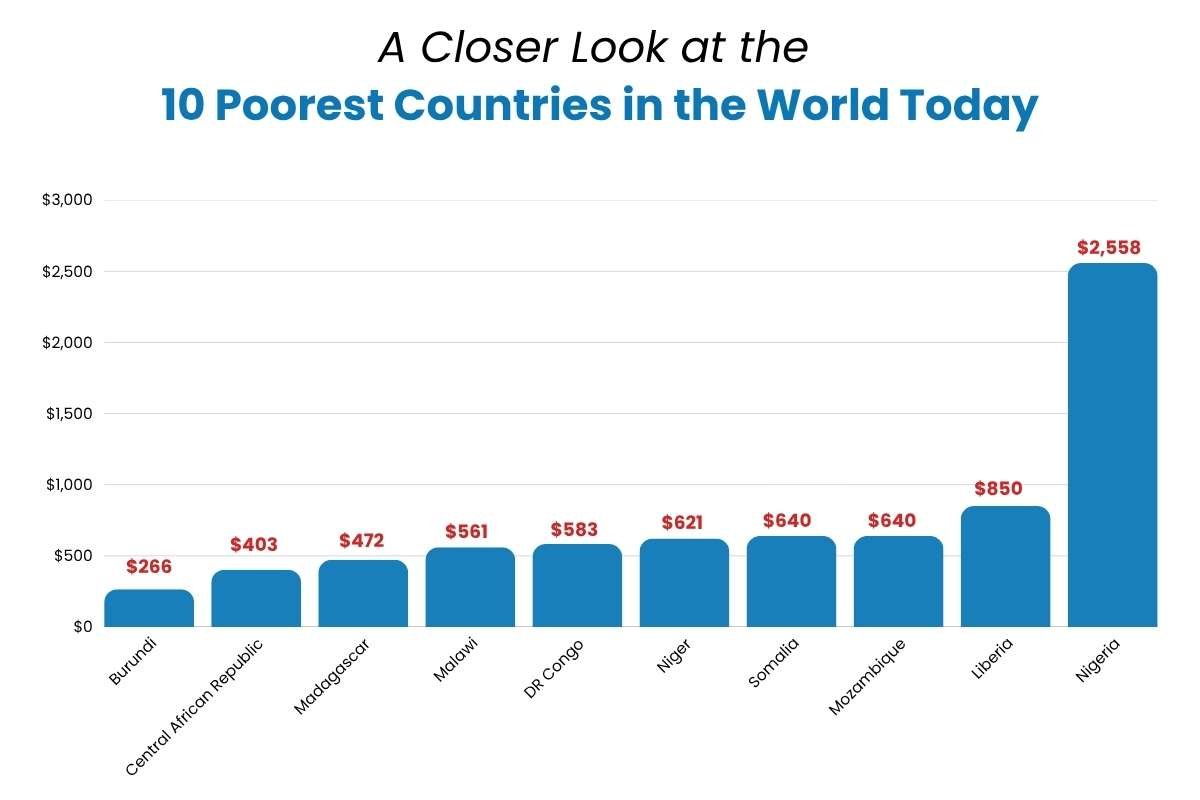
Here we have ranked the 10 poorest nations in the world. The right way to decide a poor country is by taking a look at its GDP per Capita. This helps us understand the average quality of life of people living in those countries.
So, to curate this list, we have taken into consideration data from the World Population Review, World Bank, and UNCTAD‘s list of 44 Least Developed Countries (LDCs). Based on these three sources, here are the world’s 10 poorest countries.
| Rank | Country | GDP per Capita (USD) |
|---|---|---|
| 1 | Burundi | $266 |
| 2 | Central African Republic | $403 |
| 3 | Madagascar | $472 |
| 4 | Malawi | $561 |
| 5 | DR Congo | $583 |
| 6 | Niger | $621 |
| 7 | Somalia | $640 |
| 8 | Mozambique | $640 |
| 9 | Liberia | $850 |
| 10 | Nigeria | $2,558 |
1. Burundi
- GDP per capita: $266
- Population: 14.39 million
- Capital: Gitega
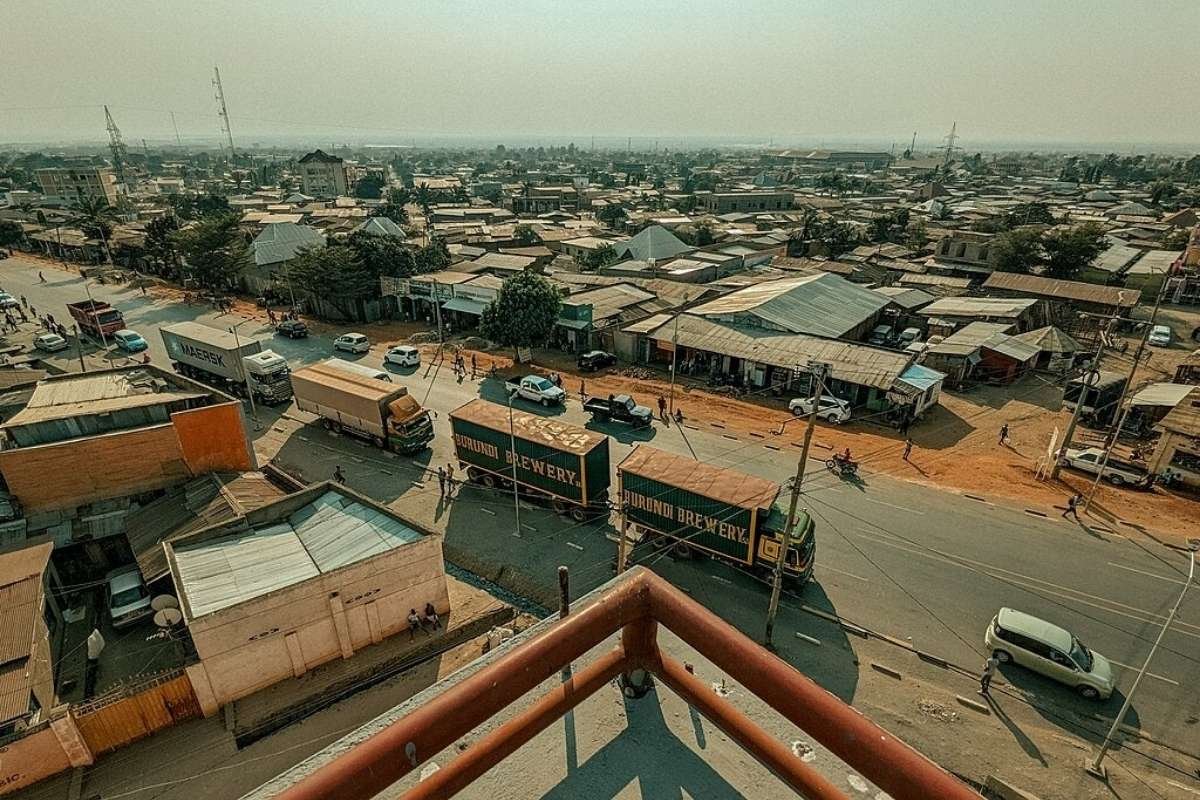
While many see a beautiful landscape, 85% of the people here are locked into a daily struggle with the soil just to eat. With a GDP per capita currently sitting at around $266, most families survive on less than $3.00 a day. Because the country is landlocked, importing basics such as medicine or fuel is incredibly expensive. In early 2026, a severe fuel shortage and inflation spikes have left urban centers in the dark. It became nearly impossible for small traders to keep their goods fresh or for students to study after sunset.
2. Central African Republic
- GDP per capita: $403
- Population: 5.6 million
- Capital: Bangui
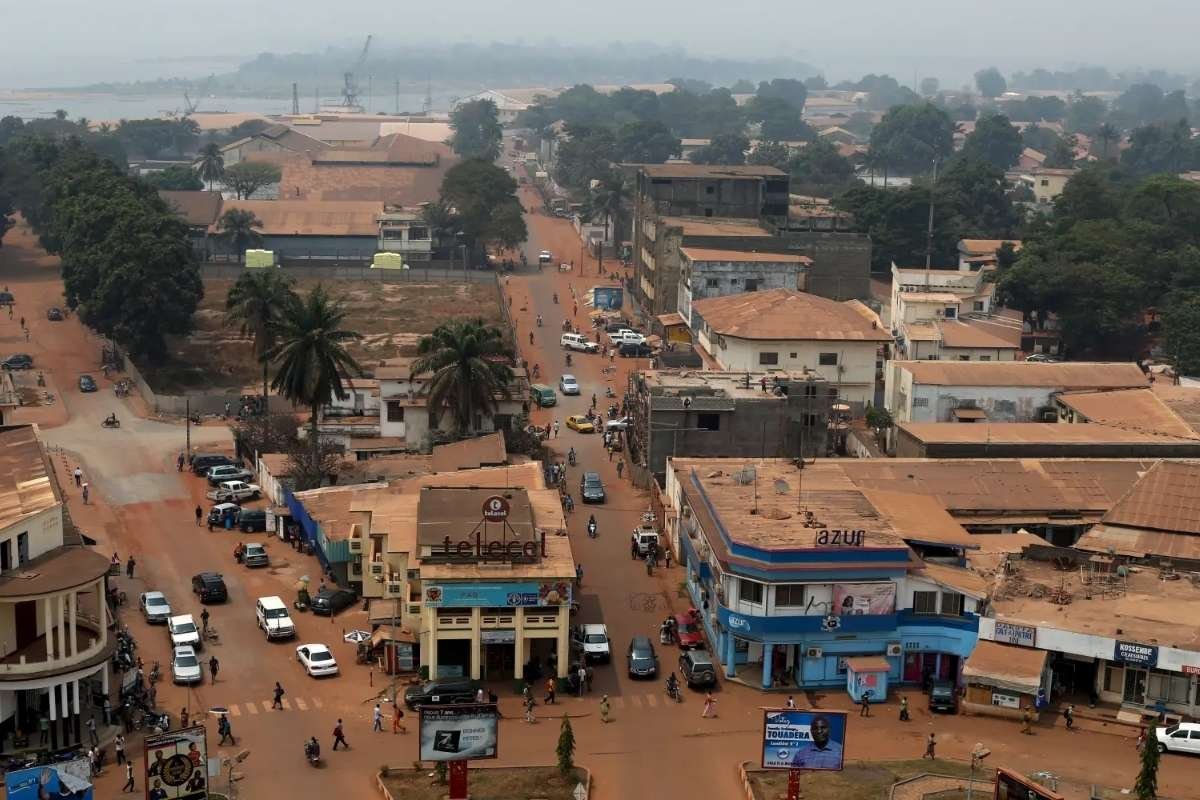
This is a land where the earth hides gold and diamonds, yet the people rarely see the benefit. Displacement from ongoing localized violence means that one in three people currently faces acute food insecurity. Even though the economy showed slight growth recently, the population is growing nearly twice as fast. This meant one thing: there is less for everyone each year. Since the government only collects about 10% of GDP in taxes, they lack the funds to build the roads that would connect isolated farmers to the markets.
3. Madagascar
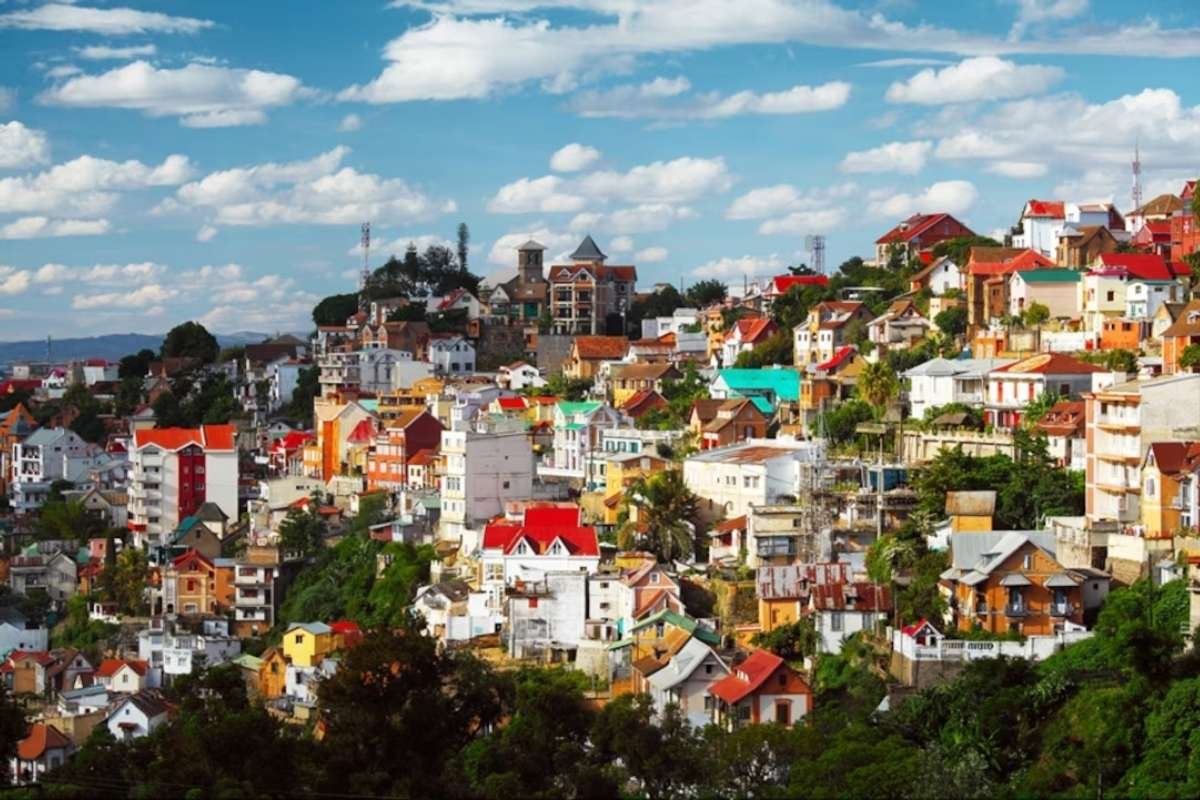
- GDP per capita: $472
- Population: 33 million
- Capital: Antananarivo
Life on this island is a constant battle with a changing climate that destroys years of progress in a single afternoon. In 2022 alone, tropical storms caused damage equivalent to nearly 5% of the entire national GDP. For a family living on a GDP per capita of $472, losing a rice harvest to a cyclone isn’t just a financial hit; it’s a hunger crisis. With over 80% of the rural population living in poverty, the lack of a reliable power grid means that when the sun goes down, economic life simply stops for most of the country.
4. Malawi
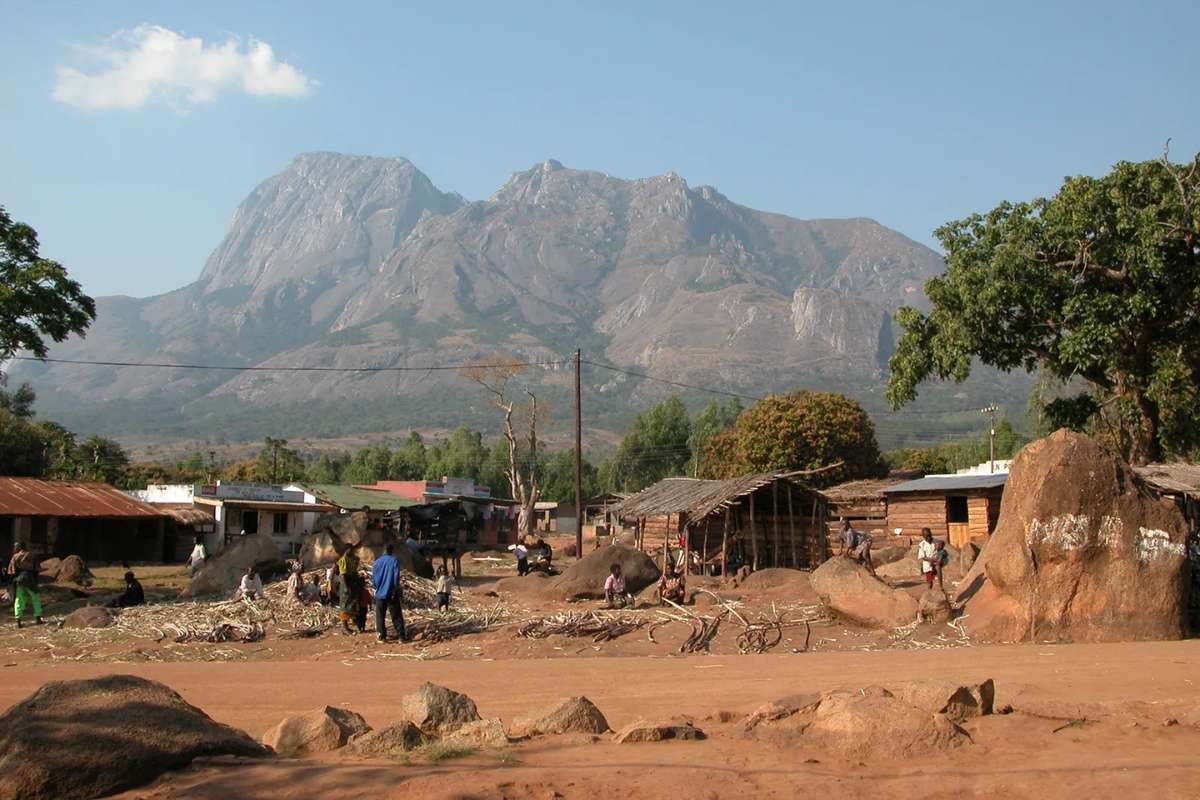
- GDP per capita: $561
- Population: 21.63 million
- Capital: Lilongwe
Imagine a nation where the entire economy rests on the shoulders of a single crop: tobacco. It makes up roughly half of all exports, leaving the country at the mercy of global price swings. Currently, Malawi is grappling with a massive debt crisis, where nearly 50% of all domestic revenue goes solely toward paying off interest on loans. This financial “chokehold” means there is little left for schools or clinics. With food inflation hitting 36% recently, many parents face the daily stress of choosing between a child’s education and their next meal.
5. DR Congo
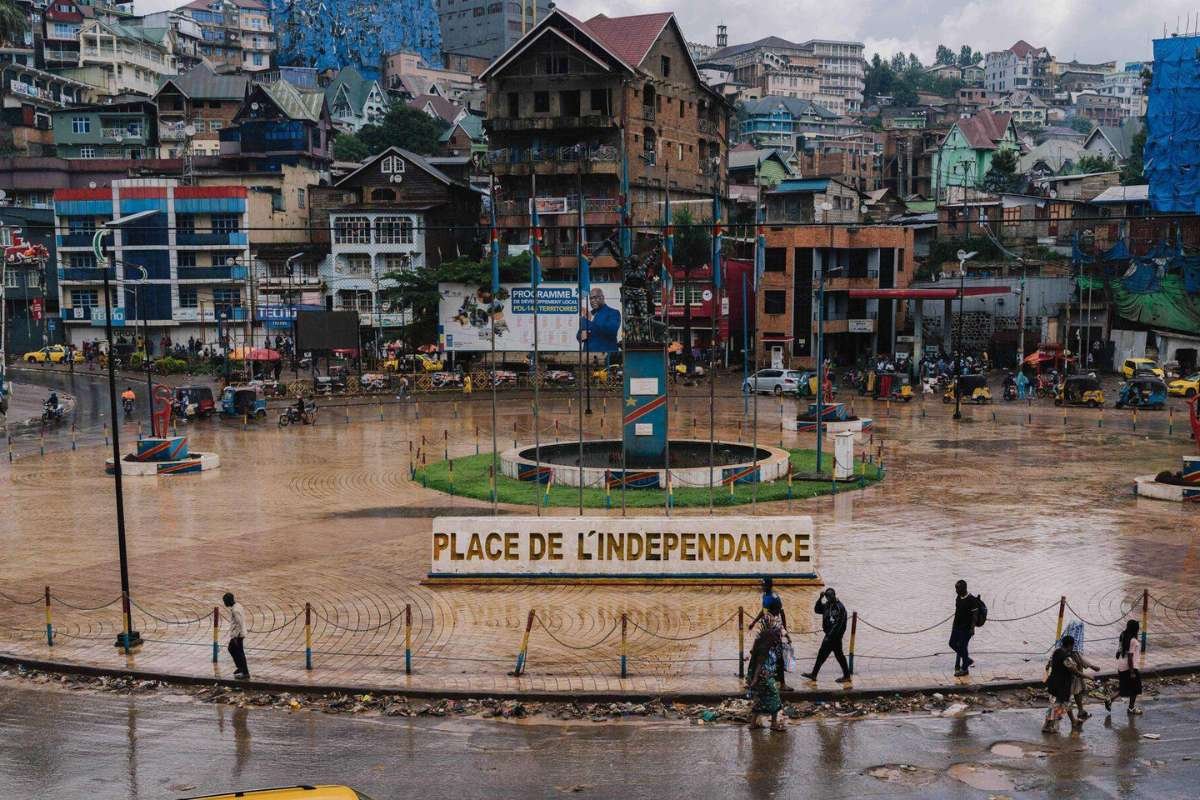
- GDP per capita: ~$583
- Population: 115 million
- Capital: Kinshasa
It is an irony that a nation sitting on $24 trillion worth of untapped minerals remains one of the poorest countries in the world. While the mining of cobalt and copper fuels the global tech industry, over 78.9% of Congolese people still live on less than $2.15 a day. In the eastern provinces, conflict over these very resources has displaced over 7 million people. Even with strong national growth, the lack of basic infrastructure like clean water and paved roads keeps the vast majority of citizens in a cycle of survival rather than growth.
--1024x800.jpg)
How the Most Powerful Countries in the World Are Dominating Global Power?
The most powerful countries in the world for 2026 dominate with immense economic, military, and technological strength. This article breaks down their rankings, profiles, and the seven pillars fueling their global impact.
6. Niger
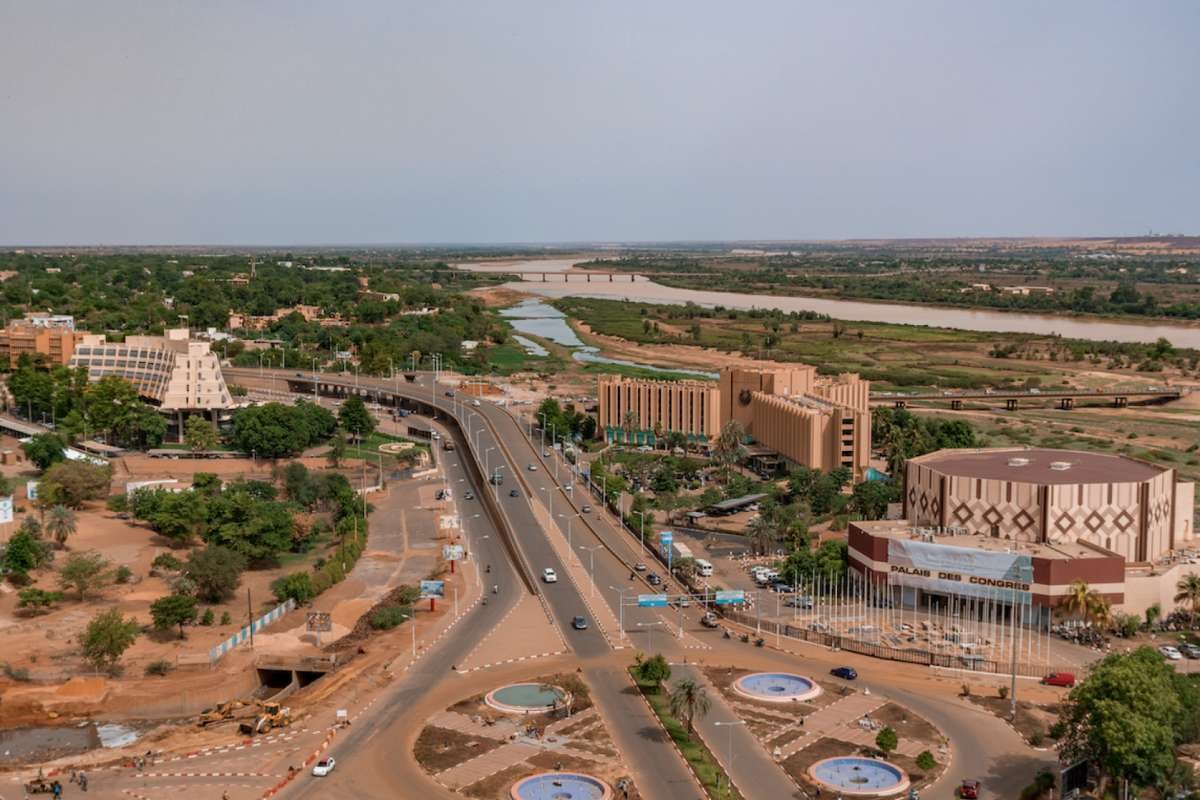
- GDP per capita: $621
- Population: 28 million
- Capital: Niamey
Life in this landlocked nation is a race against one of the world’s fastest-growing populations, which expands by 3.4% every year. While the earth holds valuable uranium and oil, 80% of people rely on farming in a climate that is heating up 1.5 times faster than the global average. With a GDP per capita of roughly $621, the frequent droughts mean that a single bad season can push millions toward food insecurity. High fertility rates, averaging six children per woman, put immense pressure on a government that struggles to build enough schools and clinics to keep up.
7 . Somalia
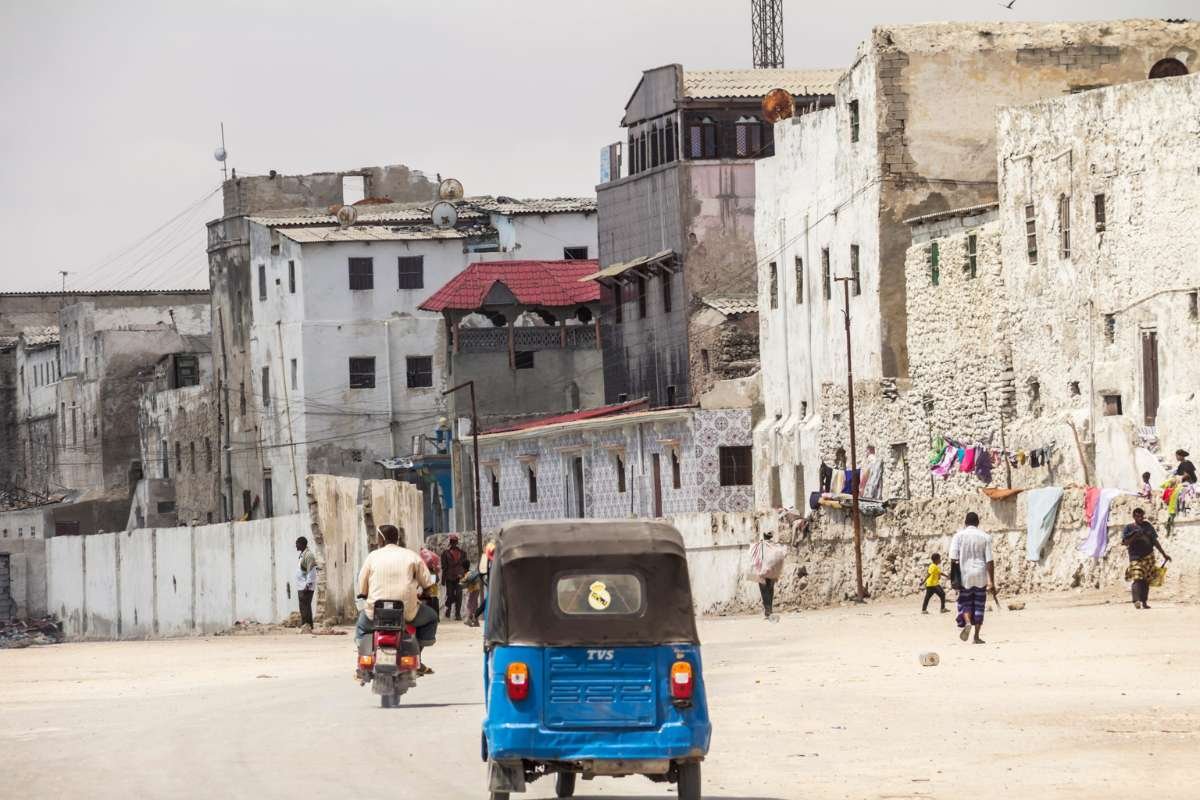
- GDP per capita: ~$640
- Population: 20 million
- Capital: Mogadishu
This country is working to rebuild while facing a “triple threat” of localized conflict, rising food prices, and extreme weather. Approximately 70% of the population lives on less than $2.15 a day, with nomadic families being the hardest hit. In 2026, the economy remains fragile as a lack of formal jobs forces most workers into low-paying, informal roles. Despite these hurdles, a government push for digital infrastructure has allowed over a million people to access mobile money and cleaner water.
8. Mozambique
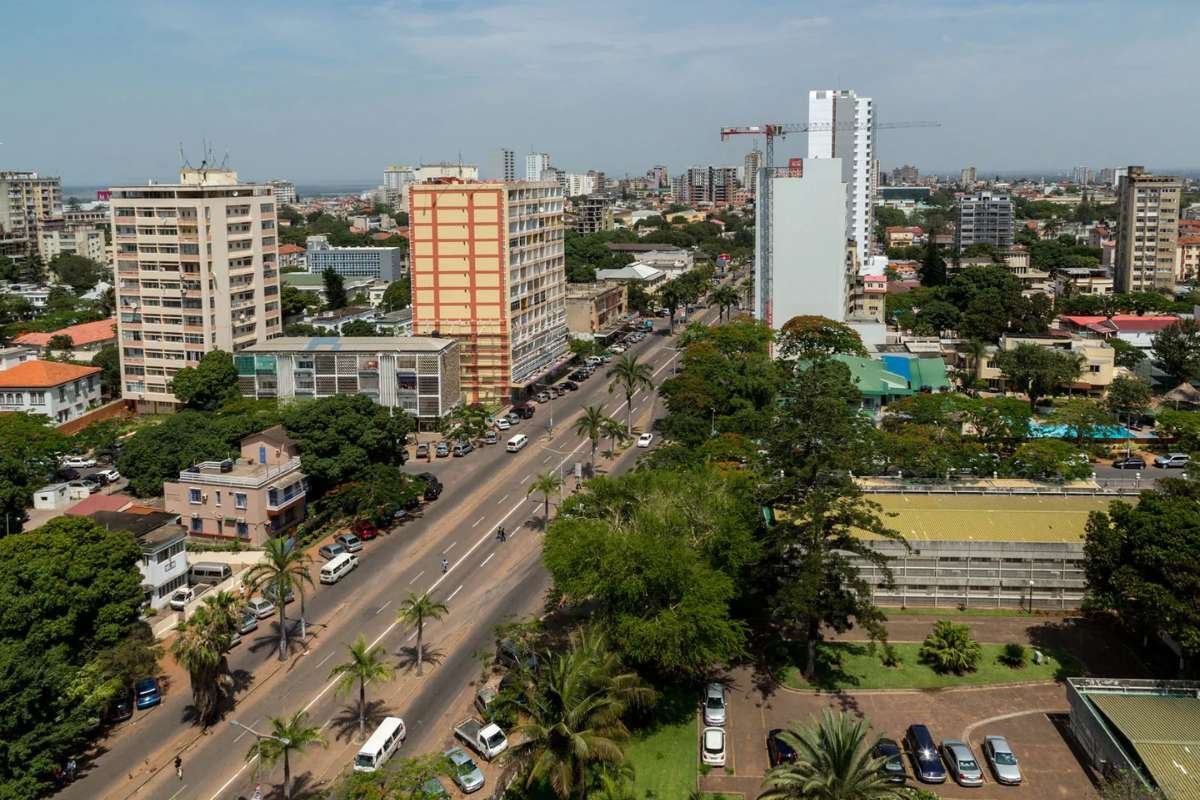
- GDP per capita: $640
- Population: 36 million
- Capital: Maputo
Families here face a “double-edged sword” where vast natural gas reserves have yet to improve the lives of the 74% of people living in poverty. In the northern province of Cabo Delgado, ongoing insecurity has displaced hundreds of thousands. Furthermore, since over 80% of the rural population lacks access to electricity, economic activity often ends the moment the sun sets. This lack of infrastructure, combined with frequent tropical cyclones, makes it difficult for small businesses to ever gain their footing.
9. Liberia
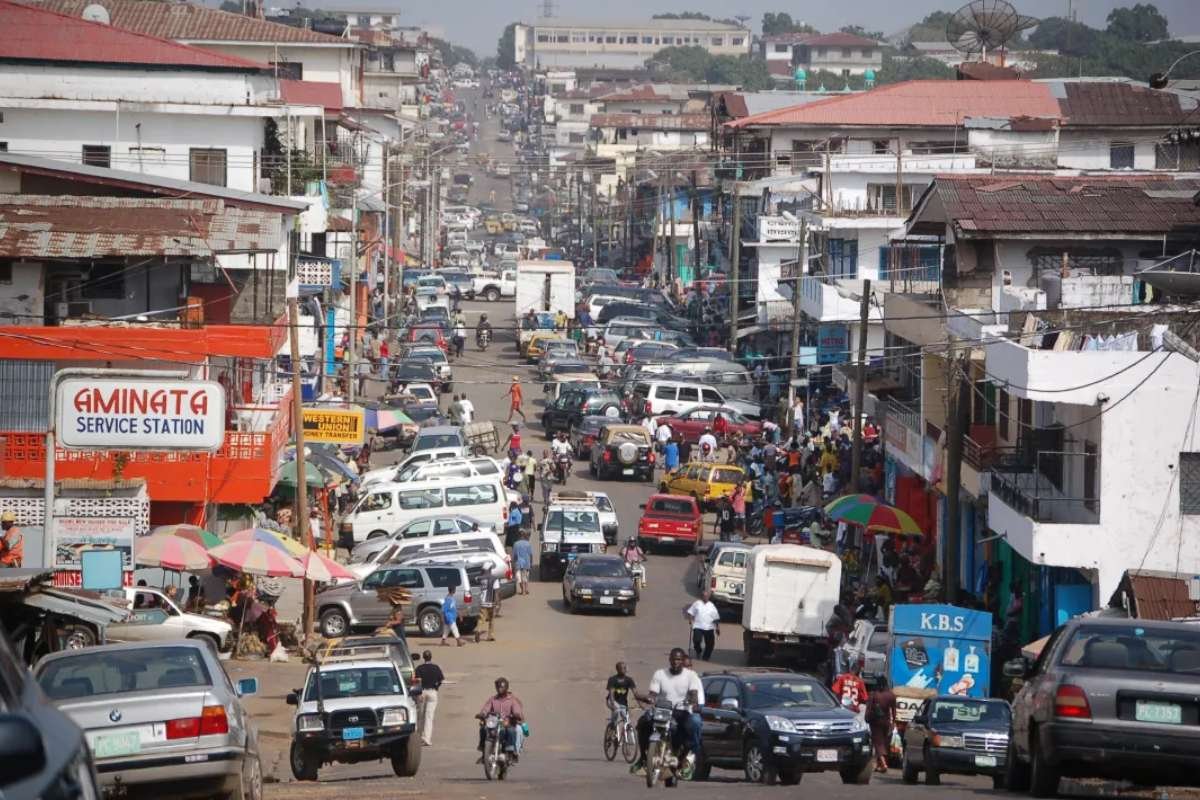
- GDP per capita: ~$850
- Population: 5.8 million
- Capital: Monrovia
Still healing from past internal struggles, this coastal nation deals with a high level of “multidimensional poverty” that affects 45% of its people. The GDP per capita stands at roughly $850, but high inflation makes daily life a challenge for families in the dual-currency system. Since the country relies heavily on importing food and fuel, any global price spike immediately hits the dinner tables of the most vulnerable. A lack of reliable power, especially in rural areas where only 25% have electricity, continues to stall the growth of local manufacturing.
10. Nigeria
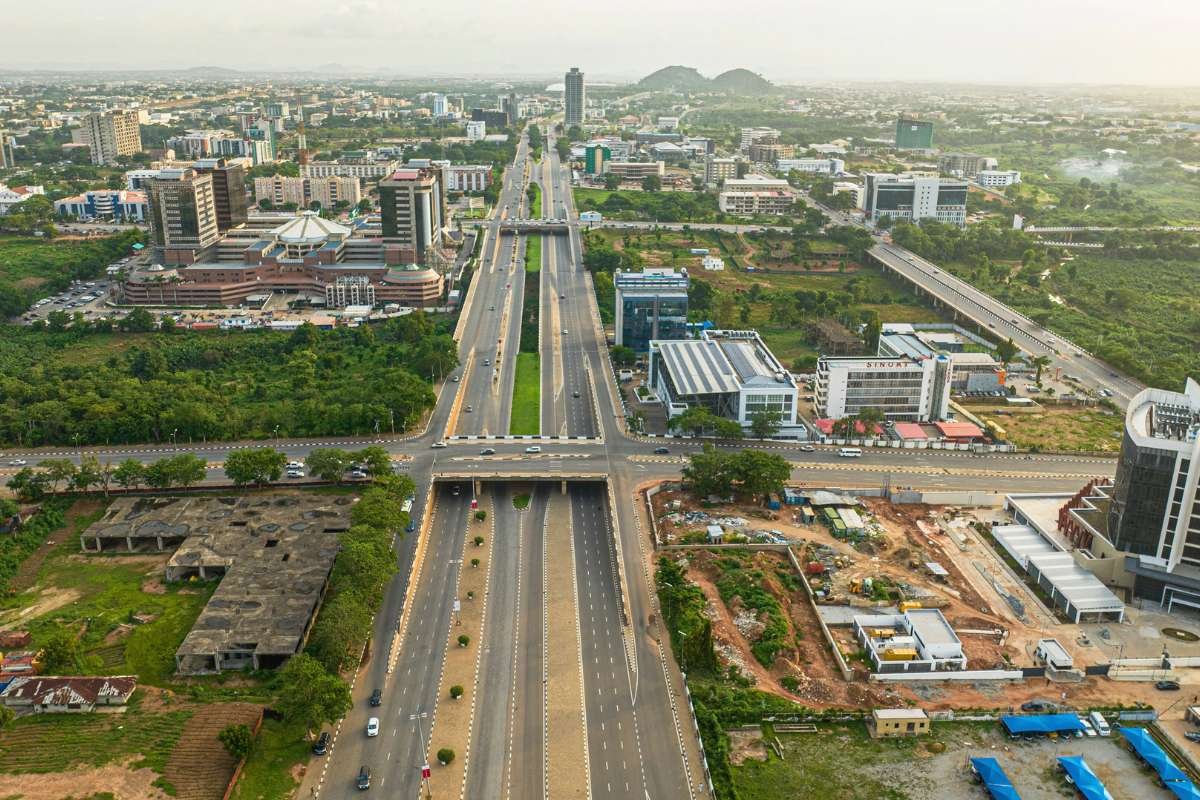
- GDP per capita: $2,558
- Population: 241 million
- Capital: Abuja
The contrast here is perhaps the most striking of all, as Africa’s largest economy struggles with a “lag effect” from recent currency reforms. Projections for 2026 suggest that as many as 141 million people could be living in poverty due to record-high food inflation. While the cities are hubs of innovation, the benefits are often swallowed by a high cost of living and unemployment that forces youths into low-paying, informal work. Even in a nation with such vast oil wealth, the struggle to afford necessities remains a reality for the majority of the poorest countries in the world.
The Ripple Effects of Poverty on Everyday Life Explained
The consequences of financial hardship ripple through every part of a person’s life, creating obstacles that are difficult to overcome alone. Based on recent research, here is how these challenges reshape society:
Health and Well-being
Living without enough money often means living with constant stress. This pressure leads to higher rates of anxiety and depression, as families focus entirely on daily survival. Physical health also suffers because nutritious food and clean water are frequently out of reach. When medical care is too expensive, small health issues can turn into serious, long-term conditions. These health barriers are a primary reason why cycles of struggle persist in the poorest countries in the world.
Education and Opportunity
For children, the lack of resources at home can make learning much harder. Without access to books, stable internet, or quiet spaces to study, students often fall behind their peers. Many are forced to leave school early to help support their families, which limits their future job prospects. This creates a situation where the lack of an education makes it nearly impossible to find a steady, well-paying career later in life.
Families and the Neighborhood
Financial strain can pull families apart, leading to more conflict and instability at home. When many people in a neighborhood face these same struggles, it can weaken the bonds that hold a community together. People may feel more isolated and less likely to participate in local events or support one another. Breaking this cycle in the poorest countries in the world requires a foundation of better healthcare, schools, and community support systems.
The Roadmap to Growth for the Poorest Countries in the World
While the challenges facing these nations are deep-seated, there is a growing consensus on the practical steps that can turn the tide. In 2026, many countries are shifting away from short-term aid toward building sustainable, local systems. Here are the core solutions currently being implemented:
Building Stronger Rural Foundations
Since a vast majority of people in these regions depend on the land, the most immediate impact comes from modernizing agriculture. Providing farmers with resilient, climate-smart seeds and better irrigation helps them survive erratic weather. Additionally, creating “farmer-to-market” roads ensures that crops don’t rot in the fields but instead reach buyers in nearby cities. These simple infrastructure improvements help families move beyond just surviving and toward earning a steady income.
Expanding Digital and Financial Access
One of the most transformative shifts in recent years is the rise of digital money. For people who live miles away from the nearest physical bank, mobile wallets allow them to save securely, receive payments for their work, and even access small loans to start a business. This digital transition is a key tool in the poorest countries in the world, as it bypasses the need for expensive brick-and-mortar buildings and brings financial tools directly to the palm of a person’s hand.
Investing in “Human Capital”
True growth only happens when people are healthy and skilled. Governments are prioritizing “social safety nets,” small, direct cash transfers to the most vulnerable families, on the condition that children stay in school and receive regular health check-ups. This ensures that the next generation isn’t held back by the same burdens as their parents. By focusing on vocational training and primary healthcare, these nations are building a workforce that is ready to participate in a more modern economy.
Connecting Landlocked Nations
For countries without a coastline, the “land-linked” strategy is essential. This involves creating “trade corridors” agreements with neighboring countries to simplify customs and reduce the time it takes for goods to cross borders. By harmonizing regulations and building shared rail and road networks, landlocked nations can significantly lower the cost of doing business. This cooperative approach is vital for the poorest countries in the world to stay competitive in the global market.
Conclusion:
The story of the poorest countries in the world is not just a collection of economic data or a list of struggles. It is a story of incredible human endurance and the drive to build a better life against heavy odds.
While the hurdles such as climate change, debt, and a lack of infrastructure are real, the solutions we explored show that progress is possible. It is possible when we focus on the potential of people rather than just their problems.
As these ten poorest countries in the world work to strengthen their schools, modernize their farms, and connect to the global market, the focus remains on giving every family a fair shot.
The perseverance of a mother starting a small business or a student studying by a single lamp reminds us that wealth is not the only measure of a nation’s worth.
By understanding these challenges and supporting sustainable change, we move closer to a world where opportunity is not defined by where a person is born.
FAQs
1. Why is GDP per capita used to rank these nations?
This measure divides a country’s total economic output by its population, providing a snapshot of the average income available to a single person.
2. What is the main cause of persistent poverty in these regions?
Most of these nations face a “perfect storm” of internal conflict, heavy debt, and a lack of basic infrastructure like roads and electricity.
3. Can a country ever leave the list of the poorest countries in the world?
Yes, nations such as Bangladesh and Nepal have shown that consistent investment in education and technology can help a country graduate to a higher income status.
Thank You For Reading!
See More
12 Oldest Countries in the World That Still Carry Their Ancient Roots