
Effective supply chain management strategies help businesses reduce costs, improve efficiency, and adapt to changing market conditions. This guide covers supplier management, inventory optimization, real-time data, communication, sustainability, and continuous improvement. Learn practical ways to build a resilient supply chain, avoid common mistakes, and prepare your business for long-term success in 2026 and beyond.
Supply chains have changed a lot over the last few years. Rising costs, changing customer demand, labor shortages, and global disruptions have made planning harder than ever. Businesses can no longer rely on old methods alone. They need smarter ways to move products, manage inventory, and respond to change.
That is where supply chain management strategies make a real difference. The right approach helps companies lower costs, improve delivery times, reduce waste, and keep customers happy. Whether you run a small business or a global company, a strong supply chain can give you a clear advantage.
According to the 2026 MHI Annual Industry Report, 74% of supply chain leaders expect to increase investment in supply chain technology over the next five years to improve resilience and efficiency.
Let’s look at five proven ways businesses can build stronger supply chains in 2026.
What Are Supply Chain Management Strategies?

Every business needs a plan for moving products from suppliers to customers. That plan includes buying materials, making products, storing inventory, shipping orders, and handling returns.
Good Supply Chain Management(SCM) strategies help every step work together. Instead of solving problems after they happen, companies plan to avoid delays, reduce costs, and improve customer service.
Strong strategies usually focus on:
- Better planning
- Reliable suppliers
- Smarter inventory control
- Faster deliveries
- Better use of technology
- Lower business risks
When these areas work together, businesses become more flexible and can respond quickly when markets change.
Why Strong Supply Chain Strategies Matter
Customers expect fast delivery, accurate orders, and products that are always available. Businesses also face higher shipping costs, changing trade policies, and unexpected disruptions.
Using the right SCM strategies helps companies stay prepared instead of reacting at the last minute.
Some of the biggest benefits include:
- Lower operating costs
- Better inventory accuracy
- Faster order fulfillment
- Higher customer satisfaction
- Fewer supply disruptions
- Stronger business growth
These improvements help businesses compete even when markets become unpredictable.
1. Build a More Resilient Supplier Network
One supplier is rarely enough today. Companies that depend on a single source face greater risk if production stops or transportation is delayed.
Instead, businesses now build relationships with multiple trusted suppliers across different regions. This reduces the chance of major disruptions.
Many successful supply chain management strategies now include supplier diversification because it gives companies more flexibility during unexpected events.
Some best practices include:
- Qualify backup suppliers before they are needed.
- Review supplier performance regularly.
- Monitor supplier financial health.
- Share demand forecasts with key partners.
- Develop long-term supplier relationships.
According to the 2026 Deloitte Global Chief Procurement Officer Survey, improving supplier resilience remains one of the top priorities for procurement leaders as organizations continue preparing for supply disruptions.
A resilient supplier network keeps production moving even when one part of the chain faces problems.
2. Improve Inventory Without Overstocking
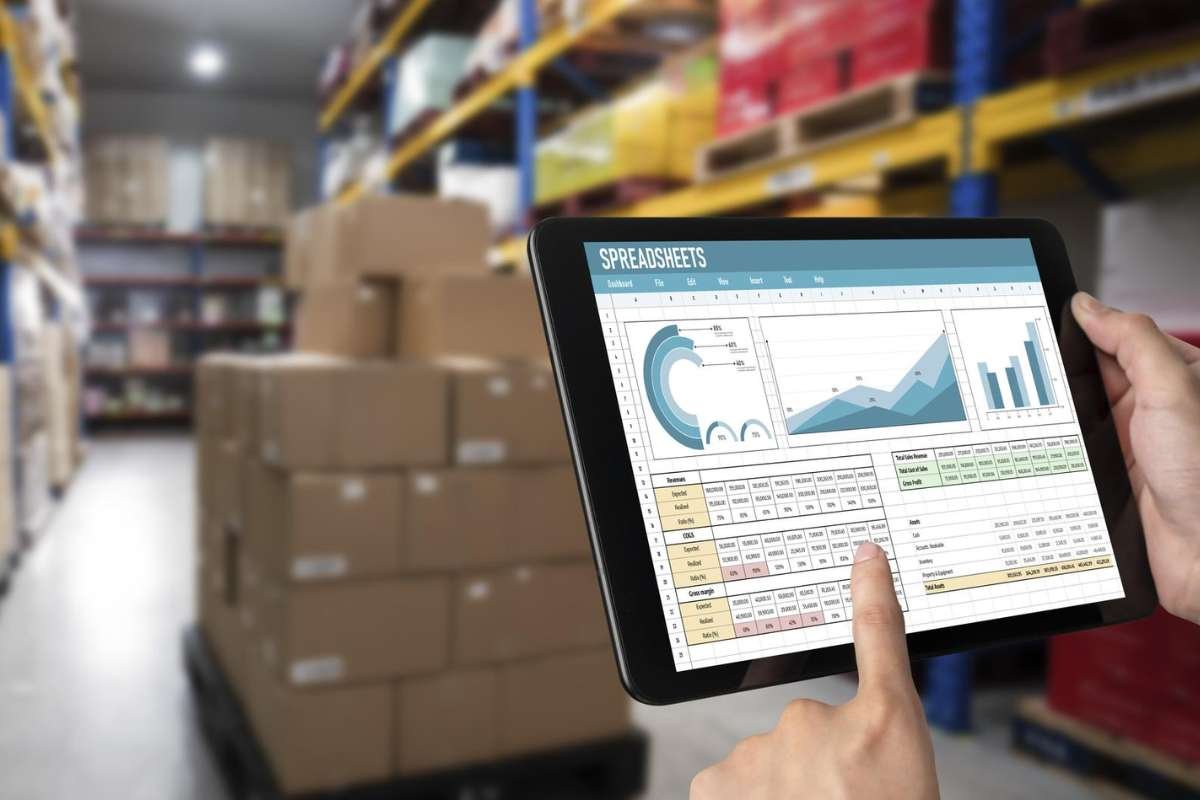
Inventory is expensive. Too much inventory ties up money. Too little inventory leads to stockouts and unhappy customers.
Modern supply chain management strategies focus on keeping inventory balanced rather than simply increasing stock.
Businesses achieve this by using:
- Demand forecasting
- Sales history
- Seasonal trends
- Real-time inventory tracking
- Automated replenishment systems
Companies also divide products based on demand. Fast-selling items receive closer attention, while slower products are ordered less often.
This approach helps reduce storage costs while improving product availability.
Instead of asking, “How much inventory should we keep?” businesses now ask, “How much inventory do we actually need?”
3. Use Real-Time Data for Better Decisions
Supply chains move quickly. Delayed information often leads to delayed decisions.
That is why many companies now depend on live dashboards instead of weekly reports. Real-time visibility allows managers to spot issues before they become larger problems.
Today, Supply Chain strategies rely heavily on data collected from warehouses, transportation systems, suppliers, and customer orders.
Real-time information helps businesses:
- Track shipments instantly
- Detect delays earlier
- Reduce inventory errors
- Improve warehouse planning
- Respond faster to demand changes
When managers have current information, they can make faster decisions with greater confidence.
Read Next: What is a Green Supply Chain? Everything You Need To Know About It
4. Strengthen Communication Across the Supply Chain

Even the best plan can fail if teams do not communicate well. Suppliers, warehouses, logistics partners, and retailers all need access to accurate information.
Many supply chain management strategies now focus on improving communication instead of only improving logistics.
Companies are replacing long email chains and spreadsheets with shared digital platforms that allow everyone to see the same information.
Better communication helps businesses:
- Prevent shipping mistakes
- Update inventory faster
- Respond quickly to delays
- Reduce manual work
- Improve customer service
Clear communication also builds stronger relationships with suppliers. When both sides share forecasts and production schedules, planning becomes easier for everyone.
5. Keep Improving Your Supply Chain
Markets change all the time. Customer needs, shipping costs, and supplier performance can shift quickly. Businesses that review their processes often can adapt faster.
Successful Supply Chain strategies are never treated as finished. They are reviewed, tested, and improved as new challenges appear.
Companies can improve by:
- Tracking key performance indicators (KPIs)
- Reviewing delivery times
- Measuring supplier performance
- Studying customer feedback
- Updating workflows when problems appear
Small improvements made throughout the year often lead to better long-term results than waiting for a major overhaul.
Why Making Sustainability Should Be a Part of Your Strategy
Sustainability is no longer just about protecting the environment. It also helps businesses reduce costs, meet customer expectations, and prepare for new regulations.
Many Supply Chain strategies now include sustainability as part of daily operations instead of treating it as a separate initiative.
Some practical steps include:
- Choosing suppliers with responsible business practices
- Reducing packaging waste
- Improving transportation routes
- Using energy-efficient warehouses
- Recycling materials whenever possible
These changes often lower operating costs while strengthening a company’s reputation.
Common Mistakes That Keep You Behind
Even experienced businesses can make supply chain mistakes. Avoiding a few common problems can improve results quickly.
When planning supply chain management strategies, watch out for these issues:
- Relying on only one supplier
- Keeping too much or too little inventory
- Ignoring supply chain data
- Failing to prepare for disruptions
- Poor communication between teams
- Waiting too long to update outdated processes
Regular reviews help businesses catch these problems before they become expensive.
The Future of Supply Chains in 2026 and Beyond

Supply chains are becoming faster, smarter, and more connected. Companies now use better forecasting, warehouse automation, and digital tracking to improve daily operations.
In the coming years, businesses will continue investing in technologies that improve visibility and reduce delays. At the same time, customers will expect faster delivery, better service, and greater transparency.
As these changes continue, Supply Chain strategies will focus more on:
- End-to-end supply chain visibility
- Smarter demand forecasting
- Warehouse automation
- Responsible sourcing
- Better risk planning
- Stronger supplier partnerships
Companies that invest in these areas today will be better prepared for future disruptions and market changes.
Read Next: The 5 R’s of Reverse Logistics: A Strategic Approach to Sustainable Business
Conclusion
A strong supply chain does much more than move products from one place to another. It helps businesses control costs, improve customer satisfaction, and respond quickly when conditions change.
The best supply chain management strategies combine reliable suppliers, balanced inventory, accurate data, clear communication, and continuous improvement. Businesses that regularly review and update these strategies can reduce risks while creating a smoother operation from start to finish.
As markets continue to evolve, companies that stay flexible and make informed decisions will be in the best position to grow. Building better strategies today can create a stronger, more resilient business for years to come.
Frequently Asked Questions
1. What are Supply Chain Management strategies?
SCM strategies are planned methods businesses use to manage sourcing, production, inventory, transportation, and delivery more efficiently. They help reduce costs, improve service, and keep operations running smoothly.
2. What is the most important supply chain strategy?
There is no single best strategy. Most businesses benefit from a combination of supplier diversification, inventory optimization, real-time data, strong communication, and continuous improvement.
3. How can small businesses improve their supply chain?
Small businesses can improve by working with reliable suppliers, tracking inventory carefully, using simple supply chain software, forecasting demand, and reviewing performance regularly.
4. Why is supply chain visibility important?
Supply chain visibility allows businesses to monitor inventory, shipments, and supplier activity in real time. This helps reduce delays, improve planning, and solve problems faster.
5. How often should Supply Chain strategies be reviewed?
Most businesses should review their SCM strategies at least once every quarter. Companies operating in fast-changing industries may benefit from reviewing performance even more frequently.
Source
- https://en.wikipedia.org/wiki/Supply_chain_management
- https://www.mhi.org/annual-industry-reports#:~:text=According%20to%20the%20report%2C%2074%25%20of%20supply%20chain%20leaders%20are%20increasing%20their%20supply%20chain%20technology%20and%20innovation%20investments%20with%2090%25%20saying%20they%20are%20planning%20to%20spend%20over%20%241%20million%2C%20an%20increase%20of%2024%25%20over%20last%20year.