

The Richest Female Athletes aren’t just making money by winning matches. Legends like Serena Williams and Naomi Osaka build lasting wealth by launching their own companies and investing in startups. Instead of relying on prize money or simple ads, they act like CEOs to grow their fortunes. If you want to see how these women turn sports fame into real, long-term wealth, read our full guide now.
Winning a gold medal is incredible, but today’s sports stars have bigger goals. The most successful women in sports are showing us how to build massive business empires alongside their athletic careers.
They are investing, launching their own brands, and securing deals that last long after their final game. Let’s look at the richest female athletes and the real strategies that filled their bank accounts.
10 Icons: The Richest Female Athletes in the Game
Wondering who is actually topping the list? Here are sports stars who turned their hard work on the field into serious wealth off the field.
| Rank | Name | Sport | Estimated Net Worth |
| 1 | Serena Williams | Tennis | $300 million |
| 2 | Maria Sharapova | Tennis | $220 million |
| 3 | Steffi Graf | Tennis | $145 million |
| 4 | Venus Williams | Tennis | $95 million |
| 5 | Danica Patrick | Auto Racing | $80 million |
| 6 | Naomi Osaka | Tennis | $60 million |
| 7 | Anna Kournikova | Tennis | $60 million |
| 8 | Eileen Gu | Freestyle Skiing | $50 million |
| 9 | Simone Biles | Gymnastics | $25 million |
| 10 | Alex Morgan | Soccer | $3 million |
1. Serena Williams

Estimated Net Worth: $300 million
Serena Williams sets the gold standard for athlete-led financial success. Her fortune is driven by Serena Ventures, a firm she founded to back startups led by women and minorities. By moving from professional court dominance to a full-time venture capitalist role, she has proven that an athlete’s influence can generate wealth long after their final match.
2. Maria Sharapova

Estimated Net Worth: ~$180 million
Maria Sharapova has become a great example of how to build a business career after retiring from sports. Her success is largely driven by her premium candy brand, Sugarpova, and her smart decision to buy an ownership stake in the growing skincare company Supergoop.
By focusing on these long-term investments, she shows other athletes how to use their fame to gain real value in successful companies instead of just relying on short-term advertisements.
3. Steffi Graf
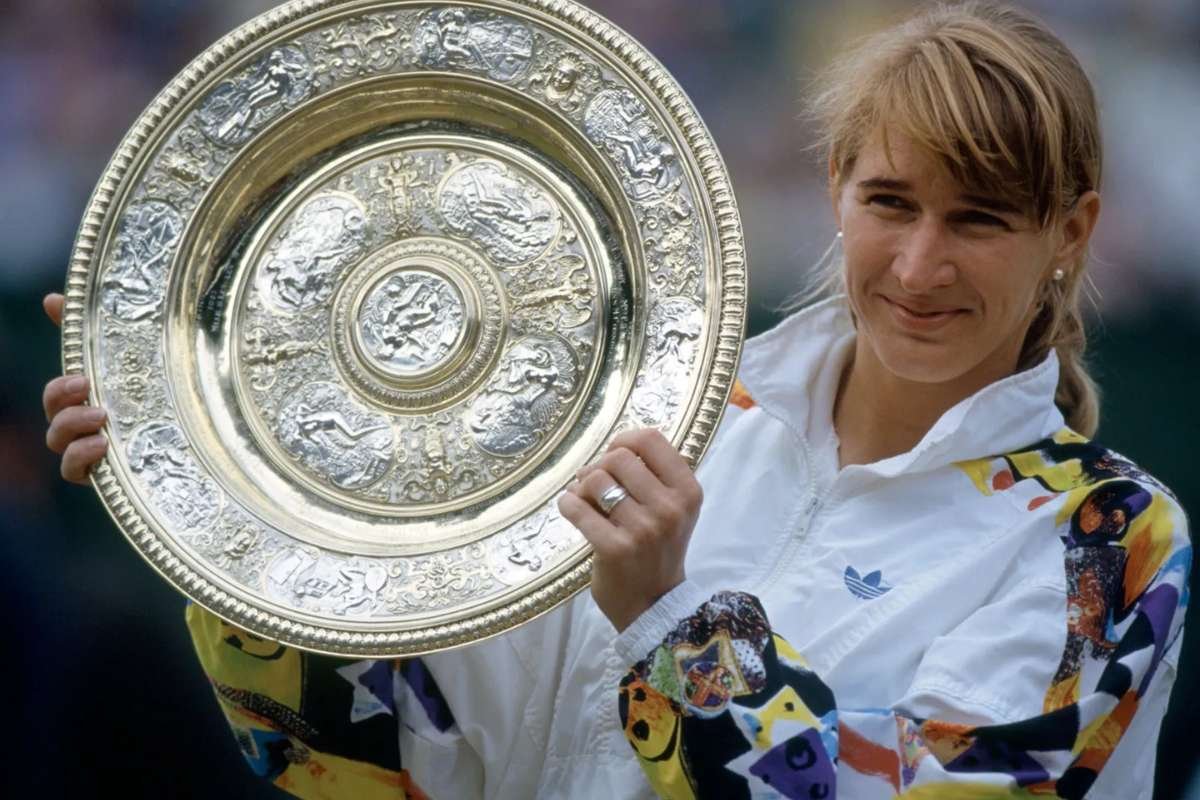
Estimated Net Worth: ~$145 million
Steffi Graf built her financial legacy by focusing on long-term stability rather than quick wins. Instead of chasing short-term trends, she invested her earnings into real estate, wellness technology, and education businesses. Her career shows that lasting wealth often comes from being disciplined and keeping a variety of different assets in a portfolio.
4. Venus Williams

Estimated Net Worth: ~$95 million
As one of the richest female athletes, Venus Williams stands out as a true entrepreneur. She successfully runs both her interior design firm, V Starr, and her activewear brand, EleVen.
Balancing these successful ventures while still competing at a high level provides a perfect blueprint for how modern stars can thrive as business owners.
5. Danica Patrick

Estimated Net Worth: ~$80 million
As a racing pioneer, Danica Patrick earned some of the most profitable sponsorship deals in the history of motorsports.
She successfully used her fame to move into the wine business by launching her own brand, Somnium. Her career proves how the richest female athletes can turn success in a specific sport into much larger business opportunities in the mainstream market.
6. Naomi Osaka
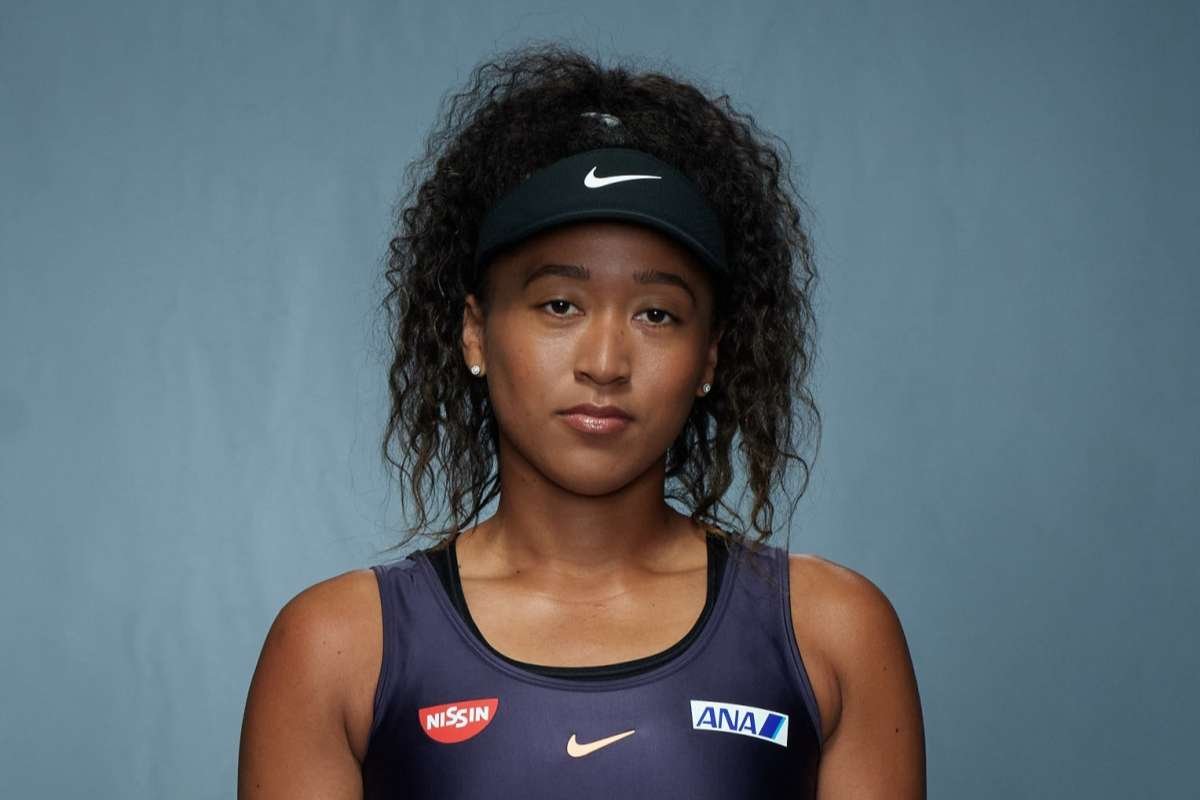
Estimated Net Worth: ~$60 million
Naomi Osaka approaches her career with the mindset of a CEO. Instead of just working as a spokesperson for other brands, she focuses on owning her own media and sports agencies to keep the value she creates.
By building and controlling her own platforms, she is proving that the best way for modern athletes to reach the highest level of financial success is to become owners rather than just promoters.
7. Anna Kournikova
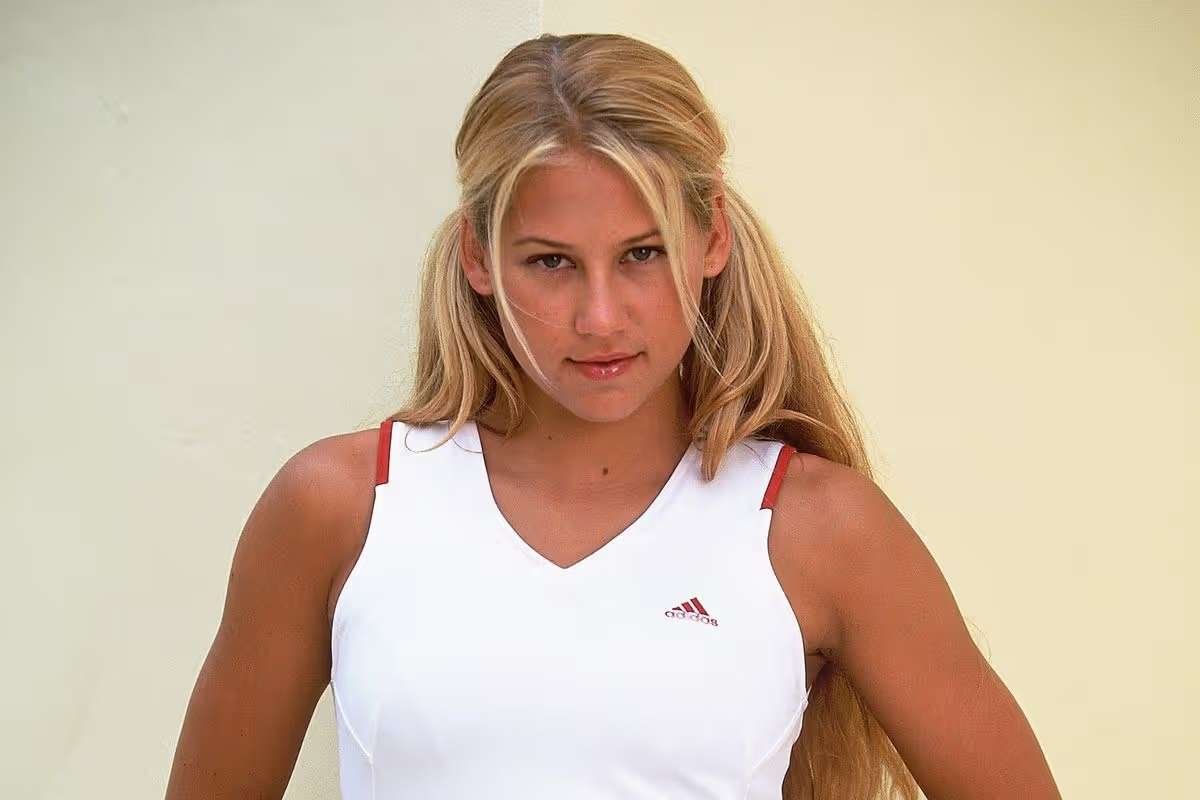
Estimated Net Worth: ~$60 million
Anna Kournikova is a perfect example of how to turn fame into wealth early in a career. She built her fortune by dominating the world of endorsements and managing her assets well over time. She proved that you do not need to win every major tournament to become a household name and earn a high income.
8. Eileen Gu

Estimated Net Worth: ~$50 million
Gu dominates the winter sports market with an influence that spans luxury fashion and tech. Her partnership portfolio includes major global houses like Louis Vuitton and IWC, showing how young athletes can access high-tier wealth early by appealing to global markets.
9. Simone Biles
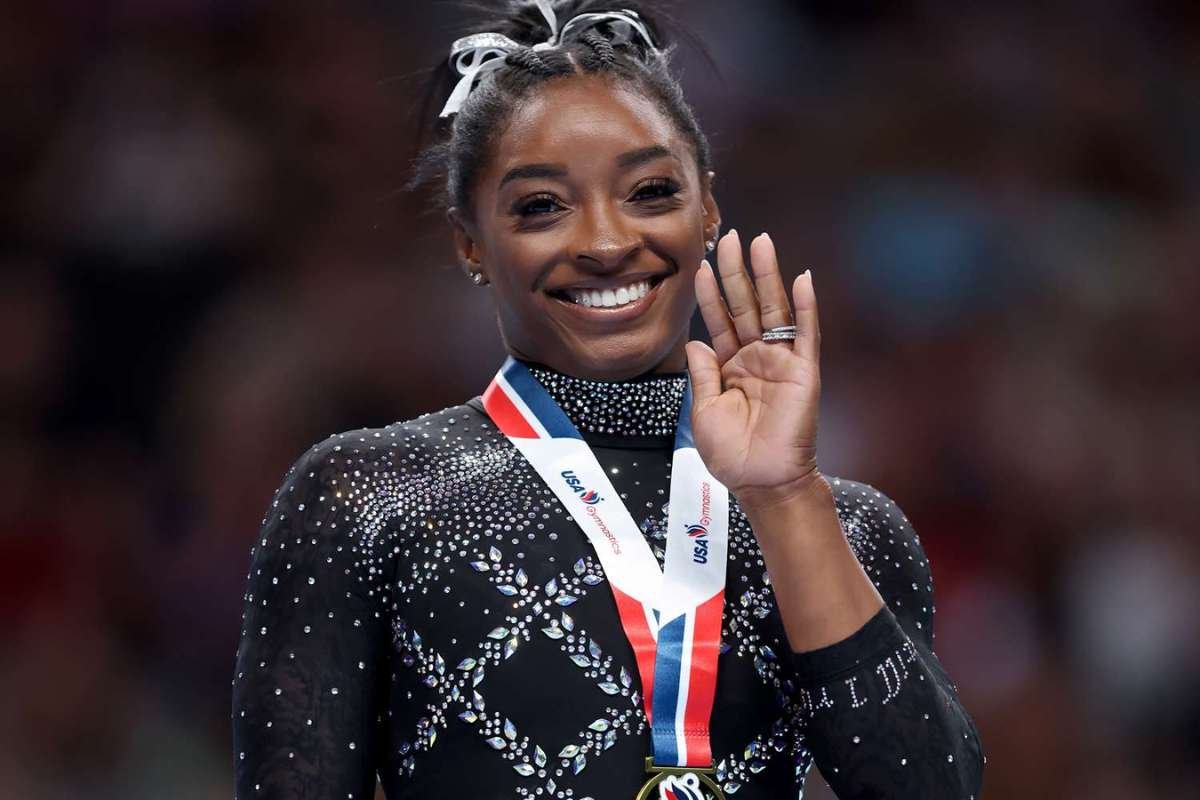
Estimated Net Worth: ~$25 million
Simone Biles has built a strong fortune by choosing partnerships that match her personal values, particularly in the areas of health and technology. She has focused on stable investments like real estate and business initiatives related to athletic training to keep her income secure. Her success shows how using authentic, personal stories can help athletes attract high-quality, long-term brand deals.
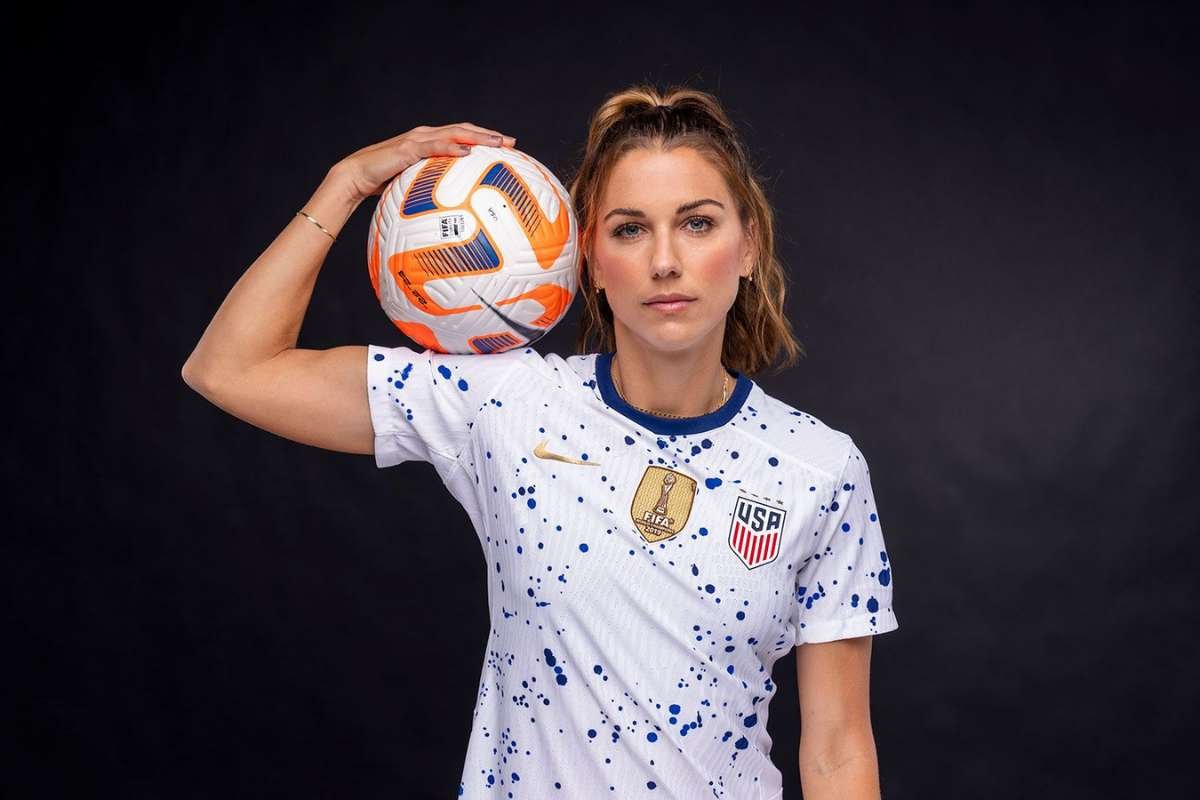
10. Alex Morgan
Estimated Net Worth: ~$3 million
Alex Morgan has built a lasting career by focusing on business and media rather than just playing sports. Since her retirement, she has moved into leadership roles as a co-founder of the media company Togethxr and the venture capital firm Trybe Ventures.
By investing in areas like sports tech, health tech, and women’s sports teams, including becoming a minority owner of her former club, San Diego Wave FC, she has created a strong financial future. Her work shows how athletes can use their platform and deep industry knowledge to stay influential and successful long after they leave the field.
How Do The Richest Female Athletes Actually Build Their Wealth?
The most common mistake people make is assuming that prize money is the main source of income. For top-tier female athletes, the reality is closer to a 90/10 split; about 90% of their annual earnings come from off-court activities, while their competition winnings often account for just 10%.
Modern athletes prioritize:
- Long-term Equity: Instead of taking a one-time payment to wear a logo, top athletes now negotiate for equity stakes in brands. This means they own a piece of the company, giving them a share of the profit for years rather than just a flat fee.
- The Trust Economy: Brands target female athletes because they often see higher engagement per dollar spent. Fans trust the personal narrative and consistency that these athletes build on social media, which makes them highly effective partners.
- Diversification: Wealthy athletes do not rely on one contract. They build portfolios across different industries like real estate, wellness, and tech to ensure their income stays steady even if they retire or face an injury.
How Do The Richest Female Athletes Use the Athlete-CEO Model?
The days of athletes just posing in ads are ending for female athletes. Now, these stars act as business owners and CEOs.
Instead of just signing deals to promote products, stars like Serena Williams and Naomi Osaka start their own companies. They open venture capital firms and media agencies to build their own empires. Owning a media company lets them tell their own stories.
They no longer wait for news outlets to cover them. They also act like investors. They use the hard work and focus they learned in sports to put money into new businesses. This approach helps them build wealth that lasts long after their playing days end.
Conclusion:
The richest female athletes prove that winning on the field is only the start. They have turned their fame into powerful business empires, showing that real wealth comes from ownership and smart investing. These champions are changing the game, both in their sports and in the boardroom.
Frequently Asked Questions (FAQs)
Q: Is prize money the main source of income for these athletes?
A: Rarely. For top-tier athletes, prize money is often the base income. The majority of their wealth comes from equity in businesses, endorsements, appearance fees, and personal brand investments.
Q: How can I, as a non-athlete, apply these wealth-building principles?
A: Treat your personal brand like a business. Identify your unique value proposition, diversify your income streams, and look for opportunities to own equity rather than just trading time for money.
Q: Is it better for wealth building to play an individual or team sport?
Individual sports often offer more financial freedom because there is no league-mandated salary cap. In team sports, earnings are often tied to league contracts and revenue-sharing rules. Individual stars have more control over their personal brand and can negotiate bigger, independent endorsement deals.
Sources:
https://en.wikipedia.org/wiki/Ronda_Rousey
https://www.instagram.com/reel/C7EF_MDJM9C/
https://en.wikipedia.org/wiki/Lindsey_Vonn
https://www.britannica.com/biography/Alex-Morgan