
Key Takeaways
- Six-Year Electricity Rate Freeze Proposed to Protect Consumers
- Stronger Accountability and Data Centre Cost Protections
- Dominion–NextEra Merger Faces Regulatory Challenges
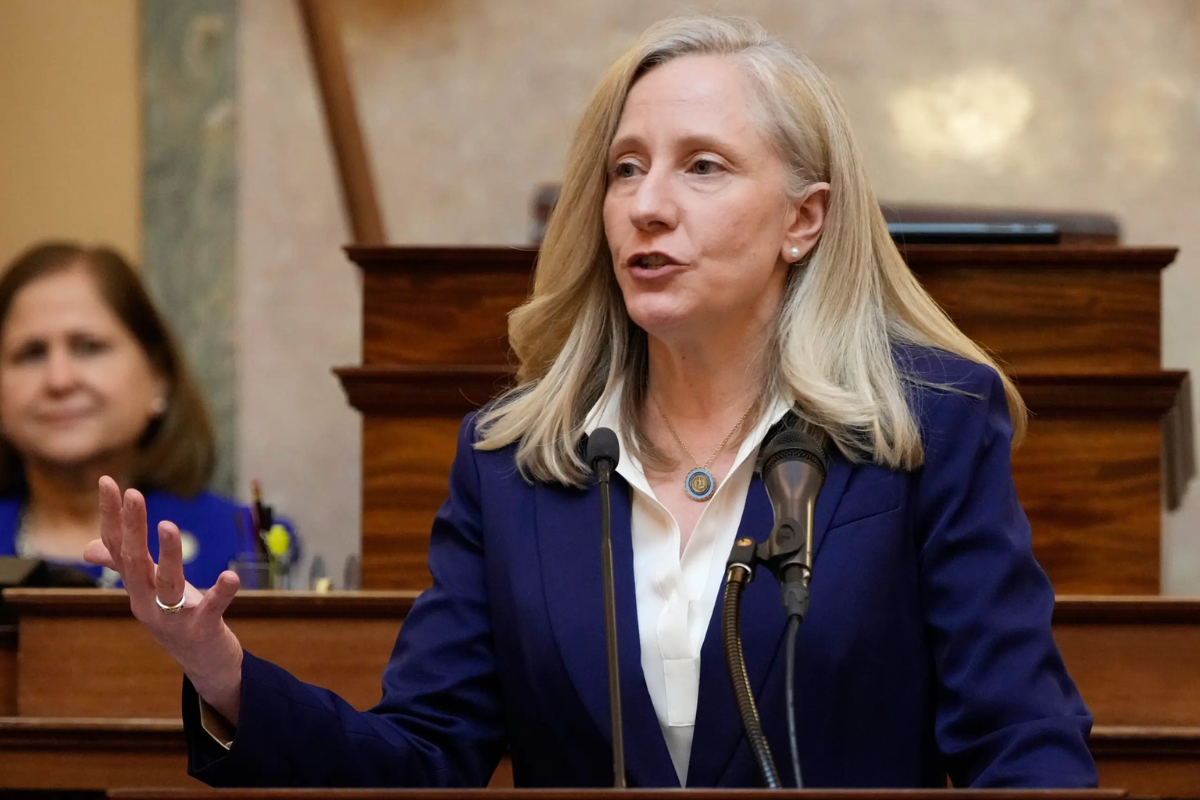
Virginia Governor Abigail Spanberger has proposed a Virginia electricity rate freeze lasting six years as a condition for approving the proposed $67 billion merger between Dominion Energy and NextEra Energy.. The proposal aims to protect households from rising electricity costs and ensure the merger delivers measurable benefits to consumers statewide.
On October 19, 2026, Spanberger submitted expert testimony to the Virginia State Corporation Commission (SCC), urging regulators to require stronger consumer protections before approving the transaction. Her demands include freezing residential base rates, tripling monthly bill credits for customers, and introducing enforceable commitments to improve energy affordability.
The proposed merger, announced in May 2026, would combine Richmond-based Dominion Energy with Florida-based NextEra Energy, creating one of the world’s largest regulated electric utility businesses. The companies have presented the transaction as an opportunity to generate long-term economic and operational benefits.
However, Spanberger has argued that the proposed commitments do not go far enough to protect Virginia residents from higher electricity bills. She has emphasised that any merger involving a major utility serving the state must prioritise consumers, workers and local communities.
Expanded bill credits and additional consumer safeguards proposed
The proposed Virginia electricity rate freeze would provide residential customers with greater price stability while expanding financial relief through increased monthly bill credits.
Alongside the proposed rate freeze, Spanberger has called for increased financial relief for residential electricity customers. Under her proposal, monthly bill credits would rise to approximately $29 for four years, tripling the customer benefits outlined in the existing merger proposal.
The proposed freeze would apply to increases in residential base rates while allowing rates to decline if circumstances support reductions. This approach is intended to provide greater price stability without preventing customers from benefiting from lower rates.
Spanberger has also proposed changes to Dominion Energy’s financial structure that could help reduce costs for customers. Her administration has called for increasing the share of debt in the utility’s capital structure from 48% to 60%, potentially lowering financing costs and improving affordability.
Another major concern is the rapid expansion of data centres throughout Virginia. These facilities consume substantial amounts of electricity and require significant investment in power generation and transmission infrastructure. Spanberger wants stronger safeguards to ensure residential customers do not disproportionately bear costs associated with meeting the growing energy needs of large commercial users.
Her proposals also include strengthening protections against electricity disconnections and expanding investments in energy efficiency and locally generated clean energy. She has called for removing the existing cap on rooftop solar programmes, giving customers greater opportunities to generate their own electricity.
The governor has stressed that commitments made by Dominion Energy and NextEra Energy must be legally enforceable. Regulators, she argues, should have the authority to hold the companies accountable if they fail to deliver the promised consumer benefits.
Regulatory review places electricity affordability at the centre
The proposed merger remains subject to regulatory scrutiny, with electricity affordability and consumer protection emerging as central issues in the approval process. Spanberger formally intervened in the State Corporation Commission’s proceedings in August 2026, allowing her administration to present evidence and advocate for conditions designed to protect residential customers and the state’s utility workforce.
The Virginia electricity rate freeze is a central part of Spanberger’s effort to make consumer affordability a priority in the merger approval process.
Spanberger has maintained that the merger should proceed only if the companies demonstrate clear, long-term benefits for Virginia. Her administration has also highlighted the importance of preserving local jobs and supporting a reliable, affordable energy system as electricity demand continues to grow.
The companies have outlined billions of dollars in proposed customer and community benefits. However, the governor believes stronger guarantees are necessary to ensure that the transaction serves the public interest rather than primarily advancing corporate growth.
The outcome could significantly affect Virginia’s electricity customers, especially as infrastructure investment, data-centre development, and rising power demand put additional pressure on the state’s energy system. The proposed merger could reshape the utility sector, making consumer protection a key consideration for regulators.
The State Corporation Commission must weigh the potential advantages of the transaction against the need to prevent unnecessary cost increases for households. Spanberger’s proposed six-year rate freeze, expanded bill credits and additional financial safeguards have raised the stakes for both companies as they seek regulatory approval.
Ultimately, the decision will determine whether the merger can deliver its promised benefits while protecting households from rising electricity costs. The proposed Virginia electricity rate freeze, expanded bill credits, and additional safeguards could play a significant role in making electricity more affordable and reliable for Virginia residents.