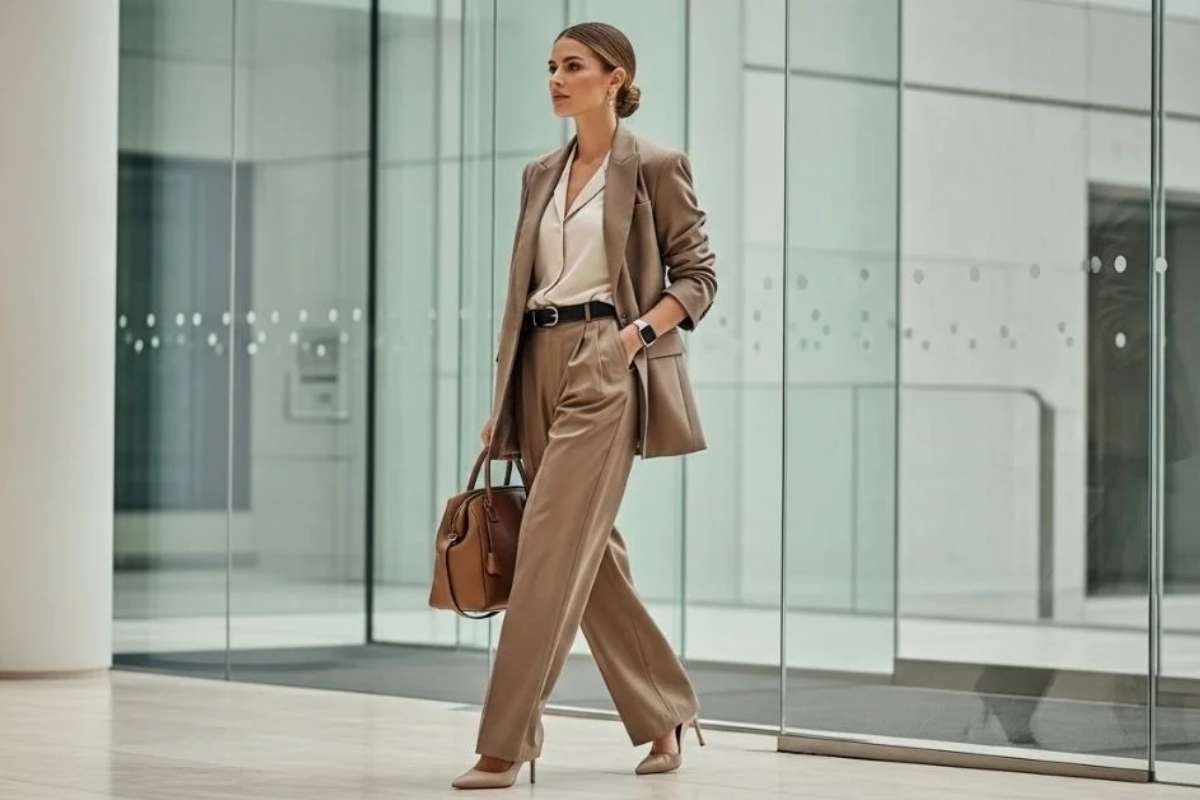
You don’t realize how much pressure clothing carries until you’re standing in front of your wardrobe on a workday morning, half-dressed, already tired.
Not tired from work, but tired from deciding.
Too formal feels out of touch. Too casual feels careless. And somewhere between those two lives, the question most professionals are quietly asking: what does business casual attire mean in 2026, really?
This isn’t about fashion trends. It’s about belonging. About walking into a room or logging into a meeting, without second-guessing yourself. About knowing that what you’re wearing won’t distract, undermine, or misrepresent you before you even speak.
Work has changed faster than the language we use to describe it. Offices became optional, titles became fluid, and “dress codes” quietly disappeared, without being replaced by clear rules. What remains is interpretation. And interpretation, when it comes to professional appearance, can feel risky.
This guide exists for that exact moment of uncertainty. Not to tell you what’s “in,” but to help you understand how business casual functions in real life in 2026, across industries, body types, seniority levels, and work environments. Because getting dressed for work shouldn’t feel like a test you’re afraid of failing.
The Evolution of Professional Presence
The definition of professional dress is undergoing a “Great Reset”. According to the McKinsey State of Fashion 2026 report, value-conscious consumers now prioritize longevity and “Quiet Luxury 2.0” over flashy logos. This shift mirrors broader employment trends; a BizJournals survey shows that mentions of “business casual” in job postings dropped from 41% in 2019 to under 20% today, as 54% of employers embrace even more relaxed codes.
Furthermore, data from Owl Labs indicates that 72% of workers crave flexible dress codes, with nearly a quarter of employees willing to swap a portion of their pay for total casual freedom. Understanding What Does Business Casual Attire Mean in 2026 requires more than a shopping list; it requires a blend of psychological awareness and a keen eye for modern textiles.
The Psychology of “Enclothed Cognition”
Fashion psychology proves that our clothing choices directly impact our cognitive processes; a phenomenon called “enclothed cognition”. Research by psychologists Hajo Adam and Adam Galinsky demonstrates that wearing a structured garment, such as a blazer, physically changes your brain’s performance, allowing you to process complex tasks with more focus.
However, in 2026, the authority no longer requires a tie. Dr. Tracy Brower, writing for Forbes, emphasizes that dressing for success is about “meeting the moment”. This means your outfit must adapt to your medium, whether you appear on a 4K webcam or lead an in-person workshop. Choosing the right fabrics and fits increases your self-efficacy, making you more likely to negotiate higher salaries and lead teams effectively. To master What Does Business Casual Attire Mean in 2026, you must view your clothes as a high-performance tool rather than a chore.
What Does Business Casual Attire Mean (for Men): The Definitive List of 8 Essentials
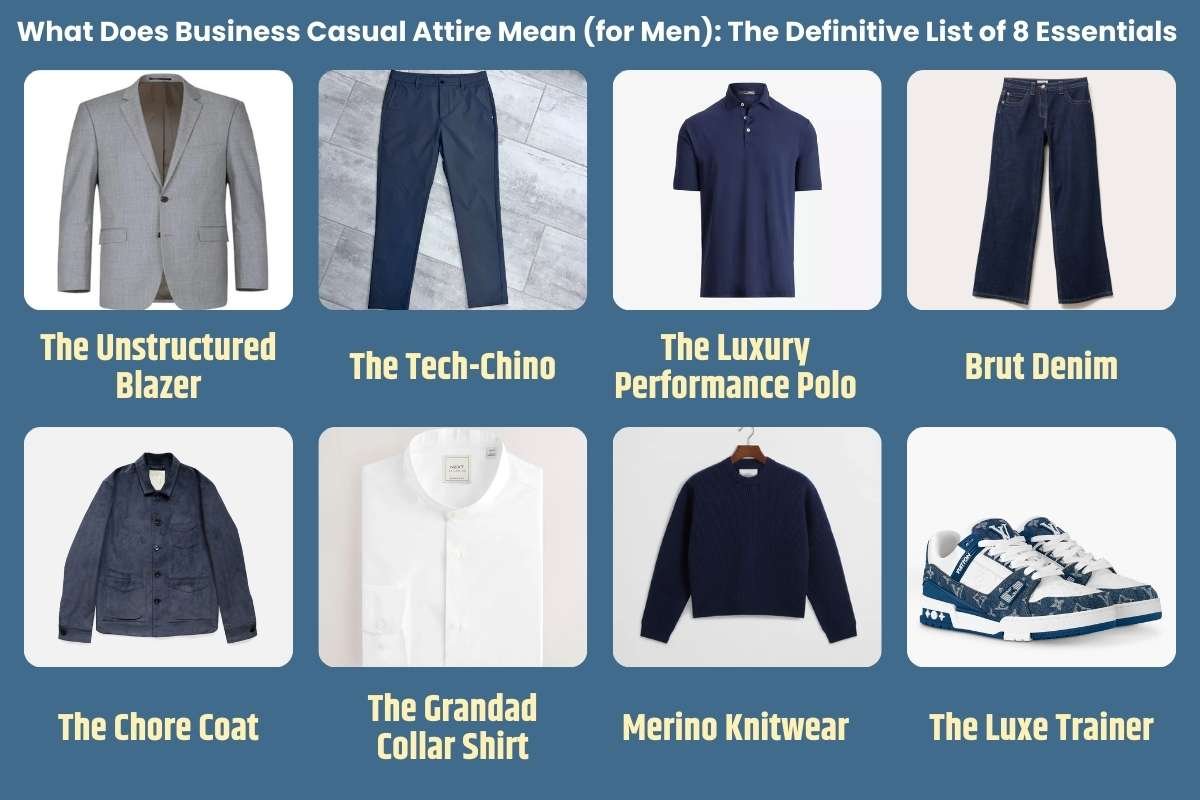
The modern man’s wardrobe has shifted away from the “uniform” toward “versatile separates”. We no longer buy suits; we buy pieces that play well together. Here is the core of What Does Business Casual Attire Mean in 2026 for men:
- The Unstructured Blazer: Ditch the heavy padding and internal lining of the past. The 2026 blazer is lightweight, breathable, and often unlined, providing the “frame” of a suit with the comfort of a cardigan. Look for navy or forest green wool-linen blends that move with your body.
- The Tech-Chino: Forget the baggy khakis of the 90s. Modern chinos feature 2–3% elastane for integrated stretch but retain a matte, professional finish. Ensure your hem creates a “clean no-break” on your shoe for a sharp, contemporary look.
- The Luxury Performance Polo: A knitted silk or merino wool polo has officially replaced the button-down shirt as the daily standard. It offers a collar for structure but provides the comfort of a t-shirt.
- Brut Denim: Raw, dark-wash denim with zero distressing is now acceptable in most offices. Ensure they feature a straight-leg cut; “skinny” jeans are officially a relic of the past.
- The Chore Coat: Particularly for creative or tech industries, a high-quality cotton drill chore coat acts as a “casual blazer”. It signals a sophisticated “get-to-work” attitude.
- The Grandad Collar Shirt: Also known as the mandarin collar, this shirt offers a clean, modern neckline that looks excellent under a sweater or blazer without the fuss of a traditional collar.
- Merino Knitwear: A fine-gauge crewneck or cardigan in charcoal or camel is the ultimate layering tool. It provides warmth without the bulk of a heavy coat.
- The Luxe Trainer: Clean, white, or neutral leather sneakers are the “power shoe” of 2026. They must remain pristine; scuffed sneakers immediately disqualify an outfit from being business casual.
Business Casual Outfit Examples for Men in 2026
- The “Tech Leader”: A navy unstructured blazer, a white performance polo, dark grey tech-chinos, and brown leather loafers.
- The “Creative Director”: A forest green chore coat, a light blue grandad collar shirt, brut denim, and white luxe sneakers.
- The “Hybrid Executive”: A camel merino crewneck over a crisp white button-down (no tie), charcoal slacks, and suede Chelsea boots.
- The “Finance Hybrid”: A striped polo, olive trousers, an unstructured wool jacket, and leather derbies.
Read More: Top 10 Essential Strategies for Business Etiquette for Women in 2026 (What No One Teaches You)
What Does Business Casual Attire Mean (for Women)? The Definitive List of 8 Essentials
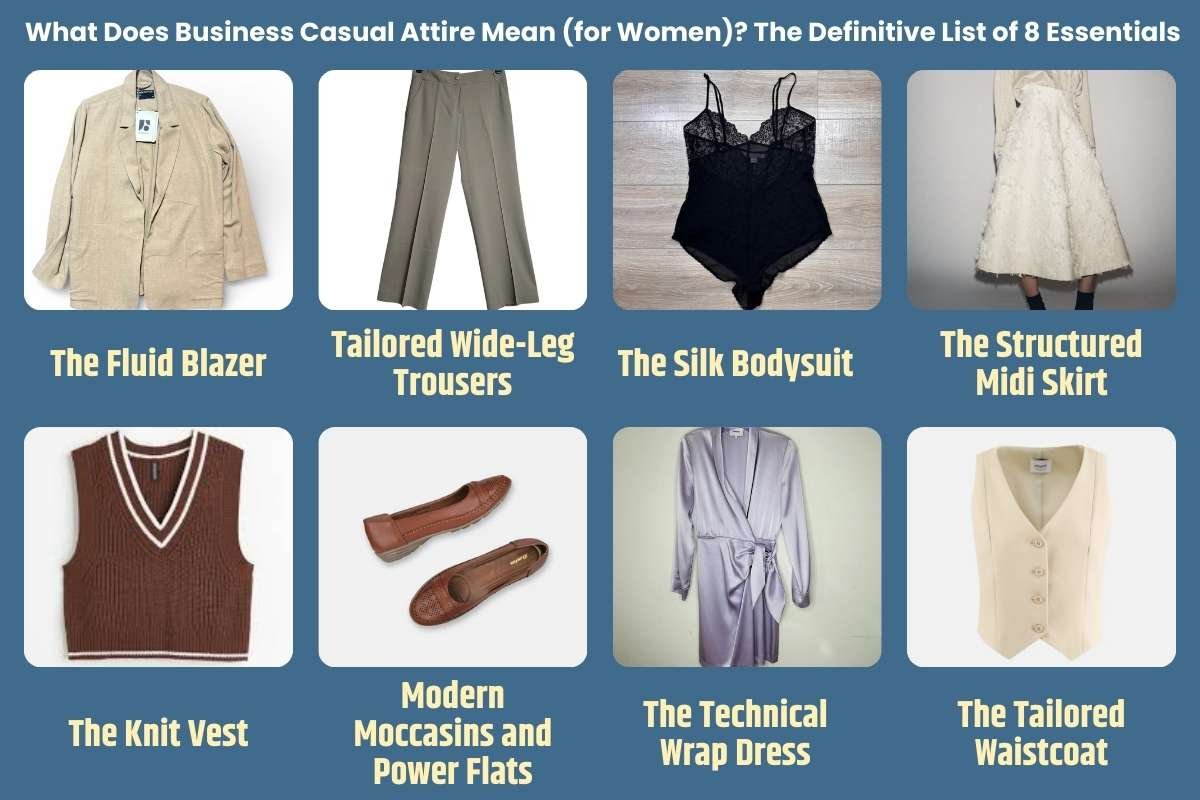
For women, the 2026 standard emphasizes “fluid structure,” garments that move with you but retain a sharp edge. Mastering What Does Business Casual Attire Mean in 2026 involves mixing textures and proportions.
1. The Fluid Blazer:
Silhouettes have widened from the fitted styles of the previous decade. An oversized or “boyfriend” blazer in a muted tone like sage or vanilla yellow adds instant authority to any base layer.
2. Tailored Wide-Leg Trousers:
High-waisted, wide-leg pants in Tencel or lightweight wool create a striking, professional silhouette that is incredibly comfortable for 8-hour days. These pair perfectly with tucked-in silk blouses.
3. The Silk Bodysuit:
To maintain a “crisp” look all day, the bodysuit is king. It ensures your top stays perfectly tucked, providing a clean line that regular blouses cannot match.
4. The Structured Midi Skirt:
Satin or pleated midi skirts in “alternative animal prints,” such as zebra stripes, are trending for 2026. They balance personal flair with professional length.
5. The Knit Vest:
A sleeveless knitted vest over a white shirt is a hallmark of “Poetcore,” a top trend identified by Printful’s 2026 Forecast. It is cozy yet intellectually sharp.
6. Modern Moccasins and Power Flats:
Sleek, low-profile loafers, moccasins, or pointed-toe flats have largely replaced the high heel in the office. They suggest mobility and a grounded professional presence.
7. The Technical Wrap Dress:
Wrap dresses in wrinkle-resistant, moisture-wicking fabrics are the “one-and-done” solution for busy professionals.
8. The Tailored Waistcoat:
Wearing a vest as a top, paired with matching trousers, creates a “three-piece suit” vibe that feels both fresh and feminine.
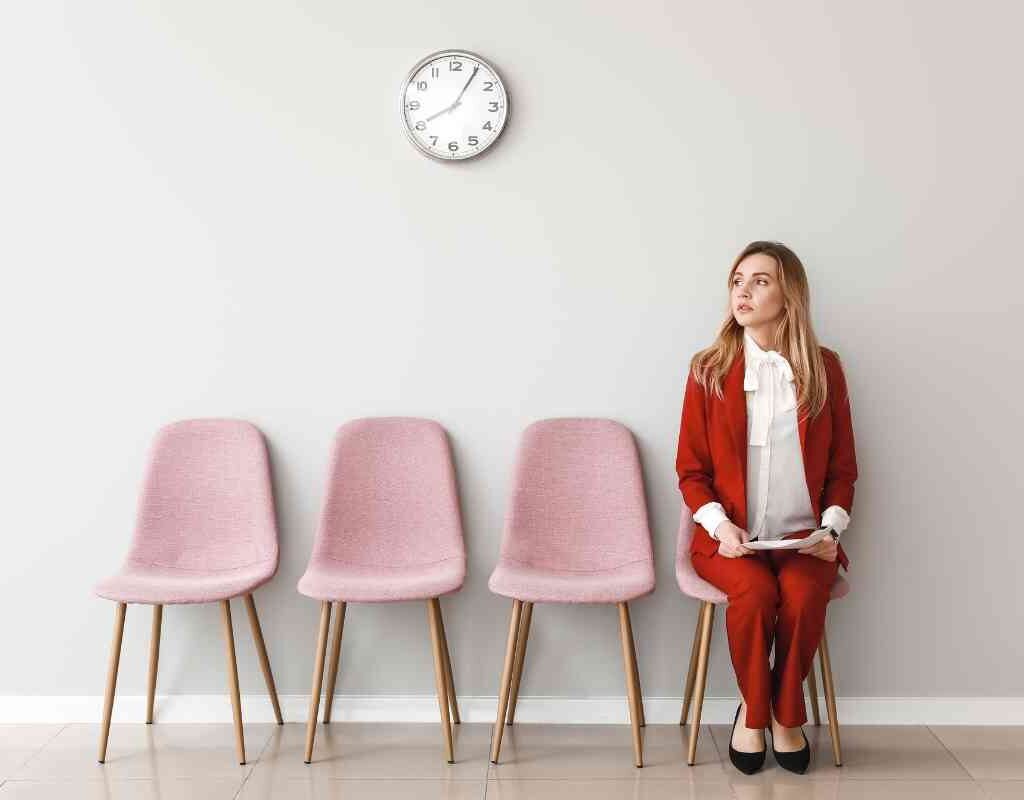
Top 10 Interview Attire for Females: What to Wear for a Successful Interview
If you’re a female, looking to clear the interview and confirm your chances of selection. Here are some of the interview attire for females that can help you, check them out!
Business Casual Trends for Women 2026
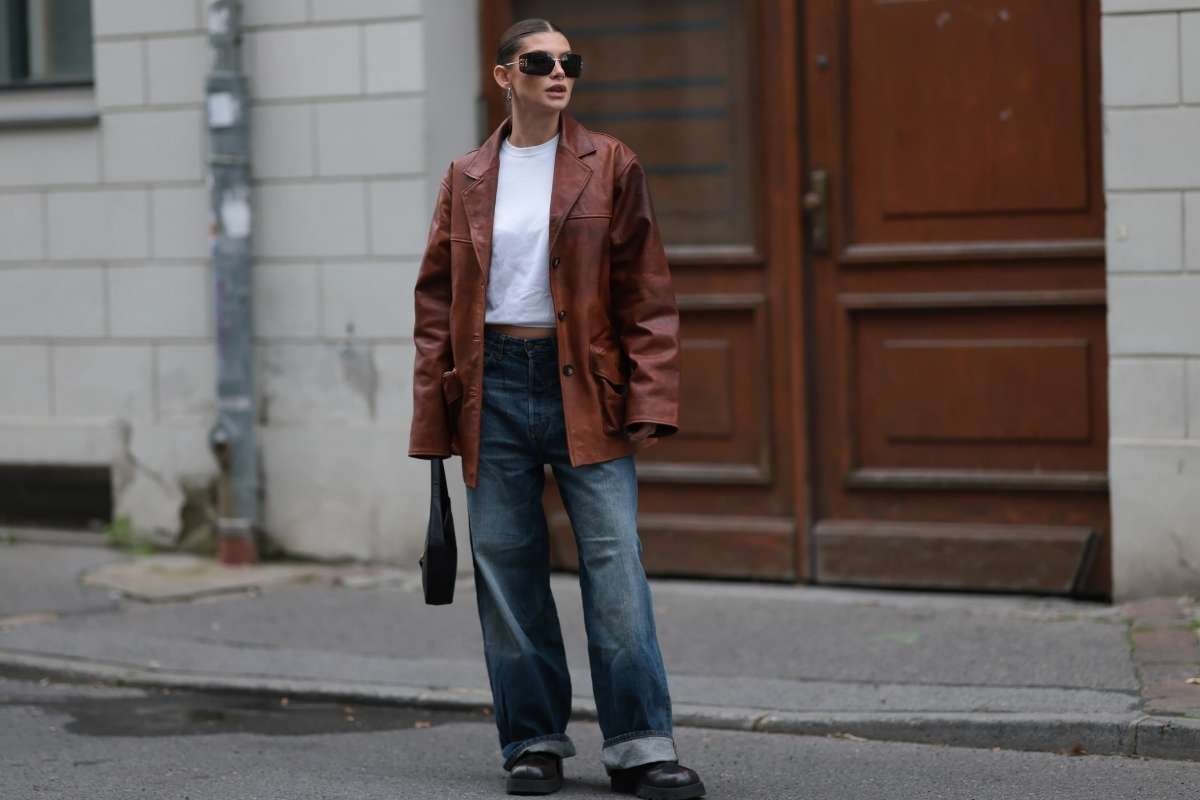
- Breakout Neutrals: “Vanilla Yellow” and “Popcorn Yellow” are the colors of the year, projected to grow by 22% in the US and EU markets.
- Brut Denim Sets: Matching raw denim jackets and fitted trousers are a “city-chic” staple for casual Fridays.
- Quiet Luxury 2.0: A focus on “Cloud Dancer” (a soft, milky white) and premium-feel garments that lack obvious branding.
- Media Pro Chic: A cream blouse paired with taupe wide-leg trousers, ballet flats, and gold hoops is a top pick for 2026 media professionals.
The Accessories Architecture
Accessories often determine what business casual attire means in 2026 within your specific office culture, acting as the “volume knob” for your overall look.
Men’s Accessories Guide
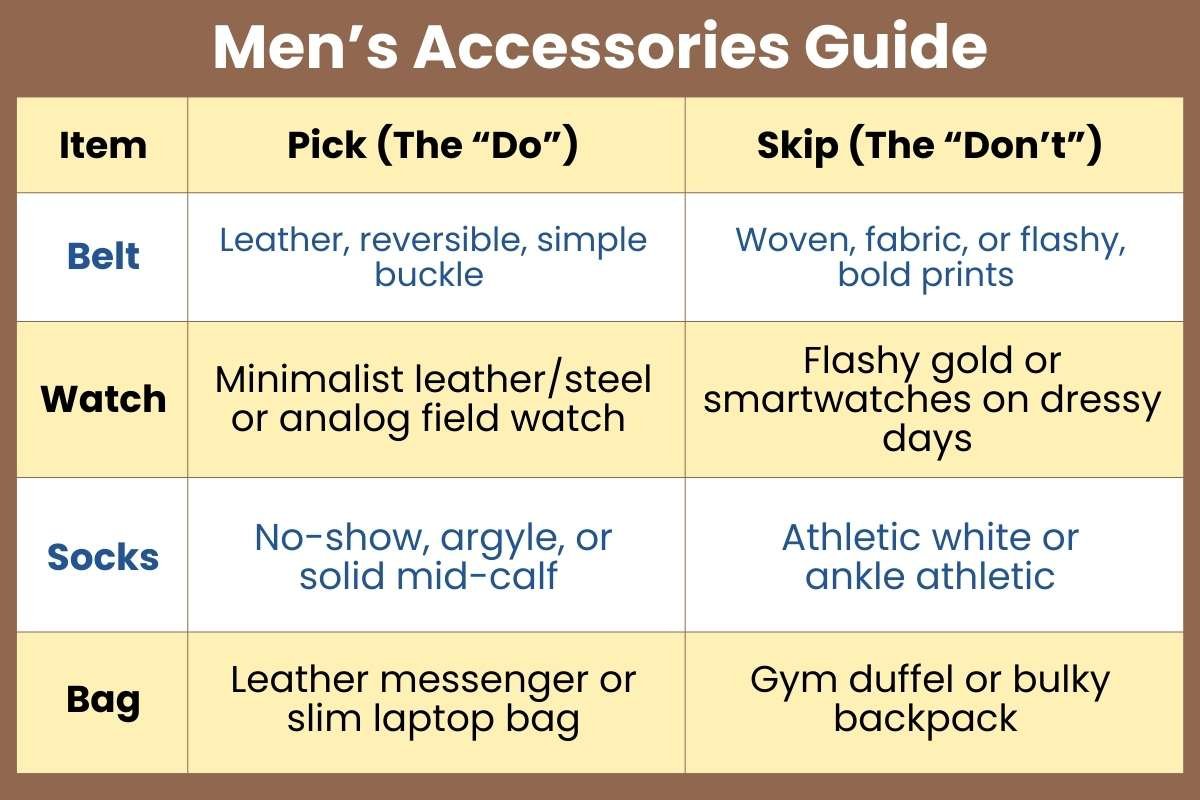
| Item | Pick (The “Do”) | Skip (The “Don’t”) |
| Belt | Leather, reversible, simple buckle | Woven, fabric, or flashy, bold prints |
| Watch | Minimalist leather/steel or analog field watch | Flashy gold or smartwatches on dressy days |
| Socks | No-show, argyle, or solid mid-calf | Athletic white or ankle athletic |
| Bag | Leather messenger or slim laptop bag | Gym duffel or bulky backpack |
Women’s Accessories Guide
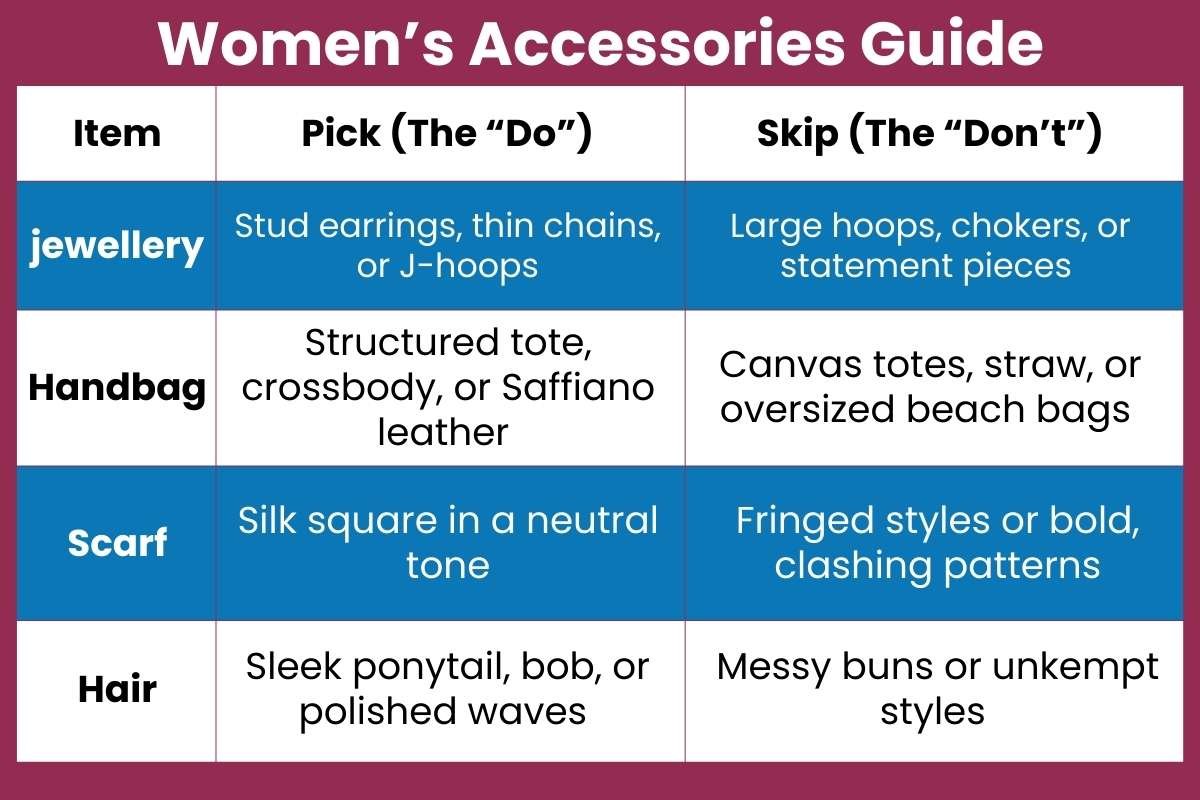
| Item | Pick (The “Do”) | Skip (The “Don’t”) |
| Jewelry | Stud earrings, thin chains, or J-hoops | Large hoops, chokers, or statement pieces |
| Handbag | Structured tote, crossbody, or Saffiano leather | Canvas totes, straw, or oversized beach bags |
| Scarf | Silk square in a neutral tone | Fringed styles or bold, clashing patterns |
| Hair | Sleek ponytail, bob, or polished waves | Messy buns or unkempt styles |
The Smartwatch Transition: Swap your rubber gym strap for a leather or metal link band to elevate this tech tool into professional jewelry.
The Work-Life Tote: A structured leather bag that fits a 14-inch laptop is essential; avoid backpacks unless you work in a high-tech startup environment.
How Business Casual Varies by Industry in 2026?

The industry context fundamentally changes the answer to What Does Business Casual Attire Mean in 2026.
- Finance & Legal: Here, “Casual” still leans toward “Business”. A blazer is often mandatory. Men should stick to chinos and oxfords, while women should prioritize tailored trousers and blouses. Jeans remain rare except on specific “Casual Fridays”.
- Tech & Startups: “Business” leans heavily toward “Casual”. A clean t-shirt or hoodie under a sharp blazer is the gold standard. High-end leather sneakers are expected. The goal is to look like you can code and close a Series B round in the same afternoon.
- Creative & Marketing: This is the space to experiment with trends like “Poetcore,” bold prints, or “Country-inspired” silhouettes. Texture (corduroy, silk, lace) plays a significantly larger role here than in other sectors.
- Education & Healthcare (Admin): Durability meets polish. Think washable wools, comfortable loafers, and “smart” cardigans that can withstand high-activity environments. Healthcare often utilizes “scrub-alternatives” like polos and chinos.
Common Mistakes to Avoid
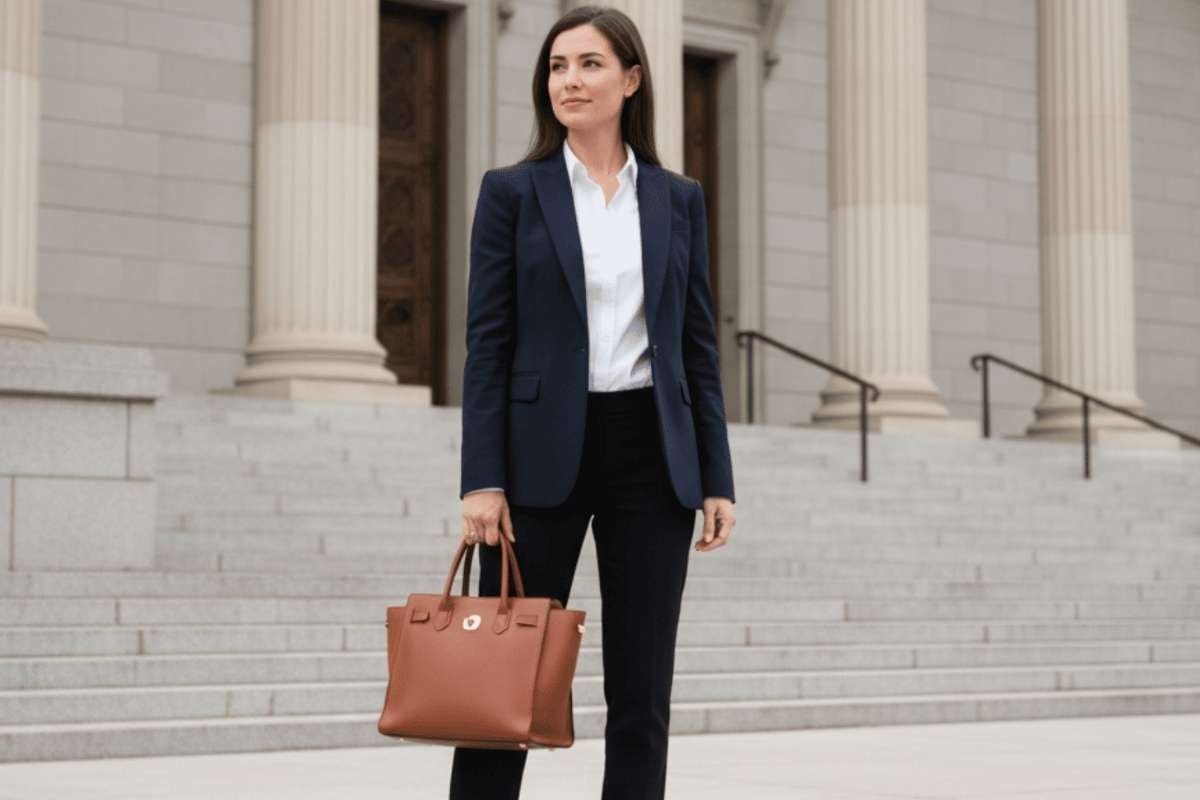
Even with a relaxed code, certain choices remain professional “no-gos.” To respect the spirit of What Does Business Casual Attire Mean in 2026, avoid these pitfalls:
- The “Gym-to-Desk” Trap: Leggings are not trousers, and hoodies are not blazers. Unless you work in the fitness industry, keep athletic wear at the gym.
- Wrinkled Reality: In a casual world, neatness is your primary differentiator. A wrinkled linen shirt looks like you just rolled out of bed. Using a handheld steamer takes two minutes and can triple your perceived value.
- Distracting Logos: Large status logos feel dated. High-level professionals favor “stealth wealth”—quality fabrics and perfect fits that do not need to scream a brand name.
- Inappropriate Footwear: Flip-flops and “beat-up” gym shoes destroy an outfit’s credibility. If your shoes are dirty, your entire professional image is dirty.
- The “Zoom-Bottoms ”Gamble: If you wear a blazer with pajama bottoms for a video call, you are one accidental “stand-up” away from a career-altering mistake. Always dress your lower half.
- Sloppiness in Reviews: A Connecteam survey reveals that 65% of managers note “sloppy fits” in professional reviews, which can negatively impact career progression.
The 2026 Business Casual Cheat Sheet
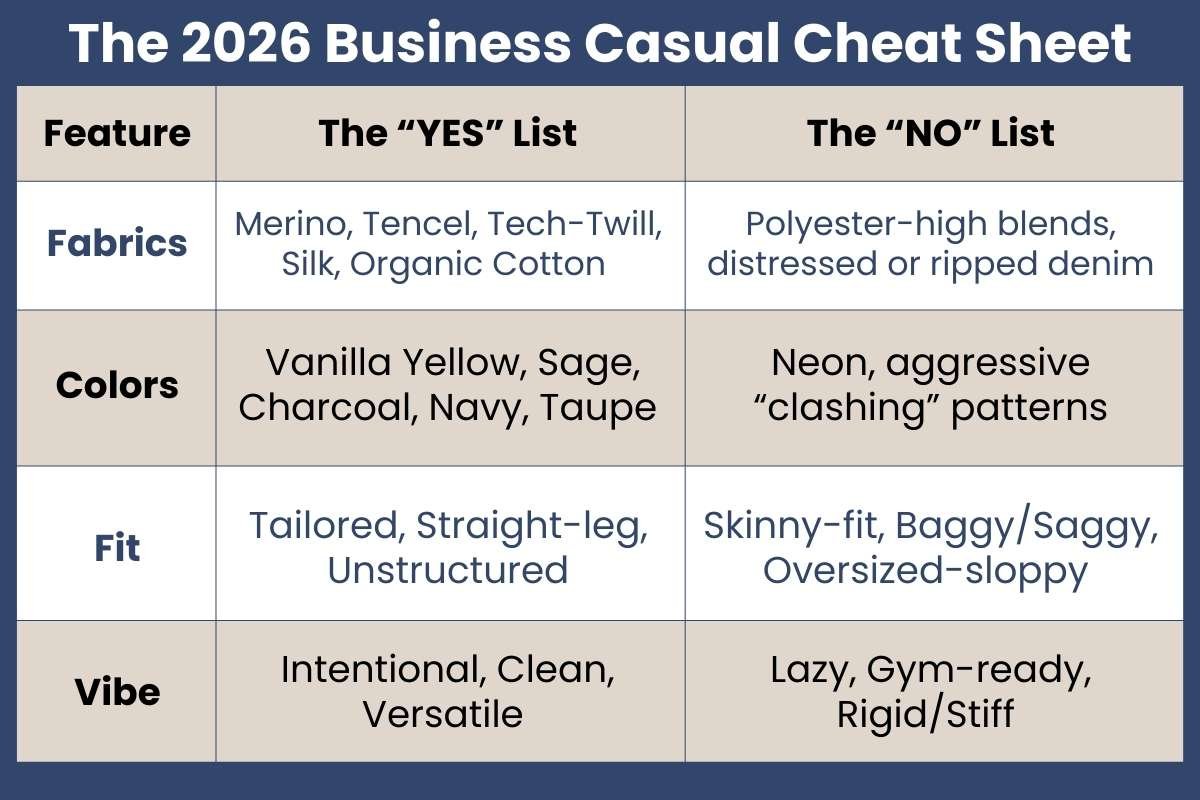
| Feature | The “NO ”List | The “NO” List |
| Fabrics | Merino, Tencel, Tech-Twill, Silk, Organic Cotton | Polyester-high blends, distressed or ripped denim |
| Colors | Vanilla Yellow, Sage, Charcoal, Navy, Taupe | Neon, aggressive “clashing” patterns |
| Fit | Tailored, Straight-leg, Unstructured | Skinny-fit, Baggy/Saggy, Oversized-sloppy |
| Vibe | Intentional, Clean, Versatile | Lazy, Gym-ready, Rigid/Stiff |
Conclusion:
That moment in front of the mirror doesn’t have to feel heavy.
When you understand What Does Business Casual Attire Mean in 2026, something subtle but important happens: you stop negotiating with your clothes. You stop wondering whether you look “right” and start trusting that you do. Your outfit fades into the background, exactly where it belongs, and your attention moves to the work, the conversation, the ideas you’re bringing into the room.
Business casual today isn’t about impressing people. It’s about not giving them a reason to doubt you. It’s about signaling care, self-awareness, and respect, for yourself and for the space you’re in. The goal isn’t to look fashionable or relaxed or powerful. The goal is to look intentional.
In a working world with fewer rules and more visibility, what you wear becomes one of the few things you can fully control. And when that choice feels aligned, comfortable, thoughtful, and appropriate, you don’t just show up better.
You show up steadier.
And that steadiness is what people remember.
Frequently Asked Questions
1. Is a tie ever required for business casual?
In 2026, a tie is almost never required for a business casual code. If you desire that level of formality, opt for a knit tie, which feels less “stiff” than silk.
2. Are “Dress Sneakers” really okay now?
Yes, but they must be leather (not mesh), neutral in color (white, black, navy, or tan), and spotlessly clean. They function as a “modern loafer”.
3. How do I handle “Casual Friday”?
“Casual Friday” allows for more “brut denim” and perhaps a high-quality graphic tee under a blazer. However, remember the “1-level rule”: Always dress at least one level above “complete leisure”.
4. How should I dress for an interview?
The rules for What Does Business Casual Attire Mean in 2026 get stricter for interviews. Always dress one level above the current team. If the office wears t-shirts and jeans, you wear a polo and chinos; if they wear chinos, you wear a blazer.
Reference Articles :
- Monster.com: Workplace Dress Code Polls
- Hockerty: Custom Tailoring for Men
- Sumissura: Made-to-Measure Women’s Business Wear
- IMANA: Modern Co-Ord Sets for Professionals
Thank You For Reading!
See More
Elevate Your WFH Wardrobe: 15 Stylish WFH Outfit Inspirations