
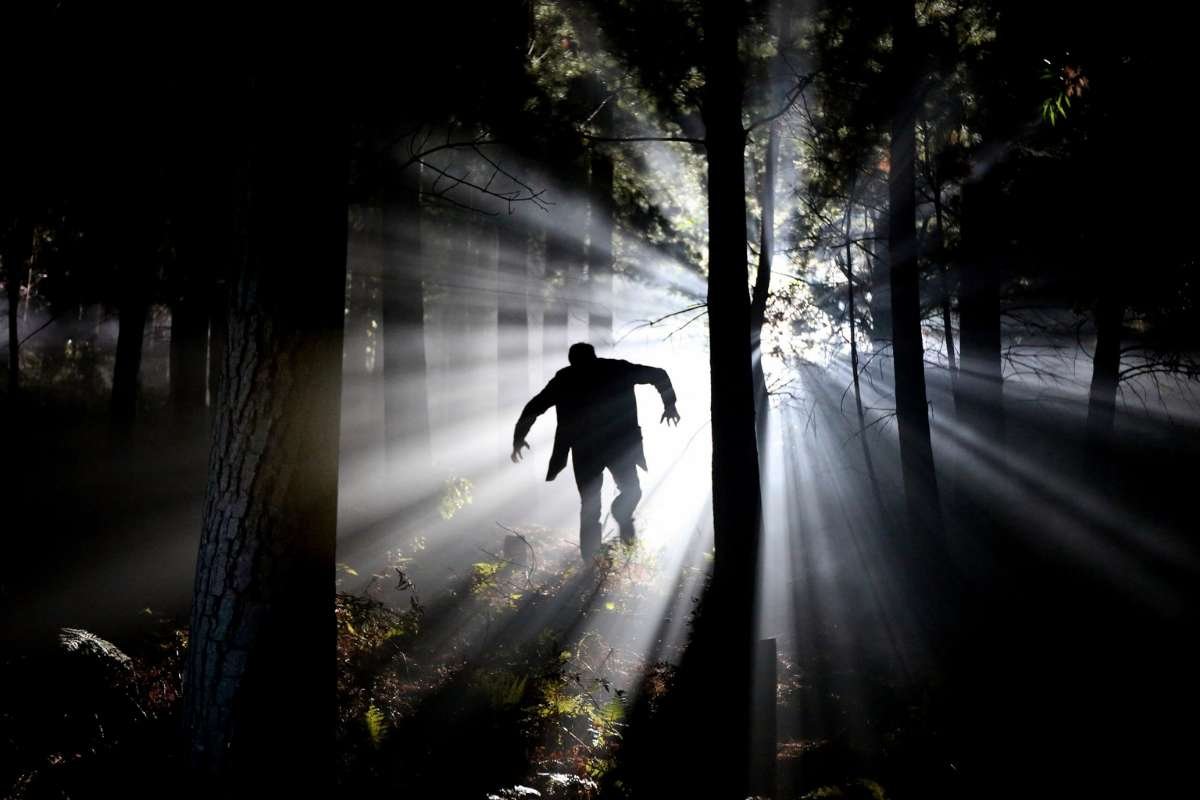
Humans have always been fascinated by fear. We are oddly drawn to things that frighten us, whether it’s modern horror movies streamed at midnight or old myths whispered around fire pits. But what if disasters, monsters, or ghosts aren’t the true source of fear? What if the actual terror is much closer than we think?
Most people imagine something dramatic, such as haunted houses, serial killers, fatal illnesses, or even the vast emptiness of space, when we discuss the “World’s Scariest Thing.” But fear is very personal. One person may hardly notice what frightens another. This is the reason this question is so potent and universal.
The psychology of fear, what professionals and science consider to be the most terrifying situations, and whether the World’s Scariest Thing is something inside of us or something outside of it, will all be covered in this article.
What Is the World’s Scariest Thing?
Ask ten people this question, and you’ll likely get ten different answers. Some might say death. Others might say losing loved ones, public humiliation, failure, or the unknown. Culturally, horror stories often revolve around supernatural forces, apocalyptic events, or violent threats.
But beneath all these answers lies a common thread: uncertainty.
The fear of the unknown consistently ranks as one of humanity’s deepest anxieties. Darkness scares us not because of what we see. But because of what we cannot see. Silence at night feels unsettling because our brains begin filling in the blanks.
From an evolutionary perspective, fear developed as a survival mechanism. Early humans who reacted quickly to potential threats, like predators or dangerous environments, were more likely to survive and pass on their genes. Fear kept us alert. Fear kept us alive.
However, modern fear has evolved. Today, we rarely fear wild animals attacking us. Instead, we fear job loss, social rejection, climate change, financial instability, and existential crises. The modern version of the World’s Scariest Thing may not have claws or sharp teeth. It may be insecurity or loss of control.
Interestingly, studies consistently show that people often fear emotional pain more than physical pain. The idea of being alone, unloved, or forgotten can be more terrifying than any horror movie villain.
So perhaps the scariest thing isn’t a monster hiding under the bed. But the feeling of helplessness inside our own minds.
What Science Says Is the “Scariest” Thing?
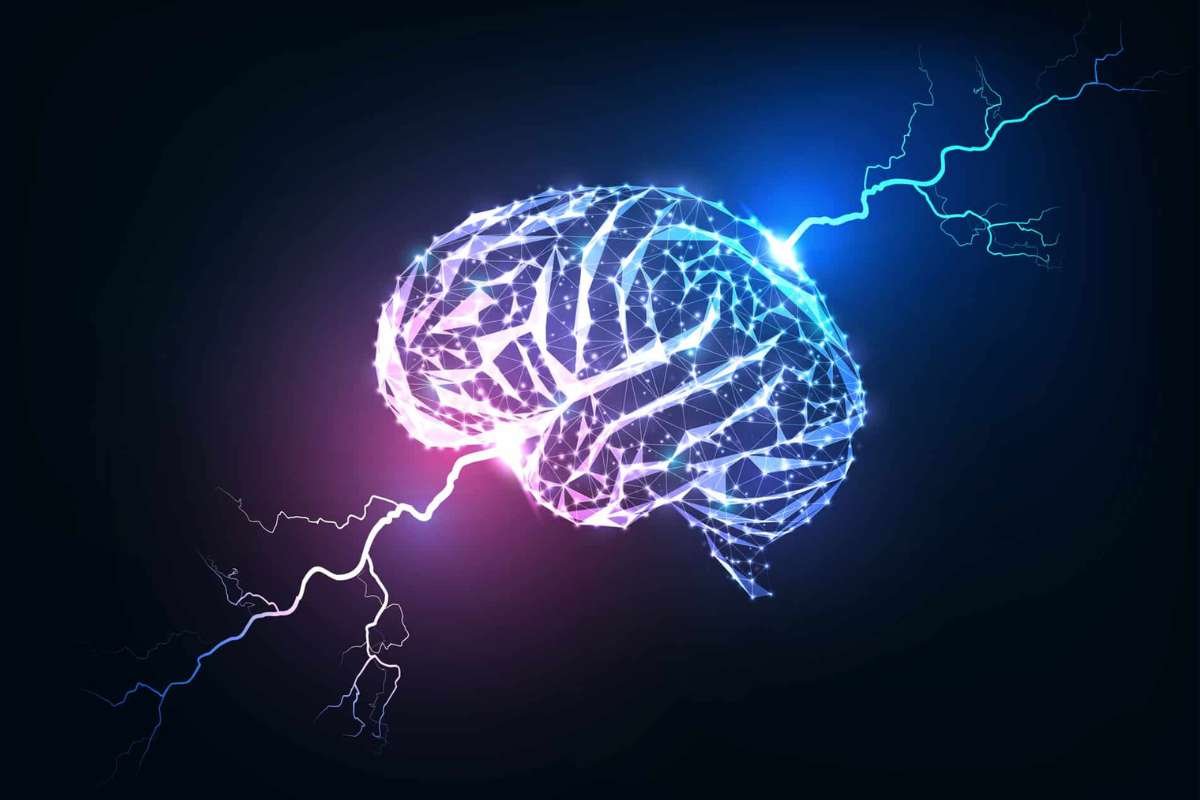
Psychologists and neuroscientists have studied fear for decades. Research into the brain’s amygdala, the region responsible for processing fear. This reveals that our brains react strongly to unpredictability.
In fact, uncertainty activates the same stress responses as direct danger. This means that not knowing what will happen can feel just as threatening as an actual threat.
According to multiple psychological studies, one of the most intense fears humans experience is loss of control. When people feel powerless, their stress hormones spike. This explains why natural disasters, pandemics, and sudden life changes trigger widespread anxiety.
Death anxiety is another leading contender. The awareness of mortality separates humans from most other species. We understand that life is finite. That realization alone can make death a strong candidate for the World’s Scariest Thing.
However, science suggests something even deeper: existential fear.
Existential fear involves questions like:
- What is my purpose?
- What happens after death?
- Does anything truly matter?
- Am I living the right life?
These questions can create profound unease. Studies in terror management theory show that reminders of mortality influence behavior, beliefs, and even political attitudes. When people are reminded of death, they often cling more strongly to cultural beliefs and identities as a coping mechanism.
Another scientifically backed fear is social rejection. Brain imaging studies reveal that social exclusion activates the same neural pathways as physical pain. In other words, being rejected can literally hurt.
This explains why public speaking consistently ranks among the top fears worldwide. The possibility of embarrassment or judgment feels threatening to our deeply social brains.
So when we analyze fear scientifically, the World’s Scariest Thing may not be a physical threat at all. It may be losing meaning, connection, or identity.
Why We’re Attracted to Fear?
If fear is so uncomfortable, why do we voluntarily watch horror movies or visit haunted attractions?
The answer lies in controlled fear.
When you watch a scary film, your body releases adrenaline and dopamine. Your heart rate increases. Your senses sharpen. But your brain knows you are safe. This creates a thrilling experience without real danger.
Fear, in the right context, becomes entertainment.
This is why roller coasters are fun. This is why people enjoy suspenseful stories. It allows us to experience the sensation of the World’s Scariest Thing in a controlled, manageable way.
In contrast, real-life uncertainty, financial struggles, illness, and relationship breakdowns feel far more overwhelming because we cannot press pause or walk away.
Is the Real Fear Internal?

After exploring psychology and science, a surprising conclusion emerges: the scariest thing may not be external at all.
It may be our own thoughts.
Overthinking. Self-doubt. Regret. Fear of failure. Fear of not being enough.
The human mind is powerful. It can imagine worst-case scenarios with incredible detail. Sometimes, the stories we tell ourselves are more frightening than reality itself.
Anxiety disorders are among the most common mental health challenges worldwide. They often involve exaggerated fear responses to situations that are not immediately dangerous. This highlights an important truth: fear is not always rational.
When left unchecked, internal fear can limit opportunities, strain relationships, and prevent growth.
So perhaps the World’s Scariest Thing is not death, darkness, or monsters, but the fear that keeps us from living fully.
Can Fear Be Conquered?
Fortunately, fear is controllable.
Cognitive behavioral therapy (CBT) is one type of therapy that helps people confront their illogical beliefs. By practicing mindfulness, the brain is trained to remain in the present instead of slipping into hypothetical futures. Through the introduction of controlled experiences, exposure therapy progressively lessens fear responses.
Fear loses some of its power when it is understood.
What frightens us becomes less overwhelming when we give it a name, examine it, and rationalize it. Knowledge turns fear into consciousness.
In many respects, understanding is the antithesis of fear rather than bravery.
Conclusion:
The uncertainty we harbor within ourselves is ultimately the most terrifying thing in the world, not a looming calamity or a shadow in the dark. It is the subliminal fear of losing authority, significance, or kinship. However, fear also demonstrates our concern, hope, and dreams. We regain our power when we face our fears. The World’s Scariest Thing starts to lose its hold the instant we decide to learn instead of to avoid it. And in that transition, from fear to awareness, we find courage, which is more powerful than fear.
Thank You For Reading!
See More
Terrify Yourself for Free: The Best Free Horror Games for PC